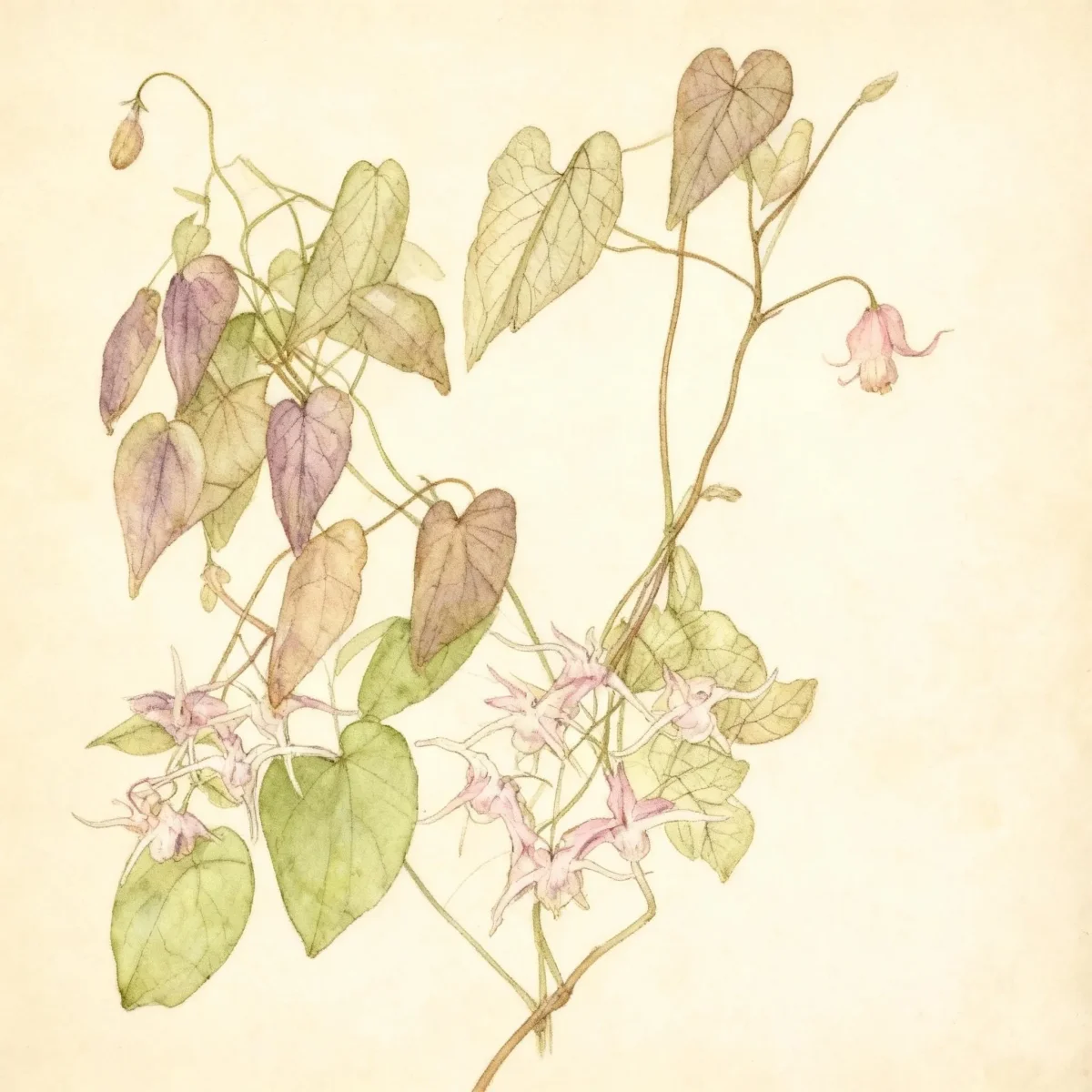
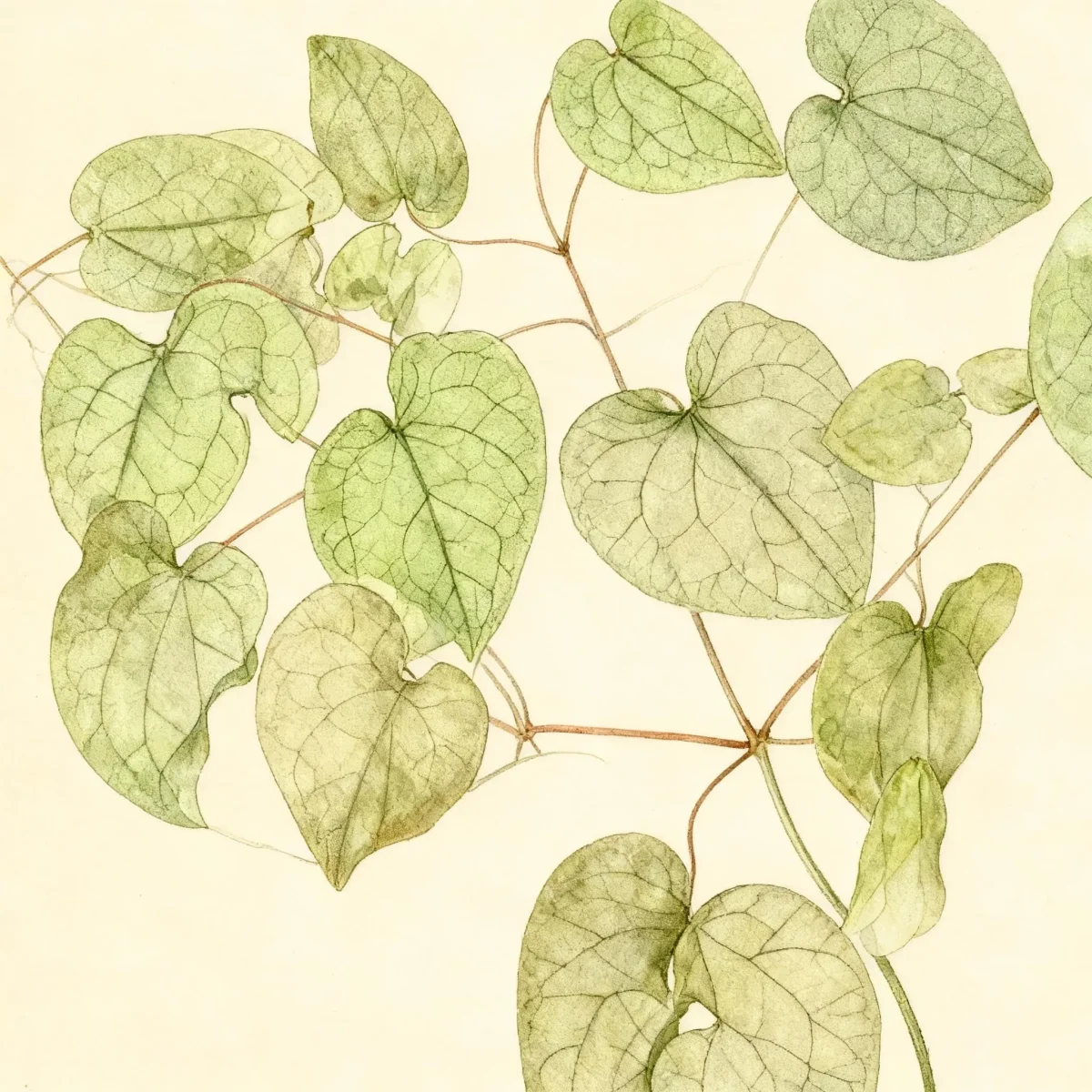
Bishop's hat (Epimedium × youngianum)
Epimedium × youngianum, or Bishop's hat, is a low-maintenance perennial thriving in deep shade, offering delicate pinkish-white spring blooms.
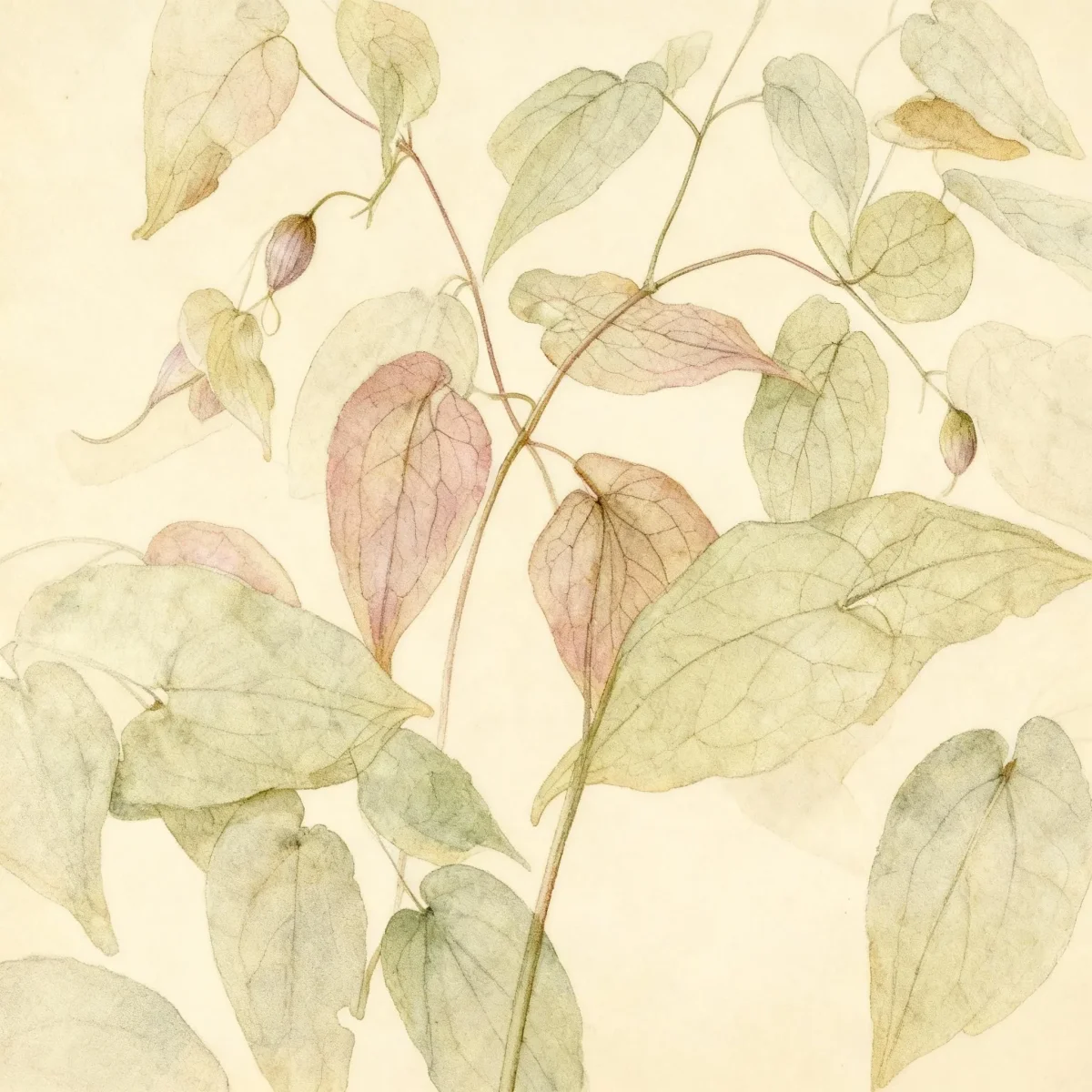

Bloom Boldly, No Matter the Season - Sweatshirt
Cozy organic cotton sweatshirt featuring our exclusive Purple Coneflower design. Perfect for gardeners who bloom year-round.
Inspired by the beautiful Bishop's hat
Limited first batch (50) — join the waitlist for early access
Waitlist closes Feb 15, 2026.
Complete Plant Information
Field Guide Continues
Ready for care notes, companion picks, and planting tips?
The map is just the start. The full guide below covers growth habits, seasonal performance, and landscape uses.
Overview
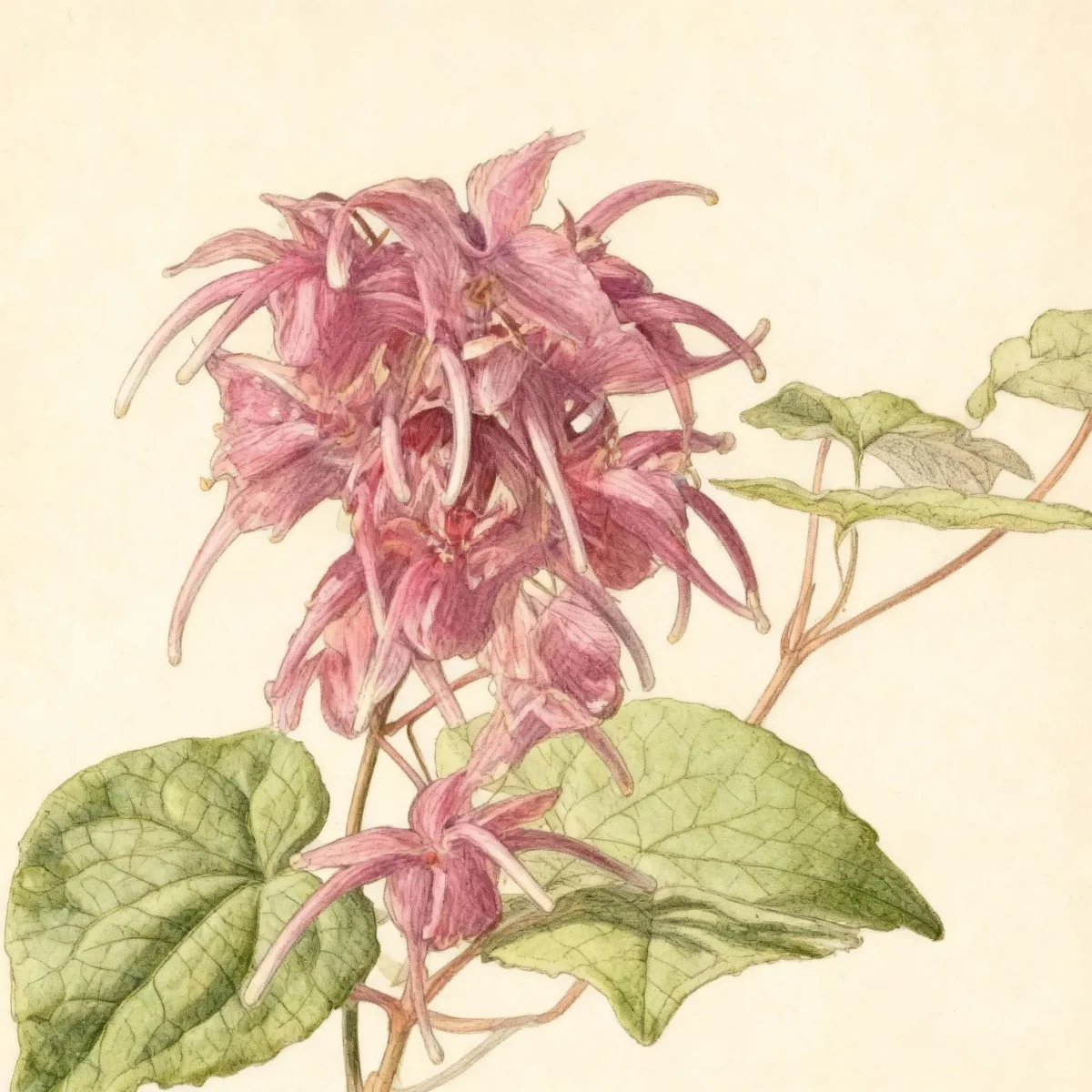
Epimedium × youngianum, commonly known as Bishop’s hat, is a cherished woodland perennial valued for its resilient nature and delicate springtime display. This rhizomatous hybrid establishes slowly, forming attractive mounds of foliage perfectly suited for difficult, deep-shade locations where few other plants establish easily. Its ability to tolerate dry soil and neglect makes it an indispensable element in low-maintenance landscape designs.
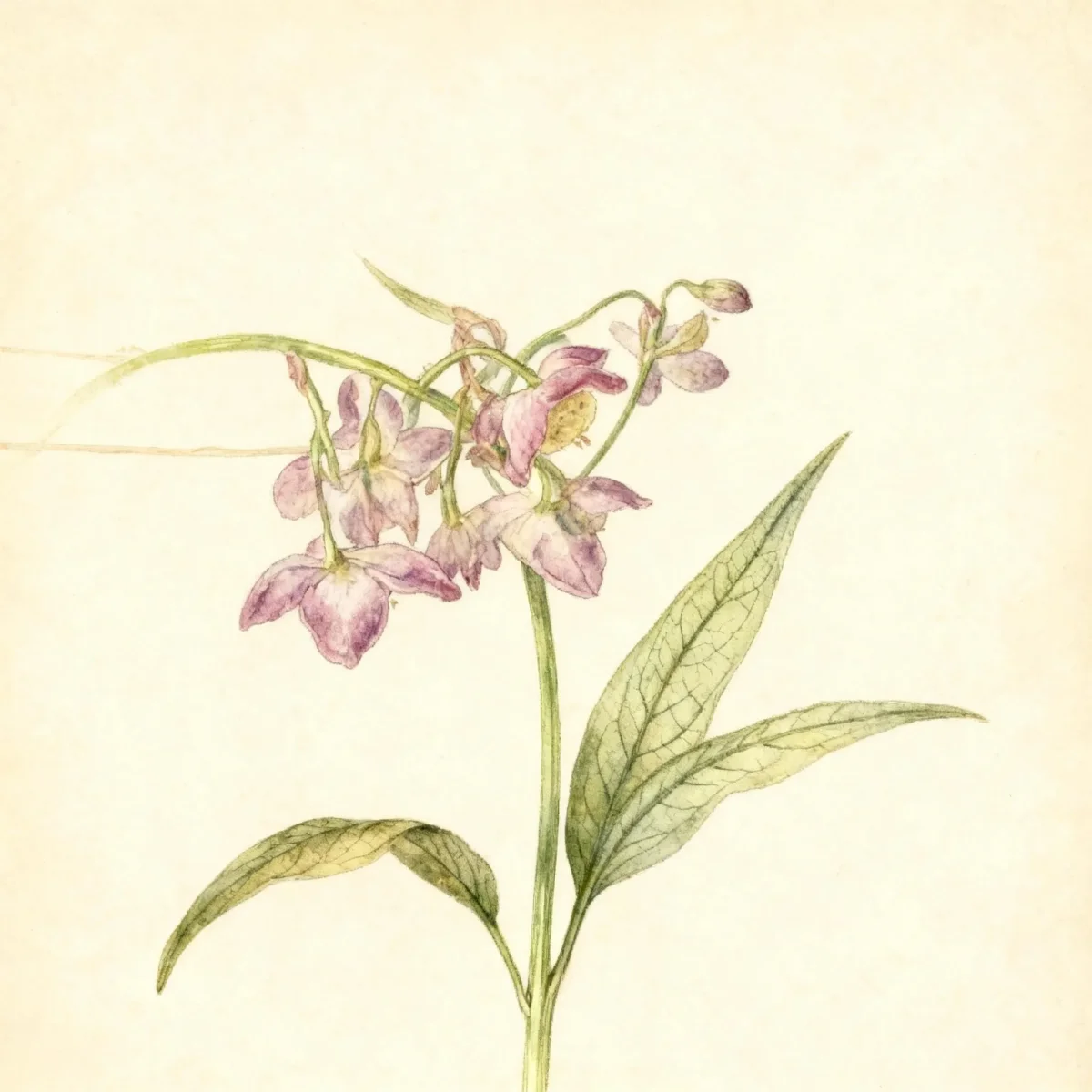
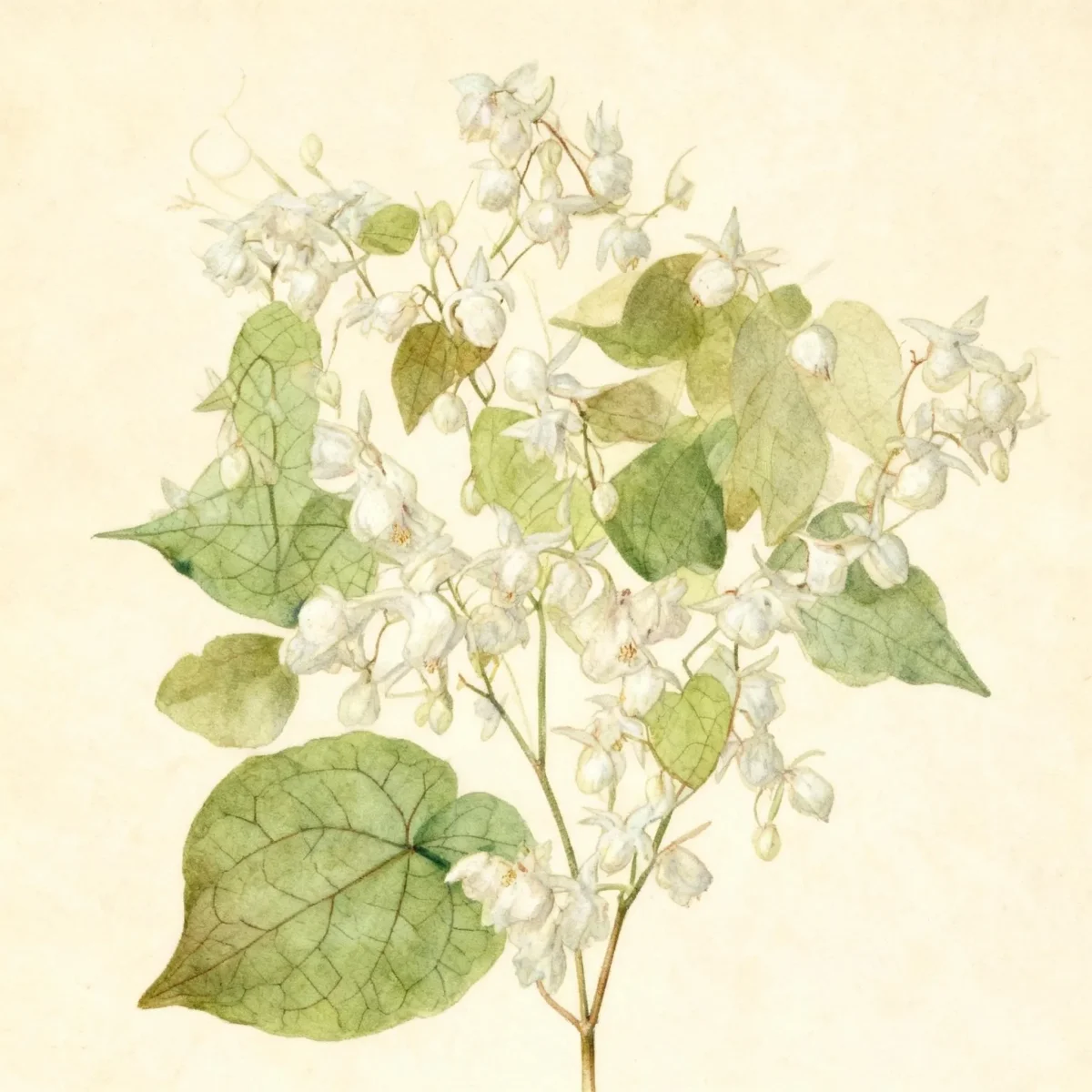
This particular cultivar, a cross between E. diphyllum and E. grandiflorum, emerges with new leaves tinged red before maturing to green, concluding the season with rich fall color. The subtle, light pinkish-white flowers appear in April, offering one of the later blooms in the Epimedium genus, extending the interest of the otherwise static woodland garden. Gardeners rely on Epimedium × youngianum for its reliability as textural ground cover that asks for very little in return.
Fast Facts
- Plant Family: Berberidaceae
- Plant Type: Herbaceous perennial
- Native Range: Garden origin
- Hardiness Zones: USDA Zones 4-8
- Size at Maturity:
- Height: 0.5-0.75 ft
- Spread: 1-1.5 ft
- Bloom Time: April
- Bloom Description: Light pinkish white
- Sun Exposure: Part shade to full shade
- Water Needs: Dry to medium
- Maintenance Level: Low
How to Grow
The ideal time to plant Bishop’s hat is in the fall or early spring, allowing its rhizomatous roots to establish before summer stress begins. Choose a location providing part shade to full shade; the plant performs best away from intense afternoon sun. While easily established in average, well-drained soils, Epimedium × youngianum prefers loose, organically rich loams where moisture can be kept relatively even during establishment.
Once established, this perennial demonstrates impressive drought tolerance, reducing supplemental watering requirements significantly. Fertilization is rarely necessary; working aged compost into the soil around the clumps in spring will provide sufficient nutrients. Pruning is minimal, generally involving only removing tattered foliage if desired before new growth emerges in spring.
A key cultural difference to note is that unlike some other Epimedium species, the foliage of Epimedium × youngianum is not evergreen. Be prepared for the mounds to die back to the ground in winter, though the new spring growth reliably covers the area quickly. Its slow-spreading nature means it is not invasive but requires patience to fully cover a desired area.
Landscape Uses
Epimedium × youngianum excels as a fundamental ground cover layer beneath deciduous trees or in the dark corners of the garden where turf grass fails. Its consistent height of under a foot makes it an excellent, neat edger for winding woodland paths or defining the front edge of a shaded border. Mass planting this rhizomatous perennial creates sweeping waves of texture in naturalized or wild garden settings.
When planning companion plantings, look for species that share cultural needs for dry shade. Hostas, ferns, and woodland bulbs like snowdrops or trillium pair beautifully with Bishop’s hat, providing layered interest throughout the seasons. Its low stature ensures it never obscures taller shade-loving perennials, instead acting as a unifying green carpet.
Standout Features
Flower Qualities
- Showy
Noteworthy Characteristics
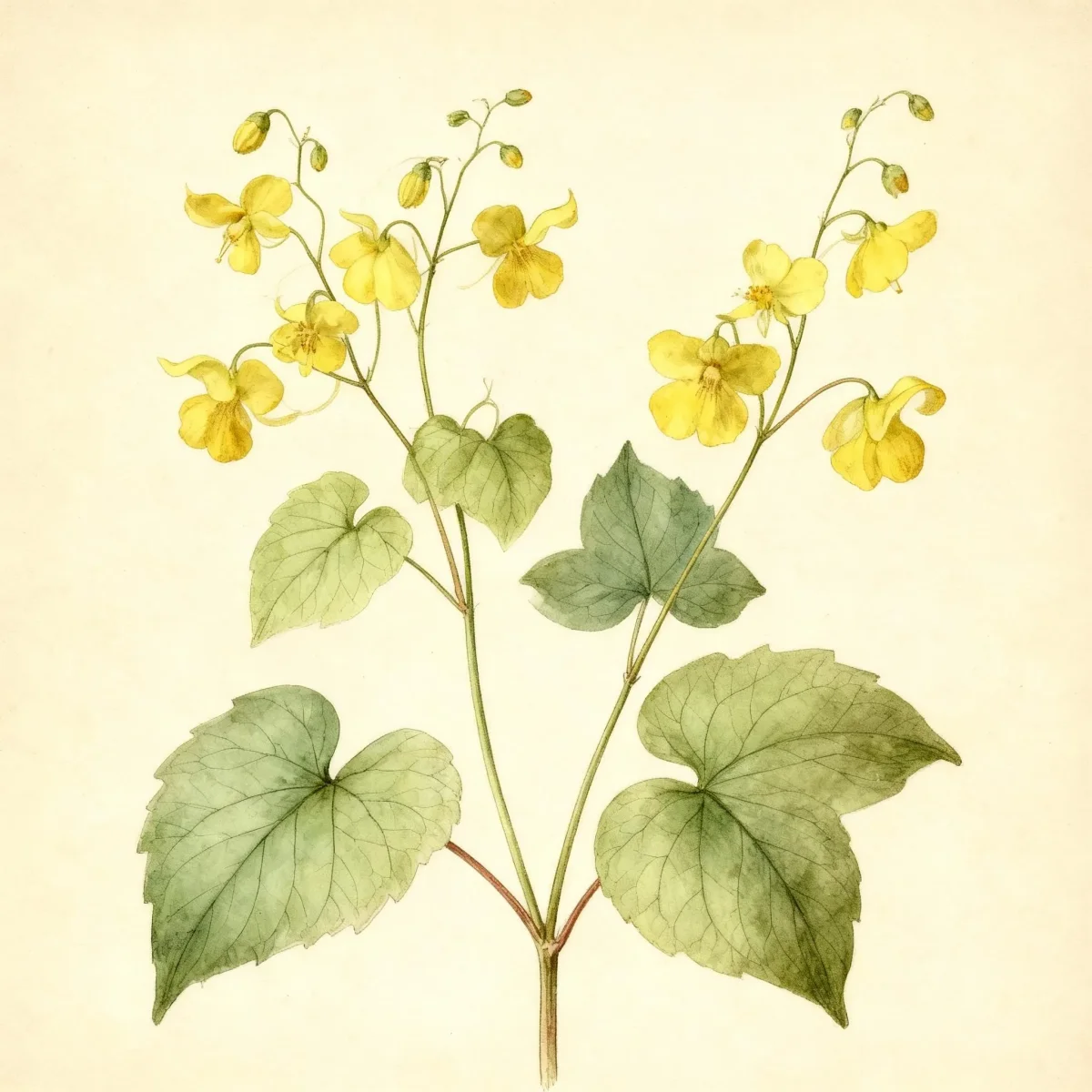
Epimedium × youngianum, sometimes commonly called Young’s barrenwort, is a cross between E. Diphyllum and E. Grandiflorum. It is a rhizomatous, clump-forming perennial which typically grows 6-8” tall and is primarily used as a ground cover or edger in shady or woodland areas. Compound, pale to medium green leaves with triangular to heart-shaped leaflets form attractive mounds, and the new spring foliage often emerges with an appealing red tinge before maturing to green and turning deep red in the fall.
Tolerances
- Rabbit
- Deer
- Drought
- Heavy Shade
- Erosion
- Dry Soil
- Shallow-Rocky Soil
Potential Problems
This species is remarkably resilient, presenting gardeners with no serious insect or disease problems under normal cultivation. Its primary defense against pests is its chemical composition, which discourages grazing animals like deer and rabbits, as noted in its tolerance profile. Prevention centers on ensuring excellent drainage, as overly wet, heavy soil—especially during winter dormancy—is the most likely condition to cause root issues. Avoid heavy fertilization, which can sometimes encourage weak, overly lush growth susceptible to rot.
Frequently Asked Questions
What hardiness zones is Bishop’s hat suitable for?
Epimedium × youngianum is best suited for USDA Hardiness Zones 4 through 8.
How large does Epimedium × youngianum grow?
This perennial typically reaches a mature height between 0.5 and 0.75 feet tall, spreading to cover an area of 1 to 1.5 feet wide.
When does Bishop’s hat bloom?
The delicate flowers of Epimedium × youngianum generally appear in April, featuring a light pinkish-white coloration.
What sun exposure does Bishop’s hat need?
This plant thrives best in partial shade to full shade conditions, perfect for brightening the darkest areas of the garden.
Conclusion
The combination of deer resistance, drought tolerance once established, and suitability for heavy shade makes Epimedium × youngianum a superb, reliable choice for difficult garden niches. As a classic woodland ground cover, Bishop’s hat provides texture and seasonal elegance with minimal input from the gardener. Before planting, confirm that your site falls within USDA Zones 4-8, and be prepared to give this slow spreader the time it needs to fulfill its purpose as a foundational shaded planting.
Companion Planting
When selecting partners for Epimedium × youngianum, prioritize shade-loving plants that thrive in dry to medium soil conditions. Ferns generally make excellent neighbors, offering a contrasting, airy texture to the solid mounds of Bishop’s hat foliage. Consider the elegant height of Hellebores (Helleborus species), which bloom concurrently or slightly earlier, providing mid-spring color display against the emerging foliage of the Epimedium.
Seasonal Care Calendar
Spring preparation involves light cleanup, removing any old, unsightly foliage just as the new reddish growth emerges from the crowns of the Epimedium × youngianum. Lightly top-dress with compost at this time to enrich the soil without over-fertilizing. Throughout the summer, water deeply but infrequently, especially during dry spells, to encourage its drought tolerance. In fall, the foliage will take on lovely deep red tones; no cutting back is strictly necessary, as leaving the leaves can offer some minor winter protection.