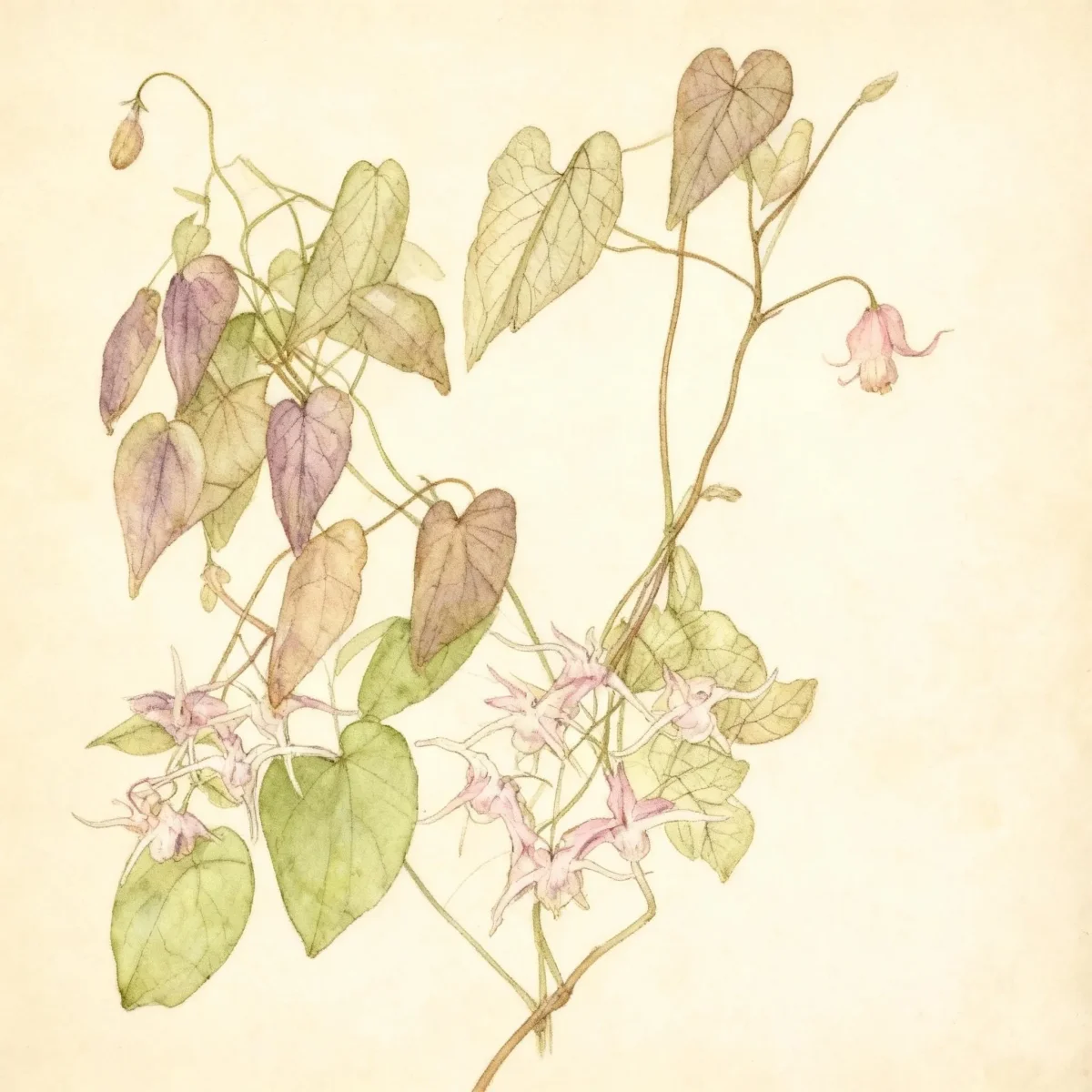
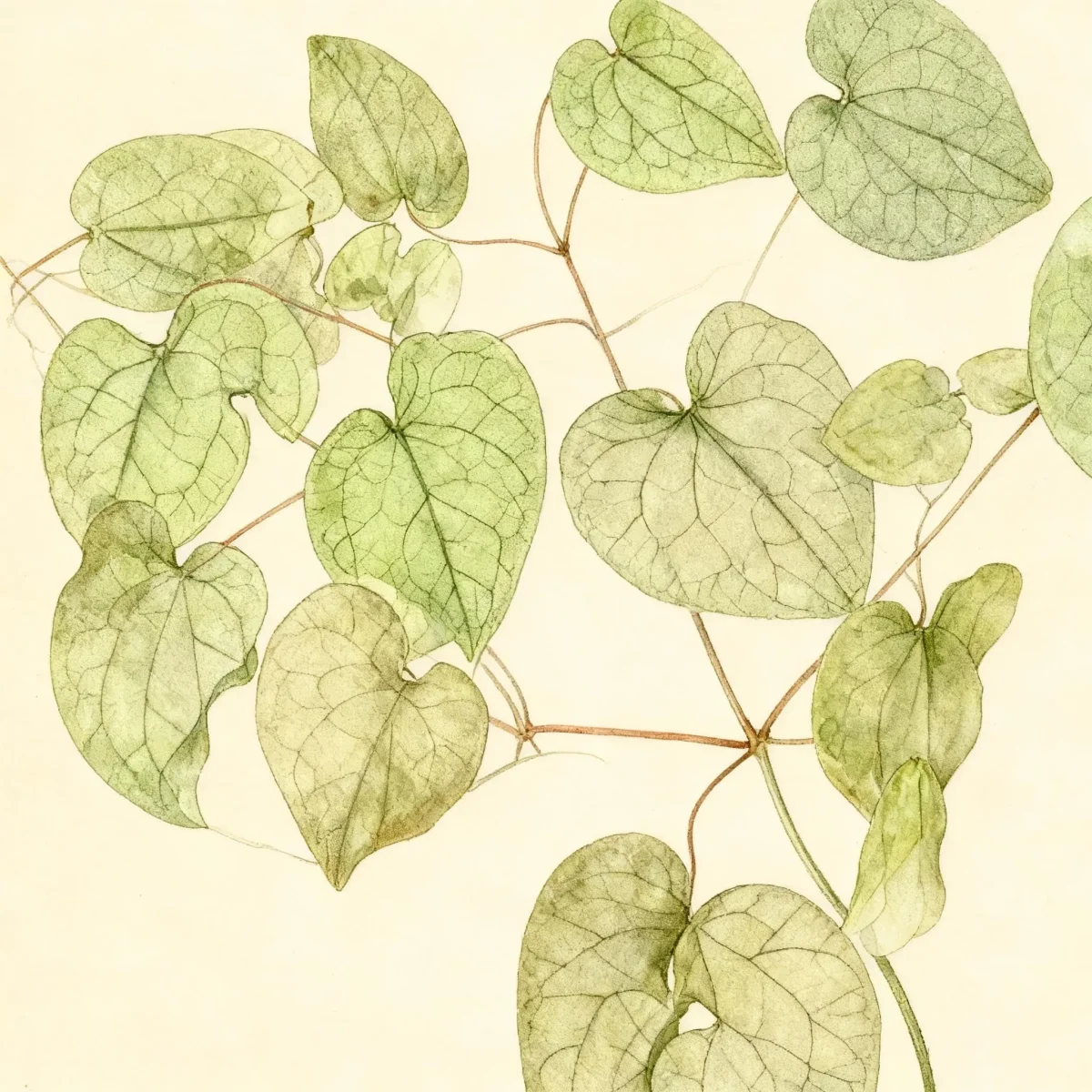
Bishop's hat (Epimedium × youngianum 'Niveum')
Epimedium × youngianum 'Niveum' (Bishop's hat) is a tough, low-maintenance perennial perfect for dry shade, featuring delicate white spring blooms.

Bloom Boldly, No Matter the Season - Sweatshirt
Cozy organic cotton sweatshirt featuring our exclusive Purple Coneflower design. Perfect for gardeners who bloom year-round.
Inspired by the beautiful Bishop's hat
Limited first batch (50) — join the waitlist for early access
Waitlist closes Feb 15, 2026.
Complete Plant Information
Field Guide Continues
Ready for care notes, companion picks, and planting tips?
The map is just the start. The full guide below covers growth habits, seasonal performance, and landscape uses.
Overview
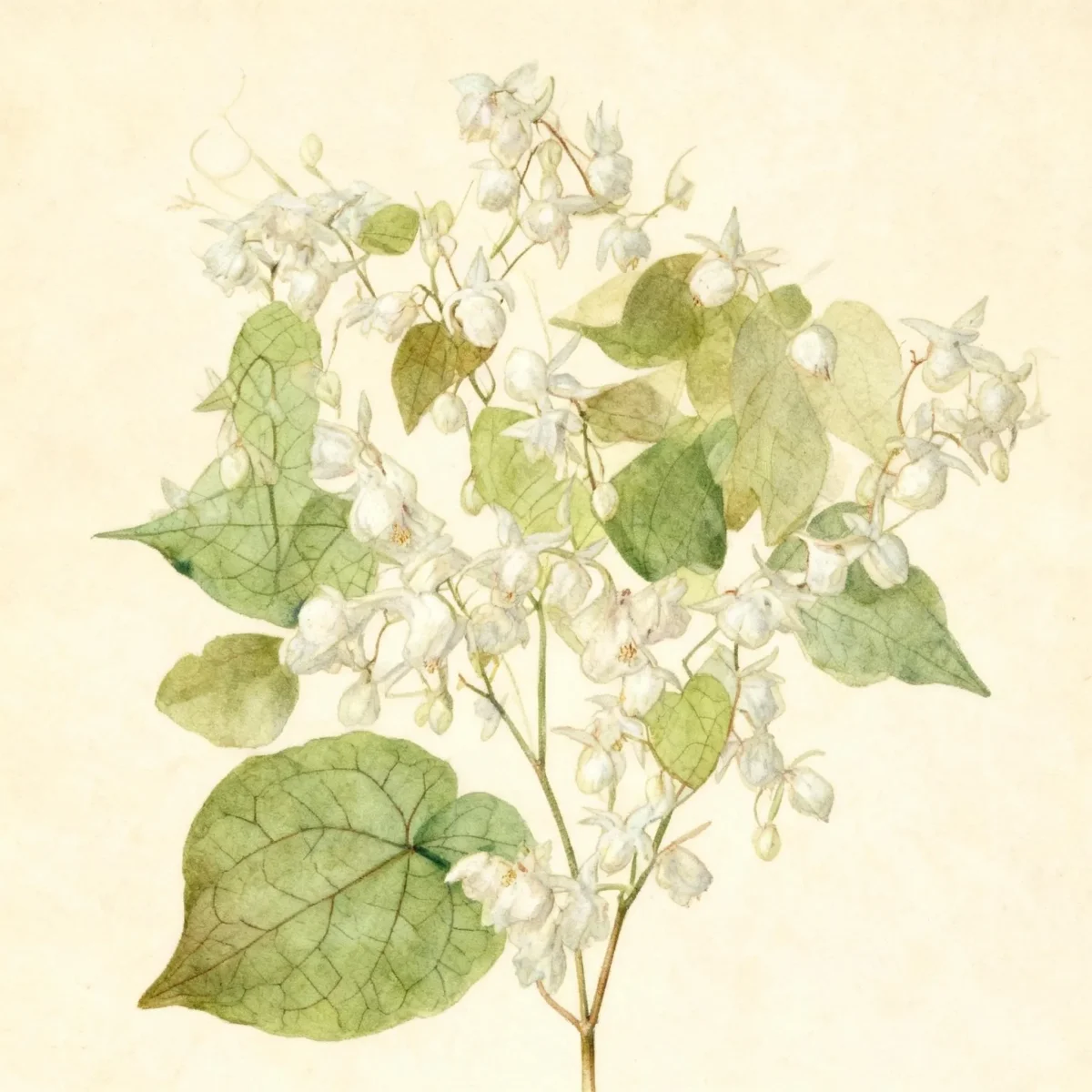
Epimedium × youngianum ‘Niveum’, commonly known as Bishop’s hat, is a highly valued, low-growing perennial treasured for its resilience in difficult, shaded environments. This East Asian hybrid forms attractive mounds of foliage that gracefully cover the ground, making it an exceptional choice for woodland settings or beneath mature trees. The cultivar ‘Niveum’ is particularly sought after for the display of clear white flowers that emerge in spring just as the new growth begins to ascend tangled, wiry stems.
This plant offers significant functional benefits, tolerating dry soil conditions once established, a trait many shade lovers lack. While its spread is somewhat slow via rhizomes, Epimedium × youngianum ‘Niveum’ excels at suppressing weeds and preventing erosion in difficult slopes. Gardeners appreciate the combination of aesthetic appeal—new leaves often tinged red—and its virtually pest-free performance.
As a non-evergreen variety, the foliage of this Bishop’s hat variety adds texture in the warmer months but offers less winter interest than some evergreen Epimediums. Nonetheless, its reliability, low maintenance needs, and beautiful white spring bloom make Epimedium × youngianum ‘Niveum’ a bedrock plant for shaded garden zones 4 through 8.
Fast Facts
- Plant Family: Berberidaceae
- Plant Type: Herbaceous perennial
- Hardiness Zones: USDA Zones 4-8
- Size at Maturity:
- Height: 0.5-0.75 ft
- Spread: 1-1.5 ft
- Bloom Time: April
- Bloom Description: Clear white flowers
- Sun Exposure: Part shade to full shade
- Water Needs: Dry to medium
- Maintenance Level: Low
How to Grow
Planting Epimedium × youngianum ‘Niveum’ is best done in spring or fall to allow it time to establish its root system before extreme weather hits. Location is key; while this perennial tolerates heavy shade, providing it with part shade allows for better flowering display. The species adapts well to average, well-drained soils, though it thrives best in loose, organically rich loams that retain some moisture in spring. Avoid planting in areas prone to constant waterlogging.
Maintenance for this Bishop’s hat is commendably low. Watering should be consistent until the plant is established; after that, it tolerates significant drought periods. While it prefers even moisture in part shade, managing water stress is less taxing than with more demanding shade perennials. Fertilization is rarely necessary if the soil has adequate organic matter; excessive fertility can sometimes decrease flower production.
Pruning is minimal, generally involving simply cutting back the faded foliage toward the ground in late winter or early spring just before new growth emerges, though this is not mandatory for Epimedium × youngianum ‘Niveum’ since the foliage is not evergreen. Be mindful that while rhizomatous, the clumps spread somewhat slowly, so patience is required when using it as a broad ground cover solution.
Landscape Uses
The primary role of this variety is ground cover, making it invaluable for blanketing slopes or establishing a naturalized tapestry beneath mature trees where turfgrass struggles. Its relatively low profile (under one foot tall) also makes it an excellent, neat edger for shady paths and walkways, providing crisp definition throughout the growing season. Mass planting Epimedium × youngianum ‘Niveum’ in woodland gardens creates a sophisticated, layered appearance that brightens dark corners.
It performs wonderfully in partially shaded rock gardens, softening hardscaping elements with its fine-textured leaves and delicate spring flowers. Consider pairing this Bishop’s hat with other shade-tolerant plants that offer contrasting foliage textures or bloom times, such as hostas, ferns, or hellebores, ensuring year-round interest. Its deer and rabbit resistance further ensures that the ground cover remains intact where wildlife roams.
Standout Features
Noteworthy Characteristics
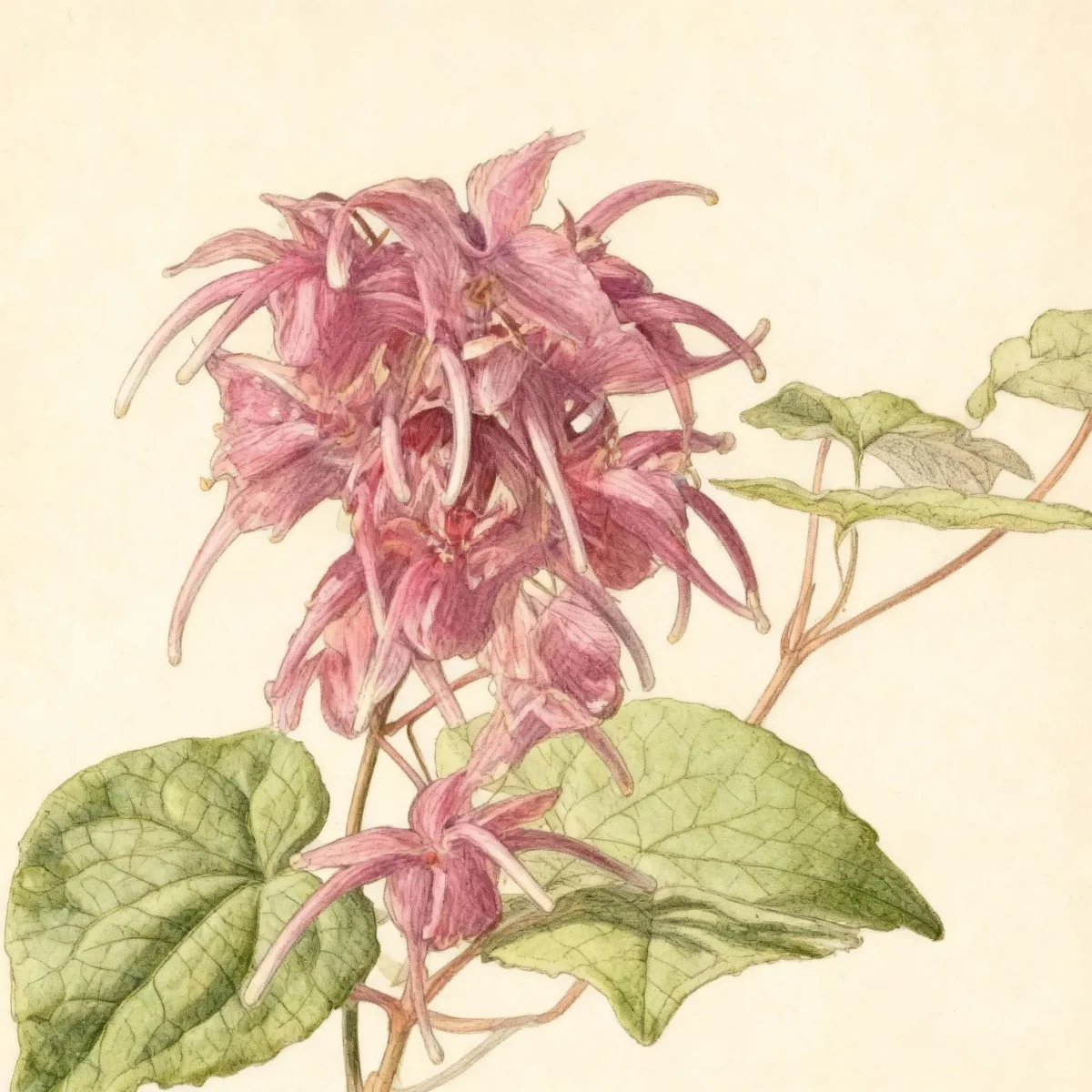
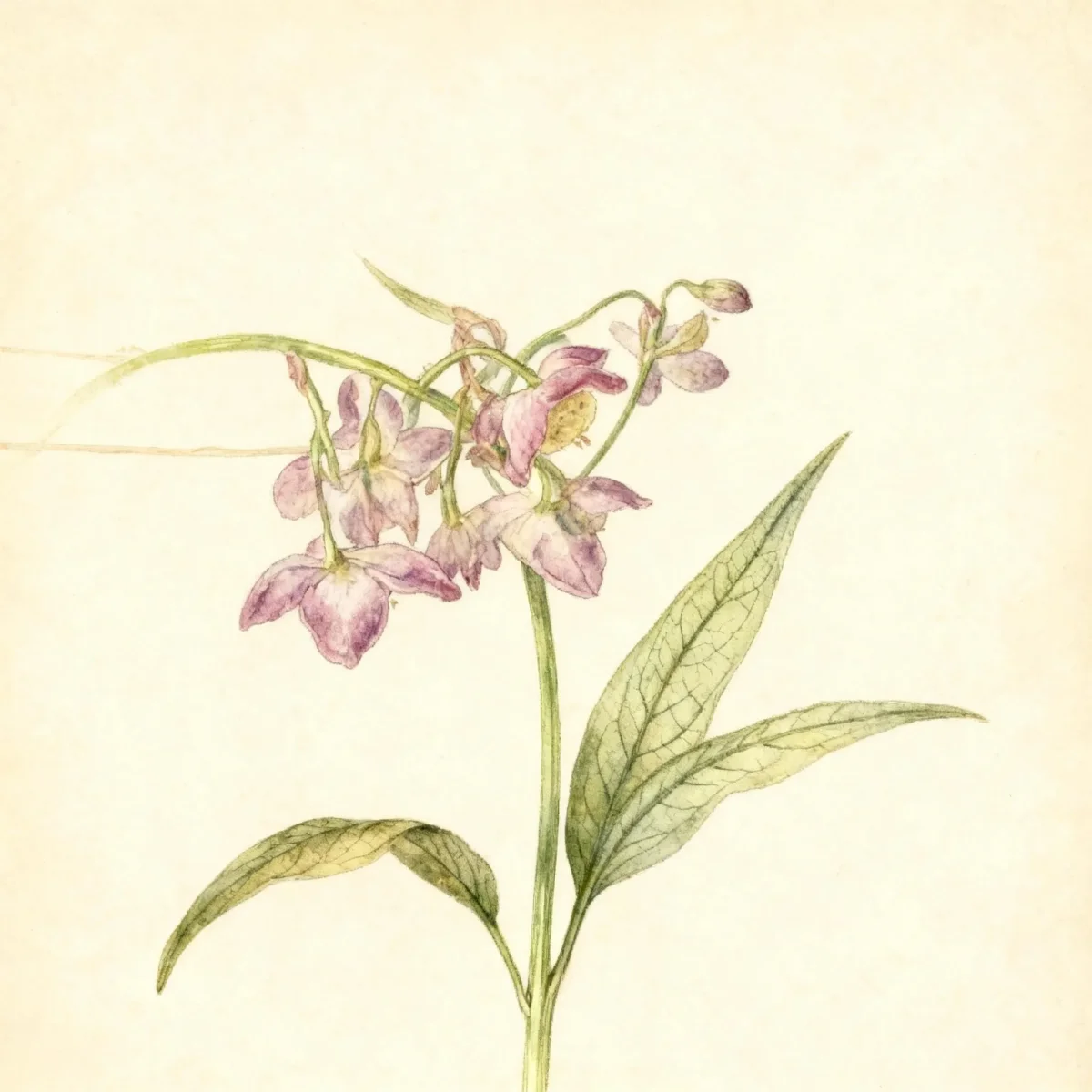
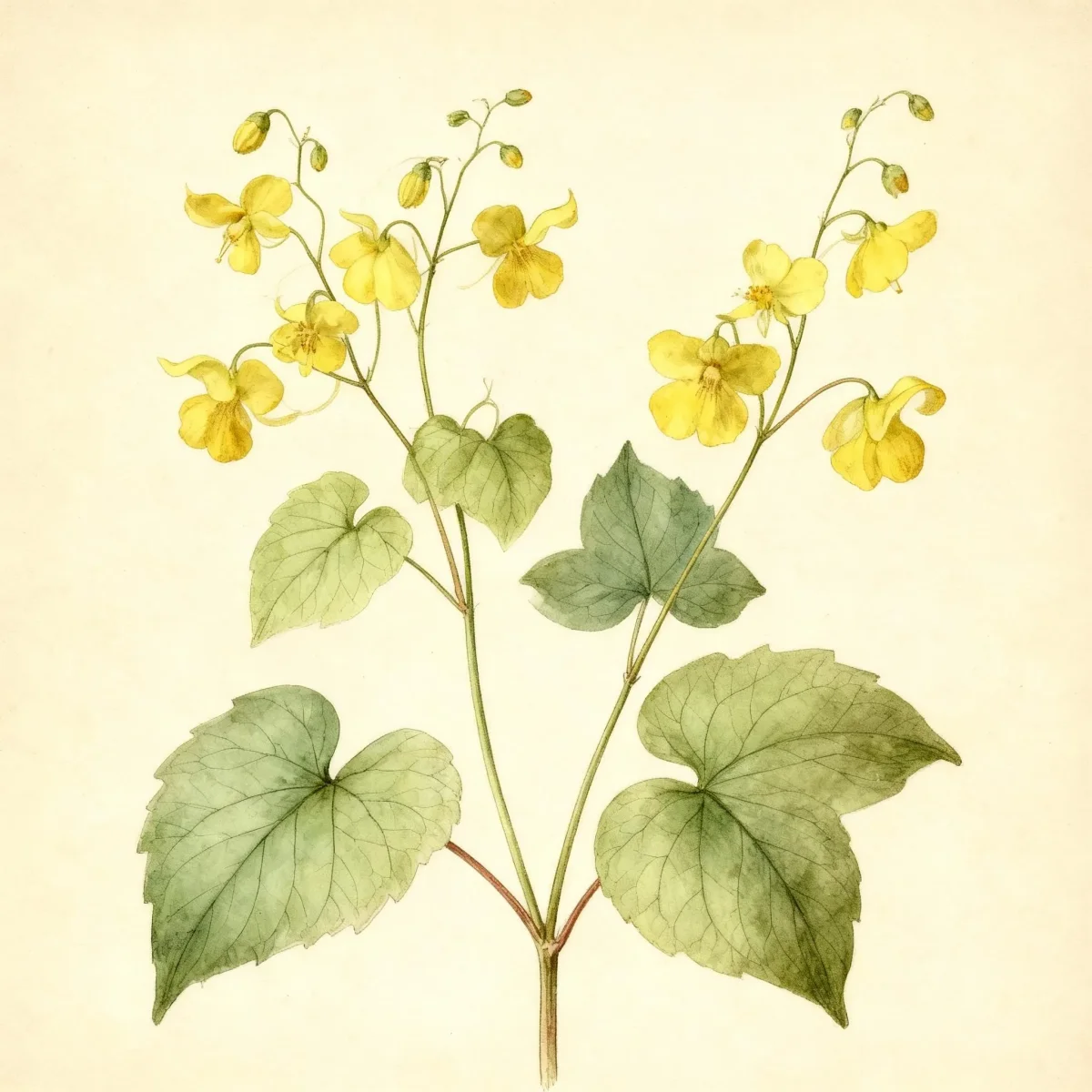
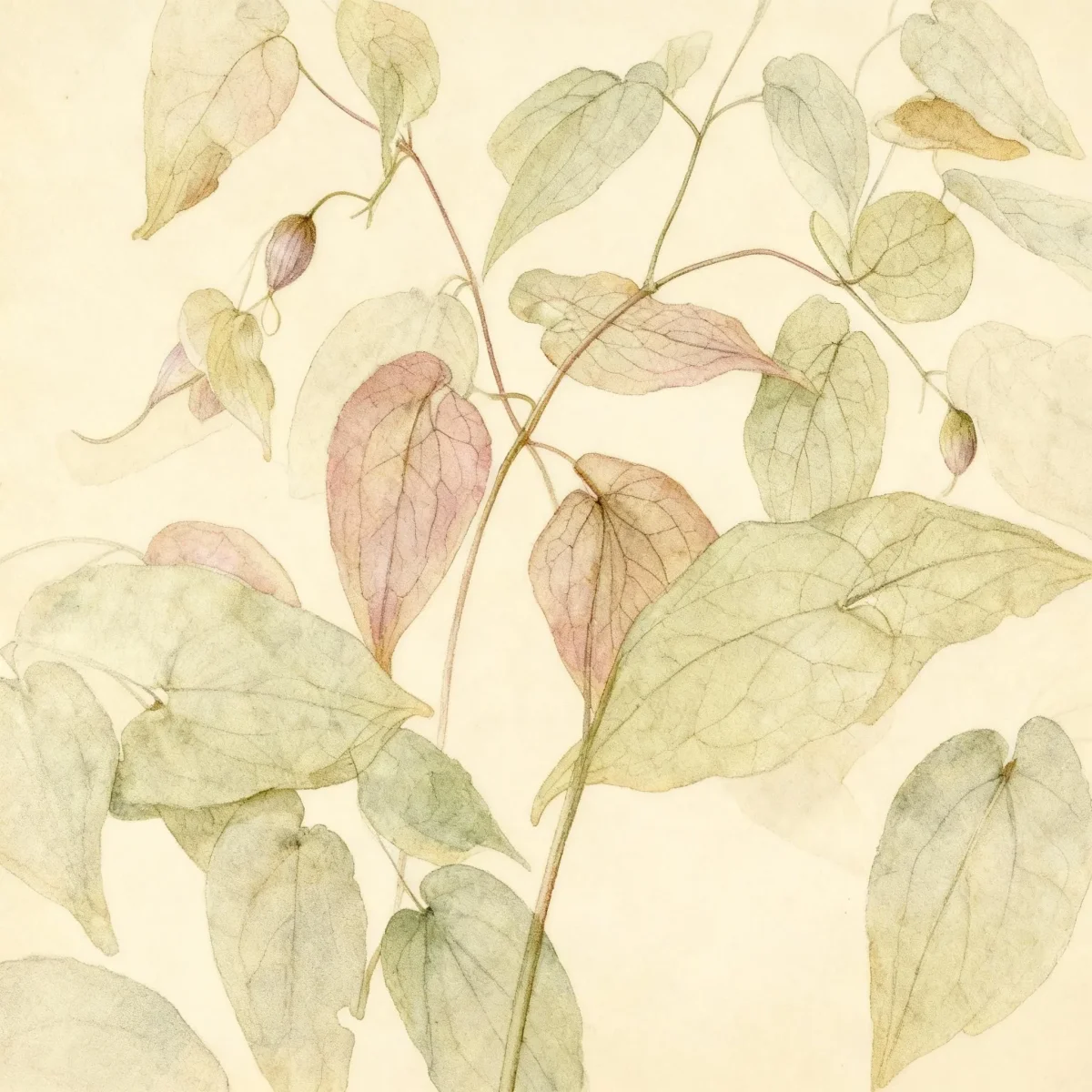
Epimedium × youngianum, sometimes commonly called Young’s barrenwort, is a cross between E. Diphyllum and E. Grandiflorum. It is a rhizomatous, clump-forming perennial which typically grows 6-8” tall and is primarily used as a ground cover or edger in shady or woodland areas. Racemes of short-spurred to spurless, white to pink flowers appear in spring above the foliage, and flowers bloom later in spring than most other epimediums. Compound, pale to medium green leaves with triangular to heart-shaped leaflets (to 3” long) on wiry stems form attractive foliage mounds, and new leaves in spring emerge with a red tinge, maturing to green and turning deep red in fall.
Tolerances
- Rabbit
- Deer
- Drought
- Heavy Shade
- Erosion
- Dry Soil
- Shallow-Rocky Soil
Potential Problems
This plant generally exhibits exceptional resistance, boasting no serious insect or disease problems under appropriate cultural conditions. Gardeners should primarily be vigilant about overwatering, as consistently saturated soil can lead to rot, especially in poorly draining locations. If establishing in suitable dry to medium conditions, pests are rarely a concern, solidifying the low maintenance reputation of Bishop’s hat.
Frequently Asked Questions
What hardiness zones is Epimedium × youngianum ‘Niveum’ suitable for?
This herbaceous perennial thrives across USDA Zones 4 through 8, offering reliable performance across a wide range of temperate climates.
How large does Bishop’s hat grow?
Epimedium × youngianum ‘Niveum’ maintains a compact size, reaching a mature height between 0.5 and 0.75 feet tall, with spreads typically between 1 and 1.5 feet.
What sun exposure does Epimedium × youngianum ‘Niveum’ need?
It performs best in part shade to full shade conditions, happily settling into deep shade where many other flowering plants struggle.
When does Bishop’s hat bloom?
The clear white flowers of this variety typically appear in April, often blooming slightly later in the spring season compared to some other Epimediums.
Conclusion
Epimedium × youngianum ‘Niveum’ stands out as an essential structural plant for shaded garden designs, offering deer resistance, drought tolerance, and beautiful white spring flowers. For gardeners battling dry shade or erosion control, this Bishop’s hat cultivar provides a nearly foolproof solution. Verify your local zone compatibility and plan to incorporate this tough perennial into your landscape this coming fall for the best establishment results.
Companion Planting
When selecting companions for Epimedium × youngianum ‘Niveum’, prioritize plants that share its light and moisture preferences, particularly drought tolerance once established. Consider pairing it with Hellebores (Lenten Rose), which bloom earlier or concurrently but offer different foliage shapes. Similarly, certain Hakonechloa (Japanese Forest Grass) varieties contrast beautifully in texture, maintaining interest once the white flowers of the Bishop’s hat fade.
Propagation Tips
The primary method for increasing your stock of Epimedium × youngianum ‘Niveum’ is division, which is straightforward given its rhizomatous nature. Since clumps spread somewhat slowly, division is easiest done when the plant benefits from thinning or when you wish to relocate sections, ideally in early spring before aggressive leaf-out or in the fall. Gently dig up the clump, separate the rooted sections by hand or with a sharp spade, and replant immediately into the prepared, well-drained soil.