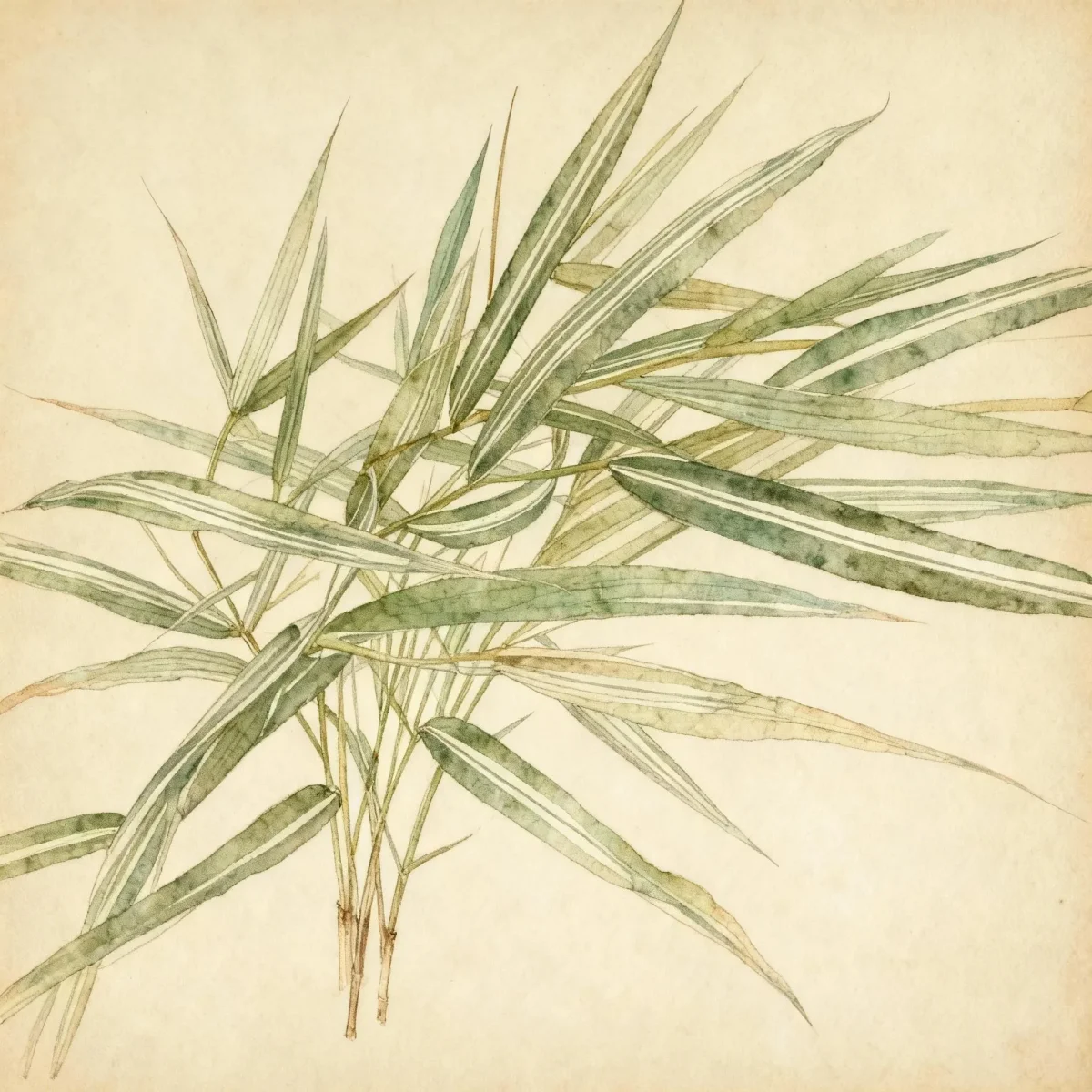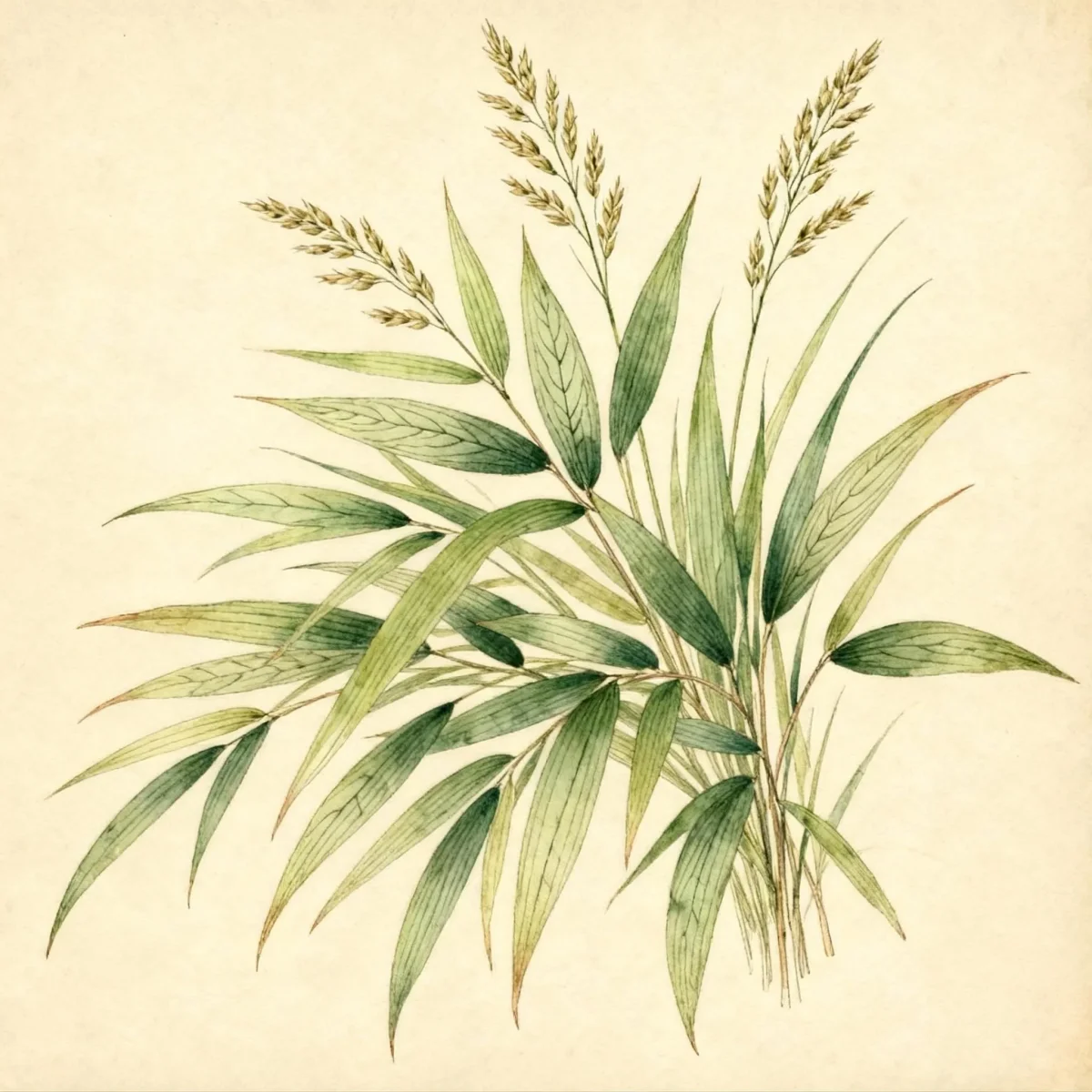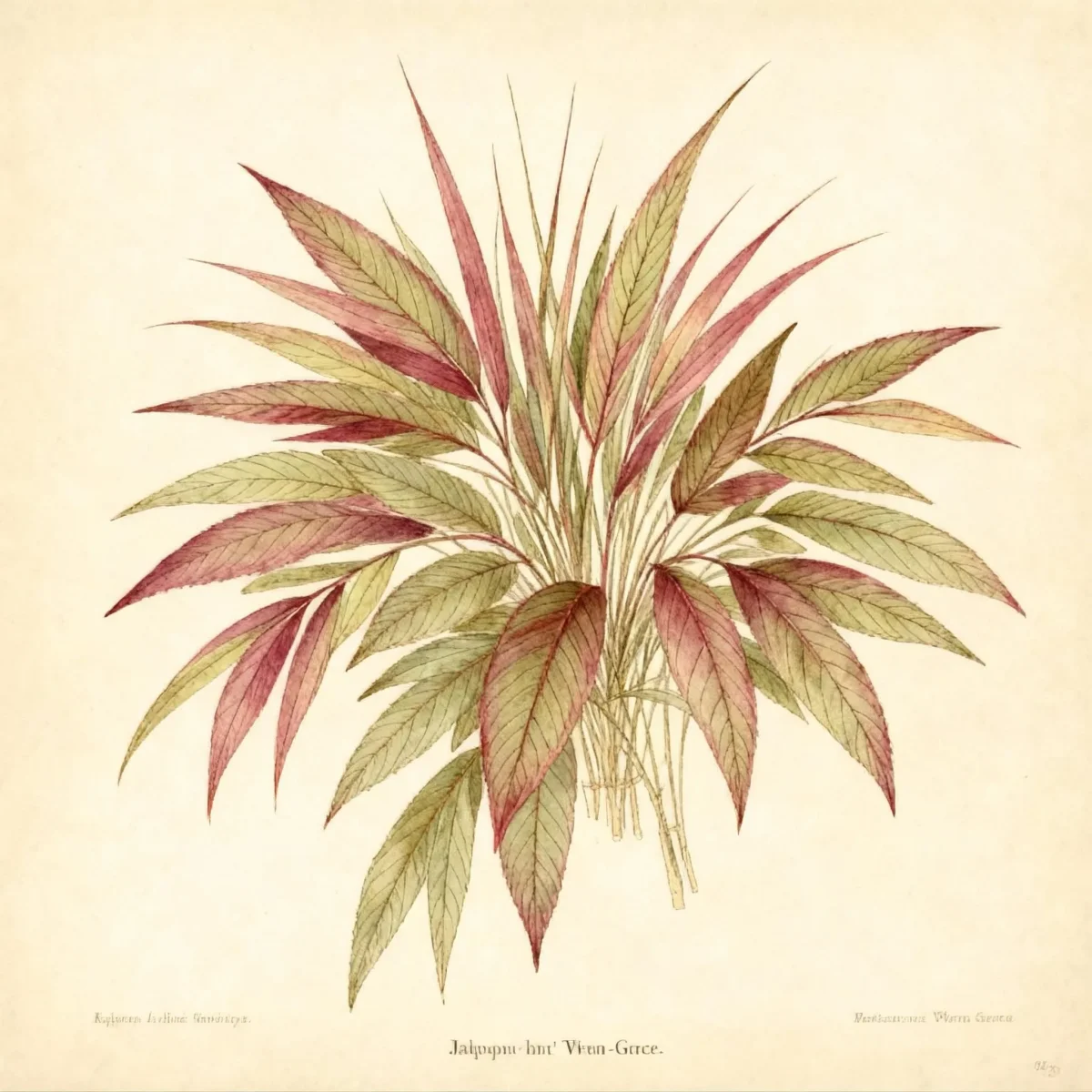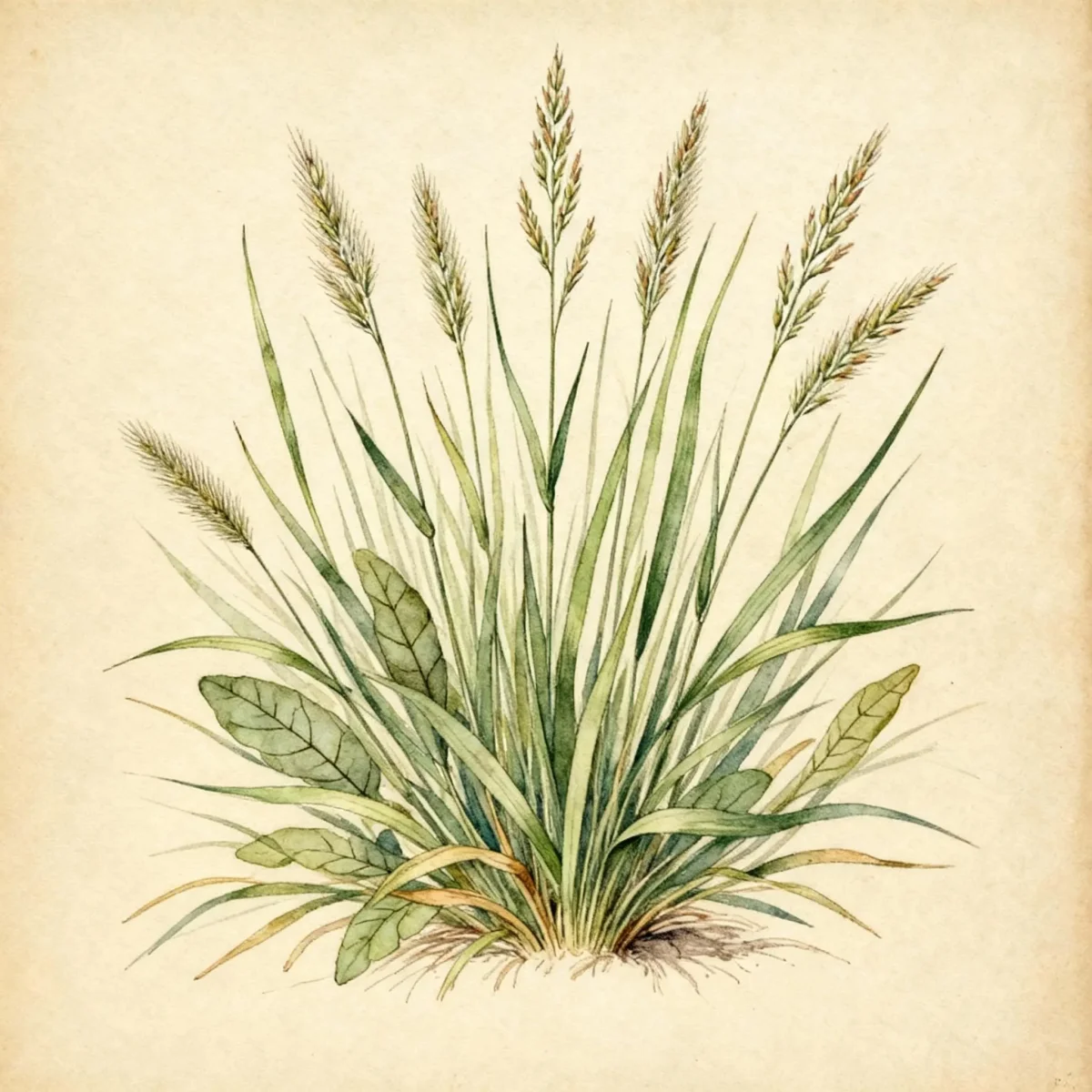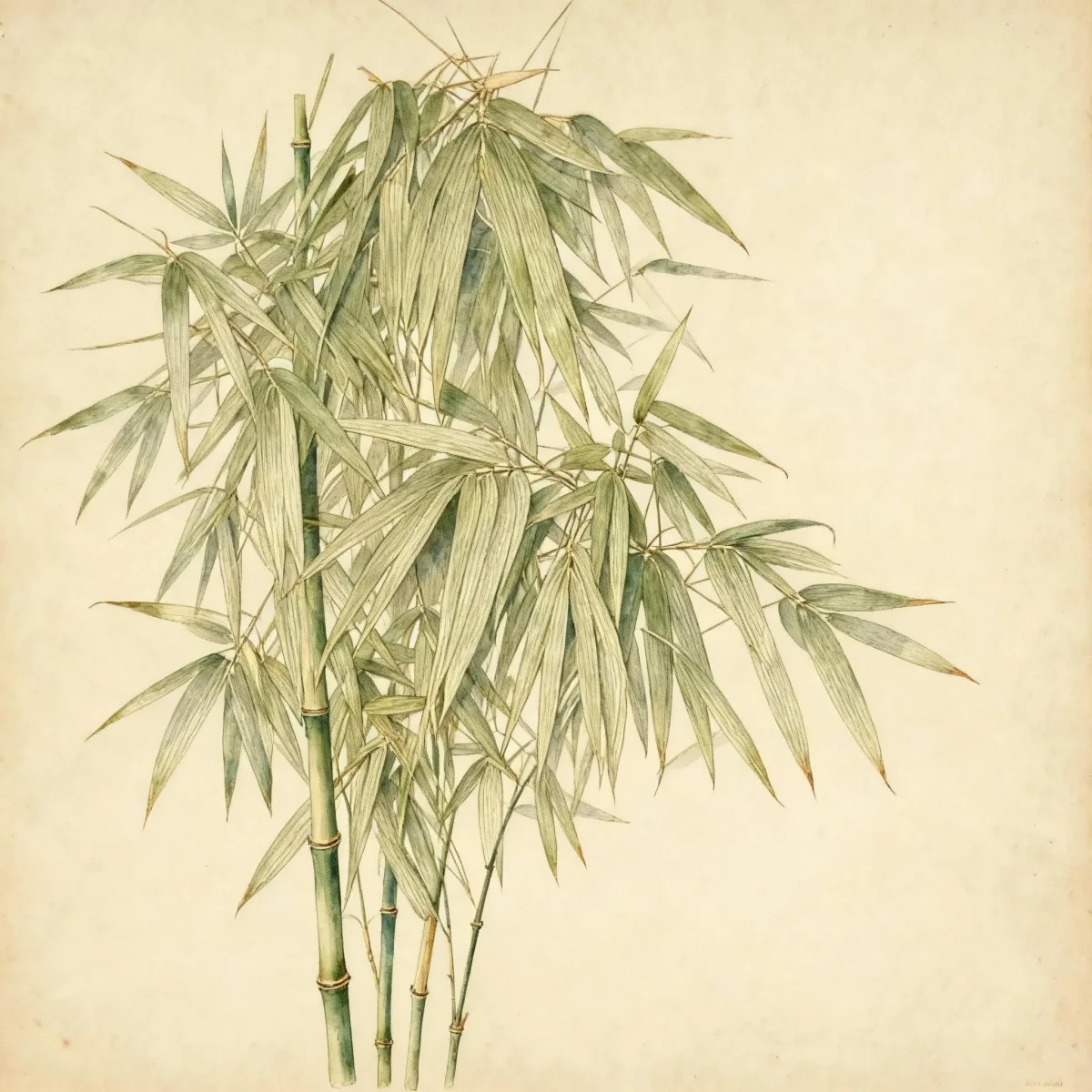

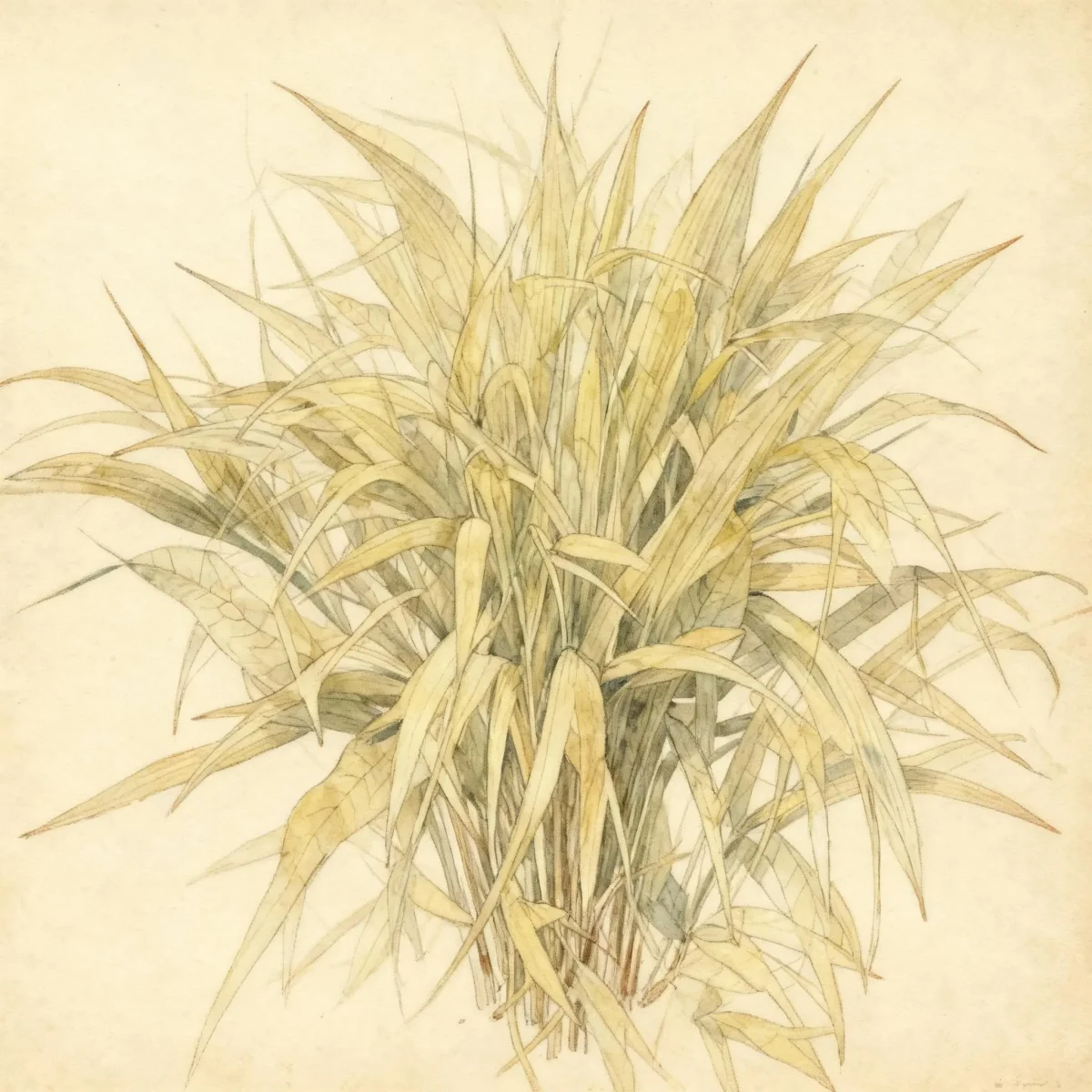
Japanese forest grass (Hakonechloa macra 'Aureola')
Hakonechloa macra 'Aureola' is a stunning, low-maintenance Japanese forest grass, perfect for shady spots with its cascading gold-striped foliage.
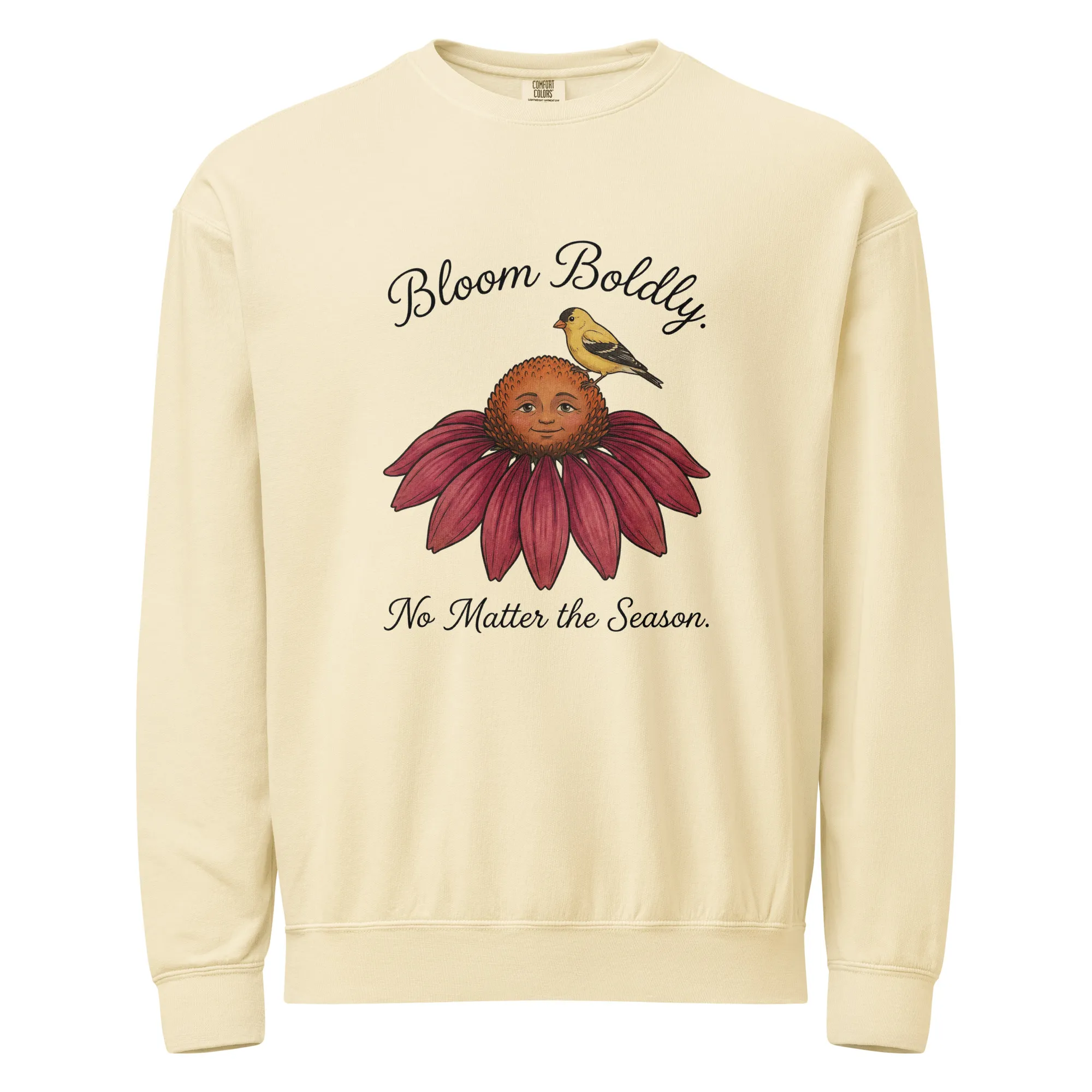
Bloom Boldly, No Matter the Season - Sweatshirt
Cozy organic cotton sweatshirt featuring our exclusive Purple Coneflower design. Perfect for gardeners who bloom year-round.
Inspired by the beautiful Japanese forest grass
Limited first batch (50) — join the waitlist for early access
Waitlist closes Feb 15, 2026.
Complete Plant Information
Field Guide Continues
Ready for care notes, companion picks, and planting tips?
The map is just the start. The full guide below covers growth habits, seasonal performance, and landscape uses.
Overview
Hakonechloa macra ‘Aureola’, widely known as Japanese forest grass, is highly valued for its gracefully arching, mounding habit, which creates a soft, cascading visual effect in the garden. This rhizomatous perennial grass is native to moist Japanese woodlands, thriving where other grasses struggle: in shaded environments. The cultivar ‘Aureola’ distinguishes itself with linear-lanceolate leaves beautifully variegated with longitudinal gold striping, providing essential seasonal color in dim areas.
Its deciduous nature means it offers textural interest throughout the growing season, forming dense, spreading clumps that are fantastic for softening edges or covering slopes. Japanese forest grass requires consistent moisture to maintain its vibrant look, but demands relatively low maintenance once established in optimal conditions. This plant’s resilience against common pests and urban pollution makes Hakonechloa macra ‘Aureola’ an incredibly reliable choice for woodland gardens and shaded borders.
Fast Facts
- Plant Family: Poaceae
- Plant Type: Ornamental grass
- Hardiness Zones: USDA Zones 5-9
- Size at Maturity:
- Height: 1-1.5 ft
- Spread: 1-1.5 ft
- Bloom Time: July to August
- Bloom Description: Yellow-green
- Sun Exposure: Part shade
- Water Needs: Medium
- Maintenance Level: Low
How to Grow
The key to success with Hakonechloa macra ‘Aureola’ is providing the right environment, emphasizing moisture retention and shade protection. Plant in humusy, consistently moist, well-drained soils. While it tolerates deep shade, especially in hot climates, the best performance and color intensity are achieved in part shade locations. Planting in full sun will invariably cause the foliage to scorch, particularly during intense summer heat waves.
Water needs are medium; consistent moisture is crucial, especially during establishment and hot summers, as lack of water can lead to leaf scorch. Fertilization is rarely necessary if the soil is rich and organic. Hakonechloa macra spreads slowly via rhizomes but is not considered invasive in the garden setting.
Maintenance for Japanese forest grass is minimal. Prepare for the next season by trimming the entire clump of foliage down to the ground in late winter or very early spring, just before the new shoots begin to break dormancy. A layer of mulch applied in winter can help protect the shallow roots from winter heaving in colder zones.
Propagation of this striking ornamental grass is most easily achieved through division of existing clumps during the growing season. The plant shows excellent tolerance to urban conditions, including significant air pollution.
Landscape Uses
Hakonechloa macra ‘Aureola’ is superb as a spreading ornamental grass specifically designed for shady locations, fulfilling roles where traditional lawn grasses fail. It functions excellently as a shade groundcover, effectively blanketing slopes or woodland floors, preventing erosion while providing continuous texture. Consider using Japanese forest grass along meandering paths or beside dark retaining walls where its golden variegation can truly illuminate dim corners.
This grass excels in shaded areas of mixed borders, spilling gently over the edges of containers or softening the hard lines of rock gardens. When grouped in drifts, the combined effect of cascading foliage creates a serene, water-like appearance that brings movement to still environments. Hakonechloa macra mingles beautifully with shade-loving perennials such as hostas, ferns, and hellebores that share similar cultural requirements for moisture and shade.
Standout Features
Flower Qualities
- Showy
Noteworthy Characteristics
Hakonechloa macra, commonly called Japanese forest grass or Hakone grass, is a rhizomatous, shade-loving, deciduous perennial grass that is native both to moist mountain areas including wet rocky cliffs and to moist woodland areas in central Japan. This plant forms dense, spreading, cascading mounds with gracefully arching leaves that have a distinctive papery texture resembling bamboo. The ‘Aureola’ cultivar features intensely variegated green leaves streaked with gold, making it a premier choice for bringing light to deep shade.
Tolerances
- Deer
- Black Walnut
- Air Pollution
Potential Problems
Generally, Japanese forest grass is remarkably free of serious insect or disease issues, contributing to its low-maintenance status. The primary cultural challenge involves scorching, where hot summer conditions—especially combined with insufficient moisture—can burn the elegant leaf margins. This is a common concern for Hakonechloa macra ‘Aureola’ grown outside ideal cool-summer regions.
Deer tend to entirely avoid consuming this ornamental grass, which is a significant advantage in regions with high deer pressure. In winter, be mindful of root heaving, where freezing and thawing cycles can push the crown slightly above the soil line; applying a consistent layer of mulch helps mitigate this effect.
Frequently Asked Questions
What hardiness zones is Japanese forest grass suitable for?
Hakonechloa macra ‘Aureola’ is reliably hardy in USDA Zones 5 through 9, though performance benefits greatly in areas with cooler summers.
How large does Japanese forest grass grow?
This ornamental grass typically reaches a mature height between 1 and 1.5 feet tall, with an equal spread of 1 to 1.5 feet in a graceful, mounding habit.
What sun exposure does Hakonechloa macra ‘Aureola’ need?
The ideal location for Hakonechloa macra ‘Aureola’ is part shade; direct, intense sun will cause leaf burn and may diminish the leaf variegation.
When does Japanese forest grass bloom?
The plant produces inconspicuous yellow-green flowers that appear in loose, nodding panicles during the mid-summer months, typically between July and August.
Conclusion
Hakonechloa macra ‘Aureola’ remains a gold standard for adding soft texture and bright, filtered color to shaded garden areas. Its low maintenance needs and impressive resistance to deer and pollution consolidate its place as a must-have specimen. Evaluate your planting area for consistent moisture and part-shade conditions before installing Japanese forest grass this season.
Companion Planting
When selecting neighbors for Hakonechloa macra ‘Aureola’, prioritize plants that thrive in similar conditions: consistent moisture, rich soil, and protection from harsh afternoon sun. Ferns are classic companions, offering contrasting upright or feathery textures, such as Japanese Painted Ferns for added color contrast, or robust Ostrich Ferns for height. Hostas work perfectly alongside Japanese forest grass, particularly those with blue or dark green foliage which allows the gold striping of the grass to pop visually.
Consider groundcovers like creeping Brunnera ‘Jack Frost’ or Tiarella (Foamflower) to create a dense, layered tapestry ideal for woodland garden borders. Since Hakonechloa macra naturally wants to mound and cascade, pair it with structural elements or plants that offer vertical contrast to maximize the design impact of this graceful ornamental grass.
Design Ideas for Shaded Borders
The characteristic fountain-like habit of Hakonechloa macra ‘Aureola’ makes it an exceptional edging plant along shady paths, softening hard stone or mulch lines dramatically. Use it massed along a damp slope; the rhizomatous nature helps stabilize soil while the leaves drape beautifully down the incline. In modern shade designs, use this grass sparingly as an accent near water features where its fine texture catches diffused light.
For container gardening, Hakonechloa macra features well as a “spiller,” cascading over the rim, contrasting nicely with an upright central “thriller” like a dwarf Japanese Maple or evergreen shrub. Ensure containers are large enough to accommodate its needs for consistent moisture retention throughout the summer months.