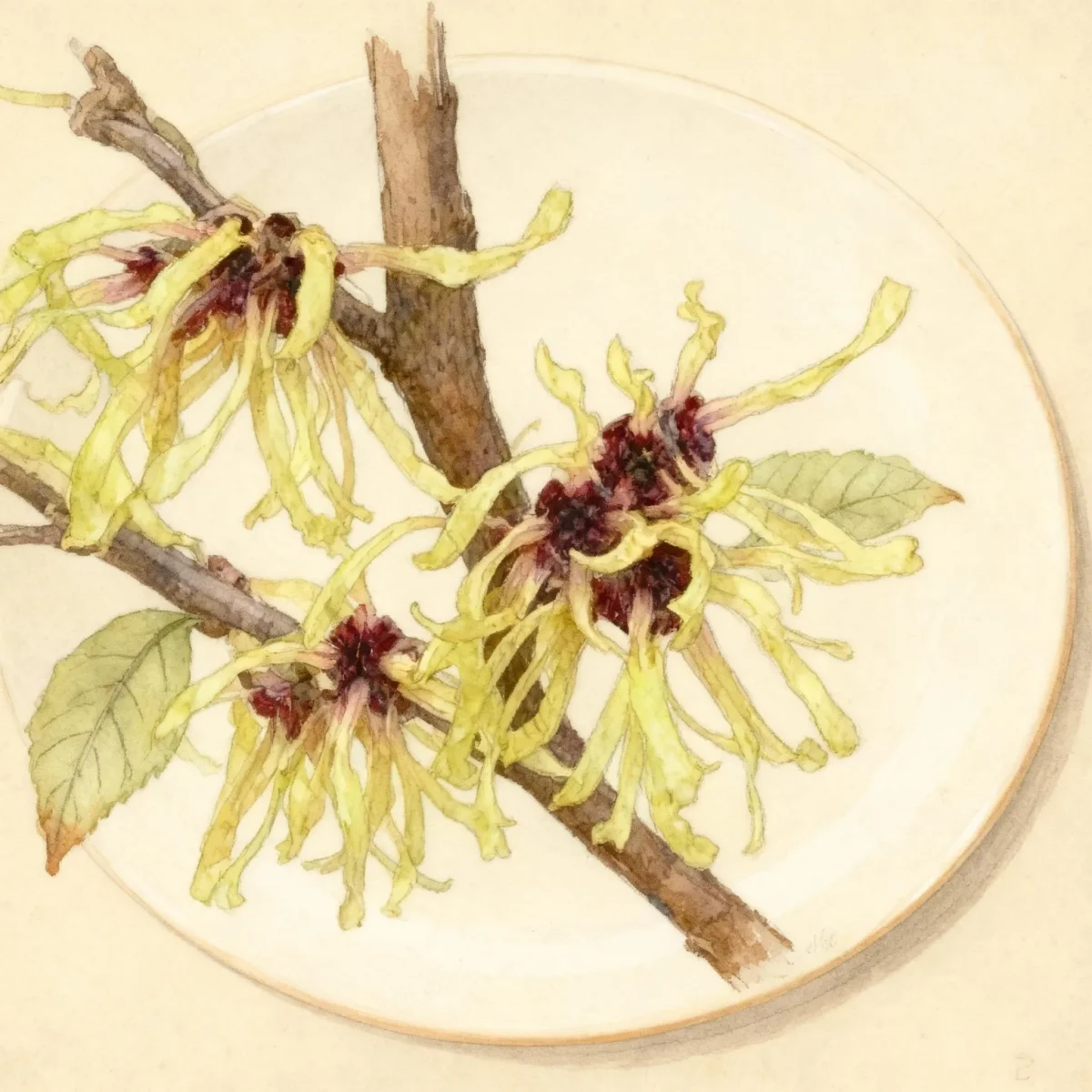
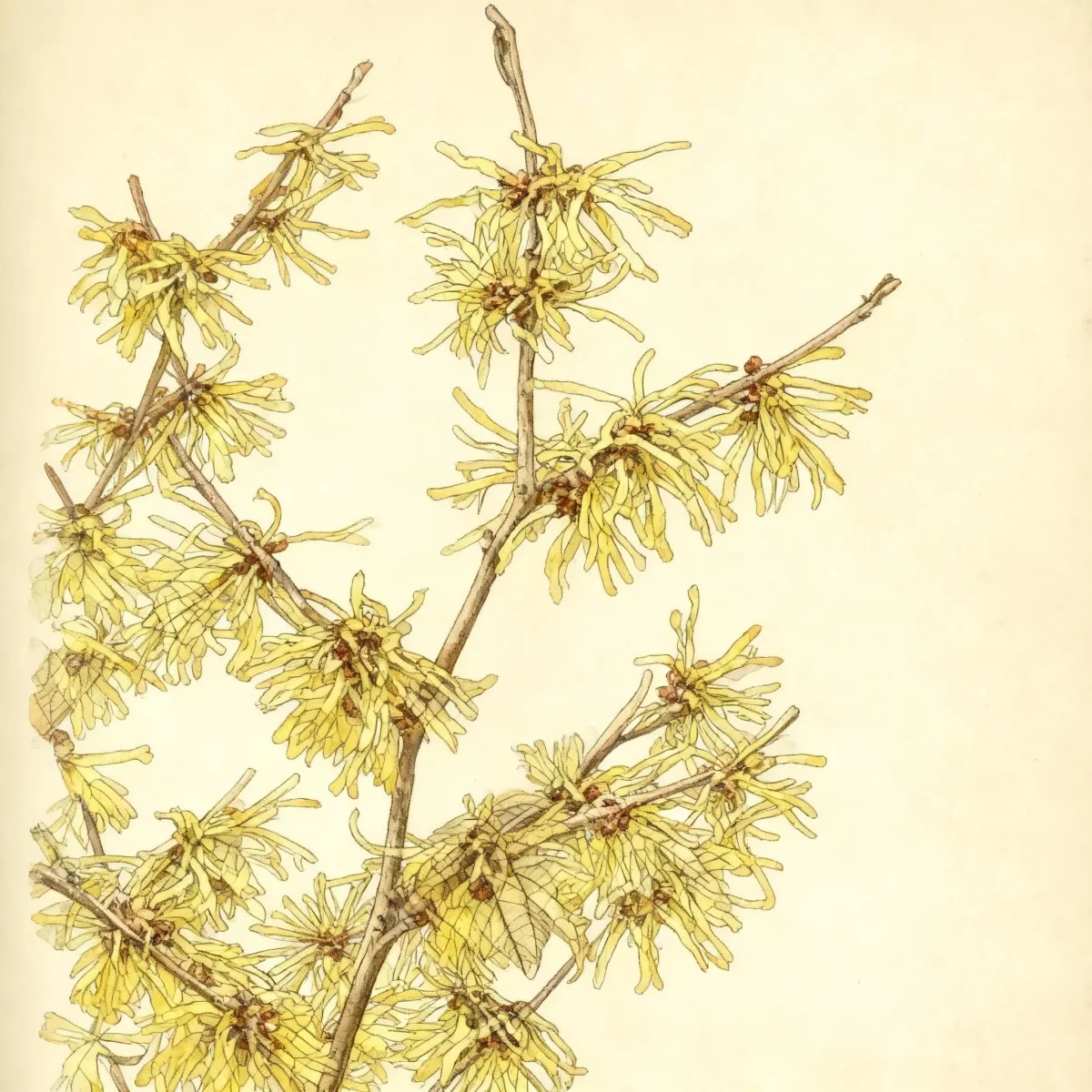
Witch hazel (Hamamelis × intermedia 'Orange Beauty')
Hamamelis × intermedia 'Orange Beauty' is a low-maintenance Witch hazel offering spectacular orange-yellow winter blooms and great fall color.

Bloom Boldly, No Matter the Season - Sweatshirt
Cozy organic cotton sweatshirt featuring our exclusive Purple Coneflower design. Perfect for gardeners who bloom year-round.
Inspired by the beautiful Witch hazel
Limited first batch (50) — join the waitlist for early access
Waitlist closes Feb 15, 2026.
Complete Plant Information
Field Guide Continues
Ready for care notes, companion picks, and planting tips?
The map is just the start. The full guide below covers growth habits, seasonal performance, and landscape uses.
Overview
Hamamelis × intermedia ‘Orange Beauty’ is a superior specimen shrub, providing essential color when the rest of the garden is dormant. This Witch hazel hybrid is particularly valued for its performance during the bleak mid-winter months, boasting unusual, spidery flowers that defy the cold. Gardeners seeking reliable structure and excellent seasonal interest turn to this cultivar for its vibrant winter display and attractive fall foliage.
As a cross between Japanese and Chinese witch hazels, Hamamelis × intermedia ‘Orange Beauty’ offers intermediate vigor, typically growing between 8 to 12 feet tall and wide. It is prized for its low maintenance requirement once established, though it does perform best with consistent moisture. Planting Hamamelis × intermedia ‘Orange Beauty’ guarantees a reliable ornamental presence that transitions beautifully from winter bloom to striking autumn color.
Fast Facts
- Plant Family: Hamamelidaceae
- Plant Type: Deciduous shrub
- Hardiness Zones: USDA Zones 5-8
- Size at Maturity:
- Height: 8-12 ft
- Spread: 8-12 ft
- Bloom Time: January to March
- Bloom Description: Deep yellow to orange yellow
- Sun Exposure: Full sun to part shade
- Water Needs: Medium
- Maintenance Level: Low
How to Grow
For optimal establishment, plant Hamamelis × intermedia ‘Orange Beauty’ in the spring or fall when temperatures are moderate. Locate this Witch hazel where it can receive at least partial sun; however, note that the best flowering occurs in full sun locations. Soil preparation is key: ensure the ground is amended to be organically rich, moist, and well-drained.
Once planted, maintain consistency in watering, aiming for medium moisture levels. Consistent moisture is crucial; leaf scorch can occur during summer droughts. While this shrub tolerates clay soils, excellent drainage remains a non-negotiable requirement for long-term health. Fertilization is rarely necessary if the soil is improved initially, as this plant thrives in average conditions without heavy feeding.
Pruning should be done promptly in the spring immediately following the flowering period to shape the plant or reduce size. Be vigilant about suckers, especially those originating below the graft union; these should be removed immediately to maintain the integrity and cultivar purity of your Hamamelis × intermedia ‘Orange Beauty’.
Landscape Uses
The winter performance of this Witch hazel makes it an indispensable choice for garden design. Use Hamamelis × intermedia ‘Orange Beauty’ as a reliable specimen plant where its mid-winter flowers can be easily observed against darker backgrounds. Its upright-spreading habit also makes it an excellent component in shrub borders, providing necessary height and structure year-round.
Due to its size and tolerance for erosion and clay, this robust shrub is suitable for stabilizing slopes or mass plantings in larger woodland gardens. Furthermore, it functions effectively as a natural screen or a tall hedge, offering visual interest even in winter when the narrow, ribbon-like petals are displayed along the branches.
Standout Features
Flower Qualities
- Showy
- Fragrant
Noteworthy Characteristics
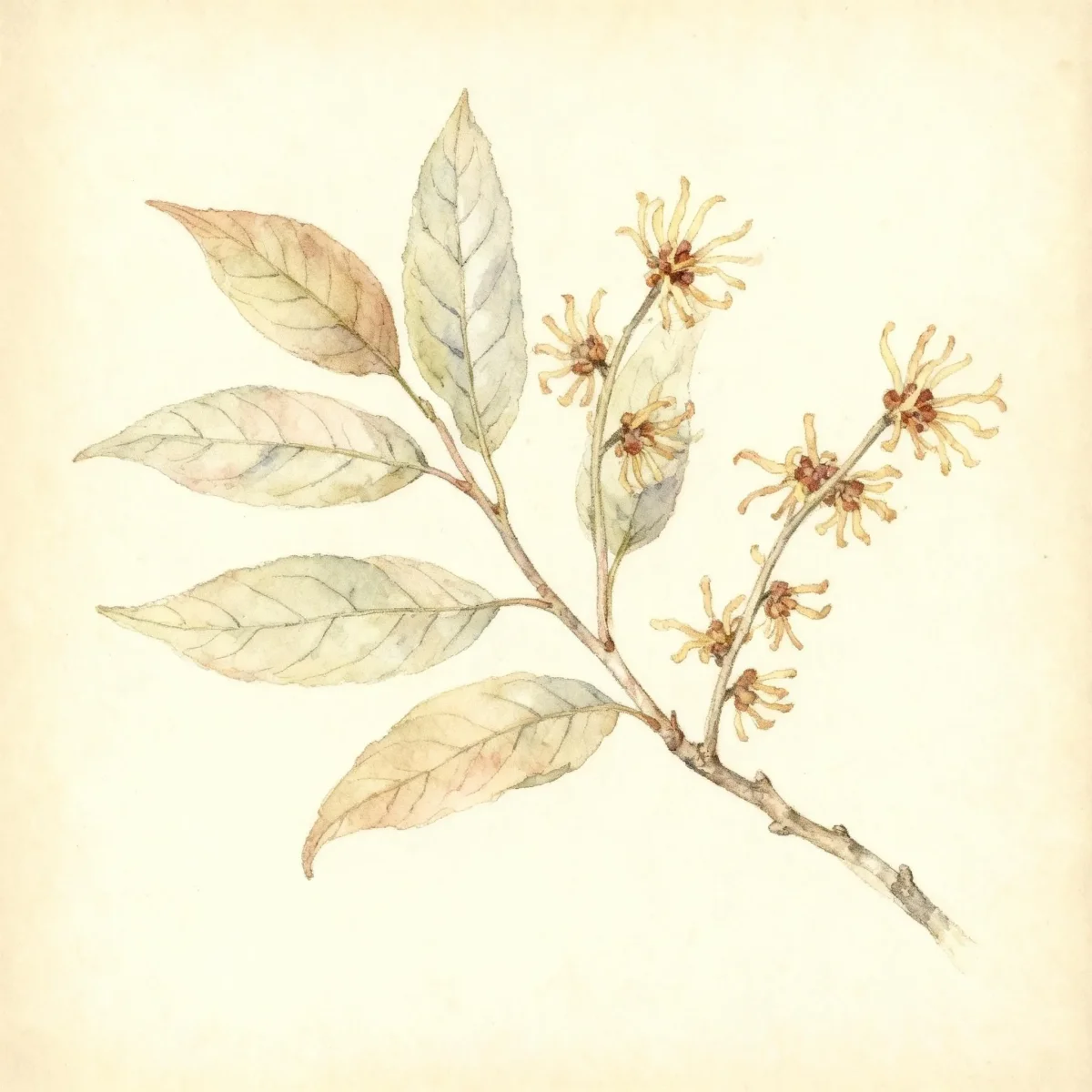
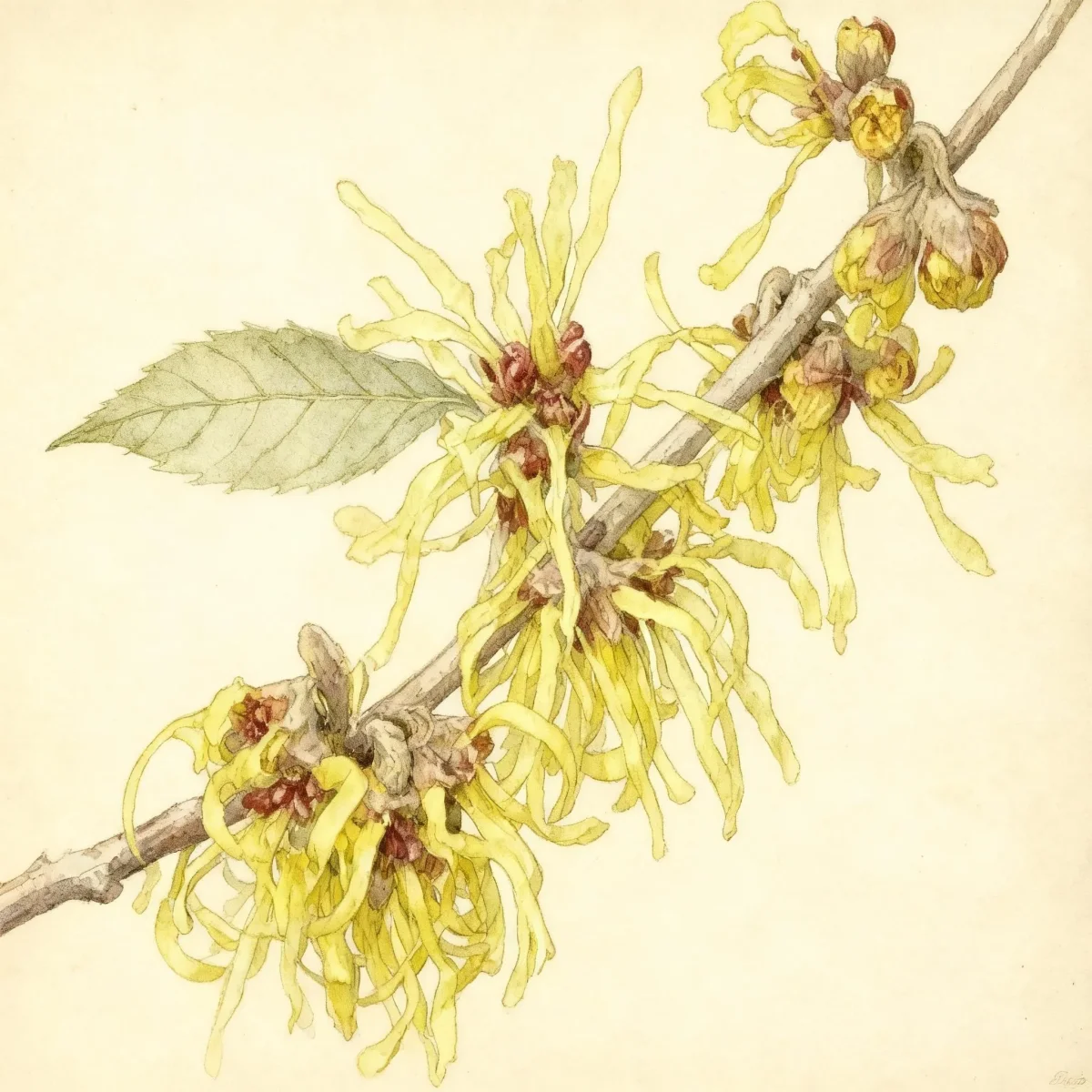
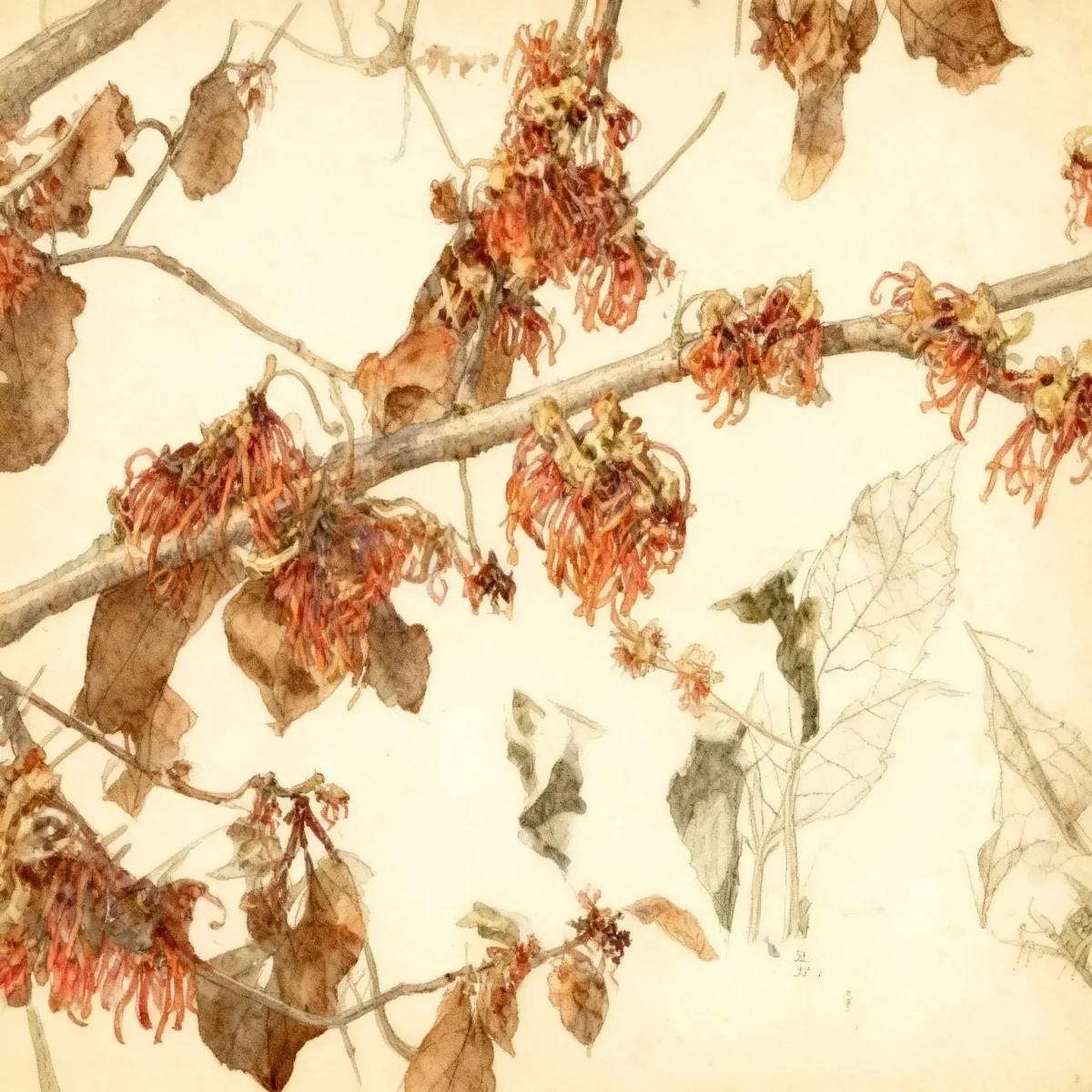
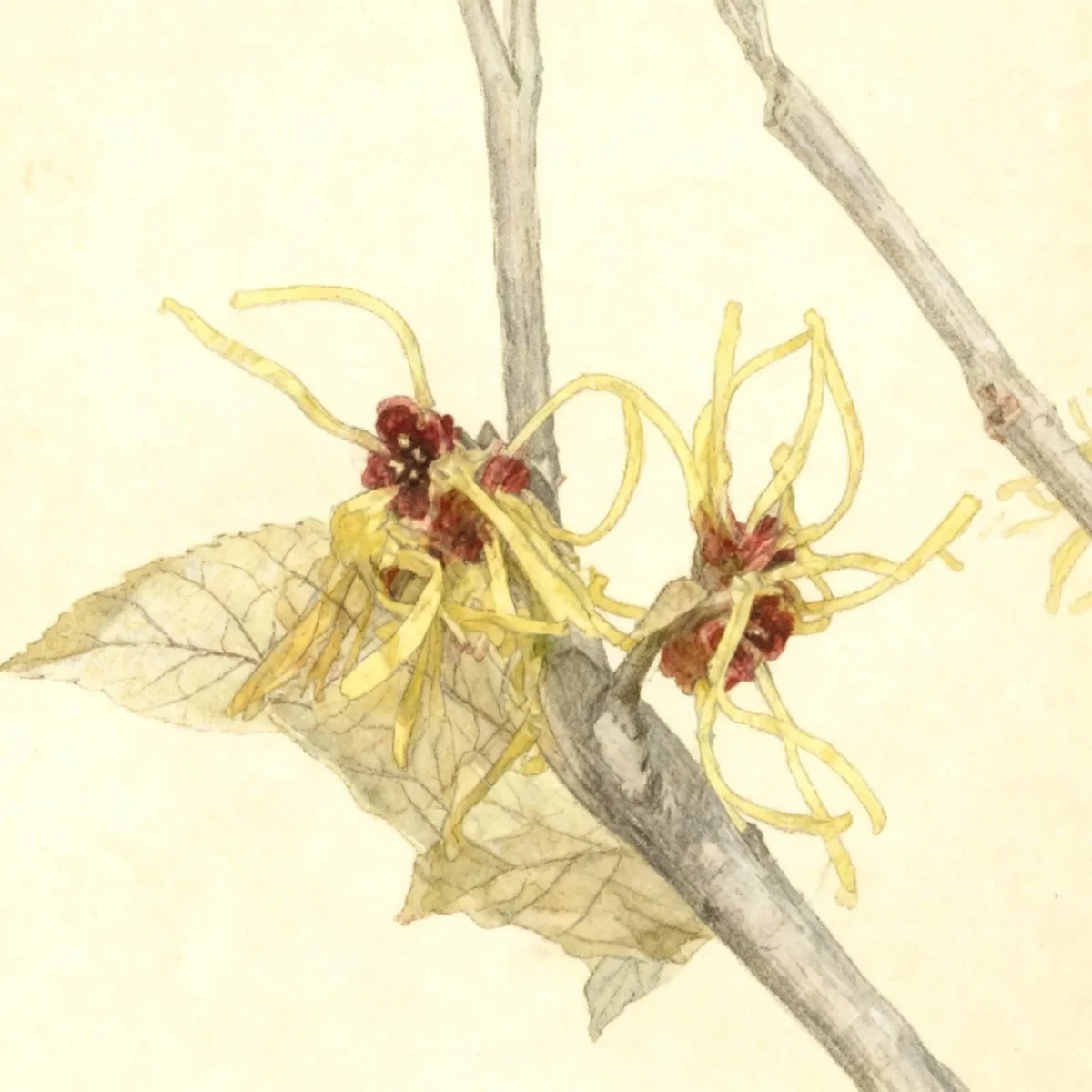
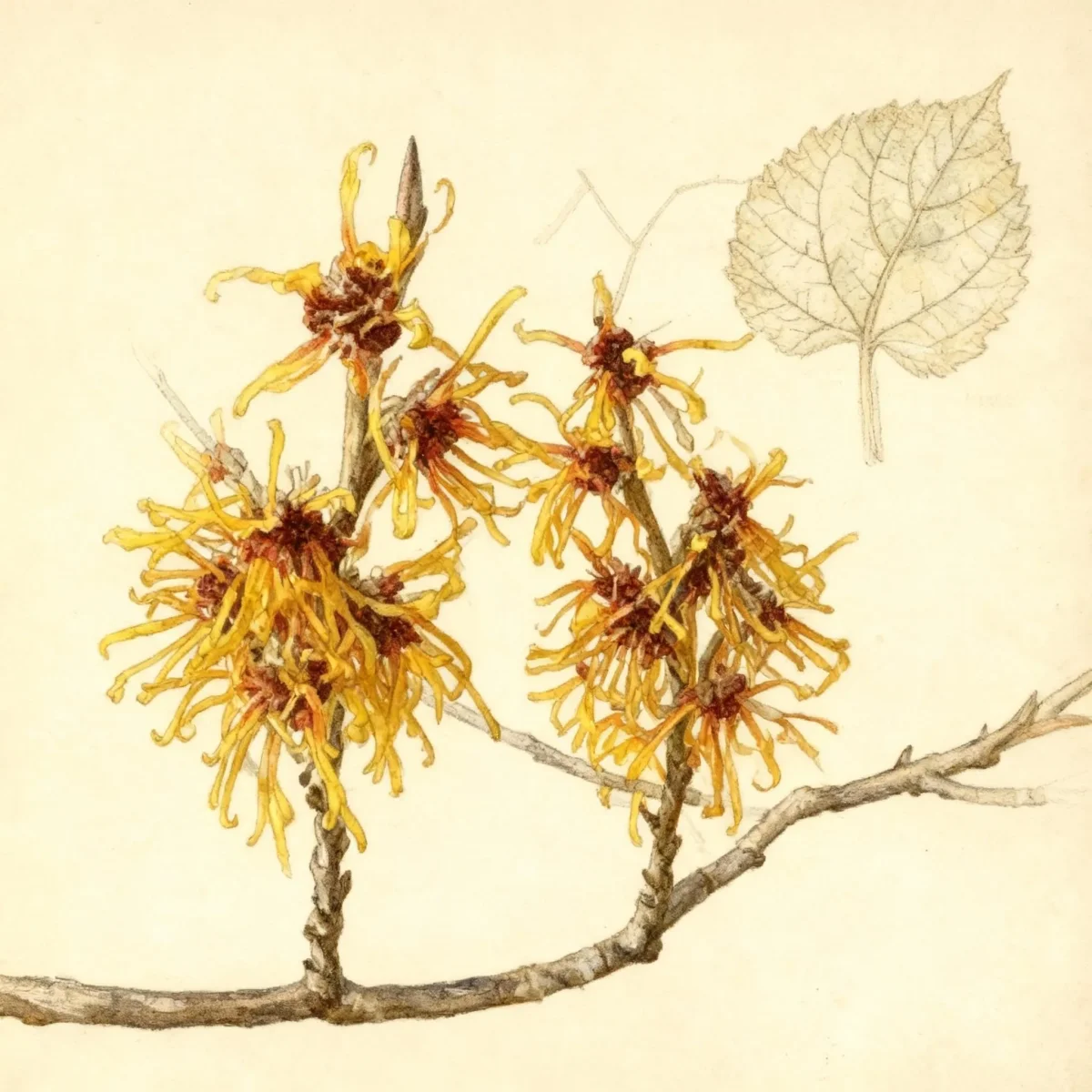
Hamamelis × intermedia hybrids are crosses between Japanese witch hazel (H. Japonica) and Chinese witch hazel (H. Mollis). They are particularly noted for their spidery, often fragrant, mid- to late winter flowers which appear before the spring foliage emerges. The cultivar ‘Orange Beauty’ is noted for its winter-blooming, mildly fragrant, deep yellow to orange-yellow flowers, each featuring four narrow, ribbon-like, crinkly petals blooming along the stems. Broad-oval green leaves provide excellent color transformation, turning shades of yellow, orange, and red in the fall.
Tolerances
- Deer
- Erosion
- Clay Soil
Potential Problems
Insect and disease issues affecting Witch hazel are generally infrequent and minor, rarely demanding chemical intervention. Gardeners should scout for caterpillars and Japanese beetles, which occasionally chew on the foliage during the growing season. Keep an eye out for sporadic infestations of pests like gall aphids, scale, leafrollers, and leafminers.
Potential diseases include occasional powdery mildew, leaf spots, and rot, usually developing under conditions of high humidity or poor airflow. Ensuring proper site selection—specifically good air circulation and well-drained soil—is the best preventative measure against these fungal issues.
Frequently Asked Questions
What hardiness zones is Witch hazel suitable for?
Hamamelis × intermedia ‘Orange Beauty’ is reliably hardy in USDA Zones 5 through 8.
How large does Hamamelis × intermedia ‘Orange Beauty’ grow?
This shrub typically matures to a height and spread between 8 to 12 feet.
When does Witch hazel bloom?
This cultivar displays its signature flowers from January through March, providing deep yellow to orange yellow color in the dead of winter.
What sun exposure does Hamamelis × intermedia ‘Orange Beauty’ need?
It prefers full sun for the most abundant flowering, but it will tolerate partial shade equally well.
Conclusion
The unique winter blossom and low maintenance profile make Hamamelis × intermedia ‘Orange Beauty’ an exceptional addition to the year-round landscape. This Witch hazel cultivar delivers color when needed most, coupled with attractive seasonal foliage changes. Check your local USDA hardiness zone compatibility before planting this winter-flowering standout this coming fall or spring.
Companion Planting
When designing beds featuring Hamamelis × intermedia ‘Orange Beauty’, select evergreen companions that will highlight the bare winter structure and flowers. Broadleaf evergreens like Rhododendron and deep green Boxwood provide an excellent dark green backdrop that makes the orange-yellow petals pop. Consider pairing it with winter-interest plants, such as evergreen ferns or early-blooming Hellebores, which emerge around the same time as the Witch hazel flowers.
In spring and summer, hostas and astilbes thrive in similar moist, slightly acidic soil conditions, offering textural contrast when the Hamamelis is fully leafed out. Since this shrub benefits from acidic soil, acidic-loving plants are a natural fit for integrated border designs.
Design Ideas
Utilize the vertical interest of this shrub by positioning it near architectural elements or entryways where its blooming period can be appreciated up close. Because Hamamelis × intermedia ‘Orange Beauty’ is somewhat coarse when young, integrating it into a layered border helps soften its profile with finer textures in front. For a naturalistic design, allow space for root suckers to develop slightly if a more informal, slightly larger mass is desired, though consistent removal is recommended for a tidy specimen.
The structural, spreading habit also works well in woodland settings where dappled light is available, provided the soil remains consistently moist. It serves superbly as an informal screen or boundary marker due to its final manageable height of up to 12 feet.