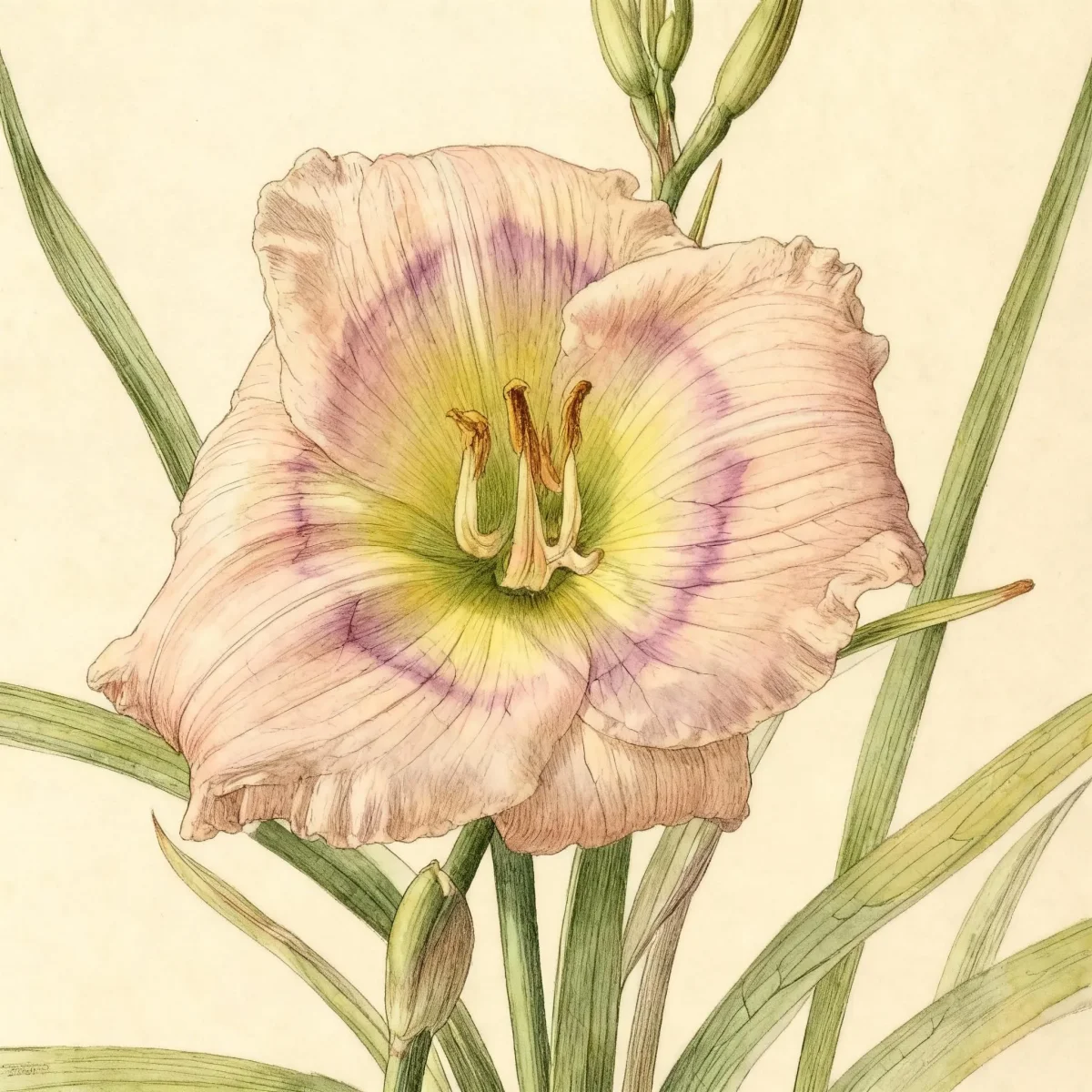
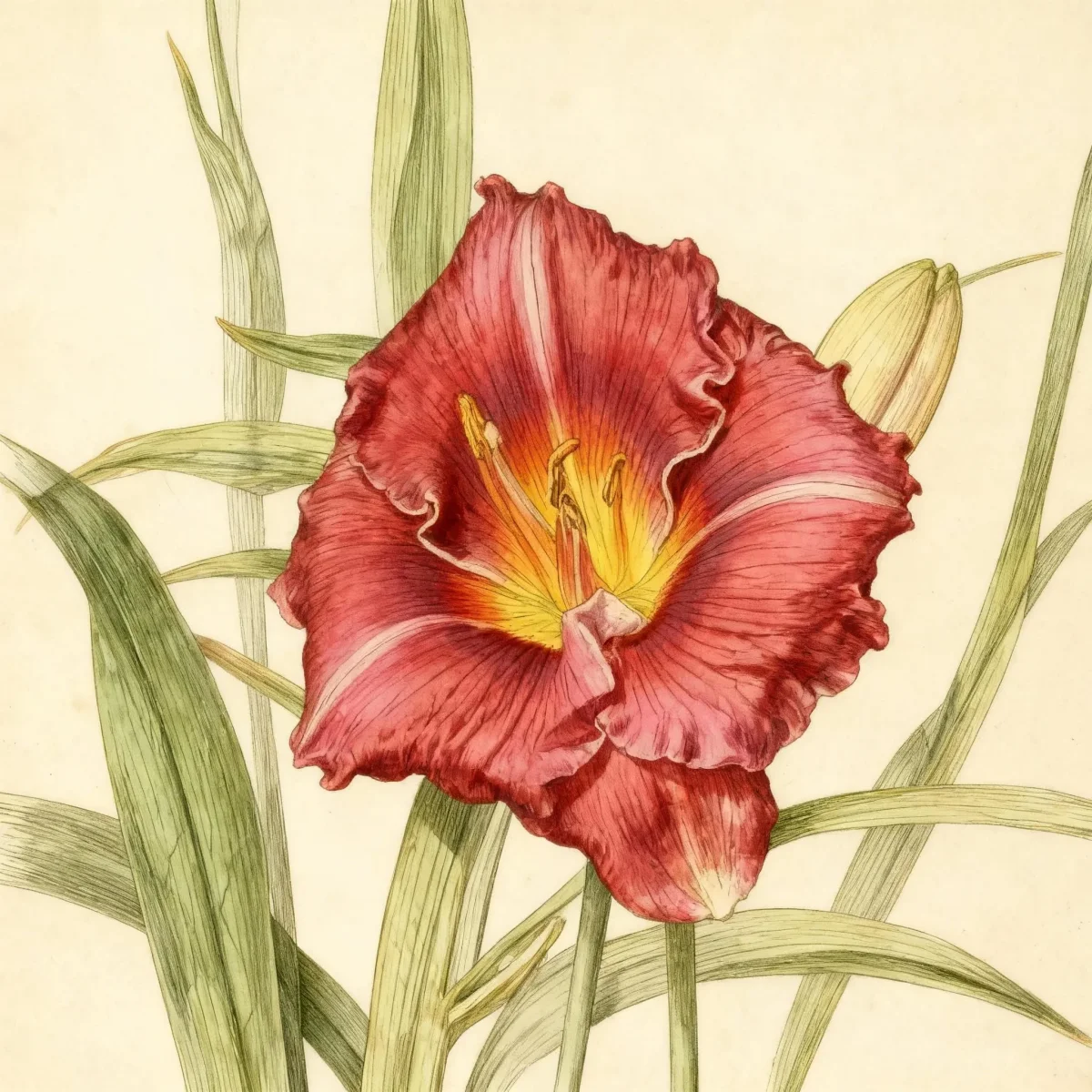
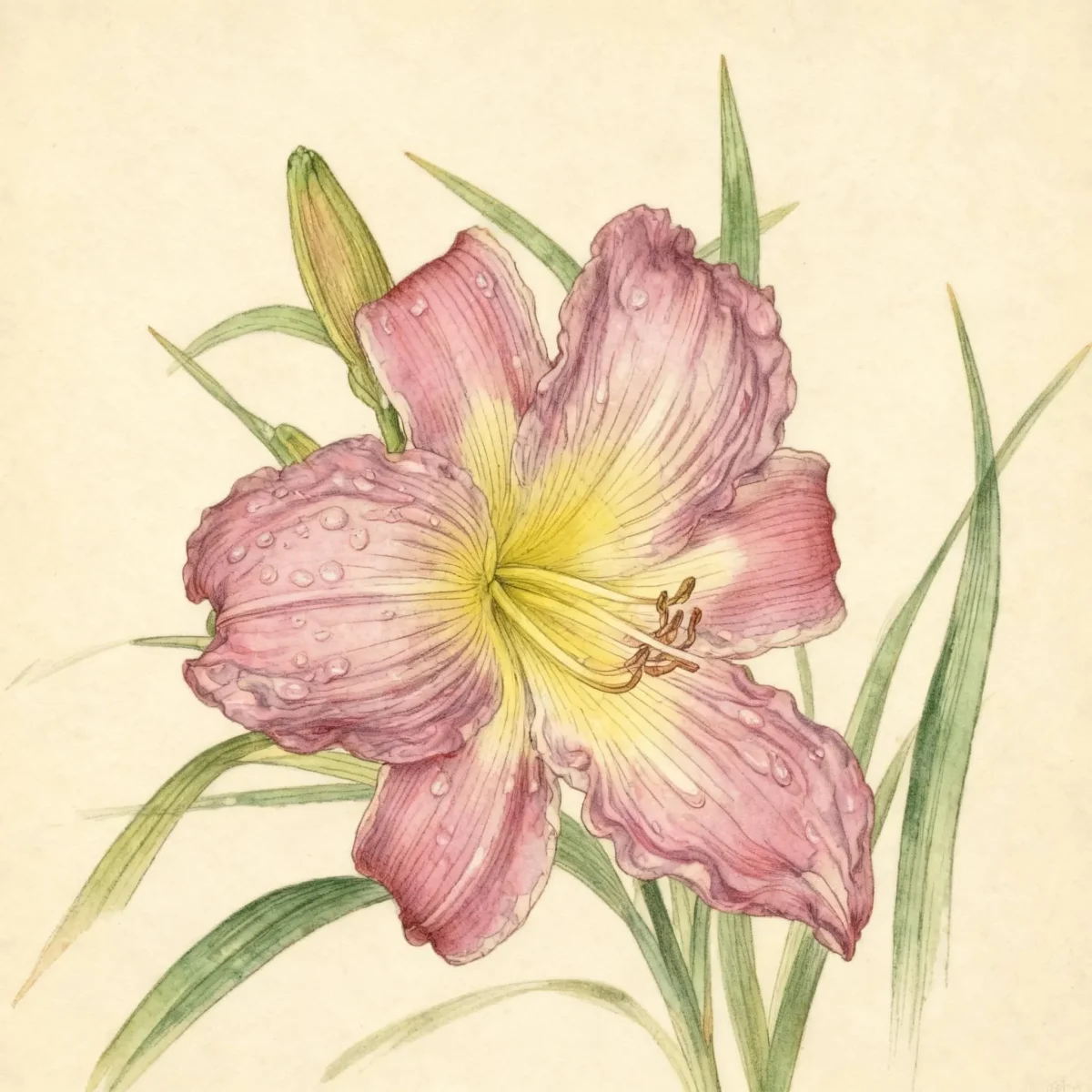
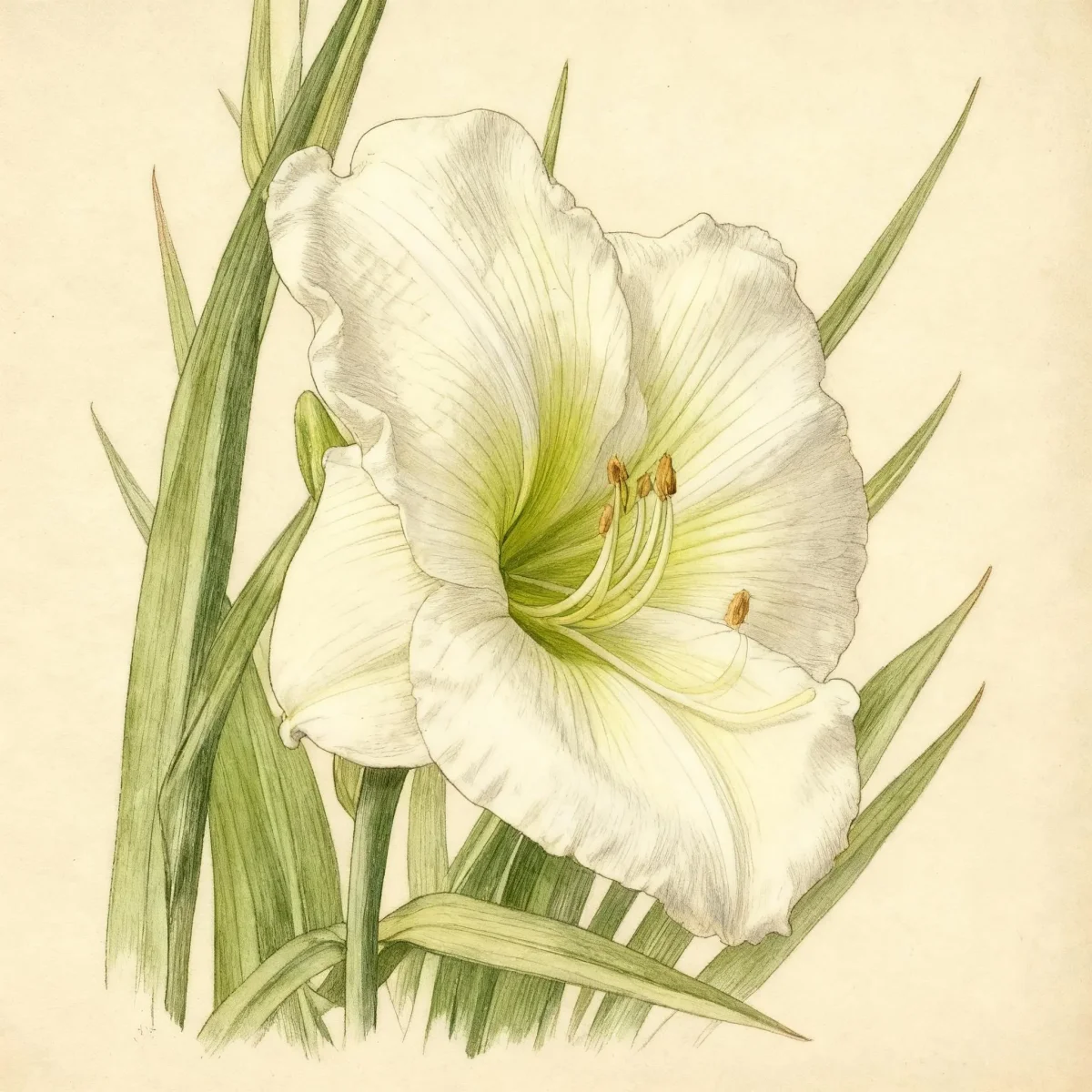
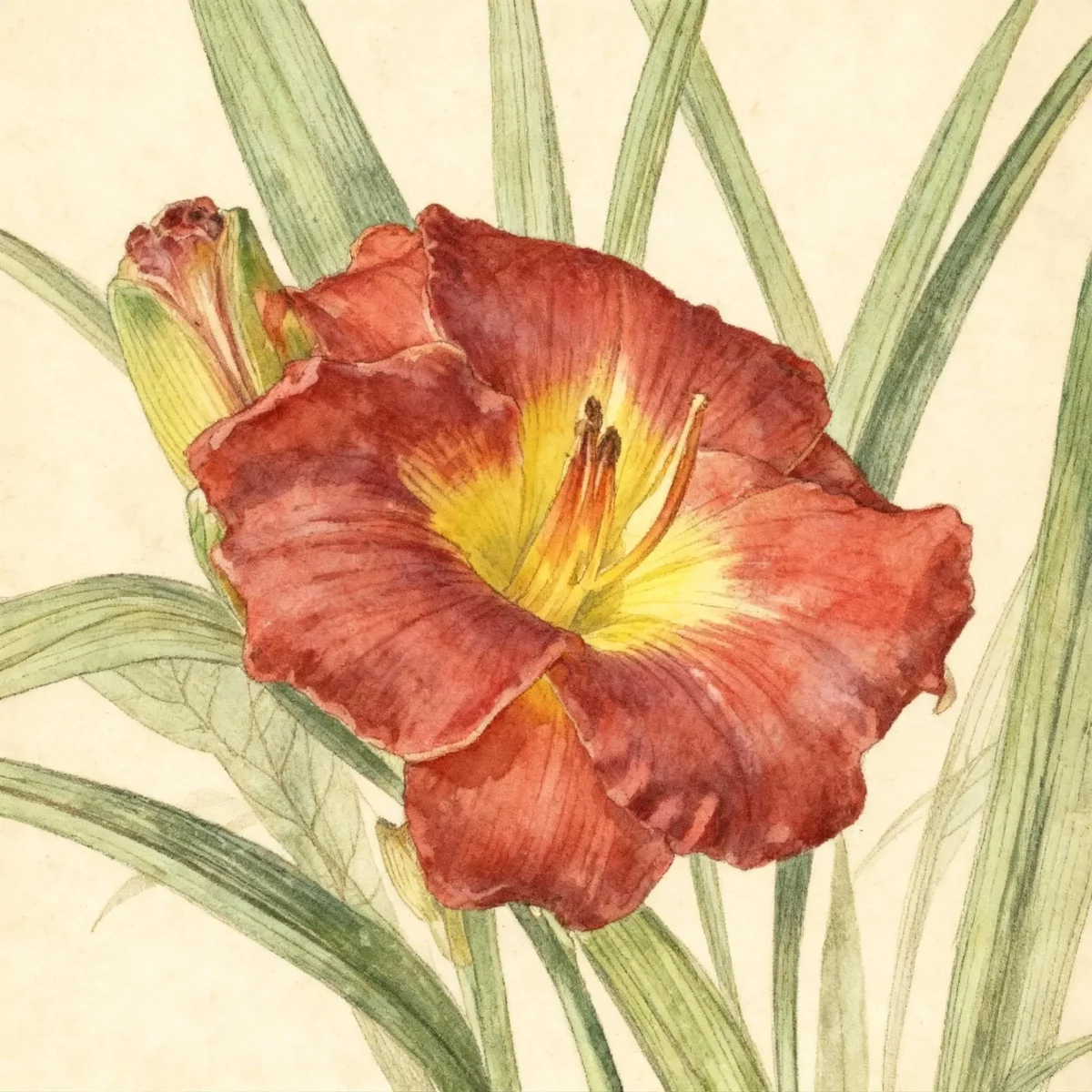
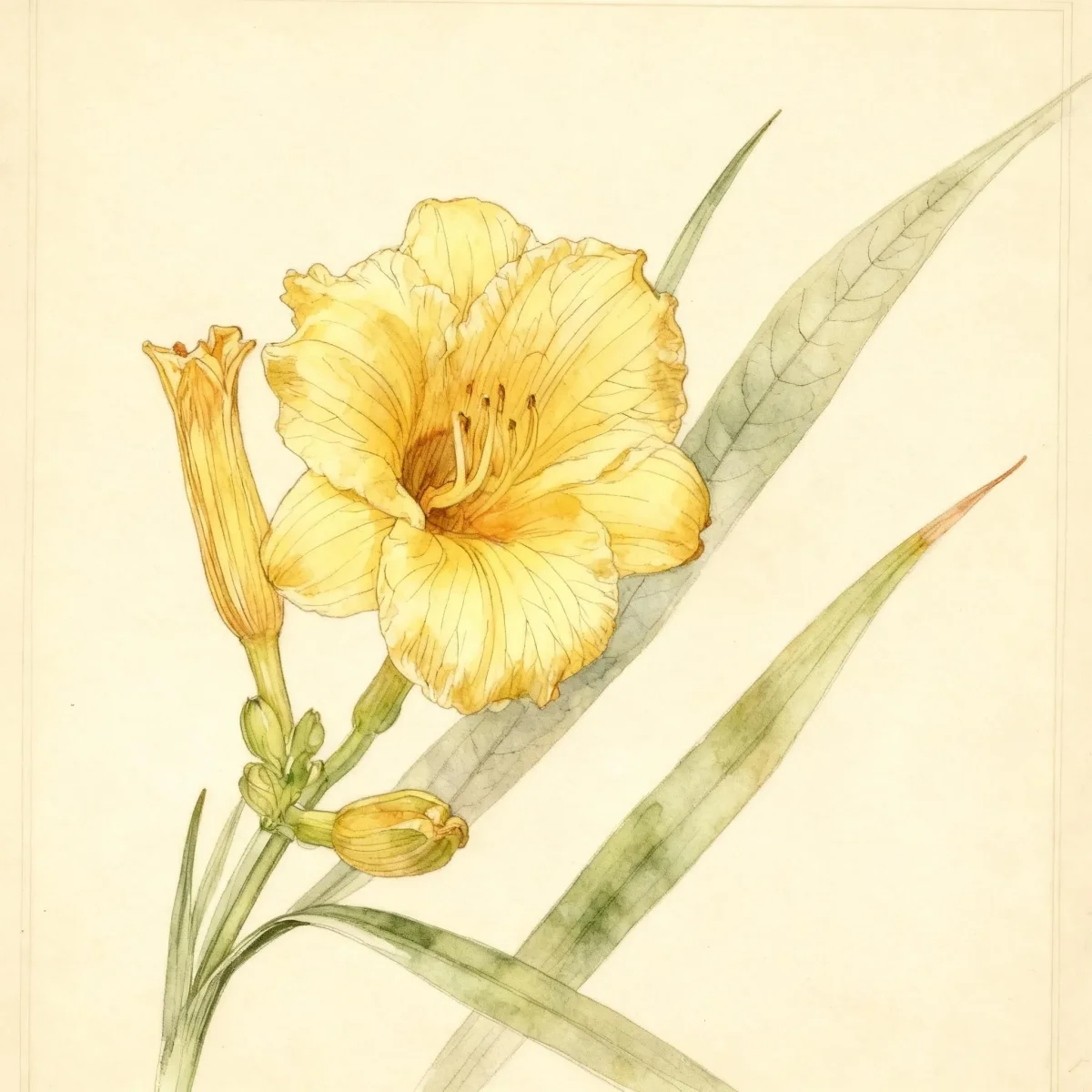
Daylily (Hemerocallis 'Stella de Oro')
Hemerocallis 'Stella de Oro' is a beloved, low-maintenance Daylily featuring showy, fragrant yellow blooms from May to August.

Bloom Boldly, No Matter the Season - Sweatshirt
Cozy organic cotton sweatshirt featuring our exclusive Purple Coneflower design. Perfect for gardeners who bloom year-round.
Inspired by the beautiful Daylily
Limited first batch (50) — join the waitlist for early access
Waitlist closes Feb 15, 2026.
Complete Plant Information
Field Guide Continues
Ready for care notes, companion picks, and planting tips?
The map is just the start. The full guide below covers growth habits, seasonal performance, and landscape uses.
Overview
Hemerocallis ‘Stella de Oro’ is perhaps the most popular Daylily cultivar available, prized globally for its reliable performance and exceptionally long blooming season spanning from late spring well into summer. This Daylily creates a neat mound of grass-like foliage topped with profuse, cheerful yellow flowers that possess deeper throats. As a truly versatile herbaceous perennial, Hemerocallis ‘Stella de Oro’ offers considerable aesthetic payoff for minimal gardening effort.
This compact variety matures to less than a foot tall and wide, making it excellent for borders and edging where larger specimens might overwhelm the space. Its low maintenance needs and high tolerance for heat and humidity cement its status as a must-have in perennial borders across many climates. Growing Hemerocallis ‘Stella de Oro’ ensures vibrant color throughout the peak gardening months with surprisingly little intervention required.
Fast Facts
- Plant Family: Asphodelaceae
- Plant Type: Herbaceous perennial
- Hardiness Zones: USDA Zones 3-10
- Size at Maturity:
- Height: 0.75-1 ft
- Spread: 0.75-1 ft
- Bloom Time: May to August
- Bloom Description: Yellow with deeper throats
- Sun Exposure: Full sun to part shade
- Water Needs: Medium
- Maintenance Level: Low
How to Grow
Planting Daylily varieties like Hemerocallis ‘Stella de Oro’ is best done in spring or fall when temperatures are moderate. Select a location receiving full sun to partial shade, ensuring the soil drains well. While they adapt to many soil types, these Daylilies thrive best in deep, fertile loams providing average, medium moisture.
Maintenance remains low; however, consistent care enhances performance. Deadhead spent flowers daily if neatness is desired, and remove the entire flower stalks (scapes) once blooming concludes for the season. Although tolerant of heat, provide deep watering during prolonged dry spells to keep the foliage looking lush.
For optimal blooming, division is recommended every three to four years, typically done in the spring, especially in colder regions. Be aware that this is a winter-dormant cultivar, requiring a winter chill period—it is not recommended for gardening in Zone 9 and above where evergreen types might fare better.
Landscape Uses
The compact size and extended bloom period of Hemerocallis ‘Stella de Oro’ make it an outstanding choice for defining garden lines. Use these Daylilies effectively for low borders along walkways or as foundation plantings where height restrictions are necessary. They integrate seamlessly when massed over large areas, creating blankets of color that suppress weeds.
Dwarf cultivars like this one are perfectly scaled for rock gardens, adding soft texture among stone features. Furthermore, their root structure offers benefits for stabilizing slopes, making them excellent for erosion control in mild to moderate hillside plantings. They pair beautifully with slower-growing perennials that appreciate similar sun and moisture levels.
Standout Features
Flower Qualities
- Showy
- Fragrant
Noteworthy Characteristics
The genus Hemerocallis is known for its short-lived but continuously produced blooms, leading to the common name Daylily. Hemerocallis ‘Stella de Oro’ is a celebrated miniature cultivar featuring 2.75-inch ruffled yellow flowers, lauded for its vigour and extensive flowering duration. This award-winning introduction has become a staple due to its near-perfect combination of size and flower power.
Tolerances
- Rabbit
- Erosion
- Air Pollution
Potential Problems
Daylilies are remarkably adaptable and generally pest-free, contributing to their low maintenance appeal. Keep an eye out for occasional infestations of mites, aphids, or thrips, which can usually be managed with standard insecticidal soaps if necessary. In some humid regions, the fungal disease Daylily Rust can become a concern, requiring monitoring of leaf health. Rabbits historically avoid the foliage of this particular plant.
Frequently Asked Questions
What hardiness zones is Daylily suitable for?
Hemerocallis ‘Stella de Oro’ is suitable for USDA Hardiness Zones 3 through 10.
How large does Daylily grow?
This compact variety typically reaches a mature height between 0.75 and 1 foot tall, with a similar spread of 0.75 to 1 foot wide.
When does Daylily bloom?
The blooms of this Daylily appear consistently from May all the way through August, displaying striking yellow flowers with deeper throats.
What sun exposure does Hemerocallis ‘Stella de Oro’ need?
It performs best with full sun exposure but adapts readily to partial shade conditions.
Conclusion
Hemerocallis ‘Stella de Oro’ stands out as an exceptionally reliable and floriferous Daylily perfect for gardeners seeking low effort and high visual impact. Its tolerance for various conditions and its dense, reliable bloom cycle make it an invaluable garden perennial. Before planting, confirm your location falls within USDA Zones 3-10 and plan for well-drained soil preparation to maximize the bloom potential of your new Hemerocallis ‘Stella de Oro’.
Companion Planting
Choosing companions for Hemerocallis ‘Stella de Oro’ involves selecting plants that thrive in similar full sun to part shade conditions and medium moisture. Good pairings include Ornamental Grasses, which echo the Daylily’s linear foliage, providing complementary texture without competing aggressively for nutrients. Early-season bloomers like Irises or late-season anchors such as Coneflowers (Echinacea) ensure continuous visual interest throughout the entire season around your low-growing Daylilies.
Design Ideas for Edging
This specific Daylily is perfectly suited for formal or relaxed edging applications due to its consistent height of under one foot, preventing it from obscuring smaller border plants. Utilize groups of five or more plants closely spaced to create an effective visual break between a lawn and a flower bed. When planting along a sunny path, consider staggering the planting depth slightly to create a soft, undulating edge rather than a rigid line, enhancing the rustic appeal of the Daylily.