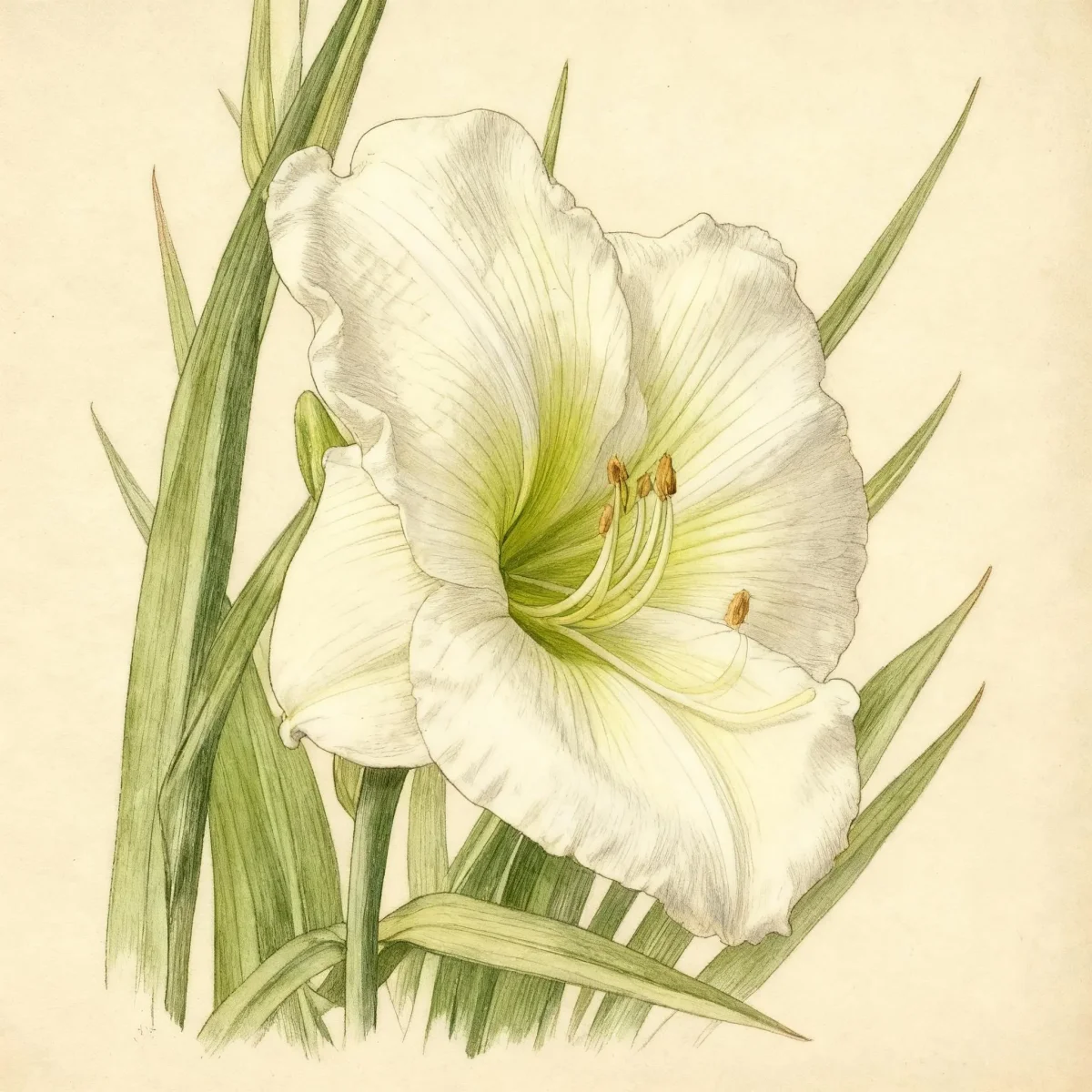

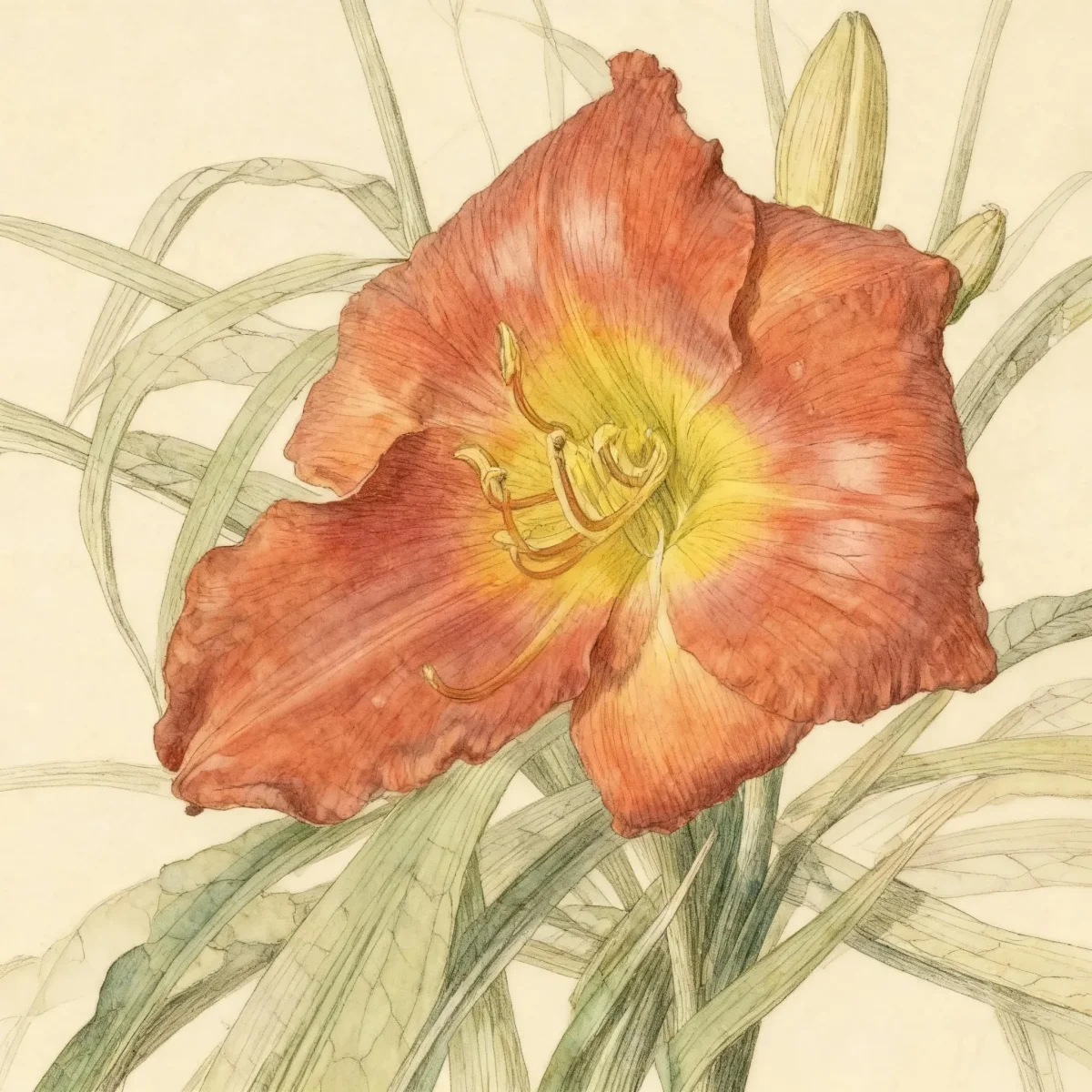
Daylily (Hemerocallis 'Friend Jack')
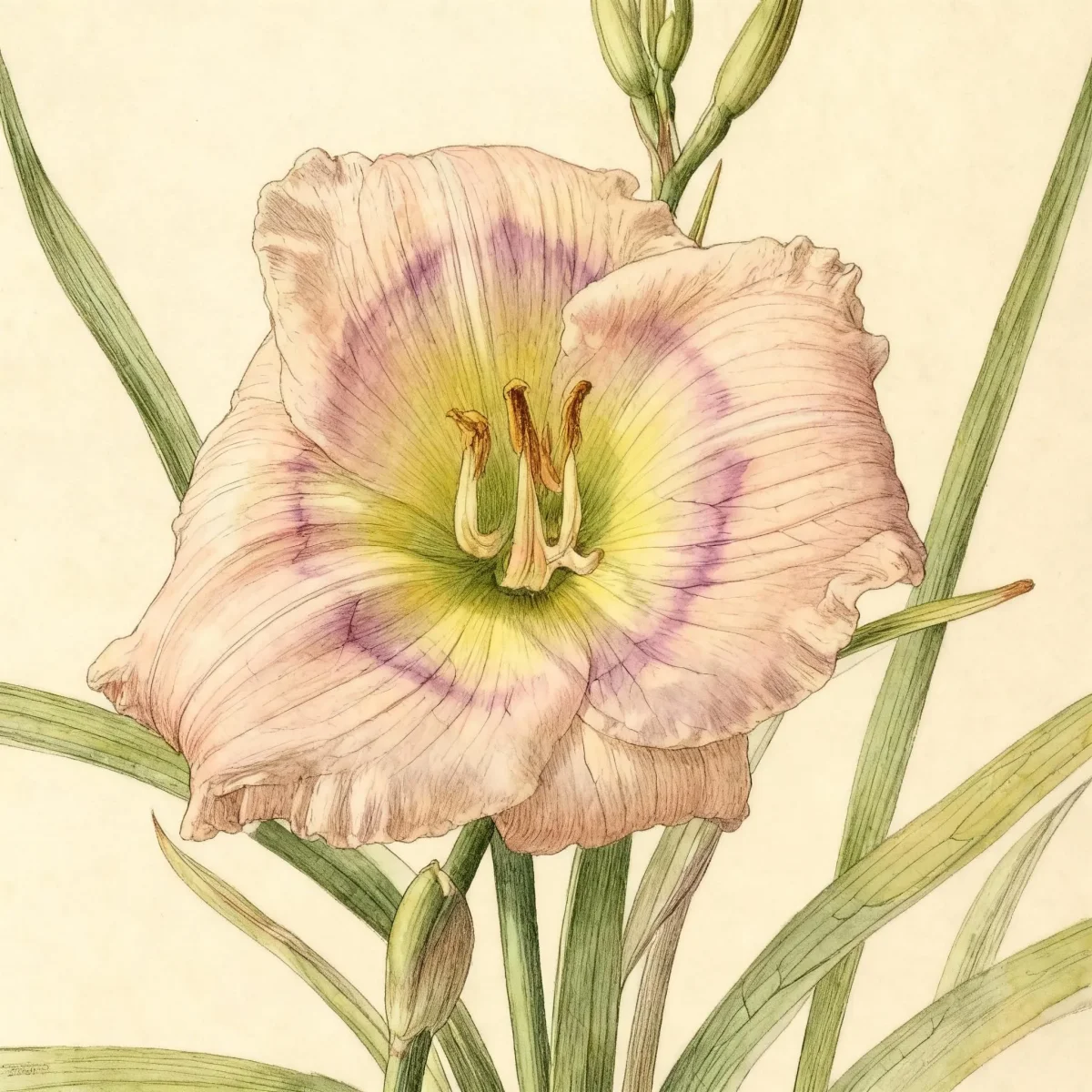
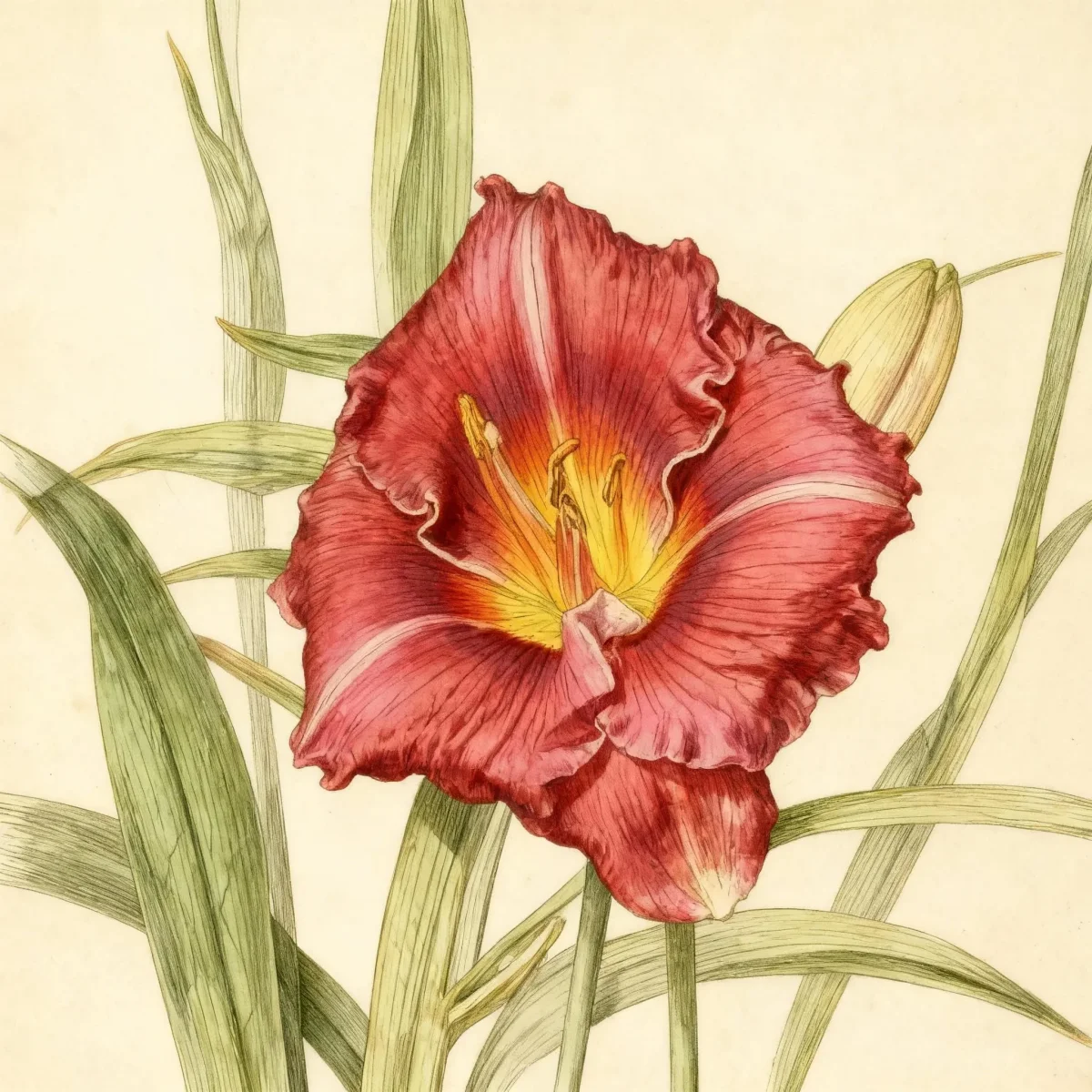
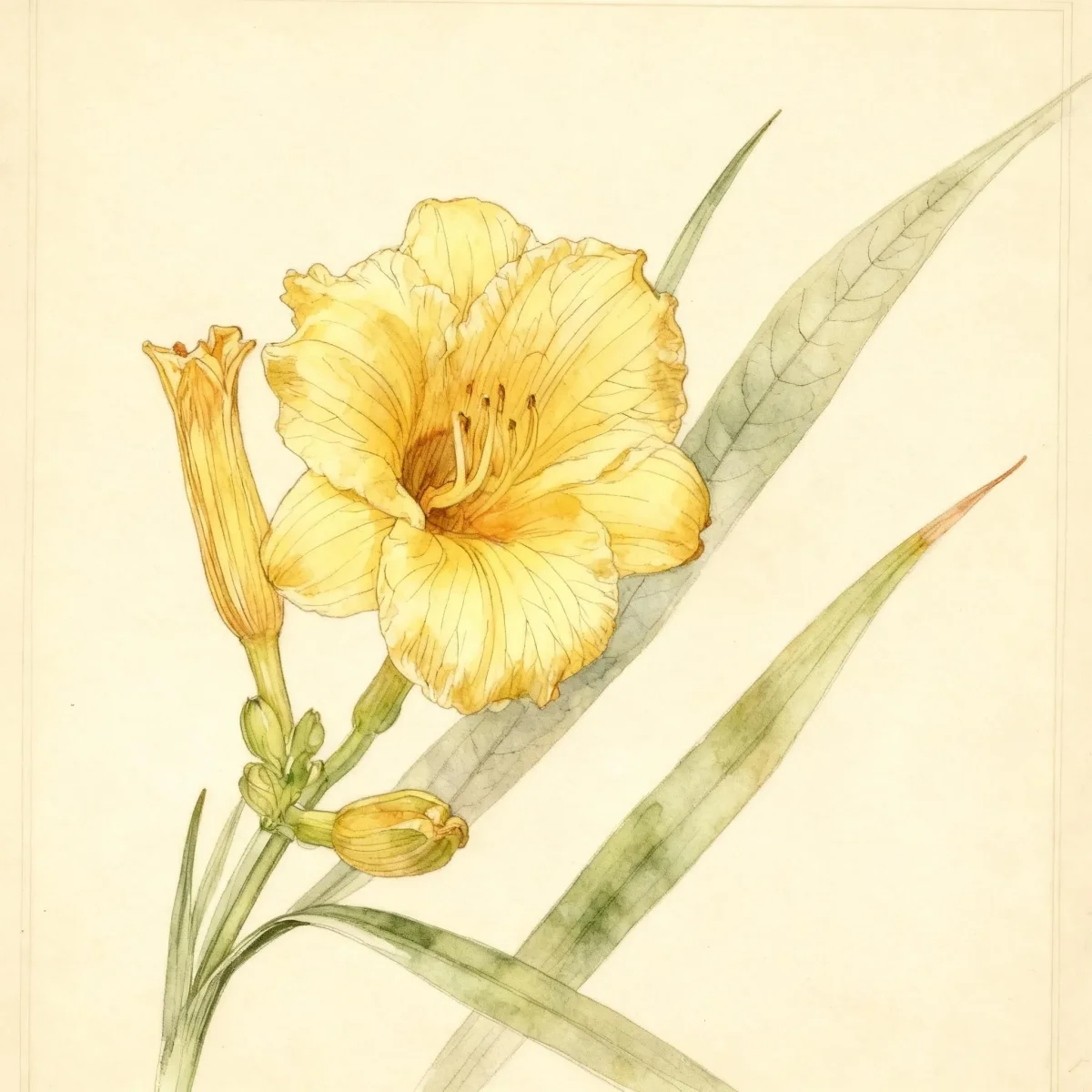
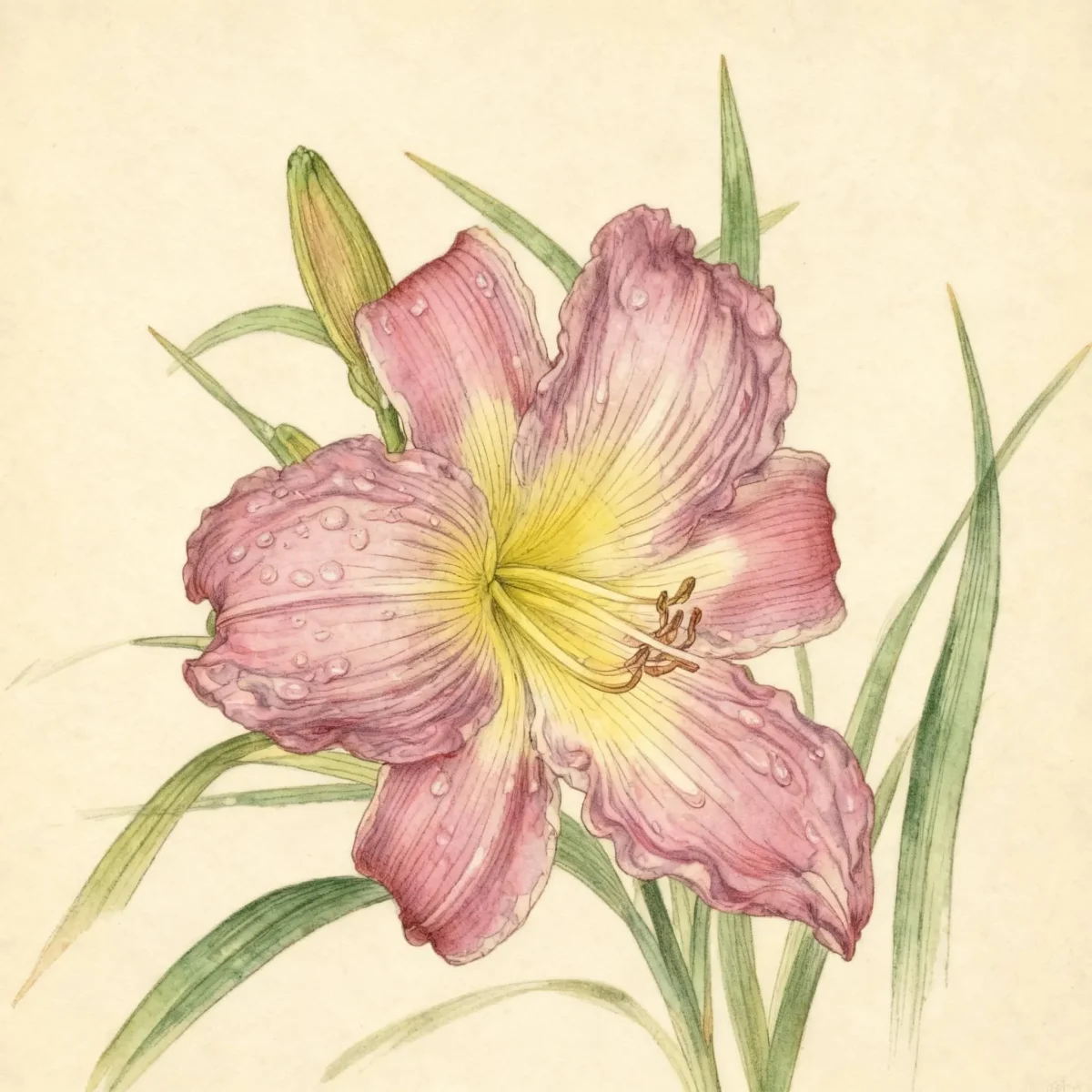
Hemerocallis 'Friend Jack' is a robust Daylily featuring showy, fragrant, red blooms with a green throat. Low maintenance and highly adaptable.
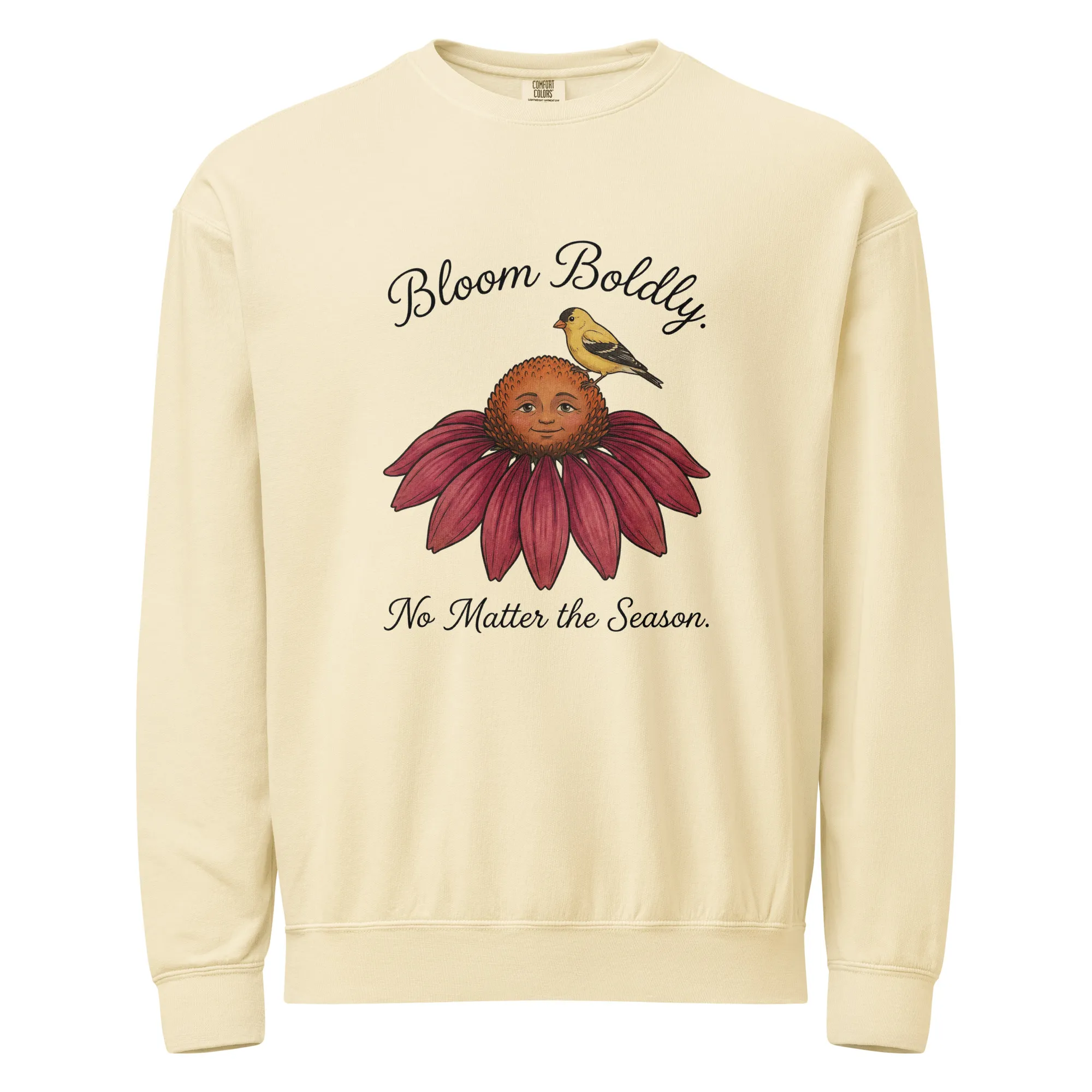
Bloom Boldly, No Matter the Season - Sweatshirt
Cozy organic cotton sweatshirt featuring our exclusive Purple Coneflower design. Perfect for gardeners who bloom year-round.
Inspired by the beautiful Daylily
Limited first batch (50) — join the waitlist for early access
Waitlist closes Feb 15, 2026.
Complete Plant Information
Field Guide Continues
Ready for care notes, companion picks, and planting tips?
The map is just the start. The full guide below covers growth habits, seasonal performance, and landscape uses.
Overview
Hemerocallis ‘Friend Jack’, commonly known as a Daylily, offers reliable color and impressive resilience in the garden landscape. This specific cultivar is valued for its bold, 5.5-inch red flowers accented by a contrasting green throat, often emitting a pleasant fragrance, making it a standout performer in the perennial border. As a fibrous-rooted herbaceous perennial, the Daylily establishes quickly and spreads moderately, providing excellent coverage over time.
Hemerocallis ‘Friend Jack’ thrives across a wide spectrum of conditions, adapting well to full sun or partial shade, though deeper color is usually achieved with more direct light. Its low maintenance profile appeals to busy gardeners who still desire impactful summer flowering. These adaptable plants tolerate heat and humidity well, provided they receive consistent moisture during dry periods.
With its easy-going nature and striking mid-season blooms, this Daylily hybrid is a foundation plant for mass plantings or structured garden beds. Gardeners benefit from the longevity of the clump-forming nature of Hemerocallis ‘Friend Jack’, which looks best when divided and refreshed every few years.
Fast Facts
- Plant Family: Asphodelaceae
- Plant Type: Herbaceous perennial
- Hardiness Zones: USDA Zones 3-9
- Size at Maturity:
- Height: 1.5-2 ft
- Spread: 1.5-2 ft
- Bloom Time: June to July
- Bloom Description: Red with green throat
- Sun Exposure: Full sun to part shade
- Water Needs: Medium
- Maintenance Level: Low
How to Grow
Planting Hemerocallis ‘Friend Jack’ is best done in spring or fall, though spring planting is preferred in colder zones to allow for root establishment before winter. For optimal performance, ensure the planting location provides average, medium moisture, well-drained soil, although these Daylilies adapt well, they show their best features in deep, fertile loams. Ensure the crown of the plant is set level with the soil surface; planting too deep can inhibit flowering.
Care routines for this low-maintenance Daylily focus primarily on aesthetics and moisture management. Deadhead spent blossoms daily for the neatest appearance, and remove the entire flower stalk (scape) once blooming concludes for the season. While tolerant of summer heat, appreciate deep watering during dry spells to maintain attractive, turgid foliage.
Fertilization should be moderate; over-fertilizing can lead to lush foliage at the expense of flowers. Every three to four years, divide established clumps, preferably in spring, to rejuvenate the plants and maintain vigor. Winter dormant varieties like Hemerocallis ‘Friend Jack’ require that essential cold dormancy period for robust seasonal returns, making them unsuitable for the warmest ranges of Zone 9 and higher.
Landscape Uses
The versatility of the Daylily makes it an indispensable tool for landscape design, and Hemerocallis ‘Friend Jack’ is no exception when you need reliable mid-summer color. These herbaceous perennials are perfect for defining borders along walkways or as an assertive edging element against lawn areas. Their clumping habit allows them to be massed effectively over large areas, creating broad sweeps of red that draw the eye.
Consider placing Daylilies near structural elements or taller shrubs, as their strap-like foliage provides a nice textural contrast throughout the growing season. While commonly used in traditional cottage gardens, the bold saturation of the red flowers on ‘Friend Jack’ allows it to fit seamlessly into modern, low-fuss landscapes where durability is key. Though this specific cultivar does not list dwarf traits, traditional Daylily groupings perform admirably when interspersed with groundcovers that benefit from similar sun and water needs.
Standout Features
Flower Qualities
- Showy
- Fragrant
Noteworthy Characteristics
Hemerocallis is a genus comprised of about 15 species of herbaceous perennials commonly known today as daylilies, primarily originating from Asia and central Europe. Hybridizers have significantly expanded the garden value of these plants, resulting in over 60,000 registered cultivars known for their successive blooms that prolong the flowering season. Hemerocallis ‘Friend Jack’ is noted as a tetraploid cultivar presenting 5.5” red flowers with a distinct green throat, blooming mid-season on scapes reaching about 26 inches tall.
Tolerances
- Rabbit
- Erosion
- Air Pollution
Potential Problems
Daylilies are renowned for being extremely adaptable and are generally considered relatively pest-free, requiring minimal intervention. Occasional issues may include minor infestations of mites, aphids, or thrips, which can usually be managed with horticultural oils or strong water sprays. A more significant concern in humid areas can be Daylily rust, which manifests as yellow or brown pustules on the foliage, requiring careful management of air circulation and the application of appropriate fungicides if necessary.
Rabbits generally show little interest in consuming Daylily foliage due to its texture and taste, offering a natural pest-free benefit in many settings. To mitigate leaf scorch during intense heat, ensure that the plant receives deep watering during dry spells, which keeps the attractive, arching foliage looking vibrant.
Frequently Asked Questions
What hardiness zones is Daylily suitable for?
Hemerocallis ‘Friend Jack’ performs reliably across USDA Hardiness Zones 3 through 9.
How large does Daylily grow?
This cultivar typically reaches a height between 1.5 and 2 feet tall and spreads to match, creating a dense clump.
When does Hemerocallis ‘Friend Jack’ bloom?
The primary bloom time for this Daylily is from June to July, featuring striking red flowers with a green throat.
What sun exposure does Hemerocallis ‘Friend Jack’ need?
This plant prefers sunny locations but tolerates part shade, thriving best when receiving several hours of direct sunlight daily.
Conclusion
Hemerocallis ‘Friend Jack’ stands out as a dependable, vibrant perennial, offering low maintenance combined with the aesthetic punch of showy, fragrant red blooms. Selecting this Daylily ensures season-long structure and reliable summer color in most North American gardens. Before planting, confirm your local hardiness zone aligns with the recommended USDA 3-9 range for the best display from your Hemerocallis ‘Friend Jack’.
Companion Planting
Choosing suitable companions helps maximize the visual appeal and microclimate around your Daylilies. Because Hemerocallis ‘Friend Jack’ prefers medium moisture and full to partial sun, pair it with other robust perennials that share similar cultural needs, such as Salvia nemorosa, Echinacea (Coneflowers), or Nepeta (Catmint). These companions bloom at slightly different times or offer contrasting textures, leading to season-long interest even when the Daylily is between its main flushes of color. Avoid planting water-loving perennials too closely, as Daylilies dislike perpetually saturated soil, which can lead to crown rot.
Seasonal Care Calendar
Spring maintenance begins as foliage emerges; inspect clumps and remove any dead or damaged foliage from the previous year. This is also the ideal time for division if overcrowding is apparent; remember that dividing Daylilies rejuvenates flowering power. Summer care is mainly focused on deadheading the spent flowers of Hemerocallis ‘Friend Jack’ daily to encourage continuous reblooming, if applicable to the cultivar, and ensuring deep watering during hot, dry spells. In the fall, foliage typically yellows or dies back; cut back the spent foliage near the ground after a hard frost, which keeps the winter garden tidy and prepares the plant for its required winter dormancy.