Daylily(Hemerocallis 'Gentle Shepherd')
Grow Gentle Shepherd daylily (Hemerocallis): near-white 5-inch blooms with chartreuse throats, diploid perennial vigor, USDA zones 3–9, and feline toxicity warning.

Complete Plant Information
- Hardiness zones
- USDA 3–9
- Plant type
- Herbaceous perennial
- Plant family
- Asphodelaceae
- Sun exposure
- Full sun to part shade
- Water needs
- Medium
- Maintenance
- Low
- Height
- 2–2.5 ft (61–76 cm)
- Spread
- 1.5–2 ft (46–61 cm)
- Bloom time
- June to July
- Flower color
- Luminous 5-inch near-pure white ruffled flowers with a cool chartreuse-green throat
- Flower qualities
- Showy, Long-blooming
- Fruit qualities
- Not recorded
- Tolerances
- Rabbit, Erosion, Air Pollution, Drought, Clay Soil
- Garden uses
- Perennial border, massed slope drift, cottage walkway, white moon garden
- Native range
- East Asia (genus origin; cultivar bred by Yancey, 1980)
Field Guide Continues
Ready for care notes, companion picks, and planting tips?
The map is just the start. The full guide below covers growth habits, seasonal performance, and landscape uses.
Overview
Gentle Shepherd daylily (Hemerocallis ‘Gentle Shepherd’) is an iconic diploid perennial daylily hardy across USDA Zones 3 through 9. Registered in 1980 by hybridizer Yancey, it remains one of the gold standards in daylily breeding for true white coloration, producing 5- to 5.5-inch ruffled, saucer-shaped blossoms of crisp paper-white accented by a cool, lime-green throat. Forming an arching fountain of grassy green foliage 18 to 24 inches tall with flowering scapes reaching 28 to 30 inches, it provides luminous early-to-midsummer color in borders and moon gardens.
While each individual flower opens for only a single 24-hour cycle, mature clumps produce heavily branched scapes with 15 to 20 buds each, ensuring 4 to 6 weeks of continuous daily bloom throughout June and July.
How to Grow
- Sunlight: Full sun is mandatory (minimum 6 hours of direct sunlight daily) for maximum bud count and strong, upright scapes. In hot southern climates (Zones 8 and 9), light afternoon canopy shade helps petals retain moisture.
- Soil & Moisture: Highly adaptable to diverse soil textures, including loose loam and heavy clay. While mature clumps survive prolonged summer drought on deep fleshy roots, 1 inch of water weekly during spring bud formation dramatically increases flower size.
- Deadheading & Maintenance: Snap off spent individual blooms daily to keep the clump looking pristine. Once a scape finishes all its buds, cut the entire stalk back to the foliage crown.
- Division: Clumps benefit from division every 4 to 5 years in early spring or early autumn to prevent overcrowding and maintain flower size.
Landscape Uses
- Moon Gardens & Night Borders: Pure white ruffled petals reflect moonlight and dusk illumination brilliantly.
- Perennial Border Mid-Layer: Grassy arching foliage conceals fading spring bulb leaves and provides a crisp green ribbon.
- Erosion Control on Slopes: Tough, dense fibrous root systems knit soil tightly together on banks and hillsides.
Potential Problems
- LETHAL FELINE TOXICITY WARNING: All members of the genus Hemerocallis (daylilies) and Lilium (true lilies) contain an unidentified water-soluble nephrotoxin that is deadly to domestic cats. Ingesting even tiny amounts—such as a piece of a petal, a bite of a leaf, or licking pollen off fur—causes acute, irreversible kidney failure in cats within 24 to 72 hours. Never plant daylilies where domestic cats roam.
- Daylily Rust & Aphids: Space clumps generously to allow good air circulation; avoid overhead evening watering.
- Daylily Leaf Streak: Clean away dead foliage in late autumn to reduce overwintering fungal spores.
Frequently Asked Questions
Is ‘Gentle Shepherd’ truly white?
It is widely considered by the American Daylily Society as one of the closest to pure true-white daylilies ever bred. Blooms open with a faint cream tint and bleach to dazzling alabaster-white under midday sun with an olive-green throat.
Are daylilies safe around cats and dogs?
Daylilies are fatally toxic to cats, causing acute kidney failure. They do not cause kidney failure in dogs, though ingestion can cause mild stomach upset.
When should I divide daylilies?
Divide clumps in early spring as new shoots emerge, or in late summer after flowering concludes.
Companion Plants
Pair Gentle Shepherd daylily with summer-blooming perennials that complement its cool white-and-green flowers:
- Blue & Purple Contrast: Plant alongside Russian sage (Salvia yangii), blue salvia (Salvia nemorosa), or lavender.
- Warm Summer Color: Combine with purple coneflowers (Echinacea purpurea) or black-eyed Susans (Rudbeckia).
- Fine Foliage Textures: Contrast against feather reed grass (Calamagrostis) or Siberian iris foliage.
Sources & Lineage
- Missouri Botanical Garden PlantFinder: Record taxon 246512 (Hemerocallis ‘Gentle Shepherd’) — Yancey 1980 registration, morphology, and culture.
- American Daylily Society (ADS): Daylily Database: Hemerocallis ‘Gentle Shepherd’ — diploid classification, registered dimensions, and historic awards.
- ASPCA Animal Poison Control: Daylily Toxicity in Cats — clinical feline nephrotoxicity profile and emergency management.
Recommended Companion Plants
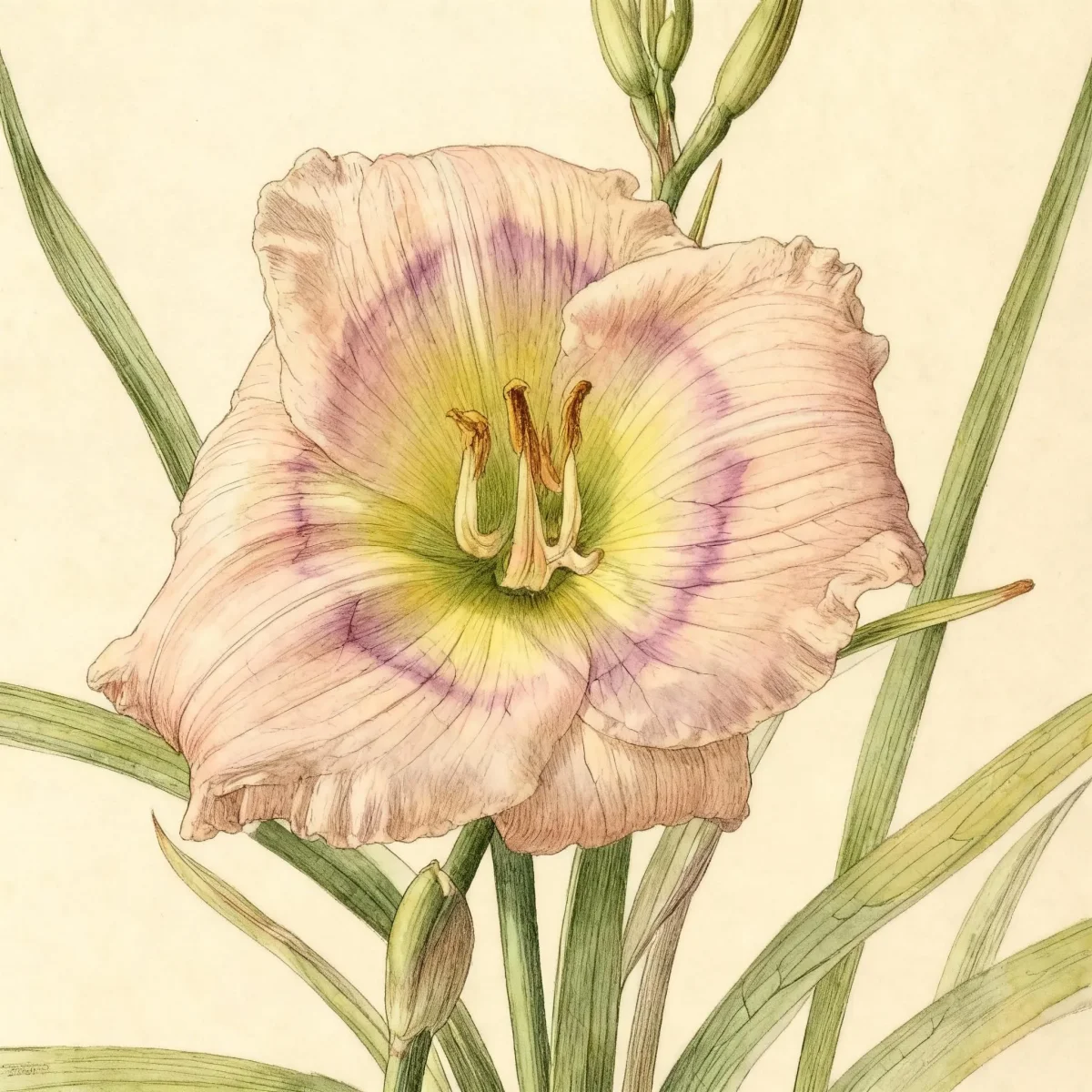
Daylily
Hemerocallis 'Siloam David Kirchhoff'
- USDA zones
- 3–9
- Light
- Full sun to part shade
- Water
- Medium
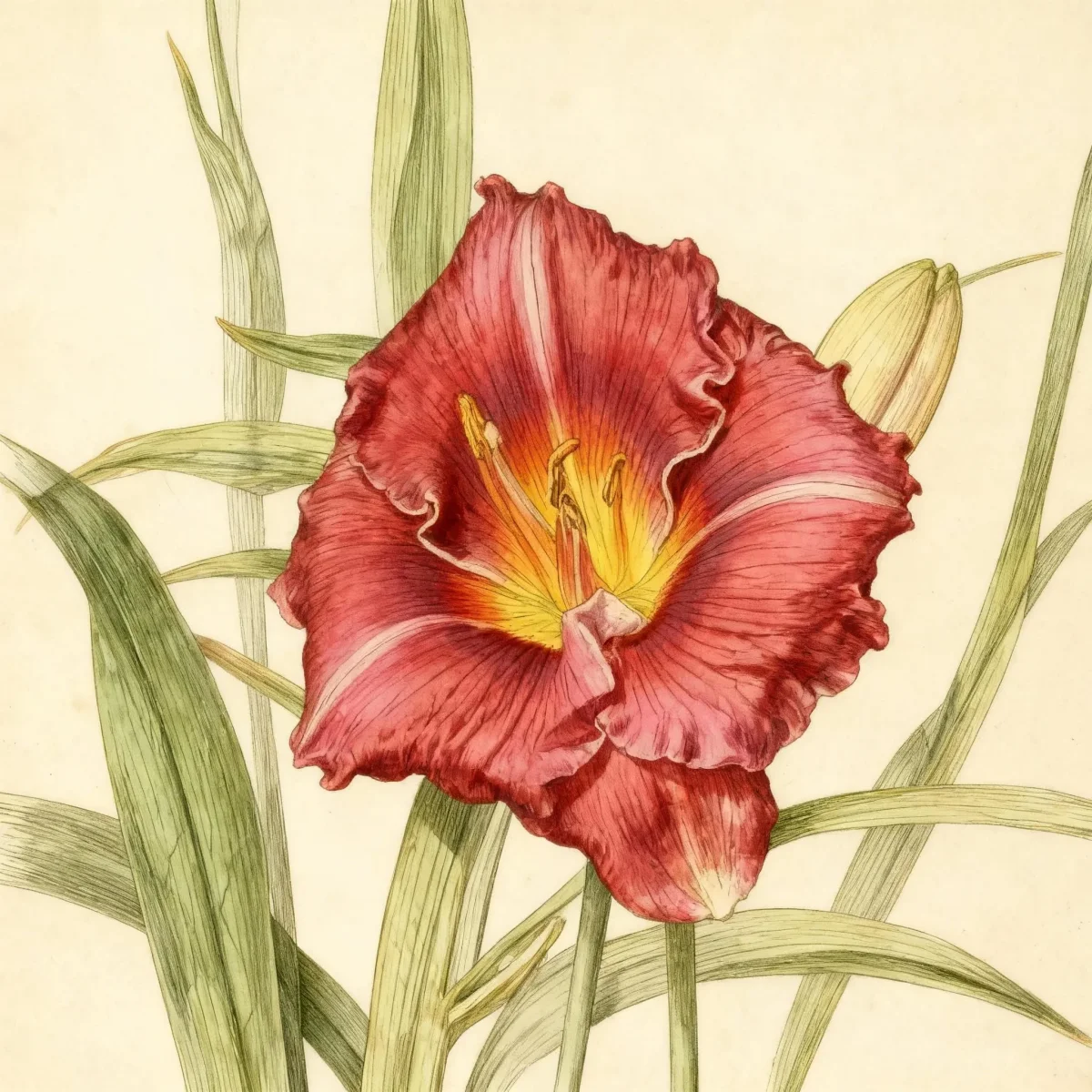
Daylily
Hemerocallis 'Siloam Grace Stamile'
- USDA zones
- 3–9
- Light
- Full sun to part shade
- Water
- Medium

Daylily
Hemerocallis 'Siloam June Bug'
- USDA zones
- 3–8
- Light
- Full sun to part shade
- Water
- Medium
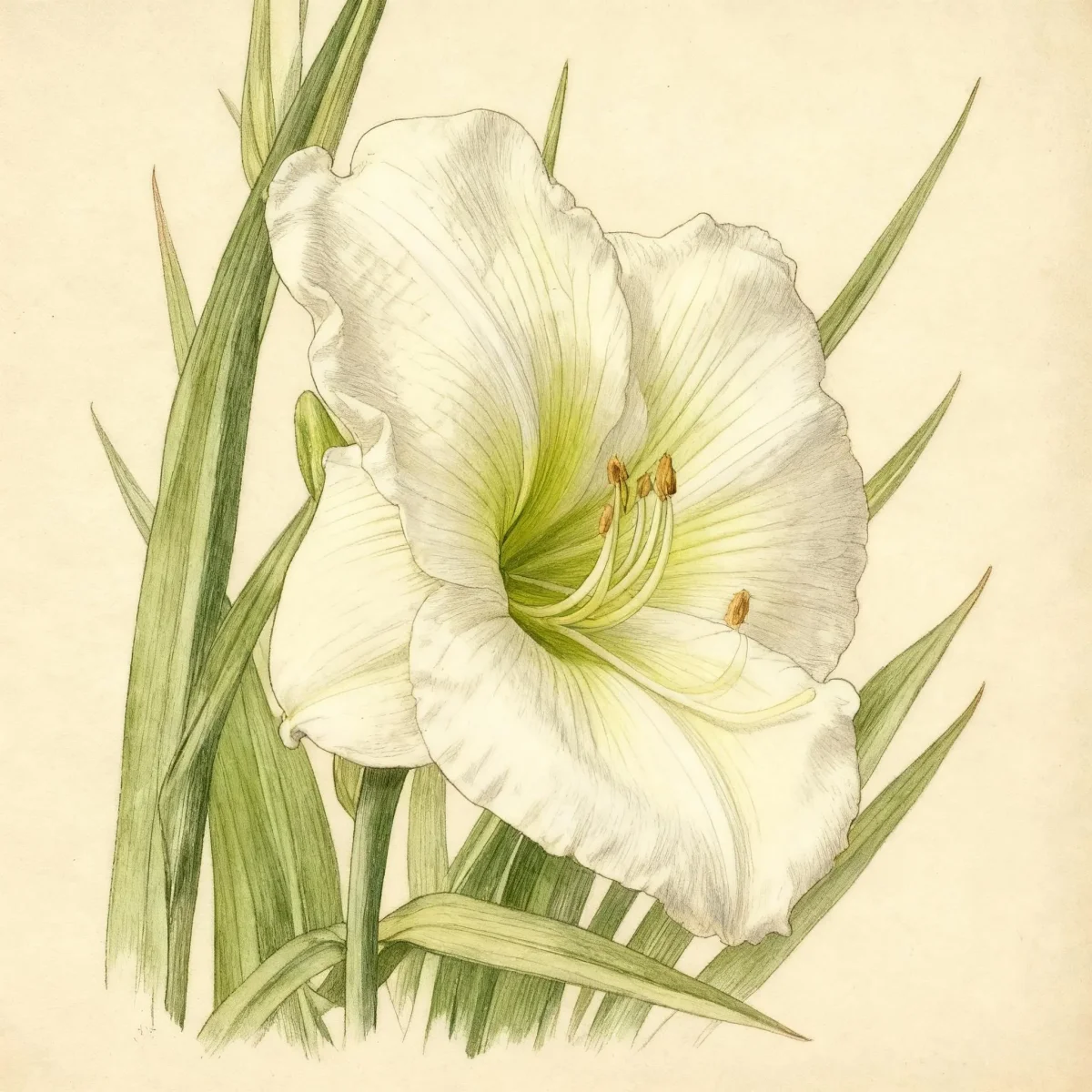
Daylily
Hemerocallis 'Sister Clara'
- USDA zones
- 3–9
- Light
- Full sun to part shade
- Water
- Medium
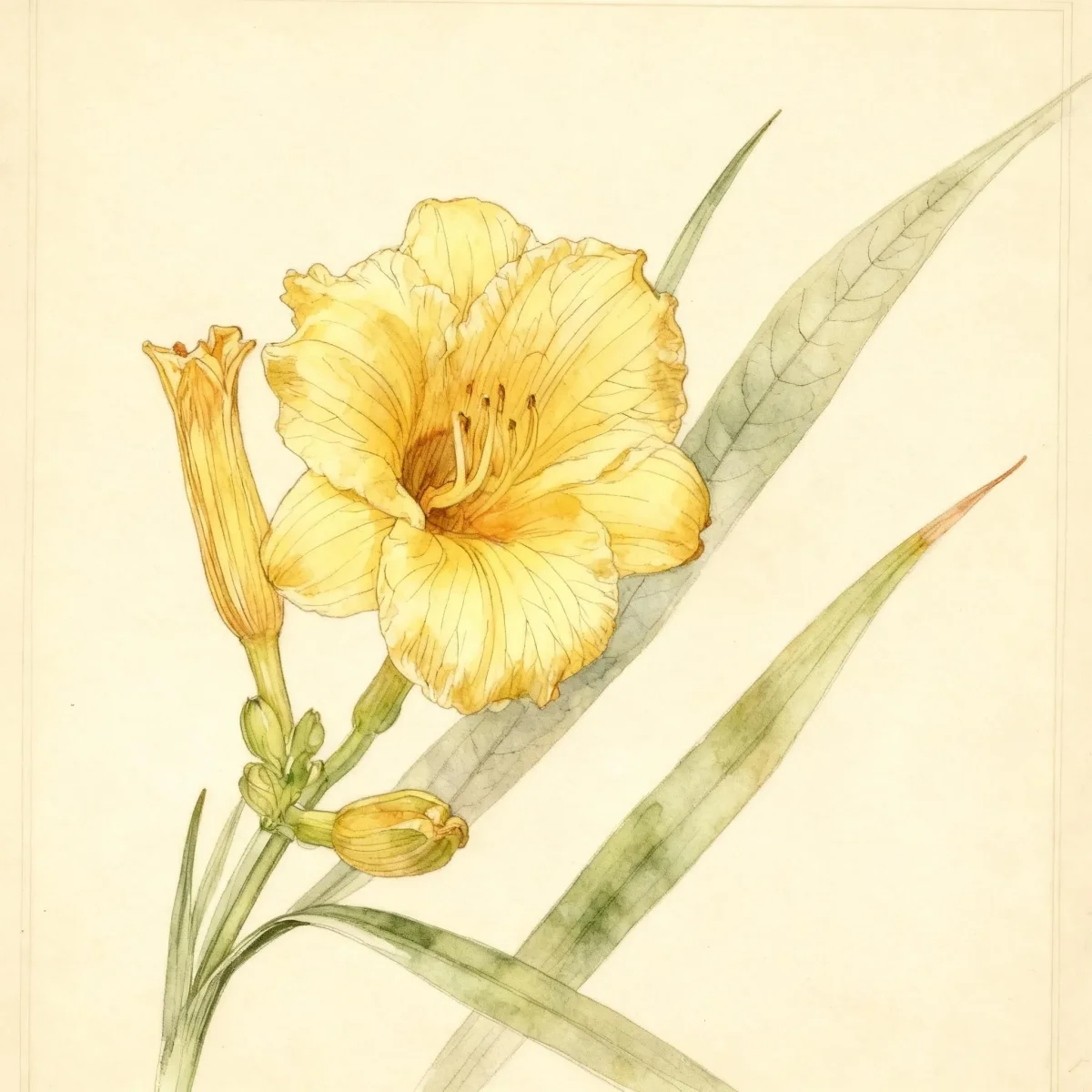
Daylily
Hemerocallis 'Stella de Oro'
- USDA zones
- 3–10
- Light
- Full sun to part shade
- Water
- Medium
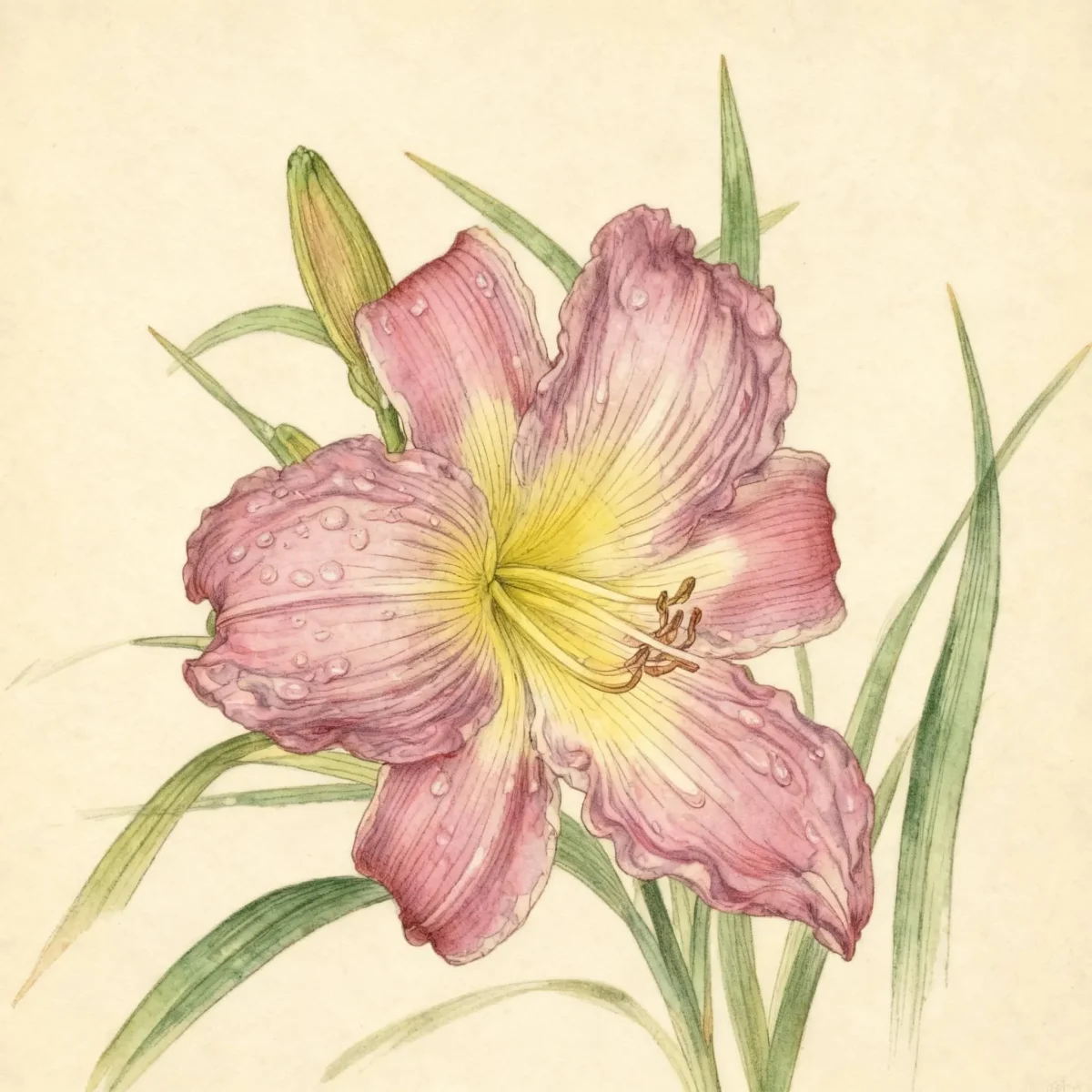
Daylily
Hemerocallis 'Swirling Water'
- USDA zones
- 3–9
- Light
- Full sun to part shade
- Water
- Medium
Keep Learning
Test what you know with a garden quiz
You have the plant facts and care notes. Continue with a related challenge, or browse the complete quiz library.

Can You Identify These Common Garden Plants? Test Your Plant Knowledge
Think you know your roses from your peonies? Test your plant identification skills with our comprehensive garden plant quiz featuring 10 challenging questions.
Start quiz
USDA Garden Zone Map Quiz
Use this USDA garden zone map quiz to check whether you can read hardiness zones and choose plants with more confidence.
Start quizBrowse the full quizzes section
Explore plant identification, zone strategy, and seasonal gardening challenges.
View all quizzes