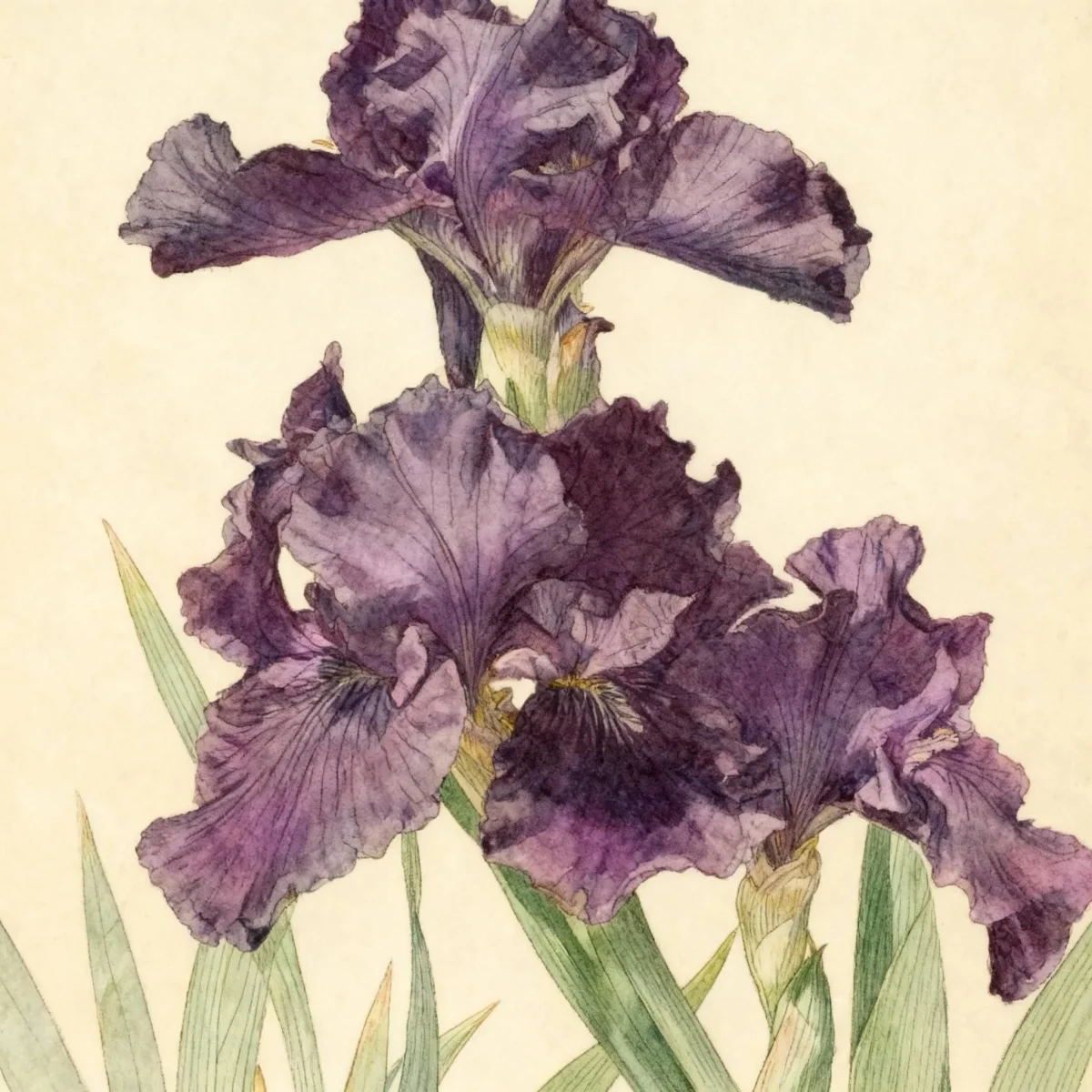
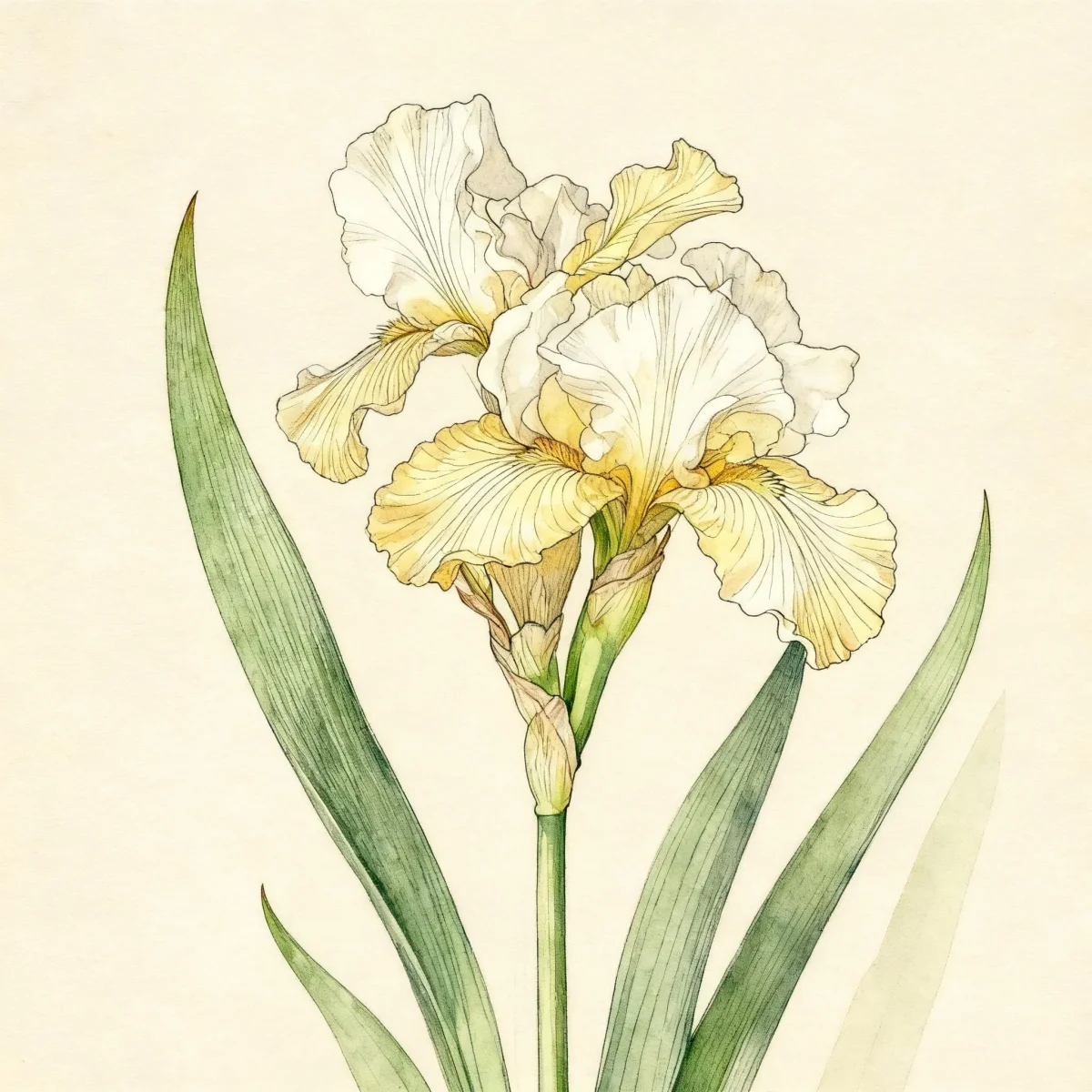
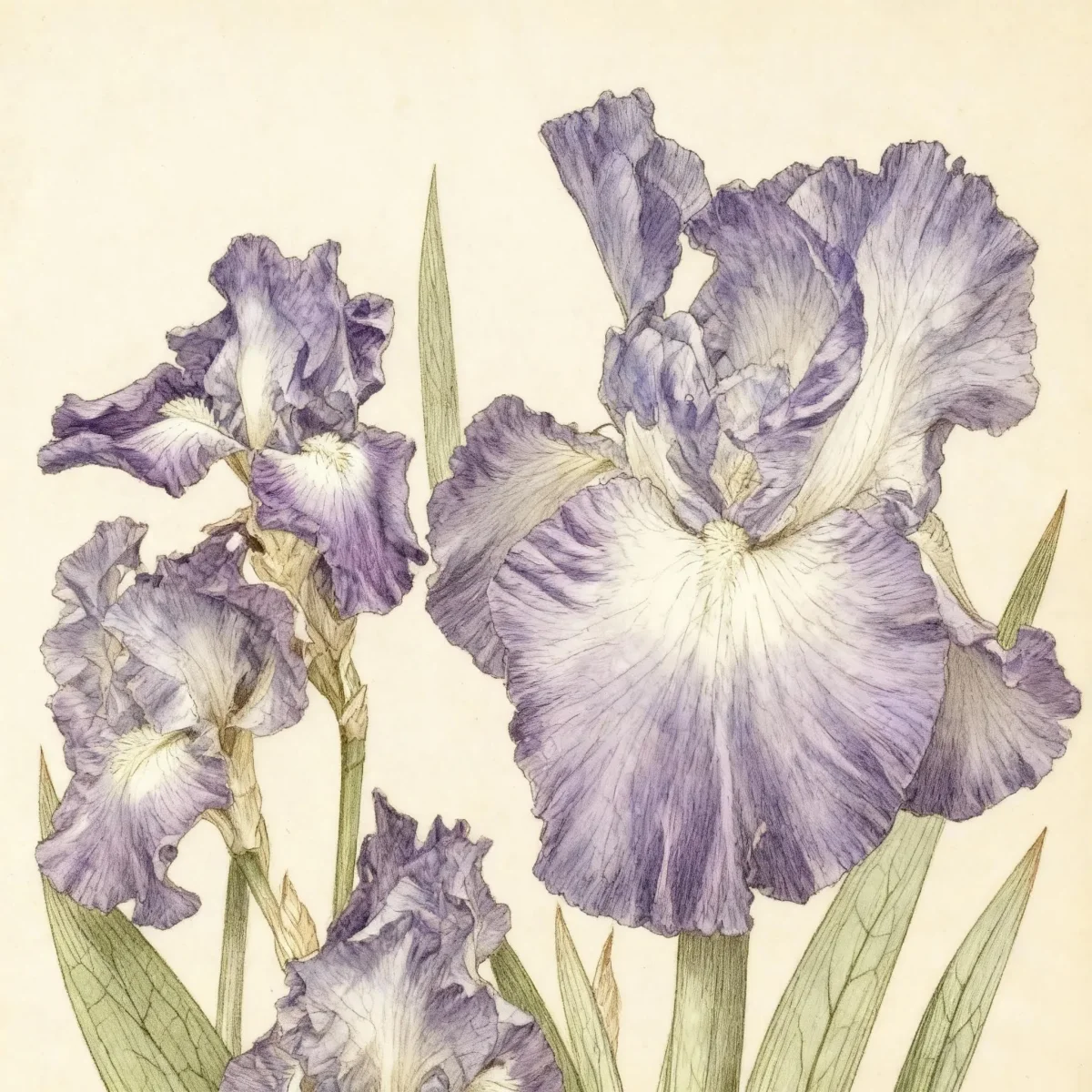
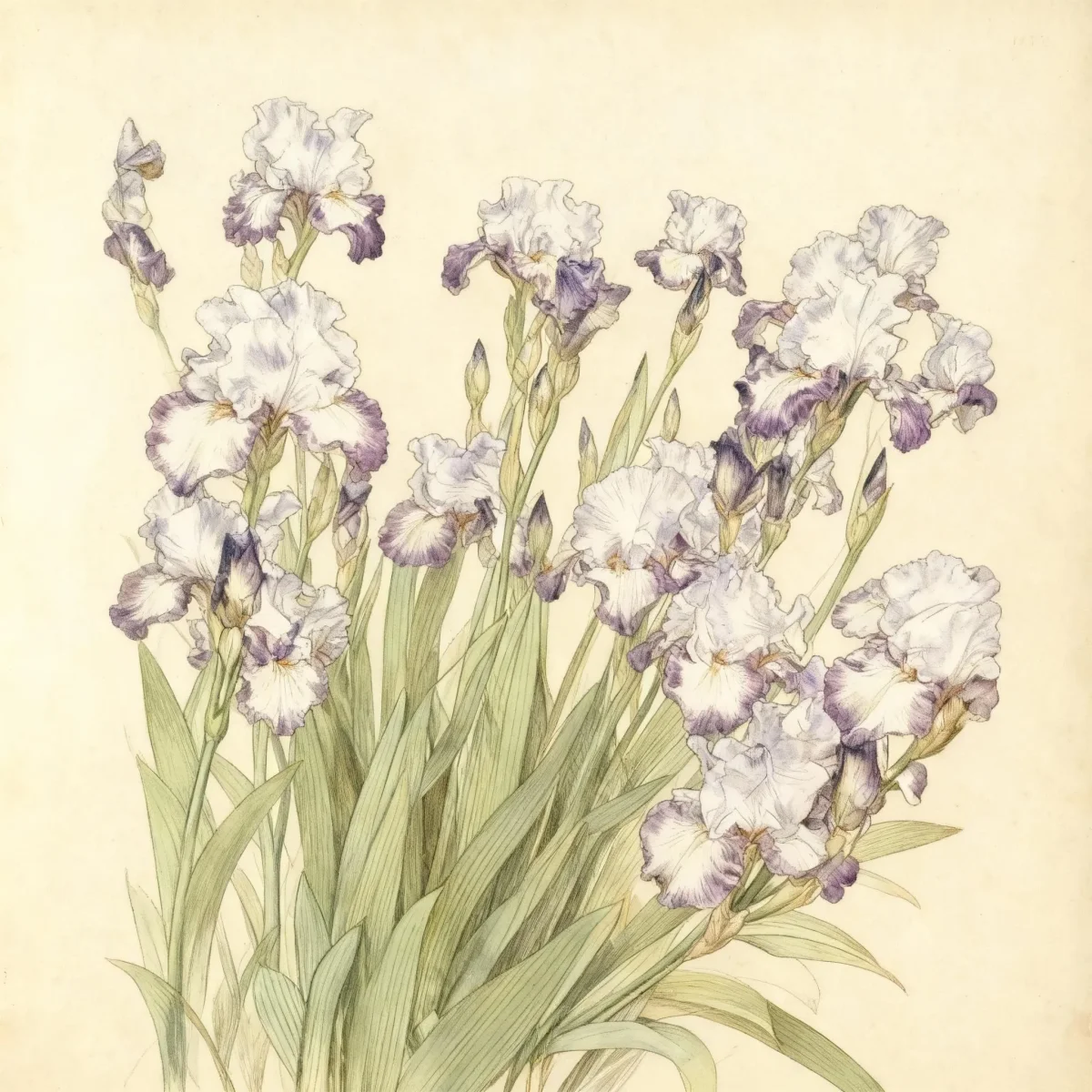
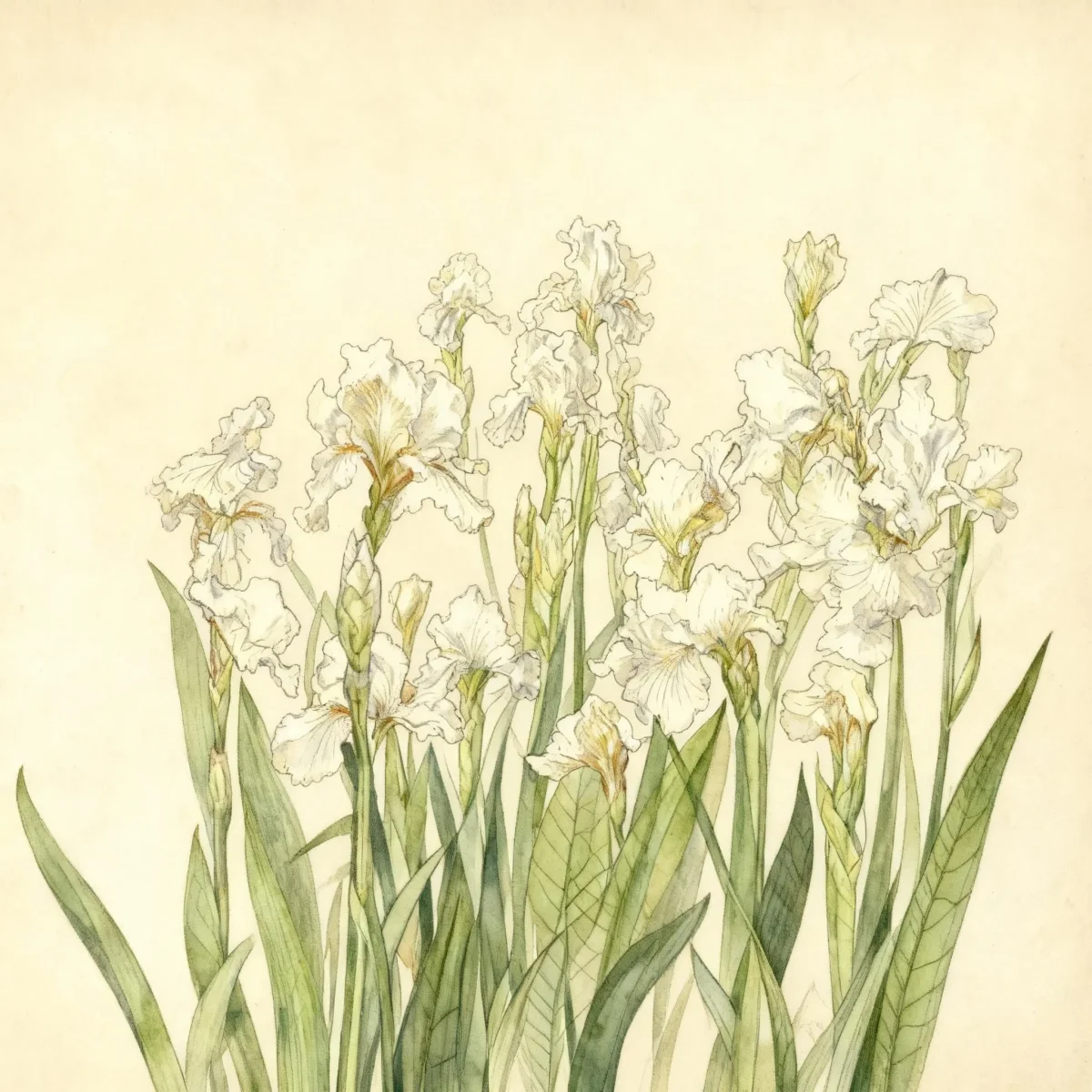
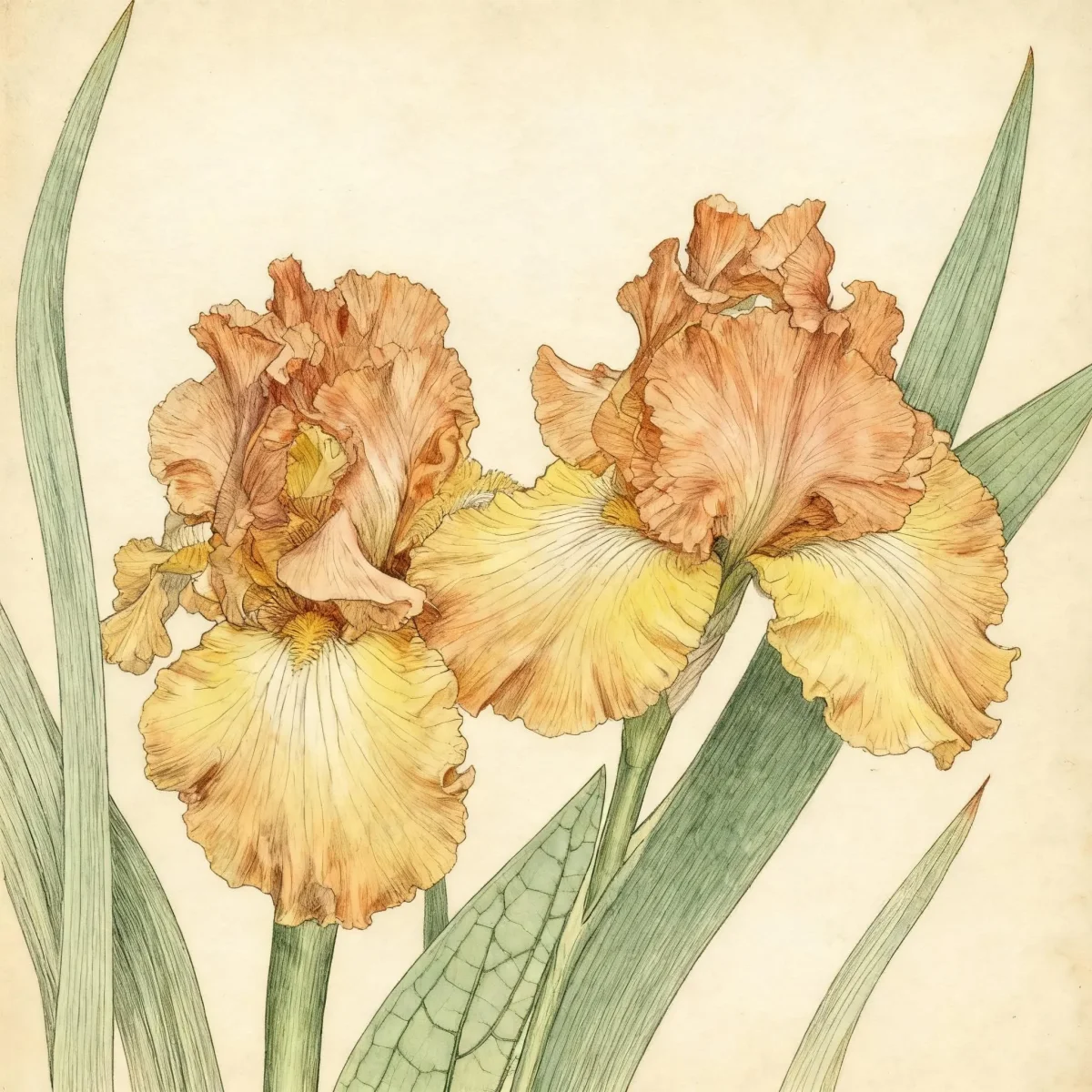
Tall bearded iris (Iris 'Beverly Sills')
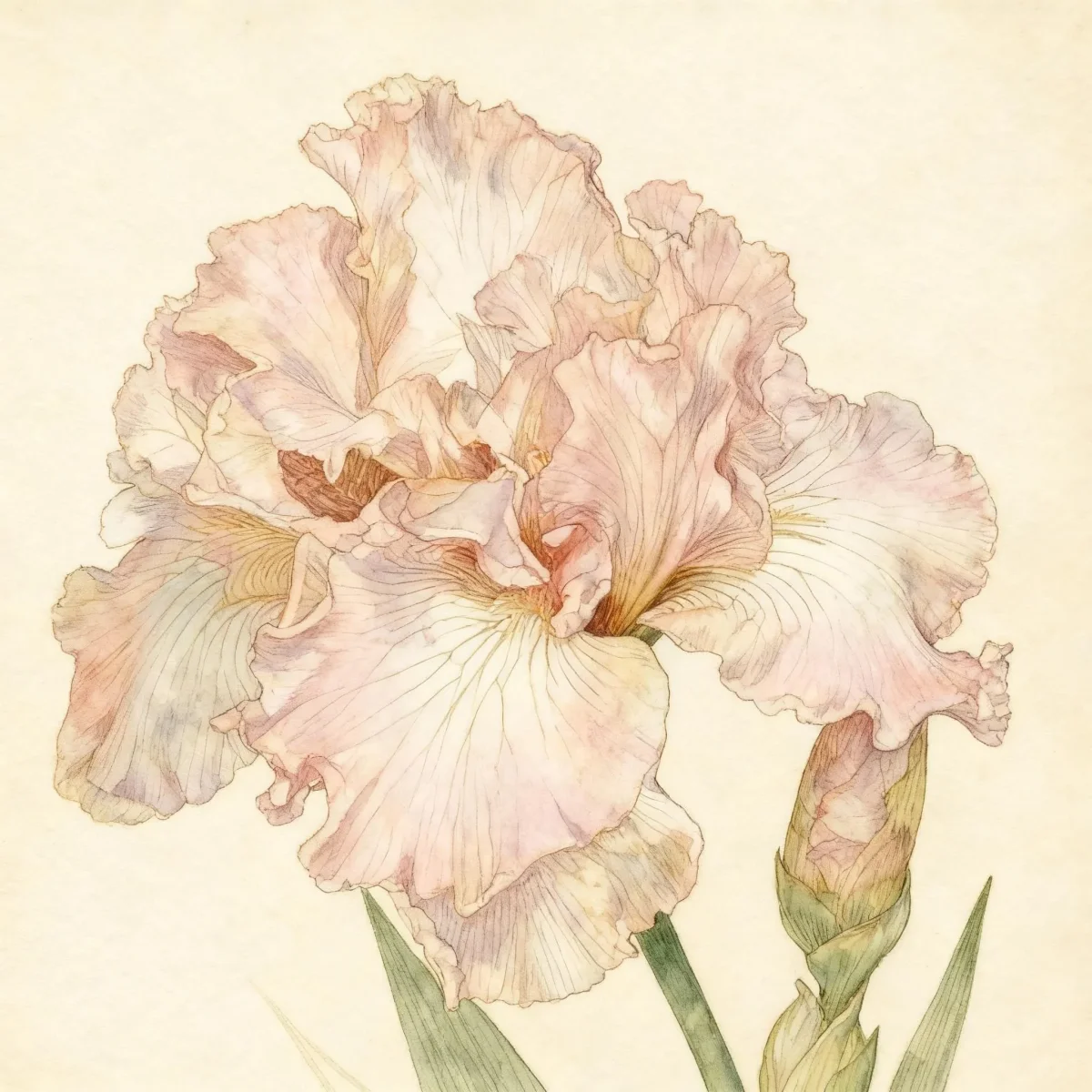
Stunning Iris 'Beverly Sills' is a Dykes Medal-winning Tall bearded iris boasting showy Flamingo Pink blooms in June.

Bloom Boldly, No Matter the Season - Sweatshirt
Cozy organic cotton sweatshirt featuring our exclusive Purple Coneflower design. Perfect for gardeners who bloom year-round.
Inspired by the beautiful Tall bearded iris
Limited first batch (50) — join the waitlist for early access
Waitlist closes Feb 15, 2026.
Complete Plant Information
Field Guide Continues
Ready for care notes, companion picks, and planting tips?
The map is just the start. The full guide below covers growth habits, seasonal performance, and landscape uses.
Overview
Iris ‘Beverly Sills’ stands out as a highly desirable cultivar within the Tall bearded iris class, recognized by its impressive stature and vibrant coloration. This award-winning herbaceous perennial provides substantial vertical interest in the garden, producing showy, Flamingo Pink flowers borne on stems that often reach considerable height for the class. Gardeners prize this cultivar not only for its aesthetic appeal but also for its resilience once established.
As a rhizomatous iris, Iris ‘Beverly Sills’ forms dense clumps over time, offering consistent performance across USDA Hardiness Zones 3 through 9. Key to its success is ensuring optimal drainage, a hallmark requirement for all healthy Tall bearded iris varieties. These plants truly shine when placed where their unique flower structure and intense color can be best appreciated during the early summer bloom season.
The strong, erect foliage contributes attractive texture even outside of the flowering period, making Iris ‘Beverly Sills’ a reliable structure plant for perennial borders. Its combination of easy care, notable bloom quality, and established drought tolerance makes it a cornerstone plant for sunny summer gardens.
Fast Facts
- Plant Family: Iridaceae
- Plant Type: Herbaceous perennial
- Hardiness Zones: USDA Zones 3-9
- Size at Maturity:
- Height: 2.5-3 ft
- Spread: 1.5-2 ft
- Bloom Time: June
- Bloom Description: Flamingo Pink
- Sun Exposure: Full sun
- Water Needs: Medium
- Maintenance Level: Medium
How to Grow
Planting Iris ‘Beverly Sills’ requires attention to soil structure and rhizome depth for success, especially concerning rot prevention. Grow this Tall bearded iris using average, medium-moisture, well-drained soils in locations receiving full sun. While it tolerates some part afternoon shade, particularly in hotter climates, maximum bloom performance requires ample light. Optimal planting time for the fleshy rhizomes spans from late July through October, depending on your winter severity; always plant former into the ground between 12–20 inches apart.
Critical to establishment is planting the rhizome shallowly atop a small mound of soil so that one-third of the rhizome remains exposed above the surface, with roots spread horizontally underneath for support. Maintain consistent moisture from early spring until six weeks after the flowering period concludes. Established plants exhibit moderate drought tolerance, but deep, infrequent watering is preferred over constant shallow sprinkling.
Good drainage is paramount; if you have heavy clay or high rainfall areas, plant rhizomes on slopes or in raised beds to actively discourage rhizome rot. Keep the beds meticulously weed-free, as weeds compete for resources and harbor pests. If clumps become overcrowded over time, lift them carefully in late summer (August), divide the rhizomes, and replant them immediately.
Landscape Uses
Iris ‘Beverly Sills’ excels when massed or grouped, providing bold sweeps of flamingo pink color along sunny sight lines. Its height, reaching up to three feet, positions it perfectly toward the middle or back of perennial borders where it won’t be obscured by shorter foreground plantings. This Tall bearded iris performs beautifully against foundations or in mixed perennial beds designed for full sun exposure.
Consider pairing Iris ‘Beverly Sills’ with companion plants that share similar light and soil requirements but bloom either before or after June to extend visual interest. Good companions might include early-blooming Alliums or summer-blooming Salvias. The sturdy, upright foliage maintains structure throughout the season, even after the spectacular bloom fades.
The robust nature of this award-winning cultivar means it reads well in landscape designs requiring medium maintenance and good structure. Ensure hardscaping or neighboring plants do not shade the rhizomes excessively, jeopardizing flowering potential.
Standout Features
Flower Qualities
- Showy
- Good Cut
Noteworthy Characteristics
Tall Bearded Iris cultivars, including Iris ‘Beverly Sills’, are distinguished by their impressive height, typically exceeding 27.5 inches, usually featuring multiple branches and numerous blossoms per stem. The bearded signature visible on the falls distinguishes genus members, with ‘Beverly Sills’ specifically noted for its erect habit and flaring, bright flamingo pink flowers on stems up to 35 inches tall. This specific cultivar is a winner of the prestigious Dykes Medal, affirming its superior gardening qualities.
Tolerances
- Deer
- Drought
Potential Problems
Be vigilant against several potential issues that can afflict bearded iris, including fungal leaf spot, bacterial soft rot, and crown rot. Other pests like slugs, snails, thrips, and particularly the iris borer, require monitoring. The most common reason Iris ‘Beverly Sills’ fails to flower is planting the rhizomes too deep or situating the plant in excessive shade. Over-fertilization or overcrowding are also frequent culprits.
Good cultural practice forms the backbone of pest and disease prevention for this Tall bearded iris. Always practice rigorous sanitation: promptly remove and destroy any foliage or rhizomes showing signs of disease or borer infestation. A complete cleanup of bed debris in the fall after the first hard frost is essential to disrupt pest life cycles.
When rot is suspected due to poor drainage, immediately lift, inspect, and discard infected sections; division and replanting in a drier location can often save affected clumps when caught early.
Frequently Asked Questions
What hardiness zones is Tall bearded iris suitable for?
Iris ‘Beverly Sills’ is reliably hardy in USDA Zones 3 through 9.
How large does Iris ‘Beverly Sills’ grow?
This cultivar typically reaches a height between 2.5 and 3 feet tall, spreading 1.5 to 2 feet wide.
When does Iris ‘Beverly Sills’ bloom?
The peak bloom time for this Tall bearded iris is generally in June, showcasing its beautiful Flamingo Pink flowers.
What sun exposure does Iris ‘Beverly Sills’ need?
For best results, Iris ‘Beverly Sills’ requires full sun exposure in the garden.
Conclusion
Iris ‘Beverly Sills’ provides exceptional value to the perennial garden through its towering structure, stunning Flamingo Pink display, and moderate ease of care. As a highly celebrated Tall bearded iris, it earns its place in sunny borders providing reliable color each June. Ensure impeccable drainage and plant rhizomes shallowly to guarantee many seasons of award-winning performance from your Iris ‘Beverly Sills’.
Propagation Tips
Propagating Iris ‘Beverly Sills’ is straightforward, relying on division of its fleshy rhizomes, making it an excellent plant for increasing stock. Since the plant tends to form overcrowded clumps over time, plan to lift and divide the clump using a sturdy garden fork in late summer, typically in August, before fall planting. When dividing, ensure each section retains a healthy fan of leaves attached to a desirable portion of the rhizome, making sure it has sufficient root structure.
When preparing the rhizomes for replanting, you must allow the cut surfaces to cure or callous over for several days in a dry, shaded area before placing them in the soil. This curing process is vital as it helps prevent rapid water absorption and subsequent fungal or bacterial entry, significantly reducing the risk of rot when replanting your divisions.
For best establishment of the new Iris ‘Beverly Sills’ plants, replant immediately after dividing, following the correct shallow planting depth where a portion of the rhizome remains exposed to the sun. Proper spacing (12-20 inches apart) ensures good air circulation, which is crucial for preventing foliar diseases.
Companion Planting
Successful companion planting around Iris ‘Beverly Sills’ focuses on complementing its sun needs and mid-summer bloom schedule while maintaining excellent soil drainage. Plants that thrive in well-drained soil and full sun, but bloom at different times, will provide continuous garden interest around the Bearded Iris. Consider early-season bloomers like low-growing Creeping Phlox or late-blooming varieties of Russian Sage (Perovskia atriplicifolia).
Avoid crowding the base of the rhizomes, as this inhibits air flow and encourages disease, so select companions that stay relatively low or have an open growth habit. Fine-textured, airy plants contrast beautifully with the sword-like leaves of the Iris ‘Beverly Sills’, adding textural depth to the border design.
Because this Tall bearded iris can handle periods of drought once established, companions requiring similar low to medium water input are ideal, ensuring you aren’t overwatering the iris in a bid to keep another plant happy.