Hosta(Hosta 'Golden Tiara')
Grow Golden Tiara hosta (Hosta 'Golden Tiara'): rapid-multiplying compact gold-edged mound, rich purple striped blooms, shade edging, USDA zones 3–8.
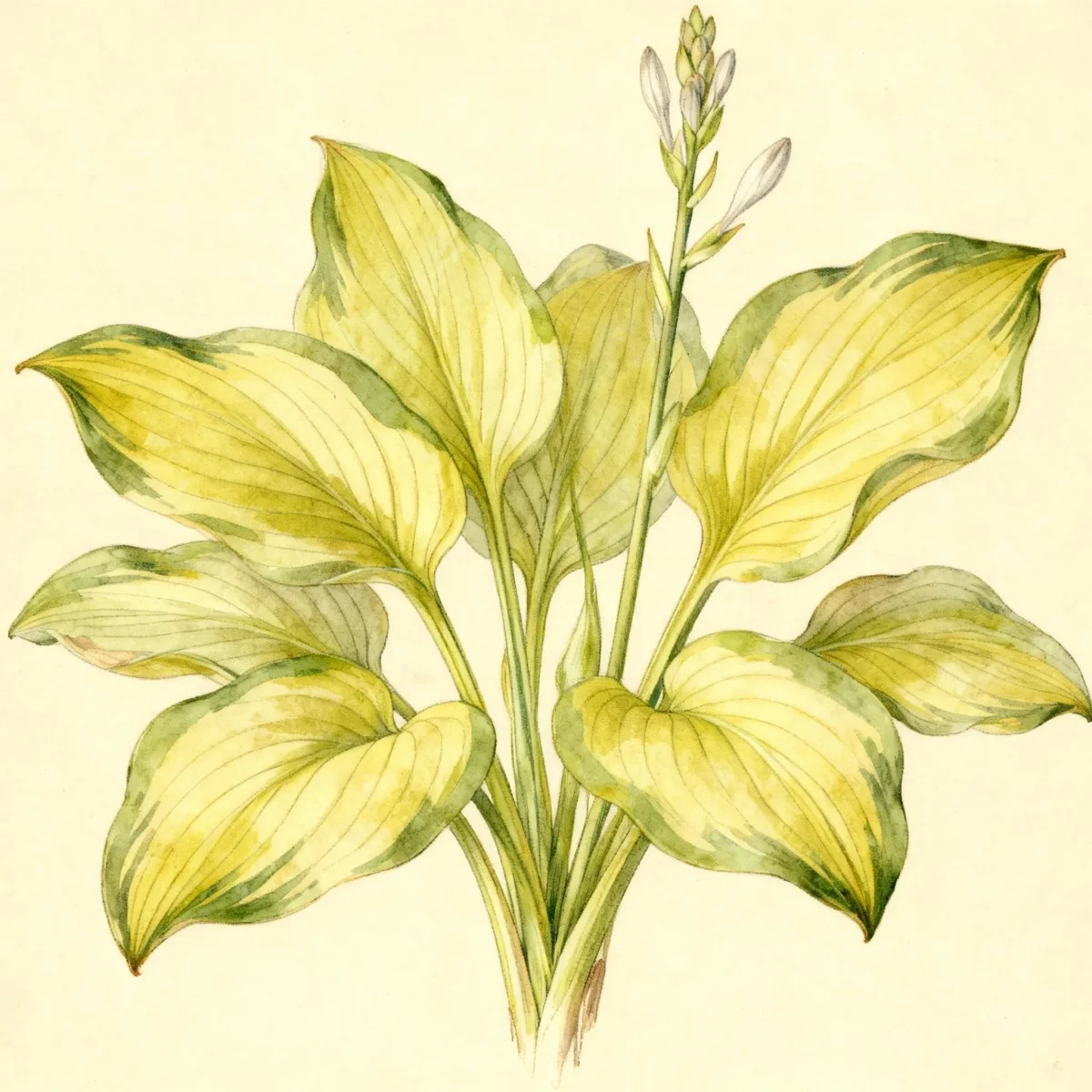
Complete Plant Information
- Hardiness zones
- USDA 3–8
- Plant type
- Herbaceous perennial
- Plant family
- Asparagaceae
- Sun exposure
- Part shade to full shade
- Water needs
- Medium
- Maintenance
- Low
- Height
- 1–1.3 ft (30–40 cm)
- Spread
- 2–2.5 ft (61–76 cm)
- Bloom time
- July to August
- Flower color
- Funnel-shaped, striped deep purple and violet blooms on 24-inch scapes
- Flower qualities
- Showy, Attracts Hummingbirds
- Fruit qualities
- Not recorded
- Tolerances
- Heavy Shade, Dry Soil, Black Walnut
- Garden uses
- Walkway edging ribbon, mass shade groundcover, border foreground, patio container
- Native range
- Horticultural hybrid (Robert Savory registration, 1977)
Field Guide Continues
Ready for care notes, companion picks, and planting tips?
The map is just the start. The full guide below covers growth habits, seasonal performance, and landscape uses.
Overview
Golden Tiara hosta (Hosta ‘Golden Tiara’) is one of the most celebrated and prolific small-to-medium perennial plantain lilies in horticulture, hardy across USDA Zones 3 through 8. Hybridized and registered in 1977 by Robert Savory of Minnesota, it founded the renowned “Tiara family” of cultivars and received the American Hosta Society’s highest honors. Forming an exceptionally neat, fast-multiplying mound 12 to 15 inches tall and up to 2.5 feet wide, each heart-shaped green leaf is bordered by a wide, glowing chartreuse-gold margin, crowned in midsummer by unusually rich, violet-purple striped bell flowers.
Its rapid multiplication rate and compact proportions make it the premier choice for formal walkway edging and dense shade groundcovers.
How to Grow
- Sunlight & Morning Light: Partial shade to full shade. Morning sun (2 to 3 hours) or high dappled canopy shade intensifies the contrast between the golden margin and green center. Harsh afternoon summer sun can scorch the chartreuse edge.
- Soil & Moisture: Prefers fertile, moist, organically enriched, well-draining loamy soil. While established clumps display surprising resilience in dry shade beneath mature trees, consistent moisture produces the densest, most flawless foliar mounds.
- Rapid Rhizome Multiplication: Multiplies quickly from the crown; divide easily in early spring or early autumn to propagate new edging ribbons.
- Winter Dormancy: Requires several weeks of winter chill below 40°F (4°C) to break crown dormancy. Cut dead foliage back in late autumn after frost collapses the leaves.
Landscape Uses
- Walkway Edging Ribbon: Spaced 18 inches apart on center, clumps knit together within two seasons to form a solid, weed-suppressing ribbon along stone paths.
- Shade Border Foreground: Fits in front of taller perennials and shrubs without obstructing sightlines.
- Patio Container Planting: Compact size makes it an excellent focal plant in decorative pots placed on shaded terraces.
Potential Problems
- Slugs & Snails: Thinner leaf tissue makes young spring shoots appealing to garden slugs and snails. Apply pet-safe iron phosphate bait around emerging crowns in early spring.
- Pet Safety Notice: Contains toxic saponins harmful to dogs, cats, and horses; ingestion causes vomiting, diarrhea, and lethargy.
- Afternoon Sun Scorch: Direct, hot midday or afternoon sun will bleach and burn the chartreuse margins.
Frequently Asked Questions
Why is ‘Golden Tiara’ so popular for edging?
It grows in a uniform, compact mound (12 to 15 inches tall) and multiplies rapidly, knitting together into a continuous, weed-suppressing border along walkways within a single season.
How big does Hosta ‘Golden Tiara’ get?
It matures to a height of 12 to 15 inches with a spread of 2 to 2.5 feet.
When does ‘Golden Tiara’ bloom?
Showy purple-striped bell flowers rise on 24-inch scapes in July and August, attracting hummingbirds.
Companion Plants
Pair Golden Tiara hosta with woodland perennials that contrast with its chartreuse-gold edged foliage:
- Blue Foliage Contrast: Plant alongside blue hostas (like ‘Halcyon’) or broadleaf lungwort (Pulmonaria).
- Fine-Textured Ferns: Combine with Japanese painted ferns (Athyrium niponicum) or maidenhair ferns.
- Flowering Shade Partners: Interplant near red astilbes, bleeding hearts, or columbines.
Sources & Lineage
- Missouri Botanical Garden PlantFinder: Record taxon 248663 (Hosta ‘Golden Tiara’) — Robert Savory 1977 heritage, dimensions, and border use.
- American Hosta Society (AHS): Cultivar Registry: Hosta ‘Golden Tiara’ — registration details, Tiara family lineage, and flower pigmentation.
- ASPCA Animal Poison Control: Hosta Saponin Profile — pet toxicity and clinical signs.
Recommended Companion Plants
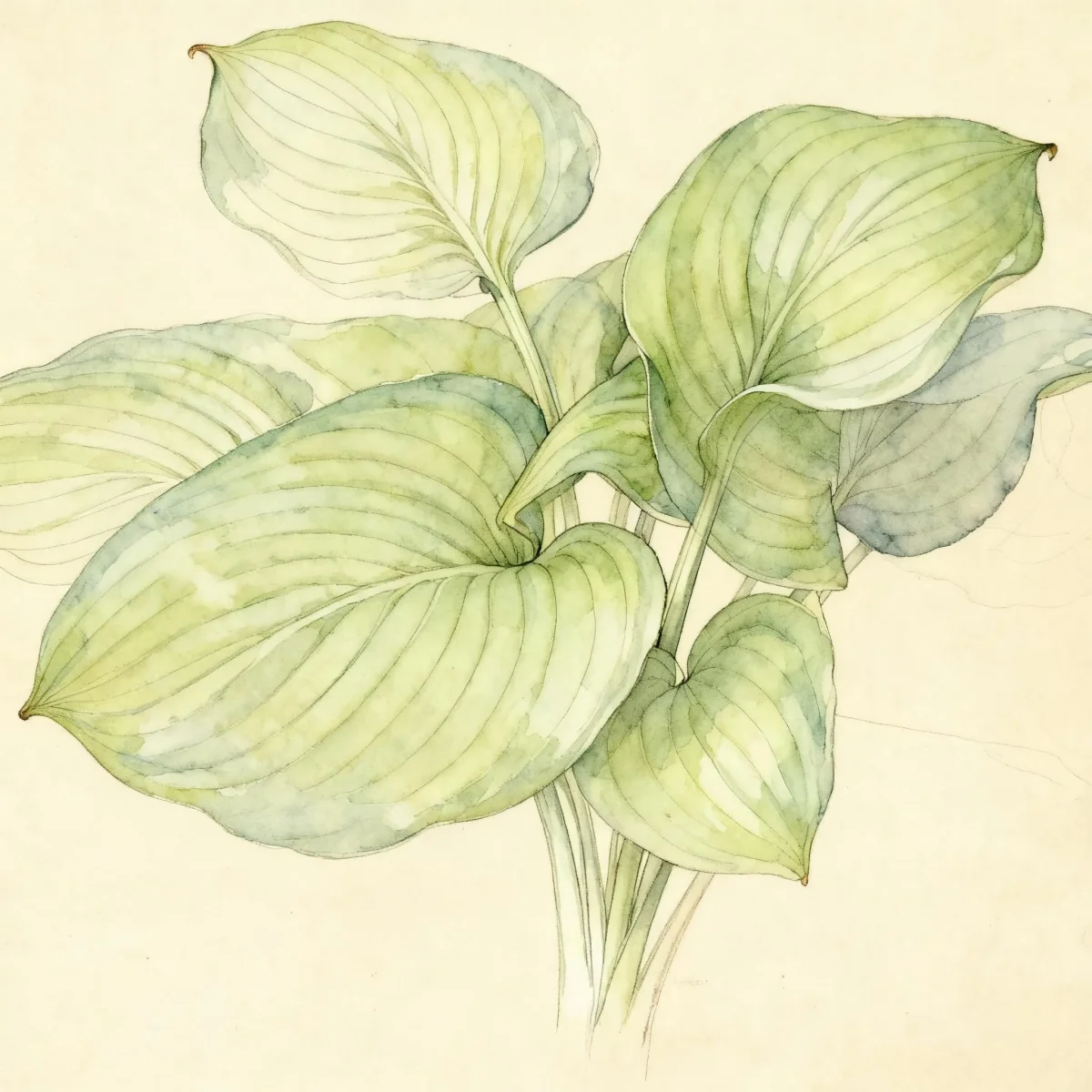
Hosta
Hosta 'Guacamole'
- USDA zones
- 3–8
- Light
- Part shade to full shade
- Water
- Medium
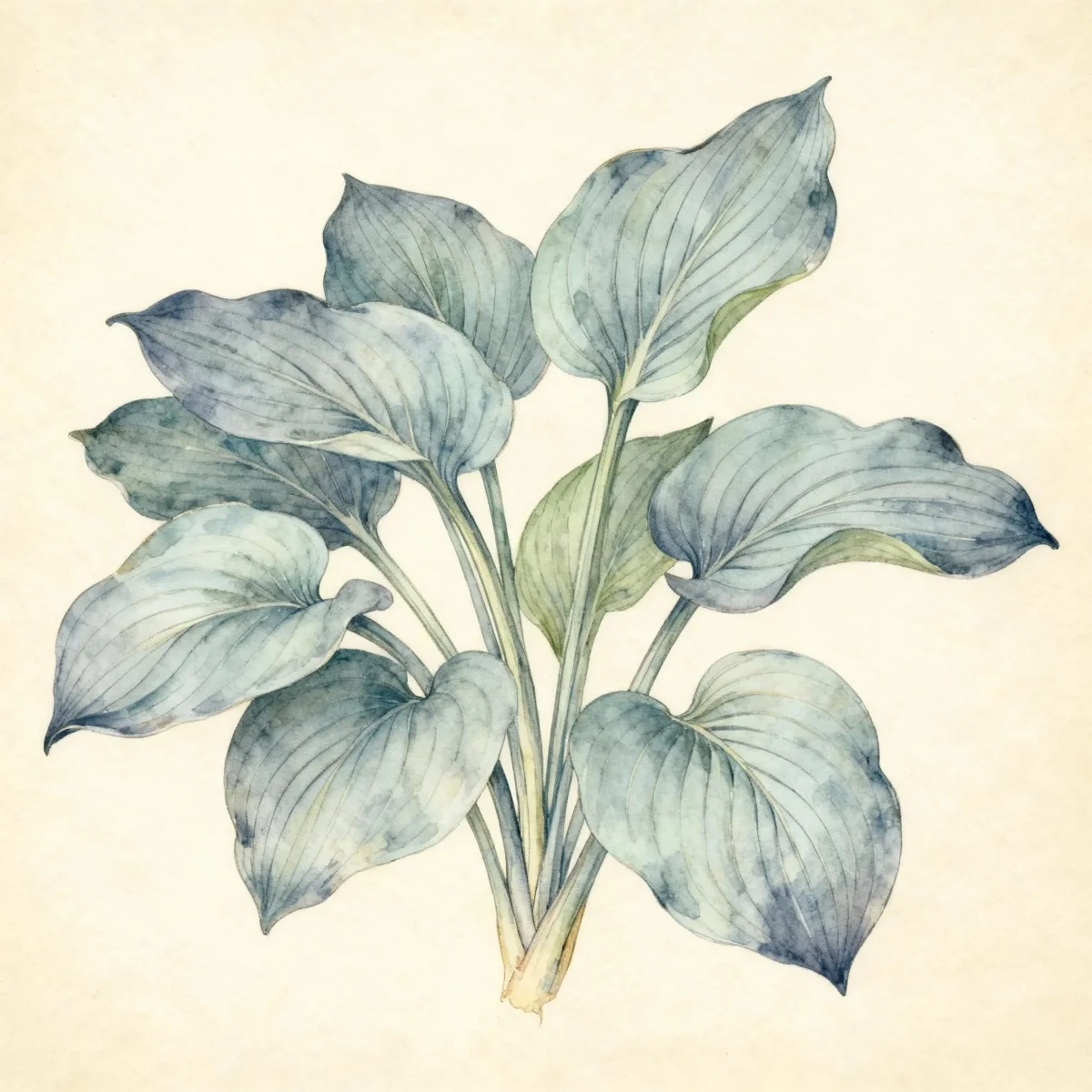
Hosta
Hosta 'Hadspen Blue'
- USDA zones
- 3–8
- Light
- Part shade to full shade
- Water
- Medium
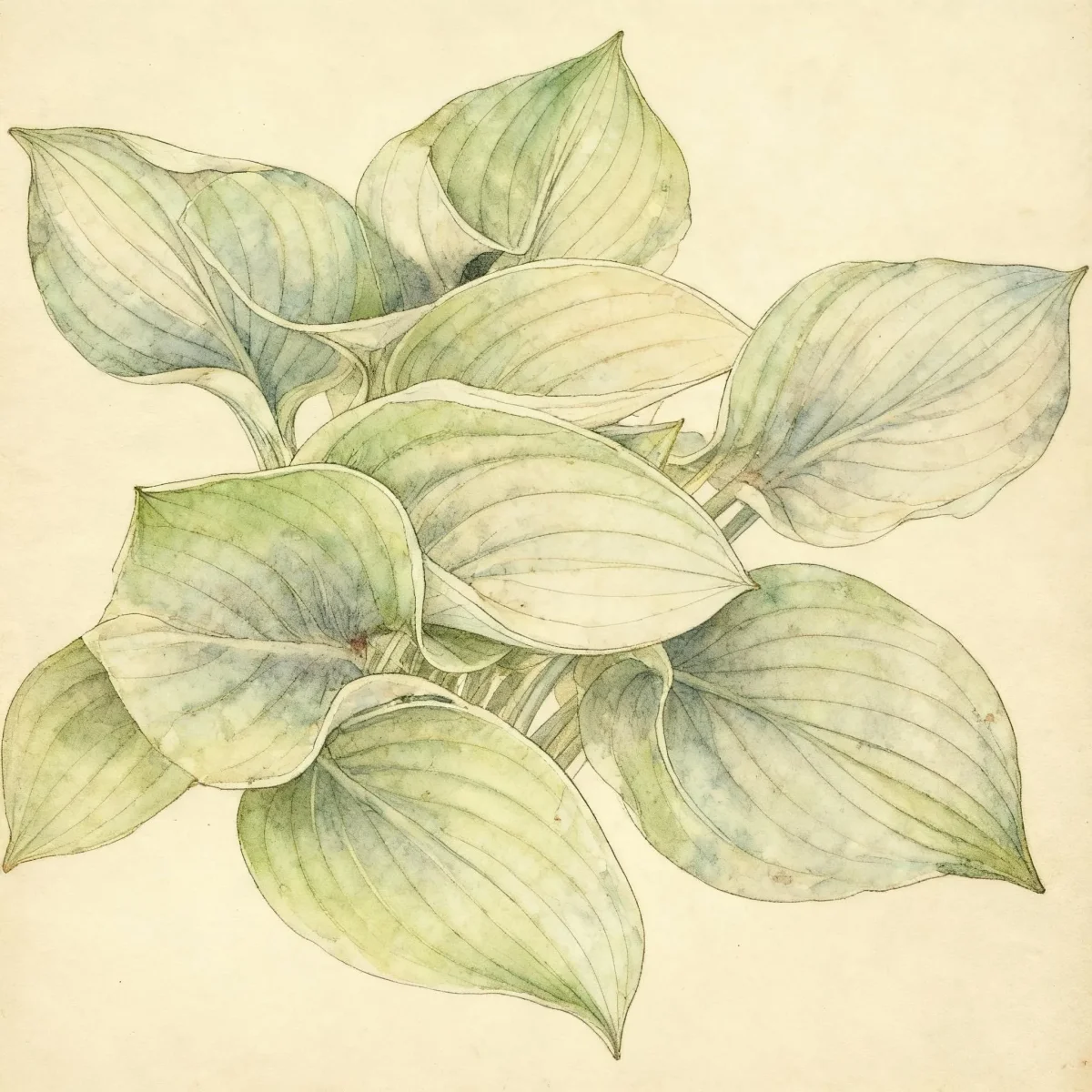
Hosta
Hosta (Tardiana Group) 'Hadspen Hawk'
- USDA zones
- 3–8
- Light
- Part shade to full shade
- Water
- Medium
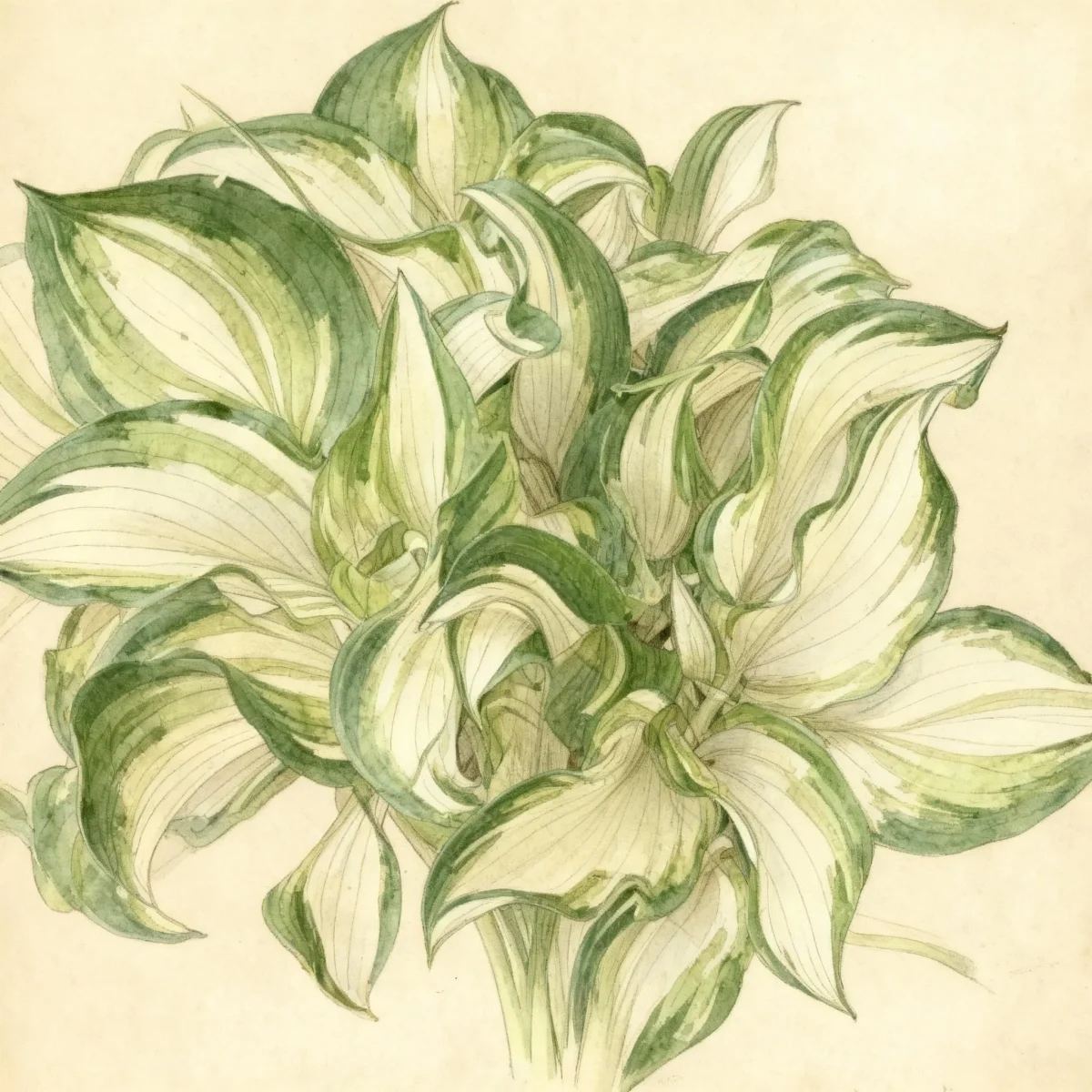
Hosta
Hosta 'Haku Chu Han'
- USDA zones
- 3–8
- Light
- Part shade to full shade
- Water
- Medium
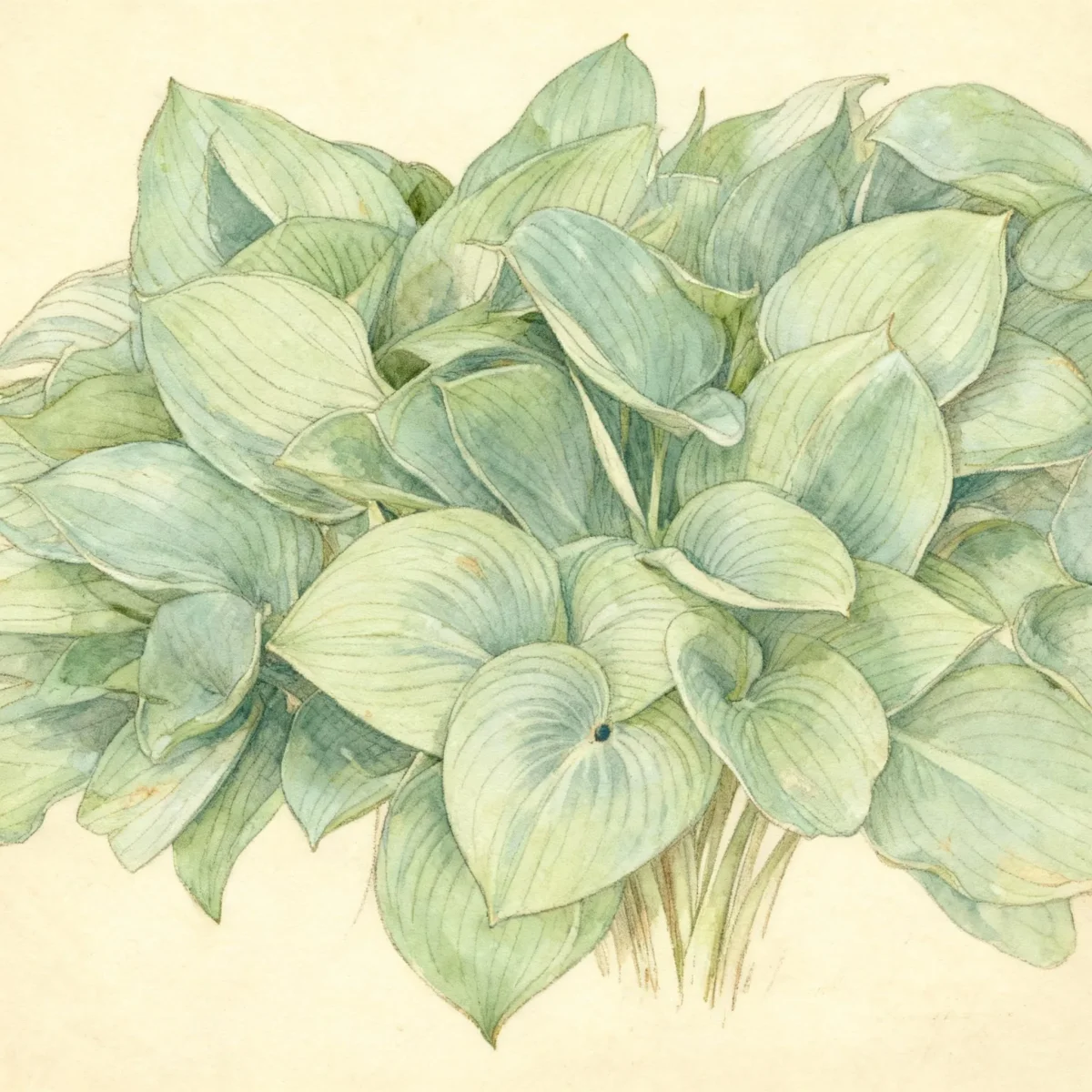
Hosta
Hosta (Tardiana Group) 'Halcyon'
- USDA zones
- 3–8
- Light
- Part shade to full shade
- Water
- Medium
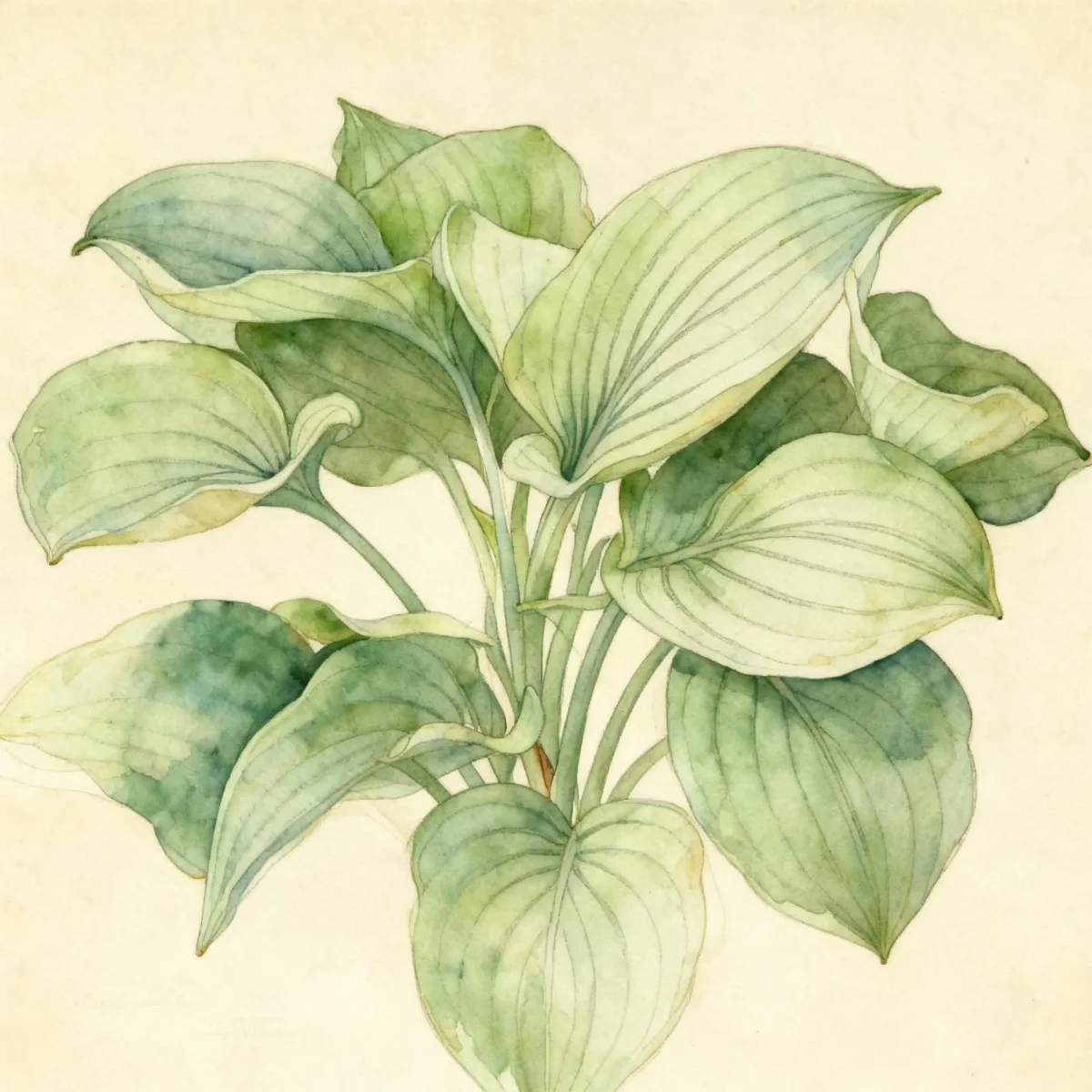
Hosta
Hosta (Tardiana Group) 'Harmony'
- USDA zones
- 3–8
- Light
- Part shade to full shade
- Water
- Medium
Keep Learning
Test what you know with a garden quiz
You have the plant facts and care notes. Continue with a related challenge, or browse the complete quiz library.

Can You Identify These Common Garden Plants? Test Your Plant Knowledge
Think you know your roses from your peonies? Test your plant identification skills with our comprehensive garden plant quiz featuring 10 challenging questions.
Start quiz
USDA Garden Zone Map Quiz
Use this USDA garden zone map quiz to check whether you can read hardiness zones and choose plants with more confidence.
Start quizBrowse the full quizzes section
Explore plant identification, zone strategy, and seasonal gardening challenges.
View all quizzes