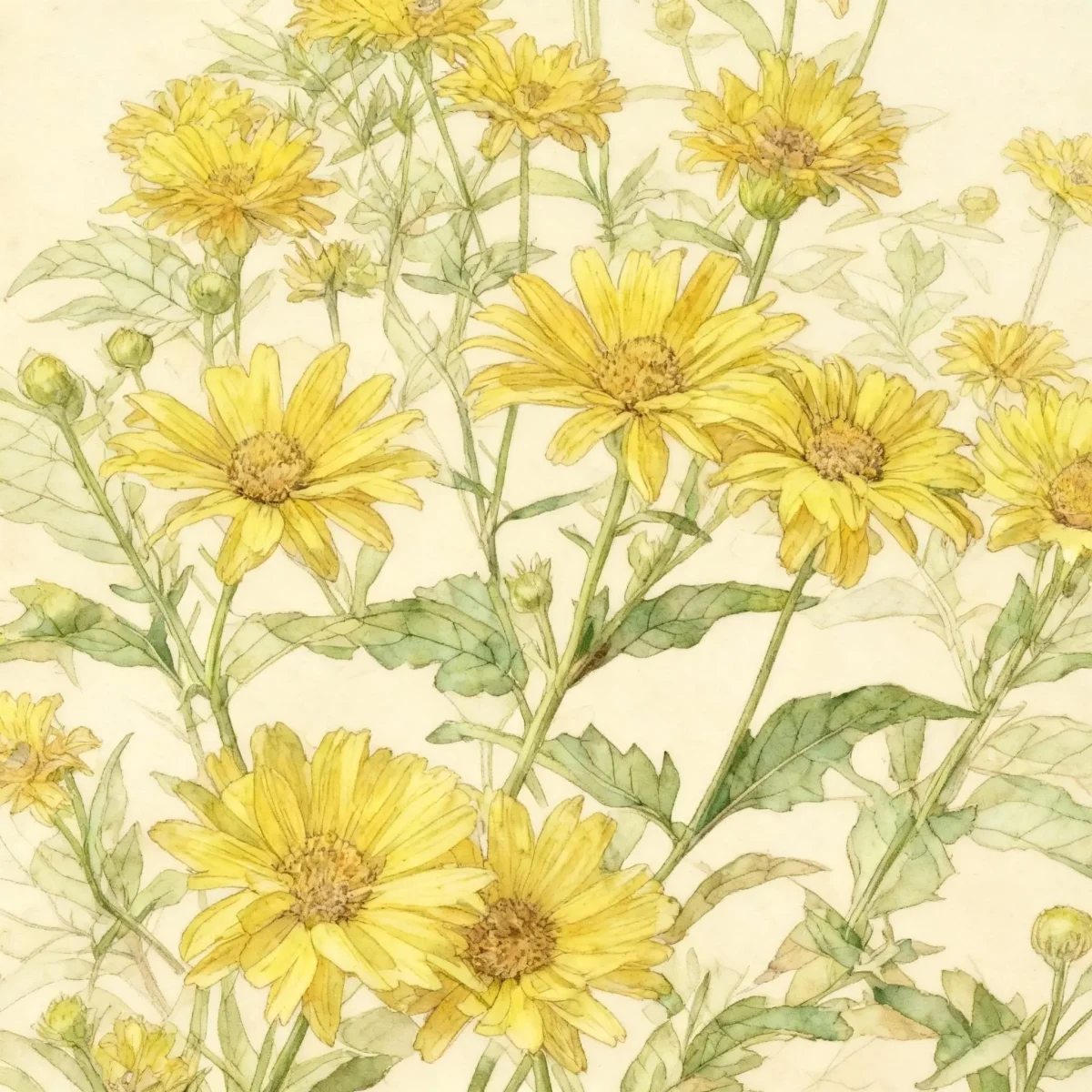
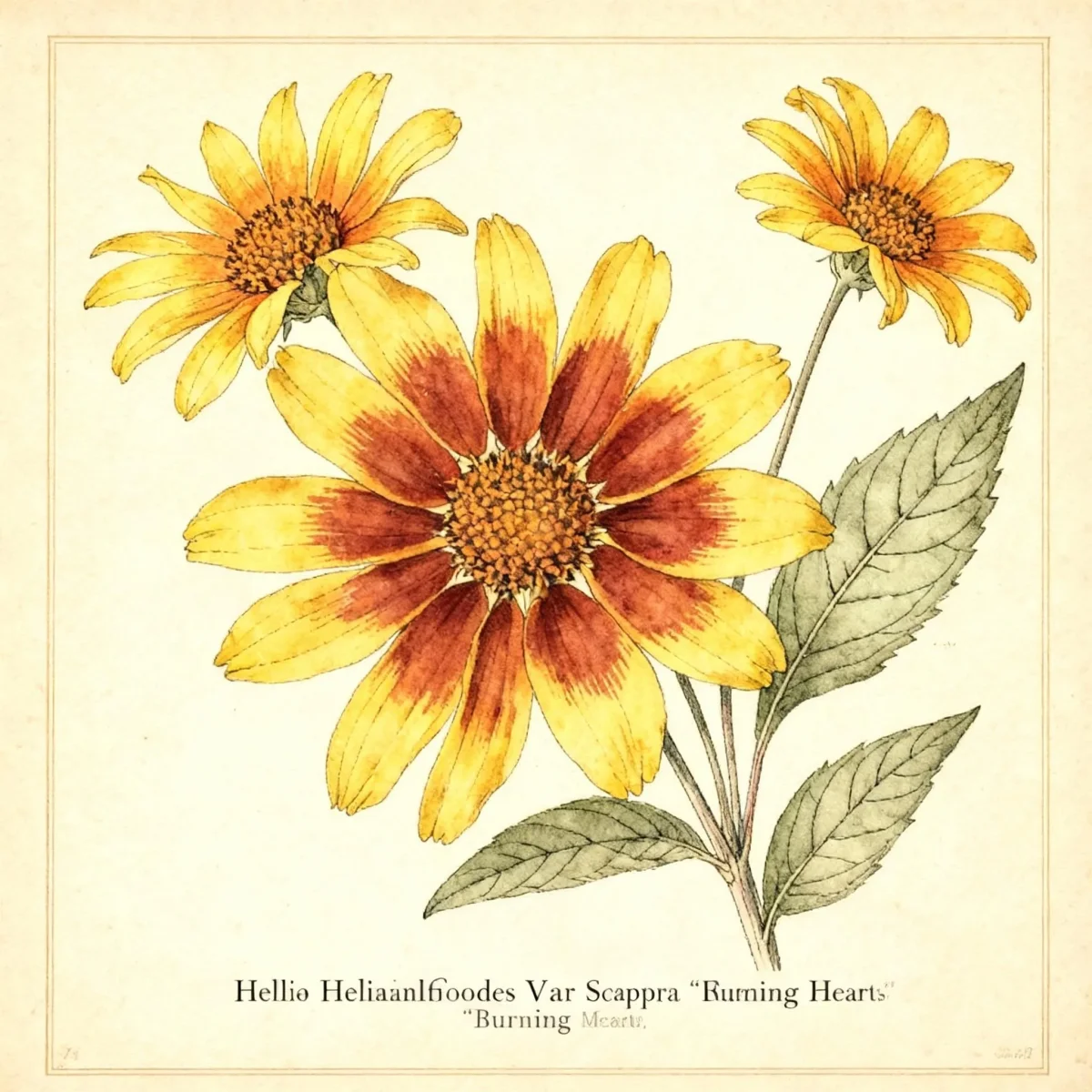
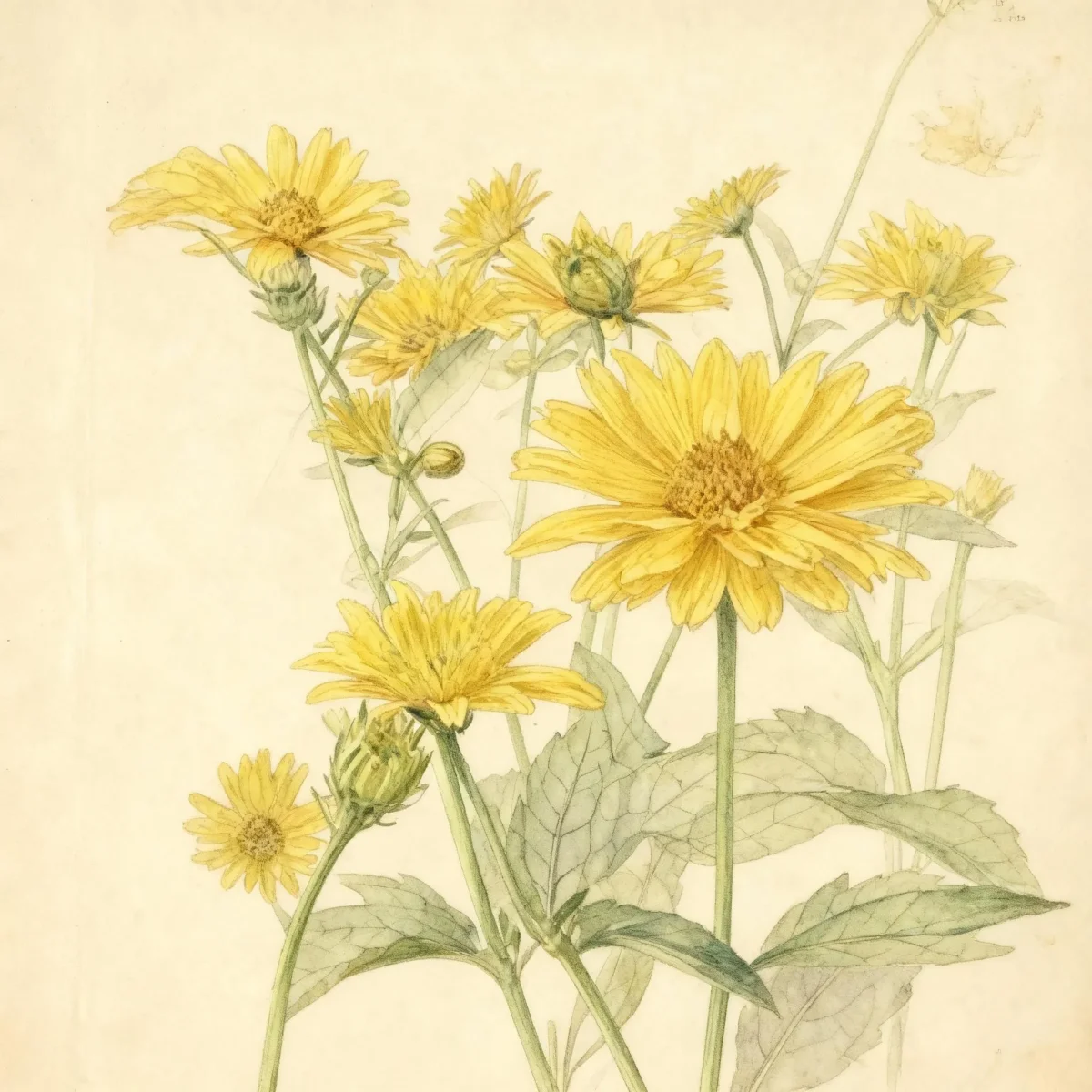
Ox eye (Heliopsis helianthoides var. Scabra 'Goldgefieder' GOLDEN PLUME)
Heliopsis helianthoides var. scabra 'Goldgefieder' GOLDEN PLUME, or Ox eye, offers double yellow blooms from June to August. A low-maintenance perennial for full sun gardens.

Bloom Boldly, No Matter the Season - Sweatshirt
Cozy organic cotton sweatshirt featuring our exclusive Purple Coneflower design. Perfect for gardeners who bloom year-round.
Inspired by the beautiful Ox eye
Limited first batch (50) — join the waitlist for early access
Waitlist closes Feb 15, 2026.
Complete Plant Information
Field Guide Continues
Ready for care notes, companion picks, and planting tips?
The map is just the start. The full guide below covers growth habits, seasonal performance, and landscape uses.
Overview
Heliopsis helianthoides var. scabra ‘Goldgefieder’ GOLDEN PLUME, commonly known as Ox eye, is an outstanding, clump-forming perennial valued for its extended summer display. This cultivar produces abundant double yellow, daisy-like flowers atop sturdy stems, making it a reliable color anchor in sunny borders. It is closely related to the true sunflower genus, Helianthus, but offers a slightly more refined garden presence.
This variety performs best in full sun but exhibits surprising adaptability, tolerating dry conditions and various soil types once established. Its low maintenance level reduces garden labor, while its attractive blooms draw in essential pollinators throughout the midsummer months. Growing Heliopsis helianthoides var. Scabra ‘Goldgefieder’ GOLDEN PLUME is an excellent way to achieve long-lasting, bright color with minimal fuss.
The cultivar ‘Goldgefieder’ is specifically noted for its compact habit, often reaching 2 to 3.5 feet tall, ensuring it remains manageable in traditional perennial plantings. Its coarse, deep green foliage provides robust structure, contrasting beautifully with the brilliant double yellow blooms of the Ox eye.
Fast Facts
- Plant Family: Asteraceae
- Plant Type: Herbaceous perennial
- Hardiness Zones: USDA Zones 3-9
- Size at Maturity:
- Height: 2-4 ft
- Spread: 2-3 ft
- Bloom Time: June to August
- Bloom Description: Double yellow
- Sun Exposure: Full sun
- Water Needs: Dry to medium
- Maintenance Level: Low
How to Grow
Heliopsis helianthoides var. scabra ‘Goldgefieder’ GOLDEN PLUME is easily grown in average, well-drained soil, thriving best when provided with full sun exposure. While it tolerates drought, consistent watering results in superior performance, especially during peak summer heatwaves. It shows remarkable flexibility regarding soil health, happily growing in poor, dry, or clayey conditions, though excellent drainage is key to preventing root issues.
For optimal structure, ensure adequate sun exposure. Plants grown in too much shade tend to become leggy and may require staking for support throughout the season. Incorporate some organic matter during planting, but avoid rich, overly fertilized soils which can encourage excessive leaf production at the expense of flowers.
Maintenance for this Ox eye is straightforward. The primary care item is deadheading; removing spent flowers throughout June to August will significantly extend its blooming season. Spent blooms should be trimmed regularly to encourage new flower production until the regular autumn cleanup cycle begins.
This clump-forming perennial generally requires no winter preparation beyond cutting back the spent stems in late fall or early spring before new growth starts. It is hardy and generally avoids serious disease or pest pressure compared to other summer bloomers.
Landscape Uses
The structural upright nature and long blooming period of Heliopsis helianthoides var. scabra ‘Goldgefieder’ GOLDEN PLUME make it a highly valuable component in garden design. It is perfectly suited for defining the middle or back layer of mixed perennial borders, offering reliable yellow contrast against blues and purples.
Consider using this Ox eye in Cottage Gardens, where its robust form blends seamlessly with traditional, loosely arranged planting schemes. Furthermore, the double yellow flowers are excellent for Cutting Gardens; stems cut fresh will last well in vases, providing continuous fresh material throughout summer.
Because the variety ‘Goldgefieder’ is relatively compact and rarely requires staking, it works well near pathways or in spots where taller, floppier sunflowers might overwhelm neighboring plants. Its resilience to drought also makes it a great choice for low-water landscape installations once established.
Standout Features
Flower Qualities
- Showy
Noteworthy Characteristics
Heliopsis helianthoides, commonly called oxeye sunflower or ox-eye daisy, is an upright, clump-forming, nearly glabrous, sunflower-like, short-lived perennial that is native to eastern and central North America. Var. Scabra differs from species plants by having hairy and rough-textured (scabrous) leaves and stems with the leaves being thicker. The cultivar ‘Goldgefieder’ is a compact variety featuring double, daisy-like, yellow flowers which bloom throughout the summer atop stiff stems that seldom need staking.
Tolerances
- Drought
- Erosion
- Clay Soil
- Dry Soil
- Shallow-Rocky Soil
Potential Problems
This plant generally experiences no serious insect or disease problems, contributing significantly to its low maintenance profile. Red aphids are occasional visitors, though they rarely cause significant cosmetic or health damage to established Heliopsis helianthoides var. scabra ‘Goldgefieder’ GOLDEN PLUME. Gardeners should note that this cultivar reportedly possesses some resistance to powdery mildew, a common issue in the Asteraceae family. If mildew does appear, ensuring good air circulation through proper spacing is the best cultural preventive measure.
Frequently Asked Questions
What hardiness zones is Ox eye suitable for?
Heliopsis helianthoides var. scabra ‘Goldgefieder’ GOLDEN PLUME is well-suited for USDA Hardiness Zones 3 through 9, offering flexibility across much of the continent.
How large does Heliopsis helianthoides var. scabra ‘Goldgefieder’ GOLDEN PLUME grow?
This specific cultivar typically reaches a manageable height between 2 and 4 feet, with a corresponding spread of 2 to 3 feet wide.
When does Ox eye bloom?
Expect the double yellow blooms of the Ox eye to appear consistently from June through August, providing excellent midsummer color.
What sun exposure does Heliopsis helianthoides var. scabra ‘Goldgefieder’ GOLDEN PLUME need?
This plant requires full sun for the best performance, though it can tolerate small amounts of light shade.
Conclusion
The Ox eye cultivar ‘Goldgefieder’ is a garden workhorse, offering dependable color and sturdy stems with very little required input. Its tolerance for poor soil and drought makes Heliopsis helianthoides var. scabra ‘GOLDEN PLUME’ an excellent choice for gardeners seeking long-blooming, easy-care perennials. Before planting, confirm your local hardiness zone aligns with USDA Zones 3-9 and select a site that maximizes its full sun requirements.
Wildlife Benefits
The flowers on the Ox eye, while double, still present considerable texture and color that attract beneficial insects. The daisy-like structure (even in its double form) is engaging for various butterfly species looking for nectar sources throughout the summer season.
The seed heads left standing after bloom time offer a secondary benefit by providing small food sources for local bird populations. While not a primary host plant, its presence supports the overall biodiversity of the summer garden ecosystem.
Essential Companion Planting
Due to its full sun needs and dry-to-medium water requirements, Heliopsis helianthoides var. scabra ‘Goldgefieder’ GOLDEN PLUME pairs exceptionally well with other drought-tolerant, sun-loving prairie natives and perennials. Consider planting it alongside plants like Coneflowers (Echinacea), Russian Sage (Perovskia atriplicifolia), or ornamental grasses. These companions share similar cultural needs and create layered textures that complement the upright habit of the Ox eye without competing heavily for soil moisture or nutrients.