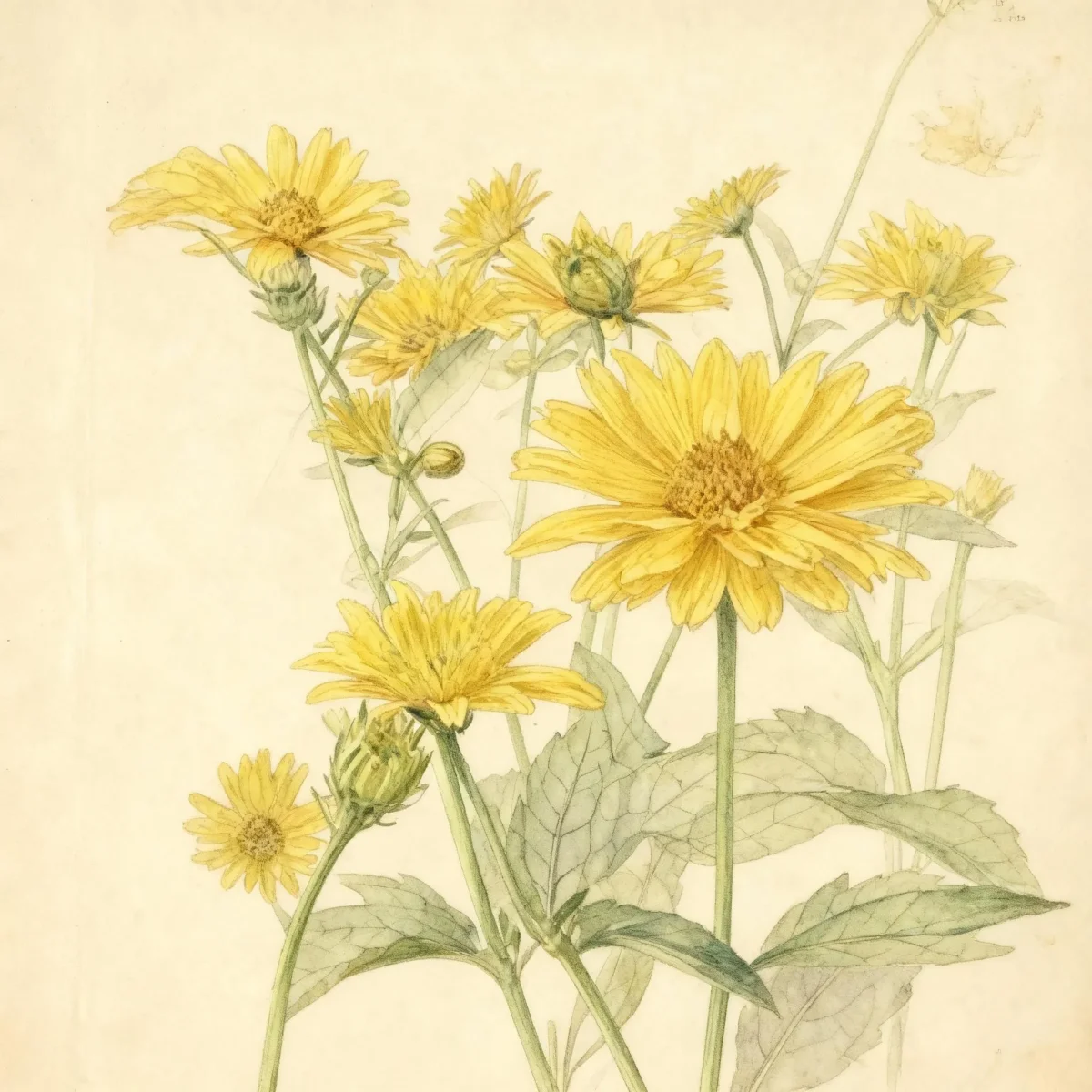
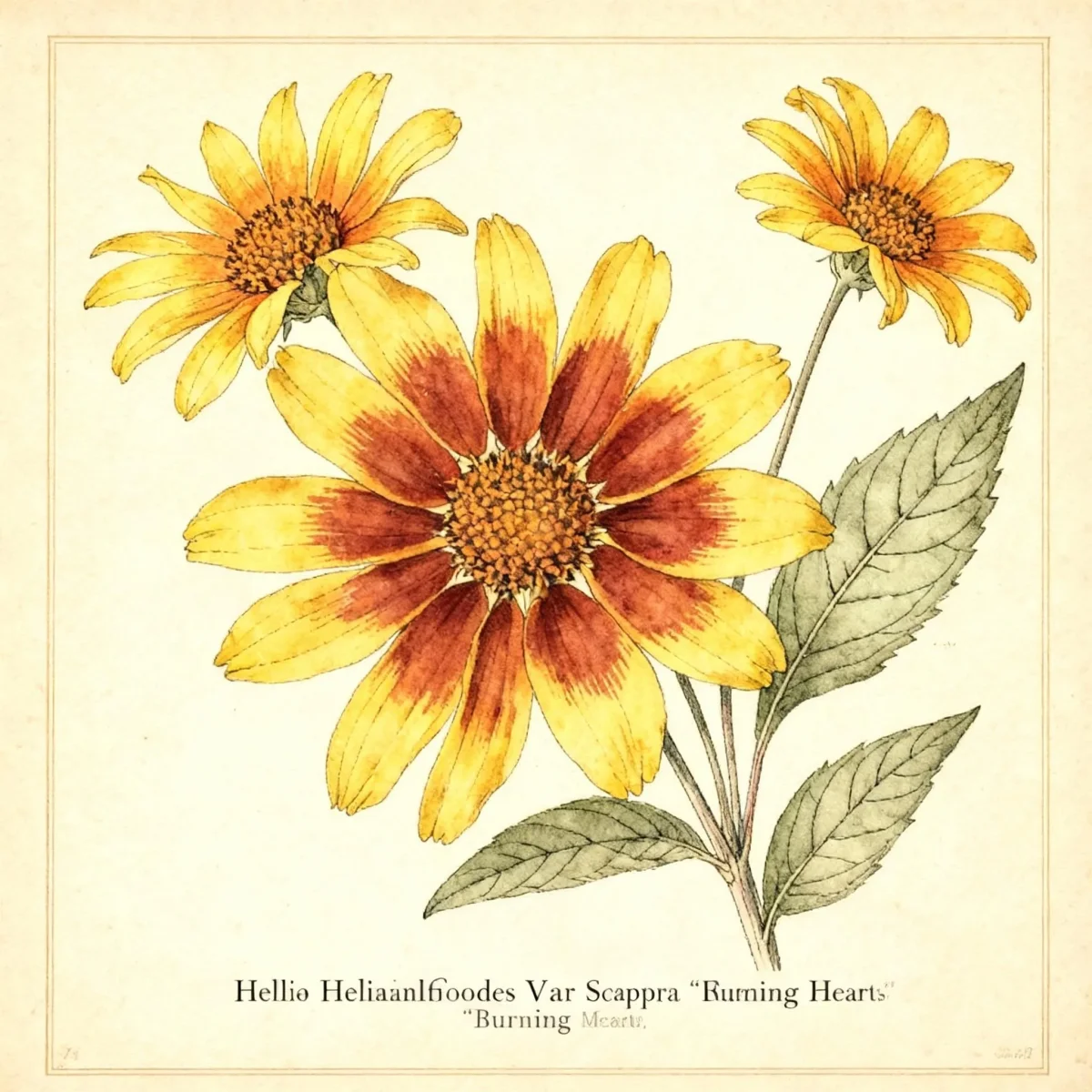
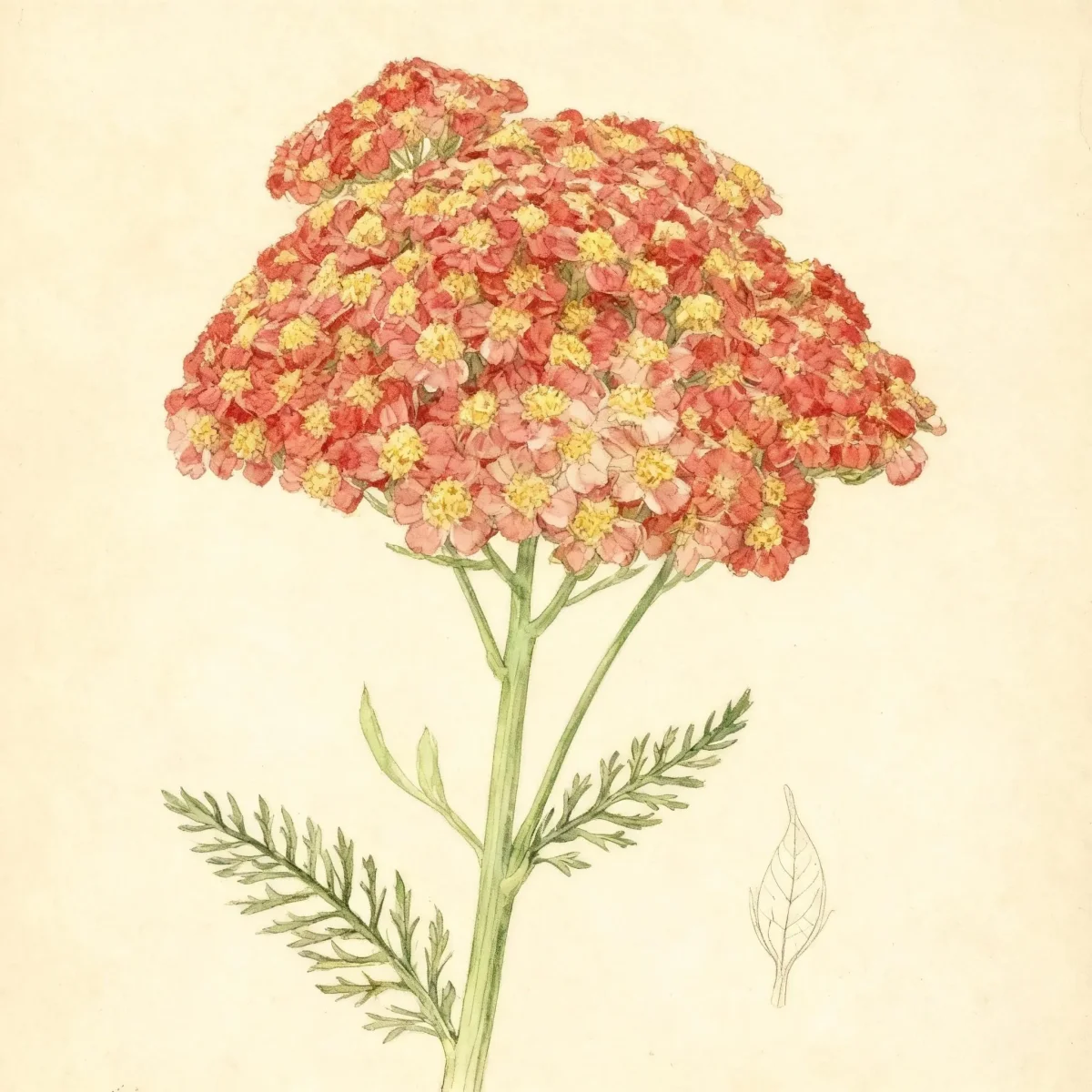
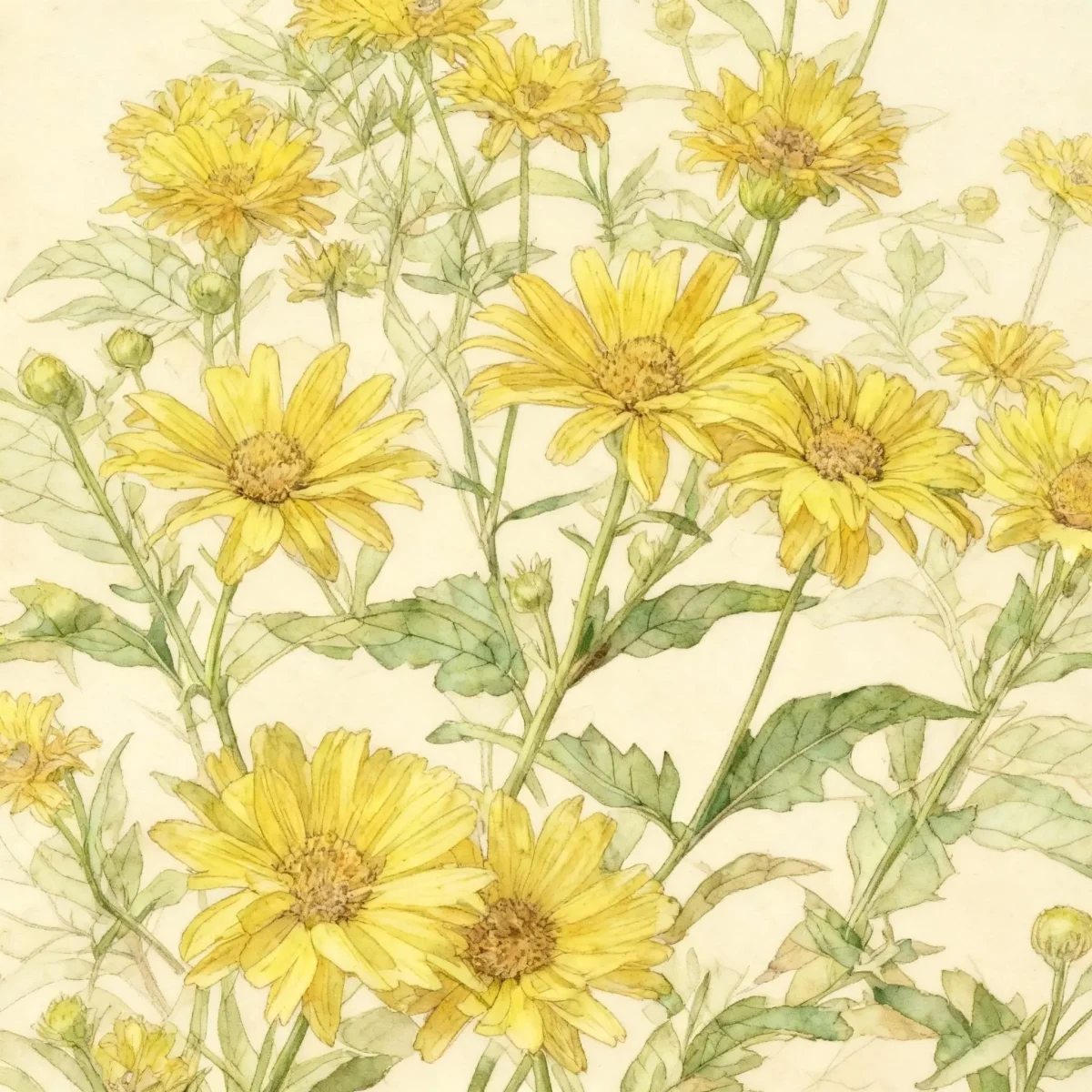
Ox eye (Heliopsis helianthoides var. Scabra 'Sommersonne' SUMMER SUN)
Heliopsis helianthoides var. scabra 'Sommersonne' SUMMER SUN, an Ox eye perennial, offers showy yellow blooms from June to August with low maintenance.
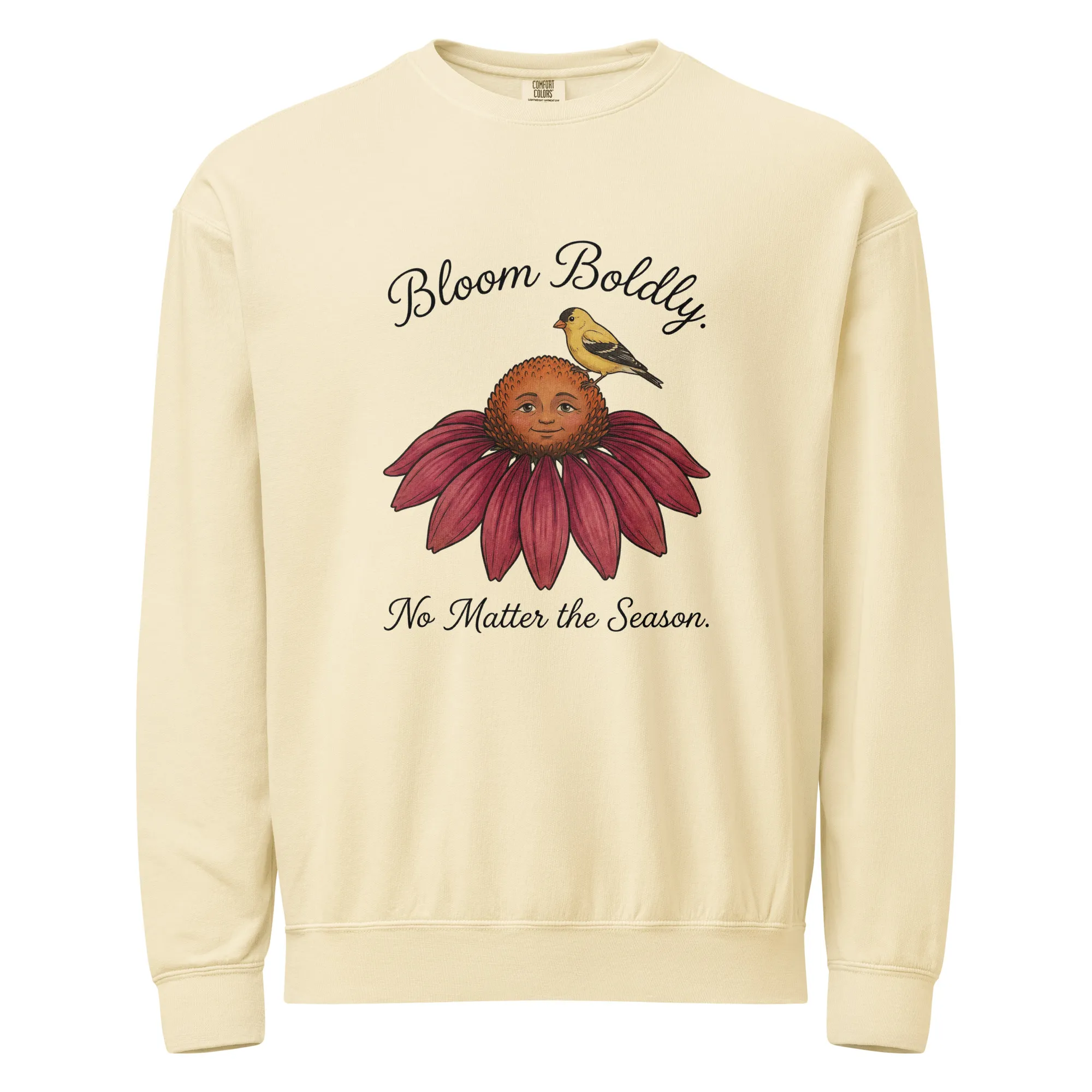
Bloom Boldly, No Matter the Season - Sweatshirt
Cozy organic cotton sweatshirt featuring our exclusive Purple Coneflower design. Perfect for gardeners who bloom year-round.
Inspired by the beautiful Ox eye
Limited first batch (50) — join the waitlist for early access
Waitlist closes Feb 15, 2026.
Complete Plant Information
Field Guide Continues
Ready for care notes, companion picks, and planting tips?
The map is just the start. The full guide below covers growth habits, seasonal performance, and landscape uses.
Overview
Heliopsis helianthoides var. scabra ‘Sommersonne’ SUMMER SUN, commonly known as Ox eye, is a treasured, upright herbaceous perennial celebrated for its robust, long-lasting summer bloom display. This cultivar provides consistent color, featuring daisy-like flowers with striking golden yellow rays and deep orange-yellow centers that mimic true sunflowers. As a low-maintenance addition to the garden, the Ox eye thrives in full sun and tolerates challenging soil conditions, making it highly dependable.
Its sturdy stems and attractive foliage mean that plants rarely require staking, offering structural interest even before flowering begins. The blooms of Heliopsis helianthoides var. scabra ‘Sommersonne’ SUMMER SUN are excellent for cutting and continuously draw in vital insect pollinators throughout the warmest months. Gardeners appreciate this variety for its ability to perform reliably year after year from USDA Zones 3 through 9.
Fast Facts
- Plant Family: Asteraceae
- Plant Type: Herbaceous perennial
- Hardiness Zones: USDA Zones 3-9
- Size at Maturity:
- Height: 2-3 ft
- Spread: 1.5-2 ft
- Bloom Time: June to August
- Bloom Description: Yellow rays and orange-yellow center disks
- Sun Exposure: Full sun
- Water Needs: Dry to medium
- Maintenance Level: Low
How to Grow
Plant Heliopsis helianthoides var. scabra ‘Sommersonne’ SUMMER SUN in spring or fall once the danger of hard frost has passed. This perennial prefers average, dry to medium, well-drained soil. While it performs best with regular watering, it possesses substantial drought tolerance once established, which is beneficial during hot summers.
This Ox eye variety easily adapts to a wide range of soil compositions, including dry, poor, and challenging clayey substrates. For the absolute best flowering, ensure it receives full sun; while it can handle some light shade, too much shade will cause the stems to become weak and may necessitate staking. Deadheading spent flowers regularly will encourage the plant to continue producing more blooms, effectively extending its season well into August.
Since this cultivar, Heliopsis helianthoides var. scabra ‘Sommersonne’ SUMMER SUN, comes true from seed, gardeners may propagate new clumps easily. Minimal fertilization is usually required; rich soils might actually encourage excessive, weaker vegetative growth rather than abundant flowers.
Landscape Uses
The Ox eye is an exceptional plant for providing reliable mid-to-late season color in the perennial border where its 2-3 foot height offers excellent mid-layer structure. Thanks to its stiff stems and appealing blooms that are good for cutting, it is a star component of any dedicated cutting garden design.
Pair Heliopsis helianthoides var. scabra ‘Sommersonne’ SUMMER SUN with plants having contrasting foliage or flower textures, such as blue salvias or deep purple coneflowers. Its upright habit makes it perfect for creating informal screens or adding vertical accents toward the middle or back of sunny borders. Its drought tolerance also makes it suitable for low-water landscape designs.
Standout Features
Flower Qualities
- Showy
- Good Cut
Noteworthy Characteristics
Heliopsis helianthoides, commonly called oxeye sunflower or ox-eye daisy, is an upright, clump-forming, short-lived perennial native to eastern and central North America. The ‘Sommersonne’ cultivar is more compact, typically growing only 2-3’ tall, and features beautiful golden yellow rays and deep orange-yellow centers atop stems that seldom require support. This plant is noted for its impressively lengthy bloom period spanning summer into early fall, making it a continuous source of garden color.
Tolerances
- Drought
- Erosion
- Clay Soil
- Dry Soil
- Shallow-Rocky Soil
Potential Problems
This variety of Ox eye enjoys a reputation for being exceptionally tough, suffering from no serious insect or disease problems under normal conditions. Occasionally, red aphids may appear as visitors, but these are usually manageable without chemical intervention. Furthermore, Heliopsis helianthoides var. scabra ‘Sommersonne’ SUMMER SUN reportedly possesses good resistance to powdery mildew, which can plague other late-summer bloomers. If mildew does occur, increase air circulation around the plants.
Frequently Asked Questions
What hardiness zones is Ox eye suitable for?
Heliopsis helianthoides var. scabra ‘Sommersonne’ SUMMER SUN thrives across a broad range, suitable for USDA Zones 3-9.
How large does Heliopsis helianthoides var. scabra ‘Sommersonne’ SUMMER SUN grow?
This compact cultivar typically reaches a height between 2 and 3 feet, spreading outward to about 1.5 to 2 feet wide.
What sun exposure does the Ox eye need?
For the best performance and strongest stems, plant your Ox eye variety where it will receive full sun throughout the day.
When does Heliopsis helianthoides var. Scabra ‘Sommersonne’ SUMMER SUN bloom?
This perennial flowers reliably from June through August, displaying showy yellow rays and vibrant orange-yellow center disks.
Conclusion
The Ox eye, recognized scientifically as Heliopsis helianthoides var. scabra ‘Sommersonne’ SUMMER SUN, delivers outstanding value through its low-maintenance routine and extended summer flower production. Its tolerance to dry and poor soils, combined with its attractive bloom color, secures its place in many sunny borders. Check your local USDA growing zone compatibility before planning your spring planting schedule for this spectacular North American native.
Companion Planting for Long Summer Bloom
When designing a border around sturdy perennials like the Ox eye, choose companions that appreciate similar full sun and dry conditions. Salvia species, with their contrasting spikes of blue or purple flowers, create a beautiful visual pairing against the yellow discs of the Heliopsis helianthoides var. scabra ‘Sommersonne’ SUMMER SUN. Ornamental grasses work wonderfully to add movement and softness around the base of this clump-forming perennial.
Consider pairing the Ox eye with other drought-tolerant prairie natives that share its bloom time, such as Rudbeckia (Black-eyed Susan) or various Sedums. These combinations ensure that your garden remains colorful and vibrant throughout the hottest months of the year without requiring excessive supplemental watering.
Propagation Tips for Heliopsis
This magnificent perennial is straightforward to multiply, providing an economical way to fill out borders. The most common method for increasing the patch size of Heliopsis helianthoides var. scabra ‘Sommersonne’ SUMMER SUN is by division in early spring before new growth begins. Carefully dig up the clumps and separate the roots into smaller sections, ensuring each division has a healthy portion of roots and several viable growing buds.
Alternatively, the species often comes true from seed, allowing you to sow harvested seeds to grow new plants. However, if you desire the specific characteristics of the ‘Sommersonne’ cultivar in your offspring, division is the preferred, more reliable technique to maintain its exact compact habit and bloom color.