Hosta(Hosta 'Sagae')
Grow giant Hosta 'Sagae': architectural vase-shaped habit, frosty blue-green leaves with wide creamy-yellow margins, USDA zones 3–8 care, and slug resistance.
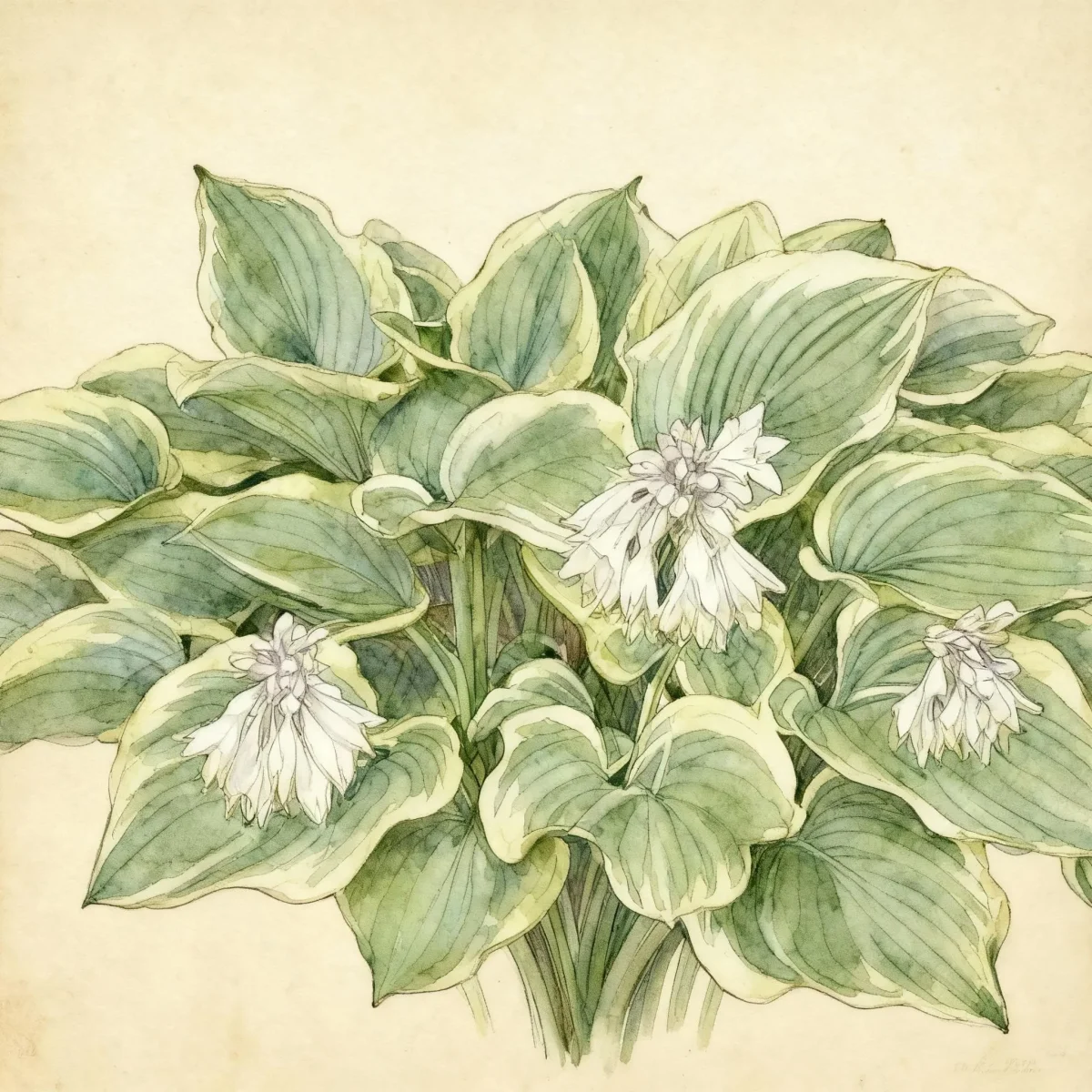
Complete Plant Information
- Hardiness zones
- USDA 3–8
- Plant type
- Herbaceous perennial
- Plant family
- Asparagaceae
- Sun exposure
- Part shade to full shade
- Water needs
- Medium
- Maintenance
- Low
- Height
- 2–3 ft (61–91 cm)
- Spread
- 4–5.5 ft (122–168 cm)
- Bloom time
- July to August
- Flower color
- Funnel-shaped pale lavender-to-white blooms held high on 40-50 inch scapes
- Flower qualities
- Showy, Attracts Hummingbirds
- Fruit qualities
- Not recorded
- Tolerances
- Heavy Shade, Black Walnut
- Garden uses
- Not recorded
- Native range
- Japan (cultivar of Hosta fluctuans garden origin)
Field Guide Continues
Ready for care notes, companion picks, and planting tips?
The map is just the start. The full guide below covers growth habits, seasonal performance, and landscape uses.
Overview
Hosta ‘Sagae’ (historically selected from Hosta fluctuans in Japan under the name ‘Kuronami-giboshi’) is widely acclaimed as one of the most majestic, architecturally superior large hostas in horticulture, crowned the 2000 Hosta of the Year by the American Hosta Growers Association and holder of the RHS Award of Garden Merit. Hardy in USDA Zones 3 through 8, it forms a massive, dramatic vase-shaped clump 2 to 3 feet tall and up to 5 feet wide. Heavy-substance, frosty blue-green leaves feature undulating wavy margins bordered by bright creamy-yellow margins that soften to creamy white by midsummer.
Its rigid, upright petioles hold the foliage aloft, allowing woodland companion plants to nestle underneath its elevated canopy.
How to Grow
- Hardiness & Siting: USDA Zones 3 through 8. Requires several weeks of winter temperatures below 40°F (4°C) to break crown dormancy.
- Sunlight: Partial shade to full shade. A few hours of gentle morning sun or high dappled canopy shade intensifies the contrast between the yellow margin and blue-green center. Protect from harsh afternoon sun to prevent leaf scorching.
- Soil & Moisture: Prefers rich, deep, organic-rich, moist, but well-draining loams. Consistent moisture produces the fastest growth and largest foliage dimensions, though mature clumps show good resilience during short dry spells.
- Winter Dormancy: In late autumn after frost collapses the leaves, clear away dead foliage to prevent overwintering slug and snail populations.
Landscape Uses
- Majestic Specimen Anchor: Its massive vase form commands attention as a singular focal plant in shady borders and woodland garden entrances.
- Understory Layering: Because its petioles rise upright before flaring outward, it creates room underneath for low woodland groundcovers and spring bulbs.
- Hummingbird Garden: In midsummer, rigid flower scapes elevate pale lavender bells up to 50 inches high, drawing hummingbirds.
Potential Problems
- Slugs & Snails: While its thick, rubbery leaf substance gives ‘Sagae’ superior slug resistance compared to thin-leaved cultivars, young spring shoots can still be damaged; apply pet-safe iron phosphate bait.
- Pet Safety Warning: Like all hostas, ‘Sagae’ contains toxic saponins harmful to dogs, cats, and horses; ingestion causes vomiting, diarrhea, and lethargy.
- Leaf Scorch in Afternoon Sun: Direct, unshaded afternoon sunlight in summer will burn the wavy yellow-and-blue leaf surfaces.
Frequently Asked Questions
How wide does Hosta ‘Sagae’ spread?
Mature clumps spread 4 to 5.5 feet wide with a foliage height of 2 to 3 feet, requiring ample space in the garden border.
Why is ‘Sagae’ called vase-shaped?
Unlike flat, mounding hostas, ‘Sagae’ grows on long, upright, ascending leaf stems that hold the foliage high off the ground before arching outward in an elegant vase silhouette.
Does ‘Sagae’ resist slugs?
Yes. Its heavy, thick, leathery leaf substance provides natural mechanical resistance against slugs and snails compared to standard thin-leaved hostas.
Companion Plants
Pair Hosta ‘Sagae’ with woodland perennials that enjoy moisture and shade while highlighting its elevated, variegated canopy:
- Understory Ferns: Plant beneath its canopy with Japanese painted ferns (Athyrium niponicum) or maidenhair ferns.
- Contrasting Texture Grasses: Combine with weeping Japanese forest grass (Hakonechloa macra).
- Early Spring Bulbs: Interplant with snowdrops, miniature daffodils, and bluebells that bloom before ‘Sagae’ unfurls its giant leaves.
Sources & Lineage
- Missouri Botanical Garden PlantFinder: Record taxon 248931 (Hosta ‘Sagae’) — morphological baseline, Japanese heritage, and garden culture.
- American Hosta Society (AHS): Cultivar Registry: Hosta ‘Sagae’ — registration details (Hosta fluctuans origin), dimensions, and awards.
- Royal Horticultural Society (RHS): Hosta ‘Sagae’ AGM Profile — Award of Garden Merit profile and trial notes.
Recommended Companion Plants
Hosta
Hosta 'Guacamole'
- USDA zones
- 3–8
- Light
- Part shade to full shade
- Water
- Medium
Hosta
Hosta 'Hadspen Blue'
- USDA zones
- 3–8
- Light
- Part shade to full shade
- Water
- Medium
Hosta
Hosta (Tardiana Group) 'Hadspen Hawk'
- USDA zones
- 3–8
- Light
- Part shade to full shade
- Water
- Medium
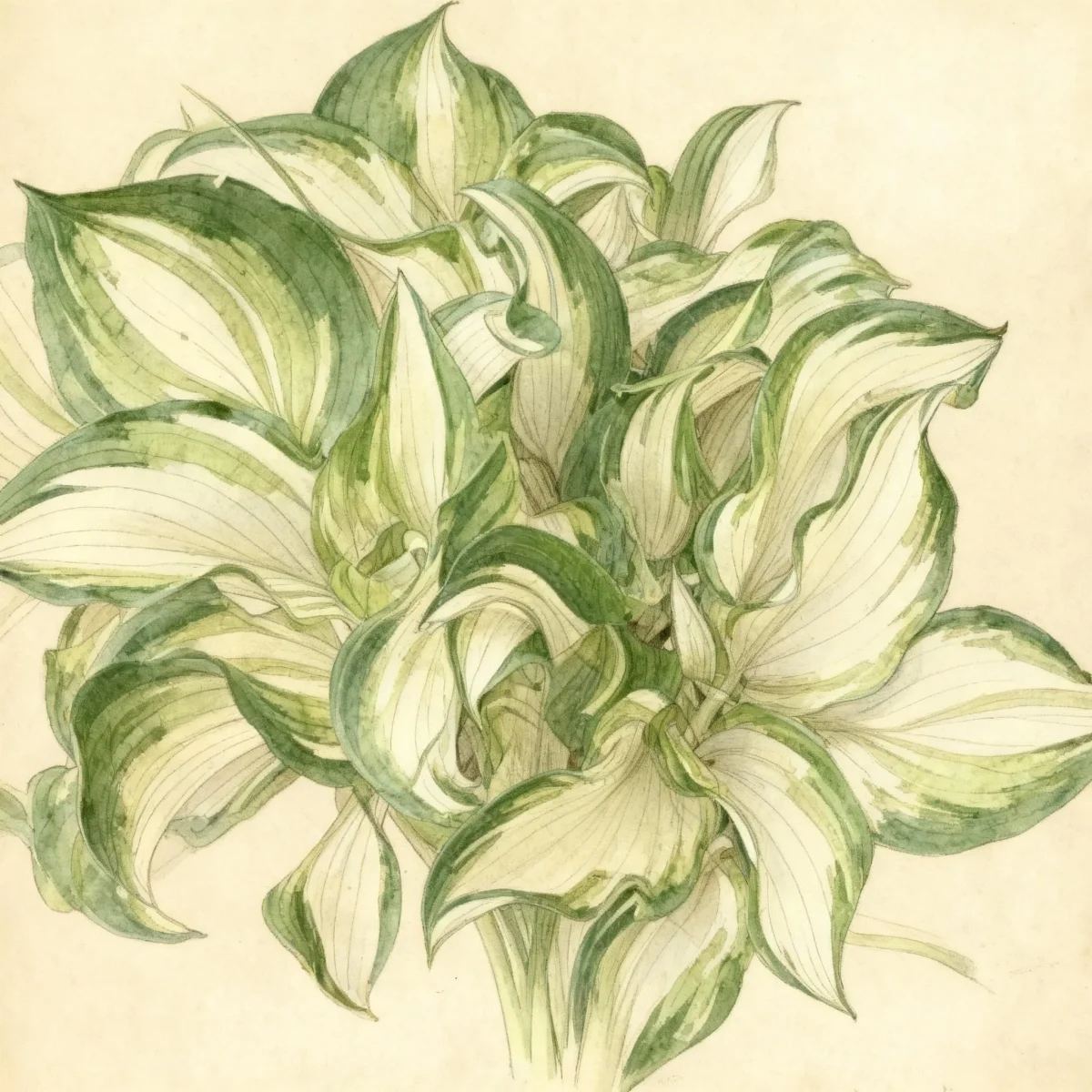
Hosta
Hosta 'Haku Chu Han'
- USDA zones
- 3–8
- Light
- Part shade to full shade
- Water
- Medium
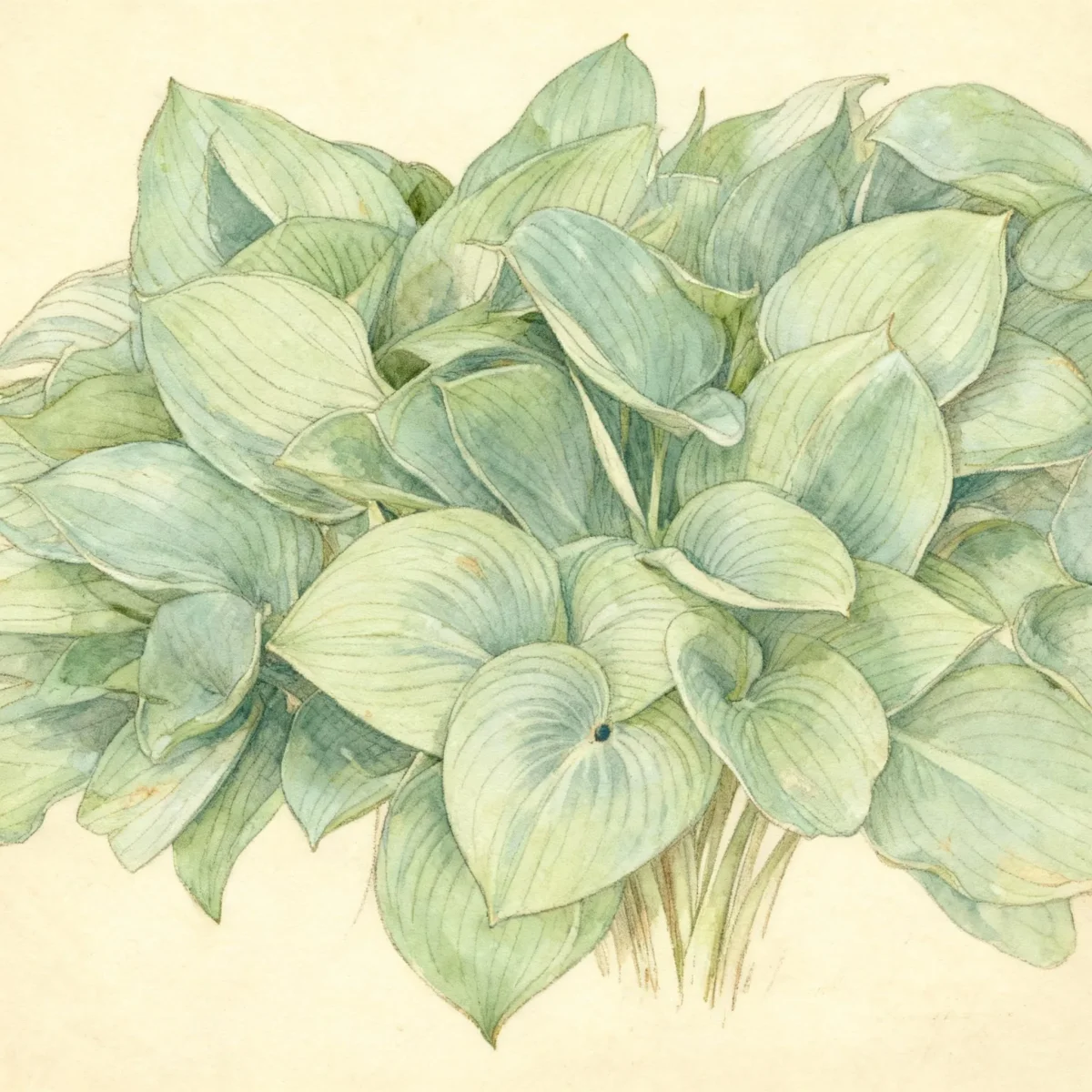
Hosta
Hosta (Tardiana Group) 'Halcyon'
- USDA zones
- 3–8
- Light
- Part shade to full shade
- Water
- Medium
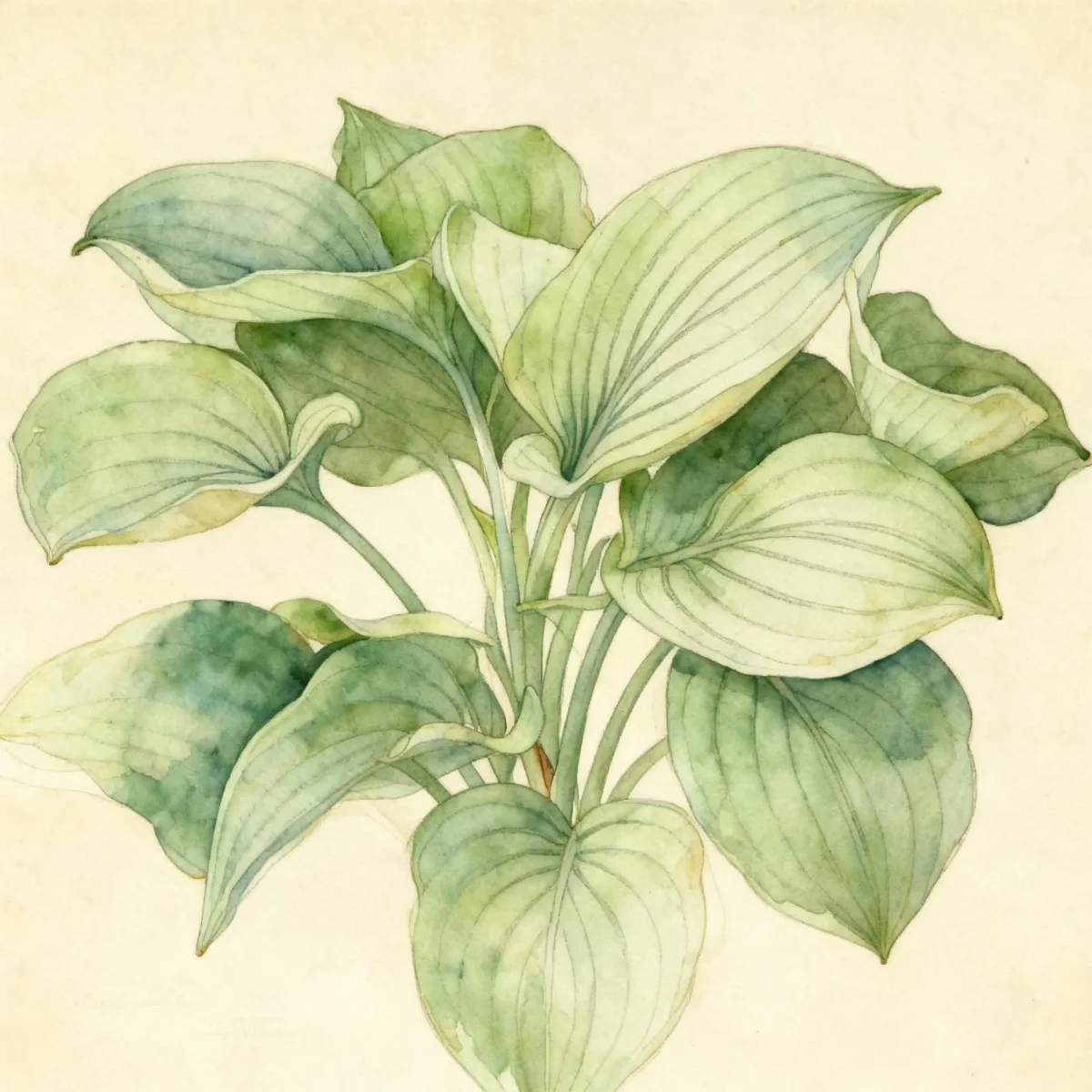
Hosta
Hosta (Tardiana Group) 'Harmony'
- USDA zones
- 3–8
- Light
- Part shade to full shade
- Water
- Medium
Keep Learning
Test what you know with a garden quiz
You have the plant facts and care notes. Continue with a related challenge, or browse the complete quiz library.

Can You Identify These Common Garden Plants? Test Your Plant Knowledge
Think you know your roses from your peonies? Test your plant identification skills with our comprehensive garden plant quiz featuring 10 challenging questions.
Start quiz
USDA Garden Zone Map Quiz
Use this USDA garden zone map quiz to check whether you can read hardiness zones and choose plants with more confidence.
Start quizBrowse the full quizzes section
Explore plant identification, zone strategy, and seasonal gardening challenges.
View all quizzes