Bigleaf hydrangea(Hydrangea macrophylla 'Pia')
Grow dwarf bigleaf hydrangea 'Pia': miniature 2–3 ft pink mophead, natural color stability, partial shade culture, and USDA zones 5–9 winter bud care.
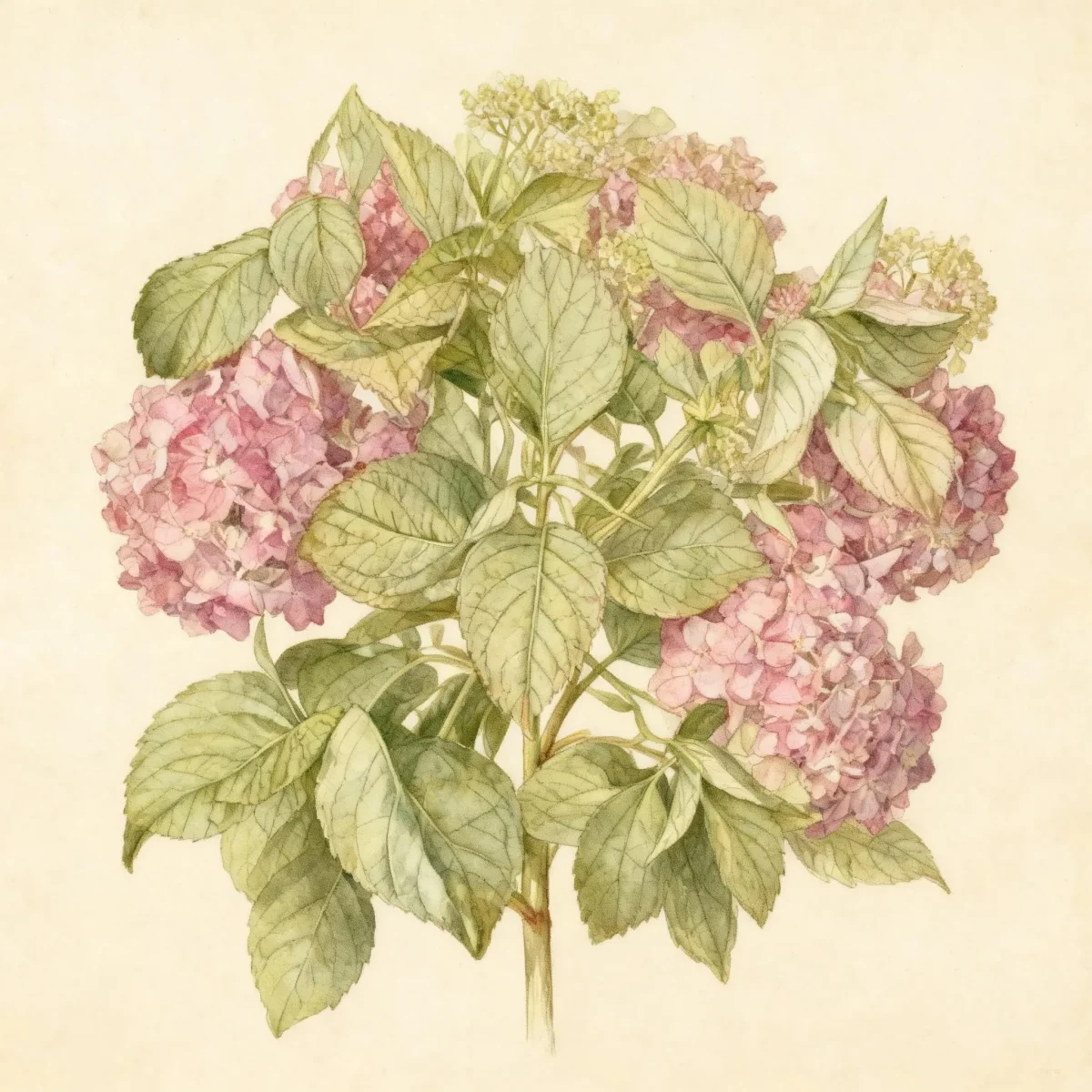
Complete Plant Information
- Hardiness zones
- USDA 5–9
- Plant type
- Deciduous shrub
- Plant family
- Hydrangeaceae
- Sun exposure
- Part shade
- Water needs
- Medium to high
- Maintenance
- Medium
- Height
- 2–3 ft (61–91 cm)
- Spread
- 2–3 ft (61–91 cm)
- Bloom time
- July to August
- Flower color
- Dense 4-inch spherical mophead clusters of rose-pink to ruby florets
- Flower qualities
- Showy, Good Cut
- Fruit qualities
- Not recorded
- Tolerances
- Heavy Shade
- Garden uses
- Patio container, shaded foundation border, low flowering hedge
- Native range
- Japan (cultivar selection)
Field Guide Continues
Ready for care notes, companion picks, and planting tips?
The map is just the start. The full guide below covers growth habits, seasonal performance, and landscape uses.
Overview
Dwarf bigleaf hydrangea ‘Pia’ (Hydrangea macrophylla ‘Pia’) is a true miniature mophead hydrangea hardy across USDA Zones 5 through 9. Topping out at just 2 to 2.5 feet tall and wide, it forms an exceptionally tight, rounded dome covered in dense 4-inch spherical clusters of rose-pink to carmine-red florets from July through August. Unlike full-sized bigleaf hydrangeas that quickly outgrow patio borders, ‘Pia’ is genetically dwarfed, making it the premier selection for small shady foundation beds, courtyard gardens, and container planters.
Unlike most Hydrangea macrophylla cultivars that shift easily from pink to blue, ‘Pia’ has strong genetic resistance to color change, holding its rich pink-to-wine tones even in acidic soils.
How to Grow
- Pruning Discipline (Blooms on Old Wood): ‘Pia’ sets flower buds during late summer on old wood (overwintered stems). Prune only immediately after blooms fade in late summer, cutting stems back to a plump pair of healthy buds. Never prune in autumn, winter, or spring, which strips off next year’s flower buds.
- Sunlight & Siting: Morning sun with dappled afternoon canopy shade is ideal. Direct, unshaded afternoon summer sun will wilt the broad leaves and scorch petal edges.
- Soil & Moisture: Requires rich, humusy, moisture-retentive, well-draining soil. Apply a 3-inch layer of organic bark or leaf compost mulch around the base to insulate shallow roots and preserve moisture.
- Winter Bud Protection (Zone 5 & Cold 6): In USDA Zone 5 and colder pockets of Zone 6, winter winds and sudden late-spring freezes can kill exposed flower buds. Site in a sheltered courtyard or along an east-facing foundation wall.
Landscape Uses
- Patio Container Centerpiece: Its natural 2-foot dwarf dome makes it the ideal flowering shrub for decorative containers on shaded terraces and decks.
- Low Shaded Foundation Border: Fits underneath low ground-floor windows where standard 5-foot hydrangeas would require constant trimming.
- Woodland Walkway Ribbon: Planted in a ribbon along shaded pathways, it provides vibrant pink midsummer color beneath tall trees.
Potential Problems
- Loss of Blooms from Winter Pruning: Pruning in winter or early spring completely eliminates the coming season’s flowers.
- Foliage Wilting in Afternoon Heat: Broad leaves lose moisture rapidly; provide shelter from harsh afternoon sun and maintain consistent soil moisture.
- Powdery Mildew: Ensure good air circulation and water at ground level to prevent foliar fungal mildew.
Frequently Asked Questions
Can I turn my ‘Pia’ hydrangea blue with aluminum sulfate?
Rarely. ‘Pia’ possesses strong genetic stability favoring pink and reddish pigments. While strongly acidic soil with available aluminum may shift petals toward deep violet-purple, it almost never turns clear blue.
When should I prune ‘Pia’ hydrangea?
Prune strictly in late summer right after the blooms finish. Any pruning done in fall, winter, or early spring removes the overwintering flower buds.
How big does ‘Pia’ get?
‘Pia’ is a true genetic dwarf, staying naturally between 2 and 2.5 feet (rarely 3 feet) tall and wide without chemical growth regulators.
Companion Plants
Pair ‘Pia’ dwarf hydrangea with shade-loving perennials that complement its compact pink mophead blooms:
- Foliage Contrast Partners: Plant alongside blue hostas (like ‘Halcyon’) or golden hostas (like ‘August Moon’).
- Fine Textural Ferns: Combine with Japanese painted ferns or autumn ferns.
- Woodland Grasses: Interplant with cascading Japanese forest grass (Hakonechloa macra).
Sources & Lineage
- Missouri Botanical Garden PlantFinder: Record taxon 249020 (Hydrangea macrophylla ‘Pia’) — dwarf mophead habit, dimensions, and cultivation history.
- Kew Plants of the World Online (POWO): Hydrangea macrophylla (Thunb.) Ser. (POWO: 791637-1) — species botanical taxonomy and Japanese distribution.
- Royal Horticultural Society (RHS): Hydrangea macrophylla ‘Pia’ — dwarf mophead trials, flower color stability, and old-wood pruning directives.
Recommended Companion Plants
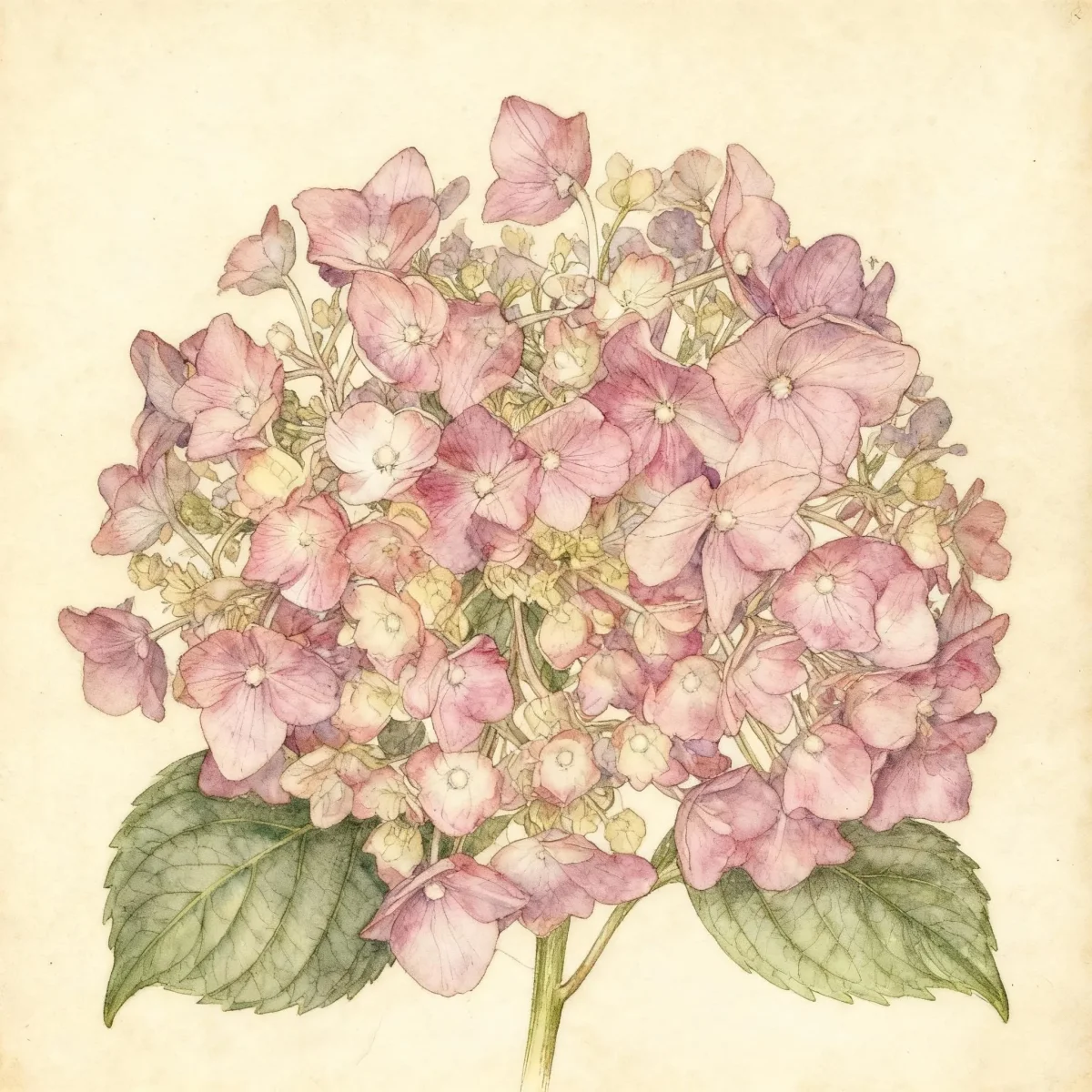
Bigleaf hydrangea
Hydrangea macrophylla 'Ami Pasquier'
- USDA zones
- 6–9
- Light
- Part shade
- Water
- Medium
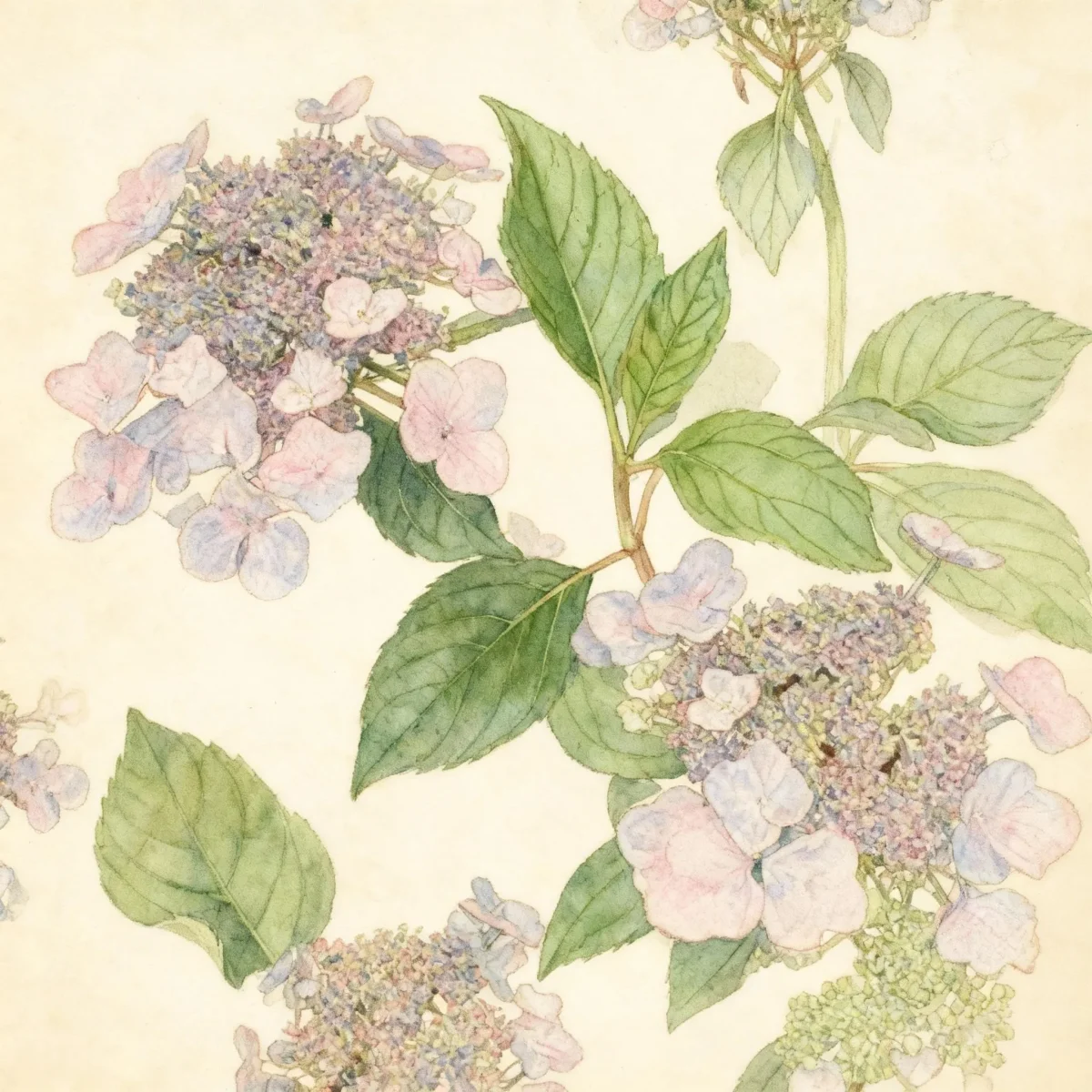
Bigleaf hydrangea
Hydrangea macrophylla 'Mariesii Perfecta' BLUE WAVE
- USDA zones
- 5–9
- Light
- Part shade
- Water
- Medium
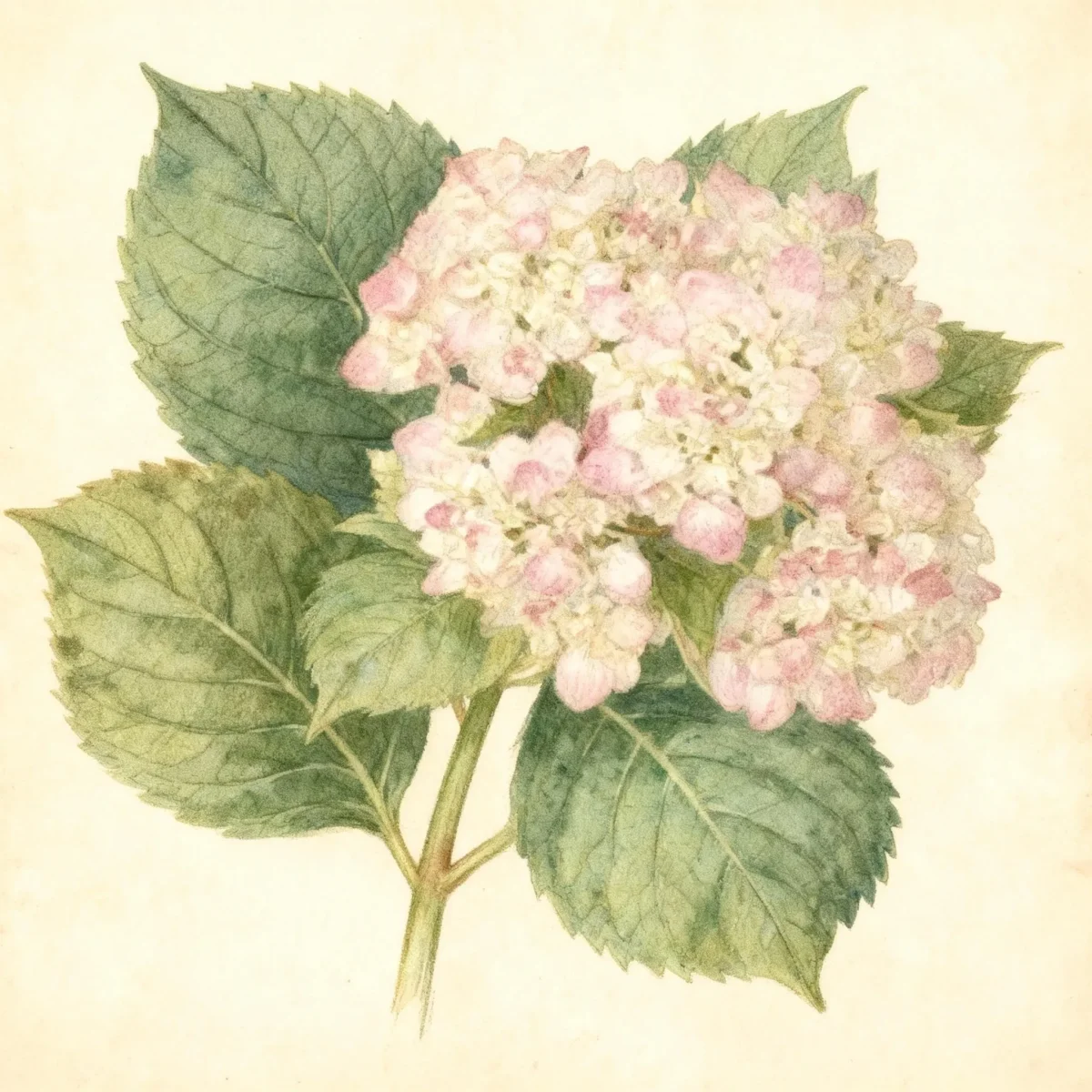
Bigleaf hydrangea
Hydrangea macrophylla 'Enziandom'
- USDA zones
- 6–9
- Light
- Part shade
- Water
- Medium
Bigleaf hydrangea
Hydrangea macrophylla 'Forever Pink'
- USDA zones
- 6–9
- Light
- Part shade
- Water
- Medium
Bigleaf hydrangea
Hydrangea macrophylla 'Glowing Embers'
- USDA zones
- 6–9
- Light
- Part shade
- Water
- Medium
Bigleaf hydrangea
Hydrangea macrophylla 'Lanarth White'
- USDA zones
- 6–9
- Light
- Part shade
- Water
- Medium
Keep Learning
Test what you know with a garden quiz
You have the plant facts and care notes. Continue with a related challenge, or browse the complete quiz library.

Can You Identify These Common Garden Plants? Test Your Plant Knowledge
Think you know your roses from your peonies? Test your plant identification skills with our comprehensive garden plant quiz featuring 10 challenging questions.
Start quiz
USDA Garden Zone Map Quiz
Use this USDA garden zone map quiz to check whether you can read hardiness zones and choose plants with more confidence.
Start quizBrowse the full quizzes section
Explore plant identification, zone strategy, and seasonal gardening challenges.
View all quizzes