Panicle hydrangea(Hydrangea paniculata 'Tardiva')
Grow Tardiva panicle hydrangea (Hydrangea paniculata): late-summer pointed white-to-pink panicles on new wood, cold-hardy tree-form pruning, USDA zones 3–8.

Complete Plant Information
- Hardiness zones
- USDA 3–8
- Plant type
- Deciduous shrub
- Plant family
- Hydrangeaceae
- Sun exposure
- Full sun to part shade
- Water needs
- Medium
- Maintenance
- Low
- Height
- 8–12 ft (244–366 cm)
- Spread
- 7–10 ft (213–305 cm)
- Bloom time
- August to October
- Flower color
- Sharply pointed 6-8 inch airy conical panicles opening white, aging to pinkish-rose
- Flower qualities
- Showy, Good Cut, Good Dried
- Fruit qualities
- Not recorded
- Tolerances
- Air Pollution, Clay Soil, Cold Exposure
- Garden uses
- Flowering privacy screen, large shrub border anchor, small tree standard, cut flower
- Native range
- East Asia (Japan, China, Sakhalin; cultivar selection)
Field Guide Continues
Ready for care notes, companion picks, and planting tips?
The map is just the start. The full guide below covers growth habits, seasonal performance, and landscape uses.
Overview
Tardiva panicle hydrangea (Hydrangea paniculata ‘Tardiva’) is an exceptionally reliable, late-blooming deciduous flowering shrub or multi-stemmed small tree hardy across USDA Zones 3 through 8. Named ‘Tardiva’ (meaning “late” in Latin) for its delayed blooming schedule, it begins opening its large, sharply pointed conical panicles in late summer (typically August through October) after most other panicle hydrangeas have already started to fade. Growing 8 to 12 feet tall and 7 to 10 feet wide with strong, upright branches that never flop in heavy rains, it bears airy white flower clusters that gracefully age to blush-pink and dusty rose by autumn frost.
Unlike mophead hydrangeas, its flower color is genetically determined and does not change based on soil pH or aluminum content.
How to Grow
- Hardiness & Cold Tolerance: USDA Zones 3 through 8. Fully cold-hardy across the coldest northern US and Canadian regions.
- Sunlight: Full sun to partial shade. Panicle hydrangeas perform significantly better in full sun than bigleaf hydrangeas; minimum 5 to 6 hours of direct sun ensures sturdy stems and maximum bloom production. In hot southern climates (Zone 8), afternoon shade prevents petal browning.
- Soil & Moisture: Prefers rich, loamy, moist, well-draining soil. Highly adaptable to clay soils provided water does not pool. Water deeply during summer dry periods.
- Pruning Discipline (Blooms on New Wood): Hydrangea paniculata forms flower buds exclusively on new seasonal growth. Prune in late winter or early spring (February to April) before green buds swell. Cut back previous year’s shoots by one-third to one-half, thinning out weak interior twigs to encourage stout canes and giant flower trusses.
Landscape Uses
- Flowering Privacy Hedge: Planted 5 to 6 feet apart on center, it creates a magnificent late-summer living screen covered in white-to-pink panicles.
- Single-Trunk Tree Standard: Staked and pruned to a single central stem, it forms an elegant small flowering patio tree 8 to 10 feet tall.
- Dried Flower Arrangements: Cut flower heads in late autumn after they turn papery rose for indoor winter bouquets.
Potential Problems
- Late-Summer Drought Stress: Lack of moisture in July and August can lead to smaller flower cones and yellowing lower leaves; provide supplemental water.
- Pruning Too Late in Spring: Cutting back after green shoots have leafed out will delay and reduce late-summer flowering.
- Pests: Generally trouble-free, though aphids or Japanese beetles may occasionally feed on young foliage.
Frequently Asked Questions
Does soil pH turn Tardiva hydrangea flowers blue?
No. Flower color in all panicle hydrangeas (Hydrangea paniculata) is genetically fixed. Flowers open creamy-white and age to pink-rose regardless of soil acidity or aluminum treatments.
When should I prune my Tardiva hydrangea?
Prune in late winter or early spring before new growth begins. Because it blooms on new wood grown that season, spring pruning will not remove flower buds.
Why do Tardiva branches stay upright while PeeGee flops?
‘Tardiva’ features an open, airy panicle structure composed of both fertile and sterile florets, allowing rain to pass through without weighing down the stout branches.
Companion Plants
Pair Tardiva hydrangea with perennials and shrubs that complement its towering late-summer flower cones:
- Late-Season Perennials: Plant alongside black-eyed Susans (Rudbeckia), New England asters, and purple coneflowers (Echinacea).
- Ornamental Grasses: Combine with upright feather reed grass (Calamagrostis) or switchgrass (Panicum virgatum).
- Evergreen Backdrops: Site in front of dark green arborvitae or spruce to make the white panicles stand out.
Sources & Lineage
- Missouri Botanical Garden PlantFinder: Record taxon 249040 (Hydrangea paniculata ‘Tardiva’) — late bloom window, pruning guidelines, and structural growth.
- Kew Plants of the World Online (POWO): Hydrangea paniculata Siebold (POWO: 791653-1) — species taxonomy, family (Hydrangeaceae), and East Asian distribution.
- University of Florida IFAS Extension: Hydrangea paniculata: Panicle Hydrangea — landscape performance, new-wood pruning rules, and soil adaptability.
Recommended Companion Plants
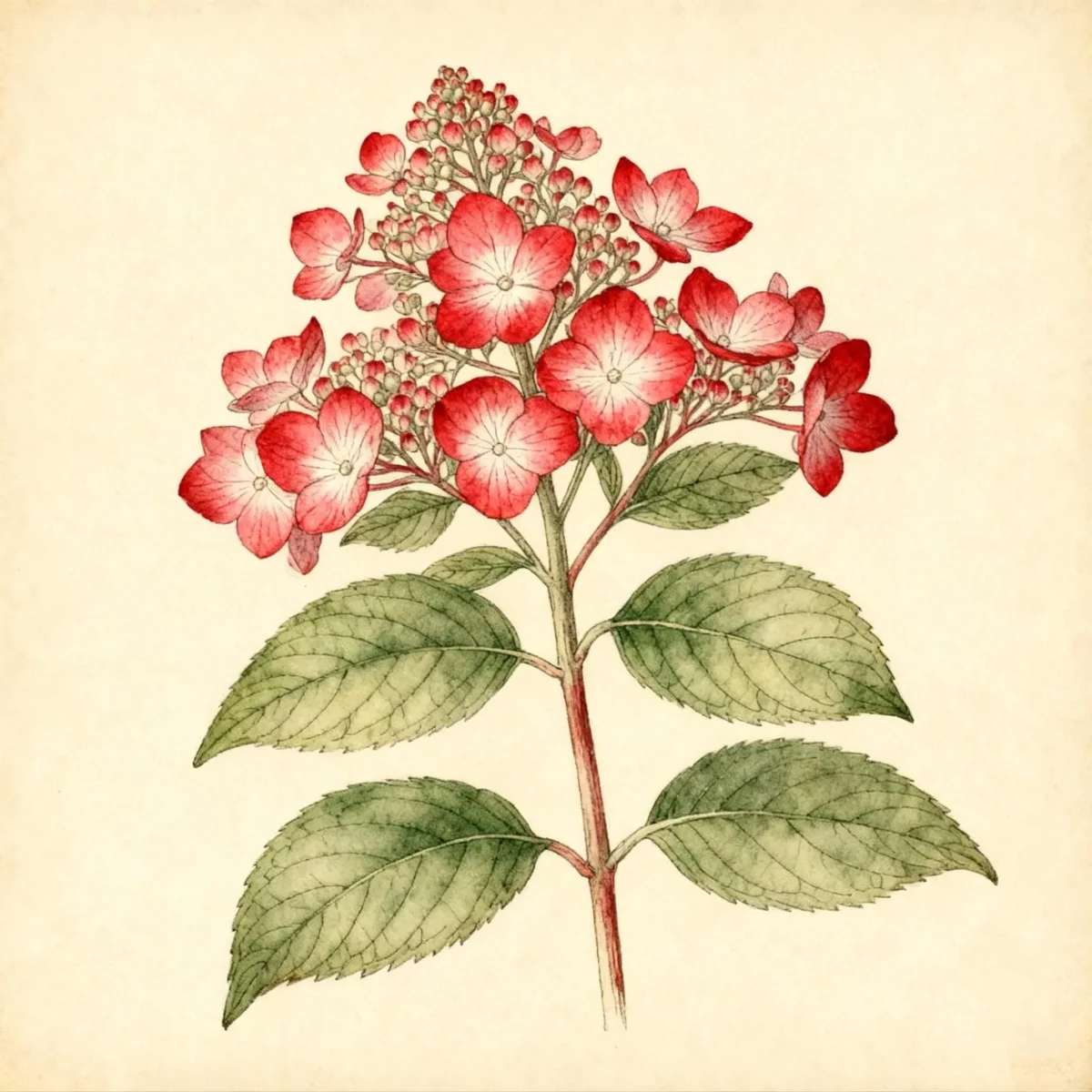
Panicle hydrangea
Hydrangea paniculata 'WIMS RED' FIRE AND ICE
- USDA zones
- 3–8
- Light
- Full sun to part shade
- Water
- Medium

Mock orange
Philadelphus 'Innocence'
- USDA zones
- 4–8
- Light
- Full sun to part shade
- Water
- Medium

Mock orange
Philadelphus 'Snow Dwarf'
- USDA zones
- 4–8
- Light
- Full sun to part shade
- Water
- Medium

Mock orange
Philadelphus 'Snowbelle'
- USDA zones
- 4–8
- Light
- Full sun to part shade
- Water
- Medium
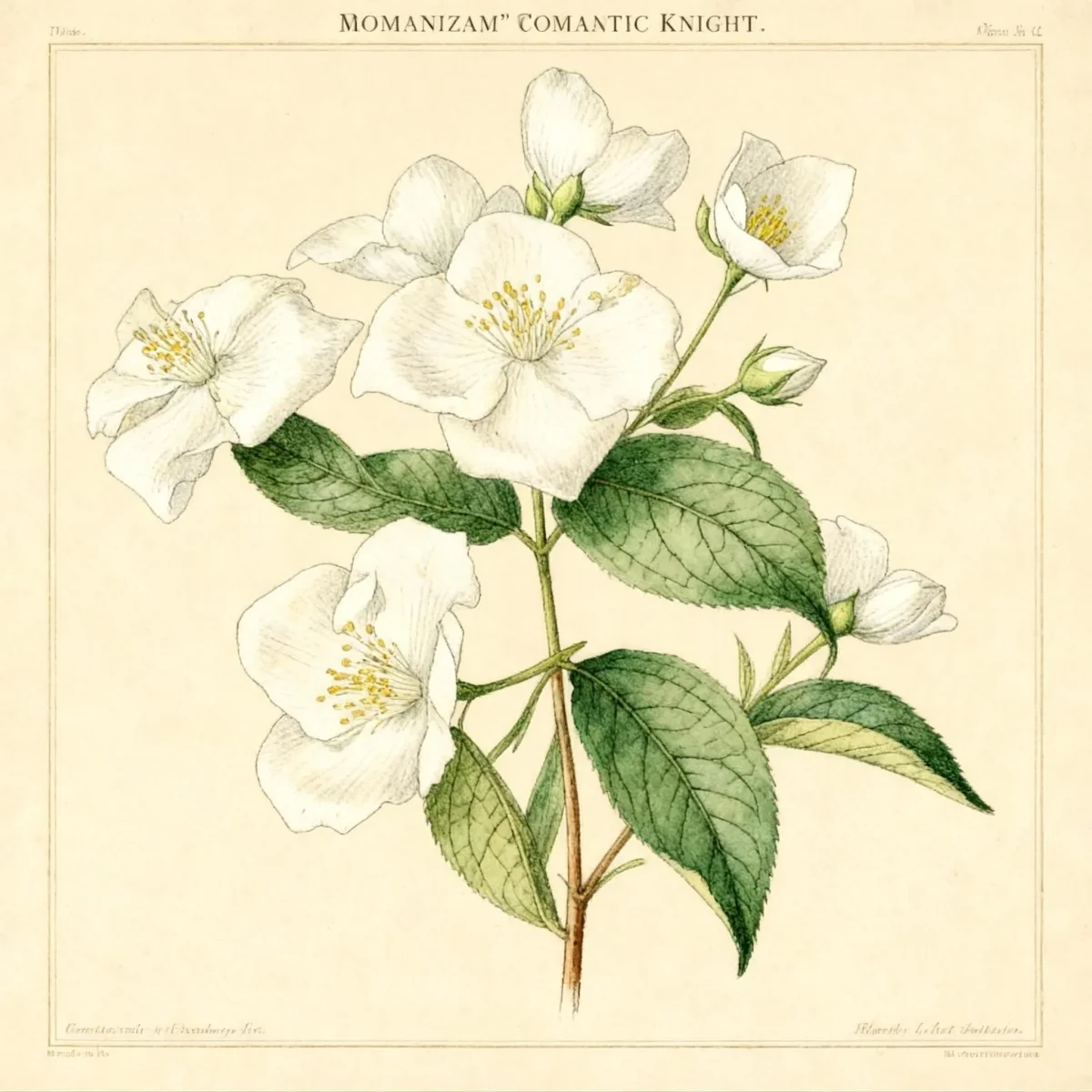
Mock orange
Philadelphus coronarius 'Romanizam' ROMANTIC KNIGHT
- USDA zones
- 4–8
- Light
- Full sun to part shade
- Water
- Medium
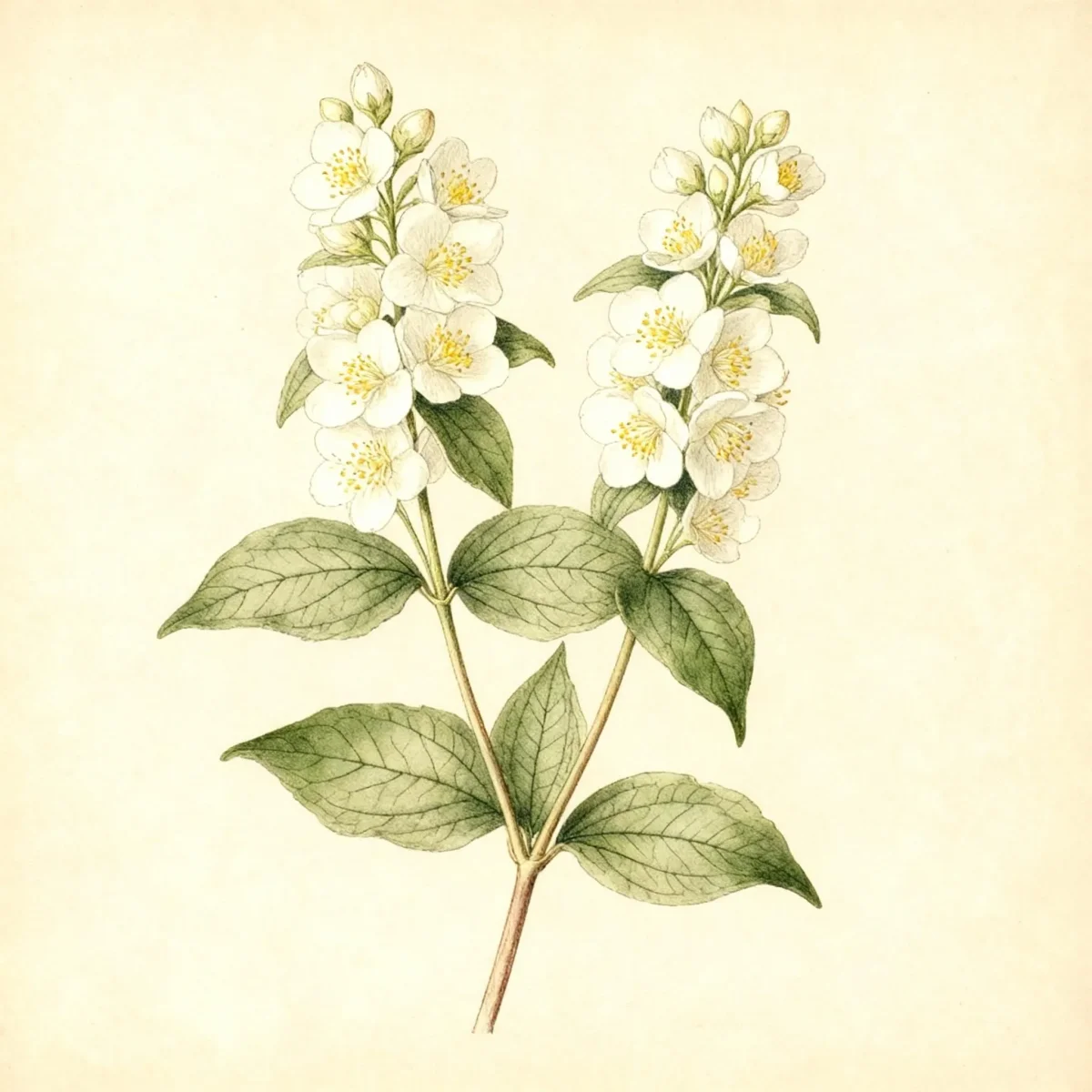
Mock orange
Philadelphus coronarius 'SMNPVG' ILLUMINATI TOWER
- USDA zones
- 4–7
- Light
- Full sun to part shade
- Water
- Medium
Keep Learning
Test what you know with a garden quiz
You have the plant facts and care notes. Continue with a related challenge, or browse the complete quiz library.

Can You Identify These Common Garden Plants? Test Your Plant Knowledge
Think you know your roses from your peonies? Test your plant identification skills with our comprehensive garden plant quiz featuring 10 challenging questions.
Start quiz
USDA Garden Zone Map Quiz
Use this USDA garden zone map quiz to check whether you can read hardiness zones and choose plants with more confidence.
Start quizBrowse the full quizzes section
Explore plant identification, zone strategy, and seasonal gardening challenges.
View all quizzes