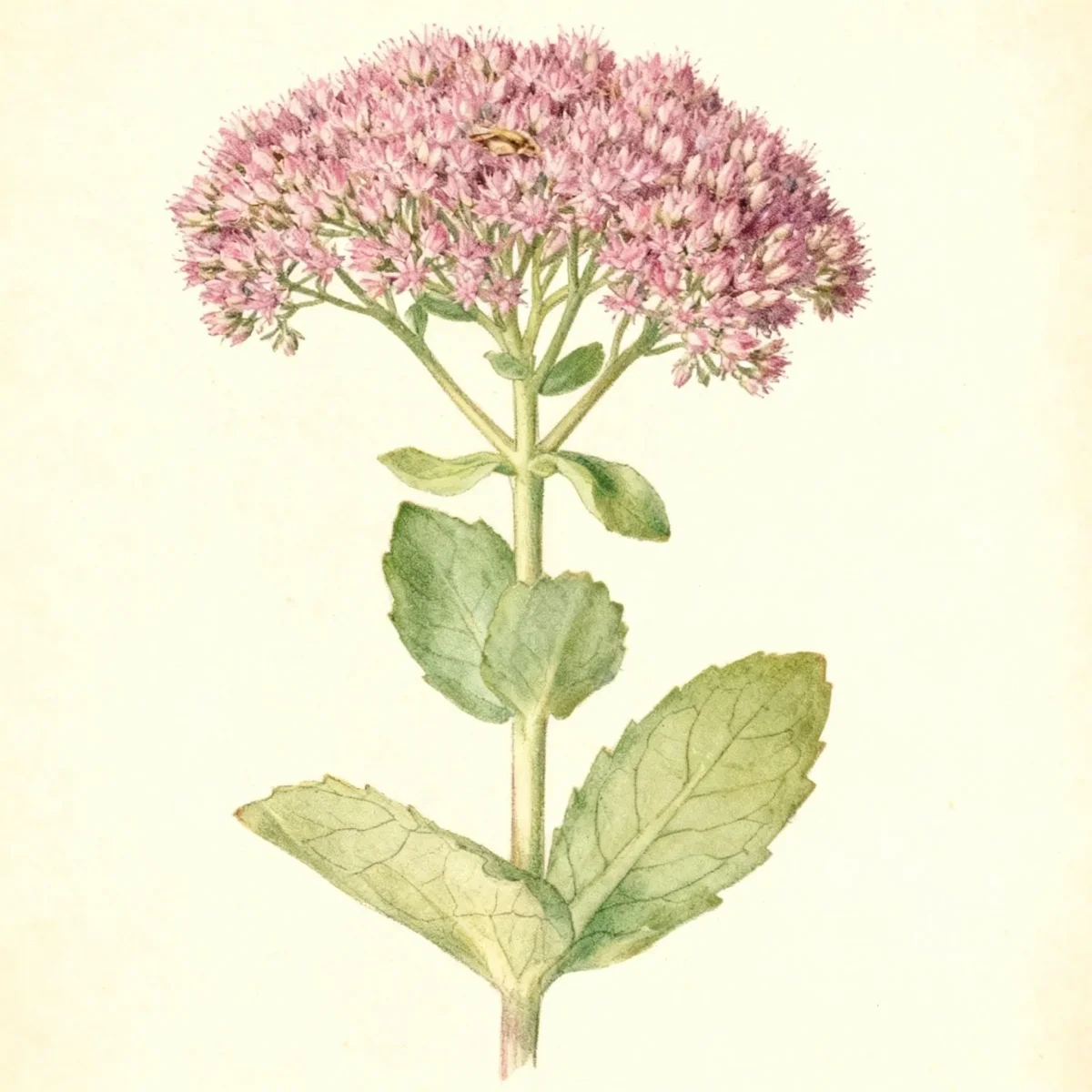
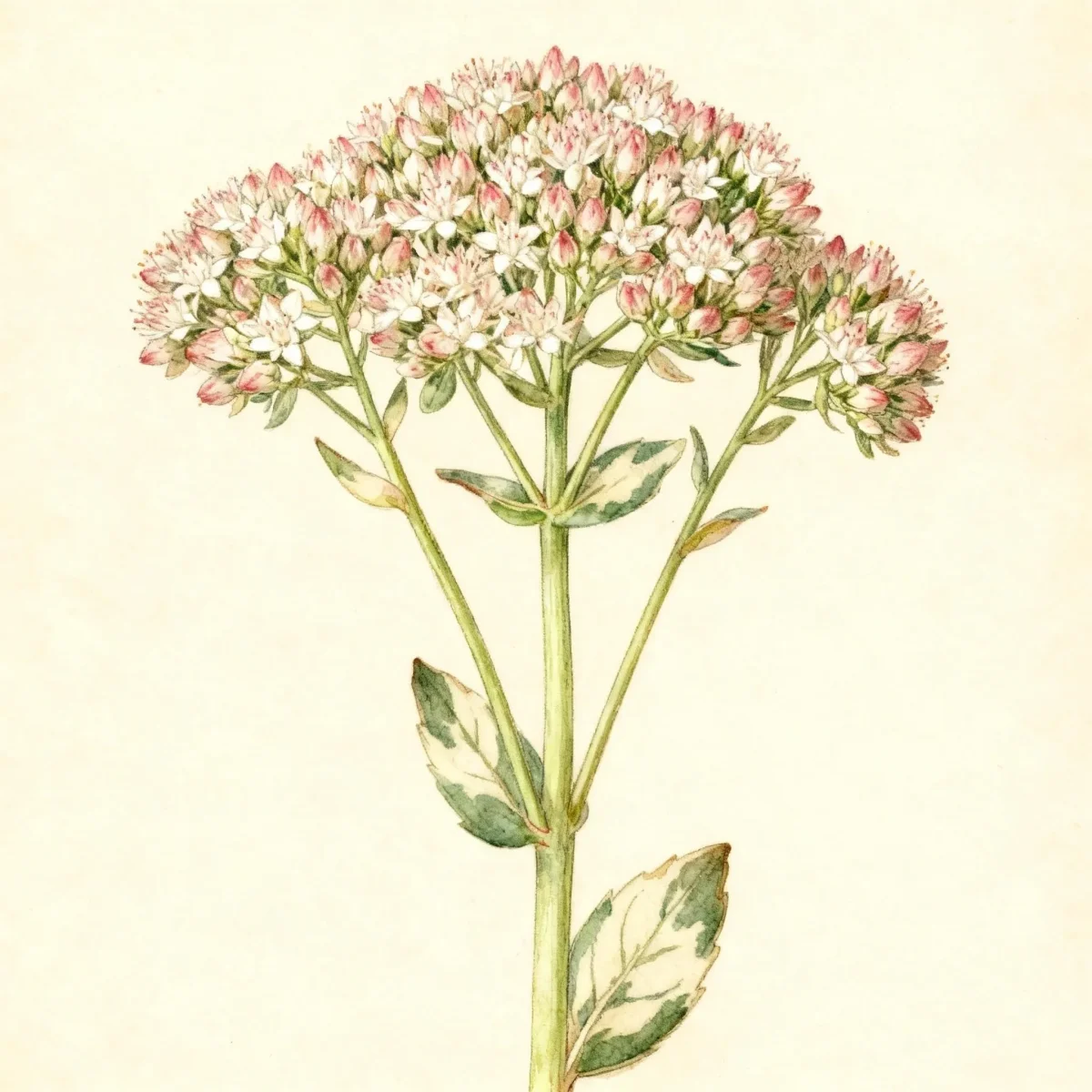
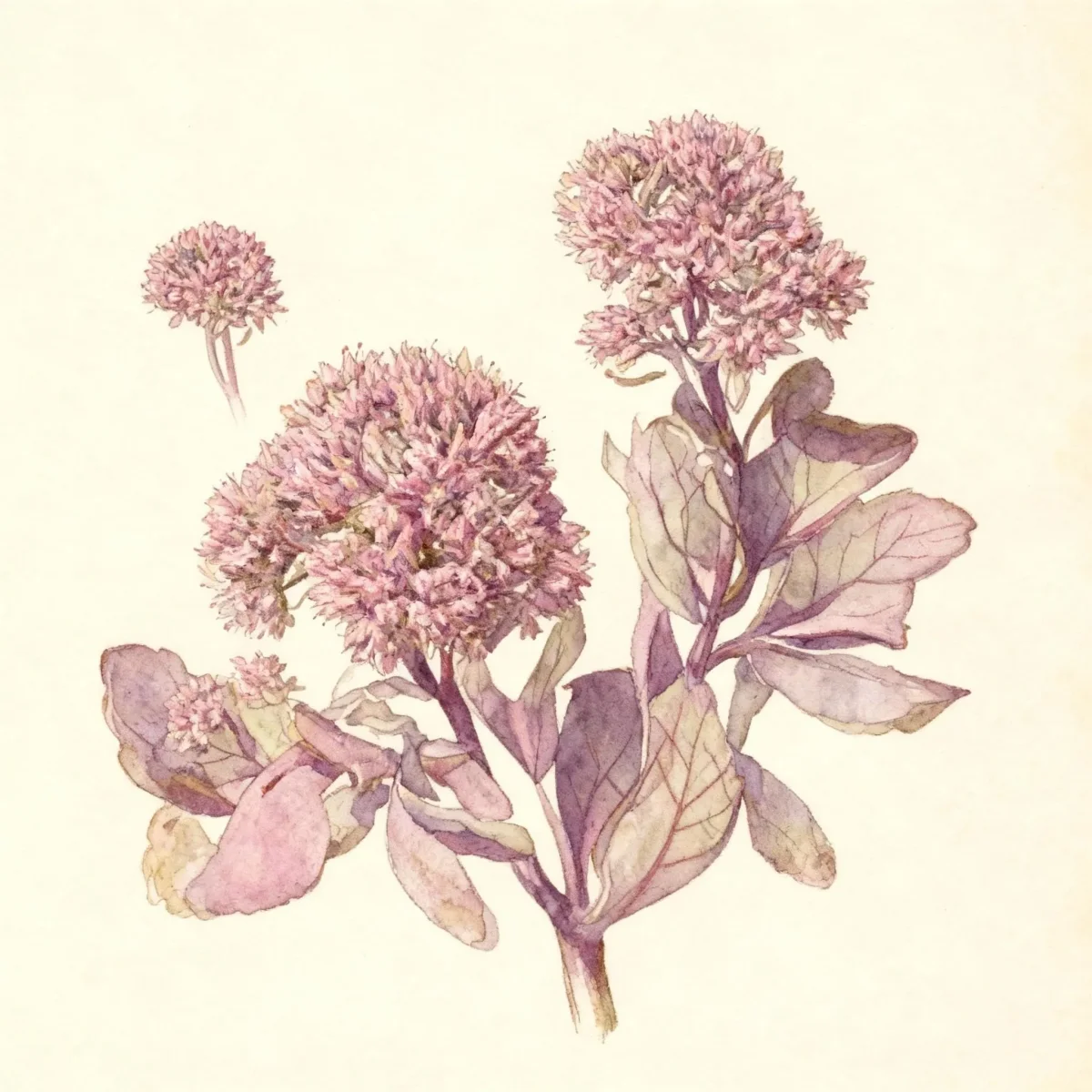
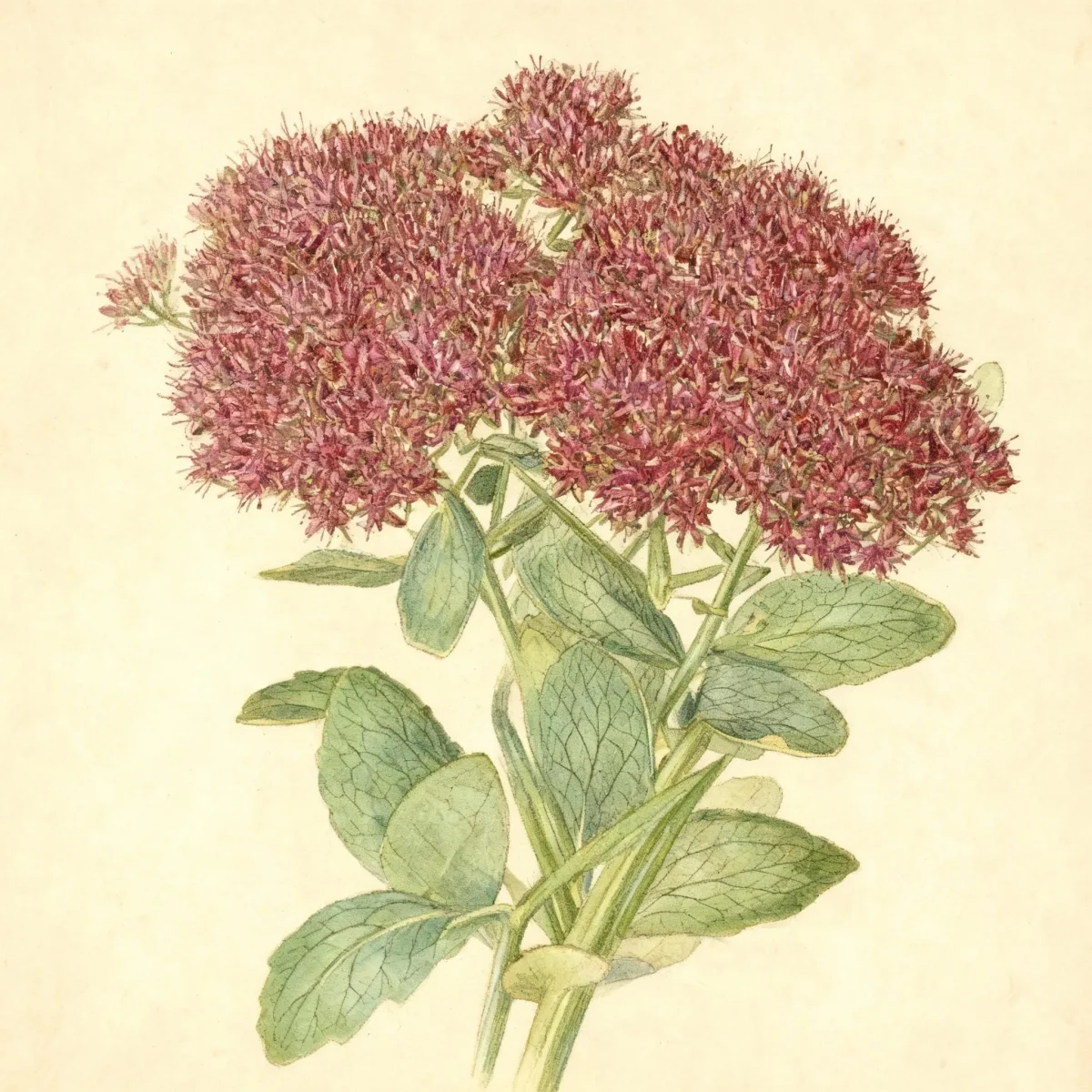
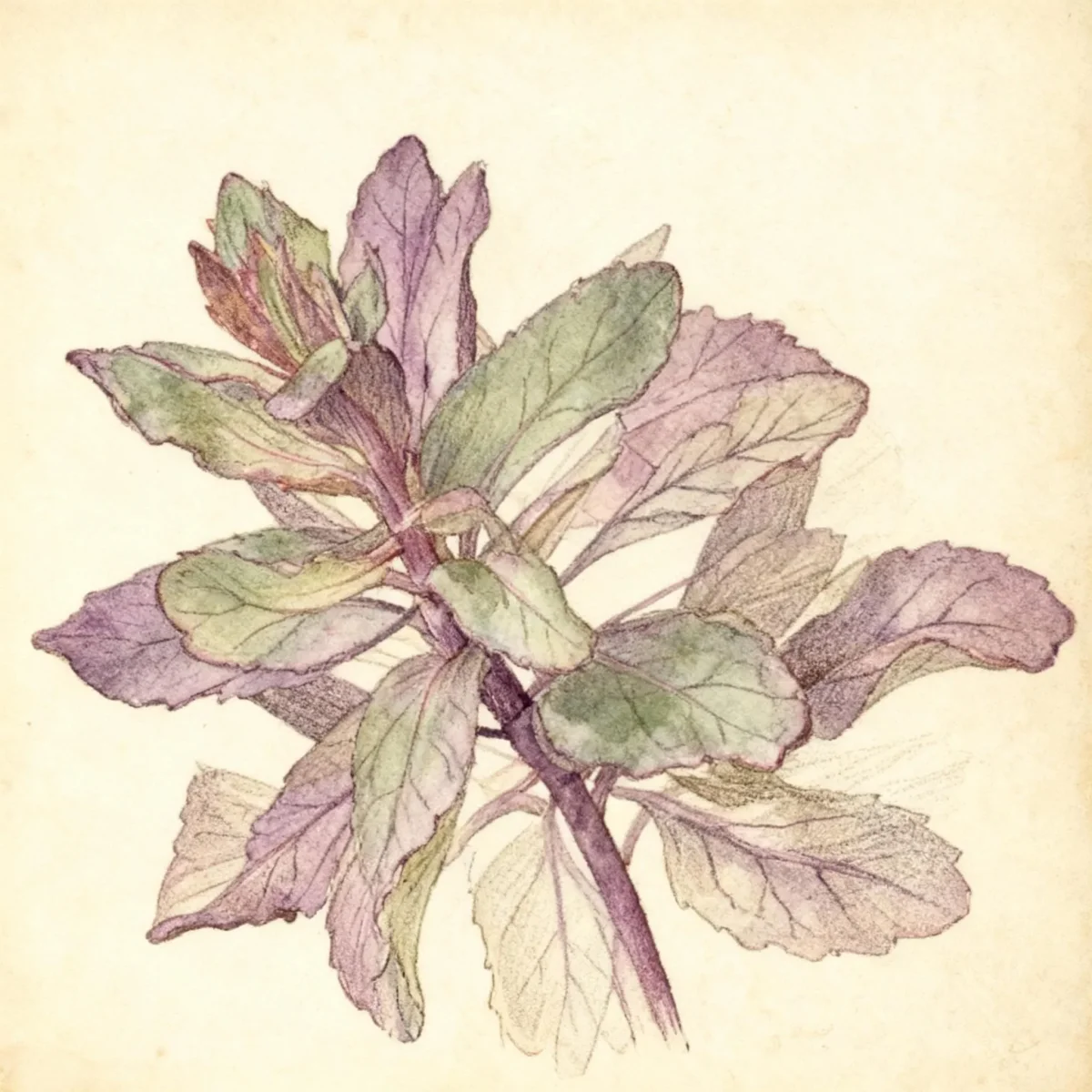
Showy stonecrop (Hylotelephium spectabile 'Stardust')
Hylotelephium spectabile 'Stardust', Showy stonecrop, offers late-season white blooms and superior drought tolerance for sunny, dry sites.
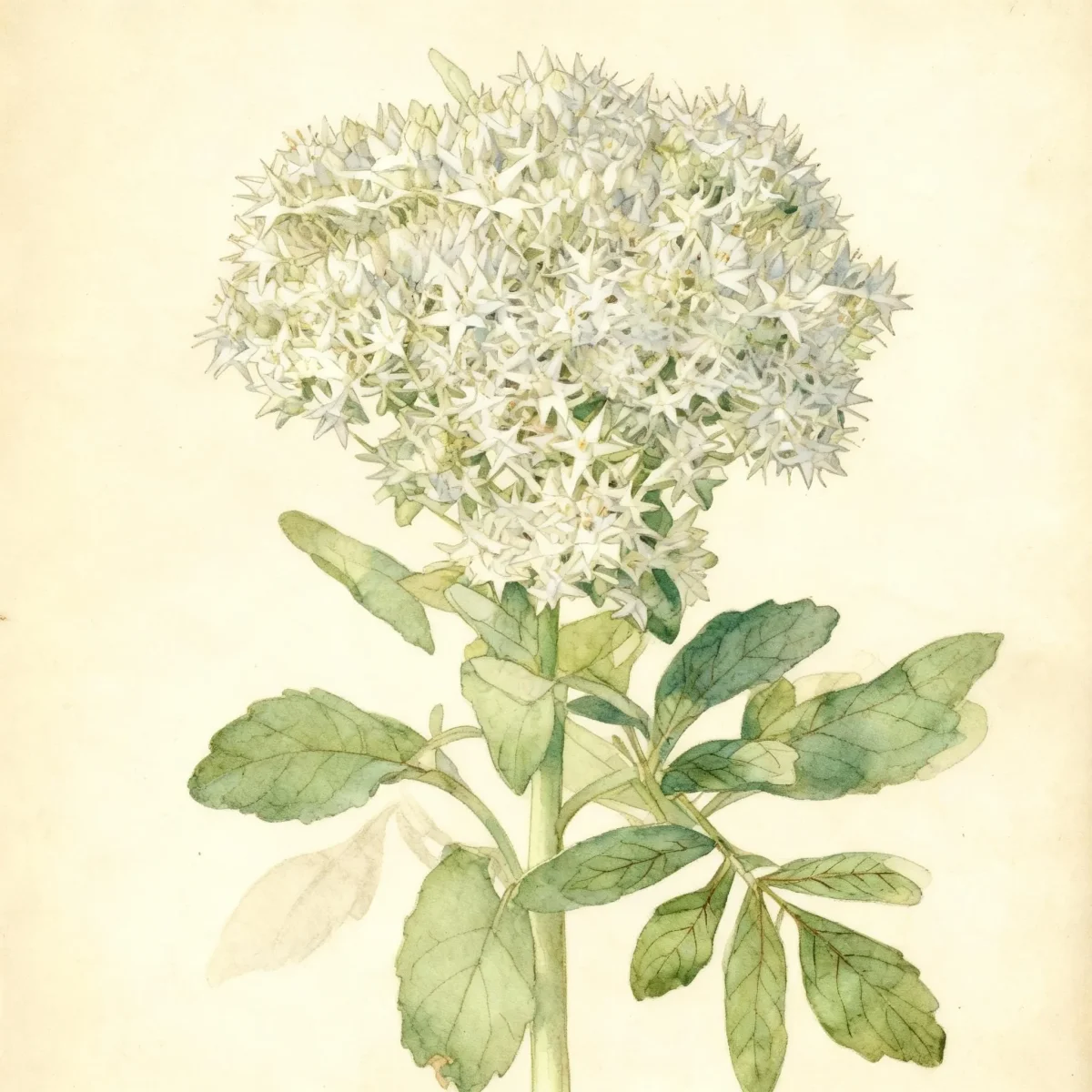

Bloom Boldly, No Matter the Season - Sweatshirt
Cozy organic cotton sweatshirt featuring our exclusive Purple Coneflower design. Perfect for gardeners who bloom year-round.
Inspired by the beautiful Showy stonecrop
Limited first batch (50) — join the waitlist for early access
Waitlist closes Feb 15, 2026.
Complete Plant Information
Field Guide Continues
Ready for care notes, companion picks, and planting tips?
The map is just the start. The full guide below covers growth habits, seasonal performance, and landscape uses.
Overview
Hylotelephium spectabile ‘Stardust’ is a highly valued succulent perennial, celebrated for bringing reliable structure and late-season interest to the garden. This cultivar, known popularly as Showy stonecrop, features dense clusters of small, ivory-white flowers that appear when many other summer bloomers begin to fade. Its fleshy, bluish-green foliage provides excellent textural contrast throughout the growing season.
As a tough, low-maintenance variety, Hylotelephium spectabile ‘Stardust’ thrives in sunny locations where other plants might struggle under heat and dryness. Its inherent drought tolerance makes it an ideal choice for xeriscaping or hot, exposed garden spots. The upright habit ensures that even the late-season flower heads remain attractive until winter sets in.
This specific stonecrop offers excellent versatility, functioning beautifully as a specimen plant, mass planting, or adding body to containers. Gardeners appreciate its resilience and suitability for diverse, less-than-ideal soil conditions, making the successful growth of Showy stonecrop easily achievable.
Fast Facts
- Plant Family: Crassulaceae
- Plant Type: Herbaceous perennial
- Hardiness Zones: USDA Zones 3-9
- Size at Maturity:
- Height: 1-1.5 ft
- Spread: 1-1.5 ft
- Bloom Time: August to October
- Bloom Description: White
- Sun Exposure: Full sun
- Water Needs: Dry to medium
- Maintenance Level: Low
How to Grow
Plant Hylotelephium spectabile ‘Stardust’ in the spring or fall, ideally in full sun to ensure sturdy, non-floppy stems. This Showy stonecrop requires well-drained soil; while it tolerates average conditions, it thrives best in sandy or gravelly soils with moderate to low fertility. Good drainage is critical for the health of this succulent perennial, preventing root rot over winter.
Watering should be minimal once established; Hylotelephium spectabile ‘Stardust’ is notably drought tolerant. Avoid heavy fertilization, as rich soil encourages weak, sprawling growth, detracting from the desirable upright habit. If division is necessary, perform this operation in the spring, or take stem cuttings in the summer for easy propagation.
If grown in hotter summer climates, providing some light afternoon shade can prevent scorching, though too much shade will result in floppiness. In late fall, after the flowers have faded to a deep burgundy-brown, you can cut the stems back for winter cleanup, or leave them standing to provide winter interest and structure.
Landscape Uses
Hylotelephium spectabile ‘Stardust’ excels in roles demanding structure and late-season color impact. Its uniform, compact growth makes it superb for planting along border fronts where its sturdy stems won’t obscure shorter companions. These plants serve perfectly as specimen pieces in rock gardens, capitalizing on their tolerance for shallow or rocky soils.
For larger design impact, mass plantings of Showy stonecrop create a dramatic, continuous wave of white blooms throughout late summer and autumn. Furthermore, because the dried flower heads retain their shape and color well, they are excellent additions to autumn arrangements and bouquets, solidifying their value as a ‘Good Cut’ and ‘Good Dried’ flower.
Consider using Hylotelephium spectabile ‘Stardust’ in containers alongside taller ornamental grasses or contrasting foliage plants. Ensure the container mix offers excellent drainage, mirroring the preference of this plant in the ground.
Standout Features
Flower Qualities
- Showy
- Good Cut
- Good Dried
Noteworthy Characteristics
Hylotelephium spectabile, commonly known as hylotelephium, showy stonecrop, live-forever, ice plant or orpine, is a succulent herbaceous perennial which typically grows in an upright to semi-upright mound on unbranched stems typically rising to 18-24” tall. It features fleshy, bluish-green, succulent-like leaves and bears masses of tiny, ivory-white, star-like flowers clustered in large, 3-6” across, flattened heads. The common name ‘live-forever’ reflects its vigorous persistence and ability to regenerate easily, even from a single leaf.
Tolerances
- Drought
- Clay Soil
- Dry Soil
- Shallow-Rocky Soil
Potential Problems
This plant generally exhibits low susceptibility to serious garden pests and diseases, making the maintenance level very low. Occasionally, gardeners may observe minor issues such as scale insects, aphids, or weevils. Slugs and mealybugs represent the most common sporadic complaints.
Management is usually straightforward; monitor new growth for scale insects and use horticultural oil if infestations persist. Protecting young plantings from slugs early in the season often prevents noticeable damage to the succulent stems and foliage of Hylotelephium spectabile ‘Stardust’.
Frequently Asked Questions
What hardiness zones is Showy stonecrop suitable for?
Hylotelephium spectabile ‘Stardust’ is highly adaptable, thriving in USDA Hardiness Zones 3 through 9.
How large does Hylotelephium spectabile ‘Stardust’ grow?
This plant typically reaches a height between 1 and 1.5 feet tall with a spread of 1 to 1.5 feet.
What sun exposure does Showy stonecrop need?
Hylotelephium spectabile ‘Stardust’ requires a location receiving full sun for the best performance and strongest stems.
When does Hylotelephium spectabile ‘Stardust’ bloom?
This perennial provides beautiful, nearly white color from August extending through October.
Conclusion
For gardeners seeking dependable, late-season structure and exceptional hardiness, Hylotelephium spectabile ‘Stardust’ is an outstanding choice. Its combination of drought survival and white, showy flowers ensures garden appeal into the fall. Confirm your growing zone falls between 3 and 9, then plan to incorporate this Showy stonecrop into a sunny, well-drained site this planting season.
Wildlife Benefits
The late blooming period of Hylotelephium spectabile ‘Stardust’ makes it incredibly valuable for sustaining pollinators as summer winds down. The dense, flatter flower heads provide ample landing platforms for various beneficial insects, including butterflies and late-season bees searching for nectar or pollen before cooler weather sets in.
While the straight species of stonecrop often carries historical associations with wildlife tolerance, the cultivar ‘Stardust’ continues this tradition by offering a reliable food source when fewer options are available. Planting clusters of this Showy stonecrop near vegetable gardens or native wildflower patches can enhance local ecological support networks.
Propagation Tips
A major benefit of growing Hylotelephium spectabile ‘Stardust’ is its ease of propagation, giving you free plants year after year. The most common method is division, easily accomplished in early spring before active new growth begins, where you can carefully separate established clumps into smaller viable sections.
Alternatively, stem cuttings taken during the summer months root readily, allowing for quick multiplication. For an interesting experiment, even detached succulent leaves placed directly onto dry soil can often develop roots and form entirely new plants, living up beautifully to the nickname “live-forever.”