American holly(Ilex opaca 'Maryland Dwarf')
Grow Maryland Dwarf American holly (Ilex opaca 'Maryland Dwarf'): spreading 3 ft evergreen groundcover, male pollinator requirements, and USDA zones 5–9 care.
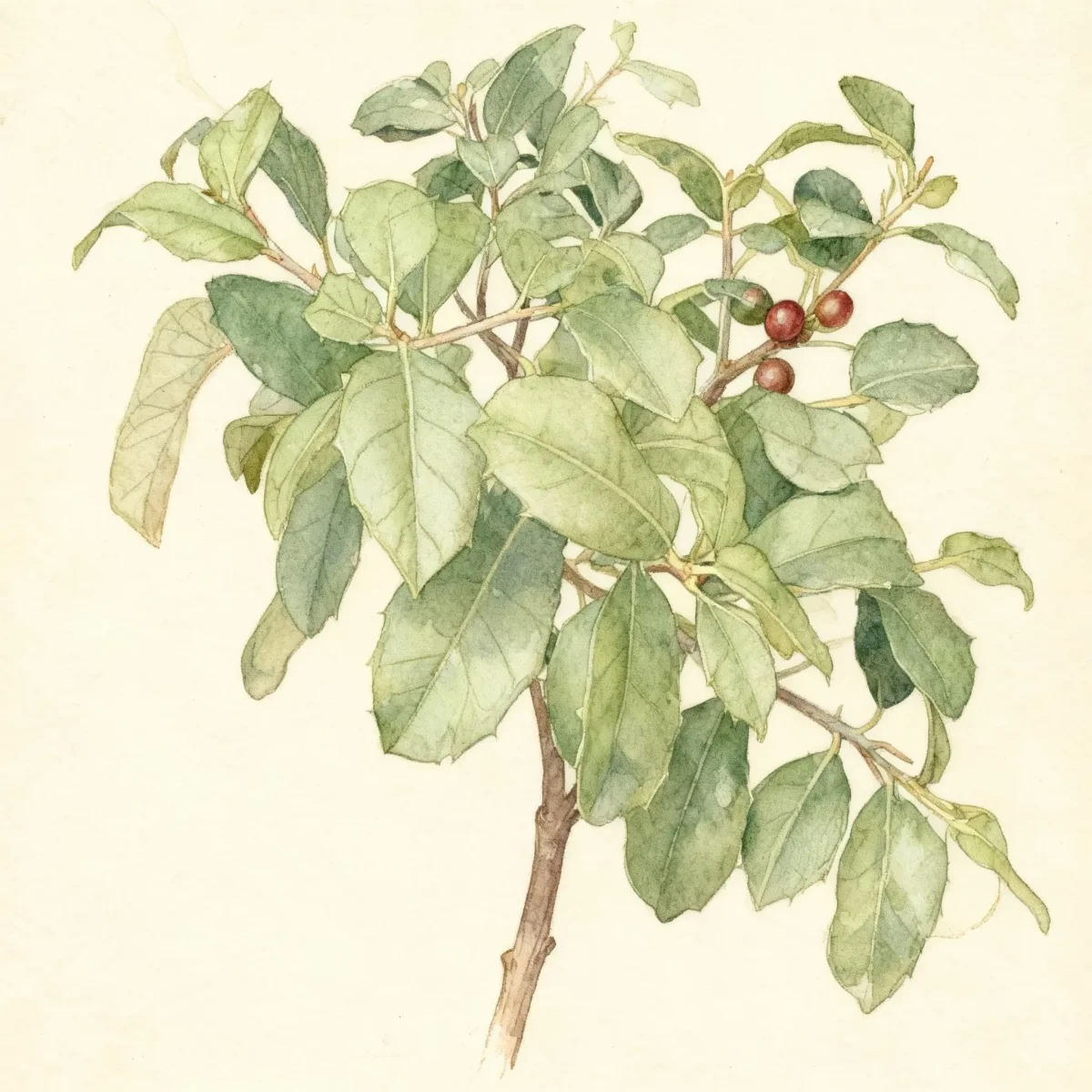
Complete Plant Information
- Hardiness zones
- USDA 5–9
- Plant type
- Broadleaf evergreen
- Plant family
- Aquifoliaceae
- Sun exposure
- Full sun to part shade
- Water needs
- Medium
- Maintenance
- Low
- Height
- 2–3 ft (61–91 cm)
- Spread
- 6–10 ft (183–305 cm)
- Bloom time
- May
- Flower color
- Inconspicuous greenish-white flowers; female clone setting bright red winter berries if pollinated
- Flower qualities
- Insignificant
- Fruit qualities
- Showy, Attracts Birds
- Tolerances
- Deer, Clay Soil, Air Pollution
- Garden uses
- Spreading evergreen groundcover, foundation shrub beneath low windows, woodland border
- Native range
- Eastern United States (cultivar selected in Maryland)
Field Guide Continues
Ready for care notes, companion picks, and planting tips?
The map is just the start. The full guide below covers growth habits, seasonal performance, and landscape uses.
Overview
Maryland Dwarf American holly (Ilex opaca ‘Maryland Dwarf’) is an unusual, slow-growing prostrate broadleaf evergreen shrub hardy across USDA Zones 5 through 9. Unlike wild native American hollies that soar 30 to 50 feet as pyramidal forest trees, ‘Maryland Dwarf’ spreads horizontally into a dense, flat-topped evergreen carpet 2 to 3 feet high and up to 10 feet wide. Clothed in dull, matte-green spiny leaves that resist winter desiccation, it serves as a long-lived native foundation anchor and low barrier plant.
As an all-female clone, it produces classic bright red, pea-sized berries that ripen in autumn and persist into late winter, offering high-energy forage for overwintering songbirds when a male pollinator is present nearby.
How to Grow
- Pollination & Berry Set: ‘Maryland Dwarf’ is female and self-sterile. To set heavy red winter fruit, a male American holly (Ilex opaca, such as ‘Jersey Knight’) must grow within 200 to 500 feet for foraging bees to transfer pollen.
- Soil Acidity is Essential: Thrives in moist, organically amended, sharply draining acidic soils (pH 4.5 to 6.5). In high-pH alkaline soils, iron becomes unavailable, causing yellowing leaf chlorosis between leaf veins.
- Sunlight & Siting: Full sun to partial shade. Protect from cold, desiccating north winter winds, which can cause winter foliage burn. In hot southern zones (Zones 8 and 9), partial afternoon canopy shade keeps root systems cool.
- Watering & Drainage: Requires average, moist soil with good drainage. Intolerant of standing water or soggy subsoils, which induce root rot.
Landscape Uses
- Low Foundation Anchor: Sited beneath ground-floor windows, its 3-foot height provides evergreen presence without obscuring views or needing constant shearing.
- Spreading Evergreen Groundcover: Over decades, it spreads up to 10 feet wide, creating an impenetrable broadleaf evergreen groundcover along slopes and woodland edges.
- Songbird Garden: Berries provide vital winter food for robins, bluebirds, and cedar waxwings.
Potential Problems
- Alkaline Soil Chlorosis: Yellowing leaves indicate high soil pH; apply elemental sulfur or chelated iron to restore acidity.
- Pet Safety Notice: Like all hollies, berries and leaves contain saponins and ilicin. Ingestion of berries causes vomiting, diarrhea, and depression in dogs, cats, and horses.
- Lack of Berries: If no red berries appear, verify that a compatible male Ilex opaca is growing in the neighborhood to provide pollen.
Frequently Asked Questions
Does Maryland Dwarf holly need a male pollinator?
Yes. ‘Maryland Dwarf’ is an all-female cultivar. To produce red winter berries, a male American holly (Ilex opaca) must be planted within bee-foraging distance (200–500 feet).
How wide does Maryland Dwarf holly spread?
It grows very slowly, but mature specimens can eventually spread 6 to 10 feet wide while staying only 2 to 3 feet tall.
Can it be pruned to stay smaller?
Yes. Selective hand-pruning in late winter before spring growth begins can easily contain its horizontal spread.
Companion Plants
Pair Maryland Dwarf holly with acid-loving woodland plants that share its demand for well-drained, acidic soil:
- Flowering Acid-Lovers: Plant alongside native azaleas, mountain laurel (Kalmia latifolia), or rhododendrons.
- Deciduous Berry Contrast: Combine with winterberry holly (Ilex verticillata) for deciduous red-berry contrast.
- Woodland Groundcovers: Underplant with Canadian wild ginger (Asarum canadense) or creeping phlox.
Sources & Lineage
- Missouri Botanical Garden PlantFinder: Record taxon 249126 (Ilex opaca ‘Maryland Dwarf’) — dwarf growth habit, pollination requirements, and dimensions.
- Kew Plants of the World Online (POWO): Ilex opaca Aiton (POWO: 30066096-2) — native eastern US distribution and taxonomy.
- Holly Society of America (HSA): Ilex opaca Cultivar Guide — registration details for ‘Maryland Dwarf’ and male pollinator recommendations.
Recommended Companion Plants
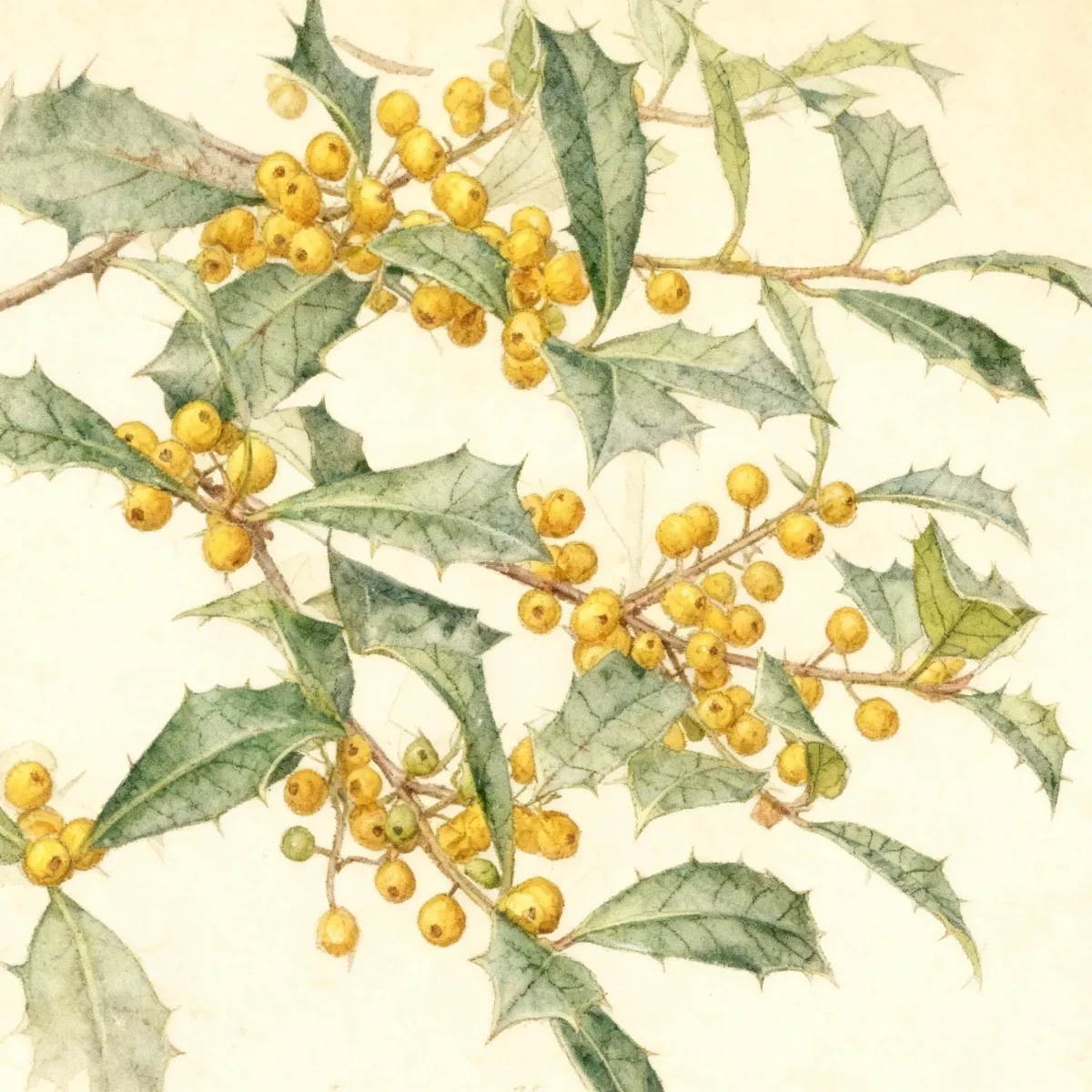
American holly
Ilex opaca 'Canary'
- USDA zones
- 5–9
- Light
- Full sun to part shade
- Water
- Medium
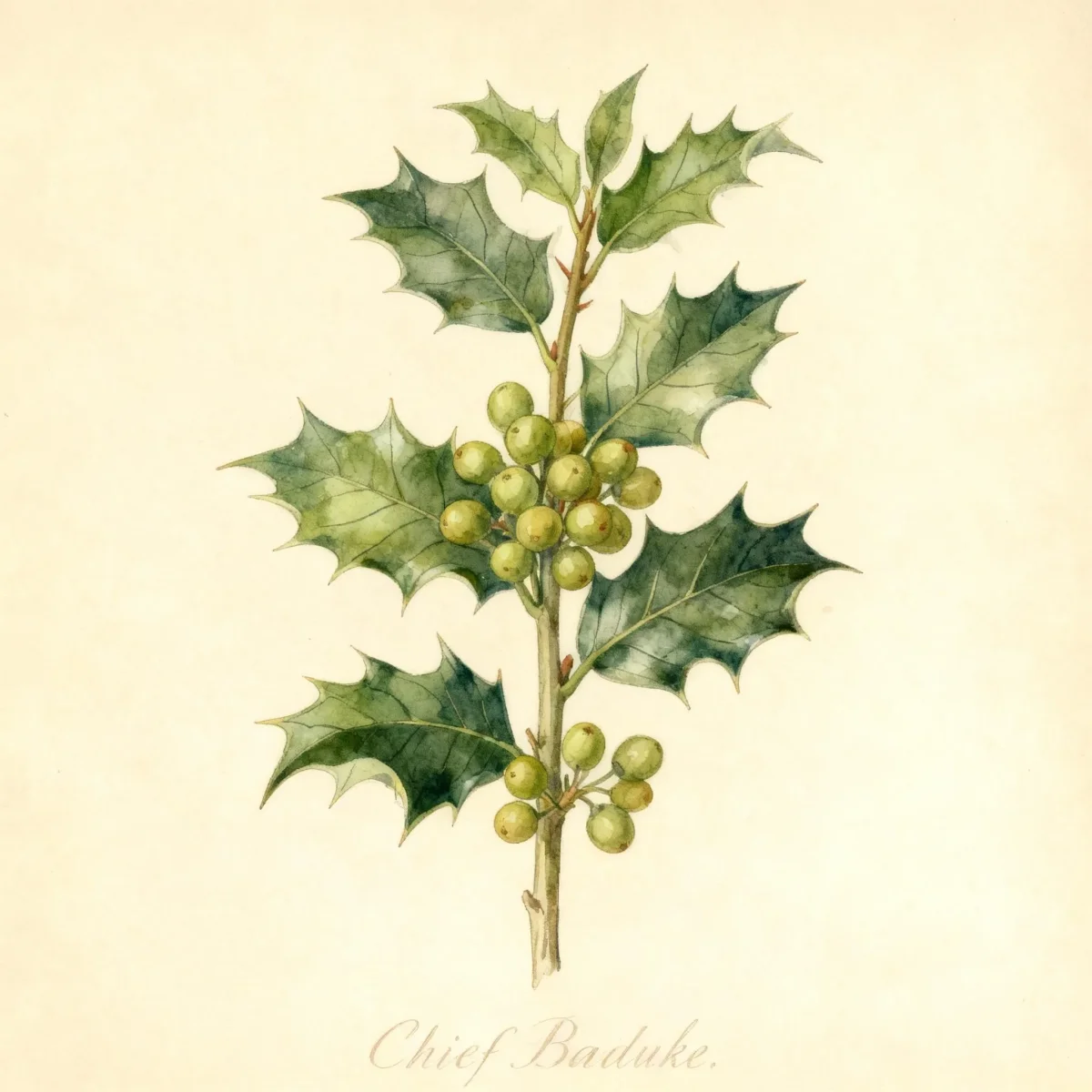
American holly
Ilex opaca 'Chief Paduke'
- USDA zones
- 5–9
- Light
- Full sun to part shade
- Water
- Medium
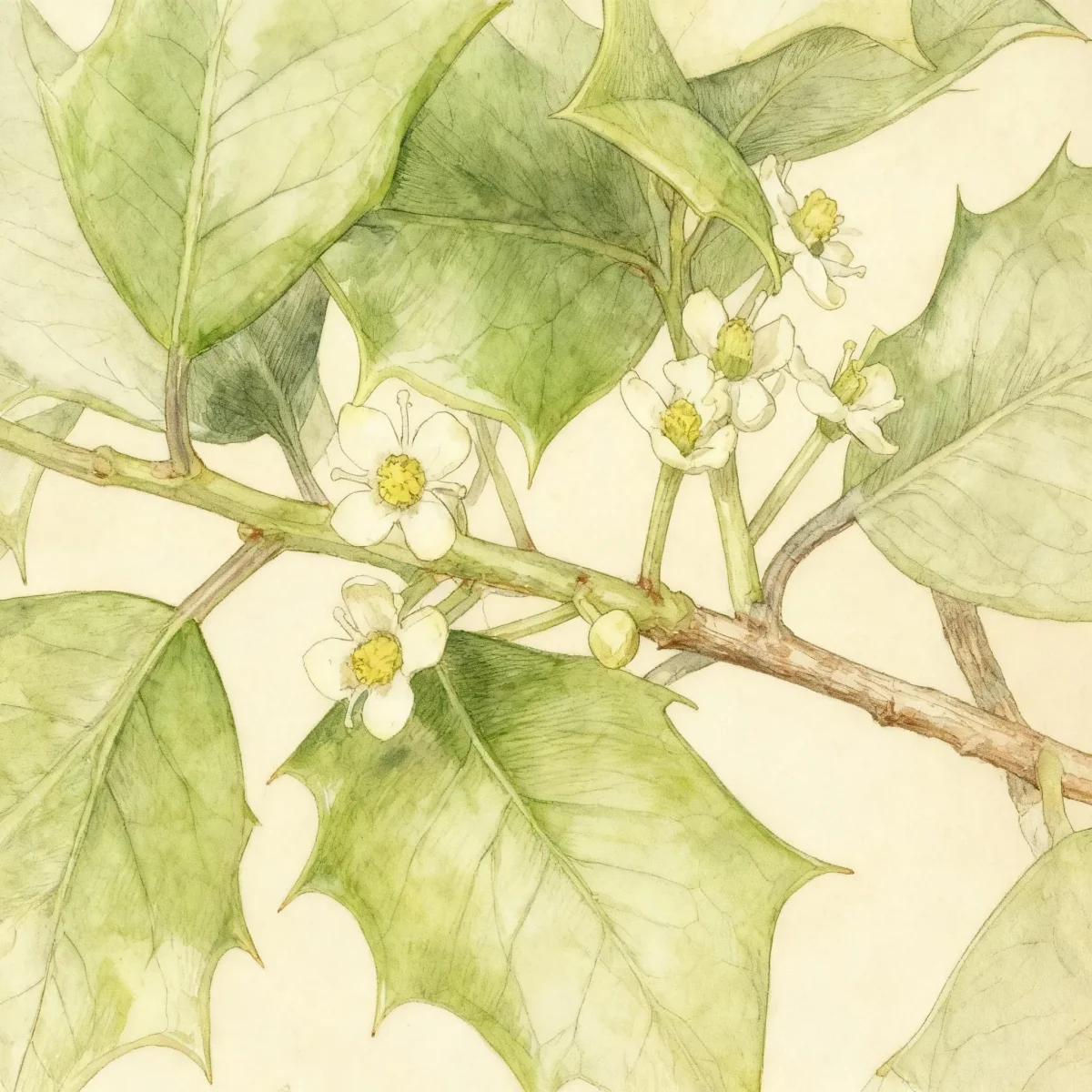
American holly
Ilex opaca 'Delia Bradley'
- USDA zones
- 5–9
- Light
- Full sun to part shade
- Water
- Medium
American holly
Ilex opaca 'Greenleaf'
- USDA zones
- 5–9
- Light
- Full sun to part shade
- Water
- Medium

American holly
Ilex opaca 'Jersey Knight'
- USDA zones
- 5–9
- Light
- Full sun to part shade
- Water
- Medium
American holly
Ilex opaca 'Mae'
- USDA zones
- 5–9
- Light
- Full sun to part shade
- Water
- Medium
Keep Learning
Test what you know with a garden quiz
You have the plant facts and care notes. Continue with a related challenge, or browse the complete quiz library.

Can You Identify These Common Garden Plants? Test Your Plant Knowledge
Think you know your roses from your peonies? Test your plant identification skills with our comprehensive garden plant quiz featuring 10 challenging questions.
Start quiz
USDA Garden Zone Map Quiz
Use this USDA garden zone map quiz to check whether you can read hardiness zones and choose plants with more confidence.
Start quizBrowse the full quizzes section
Explore plant identification, zone strategy, and seasonal gardening challenges.
View all quizzes