Inkberry(Ilex glabra 'Shamrock')
Grow Shamrock inkberry holly (Ilex glabra 'Shamrock'): compact native boxwood alternative, wet soil tolerance, rain garden hedges, and USDA zones 4–9 care.

Complete Plant Information
- Hardiness zones
- USDA 4–9
- Plant type
- Broadleaf evergreen
- Plant family
- Aquifoliaceae
- Sun exposure
- Full sun to part shade
- Water needs
- Medium to wet
- Maintenance
- Low
- Height
- 3–4 ft (91–122 cm)
- Spread
- 3–4 ft (91–122 cm)
- Bloom time
- May to June
- Flower color
- Inconspicuous greenish-white flowers followed by pea-sized jet-black berries on female plants
- Flower qualities
- Insignificant
- Fruit qualities
- Showy, Attracts Birds
- Tolerances
- Rabbit, Deer, Erosion, Wet Soil, Air Pollution, Clay Soil
- Garden uses
- Formal hedge, rain garden basin, foundation border, native boxwood alternative
- Native range
- Eastern North America (cultivar selection)
Field Guide Continues
Ready for care notes, companion picks, and planting tips?
The map is just the start. The full guide below covers growth habits, seasonal performance, and landscape uses.
Overview
Shamrock inkberry holly (Ilex glabra ‘Shamrock’) is a compact, slow-growing native broadleaf evergreen shrub hardy across USDA Zones 4 through 9. Reaching a uniform 3 to 4 feet in height and spread, it was selected to overcome the leggy, open base and aggressive root-suckering habit of the wild native species. Covered in spineless, glossy, deep emerald-green leaves that persist all winter, ‘Shamrock’ is widely celebrated by landscape designers as the premier native, disease-immune replacement for traditional boxwood hedges in wet or acidic soils.
Female plants produce inconspicuous greenish-white spring flowers that ripen into glossy, jet-black berry-like drupes in autumn, providing winter forage for native songbirds.
How to Grow
- Blight Immunity vs. Boxwood: While boxwood blight (Calonectria pseudonaviculata) devastates traditional boxwoods, inkberry holly is a member of the holly family and is completely immune to boxwood blight.
- Soil Acidity is Essential: Native to coastal pinelands and bogs, inkberry requires acidic soils (pH 4.5 to 6.0). In neutral or alkaline soils (pH above 6.8), leaves develop interveinal iron chlorosis (yellowing leaves with green veins).
- Wet Soil & Rain Garden Adaptability: Unlike true boxwoods which rot rapidly in soggy conditions, ‘Shamrock’ thrives in heavy clay, periodic standing water, and boggy ground, making it an extraordinary formal evergreen for rain gardens and retention swales.
- Pruning & Shearing: Prune lightly in early spring before new growth starts to maintain a formal box-hedge shape. Trim the top of the hedge slightly narrower than the bottom to allow sunlight to reach lower branches and prevent bare stems.
Landscape Uses
- Native Boxwood Substitute: Forms an identical dense, rounded evergreen hedge 3 to 4 feet tall with zero boxwood blight risk.
- Rain Garden & Bioswale Border: Thrives in saturated, clayey drainage basins where water pools after heavy storms.
- Foundation Bed Anchor: Replaces leggy foundation evergreens with neat, glossy, year-round foliage.
Potential Problems
- Alkaline Soil Chlorosis: Yellowing leaves indicate high pH; amend with elemental sulfur or acidic peat moss.
- Lower Stem Thinning: Ensure adequate sunlight reaches the base by shearing with a tapered angle (wider at bottom, narrower at top).
- Pet Safety Warning: Like all hollies, berries and leaves contain saponins that cause gastrointestinal upset in dogs and cats if chewed.
Frequently Asked Questions
Can Shamrock inkberry be pruned into a formal square hedge?
Yes. It responds well to light annual shearing in early spring, producing a dense formal hedge that closely mimics English boxwood.
Why are my inkberry leaves turning yellow?
The most common cause is alkaline soil. Inkberries require acidic soil (pH 4.5–6.0) to take up iron. Check soil pH and apply sulfur or chelated iron.
Does Shamrock inkberry lose its lower leaves?
The straight species gets leggy at the base, but ‘Shamrock’ was selected specifically because it retains dense foliage right down to the ground.
Companion Plants
Pair Shamrock inkberry with native shrubs and perennials that appreciate moist, acidic soils:
- Wet-Tolerant Native Shrubs: Combine with red-osier dogwood (Cornus sericea), sweet pepperbush (Clethra alnifolia), or winterberry (Ilex verticillata).
- Perennial Partners: Interplant near blue flag iris, cardinal flower (Lobelia cardinalis), and swamp milkweed (Asclepias incarnata).
- Woodland Acid-Lovers: Sited alongside native rhododendrons, blueberries, and fothergillas.
Sources & Lineage
- Missouri Botanical Garden PlantFinder: Record taxon 249148 (Ilex glabra ‘Shamrock’) — cultivar habit, dimensions, and moisture tolerance.
- Kew Plants of the World Online (POWO): Ilex glabra (L.) A.Gray (POWO: 83326-1) — species taxonomy, family (Aquifoliaceae), and native range.
- University of Maryland Extension: Inkberry Holly as a Boxwood Alternative — boxwood blight resistance, cultivar performance, and acidic soil management.
Recommended Companion Plants

Inkberry
Ilex glabra 'Compacta'
- USDA zones
- 4–9
- Light
- Full sun to part shade
- Water
- Medium to wet

Inkberry
Ilex glabra
- USDA zones
- 4–9
- Light
- Full sun to part shade
- Water
- Medium to wet
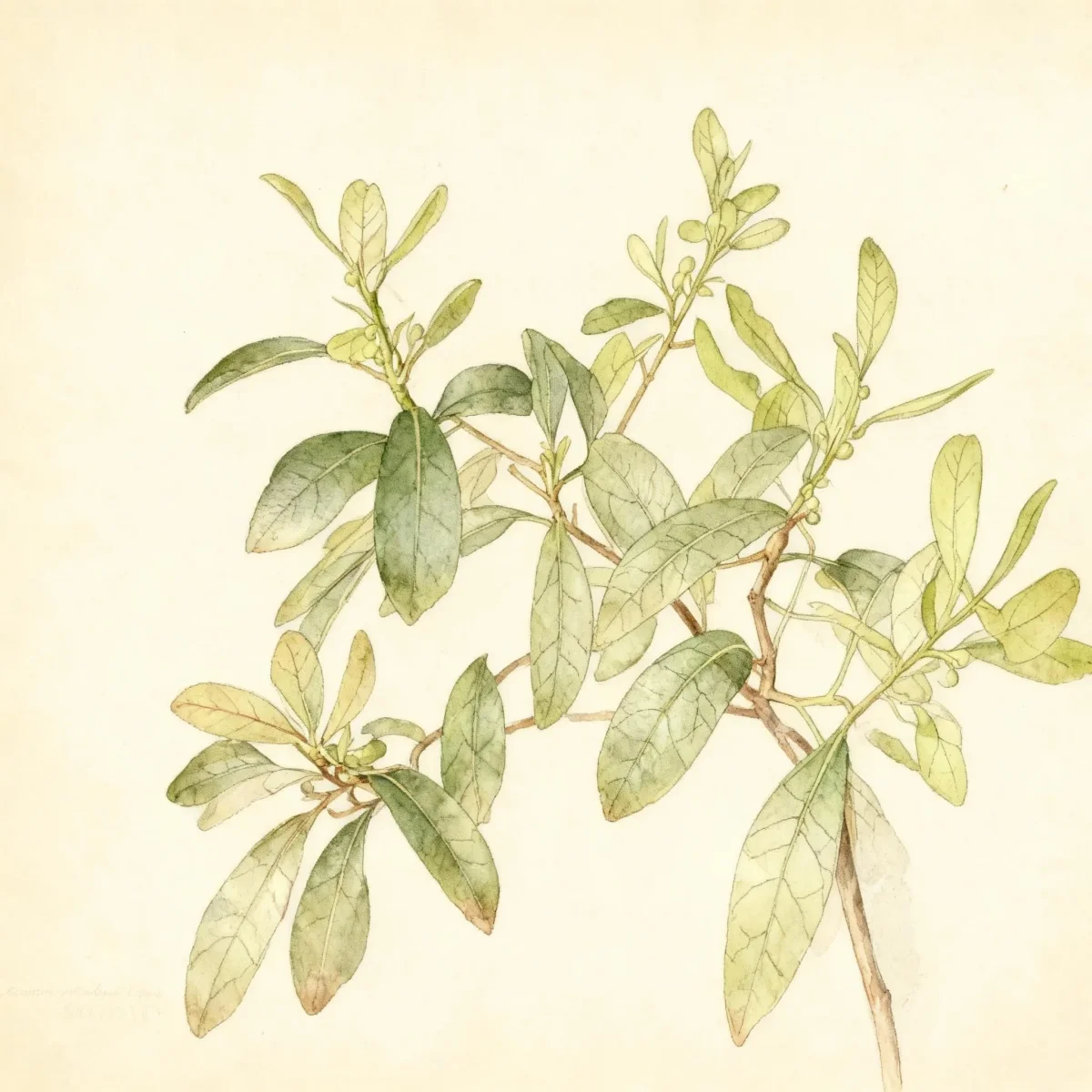
Nordic inkberry
Ilex glabra 'Chamzin' NORDIC
- USDA zones
- 3–9
- Light
- Full sun to part shade
- Water
- Medium to wet
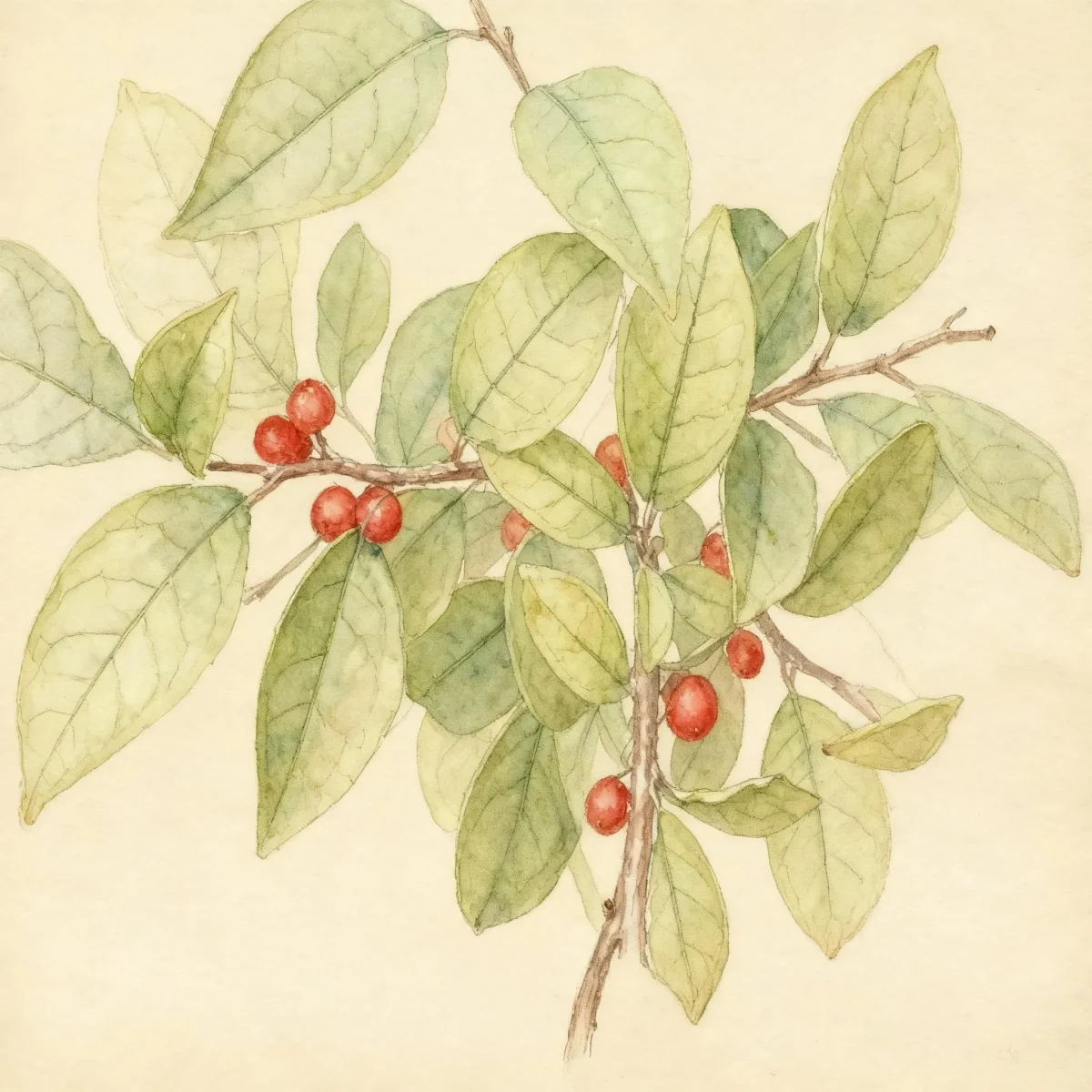
Winterberry
Ilex 'Sparkleberry'
- USDA zones
- 5–9
- Light
- Full sun to part shade
- Water
- Medium to wet
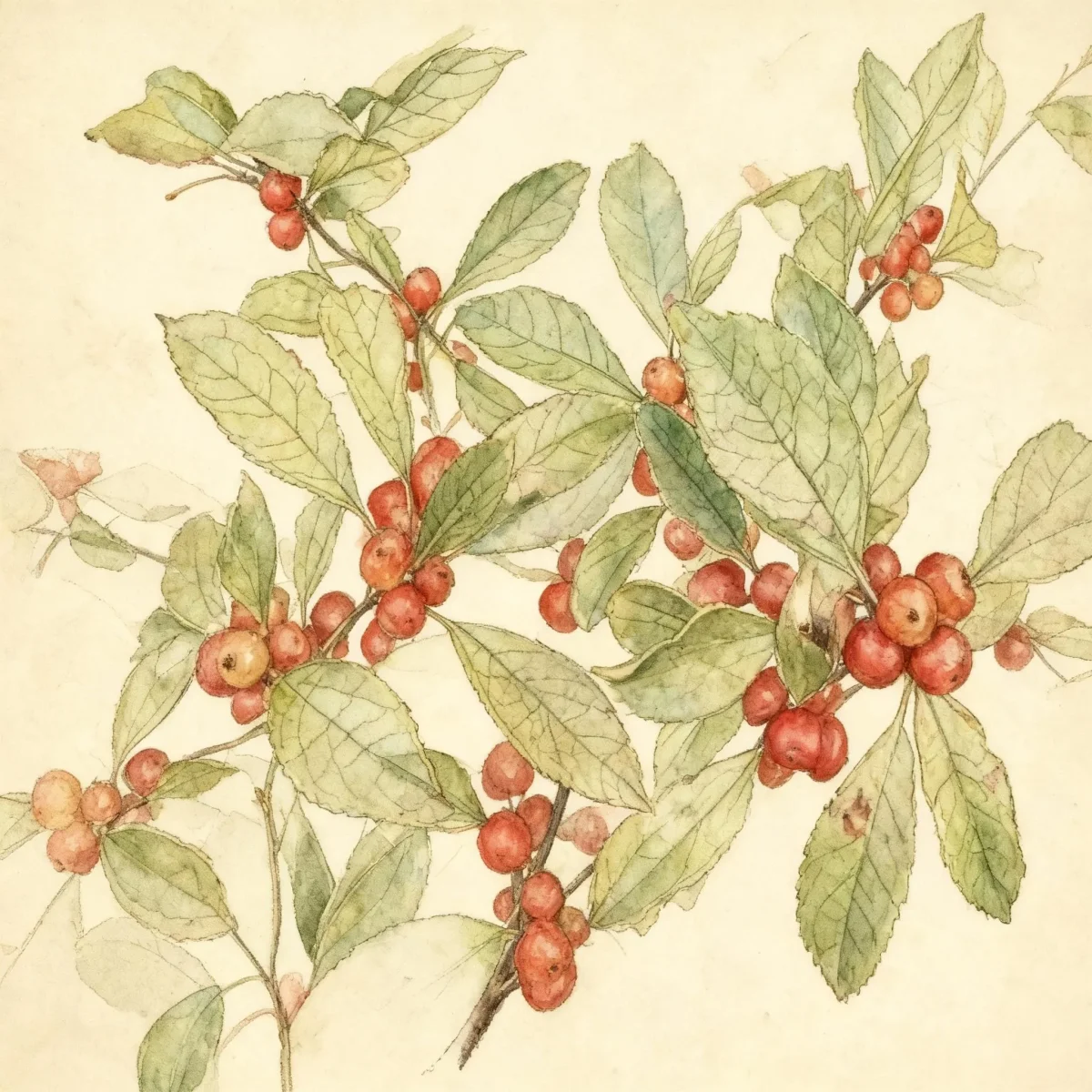
Winterberry
Ilex verticillata 'Afterglow'
- USDA zones
- 3–9
- Light
- Full sun to part shade
- Water
- Medium to wet
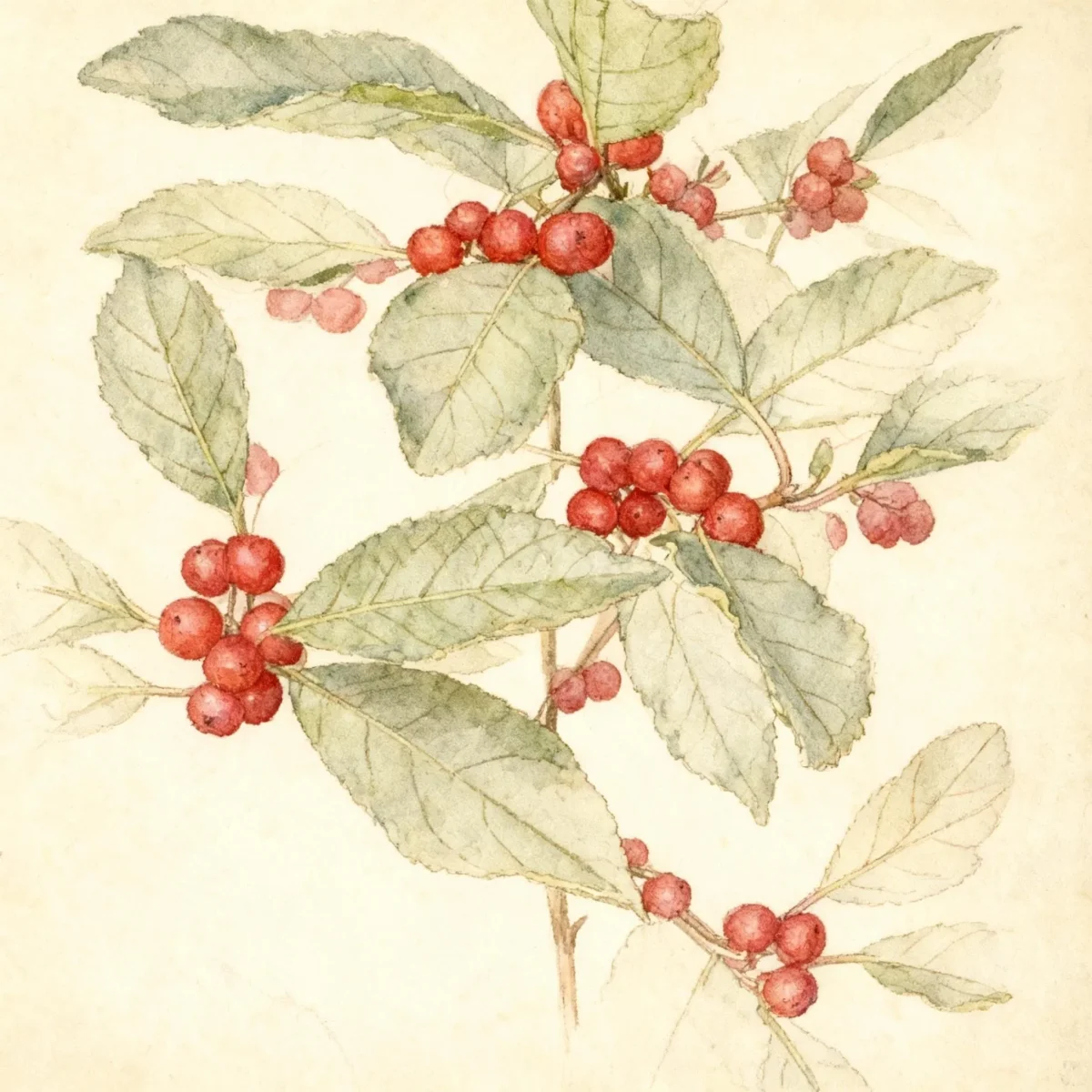
Winterberry
Ilex verticillata 'Cacapon'
- USDA zones
- 3–9
- Light
- Full sun to part shade
- Water
- Medium to wet
Keep Learning
Test what you know with a garden quiz
You have the plant facts and care notes. Continue with a related challenge, or browse the complete quiz library.

Can You Identify These Common Garden Plants? Test Your Plant Knowledge
Think you know your roses from your peonies? Test your plant identification skills with our comprehensive garden plant quiz featuring 10 challenging questions.
Start quiz
USDA Garden Zone Map Quiz
Use this USDA garden zone map quiz to check whether you can read hardiness zones and choose plants with more confidence.
Start quizBrowse the full quizzes section
Explore plant identification, zone strategy, and seasonal gardening challenges.
View all quizzes