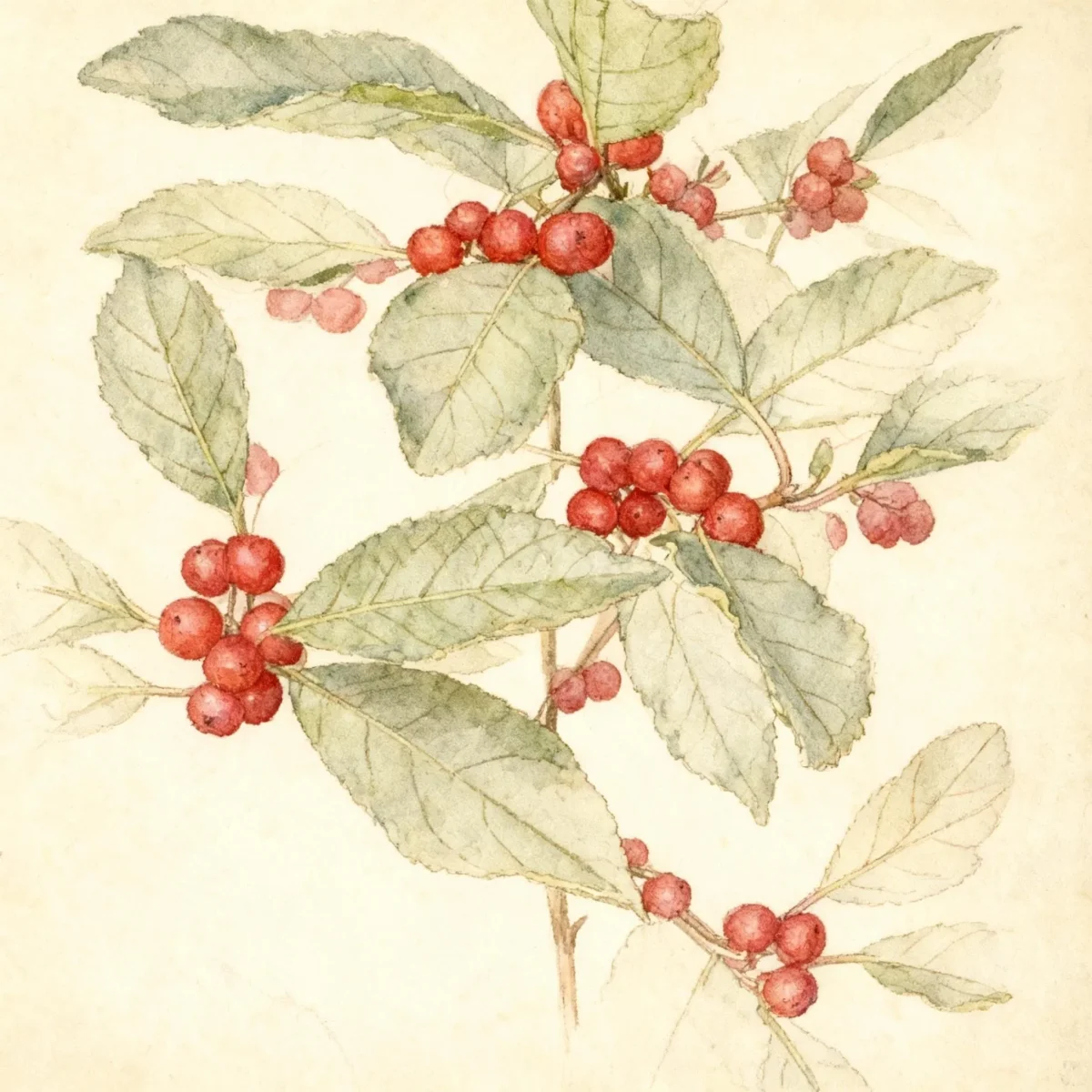
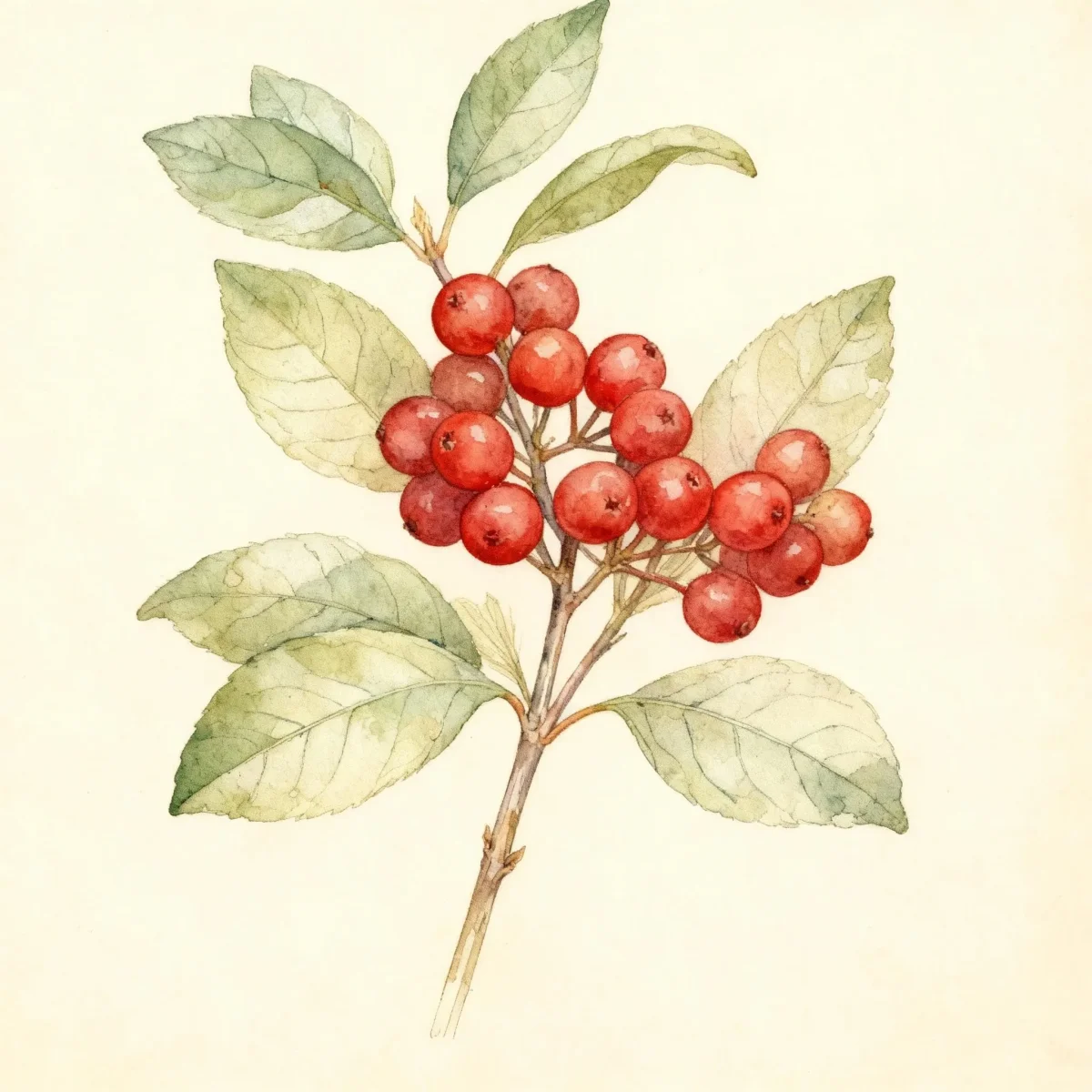
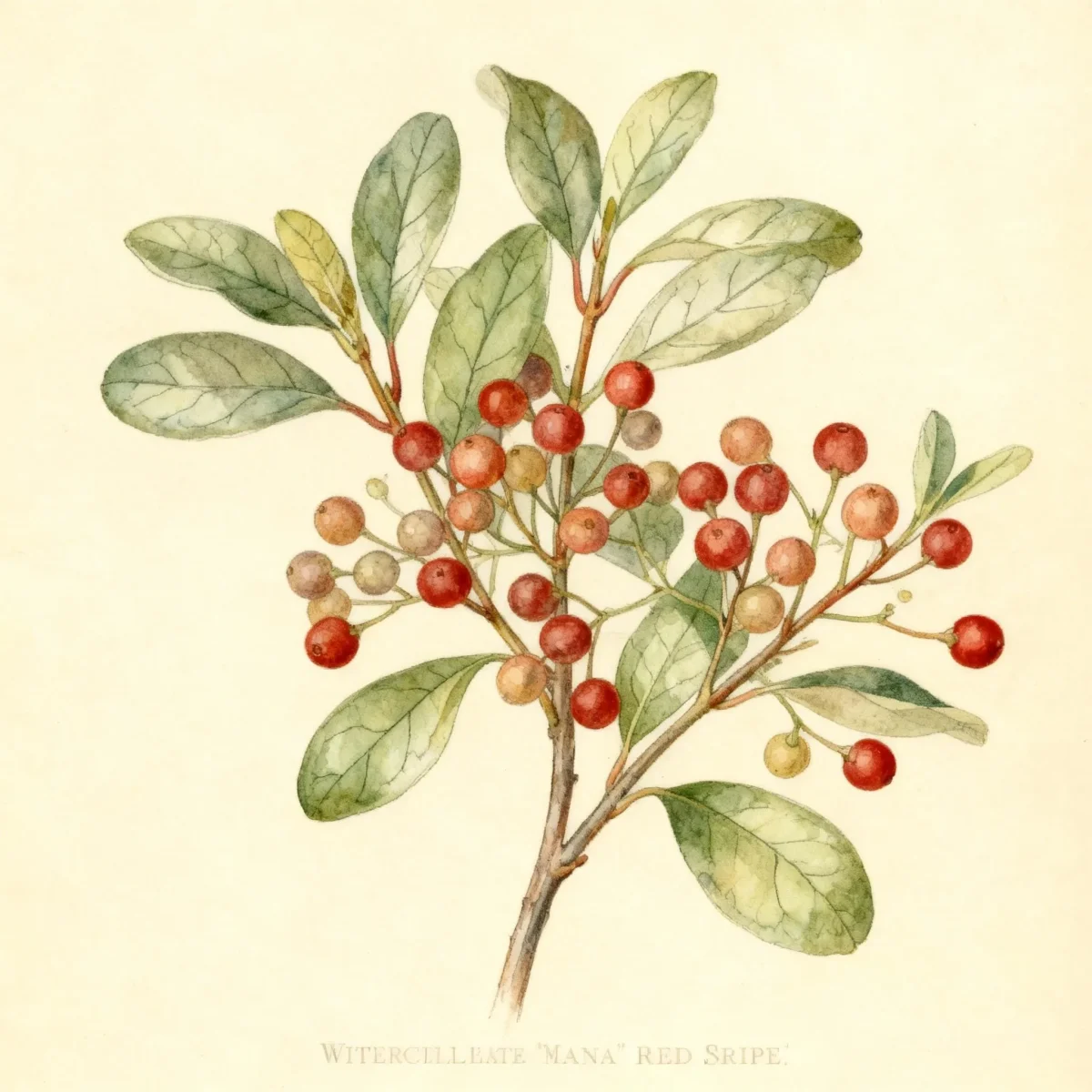
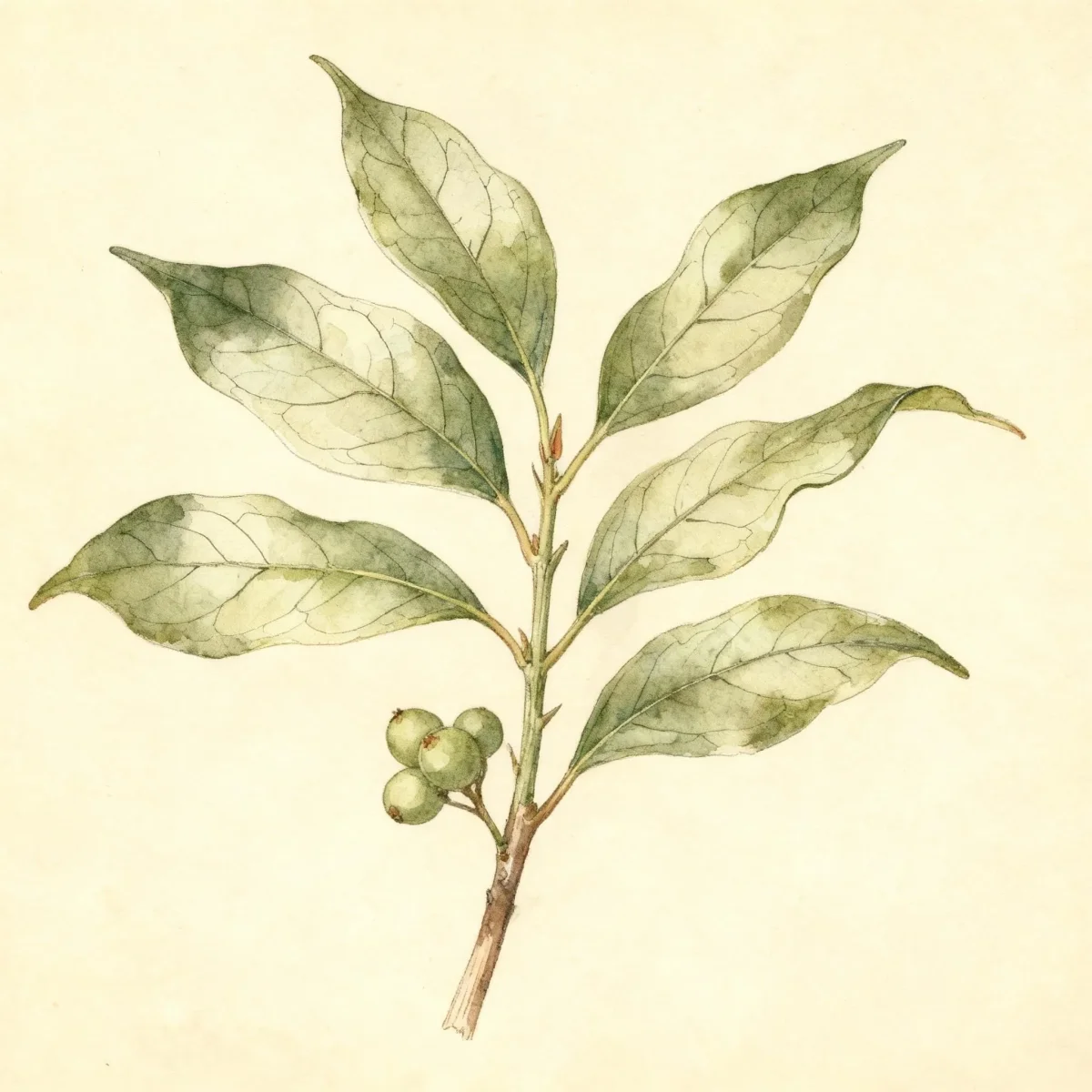
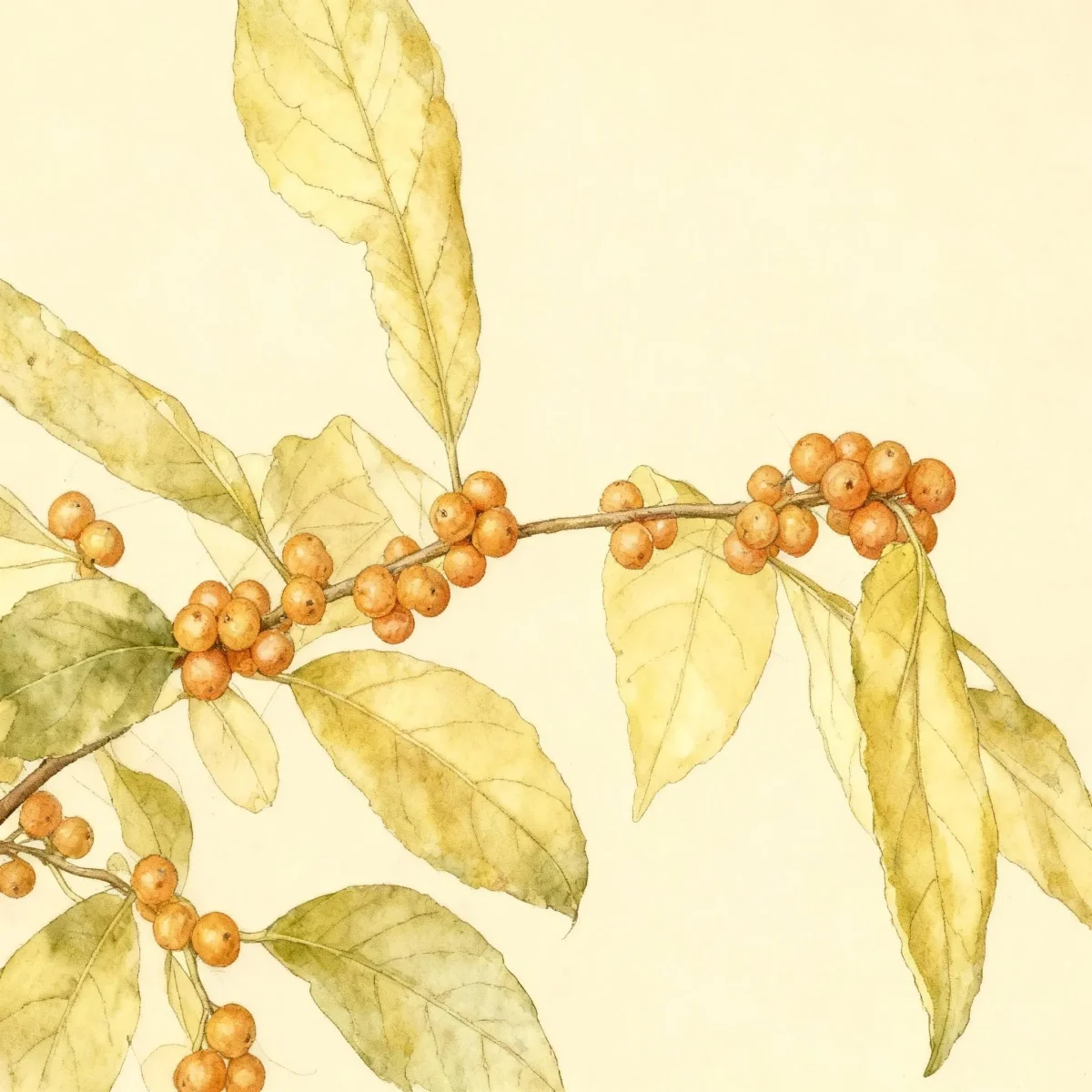
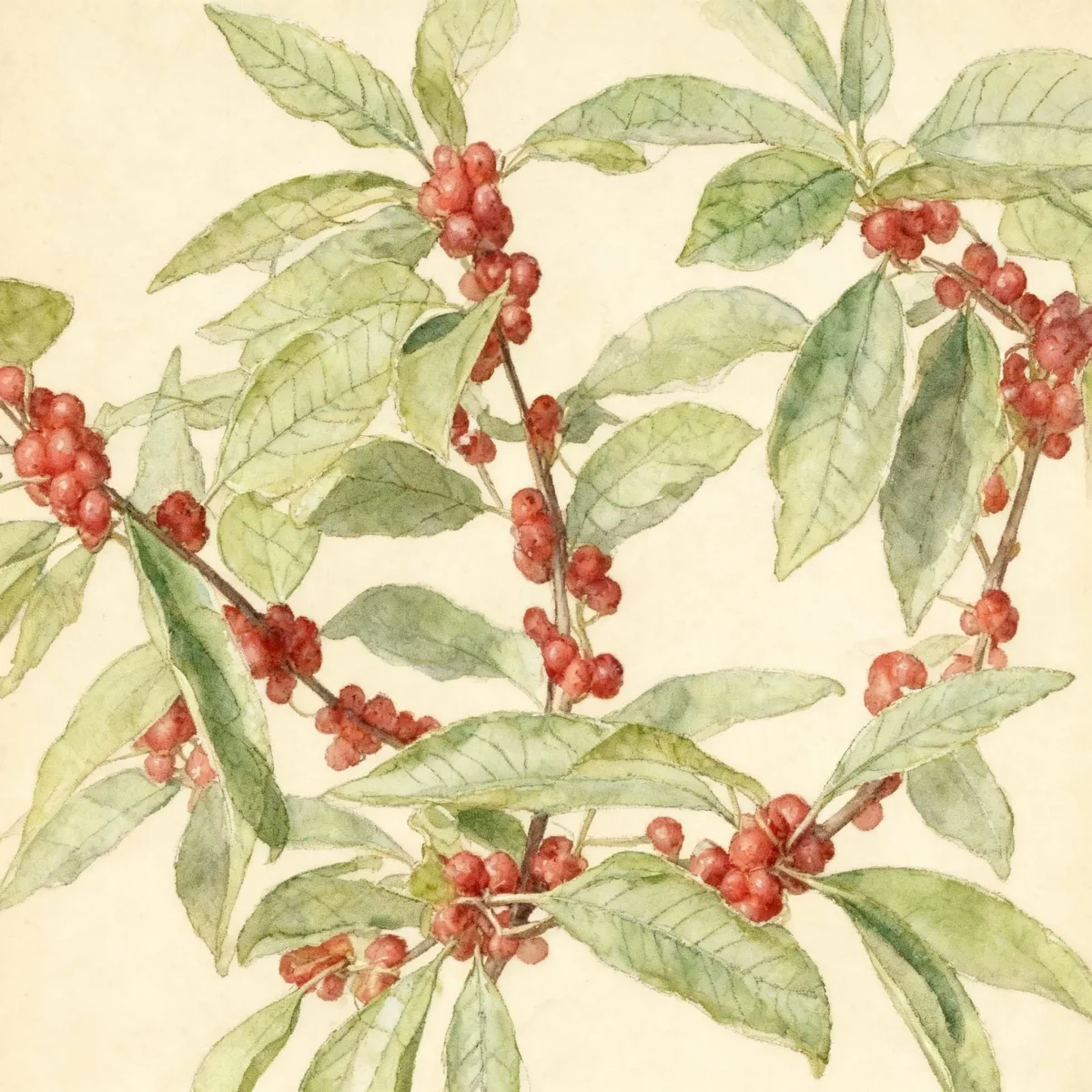
Winterberry (Ilex verticillata 'Afterglow')
Ilex verticillata 'Afterglow' offers spectacular winter interest with persistent orange-red berries on this compact Winterberry shrub.
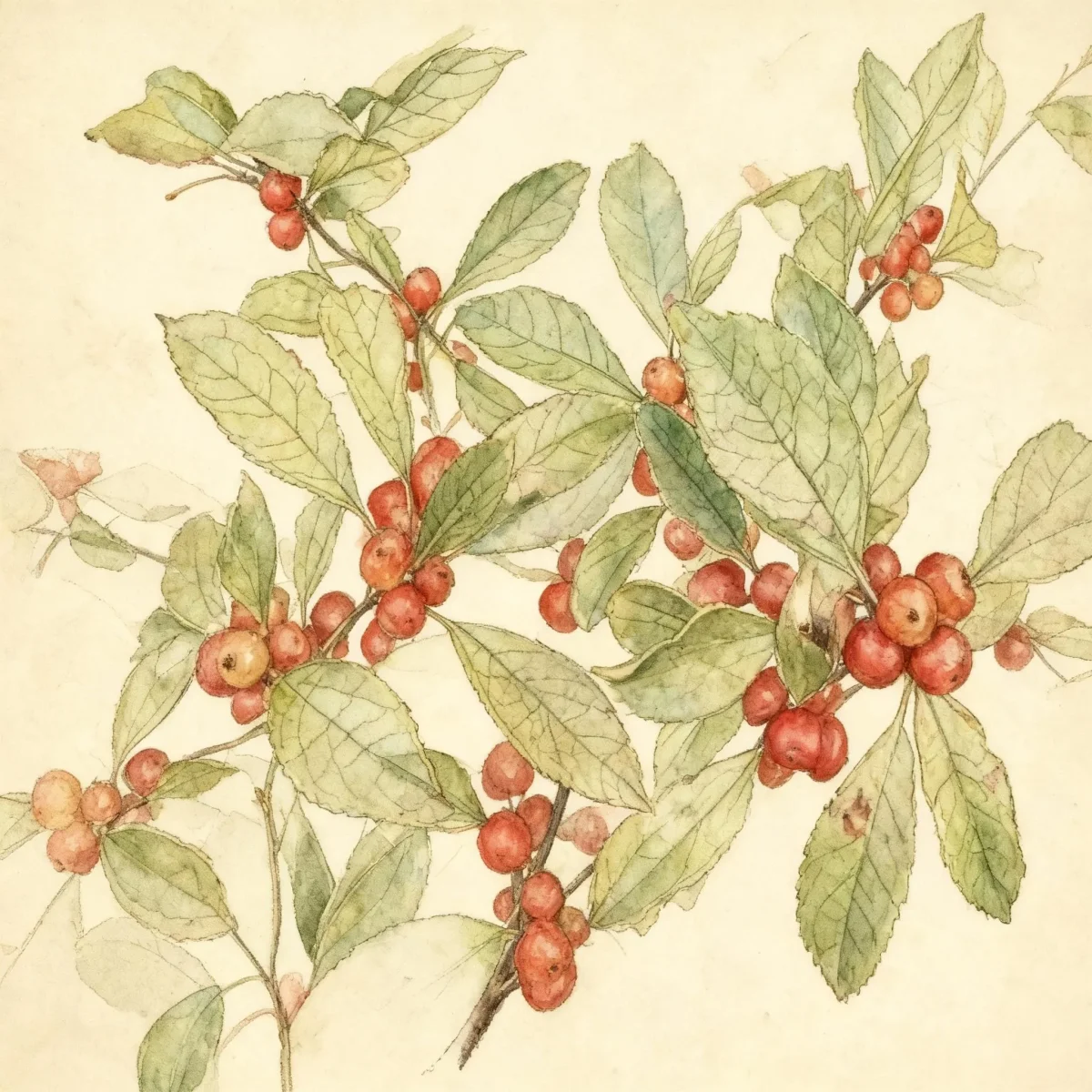

Bloom Boldly, No Matter the Season - Sweatshirt
Cozy organic cotton sweatshirt featuring our exclusive Purple Coneflower design. Perfect for gardeners who bloom year-round.
Inspired by the beautiful Winterberry
Limited first batch (50) — join the waitlist for early access
Waitlist closes Feb 15, 2026.
Complete Plant Information
Field Guide Continues
Ready for care notes, companion picks, and planting tips?
The map is just the start. The full guide below covers growth habits, seasonal performance, and landscape uses.
Overview
Ilex verticillata ‘Afterglow’ is a highly valued female cultivar prized for its dense, heavy fruiting that persists well into the winter, providing crucial color after leaf drop. This compact variety of Winterberry typically matures at a manageable size, making it perfect for smaller gardens or mass plantings where year-round structure is desired. As a deciduous holly, it offers significant habitat benefits alongside its outstanding aesthetic appeal, especially when appropriately pollinated.
This shrub thrives in moist, acidic conditions, echoing its native habitat in wet thickets and swamps across Eastern North America. It demonstrates remarkable adaptability, tolerating heavy or poorly drained soils, which earns it a spot in specialized landscape designs like rain gardens. Growing Ilex verticillata ‘Afterglow’ successfully means understanding its dioecious nature—a male pollinator is essential for achieving the signature ornamental display.
The appeal of ‘Afterglow’ lies in its reliability; the lustrous dark green summer foliage gives way to spectacular winter fruit retention. Gardeners seeking low-maintenance plants that deliver maximum seasonal impact should strongly consider adding this exceptional Winterberry to their landscape plans.
Fast Facts
- Plant Family: Aquifoliaceae
- Plant Type: Deciduous shrub
- Hardiness Zones: USDA Zones 3-9
- Size at Maturity:
- Height: 3-6 ft
- Spread: 3-6 ft
- Bloom Time: May to June
- Bloom Description: Greenish-white
- Sun Exposure: Full sun to part shade
- Water Needs: Medium to wet
- Maintenance Level: Low
How to Grow
Plant Ilex verticillata ‘Afterglow’ during the cooler seasons—spring or fall—to minimize transplant shock, placing it where it receives consistent moisture. It prefers average, acidic soils, though it is highly adaptable. Ensure the location permits full sun to part shade exposure; reduced light may result in fewer berries. This species demonstrates excellent tolerance for wet, boggy, or poorly drained ground, making it an ideal choice for challenging sites.
Maintenance is generally low for this hardy shrub. Water regularly until established, especially during dry spells, as it prefers medium to wet conditions. Fertilizing is rarely necessary unless the soil is extremely poor or alkaline, which should be avoided to prevent chlorosis. Pruning should be performed in early spring just before new growth begins, primarily to maintain shape or remove undesirable suckers.
Remember that ‘Afterglow’ is a female plant; successful fruiting relies entirely on nearby male Winterberry pollinators, such as ‘Jim Dandy’. One male plant can adequately service about six to eight female shrubs. Flowers appear on new wood, so any drastic late-season pruning will unintentionally remove potential berry sites for the coming winter.
Landscape Uses
Ilex verticillata ‘Afterglow’ excels where persistent winter color is paramount. Its compact, upright-rounded habit makes it superb for use in shrub borders, mass plantings, or as an informal screen due to its suckering tendencies. Due to its high water tolerance, it is one of the best foundational shrubs for rain gardens and along the edges of ponds or streams where other shrubs might struggle.
For year-round interest, pair the Winterberry with evergreen structures that will provide a strong visual contrast beneath the bare, berry-laden branches in winter. Consider using deciduous magnolias or witch hazel nearby, as they share similar soil needs and provide sequential bloom interest. Cut branches of Ilex verticillata ‘Afterglow’ are highly sought after for vibrant indoor winter arrangements.
This shrub is also naturally suited for native plant gardens and bird gardens, providing both structure and essential winter foraging for local wildlife. Mass planting the ‘Afterglow’ cultivar creates an intensely dramatic effect, maximizing the visual impact of the orange-red fruit display against the snow.
Standout Features
Flower Qualities
- Insignificant
Fruit Qualities
- Showy
Noteworthy Characteristics
Ilex verticillata, commonly known as Winterberry, is a slow-growing, deciduous holly noted for its upright-rounded habit. A distinguishing feature of the ‘Afterglow’ cultivar specifically is its dense, heavy fruiting of orange-red berries coupled with excellent fruit retention throughout the winter months. The dark green foliage turns an attractive yellow-bronze in the fall before dropping, setting the stage for the persistent berries.
Tolerances
- Erosion
- Clay Soil
- Wet Soil
- Air Pollution
Potential Problems
Ilex verticillata ‘Afterglow’ generally exhibits few serious insect or disease issues under favorable conditions. Occasional fungal concerns include leaf spots and powdery mildew, usually managed by ensuring good air circulation during planting. The most significant threat comes from soil chemistry; these plants perform poorly in neutral or alkaline soils. When pH is incorrect, the shrub becomes susceptible to chlorosis, characterized by yellowing leaves, which can eventually lead to plant decline. Amend soil annually with organic matter if you suspect alkalinity.
Frequently Asked Questions
What hardiness zones is Winterberry suitable for?
Ilex verticillata ‘Afterglow’ is robustly hardy across USDA Zones 3 through 9. Always confirm your garden’s zone before planting to ensure long-term success.
How large does Ilex verticillata ‘Afterglow’ grow?
This compact cultivar typically reaches a height and spread between 3 to 6 feet at maturity, making it smaller and denser than many standard Winterberry selections.
What sun exposure does Winterberry need?
This deciduous shrub performs best when situated in full sun, but it tolerates part shade conditions well. Note that heavy fruiting is most common with maximum sun exposure.
When does Ilex verticillata ‘Afterglow’ bloom?
The inconspicuous, greenish-white flowers appear relatively late, blooming between May and June. These flowers must be pollinated to develop the attractive fruit display seen later.
Conclusion
The Ilex verticillata ‘Afterglow’ offers unparalleled winter impact with its persistent, showy orange-red berries, ensuring color when the rest of the garden is dormant. This low-maintenance Winterberry variety is perfect for wet areas and provides substantial vertical interest. Before planting this stunning cultivar, ensure your site has acidic soil and proximity to a male pollinator partner for the best landscape performance.
Wildlife Benefits
As a native Eastern North American species, Winterberry supports local ecosystems actively, particularly during lean winter months. While the summer flowers are somewhat inconspicuous, they do attract small bees and flies, aiding in early-season pollination. The true wildlife value of Ilex verticillata ‘Afterglow’ is its persistent fruit, which serves as a critical, high-visibility food source for various bird species and mammals throughout winter and early spring.
Companion Planting
Because this Winterberry thrives in consistently moist, acidic soil, successful companion plants should share these environmental preferences while offering complementary visual appeal. Consider planting bog-loving perennials like blue flag iris (Iris versicolor) or various ferns near the base to enhance that naturalized, waterside aesthetic. Larger shade-tolerant shrubs or small trees that appreciate consistent moisture, such as certain varieties of native witch hazel or swamp roses, make excellent backdrop companions that do not compete heavily with the upright structure of the ‘Afterglow’.