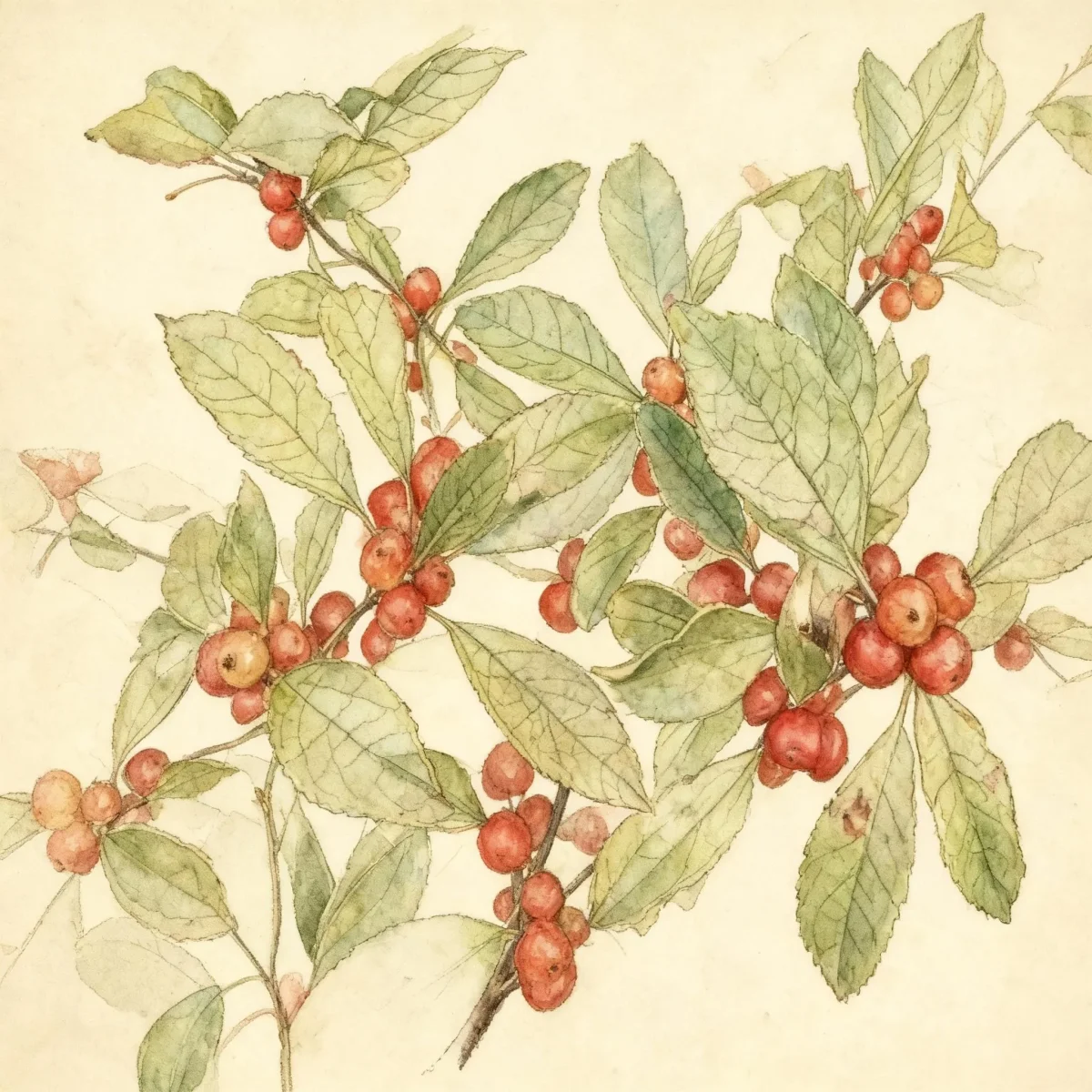
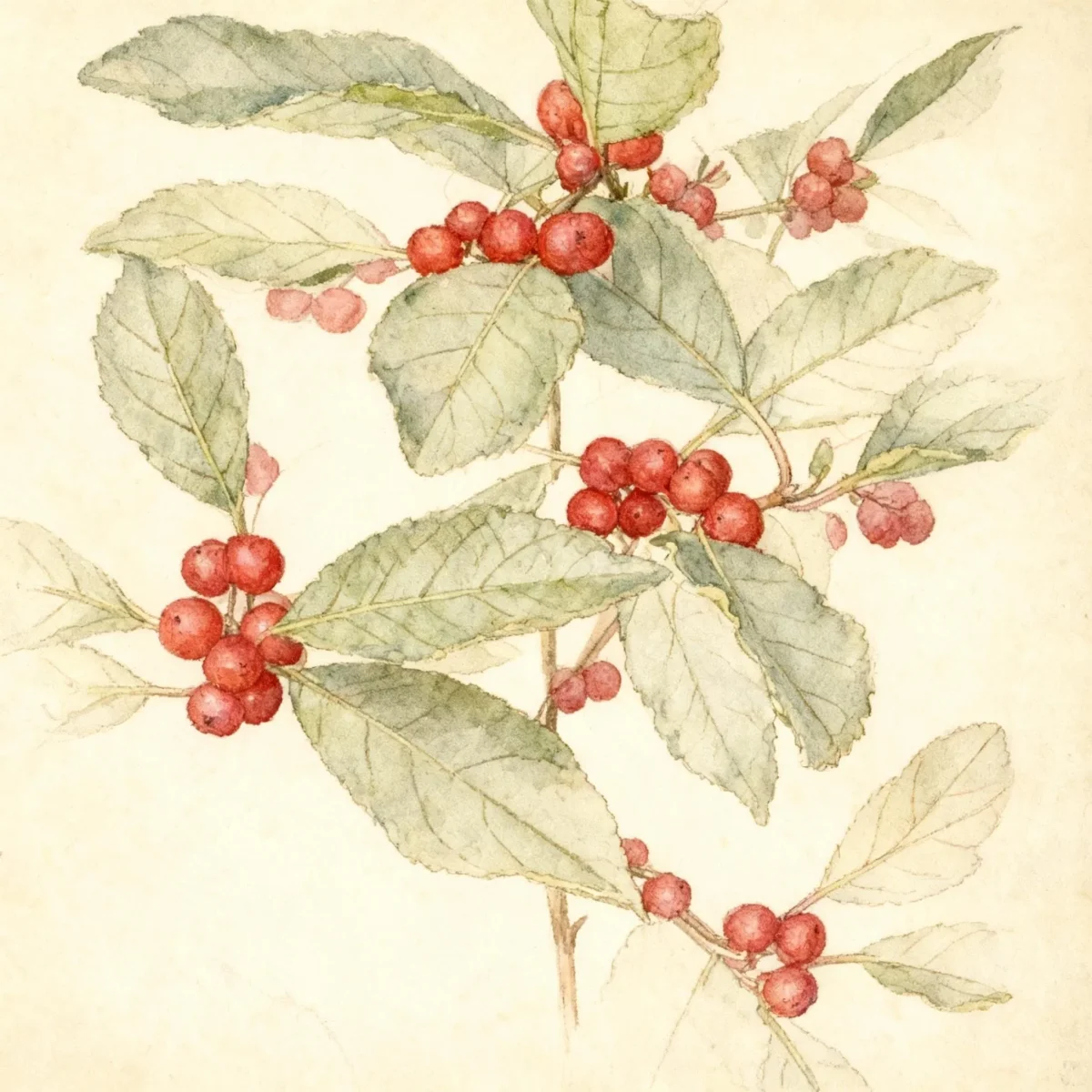
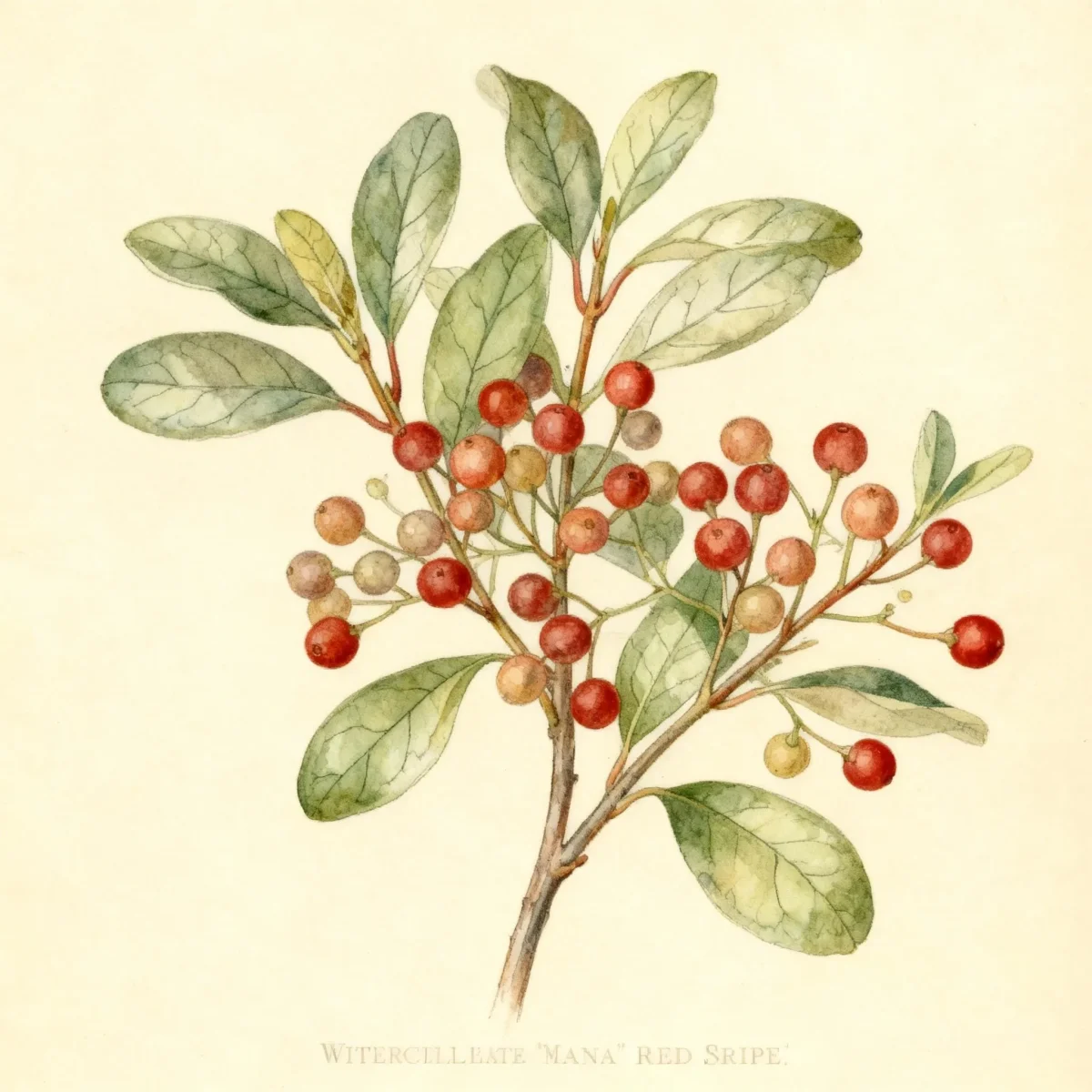
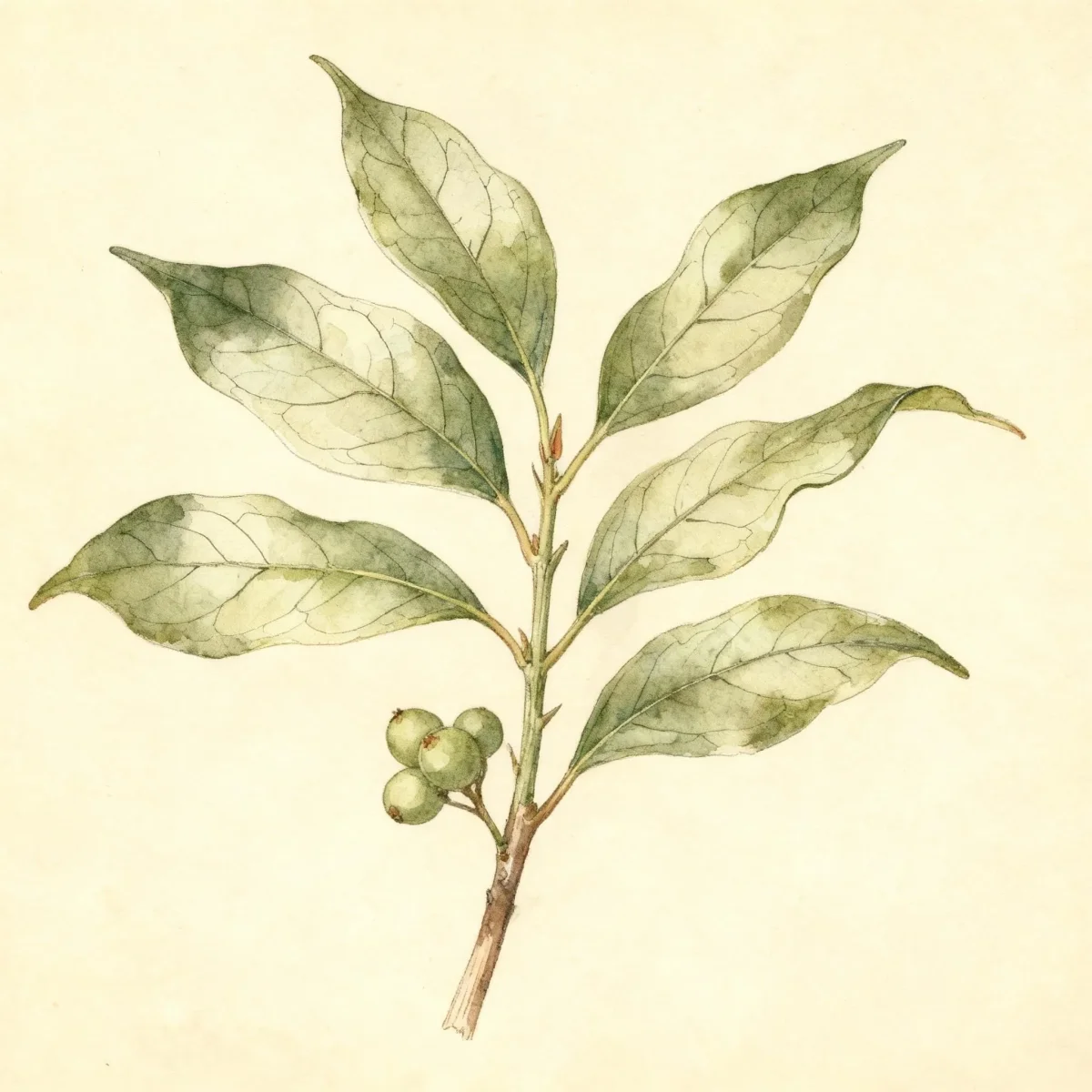
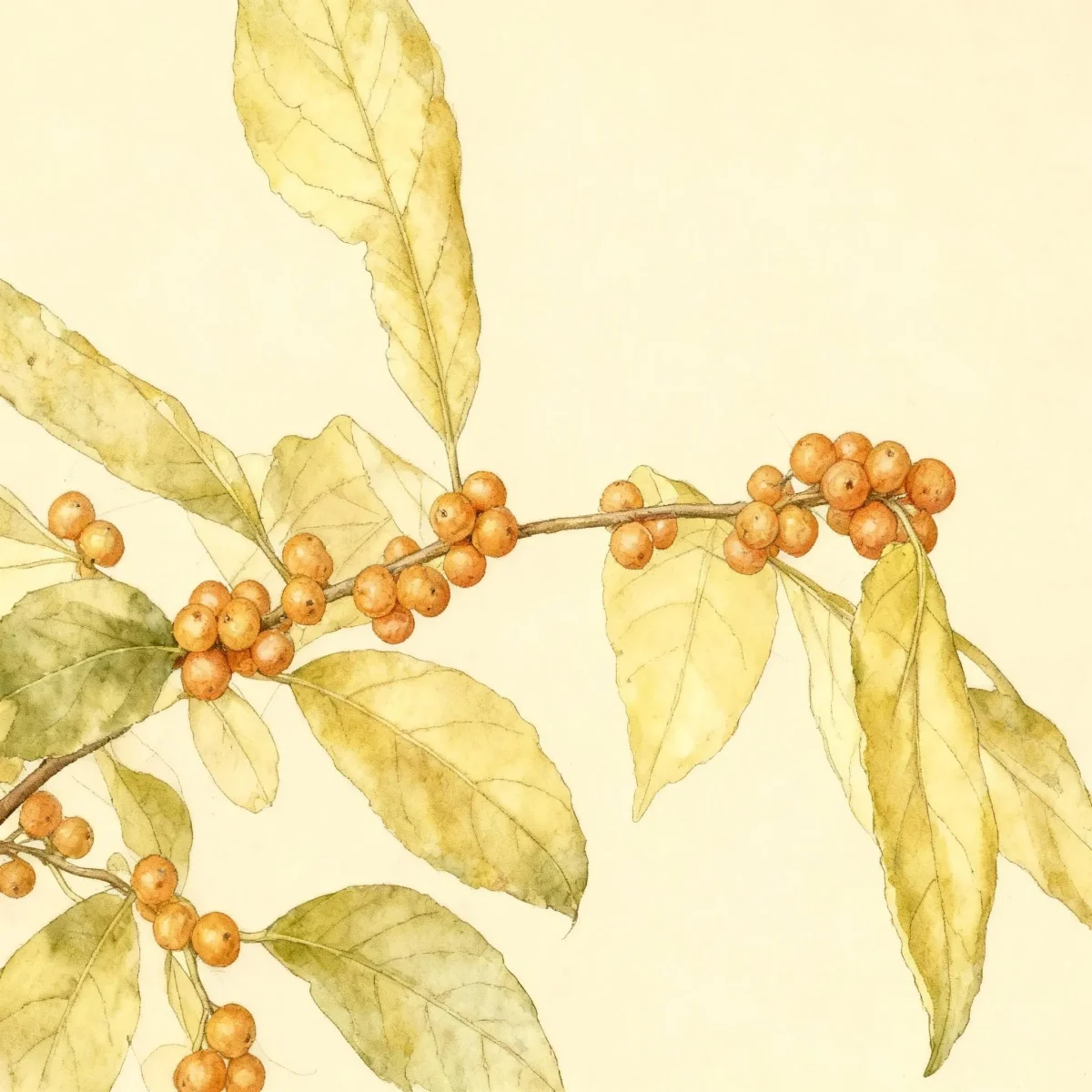
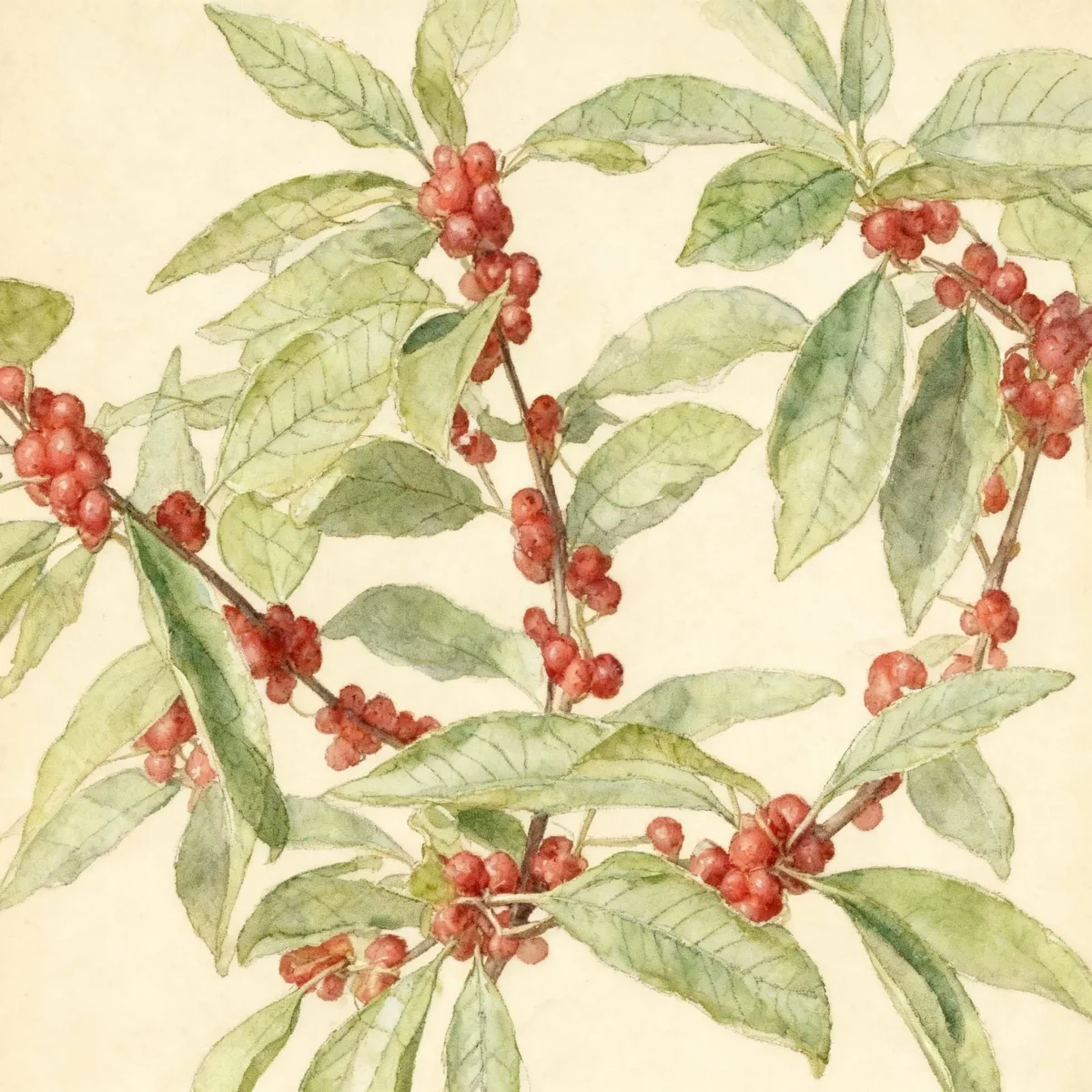
Winterberry (Ilex verticillata 'Jim Dandy')
Ilex verticillata 'Jim Dandy' is a low-maintenance, male Winterberry pollinator shrub, thriving in wet, acidic soils in Zones 3-9.
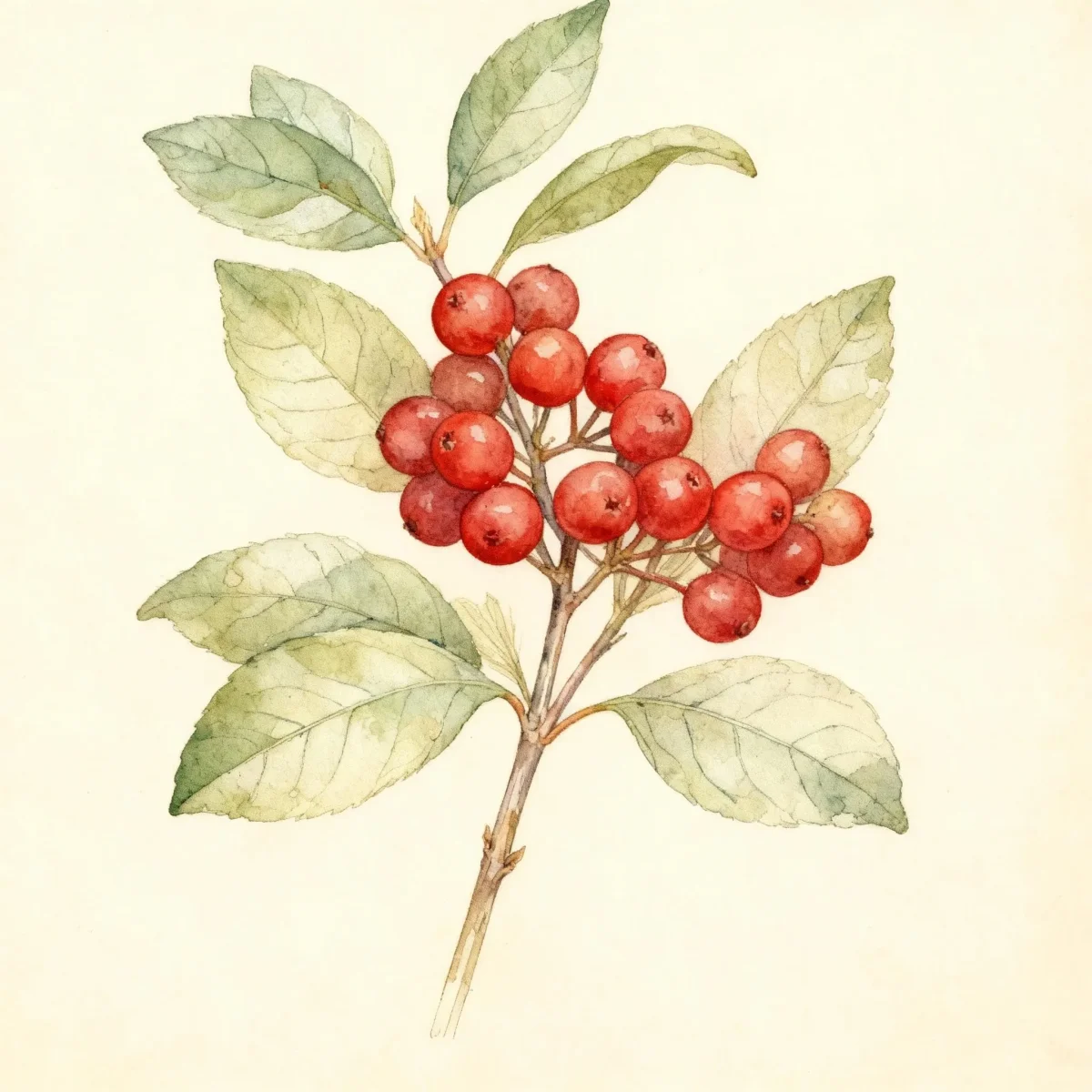

Bloom Boldly, No Matter the Season - Sweatshirt
Cozy organic cotton sweatshirt featuring our exclusive Purple Coneflower design. Perfect for gardeners who bloom year-round.
Inspired by the beautiful Winterberry
Limited first batch (50) — join the waitlist for early access
Waitlist closes Feb 15, 2026.
Complete Plant Information
Field Guide Continues
Ready for care notes, companion picks, and planting tips?
The map is just the start. The full guide below covers growth habits, seasonal performance, and landscape uses.
Overview
The Ilex verticillata ‘Jim Dandy’, commonly known as Winterberry, is a vital, easy-to-grow deciduous shrub valued for its structural contribution to the winter landscape once the foliage drops. While this specific cultivar does not produce the showy red fruit associated with female plants, its primary horticultural role is essential: acting as a reliable pollinator. This hardy shrub adapts well to challenging conditions, particularly moist to wet soils where many other ornamentals fail.
As a male cultivar, Ilex verticillata ‘Jim Dandy’ ensures fruit set for surrounding female Winterberry plants, making it indispensable in mixed plantings designed for winter interest. Its upright, rounded habit provides consistent structure throughout the growing season before its leaves provide negligible fall color. Gardeners should select this dwarf Winterberry when looking for low-maintenance screening or bog garden enhancement.
Fast Facts
- Plant Family: Aquifoliaceae
- Plant Type: Deciduous shrub
- Hardiness Zones: USDA Zones 3-9
- Size at Maturity:
- Height: 3-6 ft
- Spread: 4-8 ft
- Bloom Time: June to July
- Bloom Description: Dull white
- Sun Exposure: Full sun to part shade
- Water Needs: Medium to wet
- Maintenance Level: Low
How to Grow
Planting Ilex verticillata ‘Jim Dandy’ should occur when dormant, either in early spring or fall, to minimize transplant shock. This shrub thrives in average, acidic soils, though it is highly adaptable to both light and heavy textures. The key requirement is moisture; site the plant in full sun or partial shade where soil remains consistently moist, making it perfect for rain gardens or near water features.
Care is straightforward due to its low maintenance rating. Although it prefers moist, organic loam, it shows excellent tolerance for poorly drained, boggy, or swampy sites, reflecting its native habitat in eastern North America. Fertilization is rarely necessary if the soil is organically rich and acidic. Remember that flowers appear on new growth, and since this is a deciduous holly, prune to shape only in early spring just as new growth starts threatening to emerge.
Because Ilex verticillata ‘Jim Dandy’ is exclusively a male pollinator, its function dictates its placement relative to female cultivars like ‘Red Sprite’. One male plant is usually sufficient to successfully pollinate a significant cluster—up to 9 or 10—of female fruiting plants. Avoid planting this dwarf Winterberry in highly alkaline soils, as this can induce chlorosis and significantly reduce plant vigor.
Landscape Uses
The primary recommendation for Ilex verticillata ‘Jim Dandy’ is its role as a non-fruiting pollinator, making it a behind-the-scenes hero for winter berry displays. However, its medium height (3-6 ft) and dense structure allow it to function effectively as informal hedging or screening where moist conditions prevail. For sustainable landscapes, this shrub is excellent in rain gardens, absorbing excess moisture runoff while providing multi-season structure.
When designing, place ‘Jim Dandy’ strategically within pollinating range of several female Winterberry shrubs to maximize the red berry display later in the year. This deciduous holly pairs well with other moisture-loving native plants such as certain Physocarpus varieties or moisture-tolerant Hydrangea species in the understory. Its robust nature ensures that wet borders or the edges of naturalized areas remain visually interesting even during deep winter dormancy.
Standout Features
Flower Qualities
- Insignificant
Noteworthy Characteristics
Ilex verticillata, commonly called winterberry, is a deciduous holly native to eastern North America, often found in swampy thickets and along stream banks. This specific cultivar, ‘Jim Dandy’, has an upright, rounded habit and is valued because its relatively inconspicuous flowers appear over an extended period, effectively pollinating nearby females. While its foliage color is not a major feature, its structure provides essential garden architecture when snow blankets the landscape.
Tolerances
- Erosion
- Clay Soil
- Wet Soil
- Air Pollution
Potential Problems
Ilex verticillata ‘Jim Dandy’ generally exhibits few serious insect or disease issues, which contributes to its low maintenance profile. However, gardeners might occasionally observe surface fungal problems like leaf spots or powdery mildew, especially in areas with high humidity and limited air circulation. Proper siting—ensuring adequate sun exposure and spacing—can mitigate these fungal risks.
The most significant cultural issue arises from incorrect soil pH. Plants perform poorly in neutral or alkaline soils, frequently suffering from chlorosis, recognizable by yellowing leaves, which signals nutrient lockout, frequently iron deficiency. To prevent this, amend the soil with sulfur or peat moss before planting to ensure the required acidic conditions are met, safeguarding the long-term health of your Winterberry.
Frequently Asked Questions
What hardiness zones is Winterberry suitable for?
This versatile shrub, including the Ilex verticillata ‘Jim Dandy’ cultivar, is hardy across USDA Zones 3-9, offering wide compatibility across many regions.
How large does Ilex verticillata ‘Jim Dandy’ grow?
This dwarf male cultivar typically matures to a manageable height between 3 to 6 feet tall, with a spread ranging from 4 to 8 feet wide.
What sun exposure does Ilex verticillata ‘Jim Dandy’ need?
For optimal performance as a pollinator, this Winterberry variety requires full sun to partial shade conditions.
When does Winterberry bloom?
The inconspicuous flowers of the Ilex verticillata ‘Jim Dandy’ appear relatively late, blooming from June through July, often producing a dull white color.
Conclusion
The Ilex verticillata ‘Jim Dandy’ is arguably one of the most practical male shrubs for any landscape that experiences consistently moist soil conditions. This robust, low-maintenance Winterberry guarantees successful fruit production on nearby female plants, offering essential late-season interest. Before planting, confirm your soil is acidic and adequately wet, ensuring this crucial pollinator thrives for years to come.
Companion Planting
Selecting companions that share the love for acidic, moist soil environments ensures a cohesive and thriving habitat grouping. Consider planting the Ilex verticillata ‘Jim Dandy’ near native ferns that appreciate damp shade or moisture-loving evergreens like certain Rhododendron or Azalea varieties, provided they receive adequate sun exposure. These companions will tolerate the same wet feet that the Winterberry demands, preventing root competition for drier-loving plants.
For areas receiving full sun, moisture-tolerant grasses or the upright structure of Clethra alnifolia (Summersweet) make excellent partners. These plants thrive in the same acidic range and will not compete with the root zone of the Winterberry, allowing the shrub to focus energy on producing the structure necessary for successful pollination rather than struggling against incompatible soil requirements.
Wildlife Benefits
Although Ilex verticillata ‘Jim Dandy’ is a male plant and lacks berries, its flowers still provide ecological service during their June and July bloom time. These small, whitish flowers are attractive to small native bees and various flies that serve as crucial early-season pollinators. By supporting these insects, this Winterberry indirectly contributes to the overall health of the garden ecosystem, preparing the way for the later fruit set on its female counterparts.
Furthermore, the dense, woody structure of this deciduous holly offers excellent winter shelter for small birds and beneficial insects once the leaves have dropped. Its presence establishes a foundational structure in the garden that remains beneficial year-round, even when it is not actively flowering or setting fruit.