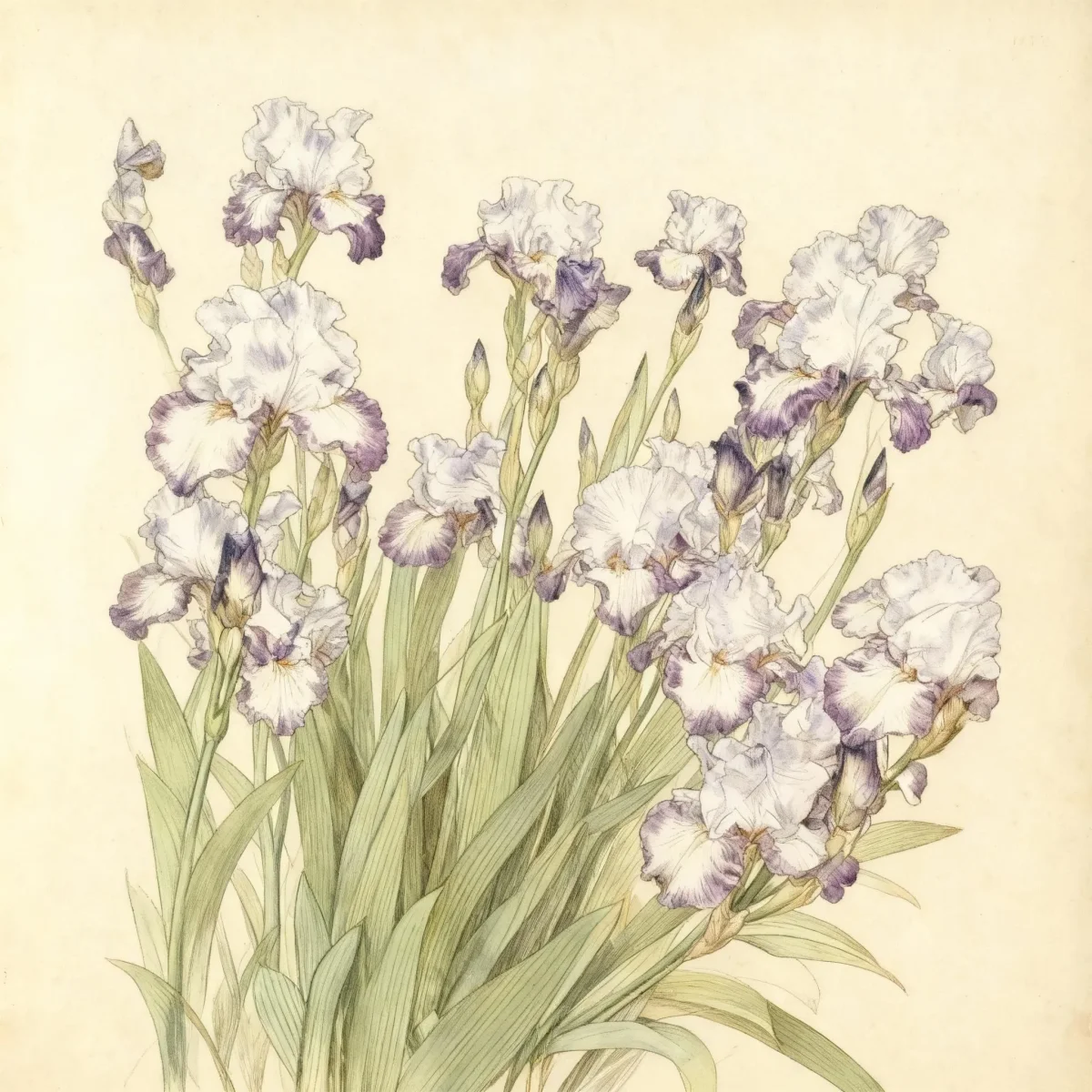
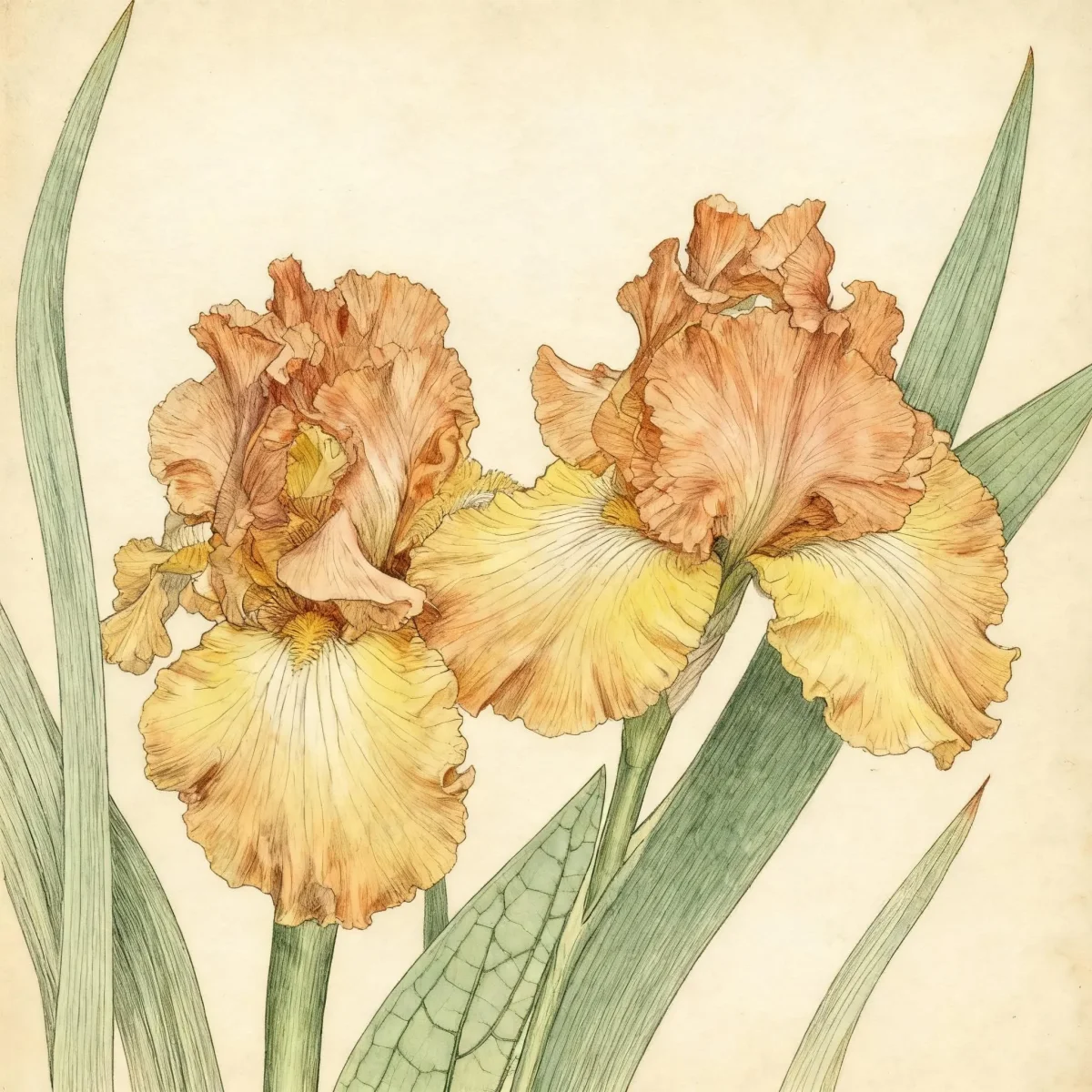
Tall bearded iris (Iris 'America's Cup')
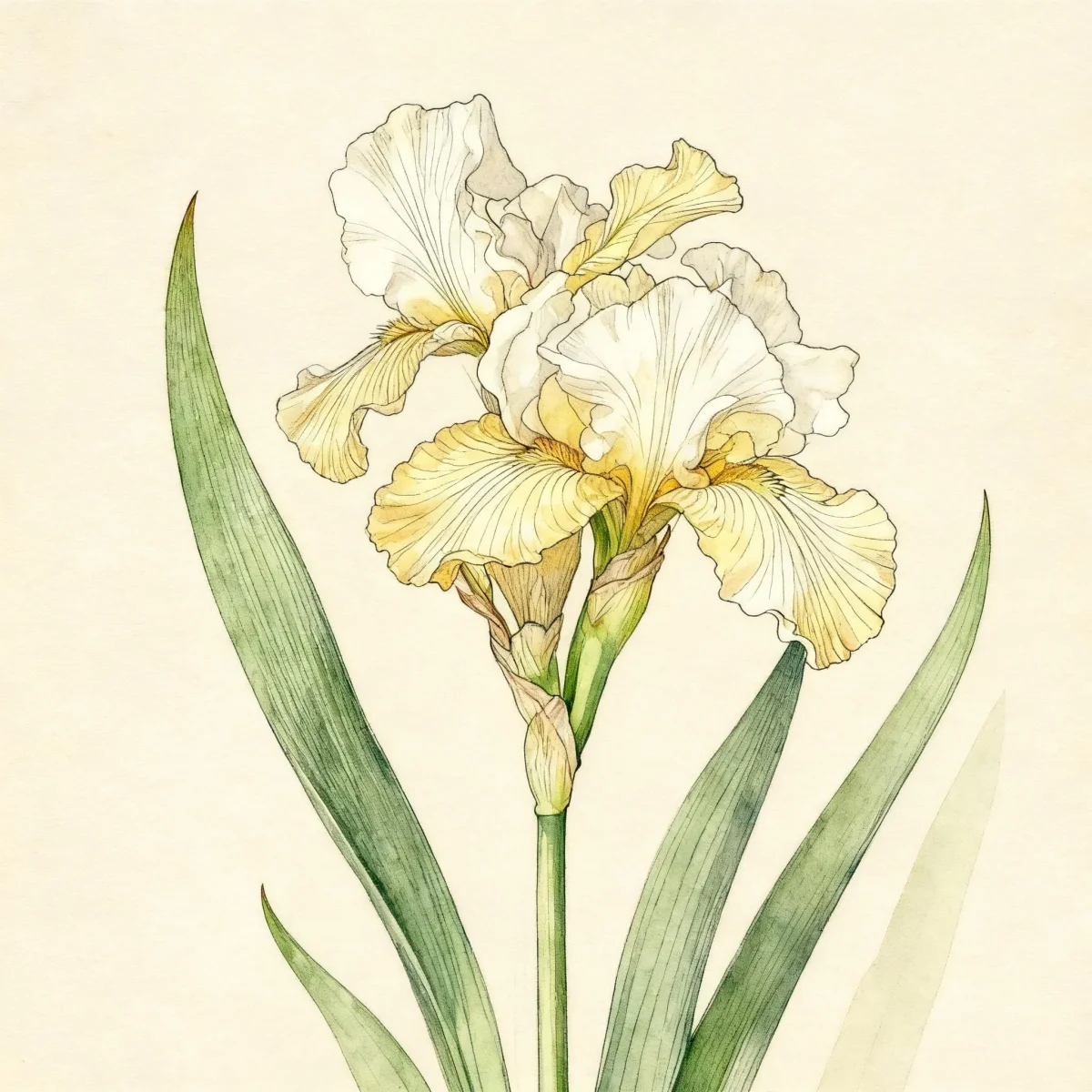
Iris 'America's Cup' is a showy, fragrant Tall bearded iris perfect for borders, blooming white in spring in zones 3-10.
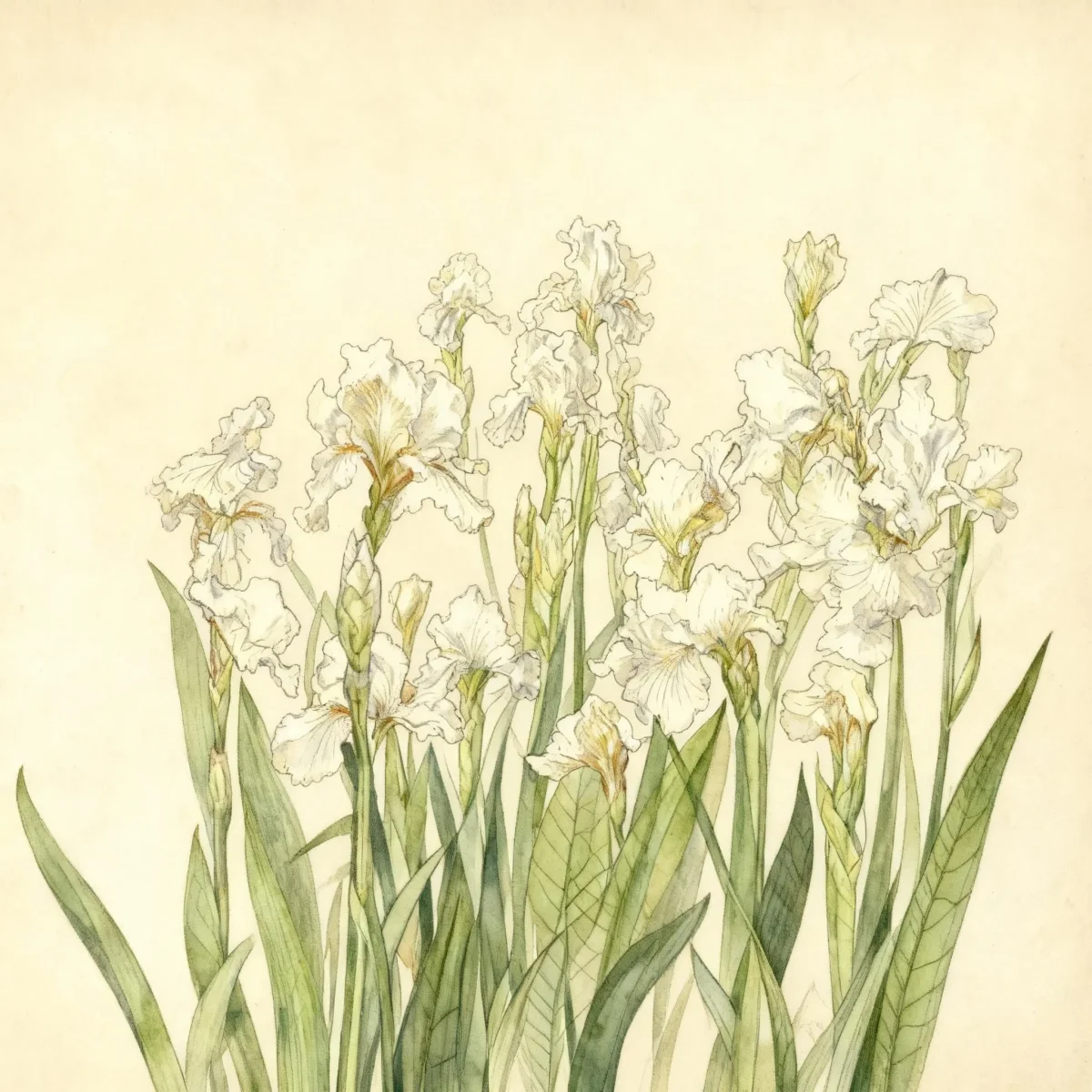

Bloom Boldly, No Matter the Season - Sweatshirt
Cozy organic cotton sweatshirt featuring our exclusive Purple Coneflower design. Perfect for gardeners who bloom year-round.
Inspired by the beautiful Tall bearded iris
Limited first batch (50) — join the waitlist for early access
Waitlist closes Feb 15, 2026.
Complete Plant Information
Field Guide Continues
Ready for care notes, companion picks, and planting tips?
The map is just the start. The full guide below covers growth habits, seasonal performance, and landscape uses.
Overview
This stunning Tall bearded iris, Iris ‘America’s Cup’, brings striking vertical accents and beautiful white blooms to the spring garden. As a reliable herbaceous perennial, it is valued by gardeners for its robust nature and easily cultivated rhizomatous clumps that return year after year. The ruffled white flowers, complemented by a notable fragrance, make Iris ‘America’s Cup’ a highly desirable addition to perennial plantings.
These tall structures reach up to three feet, providing excellent mid-to-back border interest, and thrive when given the full sun they require. Proper planting depth is key, as the thick, fleshy rhizomes need excellent drainage to prevent rot, a common concern with this otherwise hardy group of plants.
The genus, named for the Greek goddess of the rainbow, offers an almost limitless palette; however, Iris ‘America’s Cup’ stands out with its elegant, pure white presentation. Gardeners seeking drama, fragrance, and low-maintenance perennials will find Iris ‘America’s Cup’ a rewarding choice for sunny locations.
Fast Facts
- Plant Family: Iridaceae
- Plant Type: Herbaceous perennial
- Hardiness Zones: USDA Zones 3-10
- Size at Maturity:
- Height: 2.5-3 ft
- Spread: 1-2 ft
- Bloom Time: May
- Bloom Description: White
- Sun Exposure: Full sun
- Water Needs: Medium
- Maintenance Level: Medium
How to Grow
Successful cultivation of Iris ‘America’s Cup’ centers around excellent drainage and adequate sunlight. Grow rhizomatous irises in average, medium moisture, well-drained soils, ensuring they receive full sun for the best bloom production, though they can tolerate some part afternoon shade, especially in very hot climates. Prioritize consistent moisture from spring until six weeks after flowering ceases, though they exhibit some drought tolerance once fully established.
Rhizomes should be planted shallowly between late July and October, depending on your winter severity, with spacing between 12 to 20 inches apart. Crucially, plant each rhizome atop a baseball-sized mound of soil, ensuring one-third of the rhizome is exposed above the soil line, with roots spread horizontally beneath it for stability. If you have heavy clay or high rainfall areas, planting on slopes or in raised beds is highly recommended to actively discourage rhizome rot.
Over time, clumps of this Tall bearded iris will spread and may become overcrowded, leading to sparse flowering. If this occurs, lift the clump in late summer (August) using a garden fork, divide the rhizomes, and promptly replant the healthiest divisions. Maintaining a clean bed, free of debris and weeds, especially after the first fall frost, is the most important cultural practice for preventing pests and diseases.
Landscape Uses
Tall bearded irises, including the classic Iris ‘America’s Cup’, are highly versatile elements in sunny landscape designs. They are best utilized when grouped or massed to create impactful drifts of color and texture within perennial beds or along foundation plantings where they receive ample direct light. Their upright, sword-shaped green foliage provides structure even when the plants are not in bloom.
Consider utilizing Iris ‘America’s Cup’ alongside plants that share similar sun and drainage needs, such as Catmint (Nepeta) or ornamental alliums, which will complement the iris form without overcrowding the base. Their height makes them perfect for the middle ground of a mixed border, situated in front of taller shrubs or at the rear of smaller perennials that will spill softly over the soil surface without shading the rhizomes.
Standout Features
Flower Qualities
- Showy
- Fragrant
Noteworthy Characteristics
Tall Bearded Iris is a rhizomatous iris class whose numerous hybrid cultivars grow to heights above 27.5” tall featuring two or more branches and 7 or more blossoms per stem with flowers spreading to more than 5” wide. Each flower has upright standards and pendant falls. ‘America’s Cup’ is a tall bearded iris that typically grows to 40” tall and slowly spreads by rhizomes, presenting fragrant, white, ruffled flowers with white beards during the spring bloom period. These plants typically form tidy clumps in the garden setting over time, supported by their substantially erect, linear green leaves.
Tolerances
- Deer
Potential Problems
Potential issues for Iris ‘America’s Cup’ include common iris diseases like leaf spot, bacterial soft rot, crown rot, and root rot, alongside mosaic viruses. Pests to watch for include slugs, snails, whiteflies, aphids, thrips, and the highly damaging iris borer. The single most effective defense strategy against both pests and diseases is rigorous sanitation; promptly destroy all diseased foliage or rhizomes and perform a thorough annual clean-up of garden debris in the fall after the first frost. Cultural issues—such as rhizomes planted too deep, insufficient sunlight, over-fertilization, or overcrowding—are the most frequent reasons a Bearded Iris fails to flower robustly.
Frequently Asked Questions
What hardiness zones is Tall bearded iris suitable for?
Iris ‘America’s Cup’ thrives in USDA Hardiness Zones 3 through 10.
How large does Iris ‘America’s Cup’ grow?
This Tall bearded iris typically reaches a modest height between 2.5 and 3 feet, with a spread of 1 to 2 feet.
What sun exposure does Iris ‘America’s Cup’ need?
For optimal performance and heavy blooming, Iris ‘America’s Cup’ requires full sun exposure.
When does Tall bearded iris bloom?
The bloom time for this cultivar is listed as May, producing beautiful white flowers.
Conclusion
Iris ‘America’s Cup’ offers gardeners the classic elegance of the bearded iris, distinguished by its clean white, fragrant blooms and moderate size suitable for most sunny borders. Its robust nature, provided diligent attention is paid to drainage, ensures a reliable return year after year. Before planting, confirm that your location falls within the USDA Zones 3-10 range and plan installation during the recommended late summer to fall window for best establishment.
Companion Planting
When selecting companions for this Tall bearded iris, focus on plants that thrive in high-sun areas and do not require heavy summer watering, which can increase the risk of rhizome rot. Low-growing herbs or silver-leaved plants make excellent foreground anchors, providing textural contrast beneath the strong vertical lines of the iris foliage. Good neighbors often include perennial Salvias, Echinacea (Coneflower), or hardy Geraniums, ensuring all inhabitants share the need for well-drained soil conditions.
Seasonal Care Calendar
Spring care involves promptly removing any dead foliage left over from winter cleanup to improve air circulation around the emerging fans of Iris ‘America’s Cup’. Once blooming concludes in late spring/early summer, deadhead spent flower stalks immediately, but leave the foliage intact as it is essential for the rhizome to store energy for the next season. Summer focus should be on weeding carefully, ensuring you do not disturb the shallowly planted rhizomes, and adjusting water based on heat severity, moving toward less water six weeks post-bloom.