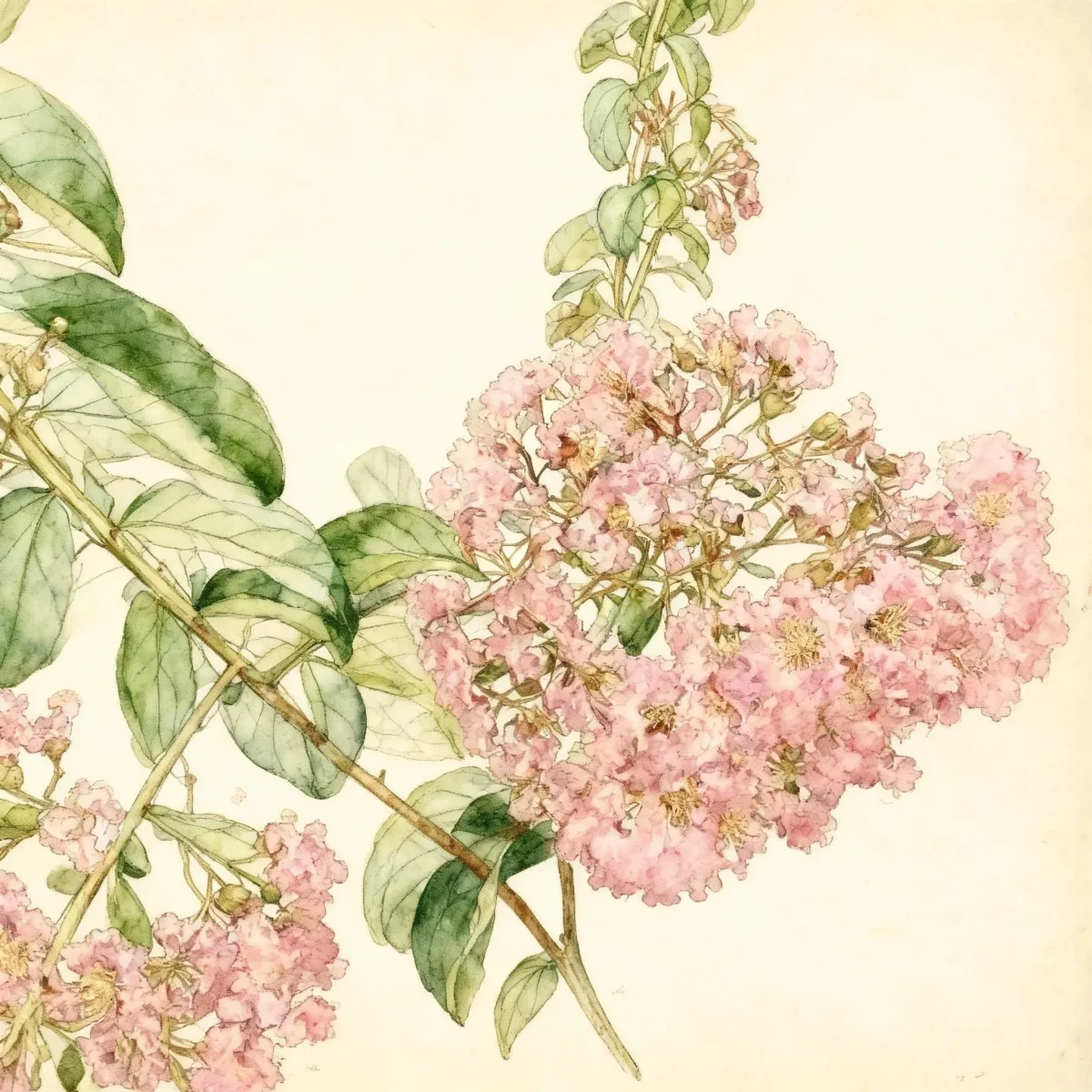
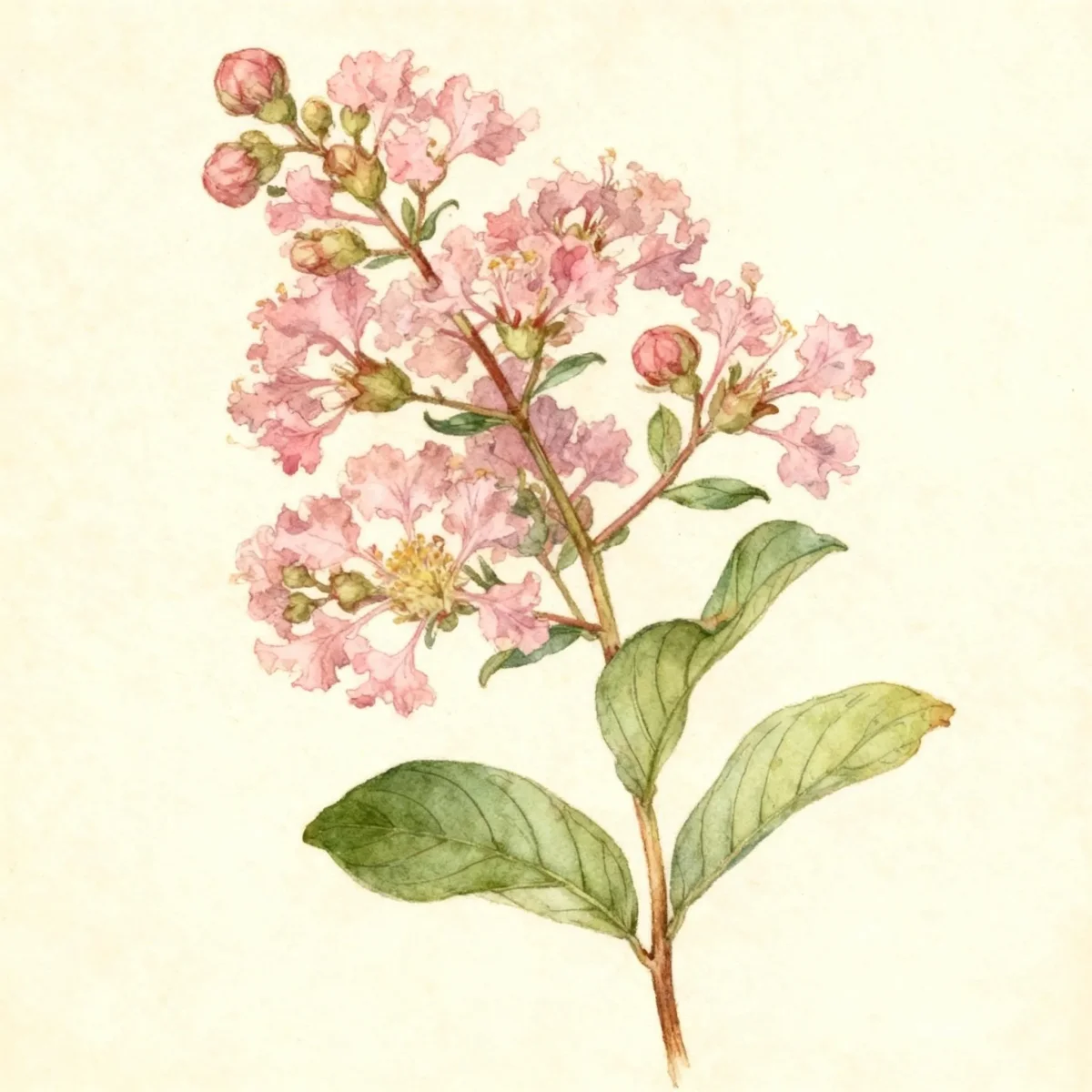
Crape myrtle (Lagerstroemia 'Comanche')
The Lagerstroemia 'Comanche' Crape myrtle offers stunning coral pink summer blooms and exfoliating bark, suitable for Zones 6-9.

Bloom Boldly, No Matter the Season - Sweatshirt
Cozy organic cotton sweatshirt featuring our exclusive Purple Coneflower design. Perfect for gardeners who bloom year-round.
Inspired by the beautiful Crape myrtle
Limited first batch (50) — join the waitlist for early access
Waitlist closes Feb 15, 2026.
Complete Plant Information
Field Guide Continues
Ready for care notes, companion picks, and planting tips?
The map is just the start. The full guide below covers growth habits, seasonal performance, and landscape uses.
Overview
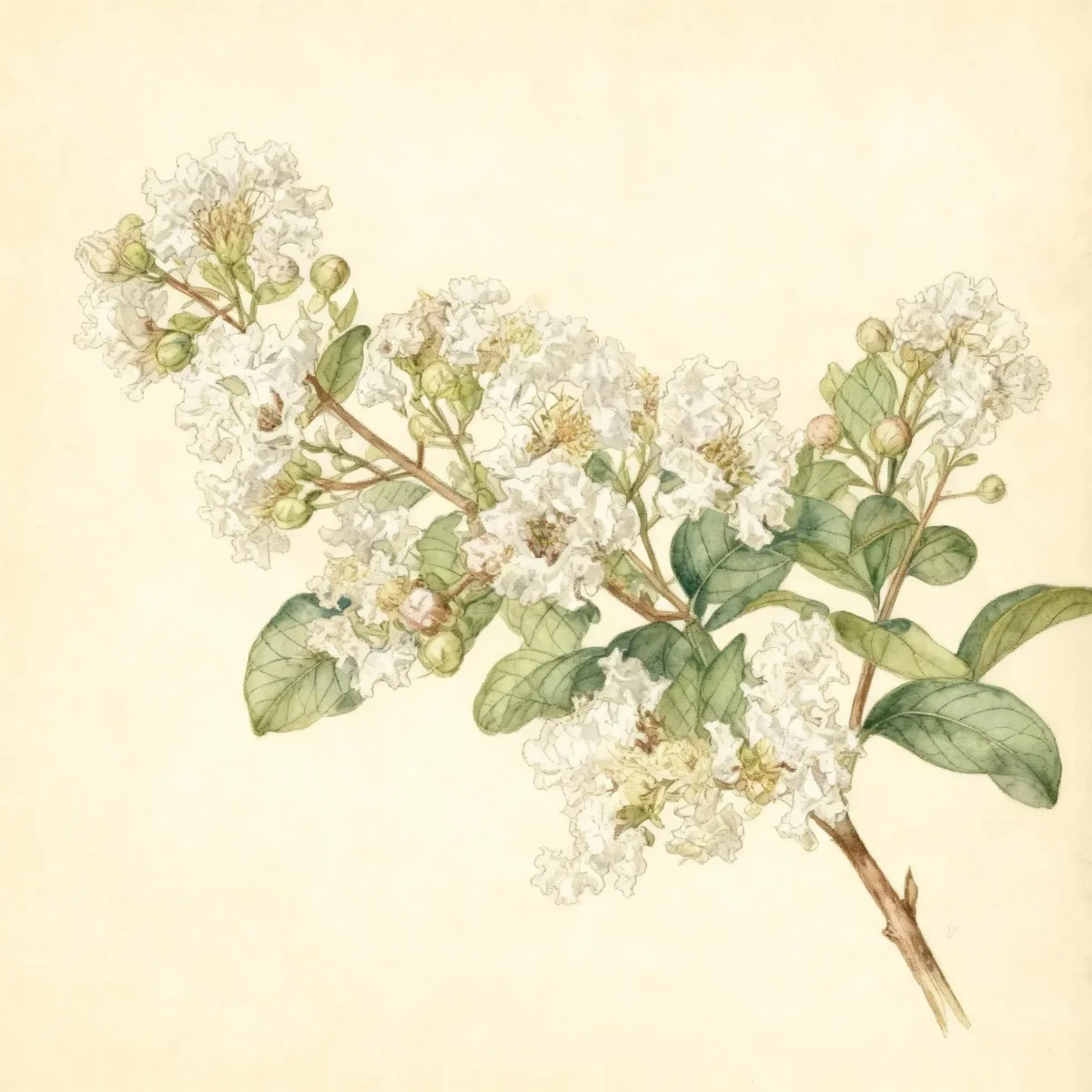
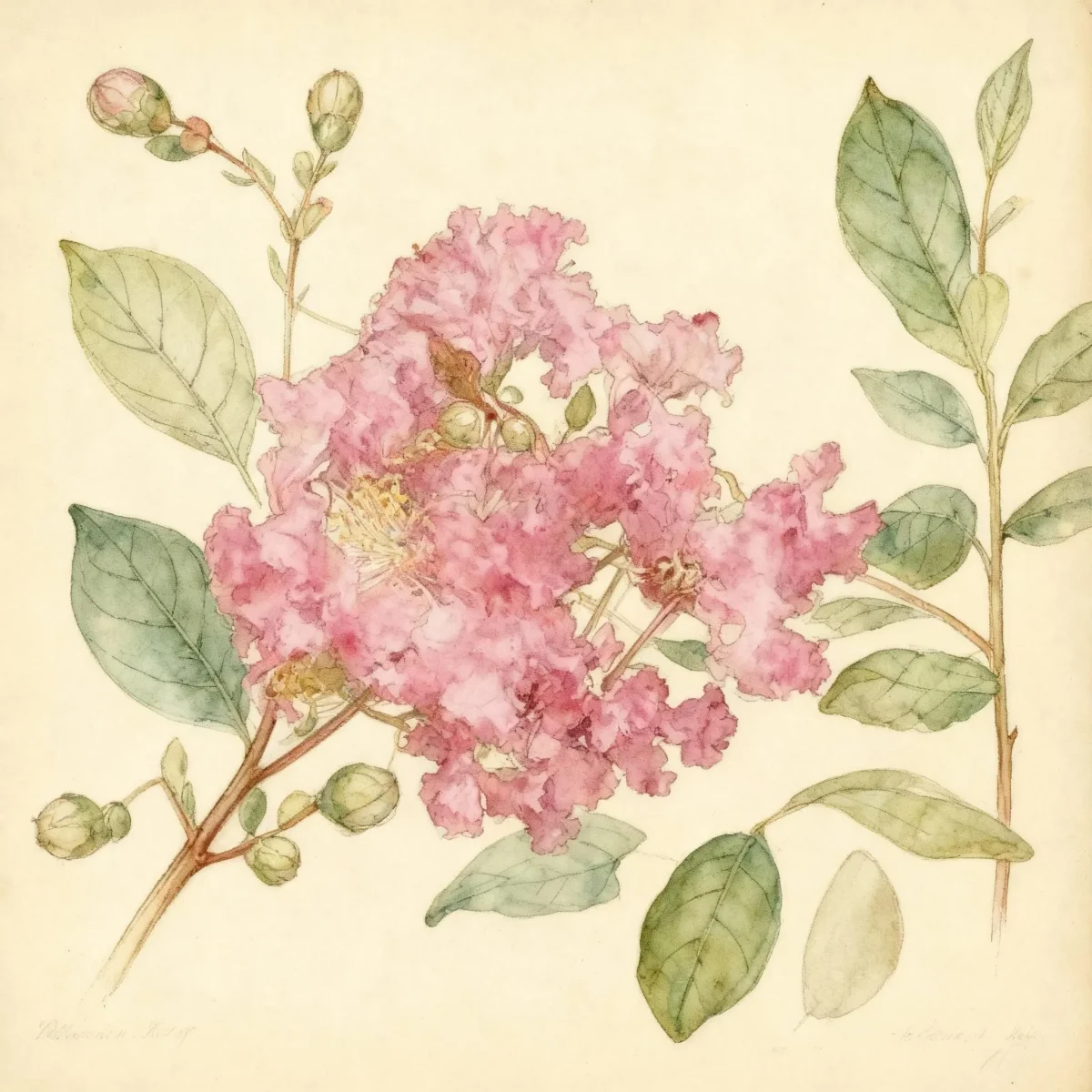
The Lagerstroemia ‘Comanche’ Crape myrtle is highly valued for its vibrant summer to early fall display of coral pink flowers, providing crucial color when many other shrubs fade. This mildew-resistant hybrid, developed by the National Arboretum, boasts attractive mottled, exfoliating sandalwood bark that adds winter interest. As a semi-tropical beauty ideal for warmer temperate gardens, the Lagerstroemia ‘Comanche provides reliable performance across USDA Zones 6 through 9.
Growing this cultivar typically results in an upright, multi-stemmed shrub that matures between 3 and 11 feet tall. Beyond the summer blooms, gardeners appreciate the dark green foliage that transitions into rich dark orange to reddish-purple hues in autumn before leaf drop. The combination of summer blooms, attractive bark, and fall color ensures that this Crape myrtle remains a focal point throughout the growing season.
Successful cultivation of Lagerstroemia ‘Comanche’ requires full sun exposure to maximize flowering potential. While it is tolerant of varied soils, including clay, proper drainage is non-negotiable for long-term health. In colder pockets within its range, particularly Zone 6, gardeners must be prepared for potential winter dieback, treating it more like a deciduous perennial in those challenging spots.
Fast Facts
- Plant Family: Lythraceae
- Plant Type: Deciduous shrub
- Hardiness Zones: USDA Zones 6-9
- Size at Maturity:
- Height: 3-11 ft
- Spread: 3-12 ft
- Bloom Time: July to September
- Bloom Description: Coral pink
- Sun Exposure: Full sun
- Water Needs: Medium
- Maintenance Level: Medium
How to Grow
Plant Lagerstroemia ‘Comanche’ during the dormant season—late fall or early spring—in a location receiving consistent full sun. This specific Crape myrtle variety establishes well in average, medium-moisture soils, thriving even when loamy or clay conditions exist, provided drainage is adequate. Proper soil preparation is key; incorporating organic matter can improve drainage further, though amending heavily should be avoided.
Watering should involve deep soaks, especially during dry spells to promote deep root growth, but take care to avoid wetting the foliage to minimize potential fungal issues. A slow-release fertilizer applied in spring benefits the plant, but beware: overly fertile conditions encourage lush leaf production at the expense of the desired abundant blooms. Protect the root zone with a winter mulch, especially in borderline Zones 6 and 7 areas.
Pruning strategies for Lagerstroemia ‘Comanche’ depend heavily on the climate. In zones where top growth reliably survives (Zones 8-9), prune in late winter to remove crossing or dead wood, shaping it as a shrub or single-stemmed tree. In colder regions like St. Louis (Zone 5b/6a), gardeners often cut stems back severely (to 8 inches) in early spring, allowing new 2-4 foot flowering shoots to emerge from the tougher roots.
Landscape Uses
The versatility of the Lagerstroemia ‘Comanche’ makes it invaluable in diverse landscape contexts. It performs excellently as a singular specimen shrub, allowing its exfoliating bark and multi-stem structure to shine, or planted in groups for a unified splash of coral pink color during mid-summer. These shrubs are also effective when integrated within shrub borders or used to define the edge of perennial beds.
In the warmer South, where winter protection is less concerning, this cultivar serves admirably as an informal hedge or a tall screen due to its generous 12-foot spread potential. Furthermore, specimens can be carefully trained into a small, single-trunk tree form, making them suitable for use near patios or as attractive street trees where overhead clearance allows.
For garden design, pair Lagerstroemia ‘Comanche’ with plants that offer contrasting foliage texture or color in the spring or fall. Its medium water needs align well with many standard landscape perennials, allowing for cohesive maintenance routines.
Standout Features
Flower Qualities
- Showy
Noteworthy Characteristics
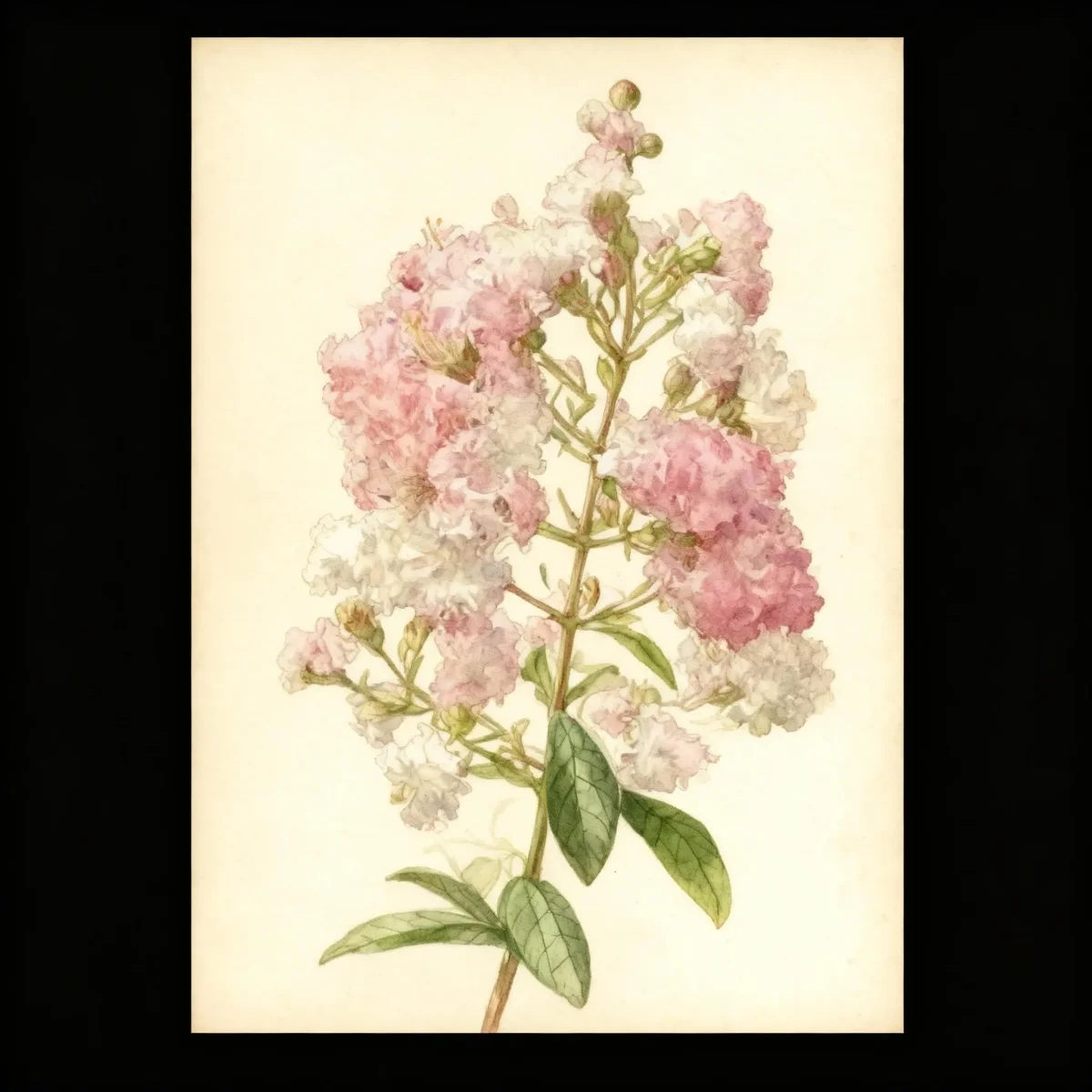
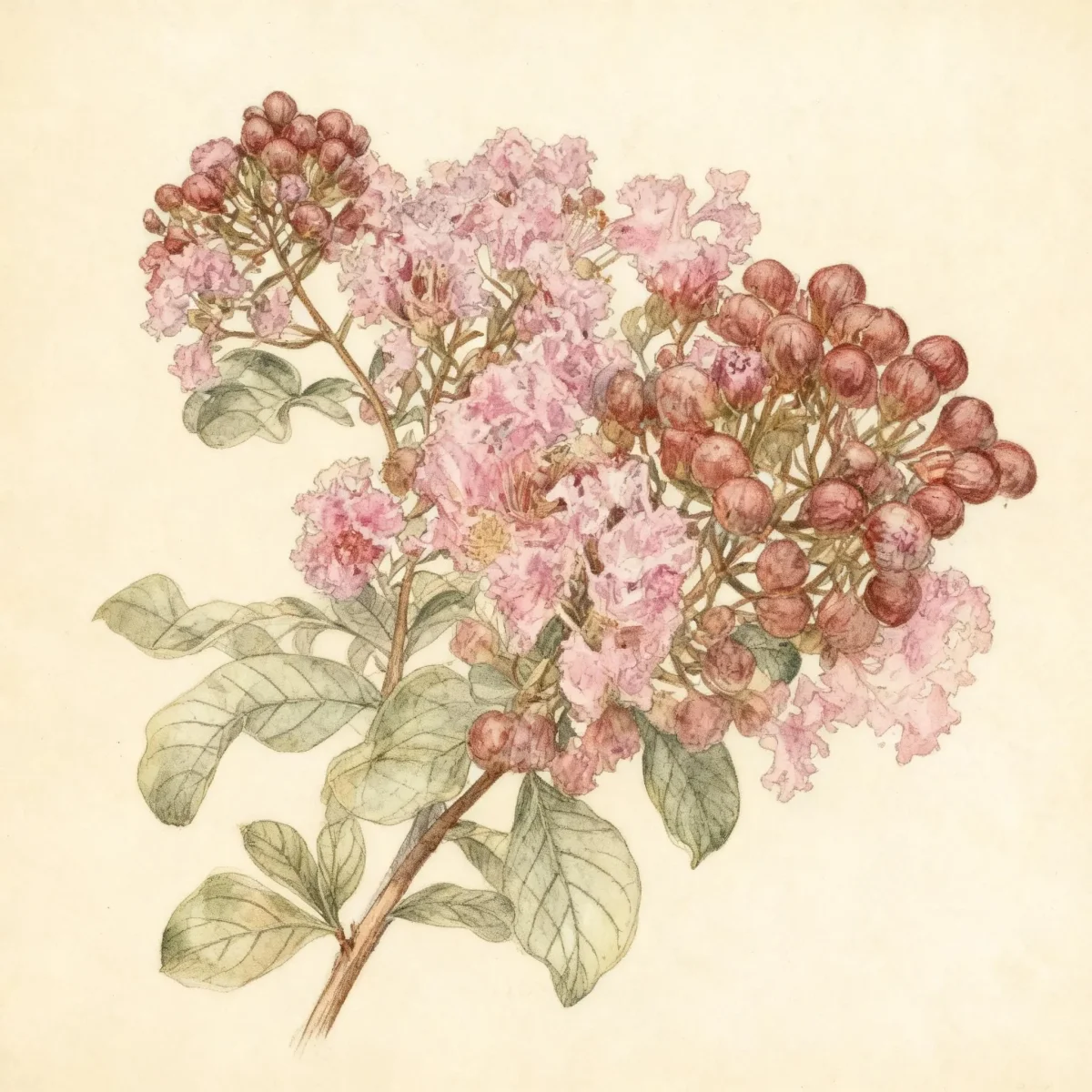
The genus Lagerstroemia is renowned for its deciduous and evergreen flowering shrubs and trees from warm Asia to Australia, grown primarily for their distinctive summer to fall bloom. ‘Comanche’ is a successful hybrid resulting from a cross between L. Indica and L. Fauriei, notable for being one of the mildew-resistant varieties released from the National Arboretum. Distinctive features include its mottled, sandlewood-colored bark which exfoliates over time, and the 6-9 inch terminal panicles bearing the signature coral pink, crepe-papery flowers.
Tolerances
- Drought
- Clay Soil
- Air Pollution
Potential Problems
The primary concerns for any Crape myrtle, including the mildew-resistant ‘Comanche’, are fungal diseases like fungal leaf spot and powdery mildew. While ‘Comanche’ boasts good resistance, cultural practices that improve air circulation, like proper pruning and avoiding overhead watering, remain crucial management tools. Foliage may also exhibit yellowing (chlorosis) if grown in alkaline soil conditions.
Insect pests such as aphids and scale can occasionally pose minor threats, requiring the use of horticultural oil or insecticidal soap if infestations become severe. The most significant potential issue across the northern end of its range (Zones 5-6) is winter injury, often resulting in the dieback of the above-ground branches.
To manage winter injury, especially in Zone 6, use the method similar to growing Buddleia: prune all stems back hard in early spring to ground level, encouraging vigorous new growth that will flower reliably on the current season’s wood. Always select the most protected planting site available.
Frequently Asked Questions
What hardiness zones is Crape myrtle suitable for?
Lagerstroemia ‘Comanche’ is best suited for USDA Hardiness Zones 6 through 9.
How large does Lagerstroemia ‘Comanche’ grow?
This variety typically reaches a mature height between 3 and 11 feet, with a spread ranging from 3 to 12 feet wide.
When does Lagerstroemia ‘Comanche’ bloom?
The bloom time for this Crape myrtle is generally from July through September, producing masses of coral pink flowers.
What sun exposure does Lagerstroemia ‘Comanche’ need?
For optimal flowering and overall health, Lagerstroemia ‘Comanche’ requires full sun exposure.
Conclusion
The Lagerstroemia ‘Comanche’ offers gardeners reliable late-season color, attractive exfoliating bark, and strong disease resistance, making it a cornerstone planting in temperate landscapes. Ensure you check your local climate; while robust in the South, managing winter dieback is essential when establishing this Crape myrtle in Zone 6. Plan your planting during the cool seasons—fall or early spring—to give your new ‘Comanche’ the best start for years of enjoyment.
Companion Planting
When designing beds that feature Lagerstroemia ‘Comanche’, consider plants that thrive in similar full sun and drought-tolerant conditions once established. Companion plants that offer strong architectural form or contrasting foliage help balance the shrub’s softer, mid-summer bloom. Good pairings might include ornamental grasses, which provide movement and texture, or evergreen shrubs like certain varieties of dwarf Yaupon Holly, which maintain structure through winter.
To enhance the late-season appeal, consider planting lower-growing perennials that enjoy bright light near the base of the Crape myrtle. Salvias, sedums, or Coneflowers (Echinacea) will benefit from the surrounding heat reflected off the soil and thrive in the well-drained conditions preferred by the Lagerstroemia.
Seasonal Care Calendar
Spring is the crucial preparation time, especially in colder zones (6 and below), where you must assess winter damage and prune accordingly—either shaping woody stems or cutting back to stubs for a shrubby form. Apply a slow-release fertilizer shortly after new growth begins. Water deeply and consistently as summer heat arrives, focusing irrigation at the root zone rather than overhead.
Summer maintenance centers on ensuring adequate moisture during peak heat and monitoring for pests like aphids, which are easily managed with a strong jet of water or insecticidal soap. In fall, observe the spectacular foliage color change, but avoid heavy fertilization late in the season, as this encourages tender new growth susceptible to early frosts. Apply a protective winter mulch once temperatures begin dipping consistently below freezing.