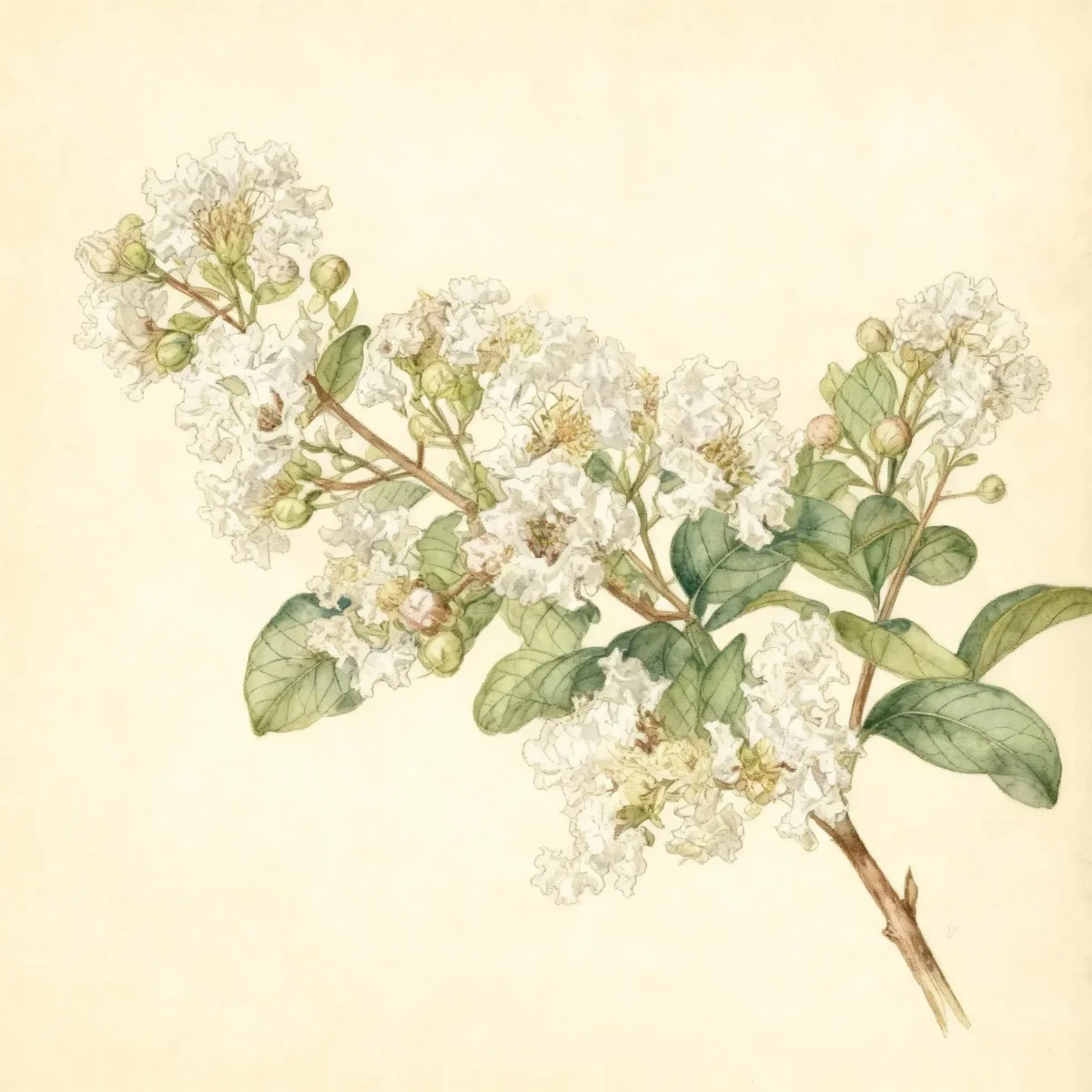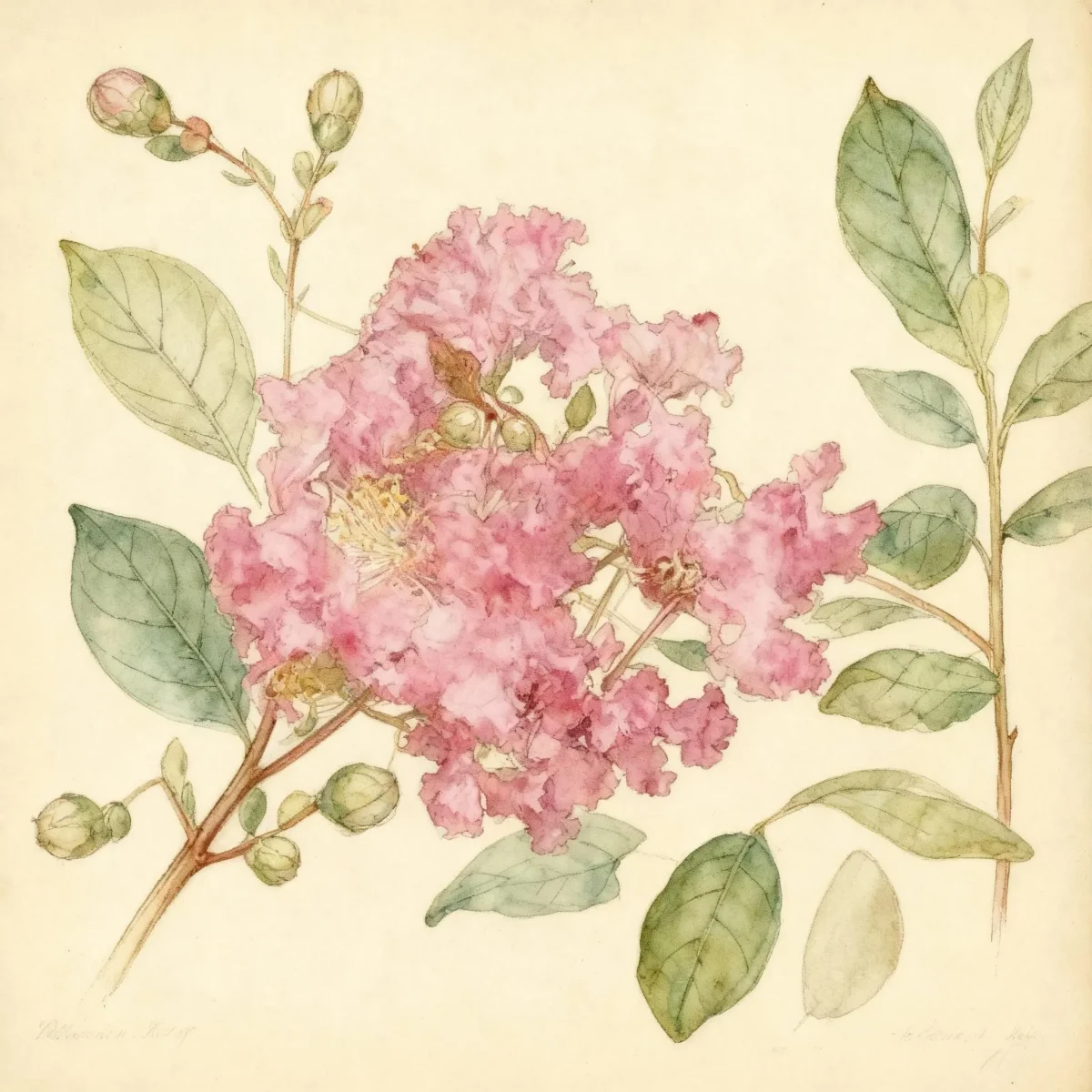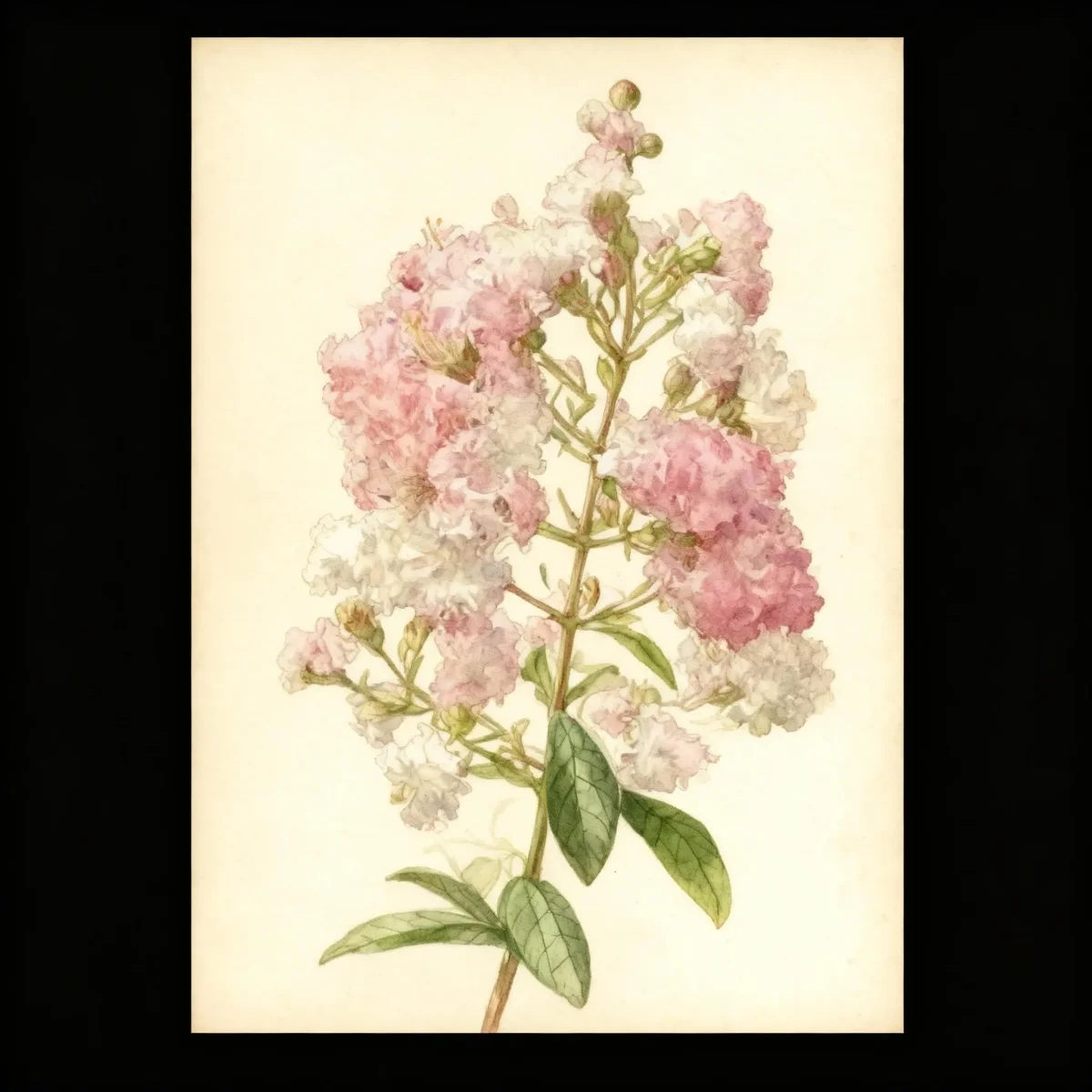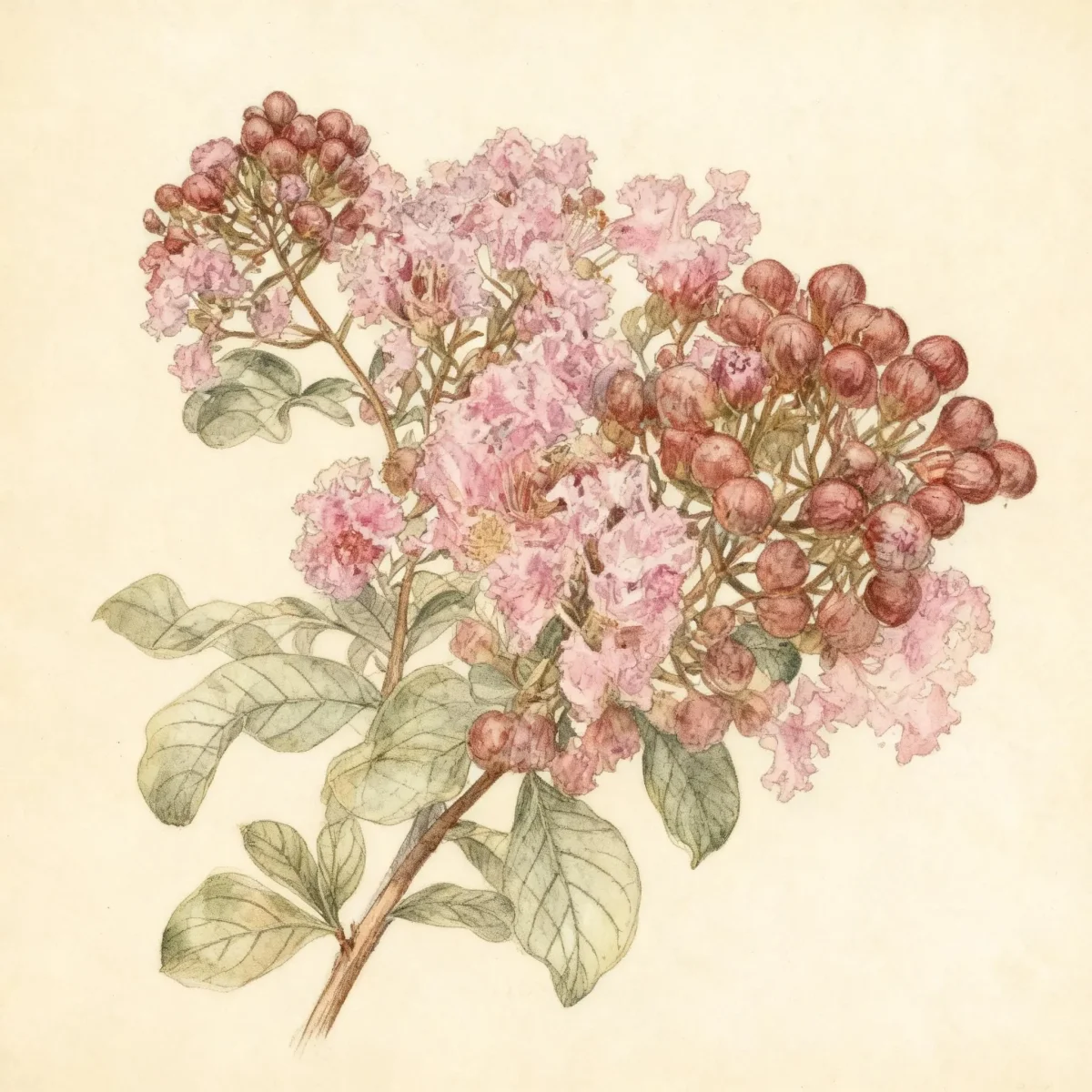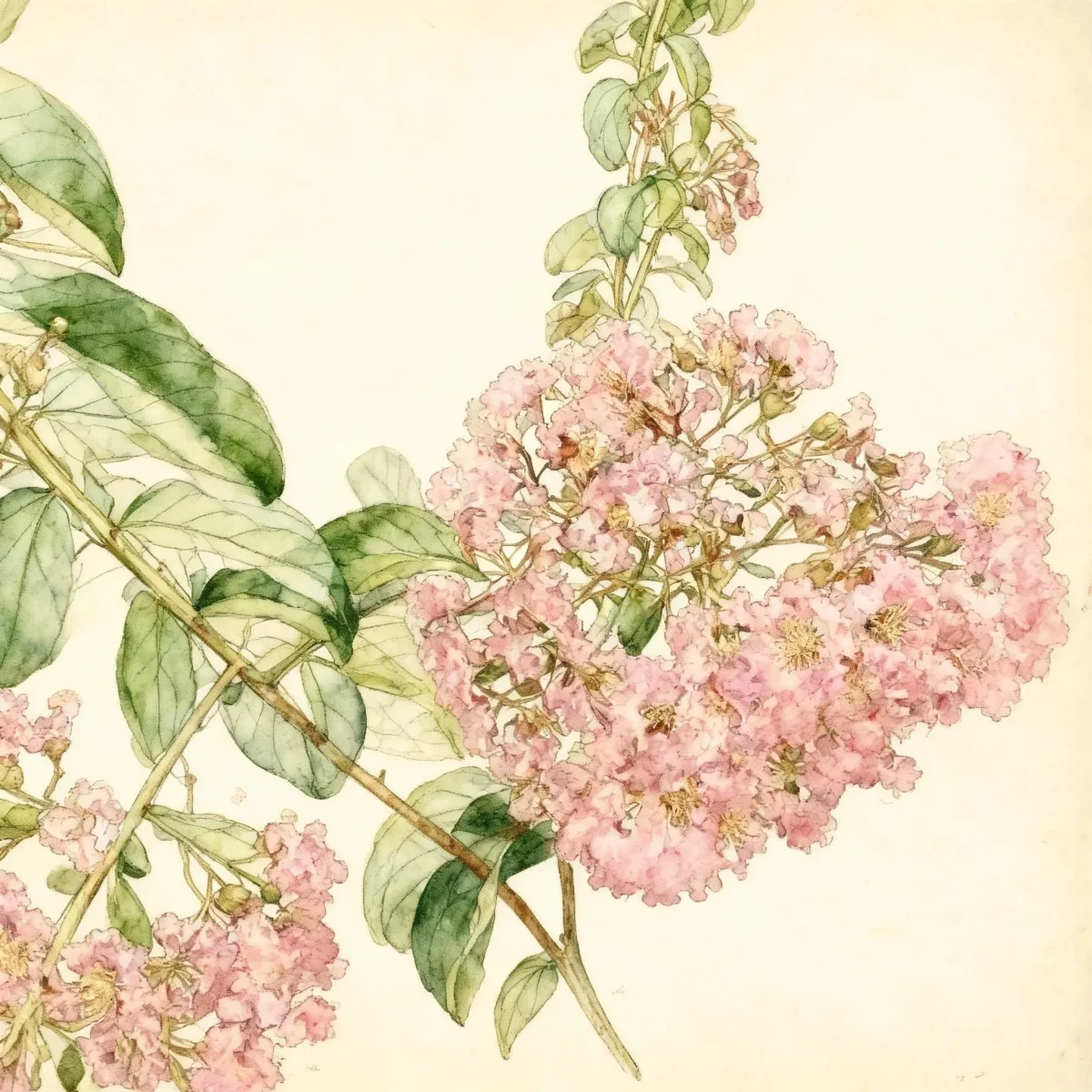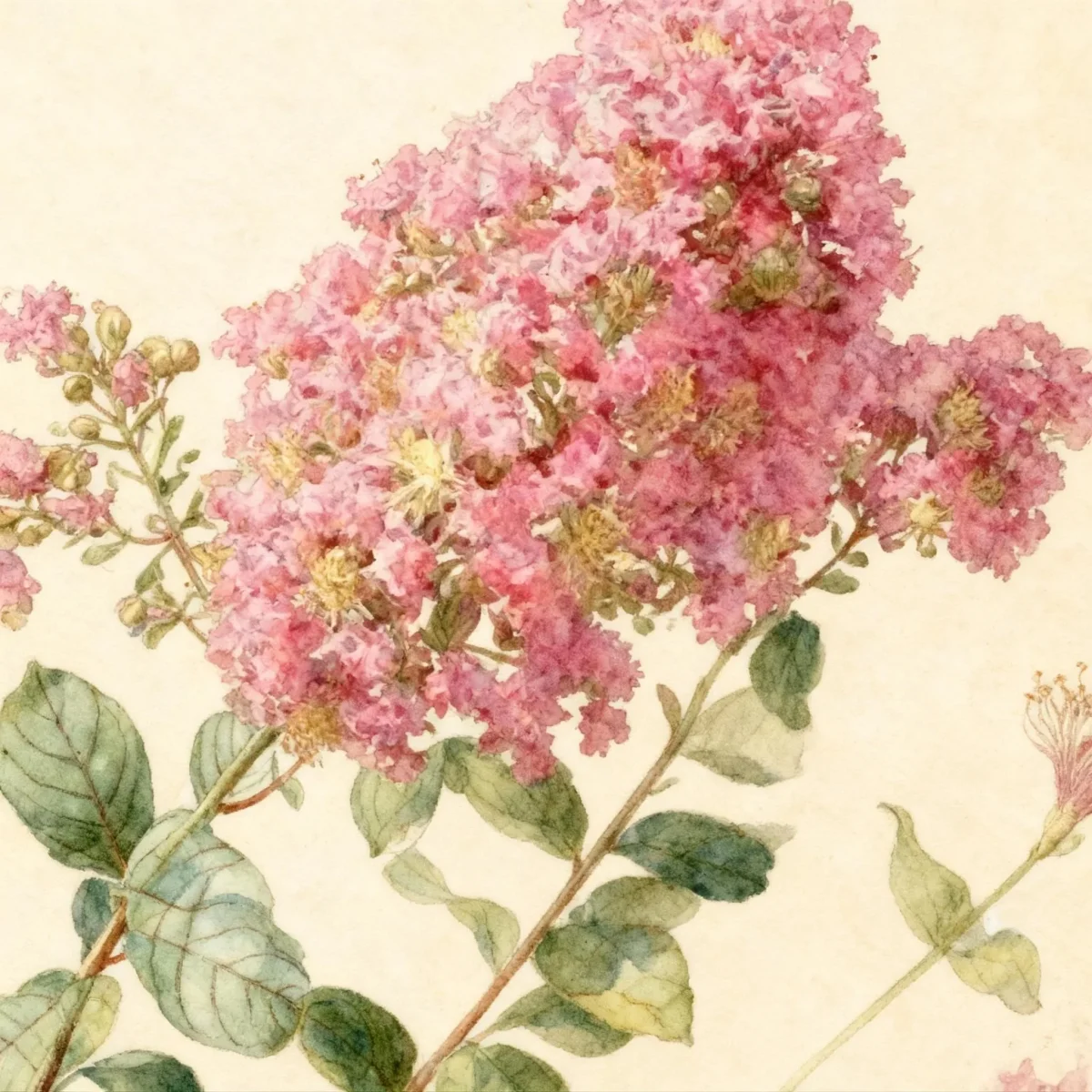

Crape myrtle (Lagerstroemia indica 'Whit II' DYNAMITE)
Lagerstroemia indica 'Whit II' DYNAMITE, a vibrant Crape myrtle, offers long bloom times, exfoliating bark, and cherry red summer flowers.
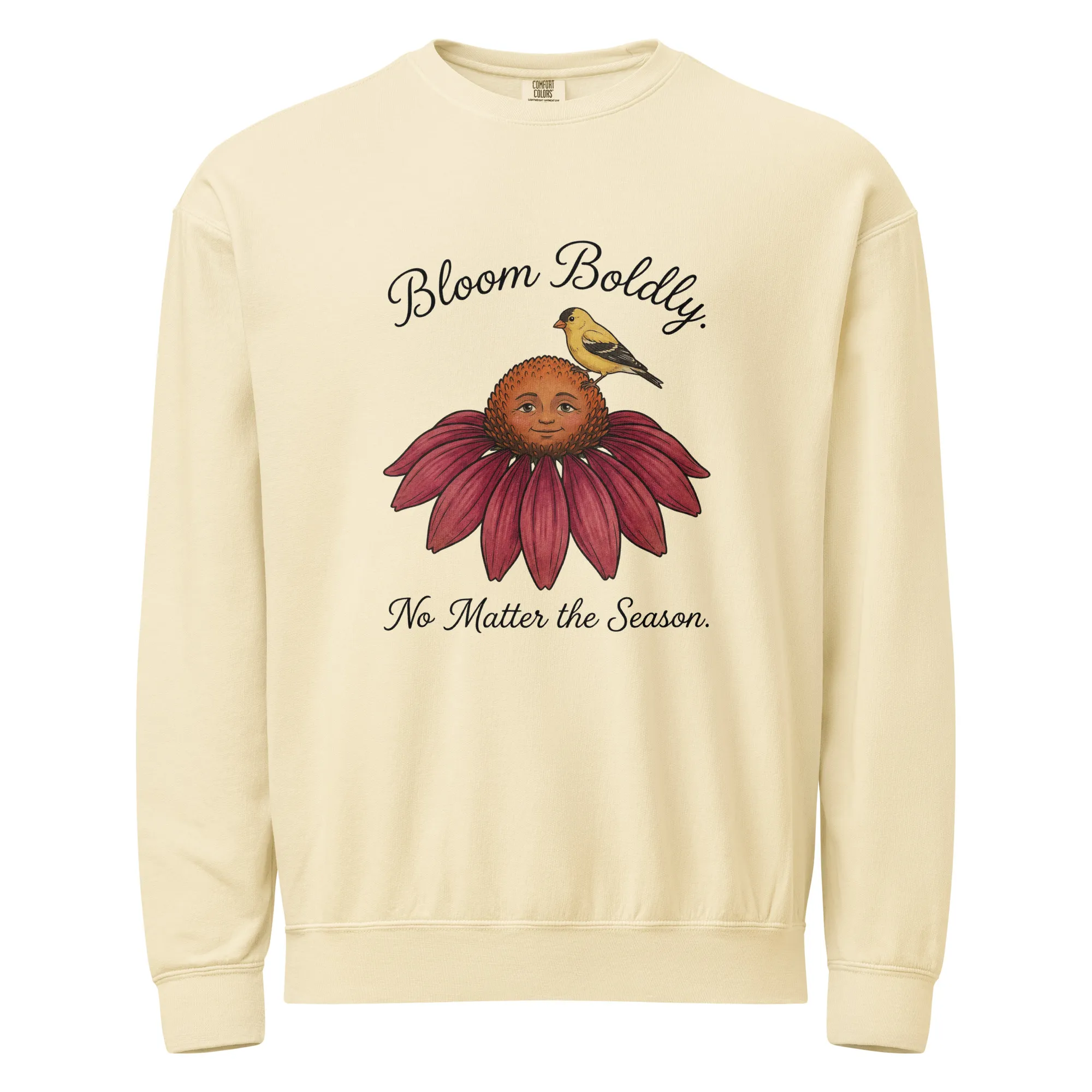
Bloom Boldly, No Matter the Season - Sweatshirt
Cozy organic cotton sweatshirt featuring our exclusive Purple Coneflower design. Perfect for gardeners who bloom year-round.
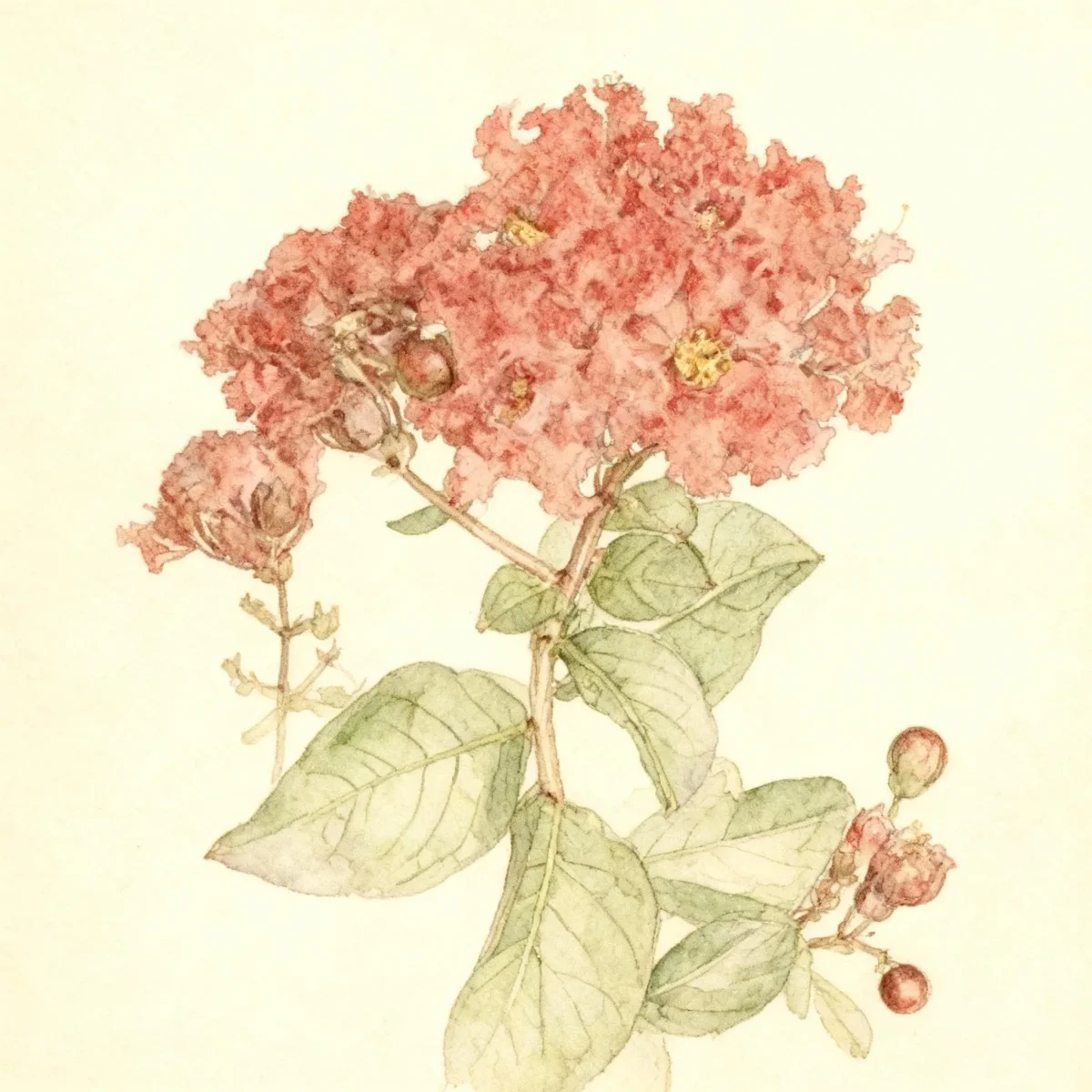
Inspired by the beautiful Crape myrtle
Limited first batch (50) — join the waitlist for early access
Waitlist closes Feb 15, 2026.
Complete Plant Information
Field Guide Continues
Ready for care notes, companion picks, and planting tips?
The map is just the start. The full guide below covers growth habits, seasonal performance, and landscape uses.
Overview
Lagerstroemia indica ‘Whit II’ DYNAMITE, widely known as Crape myrtle, is celebrated for providing spectacular, long-lasting summer color when few other landscape plants are blooming. This deciduous shrub or small tree features crepe-papery inflorescences that create an undeniable focal point, making it a staple in Southern gardens. Beyond its summer display, this cultivar offers attractive exfoliating bark and excellent fall foliage color, ensuring multi-season interest in the landscape.
As an upright, multi-stemmed specimen, the Crape myrtle adapts well to various pruning styles, though its ultimate size is dictated by climate. It excels in full sun conditions, which are essential for maximizing its prolific cherry-red bloom set. Given its popularity and manageable structure, Lagerstroemia indica ‘Whit II’ DYNAMITE serves beautifully as a specimen, screen, or small shade tree in appropriate settings.
Fast Facts
- Plant Family: Lythraceae
- Plant Type: Deciduous shrub
- Hardiness Zones: USDA Zones 6-9
- Size at Maturity:
- Height: 5-20 ft
- Spread: 5-18 ft
- Bloom Time: July to September
- Bloom Description: Creamy red
- Sun Exposure: Full sun
- Water Needs: Medium
- Maintenance Level: Medium
How to Grow
For optimal performance, plant Lagerstroemia indica ‘Whit II’ DYNAMITE in average, medium moisture, well-drained soils. Full sun exposure is critical; insufficient light will significantly reduce flowering potential. This Crape myrtle establishes well even in somewhat challenging loamy or clay soils, provided drainage is adequate. Incorporate a slow-release fertilizer judiciously, as overly fertile soil often prioritizes leafy growth over the desired blooms and may increase winter vulnerability.
Water deeply, especially during dry periods, directing moisture to the root zone rather than wetting the foliage. Foliage wetness can sometimes contribute to potential disease issues, though this cultivar reportedly has good resistance. In colder areas (Zones 5-6), choose a protected location and apply a winter mulch for root insulation.
Winter hardiness is a key consideration for this plant outside the deep South. In zones like St. Louis, top growth frequently dies back to the ground when temperatures drop below -5°F. If this occurs, prune the dead wood back to 8 inches in early spring. New flowering wood will emerge from the resilient roots, typically growing 2-4 feet tall in one season, flowering on that new growth.
Landscape Uses
Lagerstroemia indica ‘Whit II’ DYNAMITE is incredibly versatile, moving easily from backdrop to centerpiece. It excels when used as a striking specimen shrub, allowing its exfoliating bark and mature shape to be appreciated year-round. Group plantings create dramatic, continuous summer color, while these plants are also effective when placed in informal shrub or perennial borders.
In the warmer portions of its range where winter dieback is not an issue, this Crape myrtle can be trained into a small, single-trunk tree suitable for street plantings or as a focal point near patios. Alternatively, when allowed to grow naturally, they function excellently as informal hedges or privacy screens due to their dense summer foliage. Planning spacing between 5 to 18 feet apart allows specimens to mature without overcrowding.
Standout Features
Flower Qualities
- Showy
Noteworthy Characteristics
The Lagerstroemia indica ‘Whit II’ DYNAMITE cultivar is highly valued for its long bloom period running from mid-summer into early fall, producing terminal panicles of vivid cherry red flowers. Its foliage emerges reddish in spring, darkens to green mid-season, and finally turns brilliant orange to red before leaf drop. Beyond the flowers, the species displays handsome, smooth pale pinkish-gray bark that exfoliates with age, adding significant winter interest.
Tolerances
- Drought
- Clay Soil
- Air Pollution
Potential Problems
Two primary concerns for Crape myrtles, fungal leaf spot and powdery mildew, may occasionally arise, though this specific variety is bred for better resistance. Chlorosis, or yellowing of the leaves, can occur if the soil pH is too alkaline. Aphids and scale also pose minor threats that are usually manageable with horticultural oils or inspection.
Winter injury remains the most significant potential problem in marginal zones (Zones 5 and 6). If top growth is damaged in hard freezes, pruning back to stubs in early spring is necessary. Pruning encourages fresh, vigorous stems that flower reliably on new wood throughout the summer months, ensuring you still enjoy the display of your Lagerstroemia indica ‘Whit II’ DYNAMITE even after a cold winter.
Frequently Asked Questions
What hardiness zones is Crape myrtle suitable for?
Lagerstroemia indica ‘Whit II’ DYNAMITE is typically hardy in USDA Zones 6 through 9, though root hardiness can sometimes extend to Zone 5 with proper mulching and protection.
How large does Lagerstroemia indica ‘Whit II’ DYNAMITE grow?
Mature height ranges from 5 to 20 feet, with a mature spread between 5 and 18 feet, depending heavily on winter severity and pruning practices.
What sun exposure does Crape myrtle need?
This plant requires full sun to achieve its best flowering performance, producing the best size and color density under these conditions.
When does Lagerstroemia indica ‘Whit II’ DYNAMITE bloom?
This sought-after Crape myrtle variety blooms reliably from July straight through September, displaying beautiful creamy red flowers.
Conclusion
Lagerstroemia indica ‘Whit II’ DYNAMITE stands out as a premier flowering shrub, reliably delivering brilliant cherry-red color throughout the hottest months and offering valuable textural interest via its exfoliating bark. Its adaptation to common soil types, including clay, makes the Crape myrtle practical for many settings. Before planting, always confirm your location falls within USDA Zones 6-9 or prepare to manage potential dieback in colder transitional climates.
Companion Planting
Selecting appropriate companions enhances the aesthetic appeal and health of your Lagerstroemia indica ‘Whit II’ DYNAMITE. Because Crape myrtles demand full sun and good drainage, pair them with other sun-loving, drought-tolerant perennials and shrubs. Consider plants like ornamental grasses such as Muhlenbergia capillaris (Pink Muhly Grass) to contrast their fine texture with the bold structure of the Crape myrtle, or lower-growing salvias to provide continuous bloom beneath the canopy.
Avoid planting species that prefer deep shade or consistently wet feet near your Crape myrtle. Species like Russian Sage (Perovskia atriplicifolia) or Coneflower (Echinacea) thrive in similar hot, dry summer conditions, making them excellent partners for ensuring an integrated, water-wise summer border.
Seasonal Care Calendar
Spring is the critical time for initiating growth following winter dormancy. In early spring, cut back any dead wood from the previous year, especially if growing in marginal zones where top-kill occurred. This pruning encourages new flowering stems to emerge quickly. Apply a slow-release fertilizer mid-spring just as new growth begins, focusing nutrients at the root zone rather than splashing the developing buds.
Summer care centers on consistent watering, particularly for younger plants or during extended dry spells, ensuring deep soaking rather than frequent light sprinkling. Monitor for early signs of pests like scale. If blooms begin to fade by late summer, lightly deadheading can sometimes encourage a second, smaller flush of flowers on the Lagerstroemia indica ‘Whit II’ DYNAMITE.
Prepare the plant for winter protection in late fall if you are in Zones 6 or 5. Ensure you have applied a thick layer of mulch around the root zone (keeping it away from the trunk flare) to insulate the roots against deep freezes. Pruning overhead growth should be avoided until late winter or early spring to allow the plant maximum protection from winter winds.