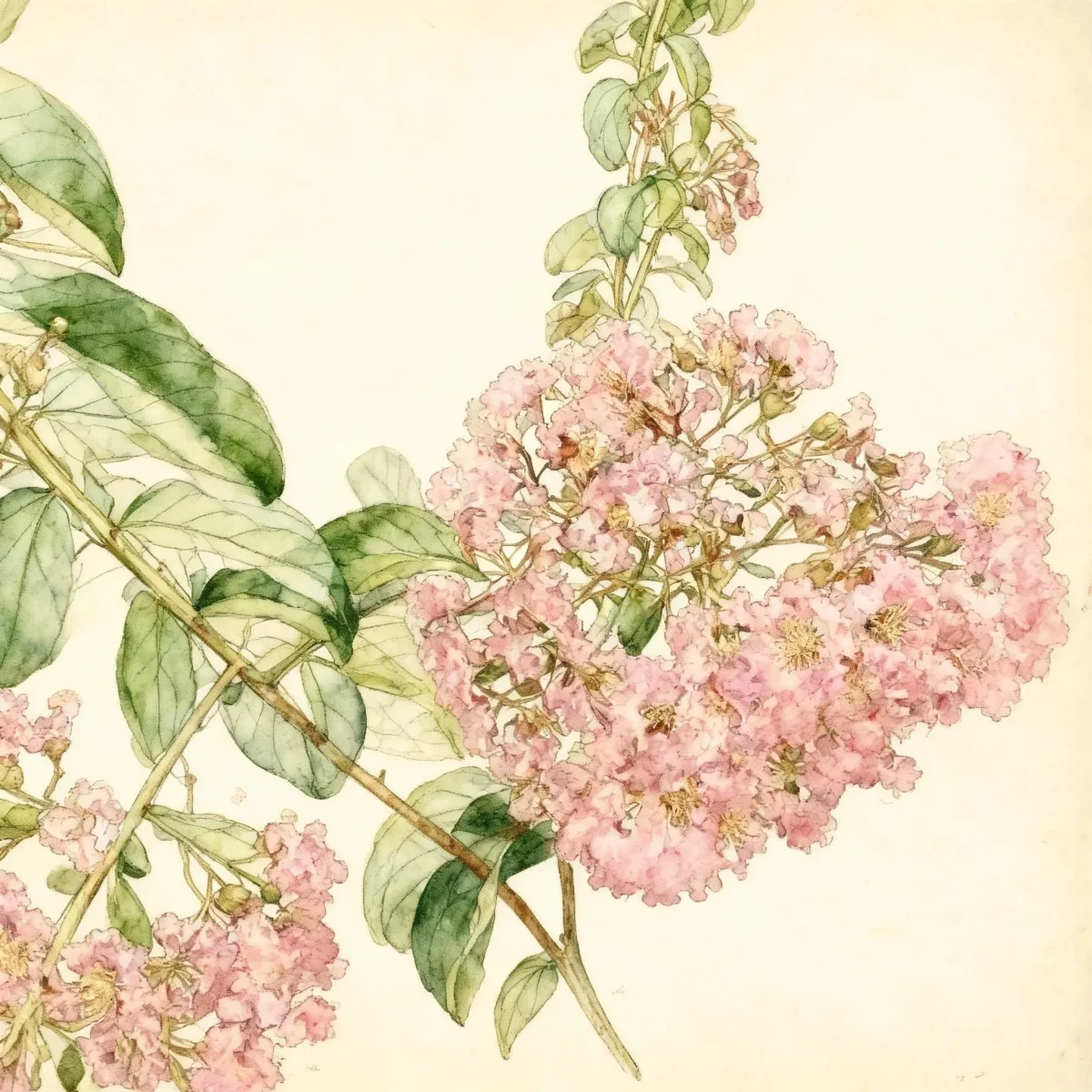
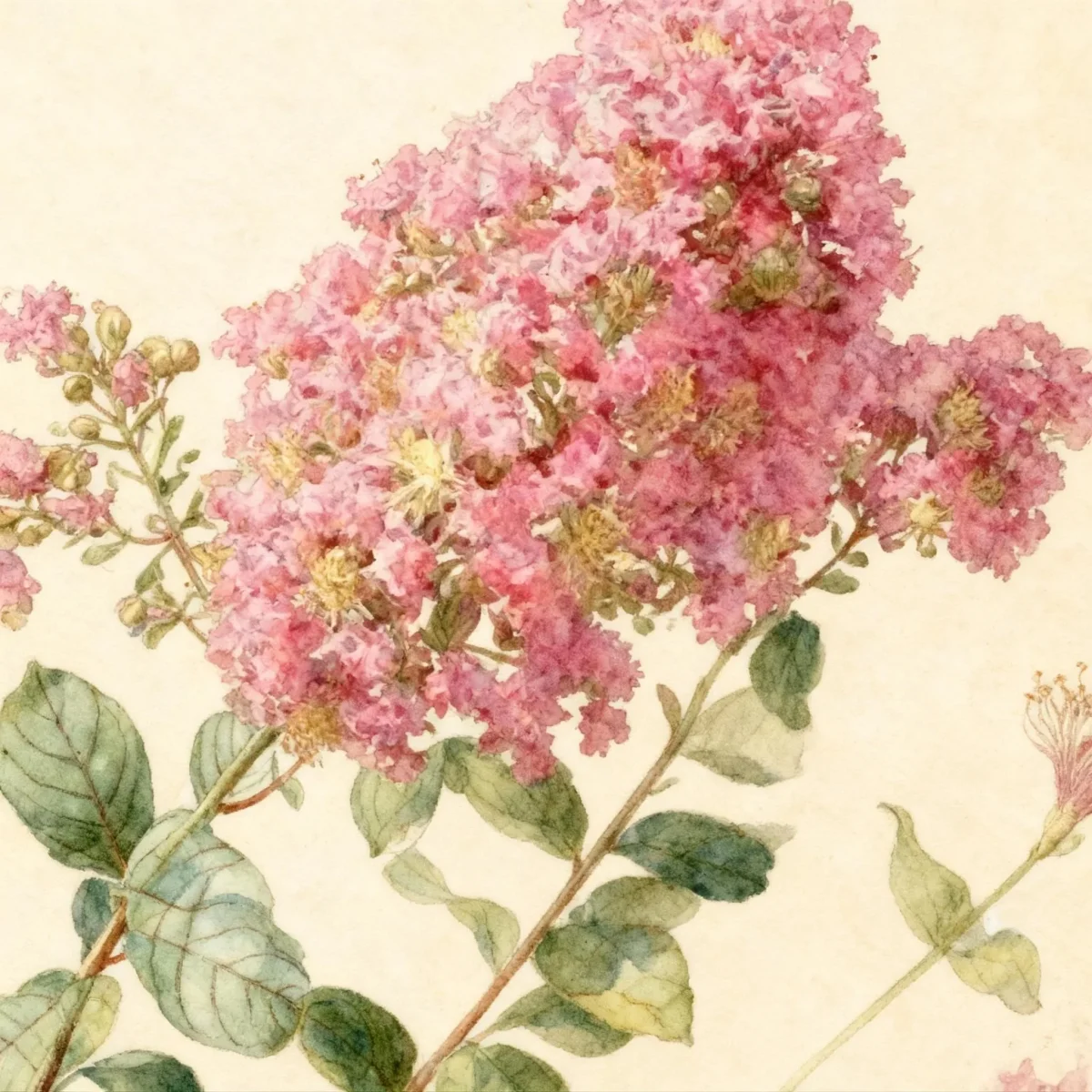
Crape myrtle (Lagerstroemia 'Lafayette')
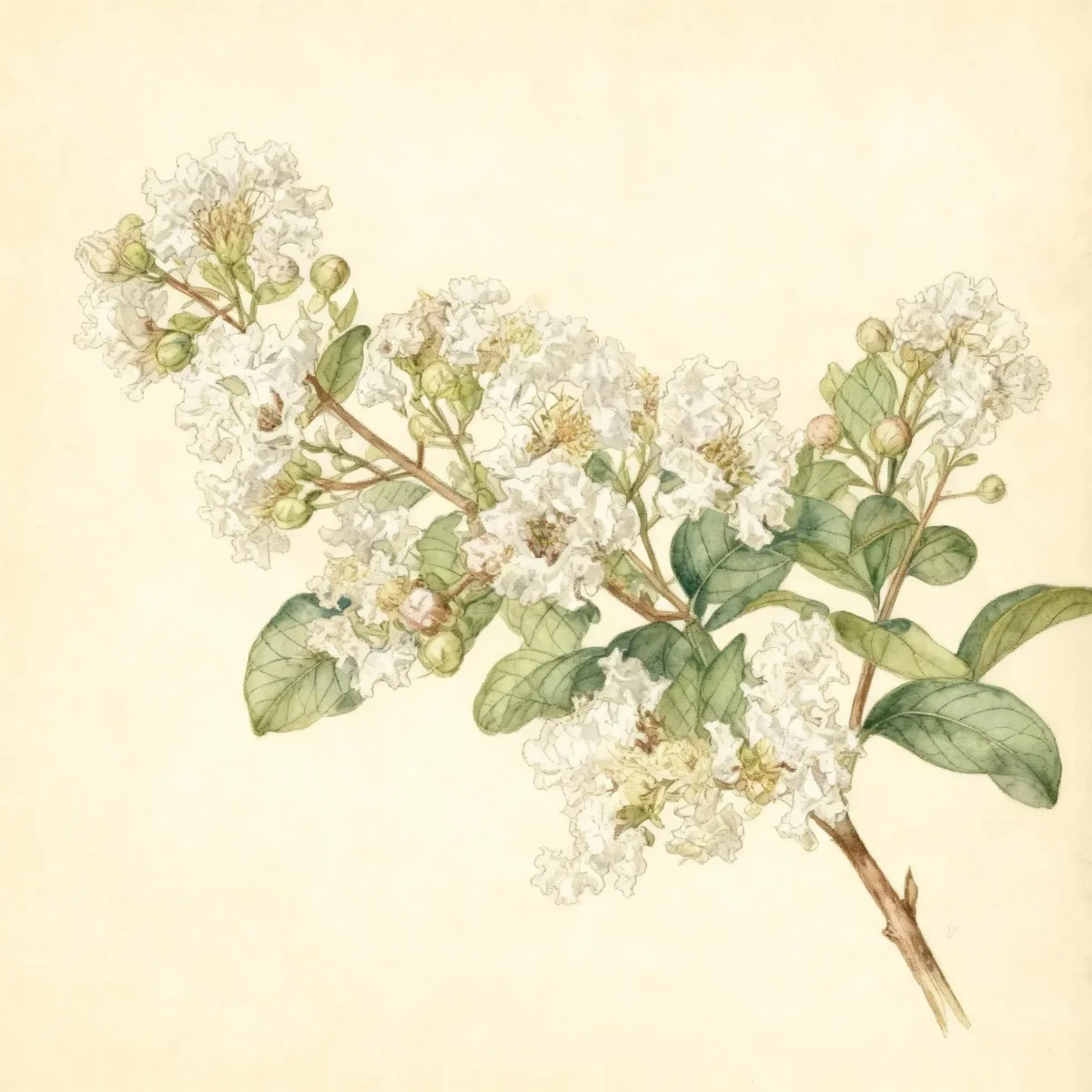
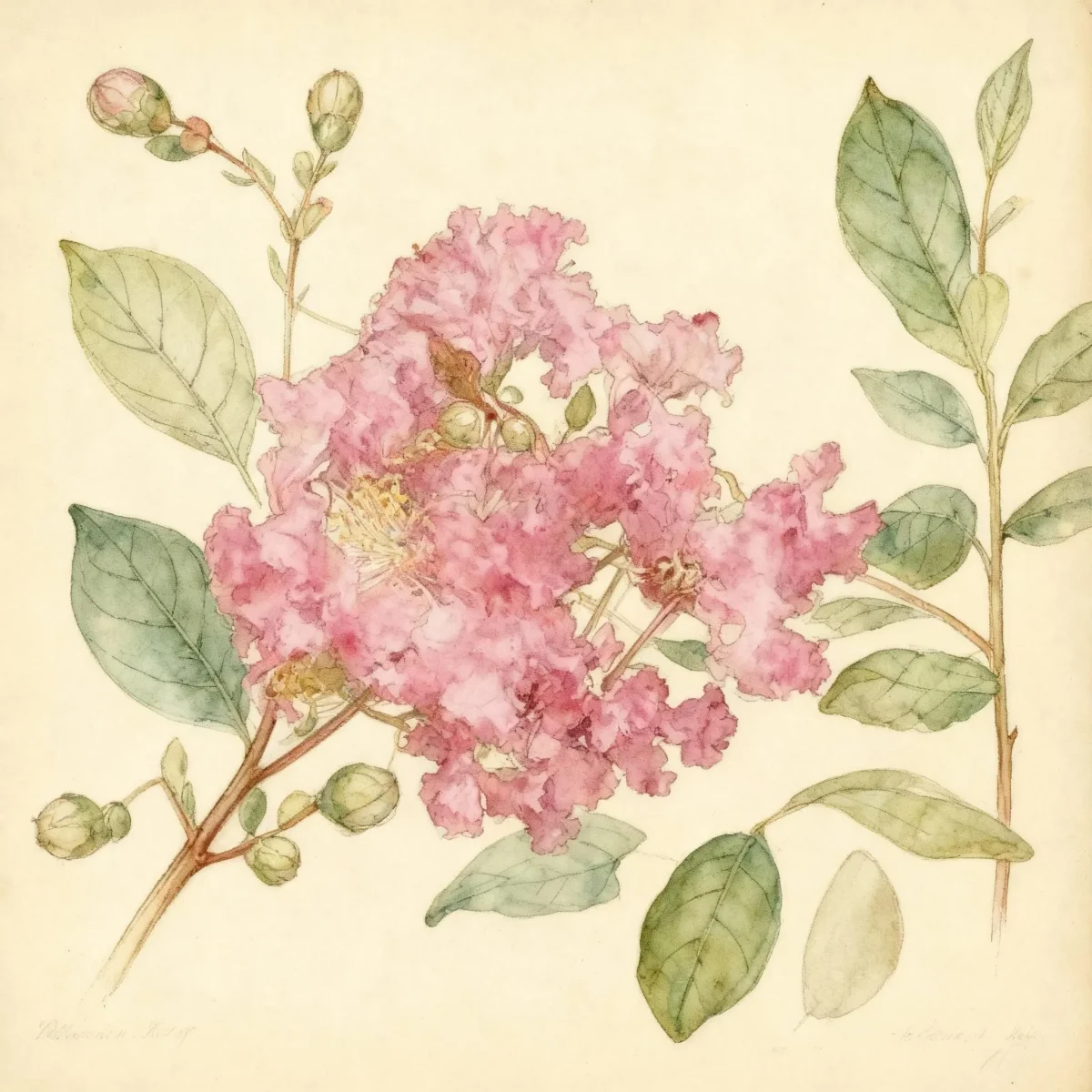
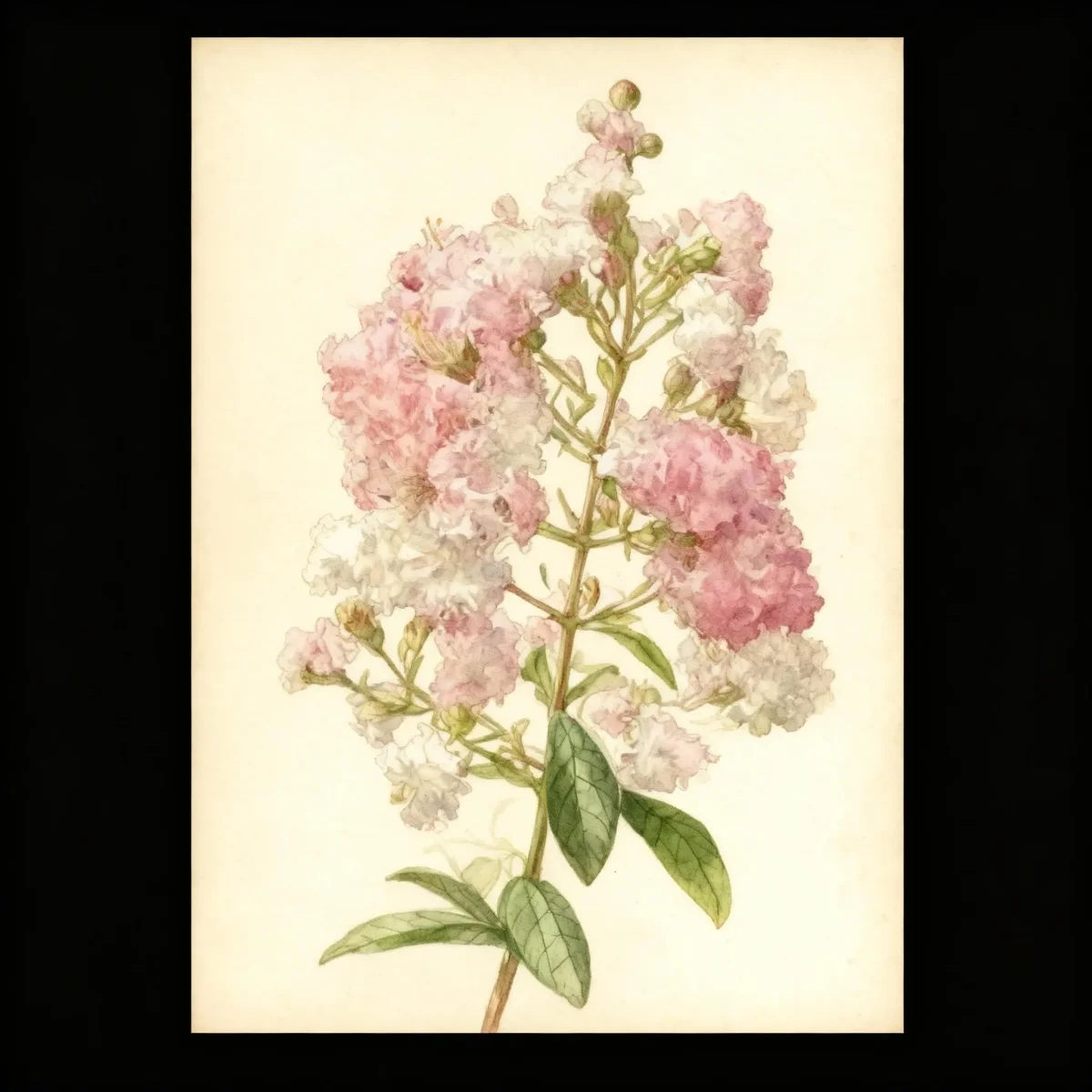
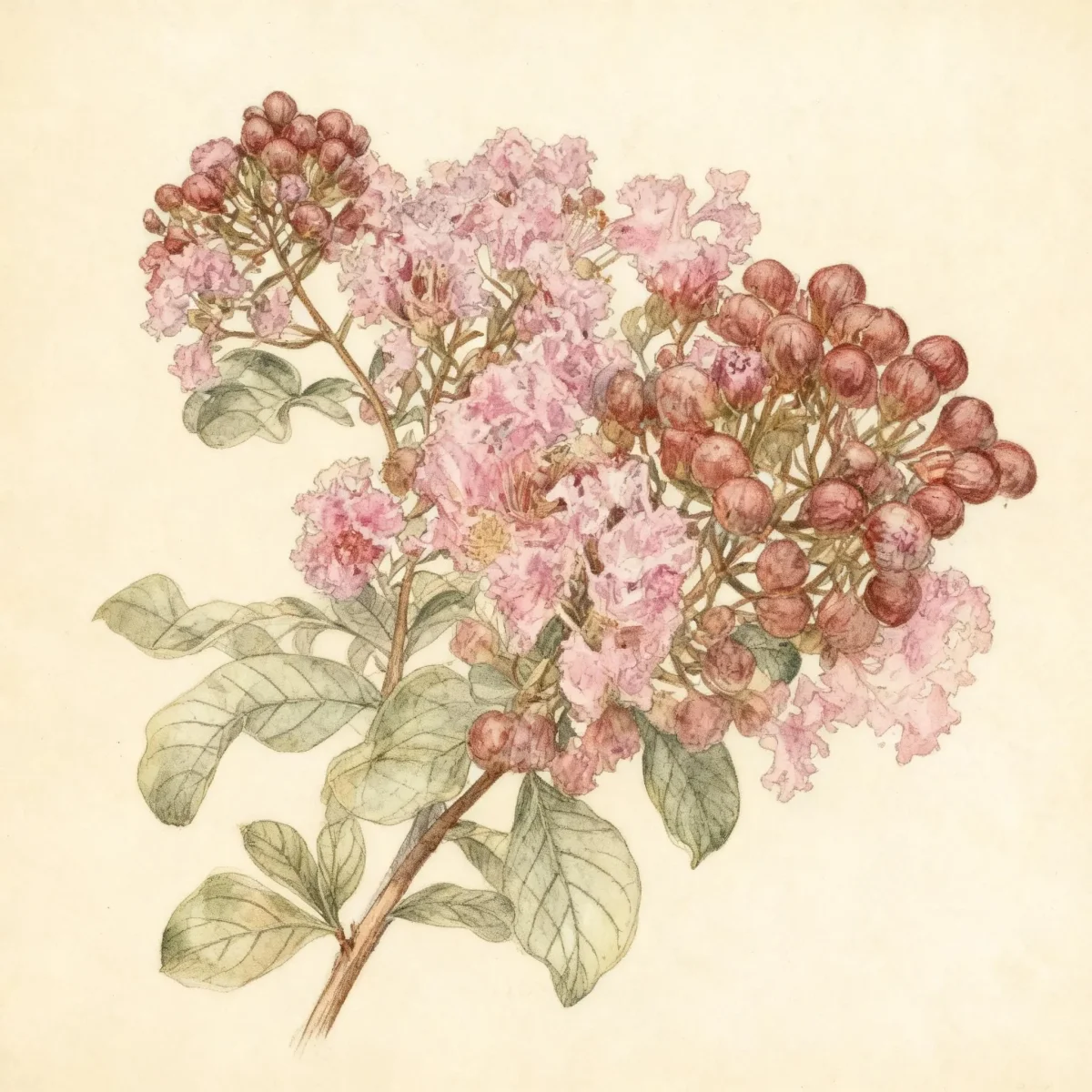
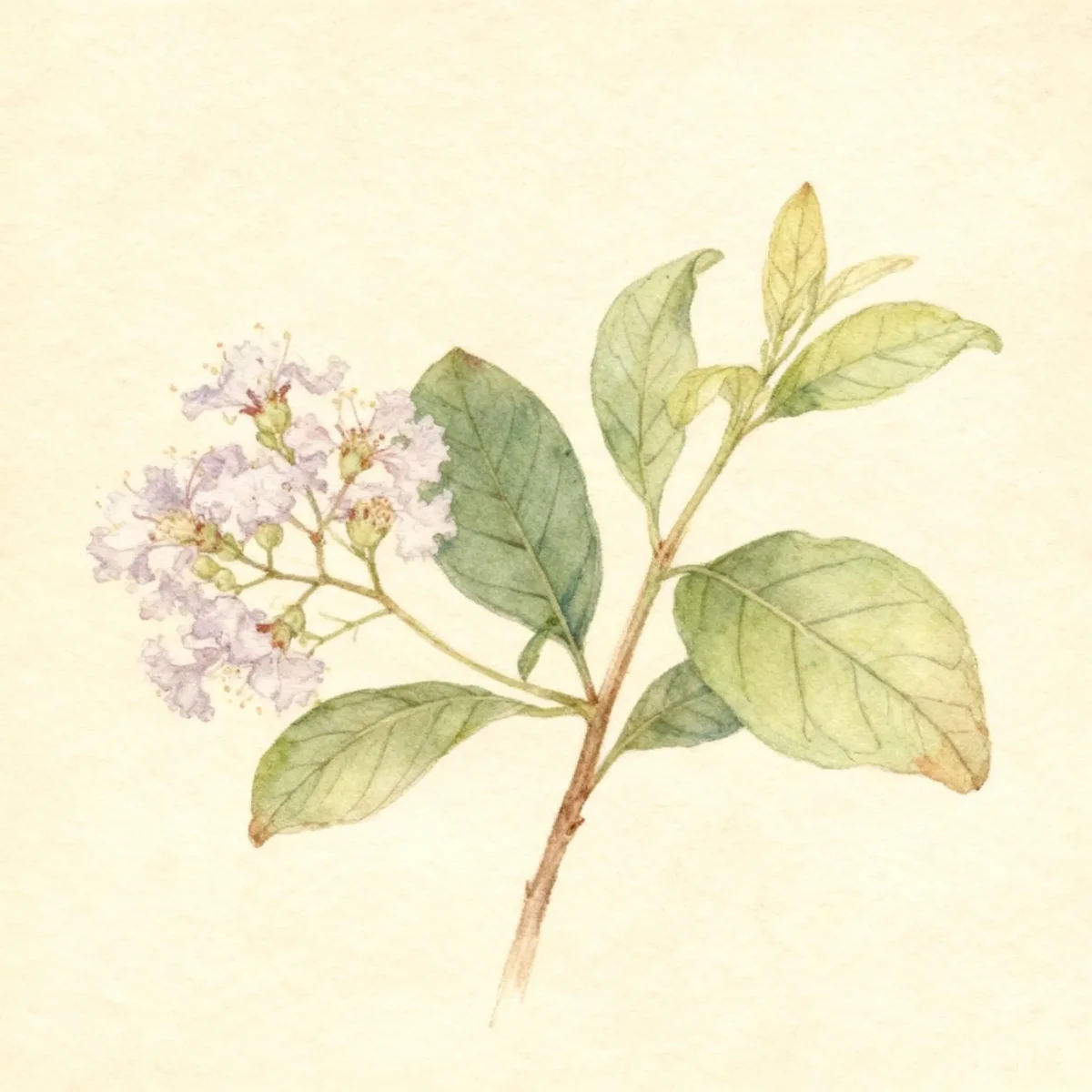
Lagerstroemia 'Lafayette' is a miniature weeping Crape myrtle perfect for borders, blooming whitish lavender June through September in full sun.

Bloom Boldly, No Matter the Season - Sweatshirt
Cozy organic cotton sweatshirt featuring our exclusive Purple Coneflower design. Perfect for gardeners who bloom year-round.
Inspired by the beautiful Crape myrtle
Limited first batch (50) — join the waitlist for early access
Waitlist closes Feb 15, 2026.
Complete Plant Information
Field Guide Continues
Ready for care notes, companion picks, and planting tips?
The map is just the start. The full guide below covers growth habits, seasonal performance, and landscape uses.
Overview
Lagerstroemia ‘Lafayette’ offers gardeners a wonderfully compact, weeping form of the beloved Crape myrtle, ideal where space is limited but beautiful summer color is desired. This dwarf cultivar provides terminal panicles of soft, whitish lavender flowers that consistently bloom from early summer well into fall. As a deciduous shrub, it maintains interest across the seasons, offering structure even when dormant.
It is highly valued for its ability to thrive in heat and its notable tolerance to challenging urban conditions. While the species is inherently tough, the specific characteristics of this Lagerstroemia make it an excellent choice for foundational plantings or containers where its weeping habit can be appreciated. Successful cultivation hinges on providing maximum light exposure to encourage abundant flowering on this specific variety of Crape myrtle.
Gardeners appreciate the low stature of Lagerstroemia ‘Lafayette’, which typically remains under two feet tall, reducing the need for heavy pruning associated with larger tree forms. If you seek a miniature, long-blooming shrub that handles tough soil and pollution, this variety of Crape myrtle is a strong contender for warm-temperate landscapes.
Fast Facts
- Plant Family: Lythraceae
- Plant Type: Deciduous shrub
- Hardiness Zones: USDA Zones 6-9
- Size at Maturity:
- Height: 0.75-1.5 ft
- Spread: 0.75-1.5 ft
- Bloom Time: June to September
- Bloom Description: Whitish lavender
- Sun Exposure: Full sun
- Water Needs: Medium
- Maintenance Level: Medium
How to Grow
The best time to establish Lagerstroemia ‘Lafayette’ is when dormant, ensuring immediate root establishment before summer heat arrives. This Crape myrtle requires full sun for optimal performance, meaning at least six hours of direct light daily. Plant in average, medium moisture soils that drain well; fortunately, it tolerates both loamy and clay structures, provided drainage is adequate. Some gardeners find success protecting the location, especially in colder zones, as winter protection can improve top growth survival.
Watering should be consistent, especially during dry periods, focusing on deep watering at the root zone while strictly avoiding wetting the foliage, as this can sometimes encourage fungal issues. Fertilize sparingly with a slow-release product; overly rich soil encourages abundant leafy growth at the expense of the delightful flowers, and excessive fertility can increase winter susceptibility.
Pruning needs for Lagerstroemia ‘Lafayette’ depend heavily on your localized winter hardiness. In areas prone to severe cold (like Zones 5 and 6), top growth frequently dies back below -5°F. Gardeners in these challenging microclimates sometimes adopt the “butterfly bush method,” cutting all stems back drastically (to about 8 inches) in early spring. New stems will emerge, flower on the current season’s wood, and reach 2-4 feet by fall. For more moderate winters, prune only to remove dead or damaged wood in spring once green tissue is visible.
Landscape Uses
The diminutive size of Lagerstroemia ‘Lafayette’ opens up numerous design possibilities where standard shrubs would overwhelm the space. Due to its low, dense profile, it excels when grouped or massed along borders, providing a continuous band of color under taller specimens. It functions perfectly as an edging plant near foundations, softening hard architectural lines without blocking sightlines.
For rock gardens or small specimen plantings, a single, well-placed Lagerstroemia ‘Lafayette’ acts as a charming focal point. Perhaps one of its best uses is in containers on patios or even in hanging baskets, allowing its weeping form to cascade gracefully over the edges throughout the blooming season. Pair this miniature Crape myrtle with other sun-loving, drought-tolerant perennials like sedums or ornamental grasses that complement its lavender blooms without competing for space or nutrients.
Standout Features
Flower Qualities
- Showy
Noteworthy Characteristics
Lagerstroemia is a genus of about 40 species of deciduous and evergreen shrubs and trees from warm-temperate to tropical areas of Asia to Australia. They are grown for their very showy, lovely summer to fall bloom. In warmer areas many can be grown as trees but in colder climates they may be killed to the ground but resprout from below ground to be grown more as shrubs.Genus name honors Magnus von Lagerstroem (1691-1759), Swedish botanist, Director of the Swedish East Indies Company and friend of Linnaeus.Common name is in reference to the crepe-papery inflorescences and the myrtle-like (Myrtus communis) features of the bark and foliage.‘Lafayette’ is a miniature weeping variety (sometimes referred to as part of the Dixie Series) developed by horticulturist David Chopin of Scenery Hill, PA. It is a deciduous, densely branched, small, upright but low-growing shrub which features dark green foliage and terminal, crepe-papery inflorescences (panicles) of whitish lavender flowers which bloom from late spring into fall. In the South, this miniature crape myrtle typically grows 1-1.5’ tall. In St. Louis where winter injury is a problem, plants will grow smaller.
Tolerances
- Drought
- Clay Soil
- Air Pollution
Potential Problems
The primary concerns when growing any crape myrtle revolve around fungal diseases and winter survival in marginal zones. Fungal leaf spot and powdery mildew are two common disease challenges, though ‘Lafayette’ reportedly maintains good resistance to these issues. In highly alkaline soils, expect the foliage to potentially develop chlorosis (yellowing). Aphids and scale can occasionally be pests, manageable through horticultural oils or insecticidal soap. The most significant issue for this variety is winter dieback in USDA Zones 5 and 6; harsh freezes can eliminate the top growth entirely, necessitating hard pruning in spring.
To preemptively manage these issues, ensure excellent site drainage year-round, and always water the roots deeply rather than overhead. If scale is noted, treat promptly before heavy infestations occur. By selecting a warm, protected spot and managing winter expectations in colder zones, you can effectively mitigate most potential problems associated with this beautiful Crape myrtle.
Frequently Asked Questions
What hardiness zones is Crape myrtle suitable for?
Lagerstroemia ‘Lafayette’ is suitable for USDA Hardiness Zones 6 through 9.
How large does Lagerstroemia ‘Lafayette’ grow?
This miniature shrub typically reaches mature heights and spreads between 0.75 and 1.5 feet.
What sun exposure does Crape myrtle need?
This plant demands full sun exposure to thrive and produce its best summer blooms.
When does Lagerstroemia ‘Lafayette’ bloom?
It blooms reliably from June to September, featuring lovely whitish lavender flowers.
Conclusion
Lagerstroemia ‘Lafayette’ offers an exceptional, low-maintenance solution for continuous summer color in sunny settings, especially where space is a premium or urban stress factors like pollution or clay soil are present. Its miniature weeping habit makes this Crape myrtle a versatile groundcover or container specimen. Before planting, confirm your local USDA zone compatibility and plan for its specific sun exposure needs to ensure vibrant, healthy performance from your new Lagerstroemia ‘Lafayette’.
Companion Planting
Selecting companions that share light and water requirements is key to maintaining a successful landscape around your Lagerstroemia ‘Lafayette’. Because this cultivar appreciates full sun and medium moisture, look towards other heat-tolerant, sun-loving perennials. Lavender (Lavandula spp.), Catmint (Nepeta spp.), and various upright ornamental grasses thrive in similar conditions and offer contrasting textures without shading out the low-growing Crape myrtle. In drier borders, companion it with resilient groundcovers like creeping thyme or various ice plants, ensuring all plants can tolerate periods of occasional drought once established.
Seasonal Care Calendar
Spring cleanup is crucial for this shrub, especially in colder regions where you must assess winter damage before pruning. Remove any winter mulch applied in the fall once new growth is detected. Fertilize lightly in early spring using a slow-release formula to encourage flowering, avoiding high-nitrogen options. Summer care focuses heavily on deep, infrequent watering at the base of the plant, especially during heat waves; maintain vigilance against overhead watering to keep foliage dry. In autumn, avoid heavy fertilization, allowing the plant’s system to prepare for winter dormancy, and if you are in zones 6 or 5, apply a fresh layer of insulating mulch around the root zone after the first hard frost.