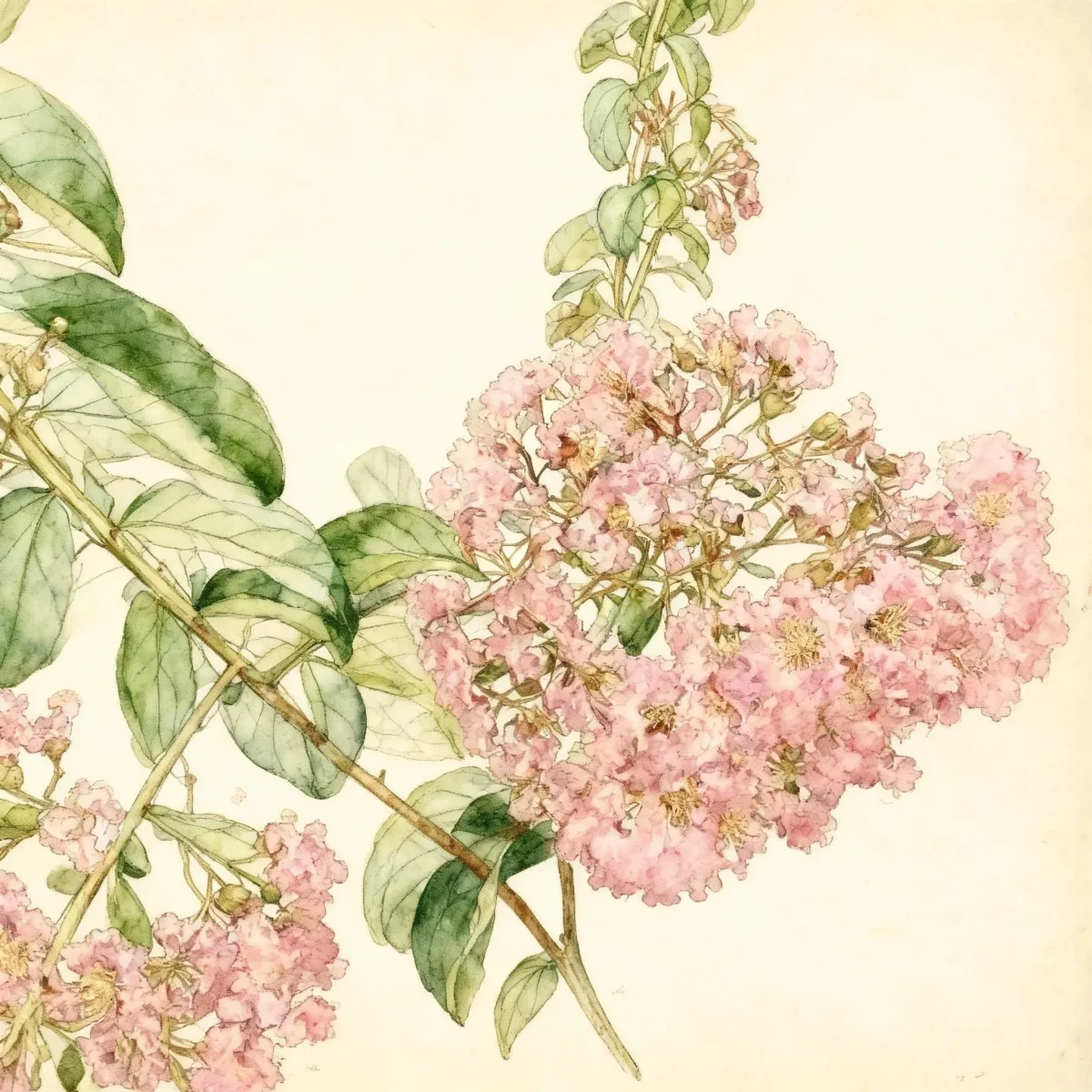
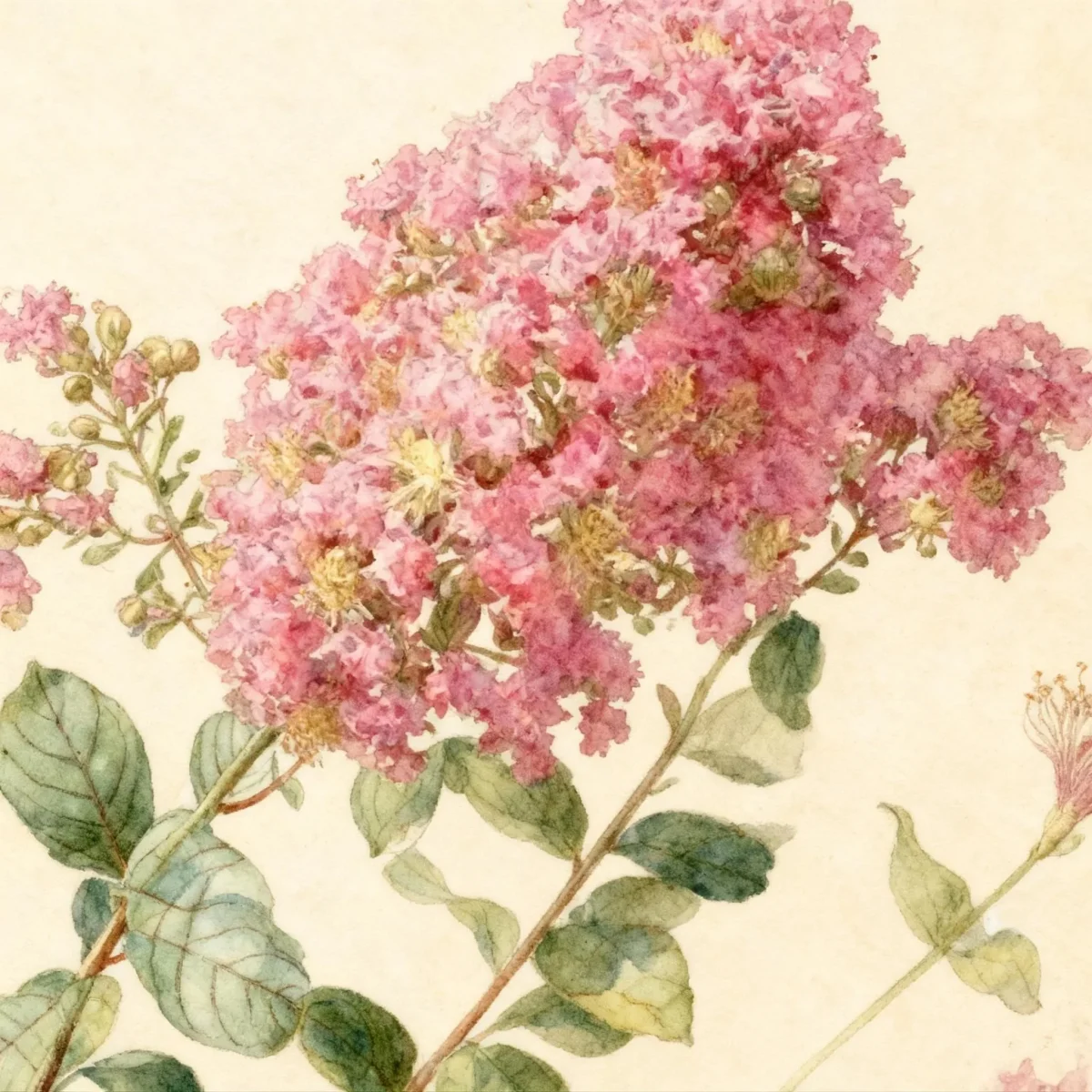
Crape myrtle (Lagerstroemia indica 'Potomac')
Lagerstroemia indica 'Potomac' is a showy, medium-sized Crape myrtle known for pink summer blooms and drought tolerance.
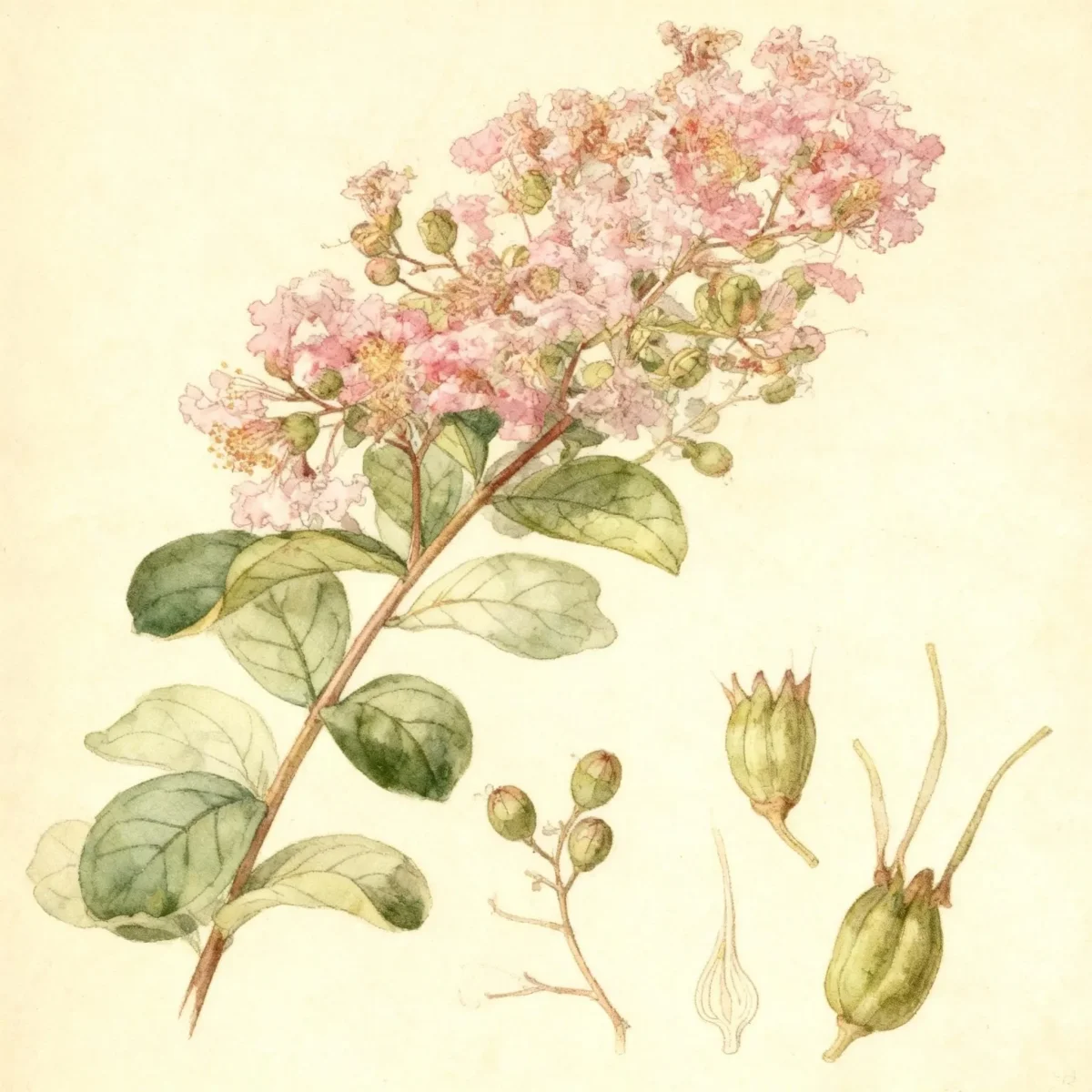

Bloom Boldly, No Matter the Season - Sweatshirt
Cozy organic cotton sweatshirt featuring our exclusive Purple Coneflower design. Perfect for gardeners who bloom year-round.
Inspired by the beautiful Crape myrtle
Limited first batch (50) — join the waitlist for early access
Waitlist closes Feb 15, 2026.
Complete Plant Information
Field Guide Continues
Ready for care notes, companion picks, and planting tips?
The map is just the start. The full guide below covers growth habits, seasonal performance, and landscape uses.
Overview
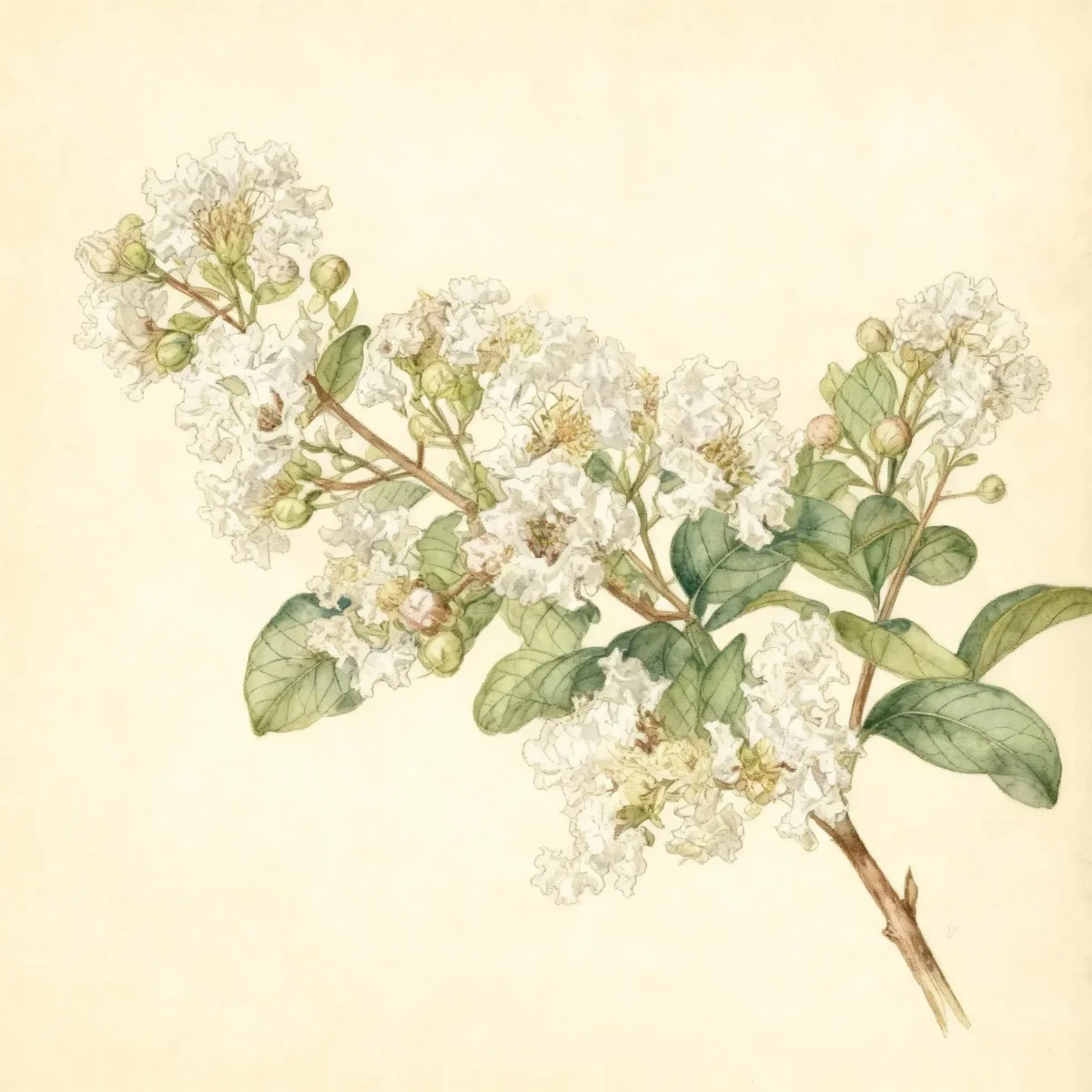
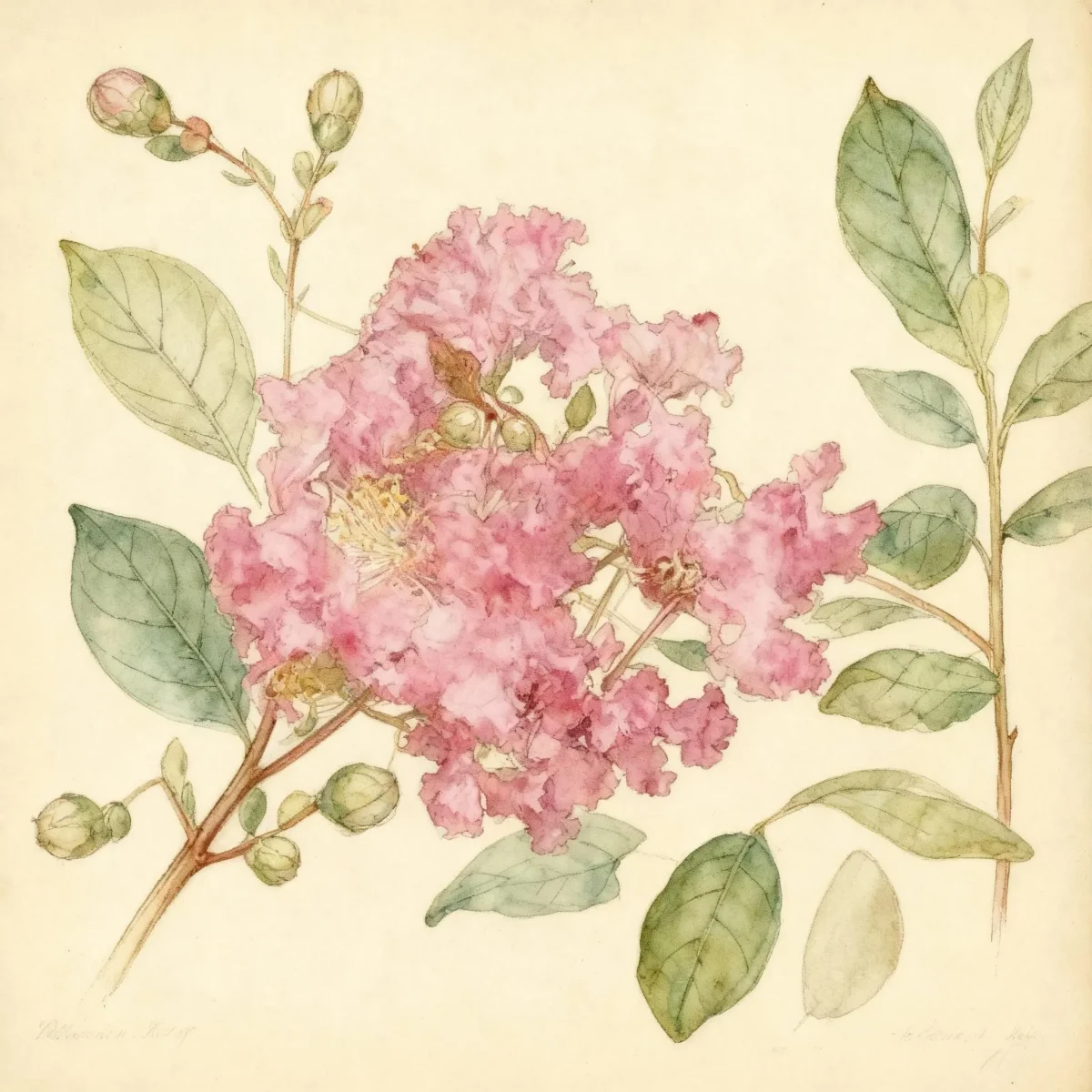
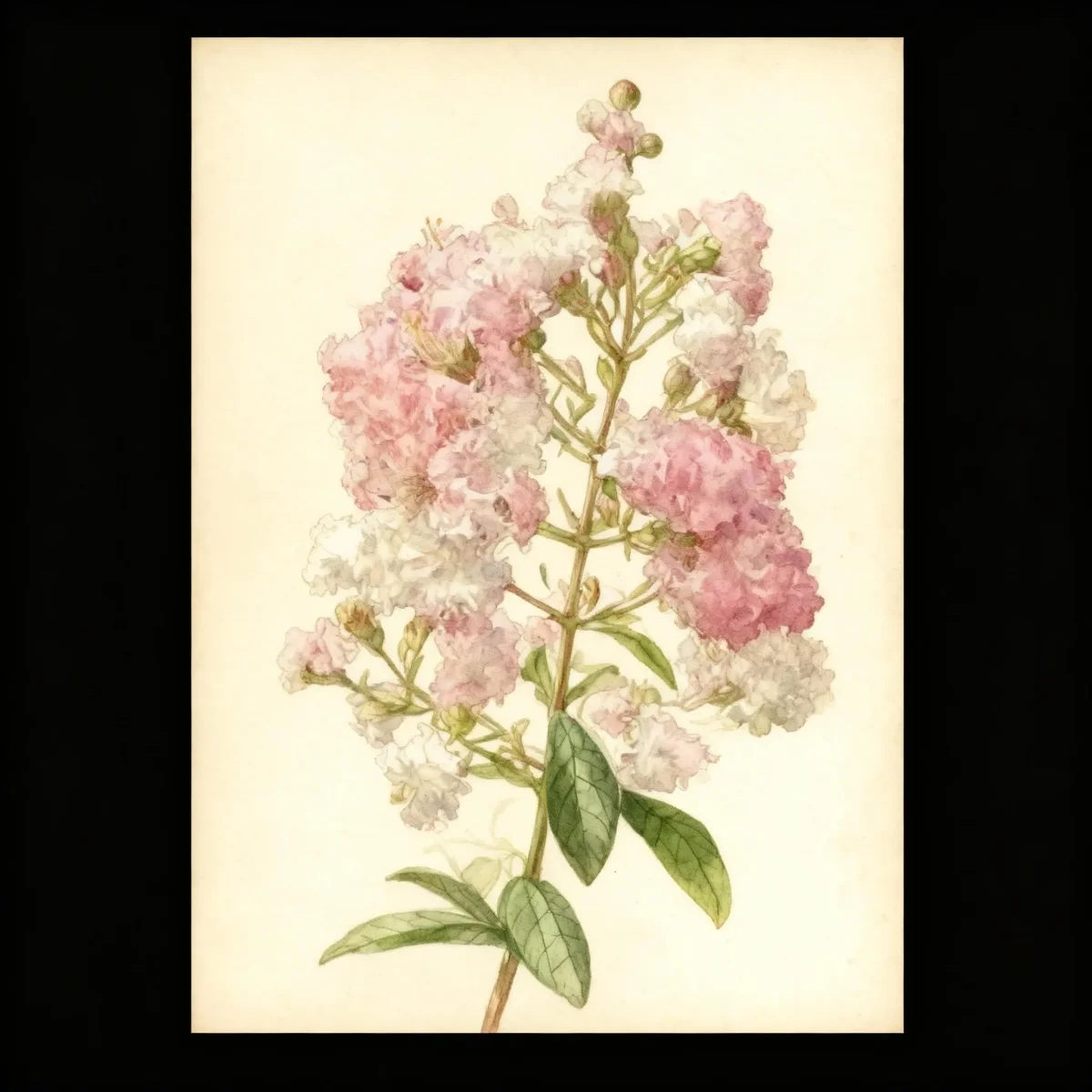
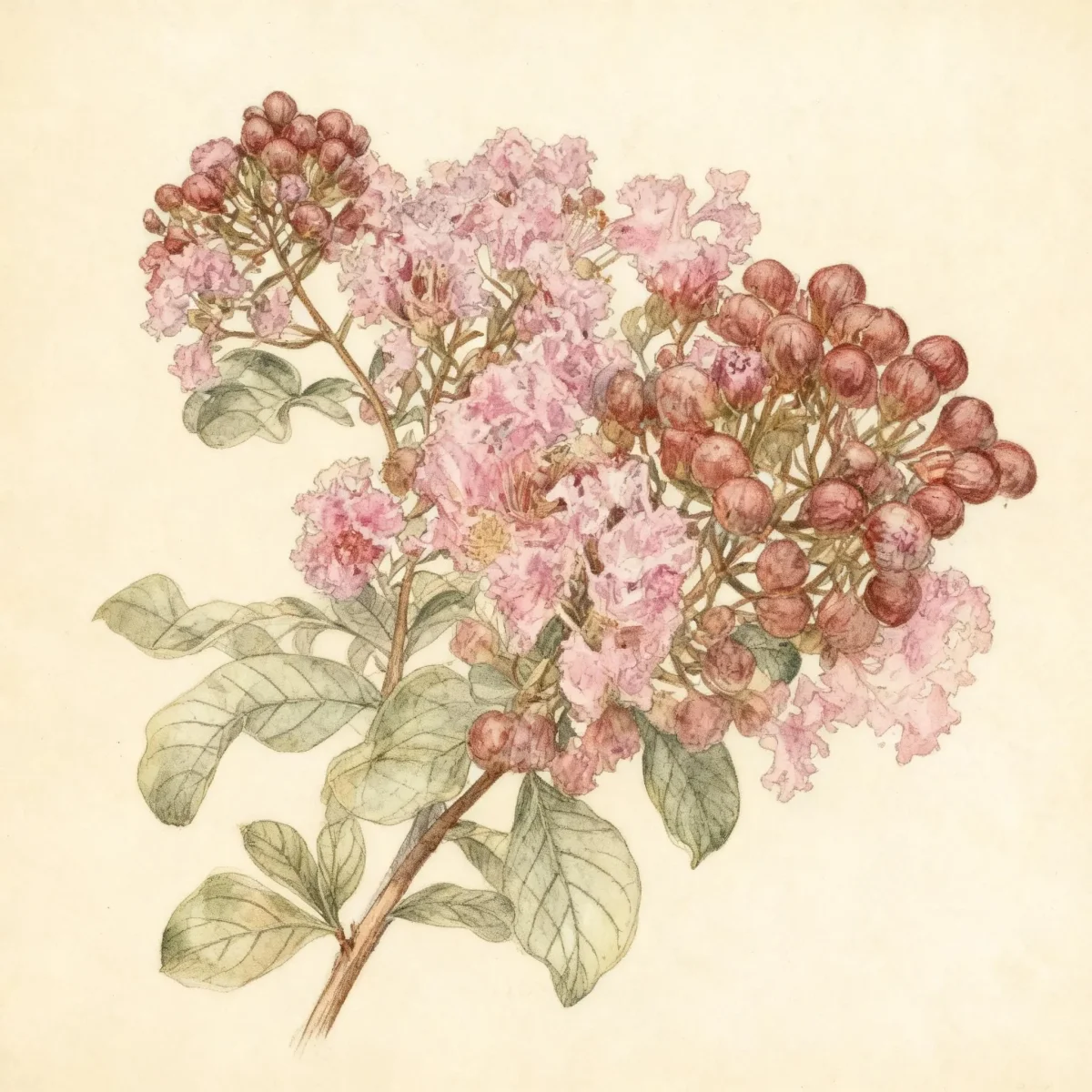
Lagerstroemia indica ‘Potomac’ is a highly desirable cultivar of Crape myrtle, celebrated for extending the summer color palette with its showy, pink, crepe-papery flowers that typically bloom from July right through September. Beyond its extended flowering period, this deciduous shrub offers ornamental value year-round, featuring attractive exfoliating grayish bark and good fall foliage color. As a versatile plant, Lagerstroemia indica ‘Potomac’ thrives in various roles, from a specimen focal point to an informal screen in warmer climates.
This specific cultivar is known for its manageable size, usually reaching heights between 2 and 10 feet, making it suitable even for smaller gardens where the full-sized species is often too large. While it performs optimally in warm regions, its resilience to drought and tolerance for clay soil make it a practical choice for many challenging garden sites across USDA Zones 6 through 9. Gardeners should still prioritize full sun exposure for the best flower production.
Managing this Crape myrtle involves understanding its variable winter hardiness, which impacts its ultimate size and required pruning regimens, especially in the cooler ends of its range. Planting Lagerstroemia indica ‘Potomac’ ensures seasons of vibrant color, texture from its peeling bark, and an overall structure that brightens any landscape.
Fast Facts
- Plant Family: Lythraceae
- Plant Type: Deciduous shrub
- Hardiness Zones: USDA Zones 6-9
- Size at Maturity:
- Height: 2-10 ft
- Spread: 2-7 ft
- Bloom Time: July to September
- Bloom Description: Pink
- Sun Exposure: Full sun
- Water Needs: Medium
- Maintenance Level: Medium
How to Grow
The optimal location for planting Lagerstroemia indica ‘Potomac’ requires full sun to ensure robust flowering. It performs best in average, well-drained soils, though it shows a good ability to tolerate loamy or clay soils, provided drainage is adequate. Planting should occur when the risk of hard frost has passed. When establishing this Crape myrtle, water the root zone deeply, particularly during dry spells, but take care to avoid wetting the foliage, which can encourage fungal issues.
Fertilization should be approached cautiously; a slow-release formula benefits the plant, but overly fertile soil often promotes excessive leafy growth at the expense of blooms and can increase susceptibility to winter injury. For longevity and health, plant in protected locations and apply a winter mulch, especially if you garden near the northern limits of Zone 6.
Winter care is crucial for the Lagerstroemia indica ‘Potomac’. In areas where temperatures dip below -5°F (like St. Louis), top growth frequently dies back to the ground yearly, even though the roots may survive to Zone 5. If this occurs, prune stems back to about 8 inches in early spring. New flowering wood will emerge from the roots, producing stems 2-4 feet tall that will bloom by summer’s end, resulting in a smaller shrub habit.
Landscape Uses
The Crape myrtle cultivar ‘Potomac’ offers excellent versatility in landscape design. It is highly recommended as a striking specimen shrub, positioned where its exfoliating bark can be admired throughout the winter months. Group planting is effective for creating massed color effects during the peak bloom season of summer.
In the southern reaches of its hardiness range (Zones 7-9), where top growth is reliably hardy, this plant excels as a tall screen or an informal hedge due to its upright and spreading habit. It can also be judiciously pruned and trained into a charming small tree form, suitable for framing entryways or patios. Even in borderline climates, using Lagerstroemia indica ‘Potomac’ in shrub borders provides unmatched summer fortitude.
Standout Features
Flower Qualities
- Showy
- Good Cut
Noteworthy Characteristics
Lagerstroemia indica, commonly known as crape myrtle, is recognized for its three-season interest which includes a long bloom period, superb fall color, and beautiful exfoliating bark. The cultivar ‘Potomac’ specifically produces terminal panicles of 6-8 inch long inflorescences featuring medium pink flowers from mid-summer into early fall. Its elliptic leaves emerge dark green, tinting bronze when young, and mature to dull orange or dark red hues before dropping.
Tolerances
- Drought
- Clay Soil
- Air Pollution
Potential Problems
The primary concerns when growing any Crape myrtle, including Lagerstroemia indica ‘Potomac’, relate to fungal issues and winter dieback. Fungal leaf spot and powdery mildew are common diseases; prevention involves watering the roots deeply and carefully avoiding wetting the foliage while ensuring good air circulation around the branches. Chlorosis, or yellowing of the leaves, can occur if the soil pH is too alkaline.
Scale insects and aphids may occasionally infest stems and new growth, requiring monitoring and potential treatment with horticultural oil or insecticidal soap. The most significant limitation, particularly in Zones 5 and 6, is winter injury to the above-ground branches. If you live in these marginal zones, plan on yearly hard pruning in early spring to reset the plant to bloom on new wood.
Frequently Asked Questions
What hardiness zones is Crape myrtle suitable for?
Lagerstroemia indica ‘Potomac’ is generally hardy in USDA Zones 6 through 9. Be aware that top growth often suffers injury or dies back in Zone 6 when temperatures drop severely.
How large does Lagerstroemia indica ‘Potomac’ grow?
This cultivar typically matures to a height between 2 and 10 feet, with a spread ranging from 2 to 7 feet, though warmer southern climates may allow it to grow larger if not pruned.
When does Crape myrtle bloom?
This variety produces its pink, showy flowers over an extended period, reliably blooming from July all the way through September.
What sun exposure does Lagerstroemia indica ‘Potomac’ need?
For best performance, this shrub requires full sun exposure; insufficient sun will drastically reduce the quantity and quality of its summer flowers.
Conclusion
Lagerstroemia indica ‘Potomac’ remains a staple for reliable summer color, thanks to its drought tolerance, adaptable soil needs, and captivating pink blooms that last for months. Successfully growing this Crape myrtle requires acknowledging its specific need for full sun and understanding the varied impacts of winter cold on its woody structure. Before planting, confirm that your location falls within USDA Zones 6-9 and plan your maintenance to maximize both its attractive foliage and enduring floral display.
Companion Planting
When designing a border featuring the Lagerstroemia indica ‘Potomac’, consider pairing it with plants that thrive in similar full-sun, medium-moisture conditions. Dwarf conifers or evergreen shrubs can provide crucial structure and winter interest when the deciduous Crape myrtle is dormant. For complementary late-season flowers, look towards coneflowers (Echinacea) or perennial salvias, which share a preference for well-drained soil and high heat.
Avoid planting aggressive groundcovers tightly around the base, as this can impede air circulation and discourage deep watering. Instead, use a light layer of mulch to maintain soil moisture variation while preventing competitive root growth immediately adjacent to the young roots of your new Crape myrtle.
Design Ideas for Pink Blooms
The medium pink flowers of ‘Potomac’ perform beautifully when contrasted against dark green or silver-foliaged plants. Imagine planting groups of this shrub against a backdrop of dark green hedges, like Japanese holly or boxwood, for a classic, high-contrast look. Because Lagerstroemia indica ‘Potomac’ is somewhat adaptable in size, it works well near the edge of a foundation planting where its mature height of 10 feet won’t overwhelm the structure.
For a more naturalistic design, especially in informal hedges or screening, allow the plant to retain its multi-stemmed form. Its exfoliating bark offers wonderful texture, which is particularly noticeable when the plant is illuminated by afternoon sun, making placement where morning sun transitions to afternoon sun ideal.