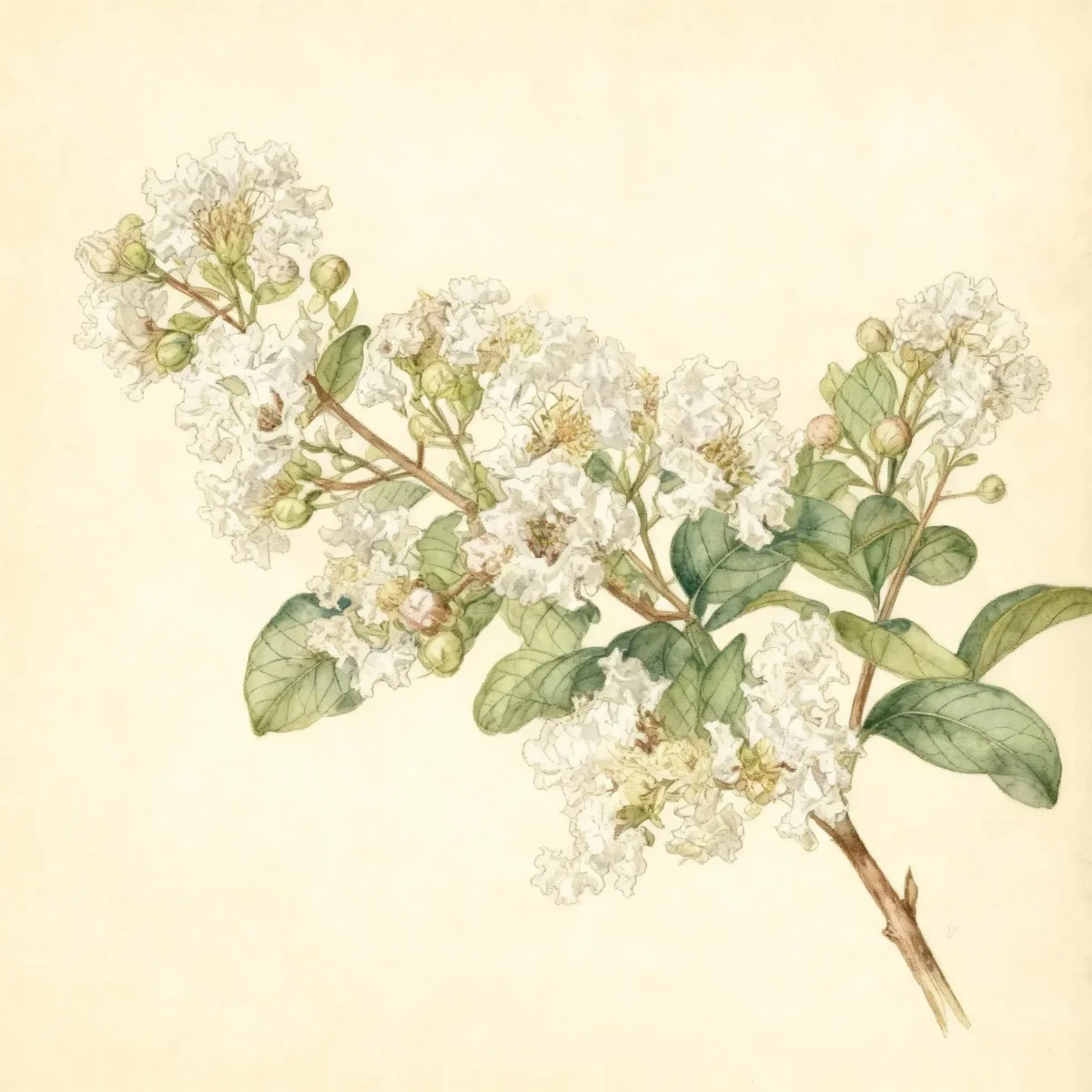
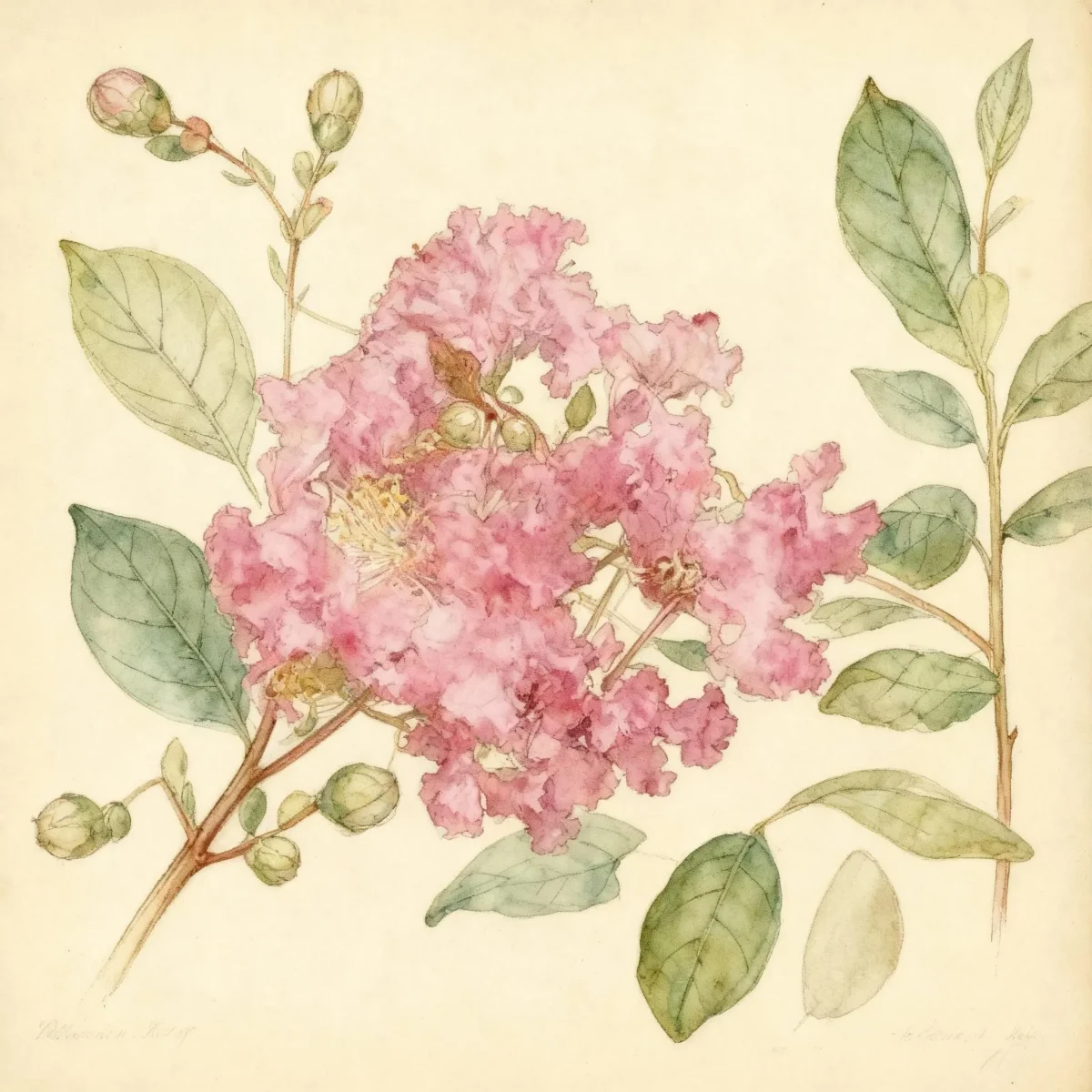
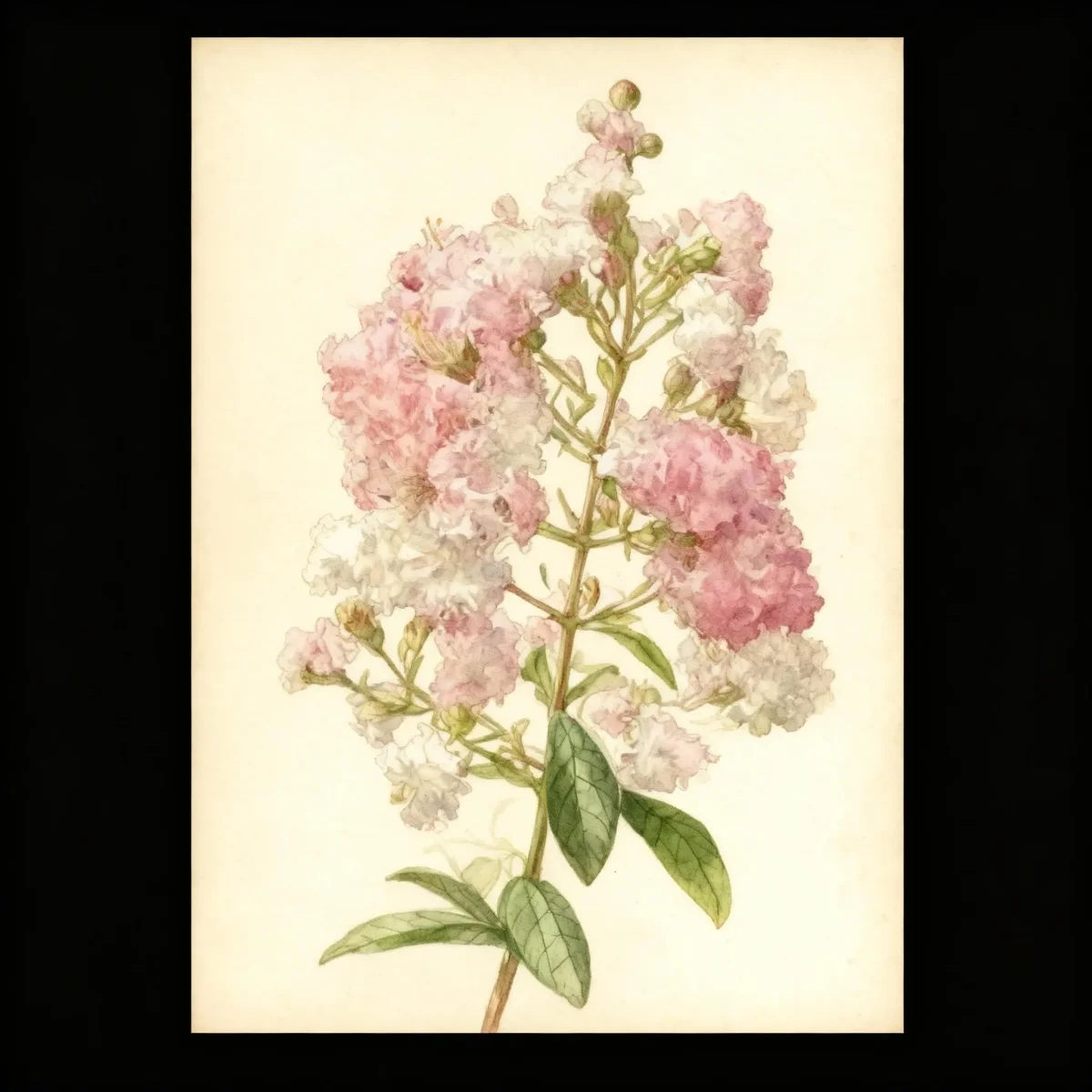
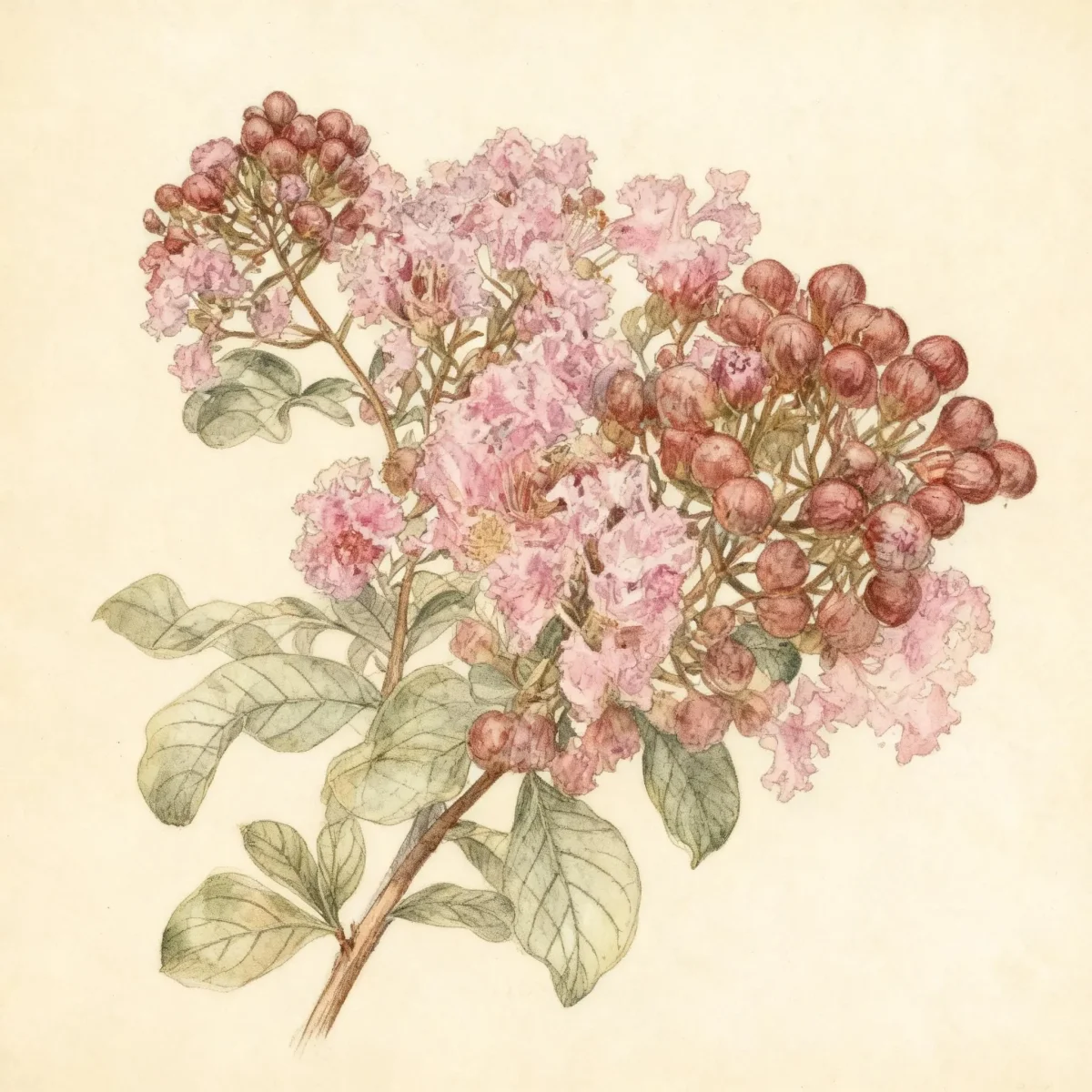
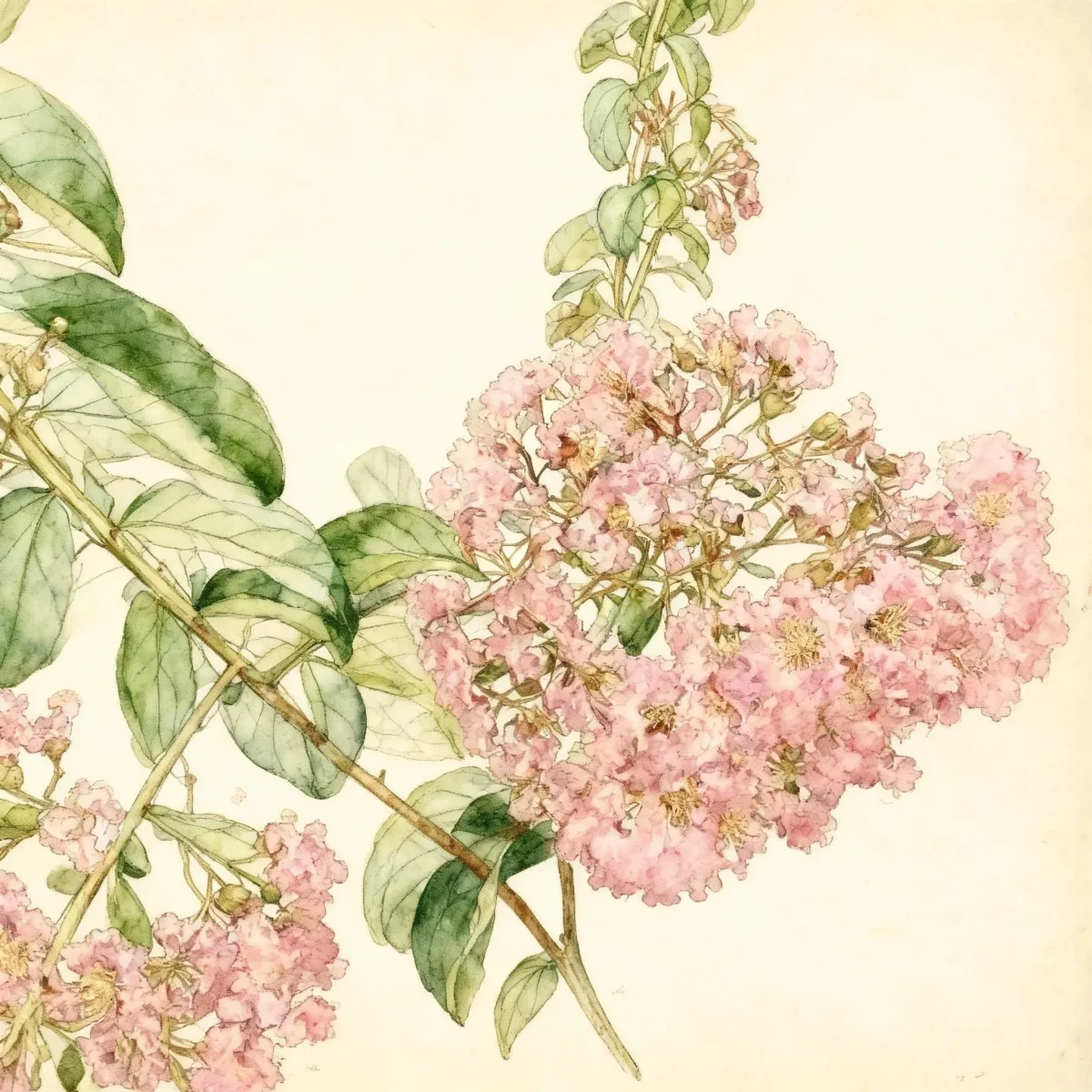
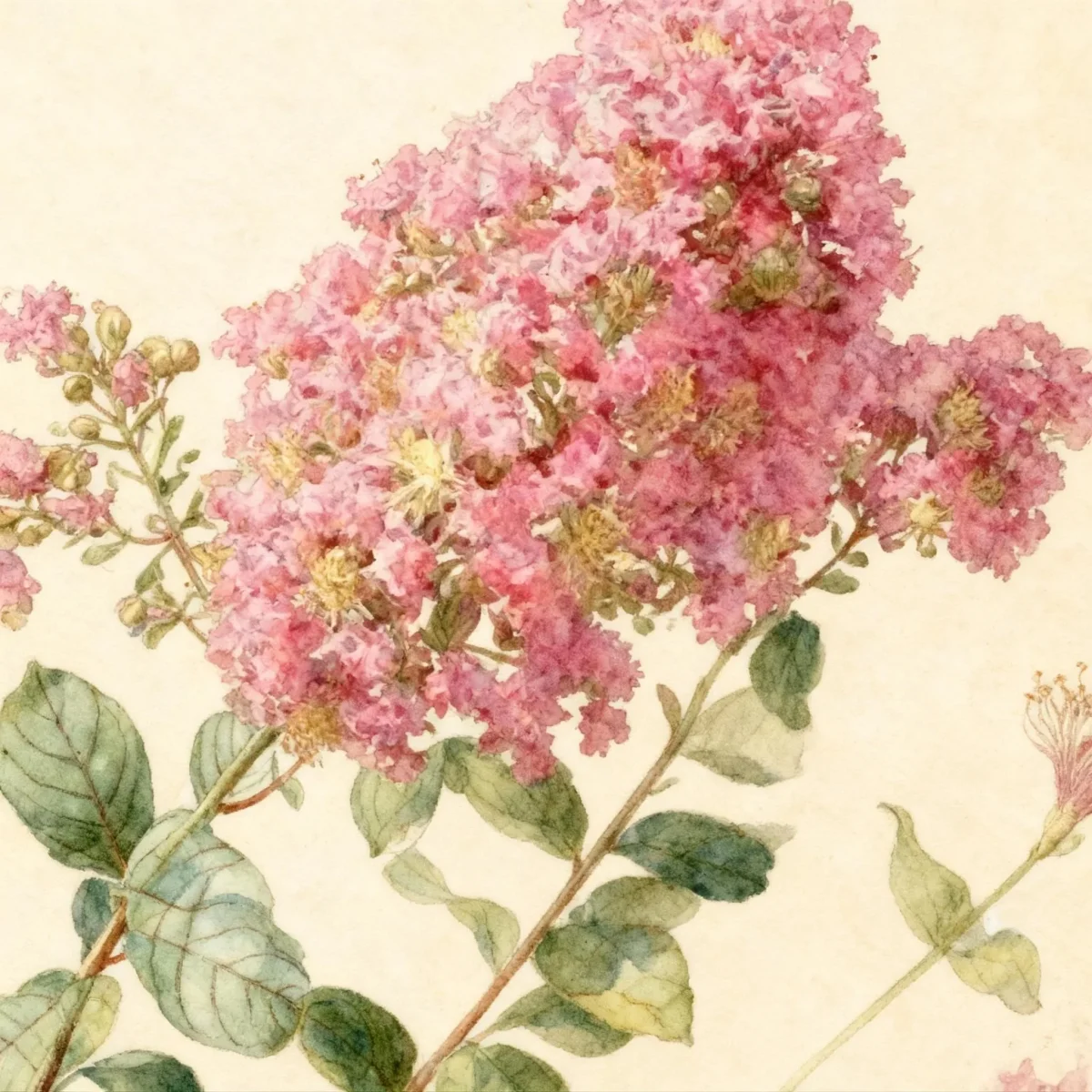
Crape myrtle (Lagerstroemia indica 'Whit I' RASPBERRY SUNDAE)
The Lagerstroemia indica 'Whit I' RASPBERRY SUNDAE Crape myrtle offers vibrant raspberry pink blooms from mid-summer onward, thriving in full sun.
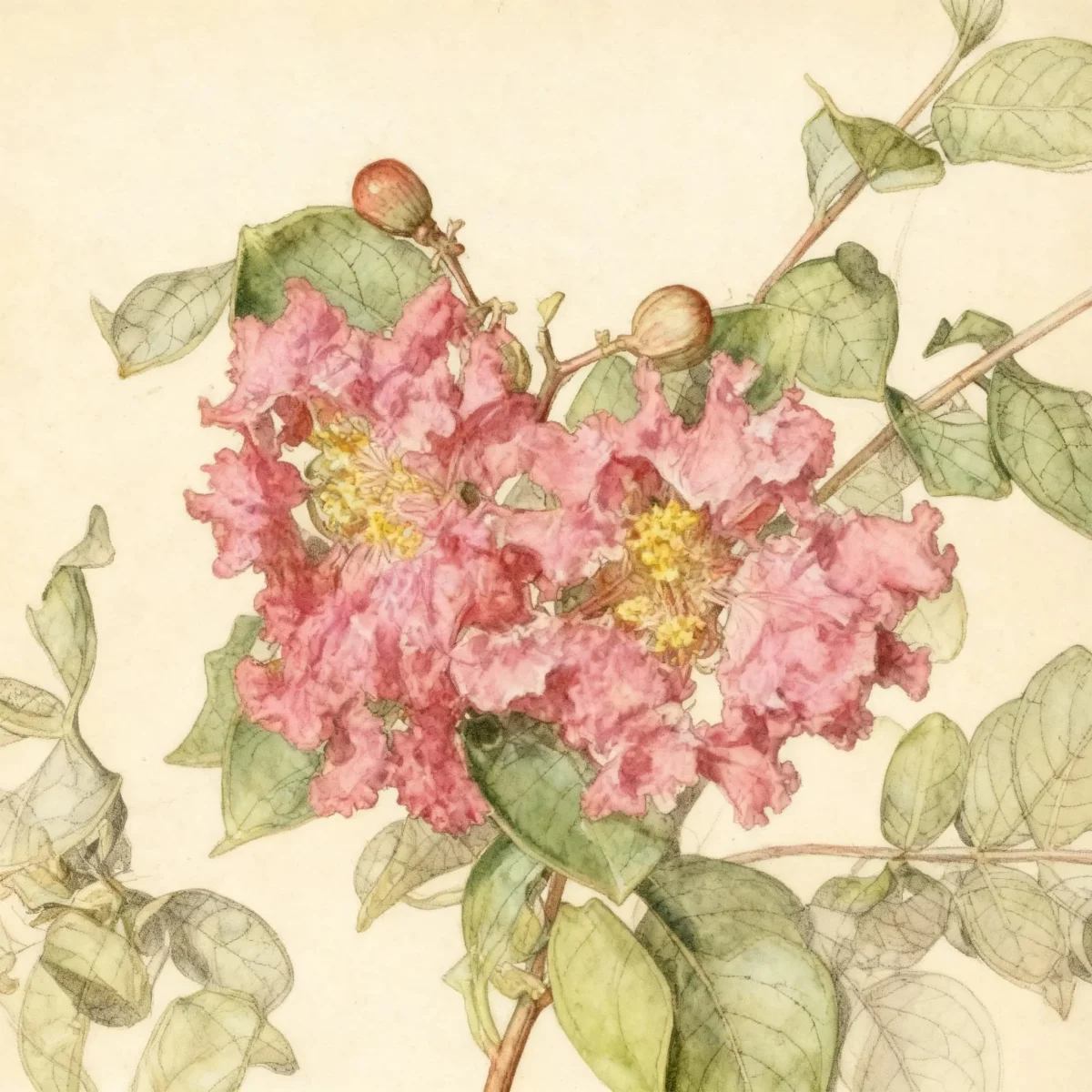

Bloom Boldly, No Matter the Season - Sweatshirt
Cozy organic cotton sweatshirt featuring our exclusive Purple Coneflower design. Perfect for gardeners who bloom year-round.
Inspired by the beautiful Crape myrtle
Limited first batch (50) — join the waitlist for early access
Waitlist closes Feb 15, 2026.
Complete Plant Information
Field Guide Continues
Ready for care notes, companion picks, and planting tips?
The map is just the start. The full guide below covers growth habits, seasonal performance, and landscape uses.
Overview
The Lagerstroemia indica ‘Whit I’ RASPBERRY SUNDAE, a delightful cultivar of Crape myrtle, provides gardeners with exceptional summer color, thanks to its long blooming period extending from July into September. This deciduous shrub or small tree is prized for its terminal panicles of distinctly raspberry pink flowers, which stand out against attractive dark green foliage that turns orange in the autumn. As a desirable ornamental, the Lagerstroemia indica ‘Whit I’ RASPBERRY SUNDAE offers exfoliating bark and reliable performance in warmer regions.
While celebrated across the South, gardeners should note the specific hardiness requirements for this Crape myrtle. In regions near the edge of its viability, such as Zone 6, winter dieback can be expected, requiring annual pruning to the ground. However, this vigorous re-sprouting ensures that blooms still appear on new wood, keeping the vibrant color display present yearly.
Understanding the needs of your Lagerstroemia indica ‘Whit I’ RASPBERRY SUNDAE allows for maximum floral display and structural integrity. It fits well into various landscape roles, functioning as a specimen plant or integrated into borders, providing texture and color across the hottest months of the year.
Fast Facts
- Plant Family: Lythraceae
- Plant Type: Deciduous shrub
- Hardiness Zones: USDA Zones 6-9
- Size at Maturity:
- Height: 5-15 ft
- Spread: 5-13 ft
- Bloom Time: July to September
- Bloom Description: Raspberry pink
- Sun Exposure: Full sun
- Water Needs: Medium
- Maintenance Level: Medium
How to Grow
For optimal growth, plant the Lagerstroemia indica ‘Whit I’ RASPBERRY SUNDAE in average, well-drained soils receiving full sun exposure throughout the day. This Crape myrtle tolerates loamy and clay soils, provided drainage remains adequate, making establishment relatively straightforward in many garden settings. Avoid planting in overly fertile locations, as this encourages excessive leaf growth at the expense of profuse flowering and can increase susceptibility to winter injury.
Watering should be deep and infrequent, focusing directly on the root zone, particularly during dry spells; take care to keep water off the foliage to help prevent fungal issues. When fertilizing, use a slow-release formula to support steady growth without causing the common over-fertilization issues seen with this species. Planting in protected locations and applying a winter mulch is highly recommended, especially in Zones 5 and 6 where top growth frequently suffers frost damage.
Gardeners in zones susceptible to hard freezes (below -5°F) must manage expectations regarding height. If top growth dies back, prune woody stems back hard to about 8 inches in early spring. New stems will emerge from the base, typically growing 2–4 feet tall by the end of the season, reliably carrying summer flowers on the new wood. Selecting a planting site that offers some protection from harsh winter winds further secures the long-term health of your Crape myrtle.
Landscape Uses
The versatility of the Crape myrtle makes it a staple in mild to warm climate gardening. Lagerstroemia indica ‘Whit I’ RASPBERRY SUNDAE functions beautifully as a specimen shrub, drawing the eye with its unique flower color and exfoliating bark texture. It excels when planted in groups or utilized within shrub or perennial borders, offering mid-to-late season floral substance where earlier spring bloomers have faded.
In the warmer expanses of its range, this cultivar can be trained as a small, single-trunk tree, ideal for lining walkways or serving as a formal accent near entryways. Alternatively, when planted en masse, it creates an effective screen or informal hedge offering privacy through the summer and fall. Its bright raspberry pink blooms ensure it complements plantings featuring cooler colors like lavenders and whites.
Standout Features
Flower Qualities
- Showy
Noteworthy Characteristics
Lagerstroemia indica, commonly known as crape myrtle, is an upright, wide-spreading, multi-stemmed, deciduous shrub or small tree in the loosestrife family. Key ornamental features include long bloom period, exfoliating bark and superb fall color, with this specific cultivar, RASPBERRY SUNDAE, featuring dark green foliage turning orange in fall and terminal, crepe-papery, 6-9” long inflorescences of raspberry pink flowers from mid-summer to early fall. The species name refers to its East Indies origins, while the common name reflects its crepe-like flowers and myrtle-like foliage and bark textures.
Tolerances
- Drought
- Clay Soil
- Air Pollution
Potential Problems
The two primary concerns for crape myrtles like Lagerstroemia indica ‘Whit I’ RASPBERRY SUNDAE involve fungal diseases, specifically powdery mildew and fungal leaf spot. These issues are more common in humid conditions or where air circulation is poor; ensuring full sun and good spacing when planting helps mitigate risk.
Foliage may also exhibit chlorosis (yellowing) if planted in highly alkaline soils, which suggests a nutrient imbalance that can be managed through soil amendments or targeted fertilization. Additionally, watch for minor infestations of scale or aphids, treatable with horticultural oils or insecticidal soap if necessary. As noted, winter injury remains the most significant cultural issue in northern zones (5-6), requiring pruning of damaged wood in spring.
Frequently Asked Questions
What hardiness zones is Crape myrtle suitable for?
This cultivar is reliably hardy in USDA Zones 6 through 9. Cold protection is advised for survival in Zone 5.
How large does Lagerstroemia indica ‘Whit I’ RASPBERRY SUNDAE grow?
Typically, it reaches a moderate height of 5 to 15 feet, with a spread ranging from 5 to 13 feet, although winter dieback can keep plants smaller in challenging zones.
What sun exposure does Crape myrtle need?
Lagerstroemia indica ‘Whit I’ RASPBERRY SUNDAE requires full sun to produce its best flush of raspberry pink blooms throughout the summer months.
When does Lagerstroemia indica ‘Whit I’ RASPBERRY SUNDAE bloom?
This Crape myrtle offers a substantial bloom period, typically starting in July and continuing through September.
Conclusion
The Lagerstroemia indica ‘Whit I’ RASPBERRY SUNDAE is a fantastic choice for adding reliable, vibrant color to the summer landscape, showcasing lovely raspberry pink flowers and attractive exfoliating bark. While it demands adequate sun, its tolerance for clay and drought makes it a relatively adaptable shrub across warmer climates. Before planting, always confirm that your local hardiness zone supports the shrub’s minimum requirement of USDA Zone 6 for reliable woody growth.
Companion Planting
When designing beds around your Crape myrtle, consider companion plants that share its love for full sun and well-drained soil. Low-growing perennials like Russian Sage (Perovskia atriplicifolia) or ornamental grasses provide contrasting silvery or fine textures against the shrub’s dark green foliage. Planting coneflowers (Echinacea) or Black-Eyed Susans (Rudbeckia) nearby extends the flowering season into the fall, ensuring continuous visual interest beneath the blooming canopy of the Lagerstroemia indica ‘Whit I’ RASPBERRY SUNDAE.
Seasonal Care Calendar
Early spring is the critical time for structural maintenance across all zones. Prune back any dead or damaged wood resulting from winter cold, cutting hardened stalks back to about 8 inches if significant dieback occurred. In late spring or early summer, apply a slow-release fertilizer around the drip line to encourage robust flowering rather than excess leafy growth. Water deeply during summer dry spells, focusing moisture at the base, and monitor foliage closely in humid weather for the first signs of powdery mildew, treating promptly if spotted.