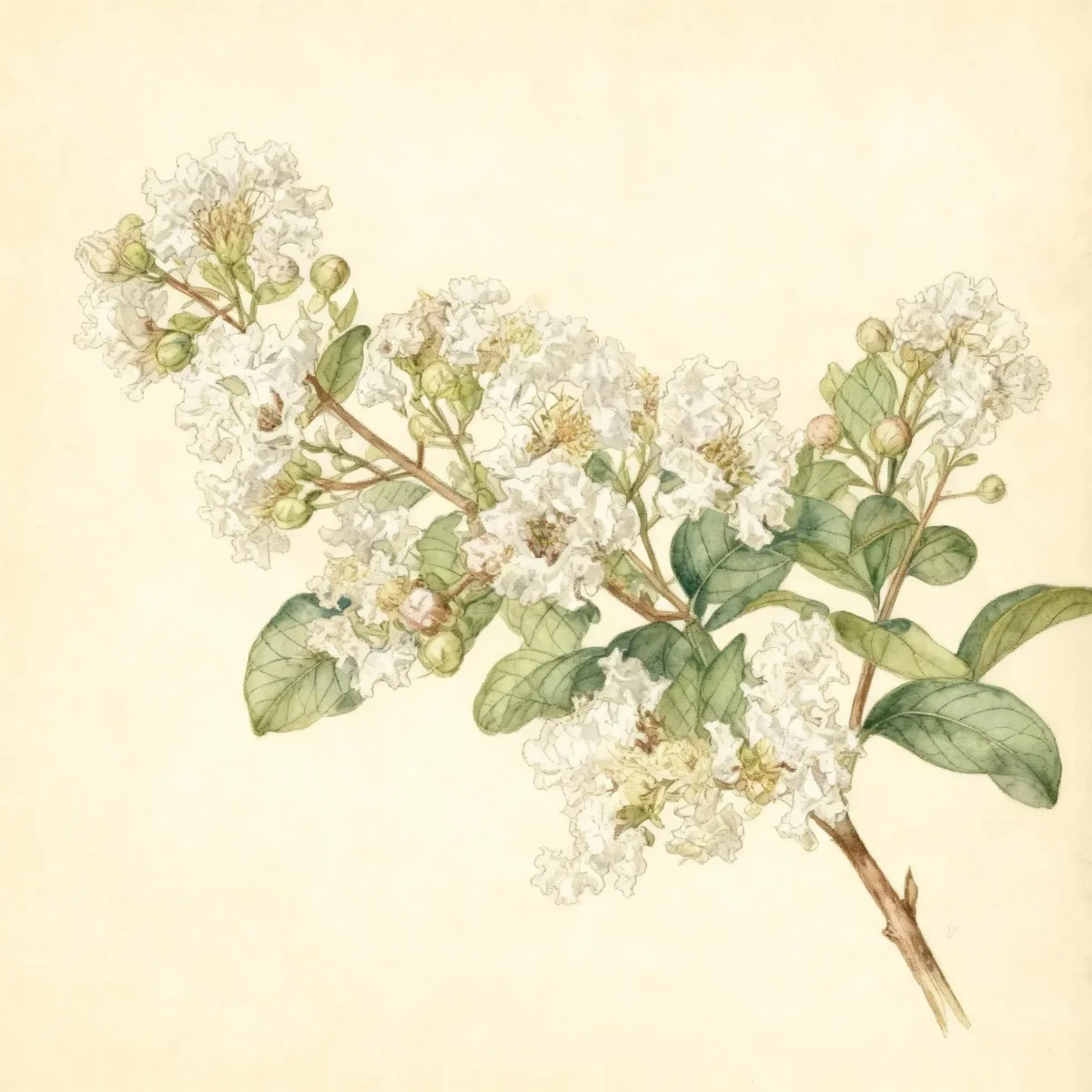
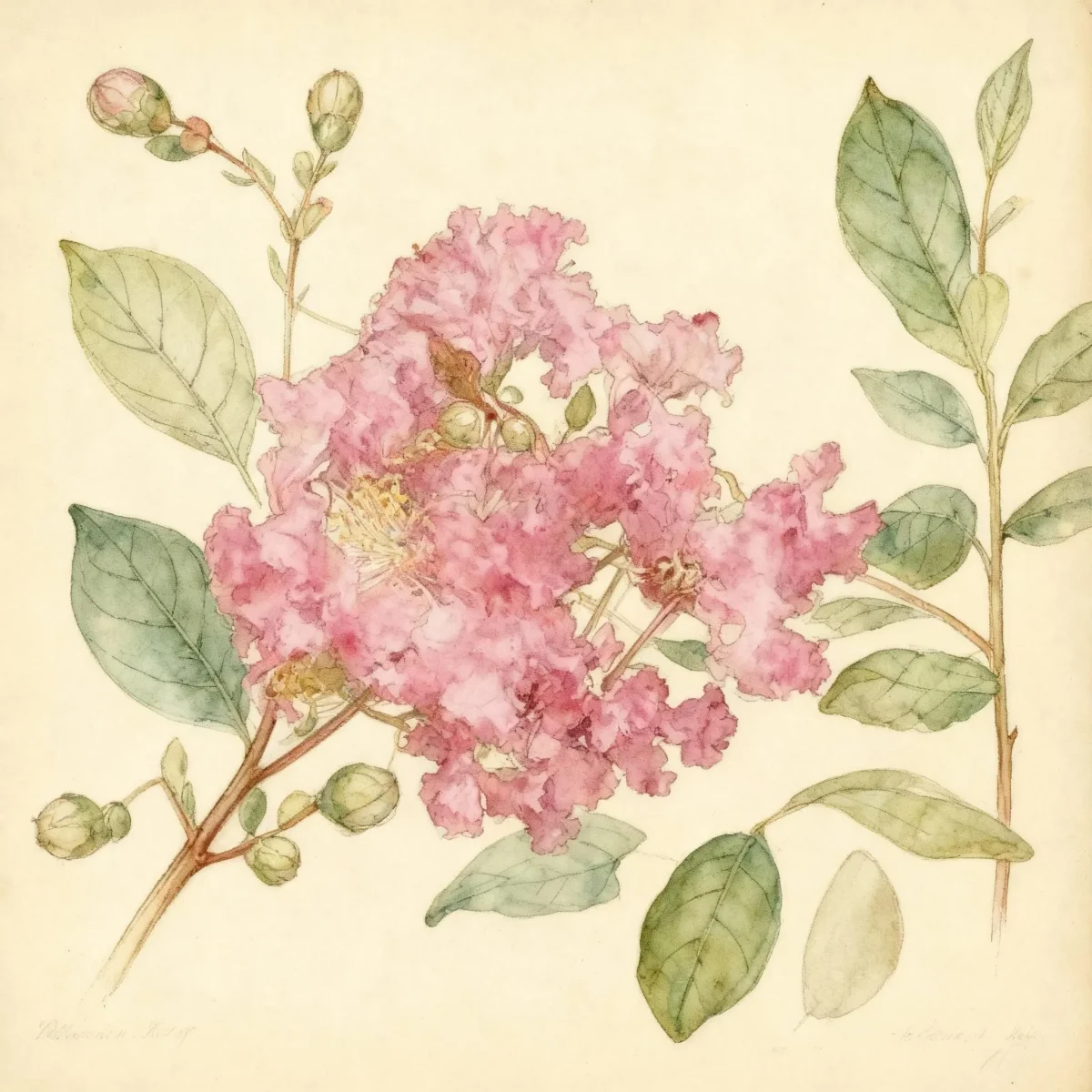
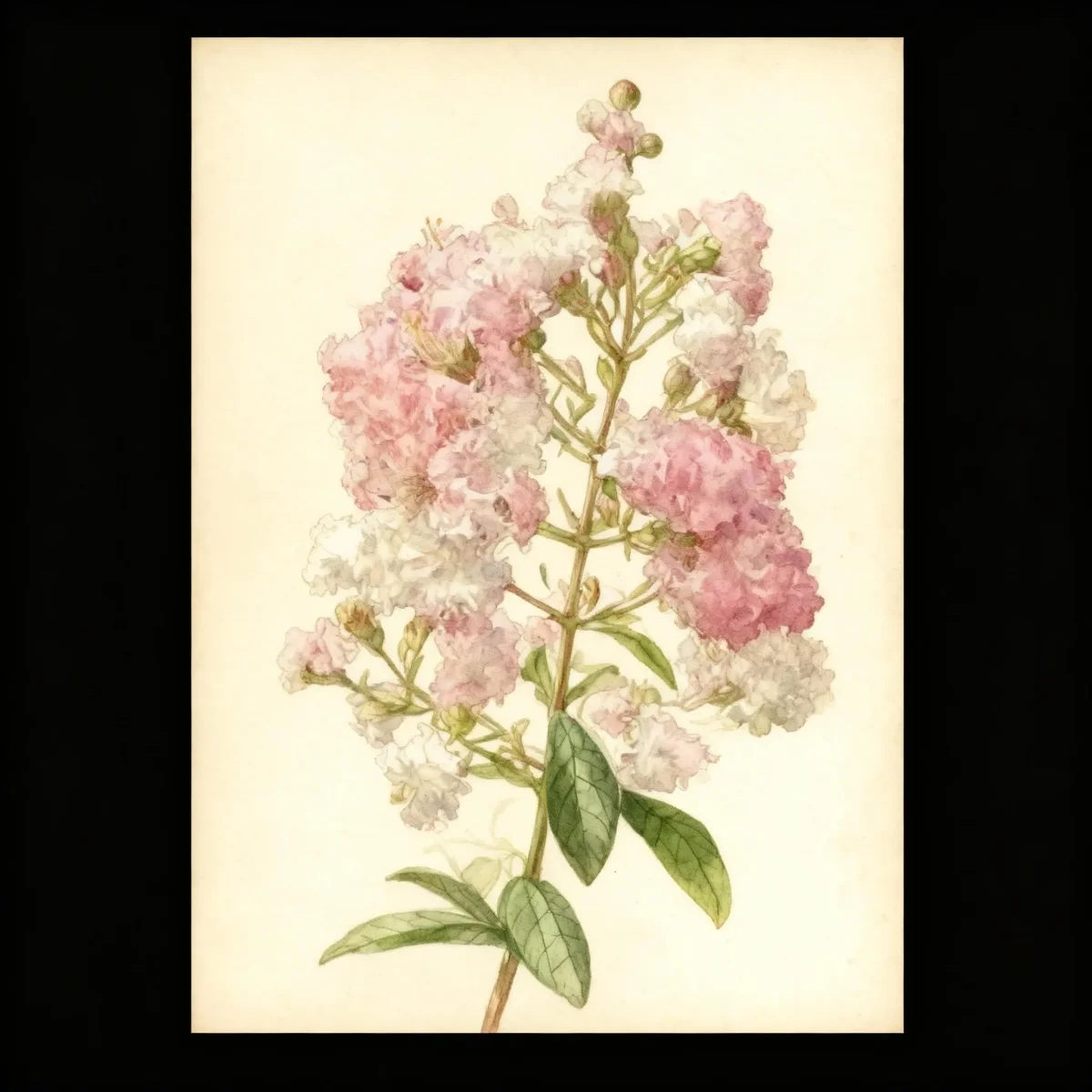
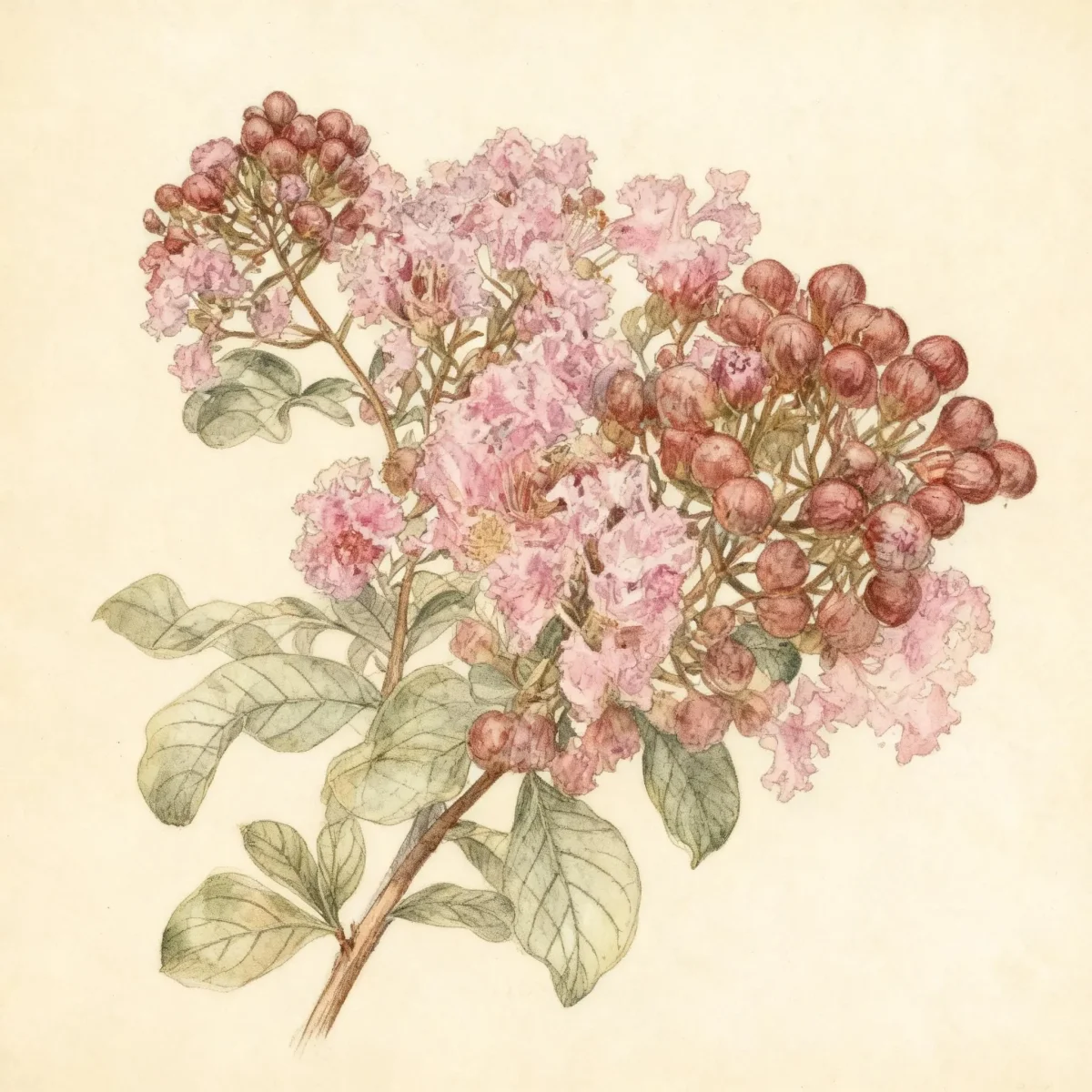
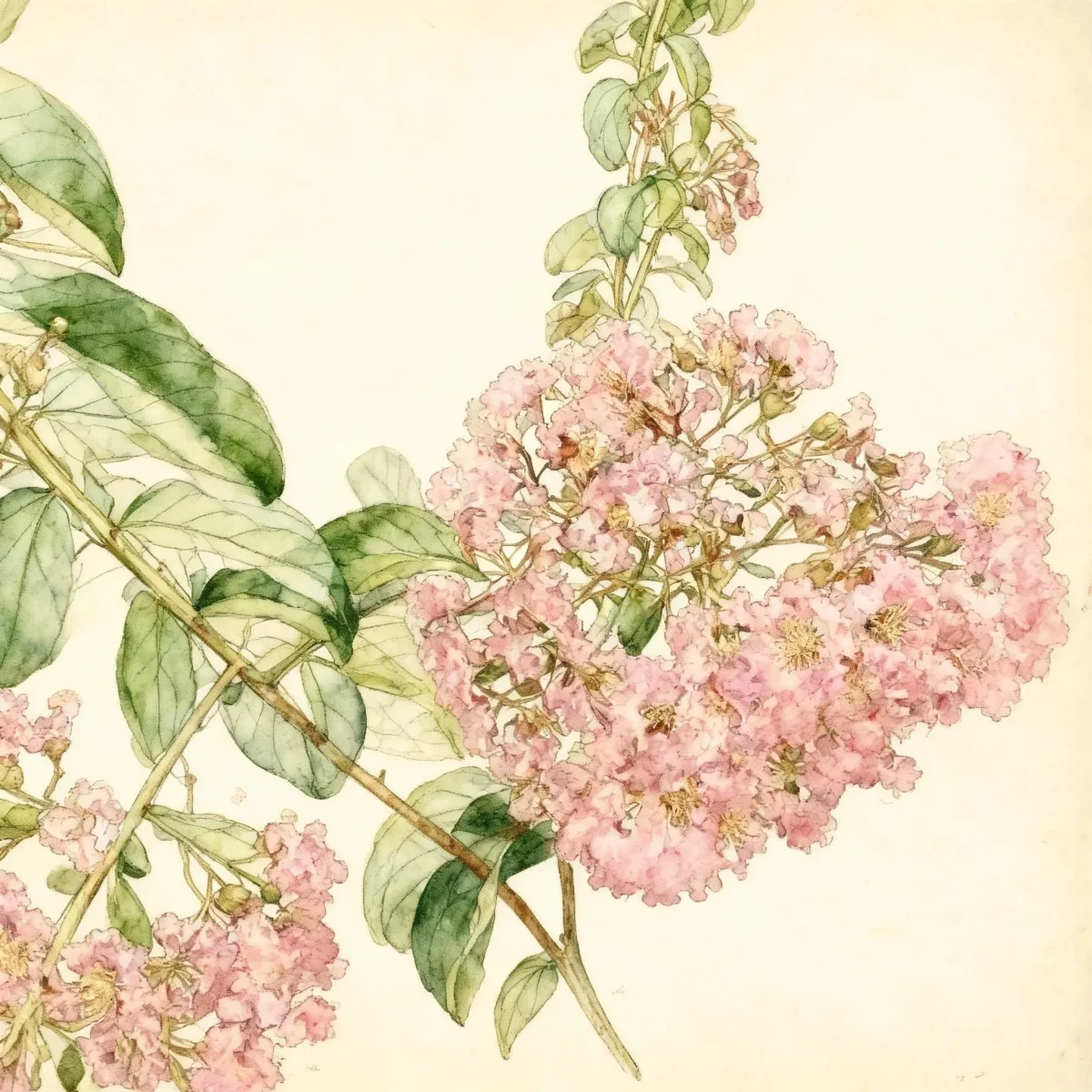
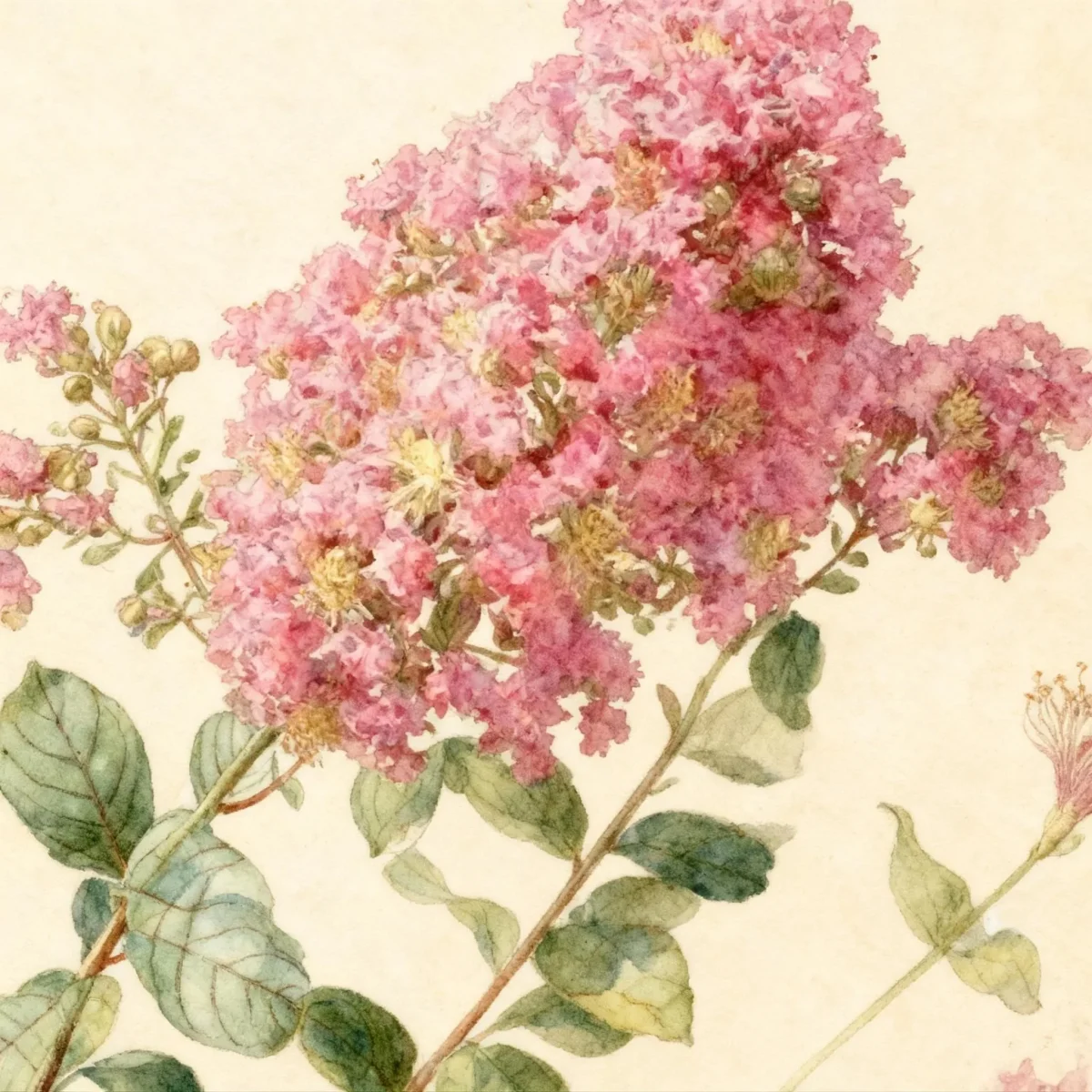
Crape myrtle (Lagerstroemia indica 'Seminole')
Lagerstroemia indica 'Seminole', a medium pink blooming Crape myrtle, offers showy summer color in USDA Zones 6-9.
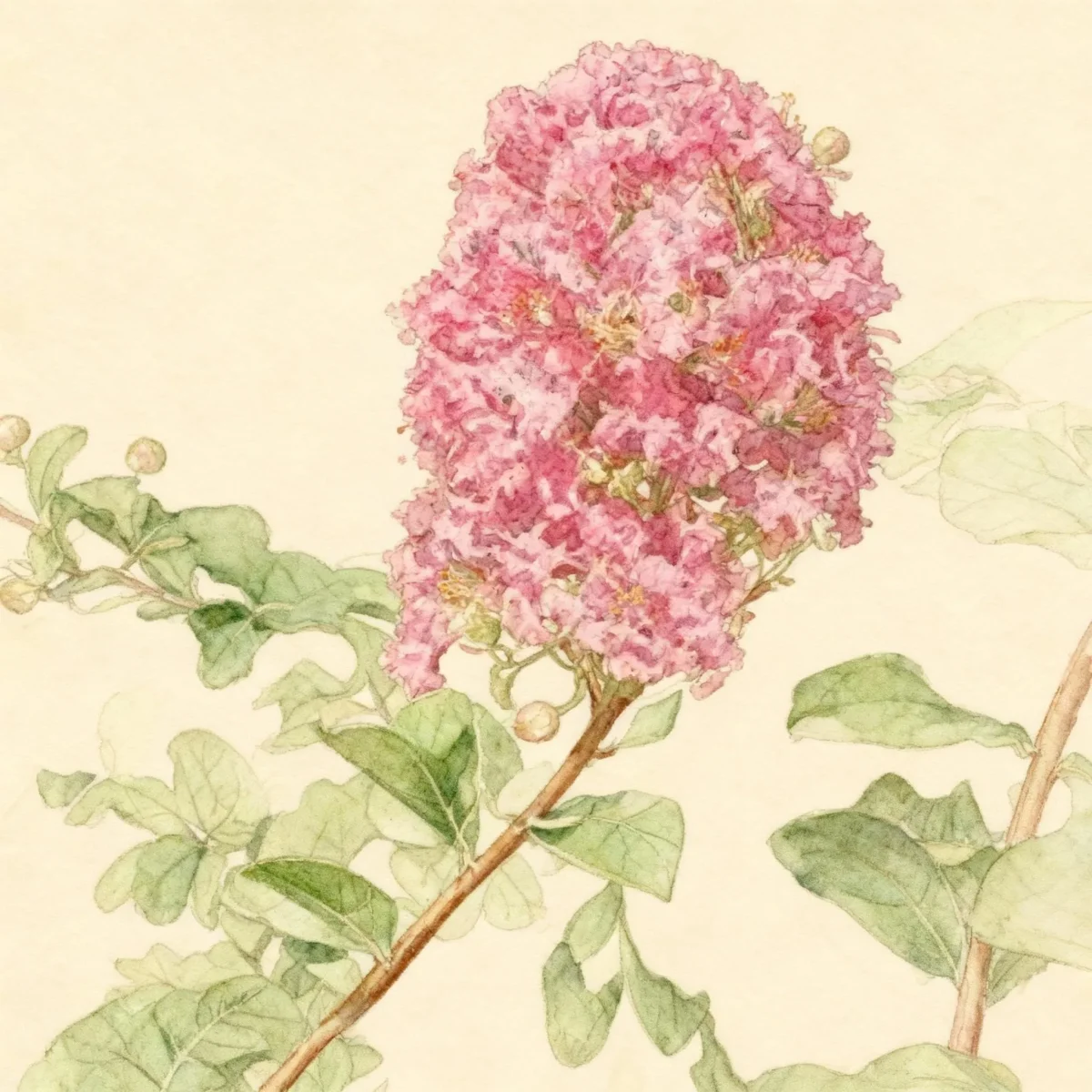

Bloom Boldly, No Matter the Season - Sweatshirt
Cozy organic cotton sweatshirt featuring our exclusive Purple Coneflower design. Perfect for gardeners who bloom year-round.
Inspired by the beautiful Crape myrtle
Limited first batch (50) — join the waitlist for early access
Waitlist closes Feb 15, 2026.
Complete Plant Information
Field Guide Continues
Ready for care notes, companion picks, and planting tips?
The map is just the start. The full guide below covers growth habits, seasonal performance, and landscape uses.
Overview
The Lagerstroemia indica ‘Seminole’ imparts vibrant color to the summer landscape, recognized widely as a desirable Crape myrtle cultivar. This deciduous shrub is valued for its reliable mid-summer bloom, featuring medium pink flowers with distinctive, crepe-like petals that persist well into the fall. Its relatively compact size, maxing out around 8 feet tall and 7 feet wide in many regions, makes it incredibly versatile for structured garden settings.
As a member of the Lythraceae family, this specific Crape myrtle cultivar thrives best when provided with abundant sunlight, which is crucial for maximizing its flowering potential. While adaptable to varying soil types, including clay, excellent drainage remains a key requirement for long-term health. Gardeners appreciate the exfoliating gray bark which provides year-round visual interest, complementing the dark green summer foliage.
Even in areas where winter injury causes stem dieback, like Zone 6, the Lagerstroemia indica ‘Seminole’ remains a valuable addition, rewarding patient growers with abundant new growth and flowers on the fresh wood each season. Its combination of long bloom duration and manageable stature solidifies its spot as a southern favorite often called the Lilac of the South.
Fast Facts
- Plant Family: Lythraceae
- Plant Type: Deciduous shrub
- Hardiness Zones: USDA Zones 6-9
- Size at Maturity:
- Height: 2-8 ft
- Spread: 2-7 ft
- Bloom Time: July to September
- Bloom Description: Pink
- Sun Exposure: Full sun
- Water Needs: Medium
- Maintenance Level: Medium
How to Grow
For optimal growth, plant Lagerstroemia indica ‘Seminole’ in locations receiving full sun—less than six hours of direct sun will significantly reduce flowering. Planting should occur in average, medium-moisture soils, though this Crape myrtle tolerates loamy or clay soils provided drainage is sound. Deep watering at the roots is recommended, particularly during dry spells, taking care to avoid wetting the foliage to help minimize disease pressure.
Maintenance involves a medium commitment, including the potential use of a slow-release fertilizer to encourage healthy blooming, though over-fertilizing should be avoided as it promotes foliage at the expense of flowers. In late winter or early spring, prune selectively. In regions prone to severe winter cold (Zones 5-6), be prepared for the top growth to die back; cut these dead branches back to about 8 inches to encourage strong new flowering stems for the coming season.
Where winter temperatures drop significantly below -5°F, especially in Zone 5, gardeners must accept that the woody portions may suffer dieback or total loss, requiring annual hard pruning back to the root crown. For established plants in warmer zones, applying a winter mulch can enhance protection and help retain critical moisture around the root zone.
Landscape Uses
The moderate stature of the Lagerstroemia indica ‘Seminole’ makes it highly adaptable in landscape design, especially when seeking a specimen shrub that offers reliable summer color. It performs exceptionally well when planted as a focal point in shrub borders, adding vertical texture and bright pink masses of flowers against neighboring evergreens or perennial plantings.
In areas where winter survival is assured (Zones 7-9), this Crape myrtle cultivar functions beautifully as an informal screen or hedge, providing semi-privacy punctuated by its long blooming season. Even when pruned back due to winter stress in cooler zones, the dense summer foliage and striking exfoliating bark maintain screen integrity. Consider pairing the medium pink blooms with contrasting cool colors like blues or purples in perennial beds positioned below.
Standout Features
Flower Qualities
- Showy
- Good Cut
Noteworthy Characteristics
Lagerstroemia indica, commonly known as crape myrtle, is an upright, wide-spreading, multi-stemmed, deciduous shrub or small tree in the loosestrife family. Key ornamental features include long bloom period, exfoliating bark and superb fall color. This specific cultivar, ‘Seminole’, features terminal, crepe-papery, 6-8” long inflorescences (panicles) of medium pink flowers from mid-summer to early fall. The smooth, grayish bark exfoliates beautifully with age, offering winter interest below the finished summer canopy.
Tolerances
- Drought
- Clay Soil
- Air Pollution
Potential Problems
Two significant fungal issues commonly affect Crape myrtles: powdery mildew and fungal leaf spot. To manage these, ensure good air circulation by providing adequate spacing and avoiding overhead watering, especially in humid conditions. Foliage can appear yellow (chlorosis) if the soil pH is too alkaline, requiring soil amendments to adjust acidity if necessary. Insect pests like aphids and scale can occasionally infest the plant, but ‘Seminole’ is often noted for having relatively good disease resistance compared to older varieties. For gardeners in marginal zones (5 and 6), the primary concern is winter injury to the upper stems, managed through careful site selection or seasonal pruning.
Frequently Asked Questions
What hardiness zones is Lagerstroemia indica ‘Seminole’ suitable for?
Lagerstroemia indica ‘Seminole’ is hardy in USDA Zones 6 through 9.
How large does Crape myrtle grow?
Root systems are generally hardy to Zone 5, but above-ground growth in cooler areas may only reach 2-4 feet tall if stems die back annually. Where conditions are ideal, expect heights between 2 and 8 feet with a spread of 2 to 7 feet.
When does Lagerstroemia indica ‘Seminole’ bloom?
This Crape myrtle variety flowers profusely from July through September, showcasing its characteristic medium pink blooms.
What sun exposure does Crape myrtle need?
This plant requires full sun exposure to achieve its best flowering display and maintain vigorous growth.
Conclusion
The Lagerstroemia indica ‘Seminole’ is a fantastic choice for gardeners seeking reliable, late-season color supported by attractive bark texture. Offering flowers from mid-summer well into autumn, this durable Crape myrtle adapts nicely to drought and clay soil once established. Before planting, always verify that your local USDA zone supports its growth to ensure you can enjoy the full benefits of this gorgeous pink-flowering shrub.
Companion Planting
Selecting the right partners can enhance the aesthetic and ecological value of your plantings around the Crape myrtle. Since Lagerstroemia indica ‘Seminole’ demands full sun and medium moisture, pair it with other sun-loving perennials and shrubs that have similar needs. Consider plants like Coneflowers (Echinacea), Black-eyed Susans (Rudbeckia), or ornamental grasses for textural contrast beneath its canopy. In more southern gardens, pairing the pink blooms with heat-tolerant salvias or lantana can create a continuous display of color throughout the hottest months.
Design Ideas
The multi-stemmed habit and manageable size of the ‘Seminole’ cultivar make it perfect for framing doorways or lining walkways where larger shade trees are impractical. For a formal look, incorporate several plants into a clean foundation planting, ensuring pruning maintains a distinct shrub form. Alternatively, utilize its exfoliating bark by placing it near evergreen foundation plantings where the pale, peeling bark will stand out dramatically during winter dormancy. Where space allows, planting one as a singular specimen allows its graceful, wide-spreading silhouette to be fully appreciated.