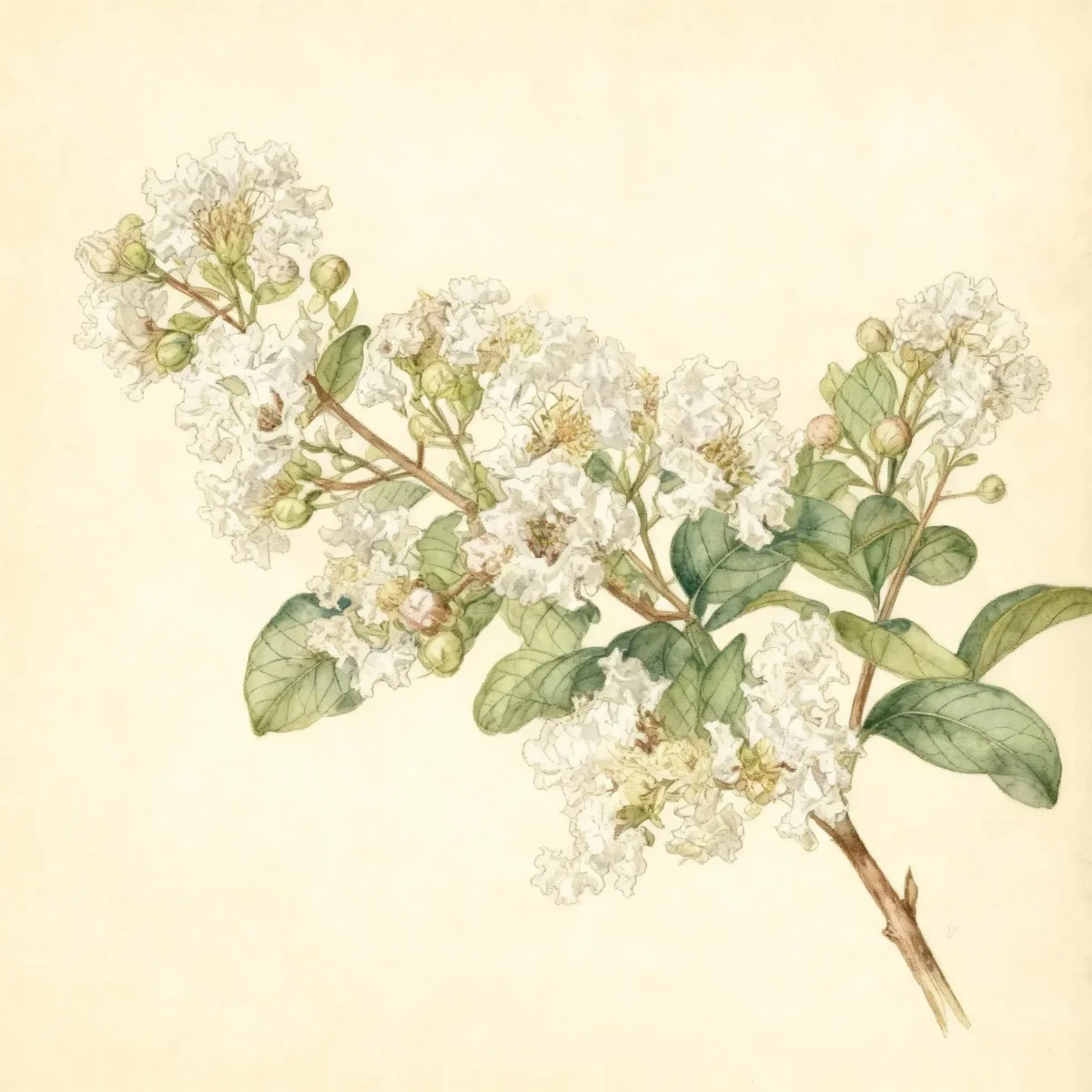
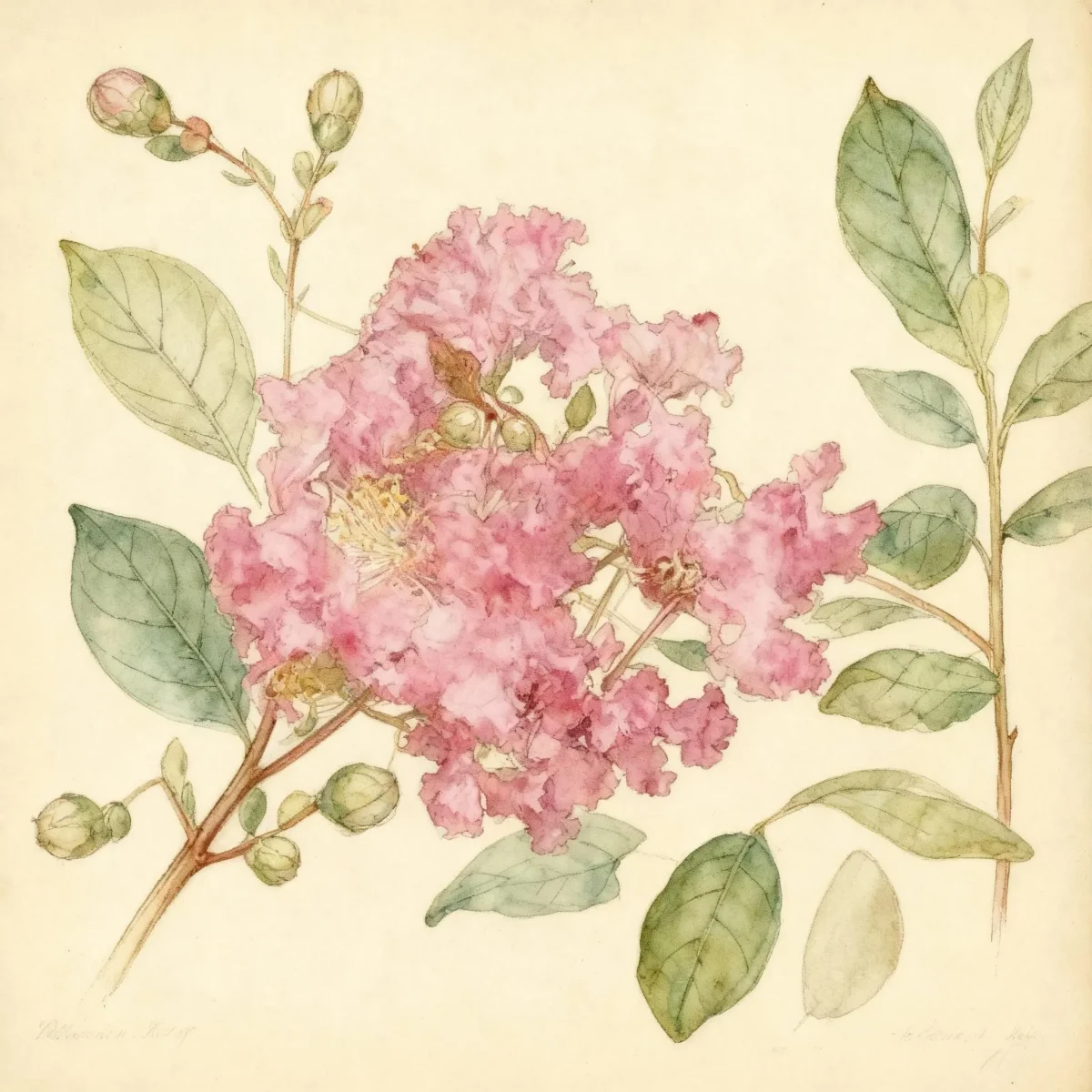
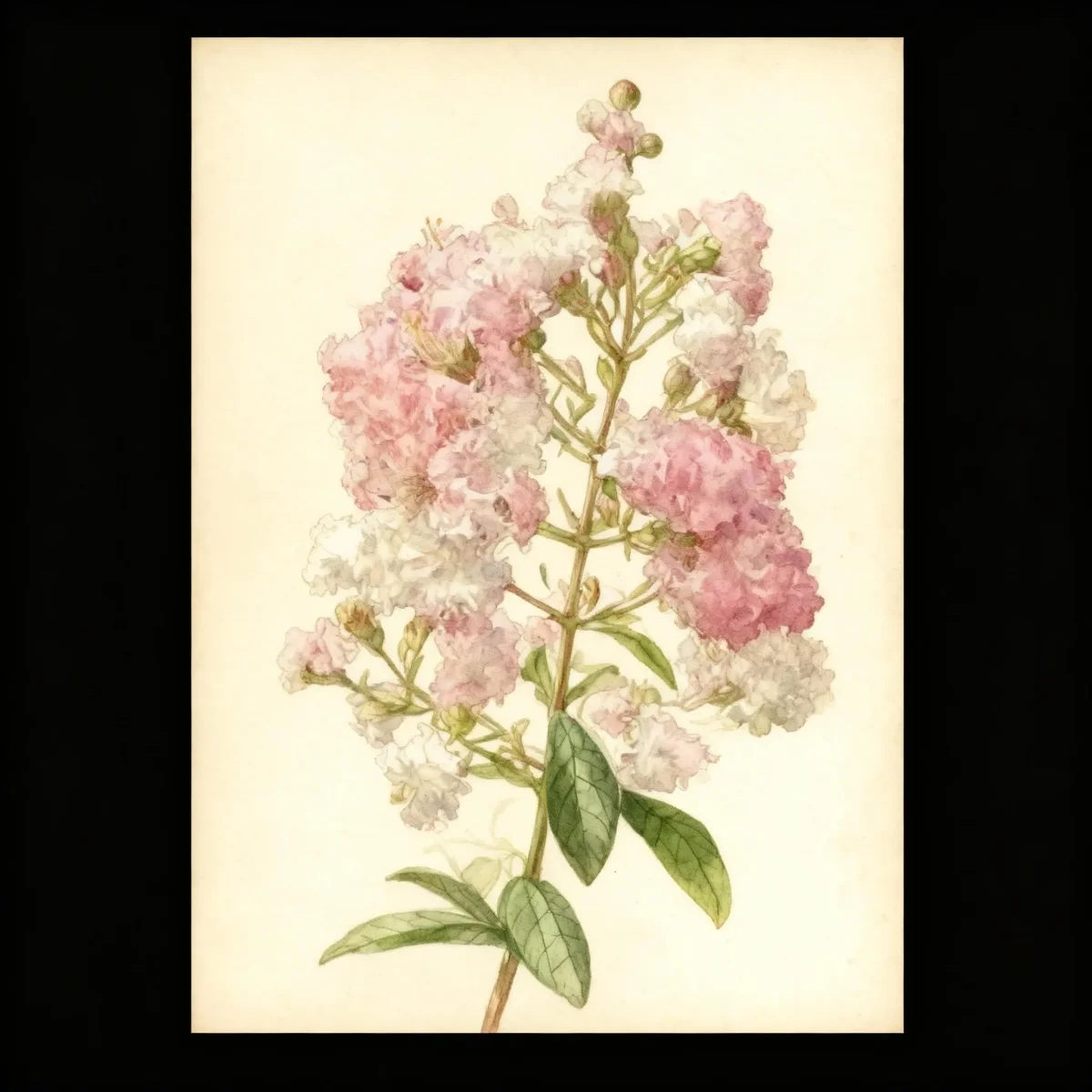
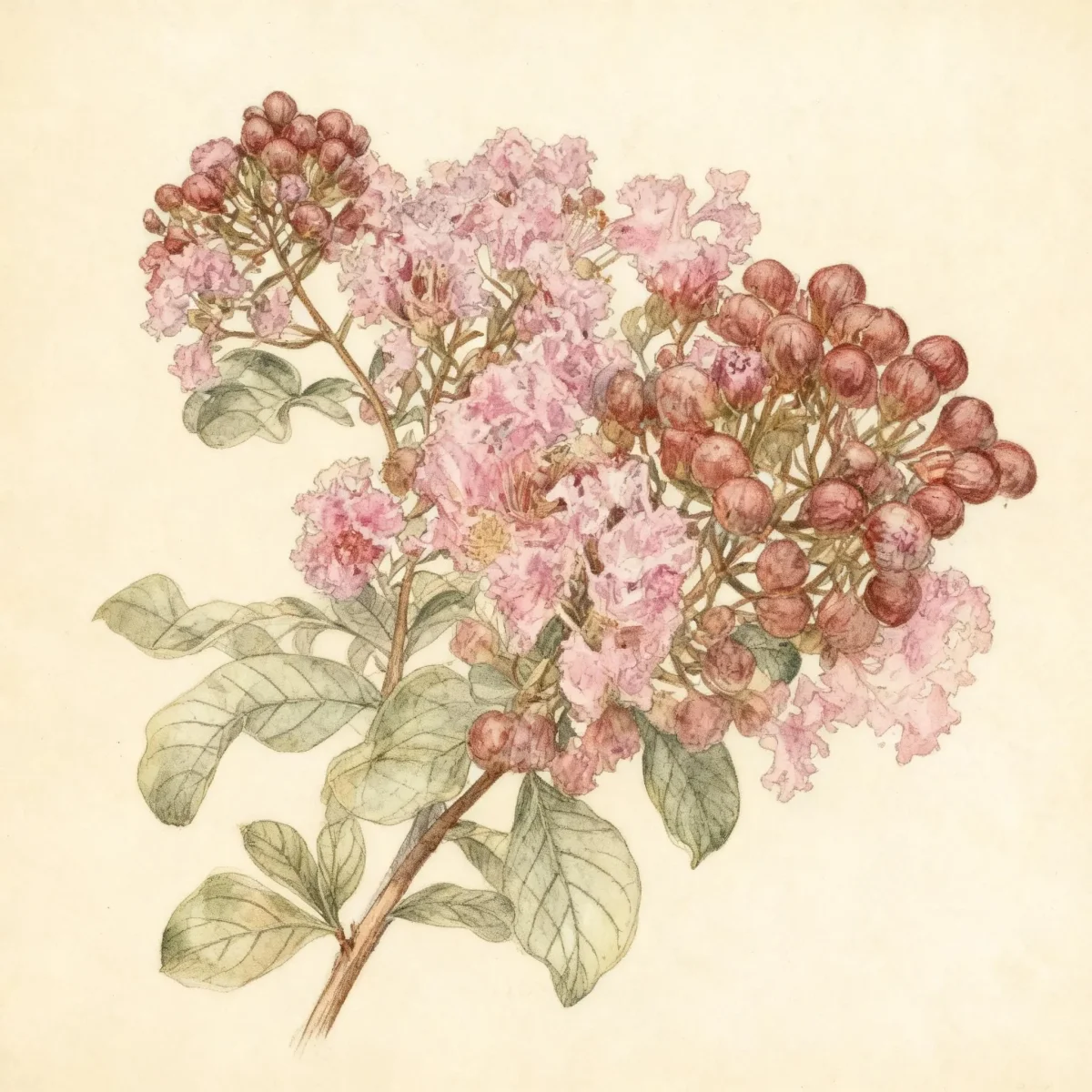
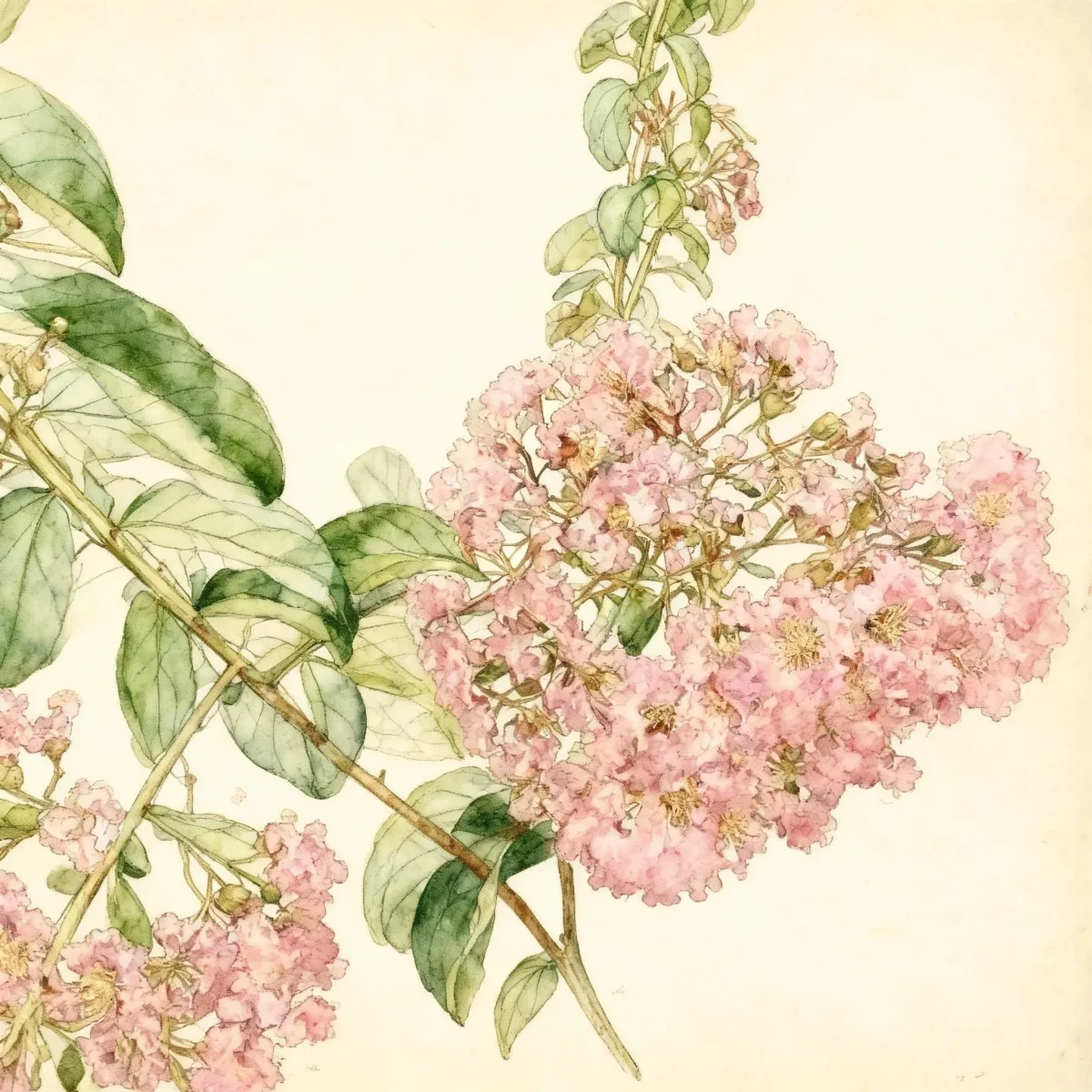
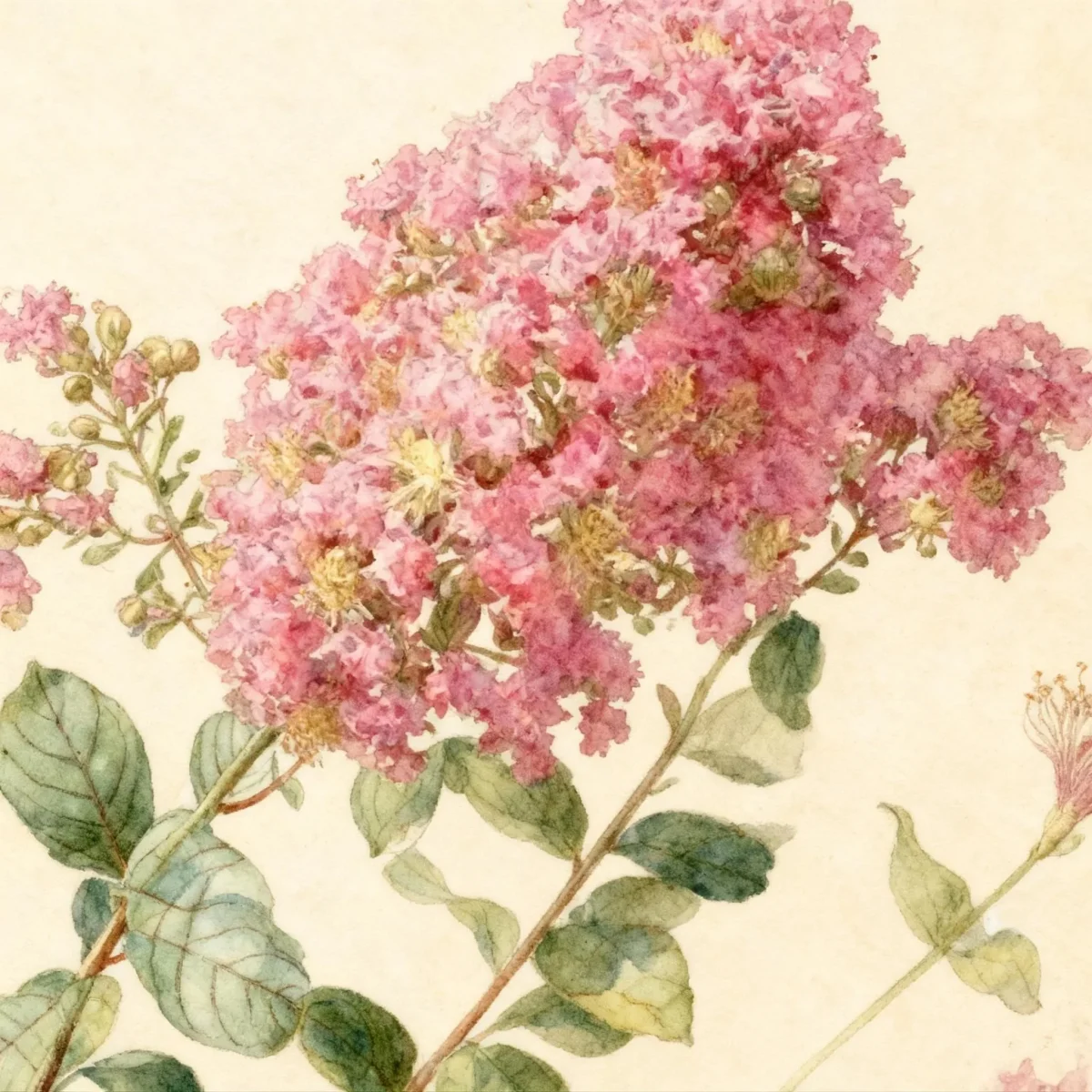
Crape myrtle (Lagerstroemia indica 'Victor')
Lagerstroemia indica 'Victor' crape myrtle offers reliable dark red summer blooms, drought tolerance, and compact size for gardeners.

Bloom Boldly, No Matter the Season - Sweatshirt
Cozy organic cotton sweatshirt featuring our exclusive Purple Coneflower design. Perfect for gardeners who bloom year-round.
Inspired by the beautiful Crape myrtle
Limited first batch (50) — join the waitlist for early access
Waitlist closes Feb 15, 2026.
Complete Plant Information
Field Guide Continues
Ready for care notes, companion picks, and planting tips?
The map is just the start. The full guide below covers growth habits, seasonal performance, and landscape uses.
Overview
Lagerstroemia indica ‘Victor’, a highly favored compact cultivar of Crape myrtle, delivers exceptional summer interest with its profuse display of dark red, crepe-papery blooms. This deciduous shrub is prized for its manageable size, typically reaching only 3 to 6 feet tall, making it adaptable for smaller landscapes where the standard species might overwhelm. Beyond its extended flowering period spanning mid-summer into early fall, the cultivar offers ornamental exfoliating bark and attractive fall foliage color.
This specific Crape myrtle variety is valued for its versatility and resilience, tolerating challenging urban conditions like air pollution and clay soils once established. While its roots are fairly cold-hardy, gardeners in the cooler end of its range must anticipate potential winter dieback on the top growth, resulting in rewarding re-growth that flowers on new wood. Planting Lagerstroemia indica ‘Victor’ ensures a splash of brilliant color and textural interest across the hottest months of the year.
Fast Facts
- Plant Family: Lythraceae
- Plant Type: Deciduous shrub
- Hardiness Zones: USDA Zones 6-9
- Size at Maturity:
- Height: 3-6 ft
- Spread: 2-4 ft
- Bloom Time: July to September
- Bloom Description: Dark red
- Sun Exposure: Full sun
- Water Needs: Medium
- Maintenance Level: Medium
How to Grow
The ideal location for Lagerstroemia indica ‘Victor’ requires full sun, crucial for maximizing flower production and minimizing disease pressure on this Crape myrtle. Plant in average, medium moisture, well-drained soils; it adapts well to loamy or clay loam types, provided drainage is adequate. Plant in protected locations where possible and immediately apply a protective winter mulch, especially in Zones 5 and 6.
Routine care involves deep watering, particularly during dry spells, focusing water directly at the roots and strictly avoiding wetting the foliage to discourage fungal issues. A slow-release fertilizer in the spring will support healthy growth, but over-fertilizing must be avoided, as it encourages excessive leafy growth at the expense of the desired dark red flowers.
For gardeners in zones where top growth often succumbs to winter cold (below Zone 7 or when temperatures drop below -5°F), anticipate yearly pruning. Cut back dead or damaged stems to about 8 inches in early spring; new stems will emerge vigorously from the roots, flowering reliably on the current season’s growth.
Landscape Uses
The compact stature of Lagerstroemia indica ‘Victor’ makes it an exceptional choice for defined borders or mass plantings where larger specimens are impractical. Due to its reliability and stunning bloom time through July to September, it excels as a specimen shrub, drawing the eye to a focal point in mixed perennial or shrub borders.
In regions where winter mortality of top growth is common, this variety performs beautifully as an informal, reliably colorful accent plant that returns strong every spring. Where winter hardiness is assured (Zones 8-9), the upright-rounded habit of this Crape myrtle also allows it to serve effectively as a low, informal hedge or privacy screen without the need for heavy shearing.
Standout Features
Flower Qualities
- Showy
Fruit Qualities
- Showy
Noteworthy Characteristics
Lagerstroemia indica ‘Victor’ is known for its terminal, crepe-papery inflorescences bearing dark red flowers throughout the summer. This compact Crape myrtle features dense, dark green foliage that transitions to yellow-red hues in the fall, complemented by attractive, exfoliating reddish-brown bark that adds winter interest.
Tolerances
- Drought
- Clay Soil
- Air Pollution
Potential Problems
The primary concerns for Crape myrtles involve fungal diseases like powdery mildew and fungal leaf spot; ‘Victor’ reportedly offers some resistance to mildew, which is a significant benefit. Chlorosis (yellowing foliage) can occur if the soil pH is too alkaline, signaling the need for soil correction. Monitor for common pests such as aphids and scale insects underneath the leaves. Winter injury to above-ground stems is the most significant problem in Zones 5 and 6, often requiring annual aggressive cutting back to living wood each spring.
Frequently Asked Questions
What hardiness zones is Crape myrtle suitable for?
This compact Crape myrtle cultivar, Lagerstroemia indica ‘Victor’, is suitable for USDA Hardiness Zones 6 through 9.
How large does Lagerstroemia indica ‘Victor’ grow?
This specific cultivar is compact, maturing to a height between 3 and 6 feet tall, with a spread of 2 to 4 feet wide.
What sun exposure does Crape myrtle need?
For best flowering and health, Lagerstroemia indica ‘Victor’ requires full sun exposure throughout the day.
When does Crape myrtle bloom?
This cultivar produces its dark red, showy flowers consistently from July all the way through September.
Conclusion
The Lagerstroemia indica ‘Victor’ Crape myrtle remains a top choice for gardeners seeking long-lasting, vibrant color combined with resilience against heat and poor soils. Its manageable 3 to 6-foot height makes this dark red bloomer perfect for small spaces or borders. Before planting, always confirm your location falls within USDA Zones 6-9 to ensure the best performance from this outstanding shrub.
Companion Planting
When designing a border featuring dark red Lagerstroemia indica ‘Victor’, consider pairing it with plants that offer contrasting foliage texture or bloom color during the mid to late summer. White or light-colored blooming perennials, such as white coneflowers (Echinacea) or tall garden phlox, will make the dark red flowers of the Crape myrtle truly pop against the green background. Since this shrub thrives in full sun and tolerates dry spells, select companions like Sedum or ornamental grasses that share similar low-to-medium water requirements once established.
Design Ideas for Compact Shrubs
This compact Crape myrtle is perfectly scaled for foundation plantings, situated close to a home foundation where larger shrubs might interfere with eaves or windows. Use multiple specimens of Lagerstroemia indica ‘Victor’ in a geometric pattern for a formal, repeating display of deep red color leading toward an entryway. Alternatively, mass planting a grouping of three or five creates a spectacular, unbroken block of summer color that minimizes the visual impact of annual pruning required in colder climates.