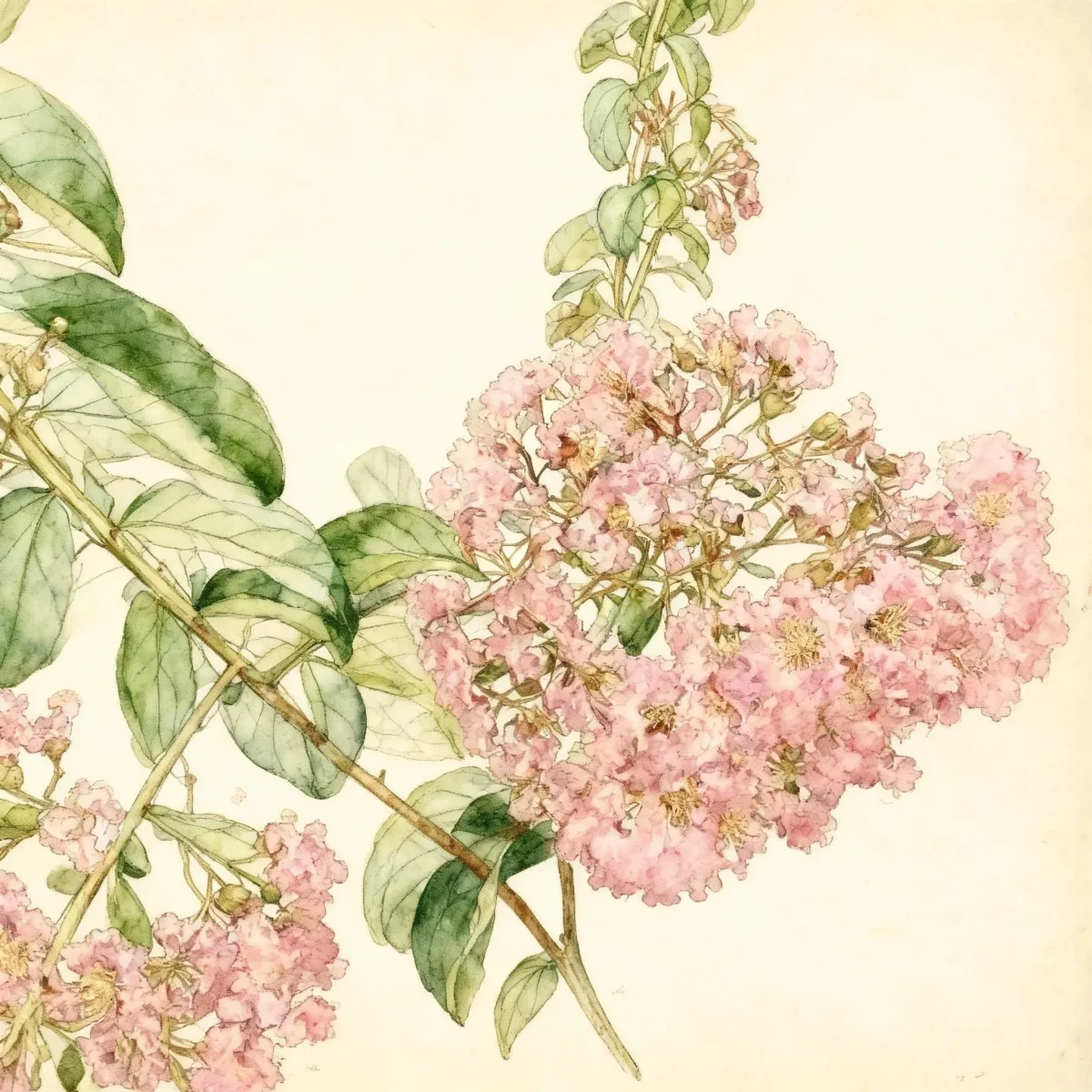
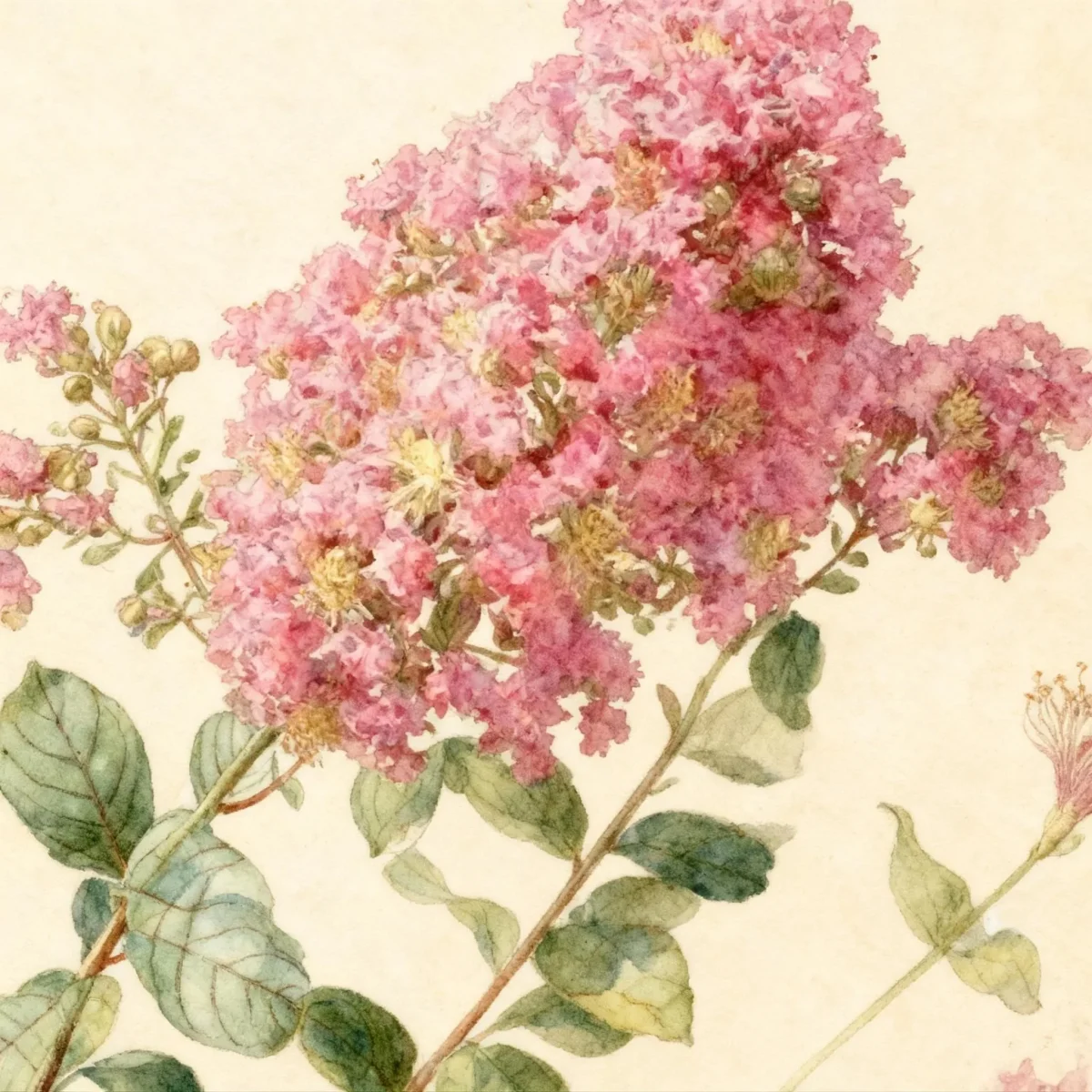
Crape myrtle (Lagerstroemia 'Tonto')
Lagerstroemia 'Tonto' Crape myrtle offers showy magenta summer blooms, excellent mildew resistance, and drought tolerance for Zones 6-9.
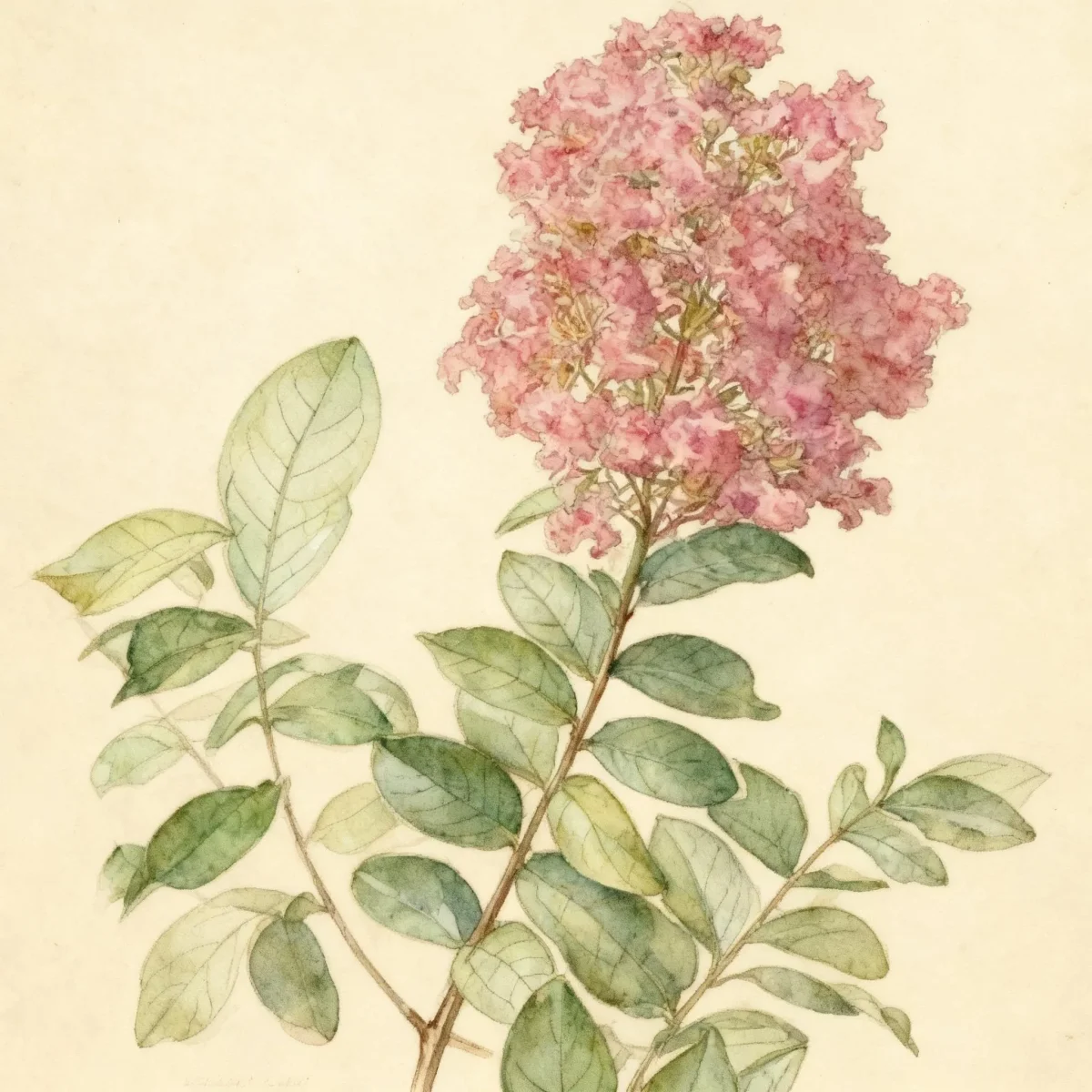

Bloom Boldly, No Matter the Season - Sweatshirt
Cozy organic cotton sweatshirt featuring our exclusive Purple Coneflower design. Perfect for gardeners who bloom year-round.
Inspired by the beautiful Crape myrtle
Limited first batch (50) — join the waitlist for early access
Waitlist closes Feb 15, 2026.
Complete Plant Information
Field Guide Continues
Ready for care notes, companion picks, and planting tips?
The map is just the start. The full guide below covers growth habits, seasonal performance, and landscape uses.
Overview
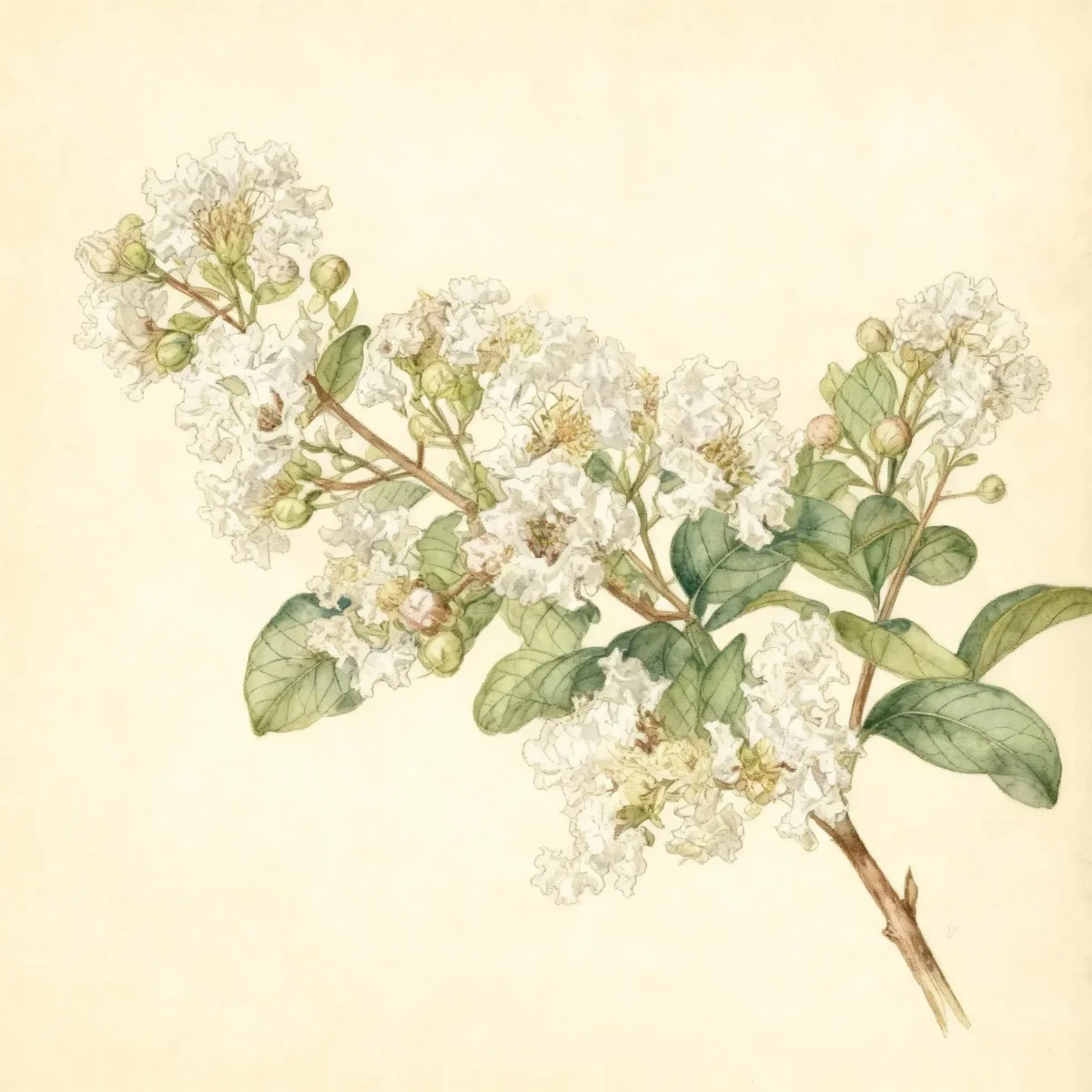
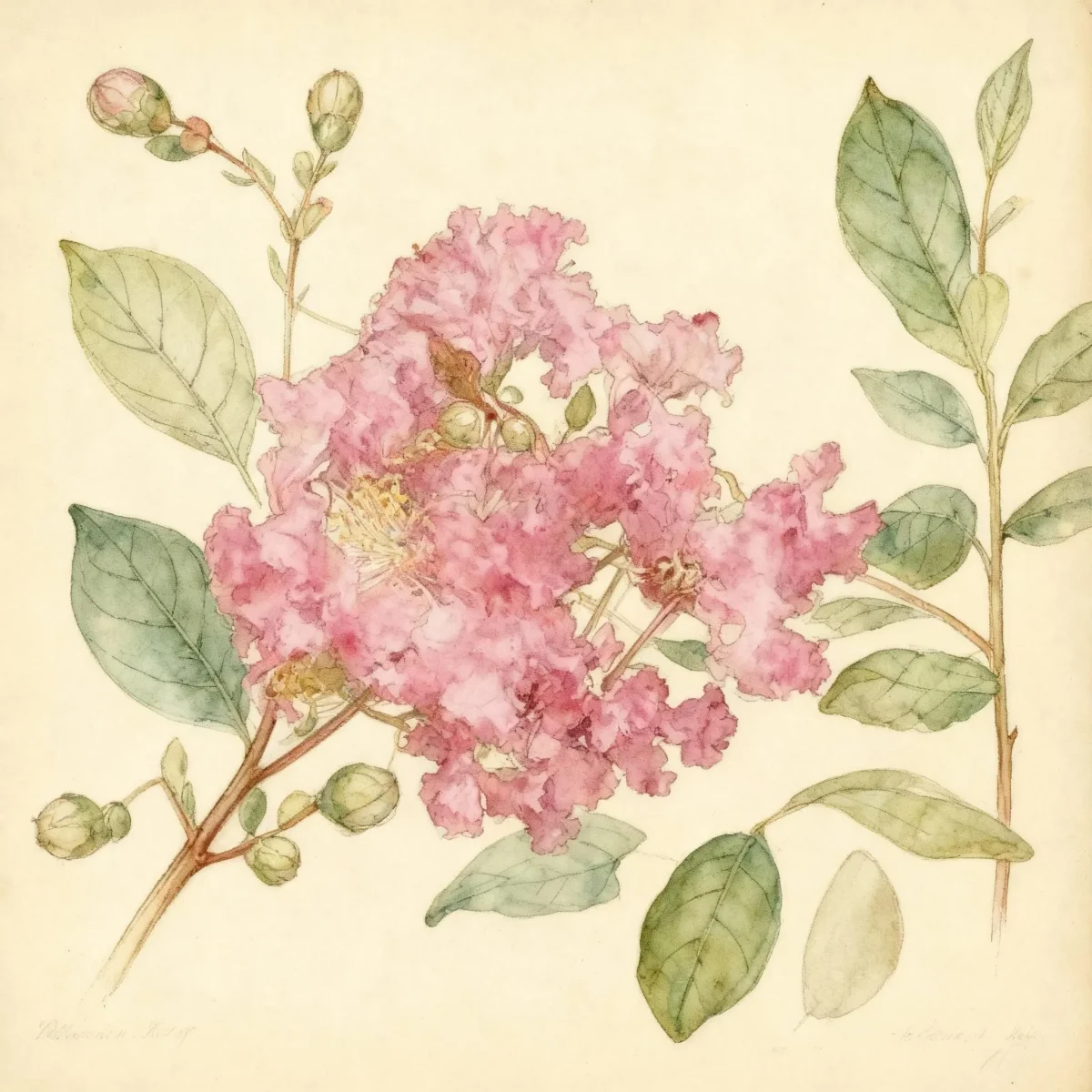
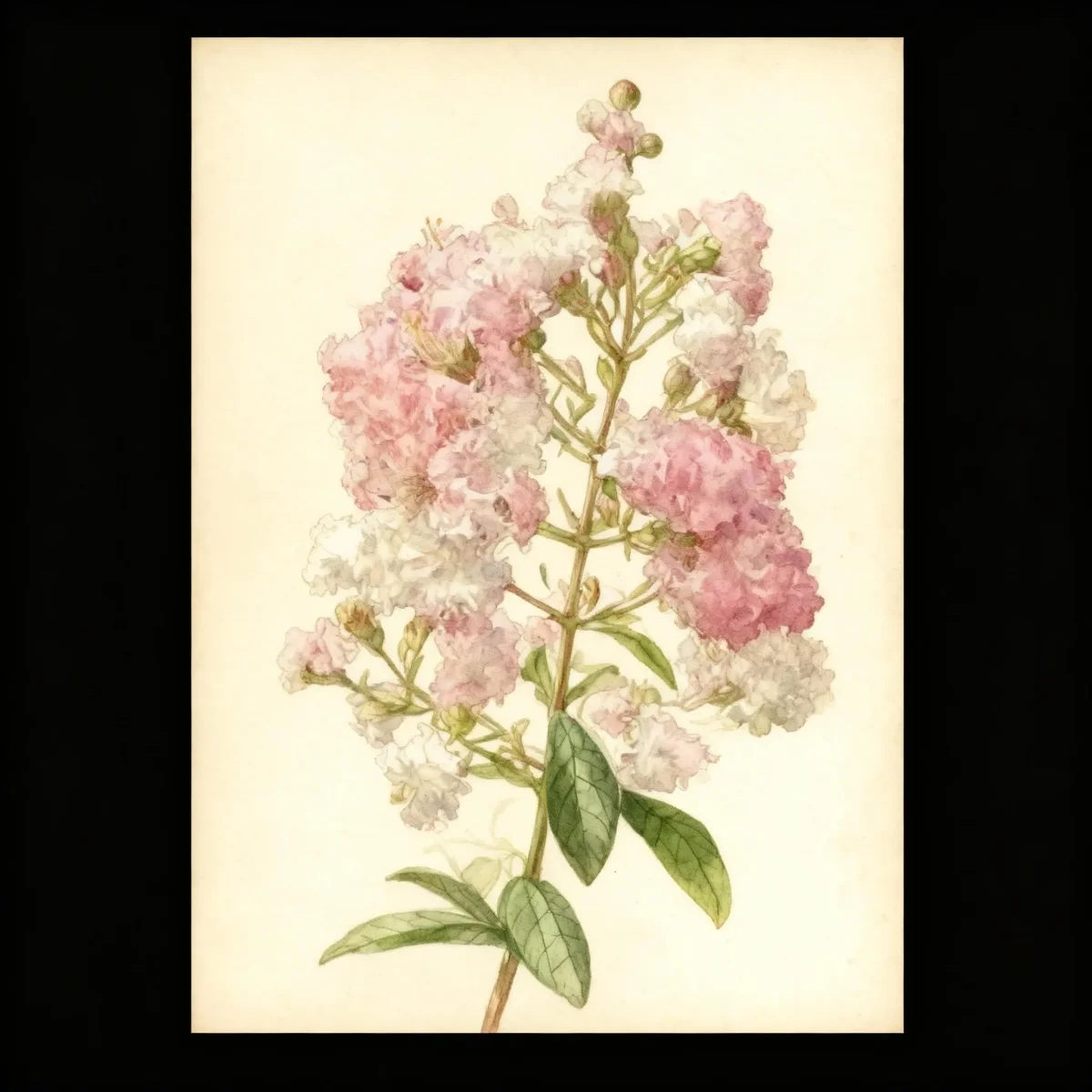
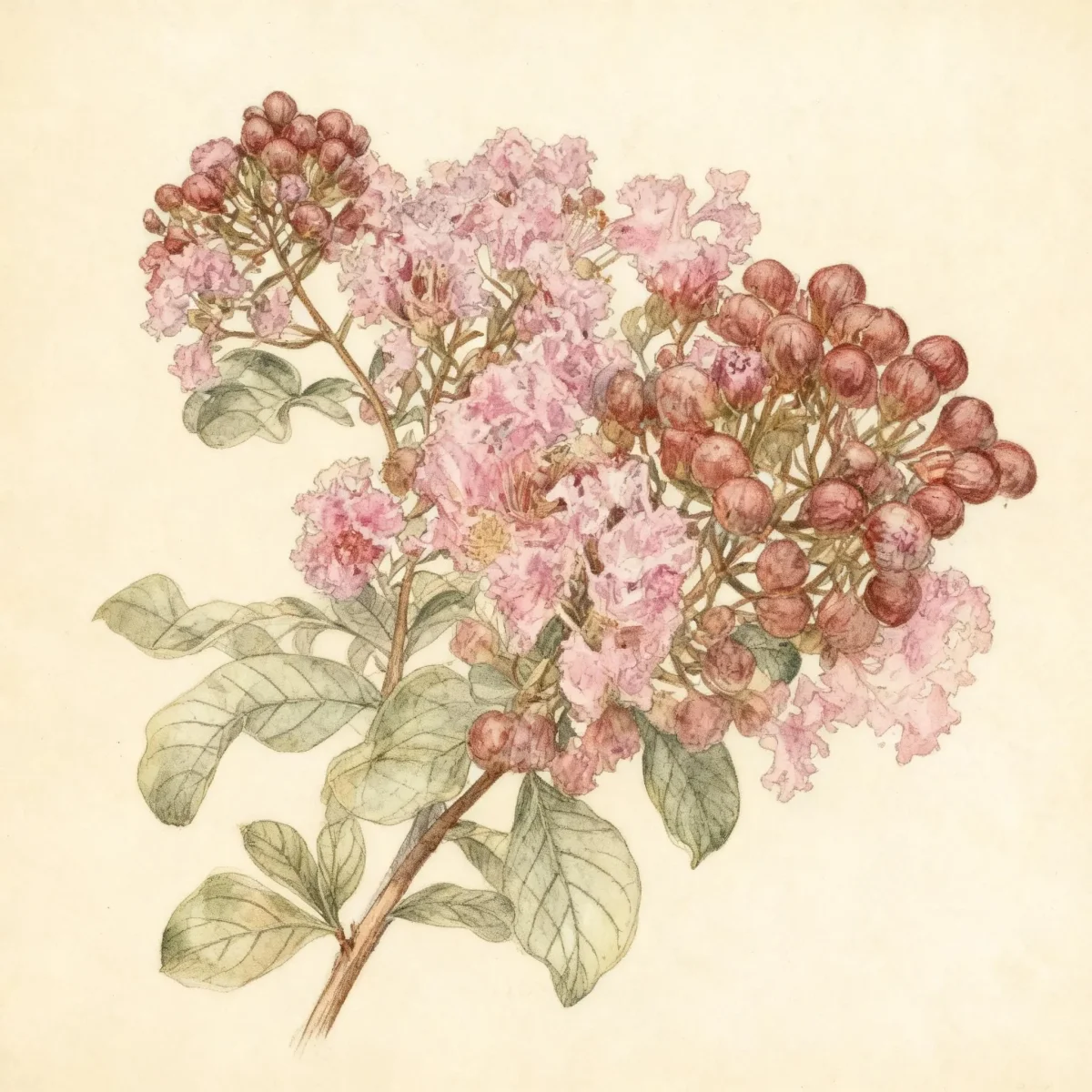
Lagerstroemia ‘Tonto’ is a highly valued cultivar of Crape myrtle, celebrated for bringing reliable, vibrant color late into the growing season. This deciduous shrub produces stunning, crepe-papery panicles of deep magenta flowers, blooming consistently from mid-summer through early fall, providing essential late-season interest in the garden. Developed as one of the National Arboretum’s mildew-resistant hybrids, ‘Tonto’ offers a significant aesthetic benefit without the management headaches common to older varieties.
As an upright, spreading, multi-stemmed shrub, Lagerstroemia ‘Tonto’ offers excellent structure, complemented by attractive exfoliating beige bark that adds winter appeal. While adaptable to various soil types, including clay, it thrives best when planted in full sun where it develops the best flowering potential and exhibits strong drought tolerance once established, making it a practical choice for many landscapes.
Gardeners appreciate this cultivar for its versatility; it performs well as a specimen, in borders, or used informally as a screen in warmer regions. Even in cooler climates where winter dieback occurs, the root system bounces back vigorously, providing reliable summer color, a testament to the adaptability of the modern Crape myrtle breeding programs.
Fast Facts
- Plant Family: Lythraceae
- Plant Type: Deciduous shrub
- Hardiness Zones: USDA Zones 6-9
- Size at Maturity:
- Height: 2-8 ft
- Spread: 2-6 ft
- Bloom Time: July to September
- Bloom Description: Magenta
- Sun Exposure: Full sun
- Water Needs: Medium
- Maintenance Level: Medium
How to Grow
For optimal flowering, plant Lagerstroemia ‘Tonto’ in a location receiving full sun throughout the day. This plant performs best in average, well-drained soils, though it tolerates loamy or clay conditions provided drainage is adequate. Water roots deeply, especially during dry periods, but take care to keep water off the foliage to minimize any potential fungal issues, despite this cultivar’s excellent mildew resistance.
Maintenance is generally medium. Apply a slow-release fertilizer to support blooming, but avoid overly fertile soil amendments, as this encourages excessive leafy growth at the expense of flowers and can increase vulnerability to winter damage. Planting in a protected area and applying a winter mulch is highly recommended, particularly for gardeners residing in the upper range of its hardiness zones (Zones 6).
The cultural requirements for this Crape myrtle can vary significantly by climate. In borderline zones (like St. Louis, where roots are hardy to Zone 5 but top growth to Zone 7), gardeners often prune stems back hard (to 8 inches) in early spring. This encourages new, vigorous growth that will produce flowers on the new wood by summer. Alternatively, prune only dead or damaged wood in the spring when new foliage emerges.
Landscape Uses
Lagerstroemia ‘Tonto’ shines as a vibrant specimen plant due to its strong summer color and attractive bark texture. Its compact stature (2 to 8 feet tall) makes it an excellent addition to shrub borders or mass plantings where consistent mid-summer interest is needed. In the South, where top growth reliably survives, the Crape myrtle is effective utilized as an informal hedge or a taller screen, reaching up to 10 feet wide.
Its adaptability to clay soil and tolerance for air pollution make screening designs near urban areas a viable option for this specific cultivar. Consider pairing this magenta-blooming shrub with plants that offer contrasting foliage color, such as blue-leafed ornamental grasses or silver-foliaged perennials, to amplify the intensity of the summer flowers. Whether used formally or informally, this Crape myrtle provides reliable texture and bold color contrast.
Standout Features
Flower Qualities
- Showy
- Good Cut
Noteworthy Characteristics
Lagerstroemia is a genus of about 40 species of deciduous and evergreen shrubs and trees from warm-temperate to tropical areas of Asia to Australia. ‘Tonto’ is a highly desirable hybrid featuring dark green foliage that turns dull red to reddish purple in the autumn. It is noted for its beige, exfoliating bark that matures over time and terminal panicles of bright magenta flowers that appear throughout the summer into fall.
Tolerances
- Drought
- Clay Soil
- Air Pollution
Potential Problems
The primary disease concerns for Crape myrtles generally involve fungal leaf spot and powdery mildew, though ‘Tonto’ is specifically noted for its high resistance to mildew. Foliage may show yellowing (chlorosis) if grown in highly alkaline soils, suggesting a soil pH test might be helpful before planting. Watch for minor infestations of aphids or scale insects, which can usually be managed with horticultural oils or insecticidal soap if necessary. Gardeners in Zones 5 and 6 must be aware that winter injury to the above-ground stems is possible during severe cold snaps below -5°F, necessitating protection or annual hard pruning.
Frequently Asked Questions
What hardiness zones is Lagerstroemia ‘Tonto’ suitable for?
This Crape myrtle cultivar is typically hardy in USDA Zones 6 through 9.
How large does Lagerstroemia ‘Tonto’ grow?
When mature, this shrub usually reaches a height between 2 and 8 feet, with a spread ranging from 2 to 6 feet wide.
When does Crape myrtle ‘Tonto’ bloom?
This variety provides beautiful magenta blooms consistently from July all the way through September.
What sun exposure does Lagerstroemia ‘Tonto’ need?
For the best display of color and overall health, this plant absolutely requires full sun exposure.
Conclusion
Lagerstroemia ‘Tonto’ stands out as a dependable, colorful addition to warm temperate gardens, providing long-lasting magenta blooms alongside excellent low-maintenance qualities like drought tolerance. This robust Crape myrtle hybrid offers beauty without excessive disease worries, making it a top choice for summer landscaping. Before planting, always confirm your USDA Zone compatibility and ensure you select a site that maximizes the full sun requirement for this spectacular shrub.
Companion Planting
Selecting partners that complement the cultural needs of Lagerstroemia ‘Tonto’—full sun and medium, well-drained water—will result in a cohesive planting scheme. Consider pairing it with silvery-leaved perennials like Lamb’s Ear (Stachys byzantina) or Russian Sage (Perovskia atriplicifolia) to create striking textural and color contrast against the dark green summer foliage and magenta flowers. Low-growing Sedums or creeping Thyme are excellent choices for groundcovers beneath the shrub, helping to cool the soil near the roots without competing aggressively for moisture.
Design Ideas
Utilize the compact nature of Lagerstroemia ‘Tonto’ for structured, low-maintenance foundation plantings near entryways where its bark structure can be appreciated year-round. Groupings of three or five shrubs planted in an irregular mass create a dramatic mid-season focal point that draws the eye. Where space is limited or in container gardening, pruning consistently to maintain the smaller end of its height range (2-4 feet) keeps the plant proportional, ensuring the vibrant magenta inflorescences remain the star feature.