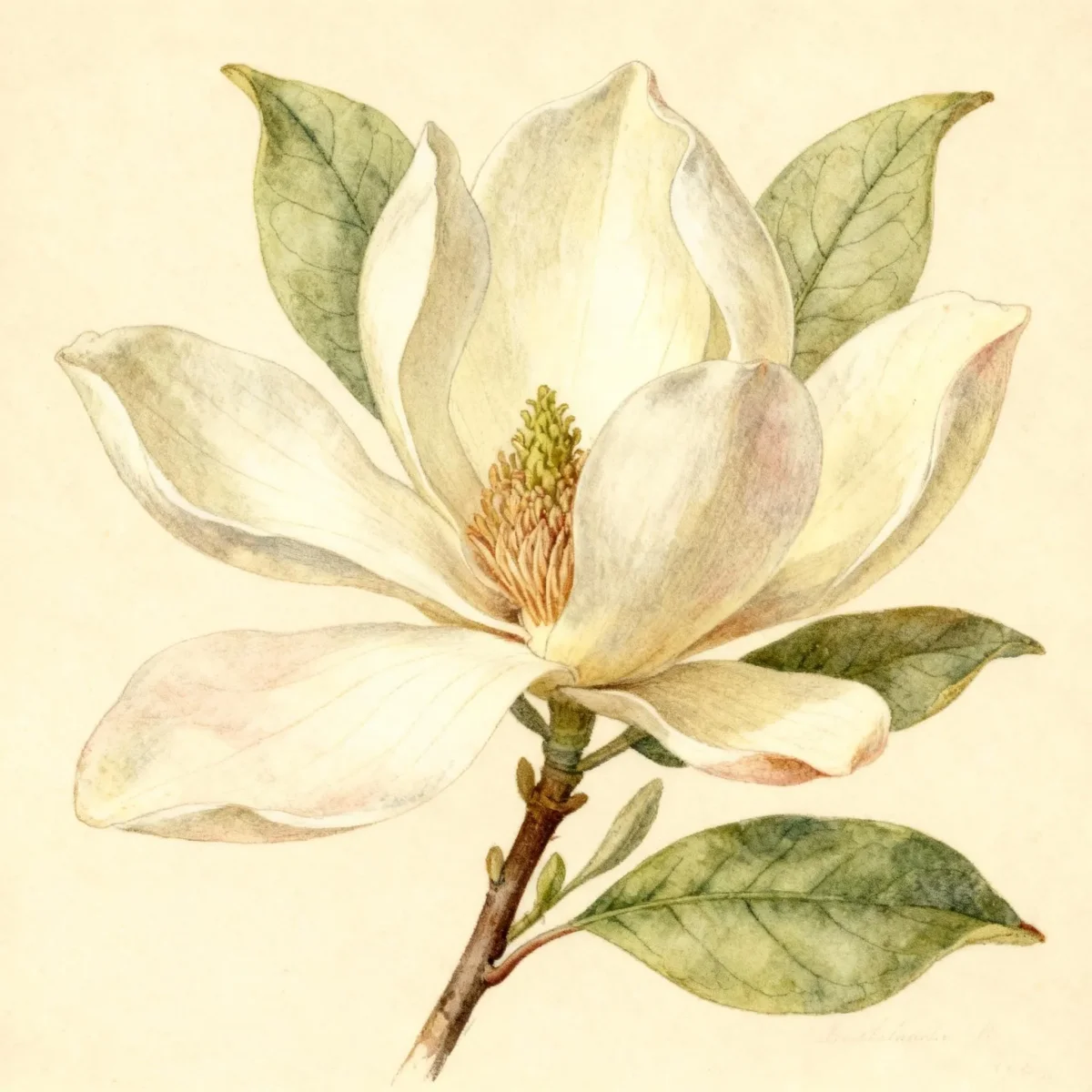
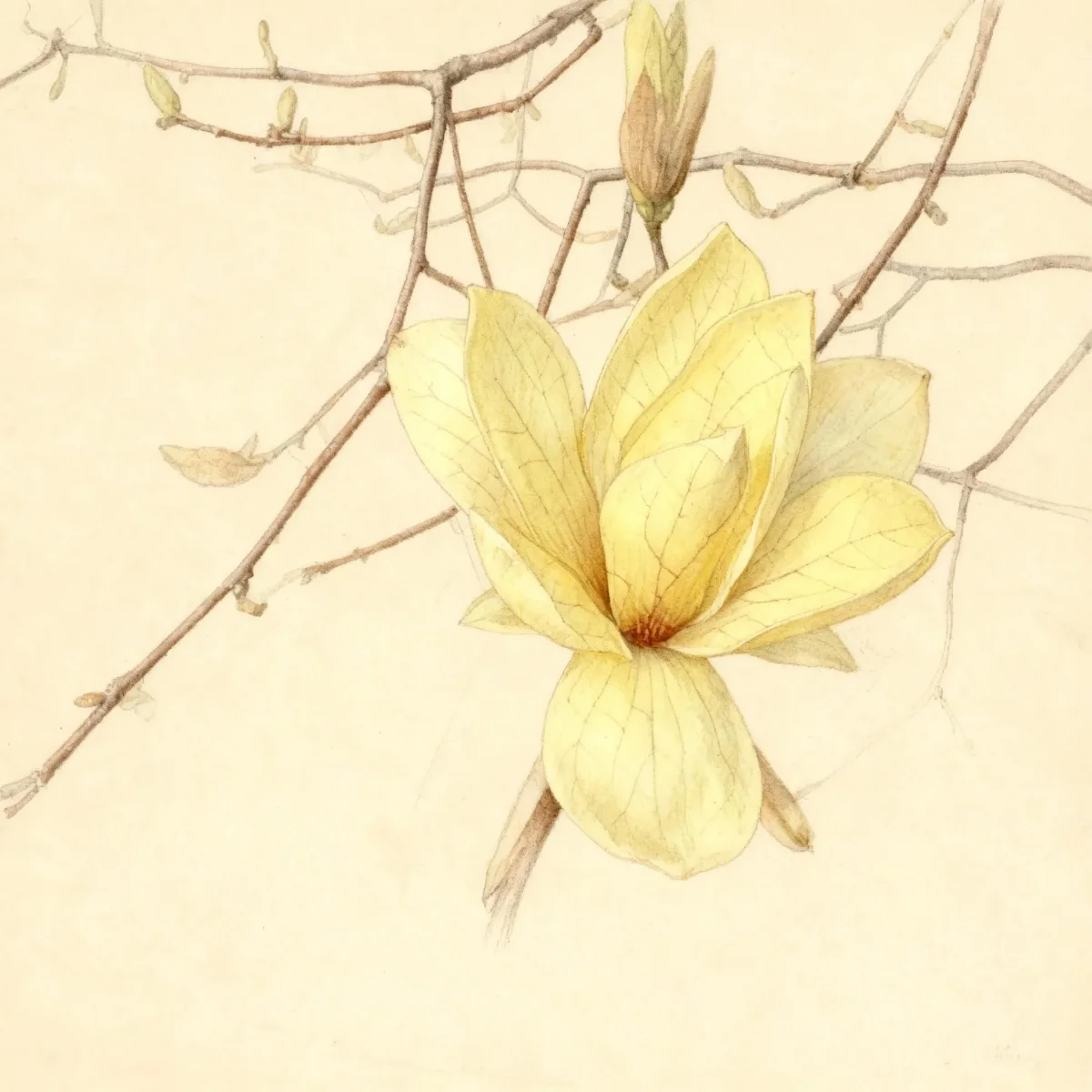
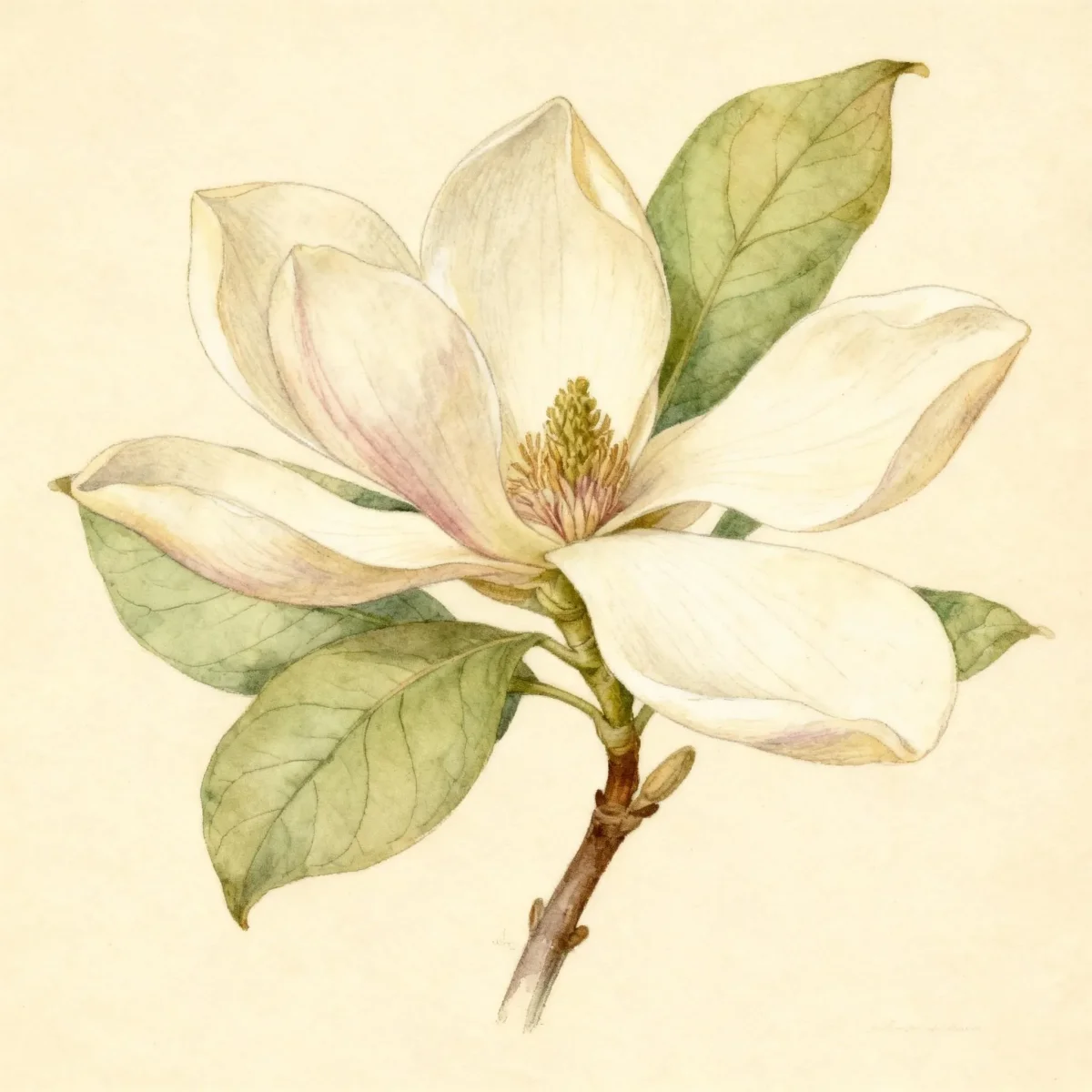
Magnolia (Magnolia 'Galaxy')
Magnolia 'Galaxy' is a stunning, low-maintenance flowering tree providing showy, fragrant blooms from April to June in USDA Zones 5-9.

Bloom Boldly, No Matter the Season - Sweatshirt
Cozy organic cotton sweatshirt featuring our exclusive Purple Coneflower design. Perfect for gardeners who bloom year-round.
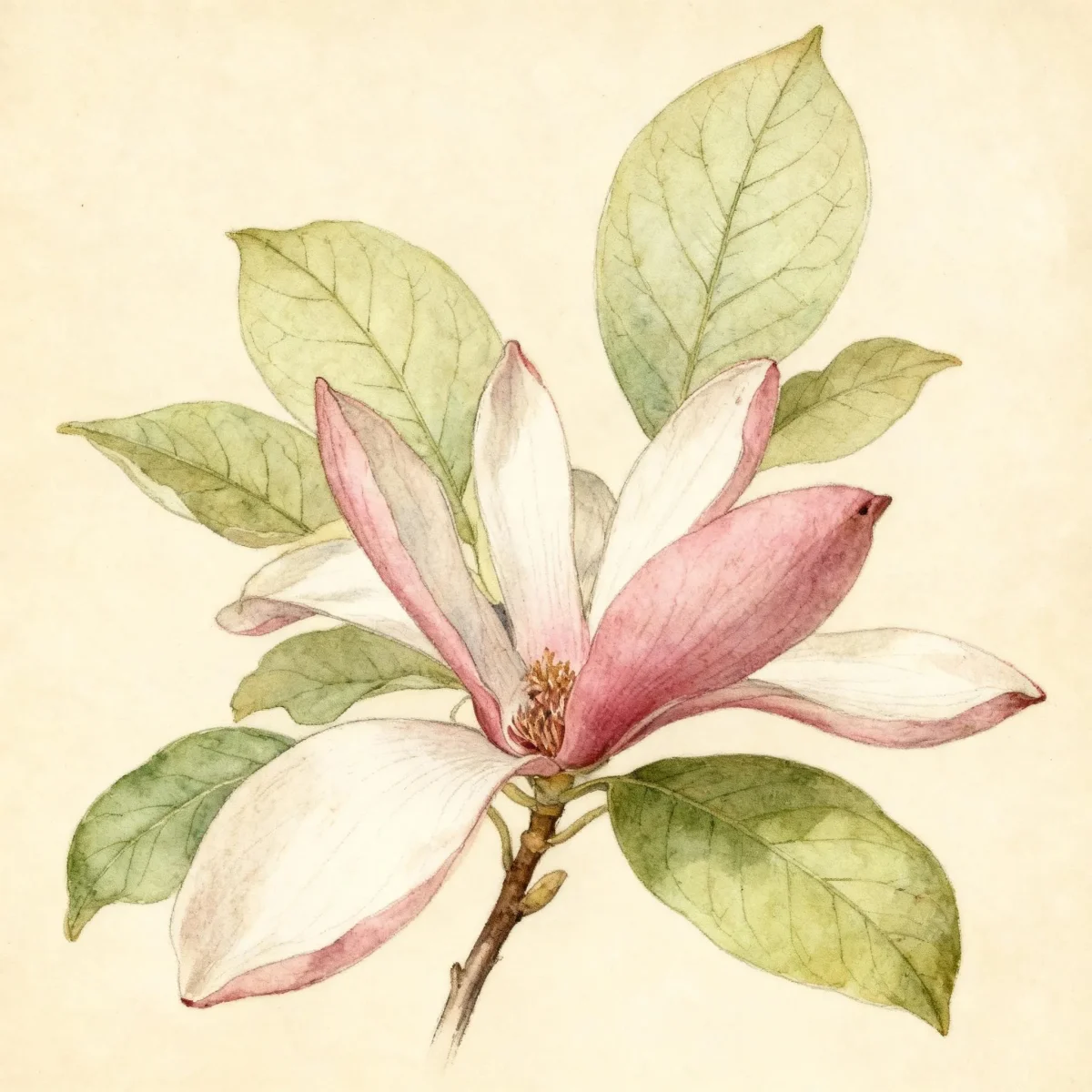
Inspired by the beautiful Magnolia
Limited first batch (50) — join the waitlist for early access
Waitlist closes Feb 15, 2026.
Complete Plant Information
Field Guide Continues
Ready for care notes, companion picks, and planting tips?
The map is just the start. The full guide below covers growth habits, seasonal performance, and landscape uses.
Overview
The Magnolia ‘Galaxy’ cultivar presents a fantastic opportunity for gardeners seeking a large, architectural specimen tree defined by its late-spring floral display. As a hybrid creation, this variety offers the robust nature of established Magnolias combined with uniquely colored, large blooms. Gardeners value the Magnolia ‘Galaxy’ because its bloom time is comparatively late, minimizing the risk of frost damage to the developing buds compared to earlier flowering Magnolias.
This deciduous single-trunk tree develops a narrow-pyramidal silhouette with ascending branches, maturing to a respectable 20 to 30 feet tall. The stunning flowers, which can reach up to 12 inches across, present a beautiful rose-pink to reddish-purple hue that lasts from April well into June. The resulting visual impact makes the Magnolia a focal point in any seasonal landscape transition.
Cultivating the Magnolia ‘Galaxy’ yields low maintenance returns once established, rewarding the patient gardener with impressive size and coloration. Its large, ovate green leaves provide excellent summer shade after the spectacular flowering period concludes, ensuring year-round interest. Select a prime, protected location to ensure this long-lived beauty thrives for decades.
Fast Facts
- Plant Family: Magnoliaceae
- Plant Type: Tree
- Hardiness Zones: USDA Zones 5-9
- Size at Maturity:
- Height: 20-30 ft
- Spread: 10-15 ft
- Bloom Time: April to June
- Bloom Description: Rose-pink to reddish-purple
- Sun Exposure: Full sun to part shade
- Water Needs: Medium
- Maintenance Level: Low
How to Grow
The ideal time to plant your Magnolia is when dormant, either in early spring before growth starts or in the fall after temperatures begin to cool. Choose a site carefully, as this Magnolia has a fleshy root system that is easily damaged during transplanting; once situated, it prefers to remain undisturbed. Soil type is critical: best growth occurs in organically rich, neutral to slightly acidic, medium-moisture, well-drained soils.
Once established, maintain consistent soil moisture, especially during dry spells, fitting its “Medium” water need. Apply a substantial root-zone mulch layer to help conserve this moisture and moderate soil temperatures. Furthermore, site your tree where it receives protection from harsh, damaging winds. Avoid warm southern exposures that might trick the buds into opening prematurely before the danger of hard frost has passed.
Maintenance for the Magnolia ‘Galaxy’ is generally low. Pruning should be kept minimal, generally restricted to removing any dead or broken limbs. If pruning is necessary, perform this task immediately after the plant finishes flowering in late spring. While watersprouting on lower branches can be a minor issue, routine inspection and removal will keep the narrow-pyramidal form intact.
Landscape Uses
As an excellent specimen or accent tree, the Magnolia ‘Galaxy’ shines brightly in open, sunny areas where its structure and massive blooms can be fully appreciated. Due to its medium size, reaching only 20-30 feet tall, it functions wonderfully as a small shade tree near patios or walkways, defining outdoor spaces without overpowering smaller plantings. Its architectural presence also lends itself well to framing entryways or anchoring the corner of a front yard planting bed.
When integrating this late-blooming Magnolia into a design, consider neighboring plants that thrive in similar slightly acidic soil conditions, such as azaleas, rhododendrons, or camellias which can provide excellent low-level color contrast beneath its canopy. Because its blooming is delayed compared to other spring trees, it helps extend the overall flowering season dramatically. For a formal look, plant a single specimen centered in a manicured lawn area.
Standout Features
Flower Qualities
- Showy
- Fragrant
Noteworthy Characteristics
The genus Magnolia consists of about 100 species (plus numerous additional hybrids and cultivars) of deciduous or evergreen trees and shrubs. ‘Galaxy’ is a hybrid magnolia crossed at the U.S. National Arboretum in 1963, known for its large, narrow-pyramidal shape perfect for defined spaces. Its fragrant flowers, up to 12 inches across, appear late in the spring, featuring up to 12 showy, petal-like tepals in shades of reddish-purple.
Tolerances
- None listed
Potential Problems
Potential disease problems for this Magnolia include leaf spots, anthracnose, canker, dieback, and powdery mildew. Watch for insect pests such as weevils, snails, scale, and thrips, addressing infestations promptly according to best horticultural practices. A significant advantage of the Magnolia ‘Galaxy’ is its late bloom time; blooming two to three weeks after earlier varieties means its flowers usually avoid significant frost damage in spring. Monitor lower branches for the development of watersprouts, which should be pruned off immediately after flowering to maintain the desired crown shape.
Frequently Asked Questions
What hardiness zones is Magnolia ‘Galaxy’ suitable for?
The Magnolia ‘Galaxy’ is hardy and performs best when planted in USDA Zones 5 through 9.
How large does Magnolia ‘Galaxy’ grow?
This variety typically matures to a height of 20 to 30 feet, with a spread ranging from 10 to 15 feet.
When does Magnolia ‘Galaxy’ bloom?
This beautiful specimen blooms later than many counterparts, with flowering occurring from April into June, displaying rose-pink to reddish-purple flowers.
What sun exposure does Magnolia ‘Galaxy’ need?
For optimal flowering and health, plant your Magnolia ‘Galaxy’ where it will receive full sun to part shade.
Conclusion
The Magnolia ‘Galaxy’ is a worthwhile investment for the landscape, offering a low-maintenance, medium-sized deciduous Tree with spectacularly large, fragrant blooms late in the spring season. Its narrow structure makes it versatile for modern landscapes where space might be somewhat limited. Before planting, ensure your site offers organically rich, well-drained soil and protection from strong winds, confirming hardiness within USDA Zones 5-9.
Companion Planting
When selecting companions for the Magnolia ‘Galaxy’, focus on acidity-loving shrubs that appreciate similar sun exposure. Consider planting acid-loving evergreens like Azaleas or Rhododendrons beneath the canopy; their smaller stature and broad leaf texture contrast nicely with the magnolia’s finer branches. For groundcover beneath the tree, hostas can fill in shaded areas near the edges, preferring the dappled shade provided by the maturing leaves of the tree.
Seasonal Care Calendar
Spring is crucial for enjoying this Magnolia. Once flowering ceases in early June, immediately prune out any deadwood or watersprouts before the plant hardens off for summer. In the summer months, focus on maintaining consistent medium moisture levels, especially during dry periods, as this plant dislikes drought. Apply a root-zone mulch layer in fall; this helps insulate the shallow, fleshy roots from winter cold and retains spring moisture.