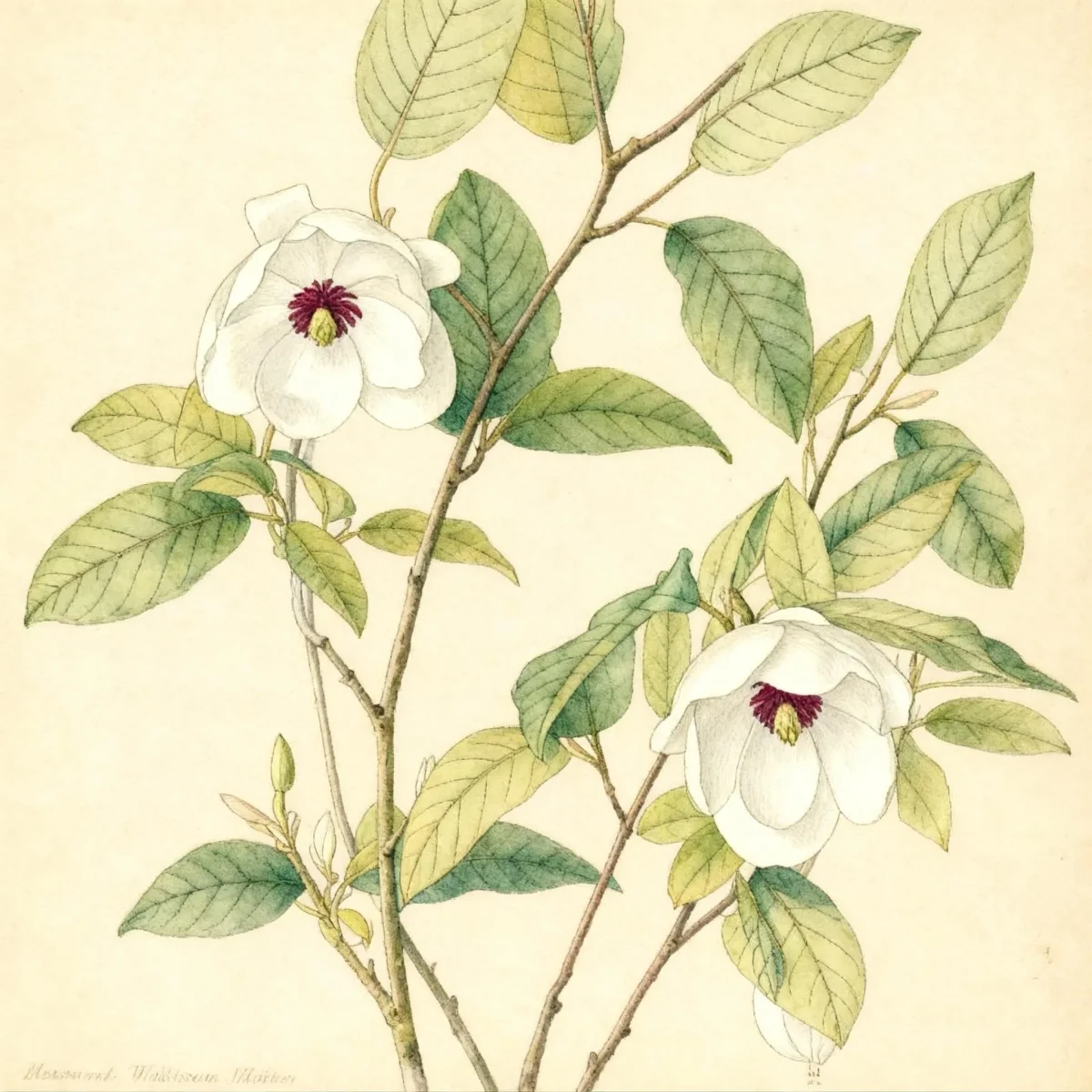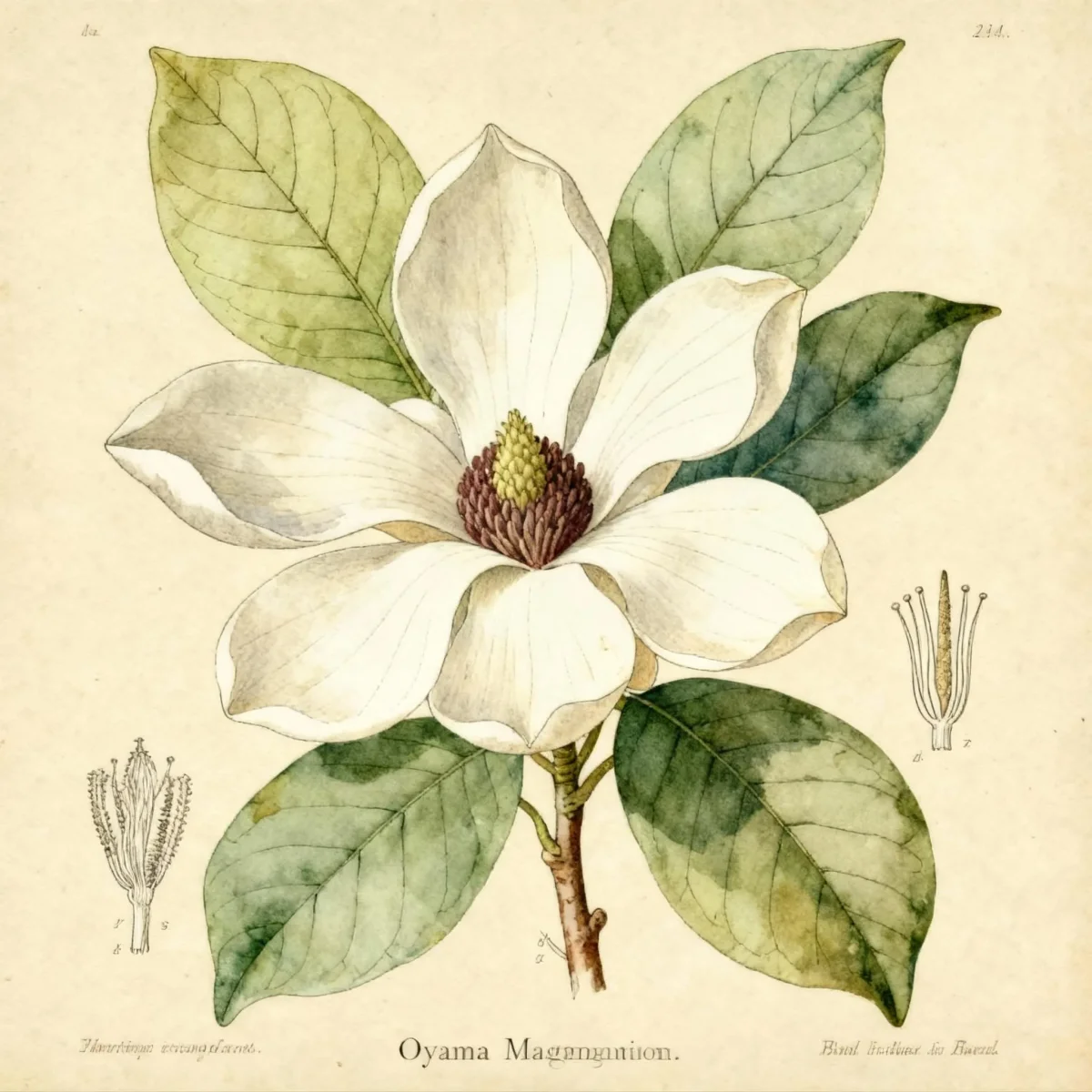

Southern magnolia (Magnolia grandiflora 'D.D. Blanchard')
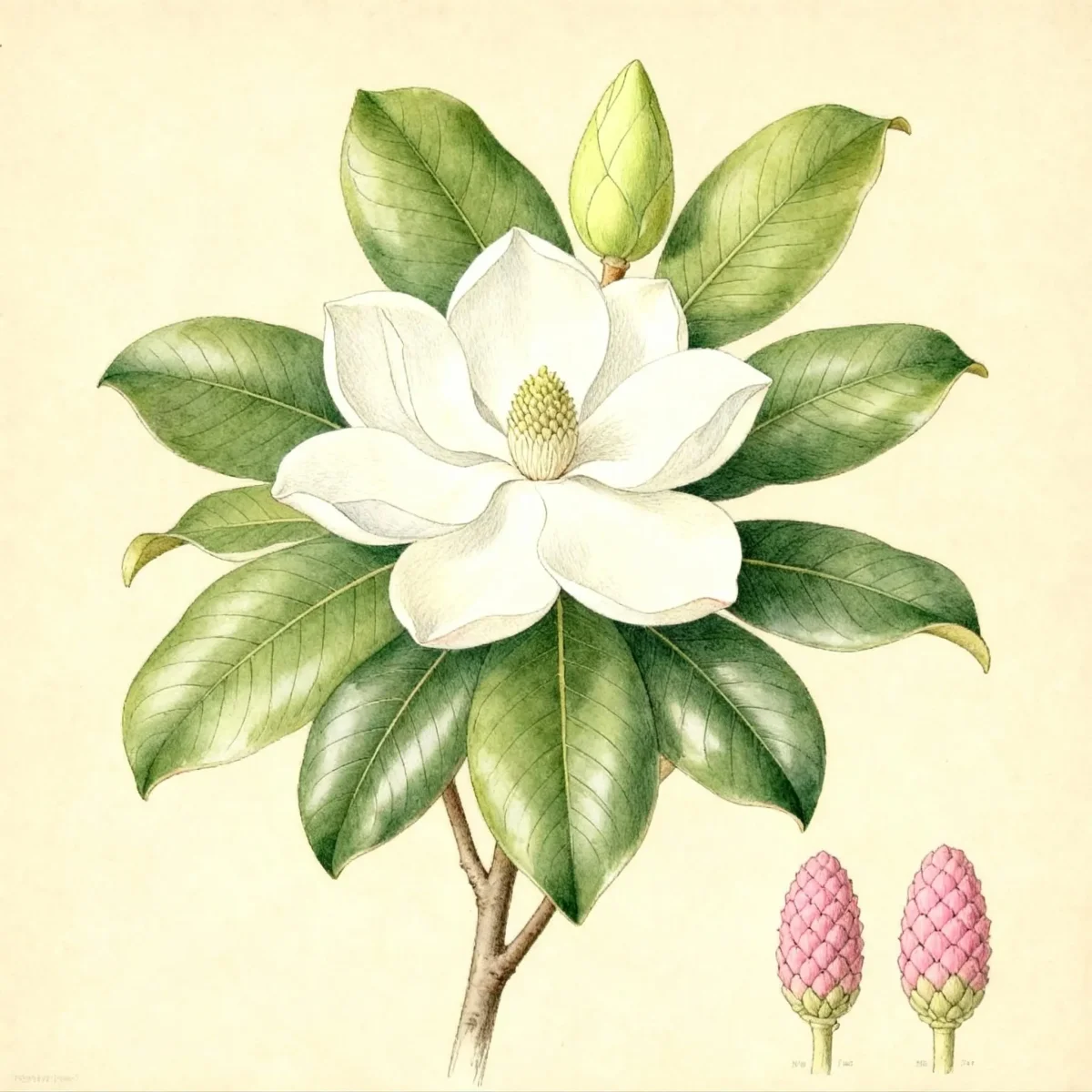
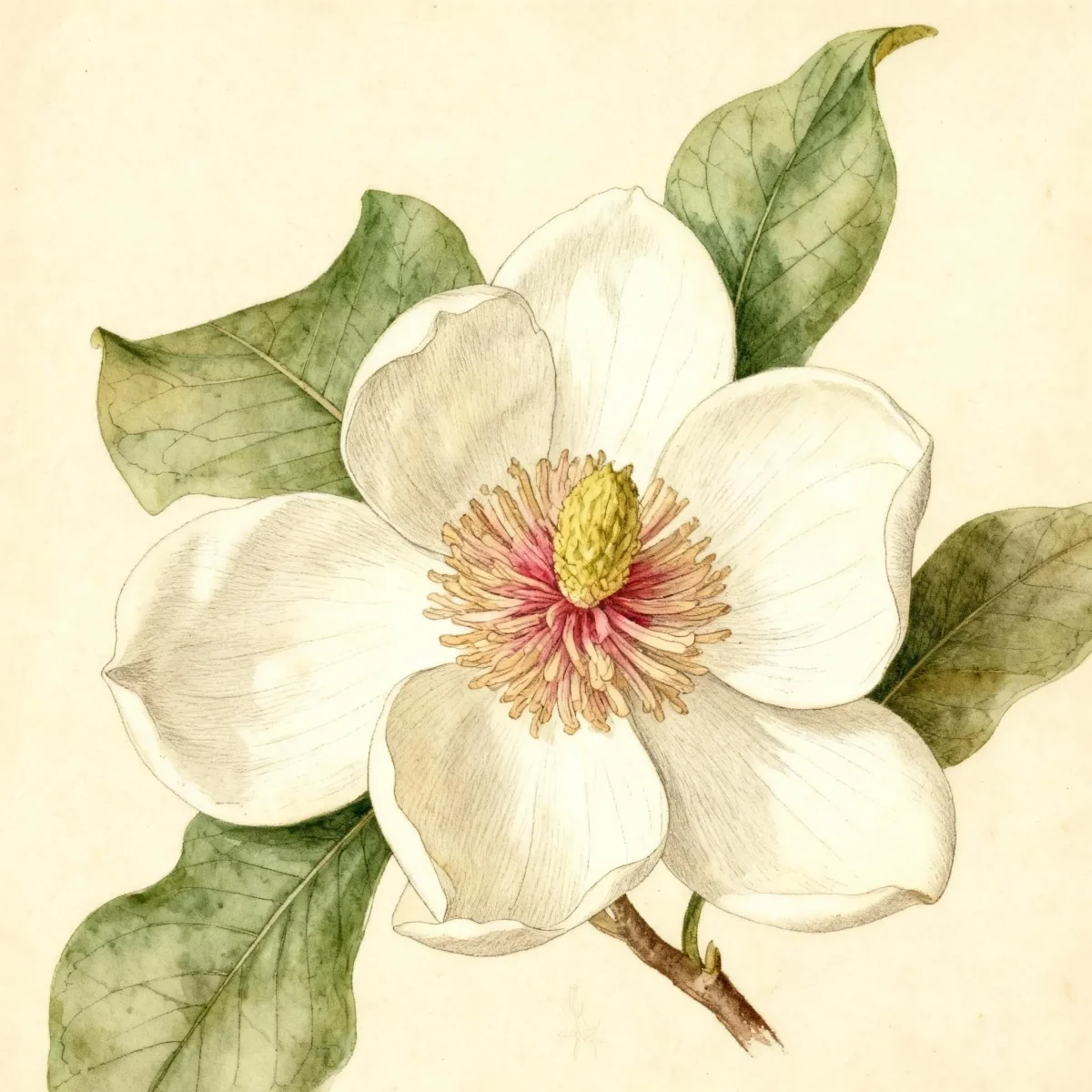
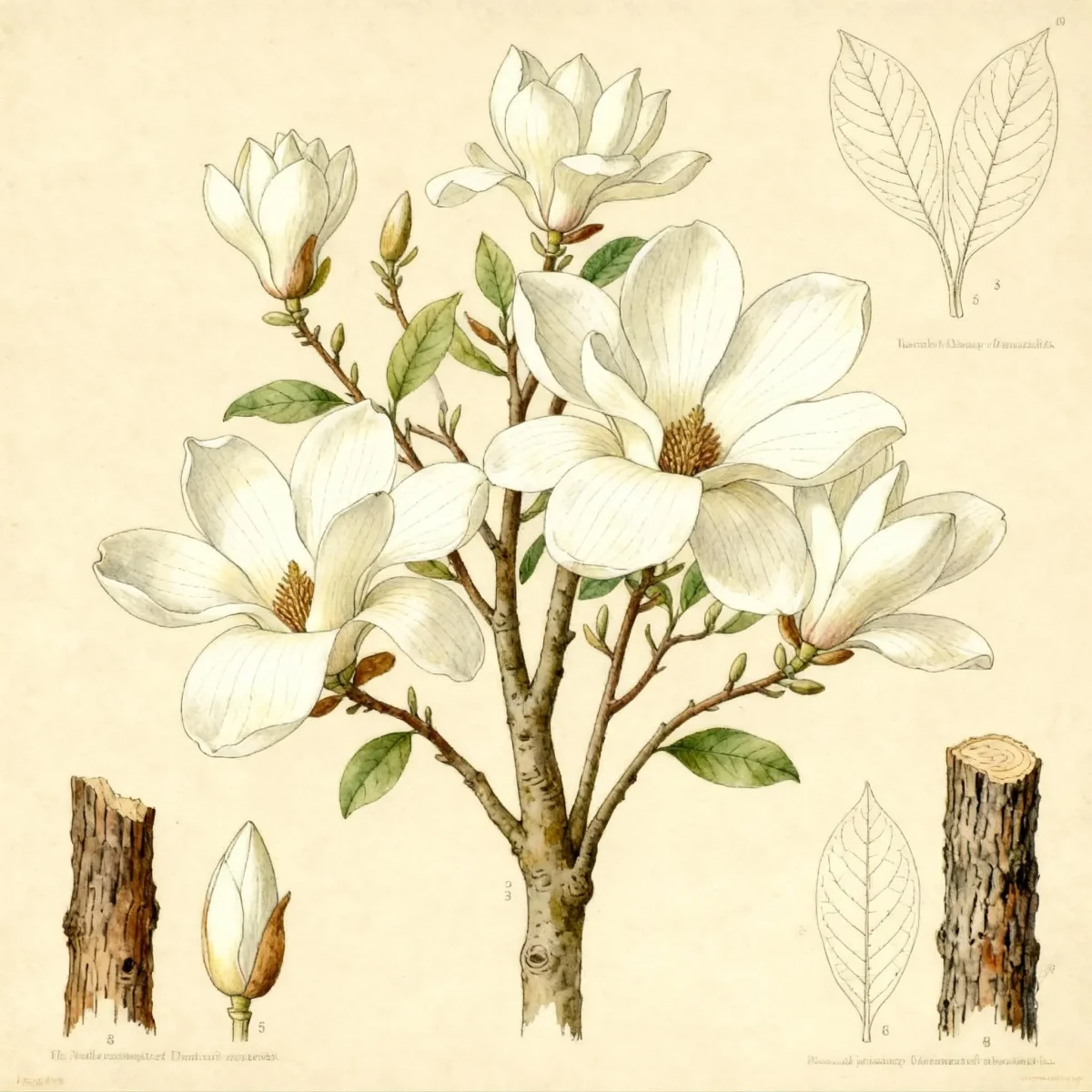
Magnolia grandiflora 'D.D. Blanchard' is a towering Southern magnolia cultivar featuring huge, fragrant, creamy white flowers and distinctive dark green leaves.
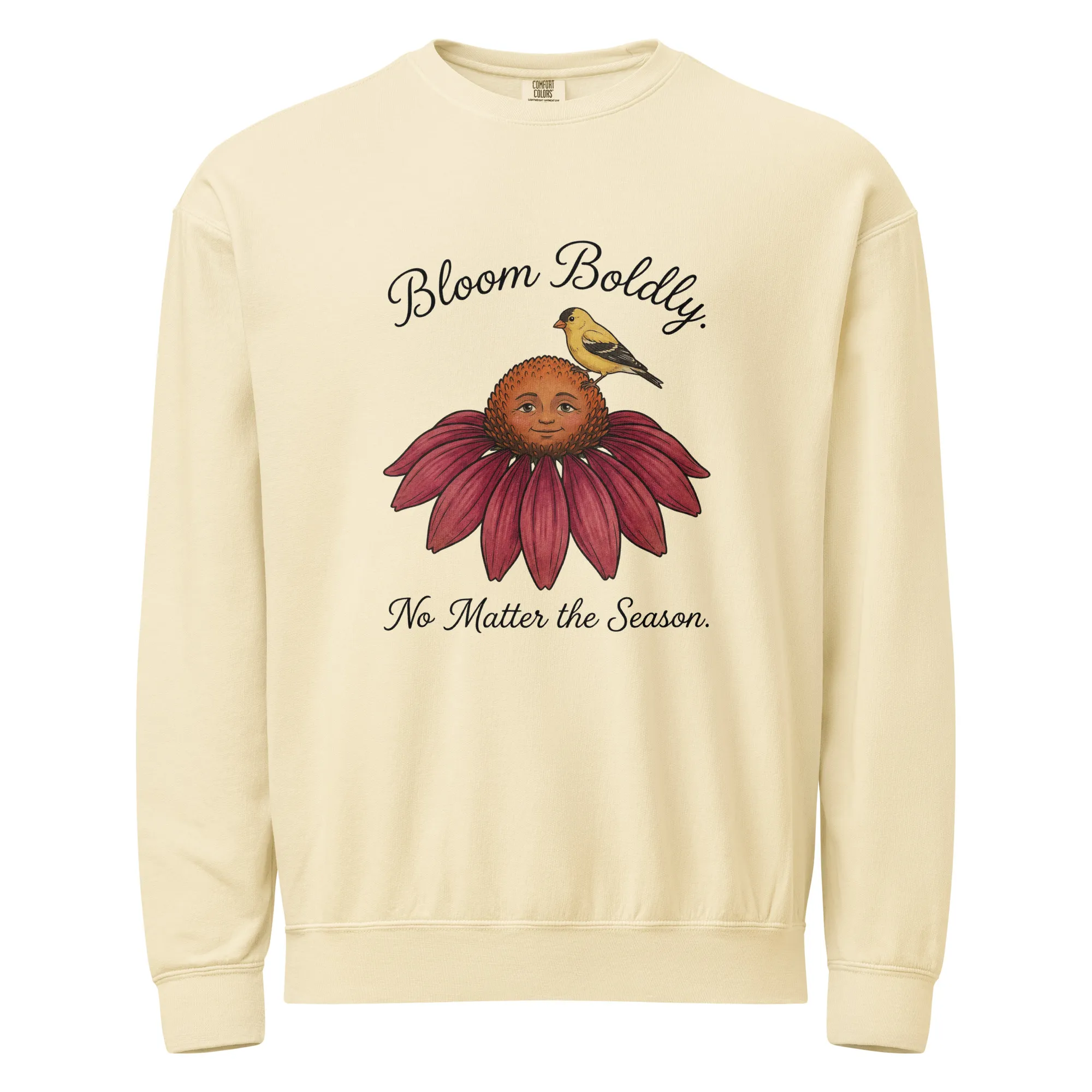
Bloom Boldly, No Matter the Season - Sweatshirt
Cozy organic cotton sweatshirt featuring our exclusive Purple Coneflower design. Perfect for gardeners who bloom year-round.
Inspired by the beautiful Southern magnolia
Limited first batch (50) — join the waitlist for early access
Waitlist closes Feb 15, 2026.
Complete Plant Information
Field Guide Continues
Ready for care notes, companion picks, and planting tips?
The map is just the start. The full guide below covers growth habits, seasonal performance, and landscape uses.
Overview
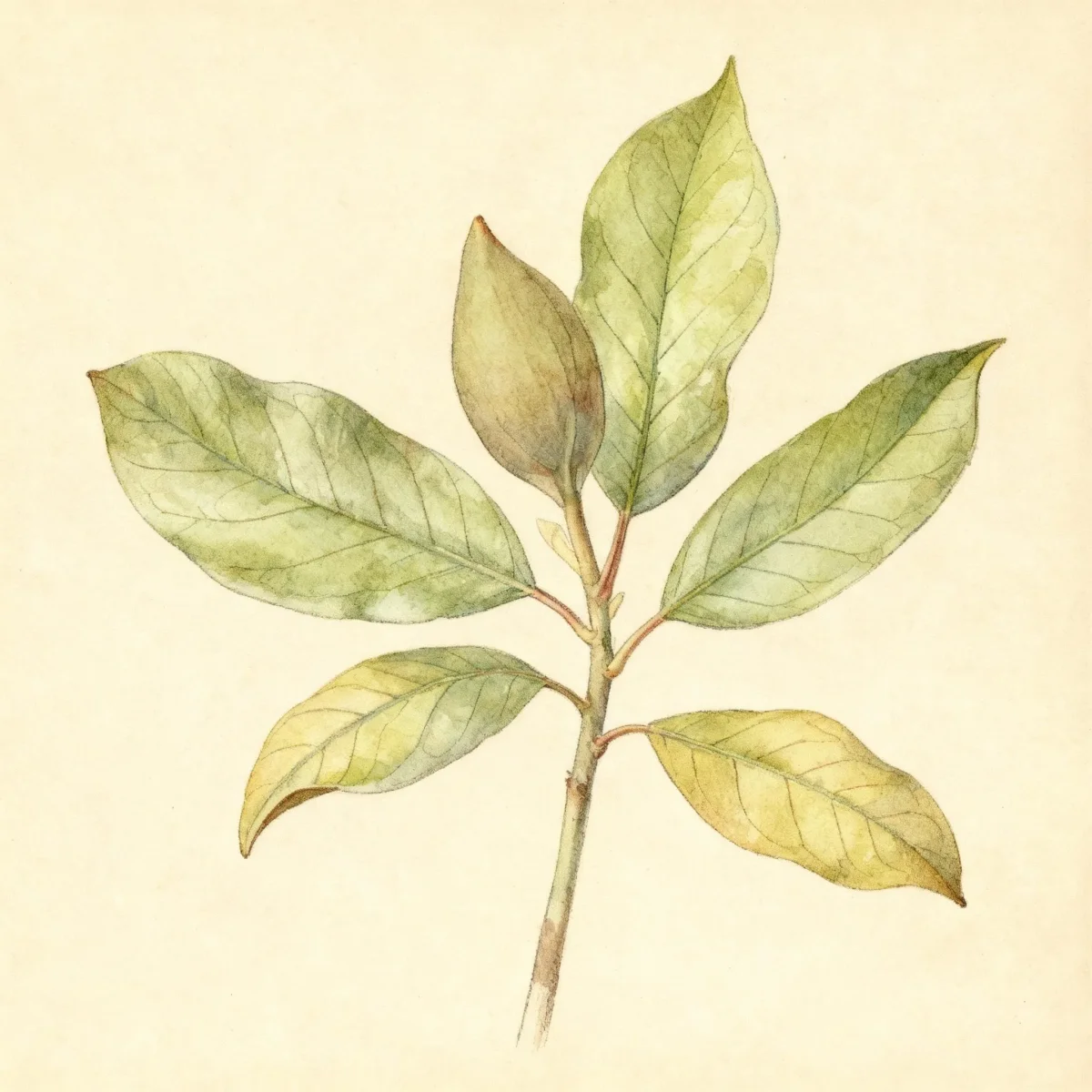
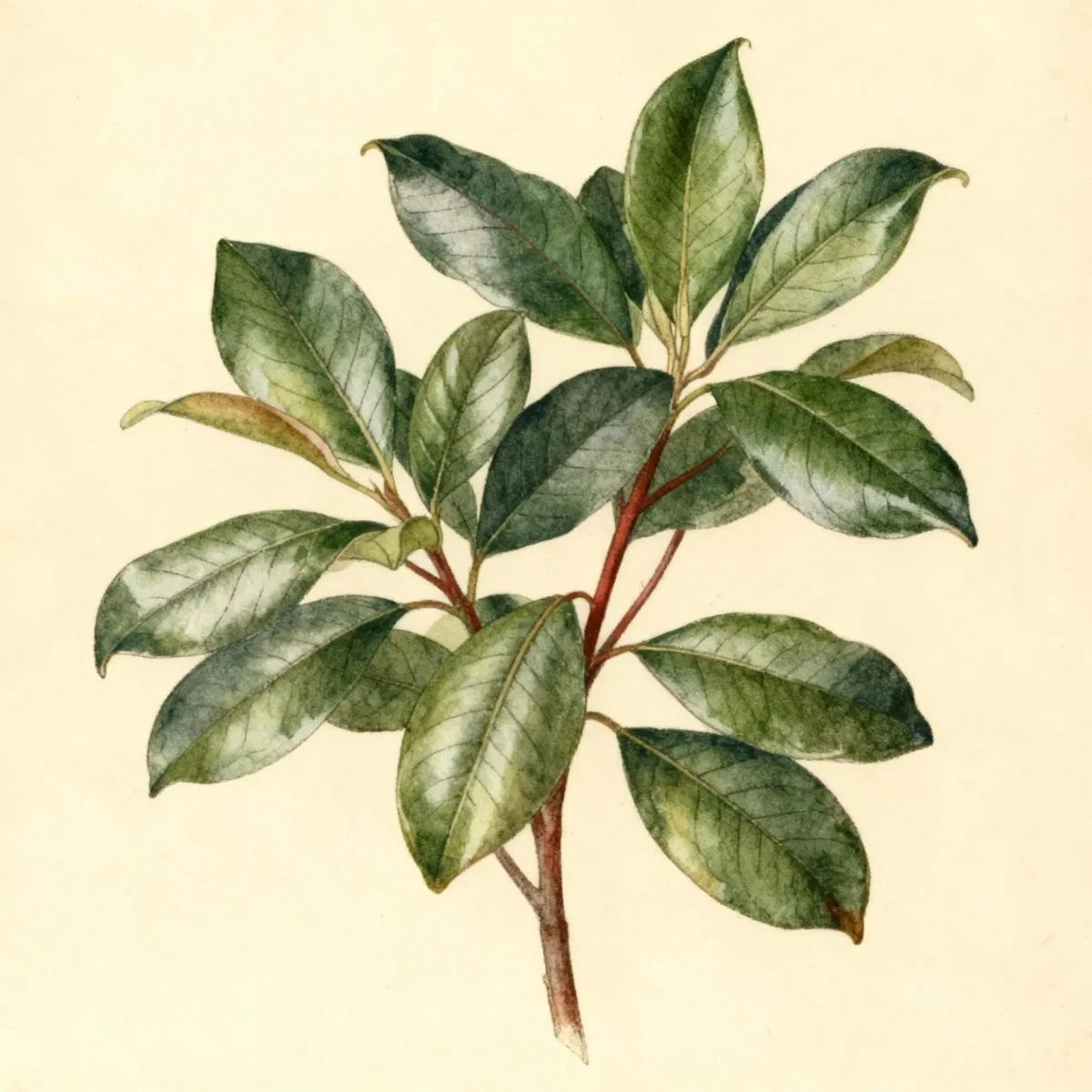
Magnolia grandiflora ‘D.D. Blanchard’ offers the classic majesty of the Southern magnolia in a cultivar known for its excellent structure and unique foliage. Gardeners prize this broadleaf evergreen for its spectacular display of large, extremely fragrant white flowers that appear from May through June. The deep green, leathery leaves possess unique rusty brown undersides, providing year-round visual interest.
This specific cultivar, Magnolia grandiflora ‘D.D. Blanchard’, is valued for its ability to maintain a strong central trunk, allowing it to be grown either fully branched to the ground or carefully pruned into a traditional tree form. It is a medium-to-large tree, reaching up to 50 feet tall, demanding ample space for its expansive canopy to develop.
As a magnificent specimen tree, the Southern magnolia provides unparalleled shade and structure in the landscape. Its cultural needs center on consistent moisture and well-drained soil, anchoring its place as a definitive feature in the Southeastern garden.
Fast Facts
- Plant Family: Magnoliaceae
- Plant Type: Tree
- Hardiness Zones: USDA Zones 7-9
- Size at Maturity:
- Height: 35-50 ft
- Spread: 20-35 ft
- Bloom Time: May to June
- Bloom Description: Creamy white
- Sun Exposure: Full sun to part shade
- Water Needs: Medium
- Maintenance Level: Medium
How to Grow
The ideal planting time for Magnolia grandiflora ‘D.D. Blanchard’ is when the weather is mild, typically spring or early fall, allowing the roots to establish before temperature extremes. Site this tree where it can achieve its mature size, ensuring sufficient room for its 35-foot spread. It thrives best in moist, organically rich, well-drained loams. Avoid locations prone to consistently dry or perpetually wet soil, as the Southern magnolia is intolerant of these extremes.
Routine care involves providing medium water, especially during establishment or periods of drought, as inconsistent moisture stresses the tree. While generally rugged once established, applying organic mulch helps conserve soil moisture and regulate root temperature. Fertilization is rarely necessary if the soil is fundamentally rich, but slow-release applications can benefit young or struggling trees in the spring.
This cultivar may show slight deciduous tendencies during very hard winters, though it remains predominantly evergreen. While hardy across Zones 7-9, gardeners in Zone 6 should choose a protected microclimate. Furthermore, note that like many Southern magnolias, Magnolia grandiflora ‘D.D. Blanchard’ exhibits intolerance to many urban pollutants, requiring cleaner air conditions for optimal health.
Landscape Uses
The towering presence and deep evergreen canopy make the Southern magnolia an outstanding choice as a specimen or accent tree, providing permanent focal points on expansive lawns. Its pyramidally-shaped form, especially when young, offers strong vertical structure that breaks the monotony of lower plantings. When grouped, these trees create an effective, dense evergreen screen, ideal for property demarcation or blocking undesirable views.
For formal landscapes, pruning Magnolia grandiflora ‘D.D. Blanchard’ to a visible trunk enhances its formal dignity, showcasing the dramatic contrast between the dark upper leaf surface and the fuzzy, coppery undersides. Consider underplanting beneath the canopy with shade-tolerant, acid-loving shrubs like azaleas or camellias, which benefit from the dappled light provided by the overhead structure.
Because of its massive size potential, careful placement is crucial. This is not a tree for small suburban lots; it demands open areas where its magnificent spread and huge, fragrant blossoms can be fully appreciated without encroaching heavily on structures or walkways.
Flower Qualities
- Showy
- Fragrant
Fruit Qualities
- Showy
Noteworthy Characteristics
Magnolia grandiflora is a broadleaf evergreen tree that is noted for its attractive dark green leaves and its large, extremely fragrant flowers. This cultivar, ‘D.D. Blanchard’, is noted for its unique large dark green leaves with distinctly rusty brown undersides. It keeps a straight central trunk, allowing it to be pruned into an excellent shade tree with huge, 8-inch cup-shaped flowers blooming early in the summer.
Tolerances
- Deer
- Air Pollution
Potential Problems
Fortunately, Magnolia grandiflora ‘D.D. Blanchard’ generally enjoys a good reputation regarding pest and disease management, suffering from no serious insect or disease problems under proper cultural conditions. The primary concern revolves around site selection; poor drainage or extreme drought will stress the tree, making it vulnerable to secondary issues. Ensure excellent drainage to prevent root rot, which is the most common lethal threat to established specimens.
Frequently Asked Questions
What hardiness zones is Southern magnolia suitable for?
Magnolia grandiflora ‘D.D. Blanchard’ is reliably hardy in USDA Zones 7 through 9. Gardeners in Zone 6 should select a sheltered site for success.
How large does Southern magnolia grow?
This mature tree typically reaches a height between 35 and 50 feet, with its spread ranging from 20 to 35 feet wide. Plan for significant space to accommodate this growth.
When does Southern magnolia bloom?
The spectacular blooming period for Magnolia grandiflora ‘D.D. Blanchard’ is generally from May through June, producing large, creamy white flowers that are highly fragrant.
What sun exposure does Southern magnolia need?
This magnificent tree performs best when situated in full sun, although it will also tolerate part shade. Part shade may often be preferable in the hottest southern climates.
Companion Planting
When selecting plants to grow alongside Magnolia grandiflora ‘D.D. Blanchard’, focus on species that share similar culture—moist, rich, acidic soil and well-drained conditions. Understory plantings like Rhododendrons and evergreen Azaleas thrive in the dappled sunlight offered beneath the canopy of a mature Southern magnolia. Consider incorporating native ferns, such as Christmas Fern (Polystichum acrostichoides), which appreciate the consistent moisture levels maintained beneath the spreading branches.
For contrasting texture, look toward plants with fine, delicate foliage that sets off the large, leathery leaves of the magnolia. Japanese Forest Grass (Hakonechloa macra) provides lovely mounding texture around the base, while broadleaf groundcovers suited for woodland edges can help maintain soil moisture regulation near surface roots.
Design Ideas for Specimen Trees
Utilize the commanding presence of Magnolia grandiflora ‘D.D. Blanchard’ by placing it prominently in a front yard opening, allowing visitors to appreciate its pyramidal form and massive flowers immediately upon approach. Because of its evergreen nature, it serves exceptionally well as a winter anchor in the landscape, providing necessary structure when deciduous neighbors are bare.
For large properties or estates, planting a small grove of these trees can create a majestic, cathedral-like effect, transitioning an open lawn into a more formal woodland edge. Ensure placement allows for long-range views, as the structure of the mature Southern magnolia is one of its most defining architectural features.
Conclusion
The Magnolia grandiflora ‘D.D. Blanchard’ stands out as an exceptional evergreen feature, delivering stunning fragrance and substantial shade supported by unique foliage contrast. Its requirement for medium water and well-drained loam means site selection is key to ensuring this Southern magnolia thrives for decades. Before planting, confirm your landscape falls within USDA Zones 7-9 and plan for its impressive mature dimensions.