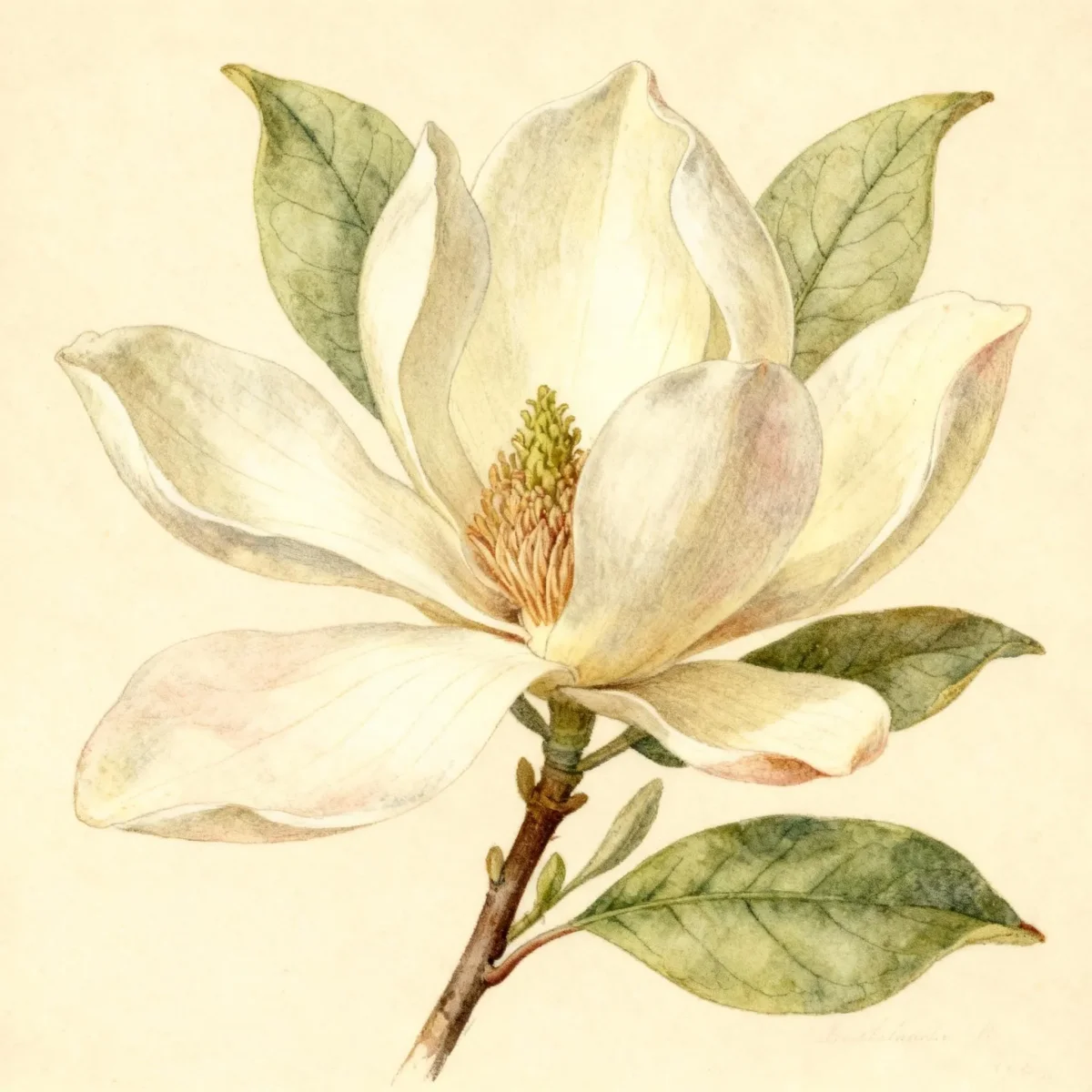
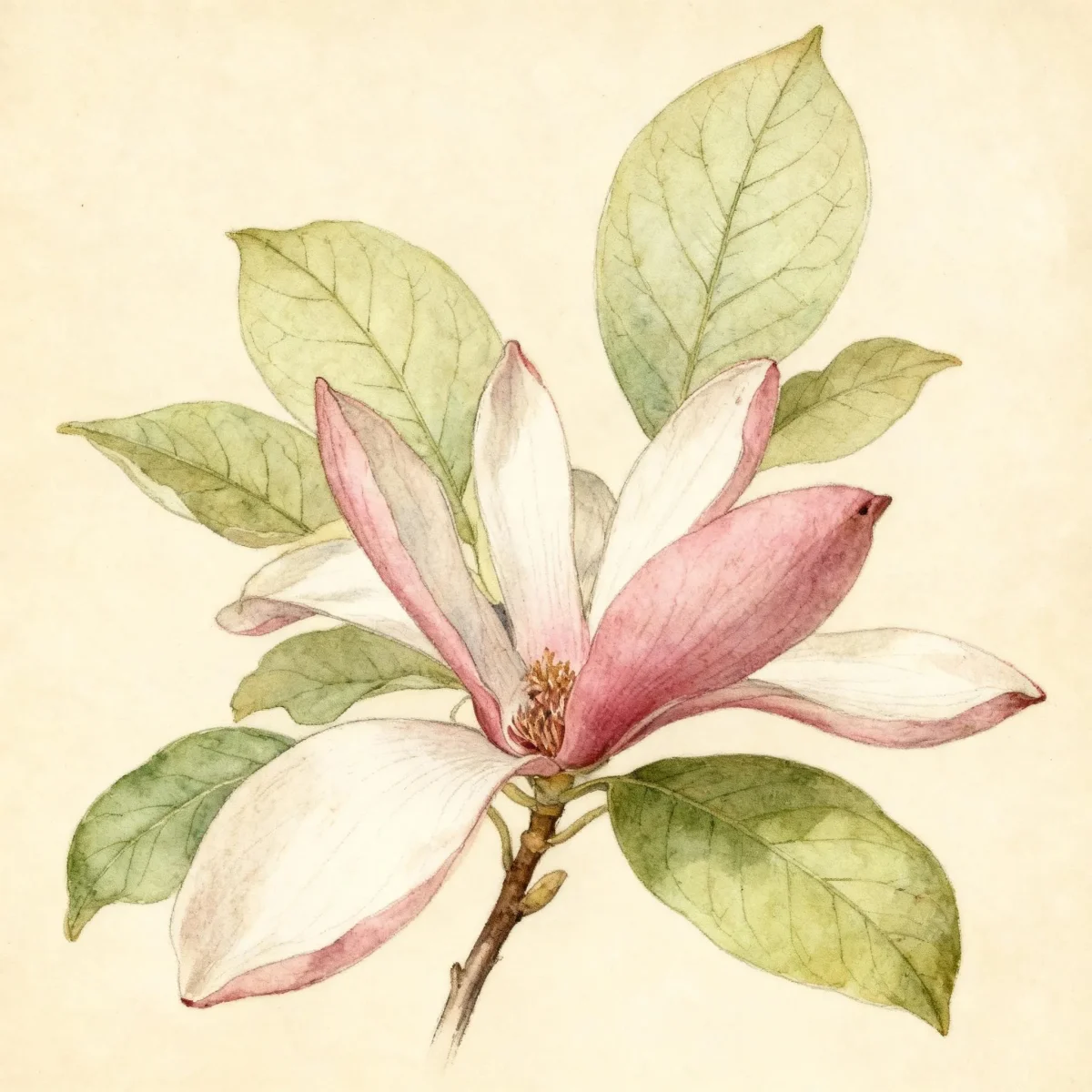
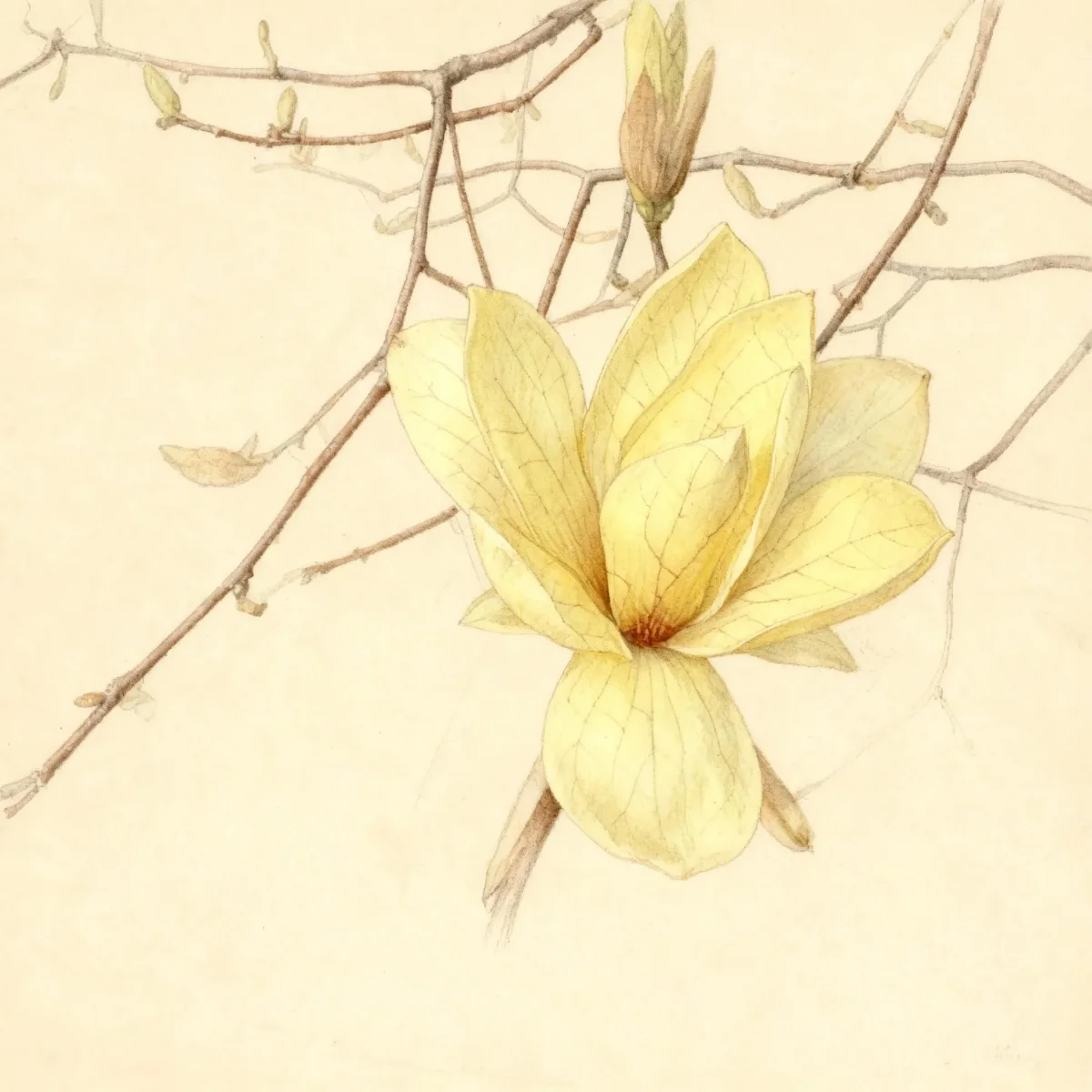
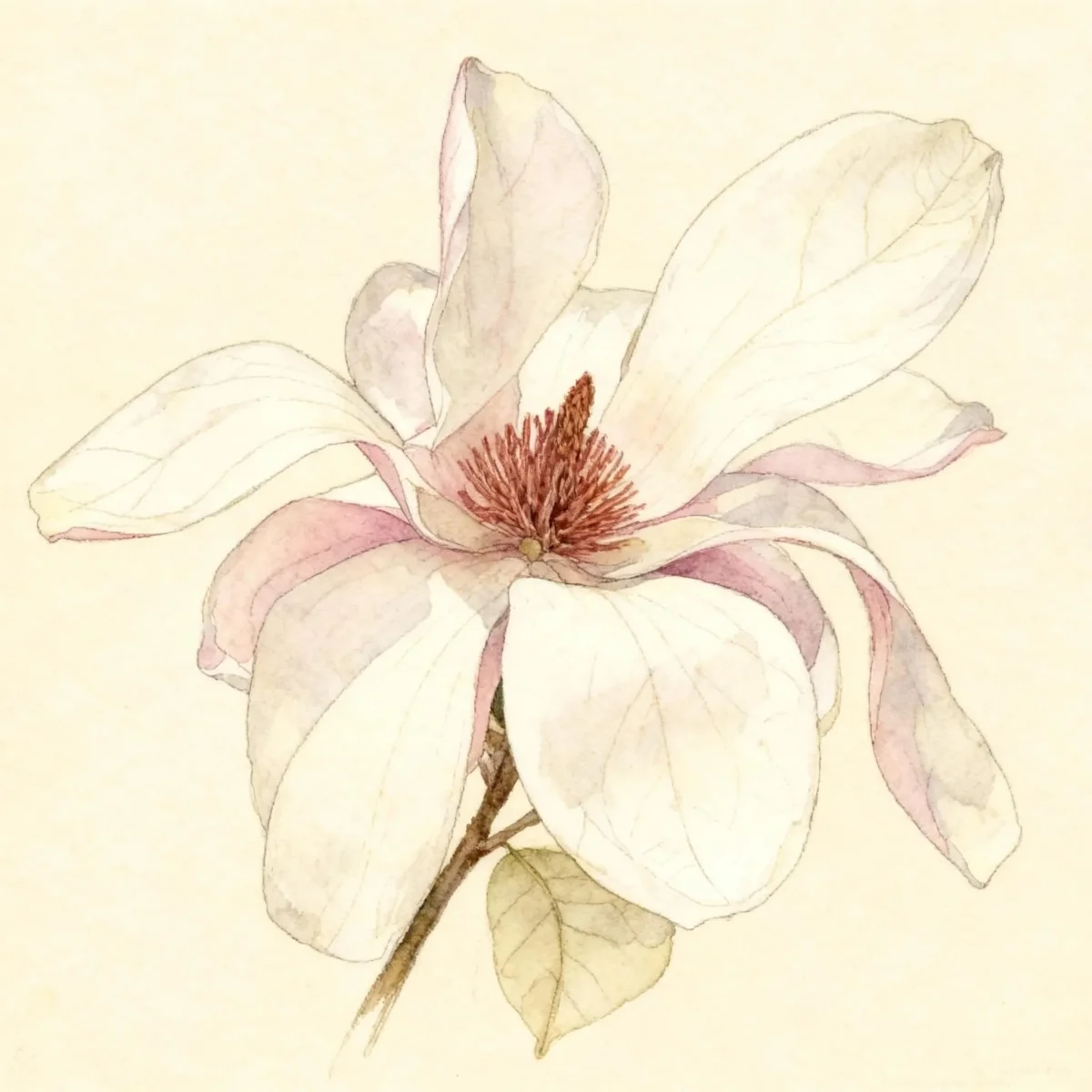
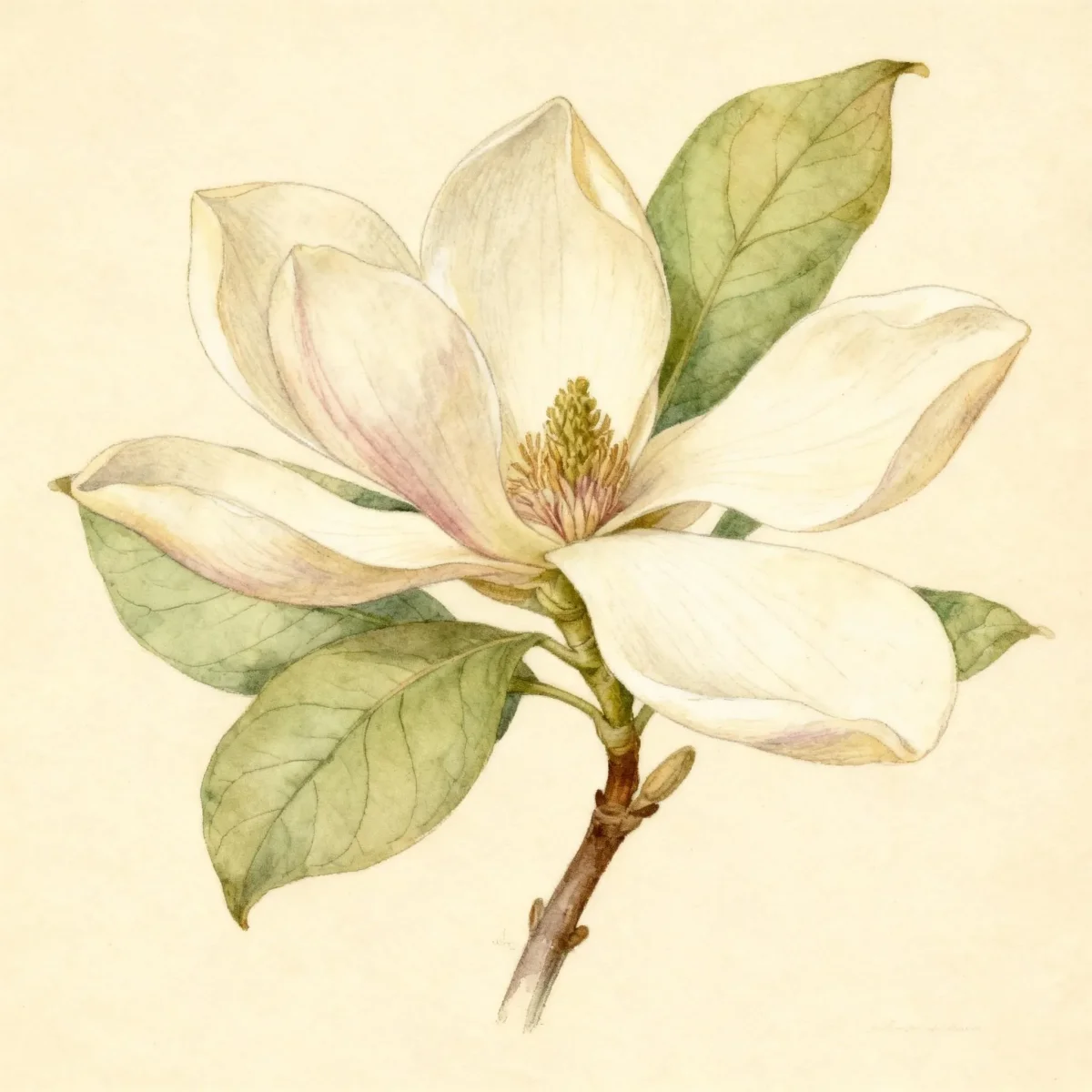
Large-flowered magnolia (Magnolia grandiflora 'Edith Bogue')
The Magnolia grandiflora ''Edith Bogue'' is a hardy, broadleaf evergreen known for showy, fragrant white flowers and excellent air pollution tolerance.
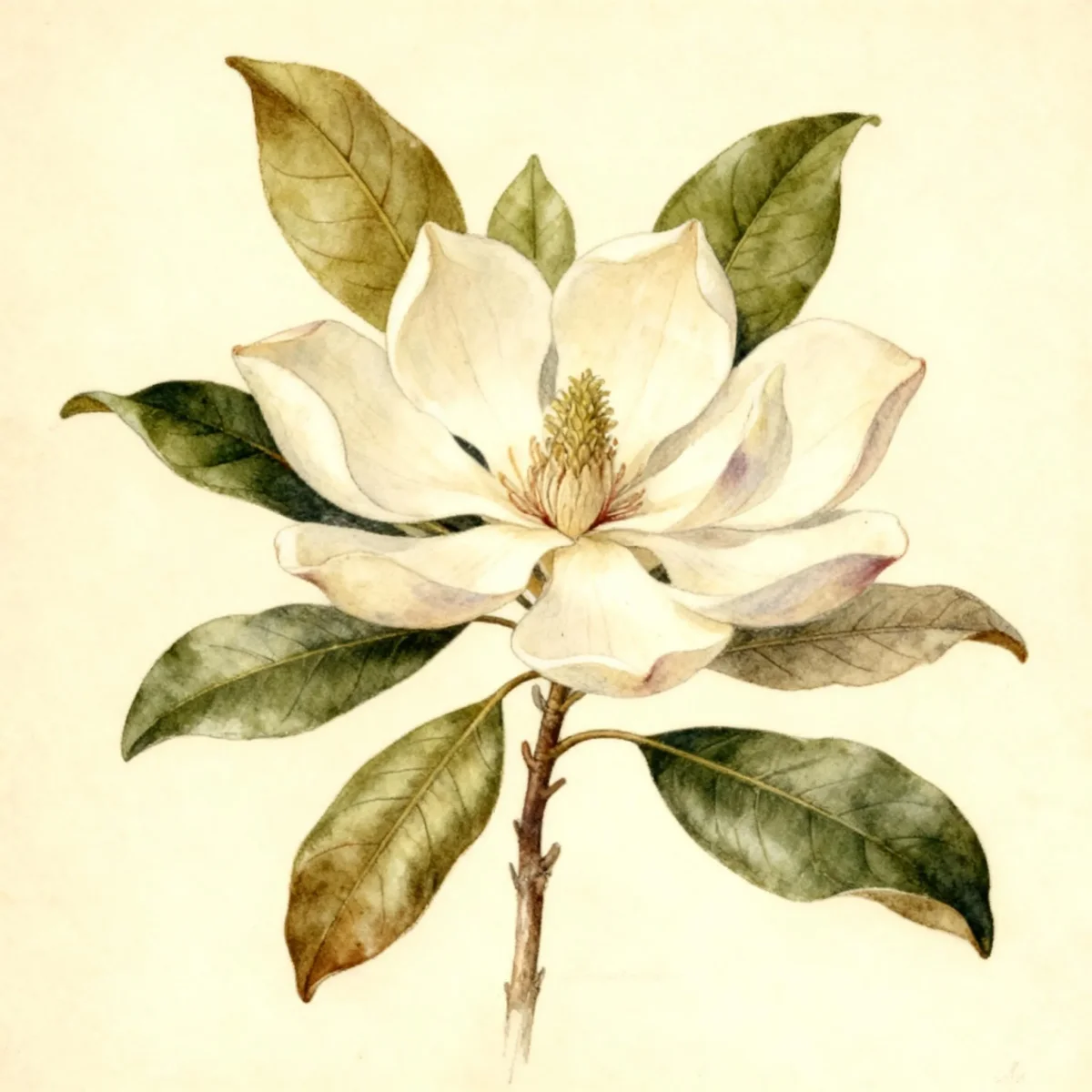

Bloom Boldly, No Matter the Season - Sweatshirt
Cozy organic cotton sweatshirt featuring our exclusive Purple Coneflower design. Perfect for gardeners who bloom year-round.
Inspired by the beautiful Large-flowered magnolia
Limited first batch (50) — join the waitlist for early access
Waitlist closes Feb 15, 2026.
Complete Plant Information
Field Guide Continues
Ready for care notes, companion picks, and planting tips?
The map is just the start. The full guide below covers growth habits, seasonal performance, and landscape uses.
Overview
The Magnolia grandiflora ‘Edith Bogue’, commonly known as the Large-flowered magnolia, offers striking evergreen structure combined with spectacular blooms, making it a treasured specimen in southern and transitional landscapes. This cultivar distinguishes itself through notable winter hardiness, allowing gardeners further north than typically advised for Magnolia grandiflora to enjoy its stature. Its leathery, dark green leaves provide year-round visual interest, contrasting beautifully with the massive, lemon-scented white flowers that appear from late spring into summer.
This magnificent broadleaf evergreen matures into a substantial tree, often reaching 40 to 60 feet tall, necessitating careful placement where its ultimate size can be accommodated without impeding structures or utilities. Valued for its low maintenance needs once established, the Magnolia grandiflora ‘Edith Bogue’ excels as a powerful focal point or an imposing screen within an open yard. Its robustness against certain urban pollutants adds functional merit to its aesthetic appeal.
Fast Facts
- Plant Family: Magnoliaceae
- Plant Type: Broadleaf evergreen
- Hardiness Zones: USDA Zones 6-9
- Size at Maturity:
- Height: 40-60 ft
- Spread: 20-30 ft
- Bloom Time: May to June
- Bloom Description: White
- Sun Exposure: Full sun to part shade
- Water Needs: Medium
- Maintenance Level: Low
How to Grow
The ideal time to plant Magnolia grandiflora ‘Edith Bogue’ is spring or early fall, allowing the root system time to establish before extreme weather hits. This tree thrives best planted in moist, organically rich, well-drained loams. While it tolerates full sun, providing afternoon shade, especially in hotter climates, can prevent leaf scorch; best growth often occurs with part shade. Ensure the planting site provides ample room, as these trees will become very large over time.
Water needs are consistent; the soil should remain medium moist, and the Large-flowered magnolia is generally intolerant of extremes, meaning both drought and consistently saturated soil should be avoided. Due to its low maintenance rating, heavy fertilization is usually unnecessary once established. If supplemental feeding is required, use an acidic fertilizer sparingly. Pruning should be kept to a minimum, focusing only on removing dead, damaged, or crossing limbs to maintain a natural, strong structure.
Winter care requires attention, particularly in Zone 6. While Magnolia grandiflora ‘Edith Bogue’ is known for better hardiness than many southern magnolias, it can become somewhat deciduous in very hard winters. Site specimens in protected locations, away from prevailing winter winds, to buffer against cold stress. Avoid planting near heavily salted driveways or areas prone to significant soil compaction, as this tree is sensitive.
Landscape Uses
As a Flowering Tree, the Large-flowered magnolia serves as a superior architectural element in large landscapes. Its impressive size and dense evergreen foliage make it an excellent specimen tree, providing year-round screening and acting as a bold accent on expansive lawns or near large homes where scale permits. When grouped, multiple trees can form a substantial, dense evergreen screen providing privacy and windbreak qualities.
Consider using this magnificent specimen where its dark, glossy leaves can contrast with lighter-colored hardscaping or architecture. Because it demands space, avoid tight borders or foundation plantings. When designing a space for the Magnolia grandiflora ‘Edith Bogue’, select pH-appropriate companions that prefer similar moisture levels but do not aggressively compete for shallow surface nutrients, such as azaleas or camellias planted in the dappled shade beneath its canopy.
Standout Features
Flower Qualities
- Showy
- Fragrant
Fruit Qualities
- Showy
Noteworthy Characteristics
Magnolia grandiflora is a broadleaf evergreen tree that is noted for its attractive dark green leaves and its large, extremely fragrant flowers. This cultivar, ‘Edith Bogue,’ is specifically recognized for its excellent winter hardiness compared to other types, growing up to 60 feet tall and 30 feet wide with large, up to 12-inch diameter, lemon-scented white flowers in early summer. The genus name honors Pierre Magnol, a French botanist, and the specific epithet signifies “large flowers.”
Tolerances
- Air Pollution
Potential Problems
This cultivar is generally praised for having no serious insect or disease problems, reducing the need for intensive chemical intervention. Gardeners should remain vigilant for scale insects, which occasionally target evergreen foliage, though preventative measures are rarely required for established, healthy Magnolia grandiflora ‘Edith Bogue’. The primary management concern revolves around selecting the correct planting site, as intolerance to wet or overly dry soils constitutes the most likely cause of future stress or decline in this otherwise robust tree.
Frequently Asked Questions
What hardiness zones is Large-flowered magnolia suitable for?
The Magnolia grandiflora ‘Edith Bogue’ is reliably hardy in USDA Zones 7-9, though it can be successfully cultivated in Zone 6 if sited in a protected location offering shelter from harsh winter winds.
How large does Large-flowered magnolia grow?
This impressive evergreen typically reaches mature heights between 40 and 60 feet, with a spread ranging from 20 to 30 feet. It develops into a large, towering specimen best suited for expansive properties.
What sun exposure does Magnolia grandiflora ‘Edith Bogue’ need?
This tree performs well in full sun but often appreciates the protection of part shade, particularly in the hottest afternoon hours. Ensure it receives adequate light to promote strong flowering performance.
When does Large-flowered magnolia bloom?
The bloom time for the Large-flowered magnolia generally spans from May through June, featuring singular, spectacular white flowers that possess a distinctive lemon scent.
Conclusion
The Magnolia grandiflora ‘Edith Bogue’ remains an outstanding selection for gardeners seeking a grand, low-maintenance evergreen offering spectacular springtime floral displays. Its improved cold tolerance sets it apart, allowing more regions to enjoy this sophisticated specimen tree. Before planting, confirm your landscape offers the medium water needs and well-drained soil required, and ensure you plan for its considerable mature size to best utilize the benefits of the Large-flowered magnolia.
Companion Planting
When planning garden beds near your Magnolia grandiflora ‘Edith Bogue’, prioritize acid-loving plants that appreciate similar moisture management. Companion planting with azaleas, rhododendrons, and camellias works exceptionally well, as they thrive in the slightly acidic soil conditions preferred by magnolias. These shrubs should be positioned where they can benefit from the dappled shade cast by the towering evergreen canopy as the magnolia matures.
For groundcover interests, consider ferns that tolerate bright shade, or use evergreen spreading junipers in sunny exposures further away from the trunk base to create textural contrast against the magnolia’s large, glossy leaves. Avoid shallow-rooted turfgrass directly competing for water right at the root flare of the young tree, opting instead for mulch rings to conserve soil moisture evenly around the base.
Seasonal Care Calendar
Spring is the key time for preparing your Magnolia grandiflora ‘Edith Bogue’ for its main bloom flush. Apply a slow-release, acidifying fertilizer early in the spring before active growth begins if your soil tests indicate nutrient deficiencies. As summer progresses, monitor moisture levels carefully; while established trees handle short dry spells, young specimens require consistent medium watering during periods of extreme heat and low rainfall.
In the fall, focus on cleaning up fallen leaves, noting that the shed leaves of the Large-flowered magnolia often decompose slowly due to their waxy coating. For Zone 6 gardeners, providing a thick layer of organic mulch (avoiding contact with the trunk) late in autumn offers crucial root insulation against impending hard freezes. Minimal pruning is best undertaken in late summer after flowering concludes, though major structural clean-up should wait until early spring risks have clearly passed.