Magnolia (Magnolia × loebneri)
Magnolia × loebneri is a stunning deciduous hybrid tree offering showy, fragrant white spring flowers. Hardy in zones 5-9.

Bloom Boldly, No Matter the Season - Sweatshirt
Cozy organic cotton sweatshirt featuring our exclusive Purple Coneflower design. Perfect for gardeners who bloom year-round.
Inspired by the beautiful Magnolia
Limited first batch (50) — join the waitlist for early access
Waitlist closes Feb 15, 2026.
Complete Plant Information
Field Guide Continues
Ready for care notes, companion picks, and planting tips?
The map is just the start. The full guide below covers growth habits, seasonal performance, and landscape uses.
Overview
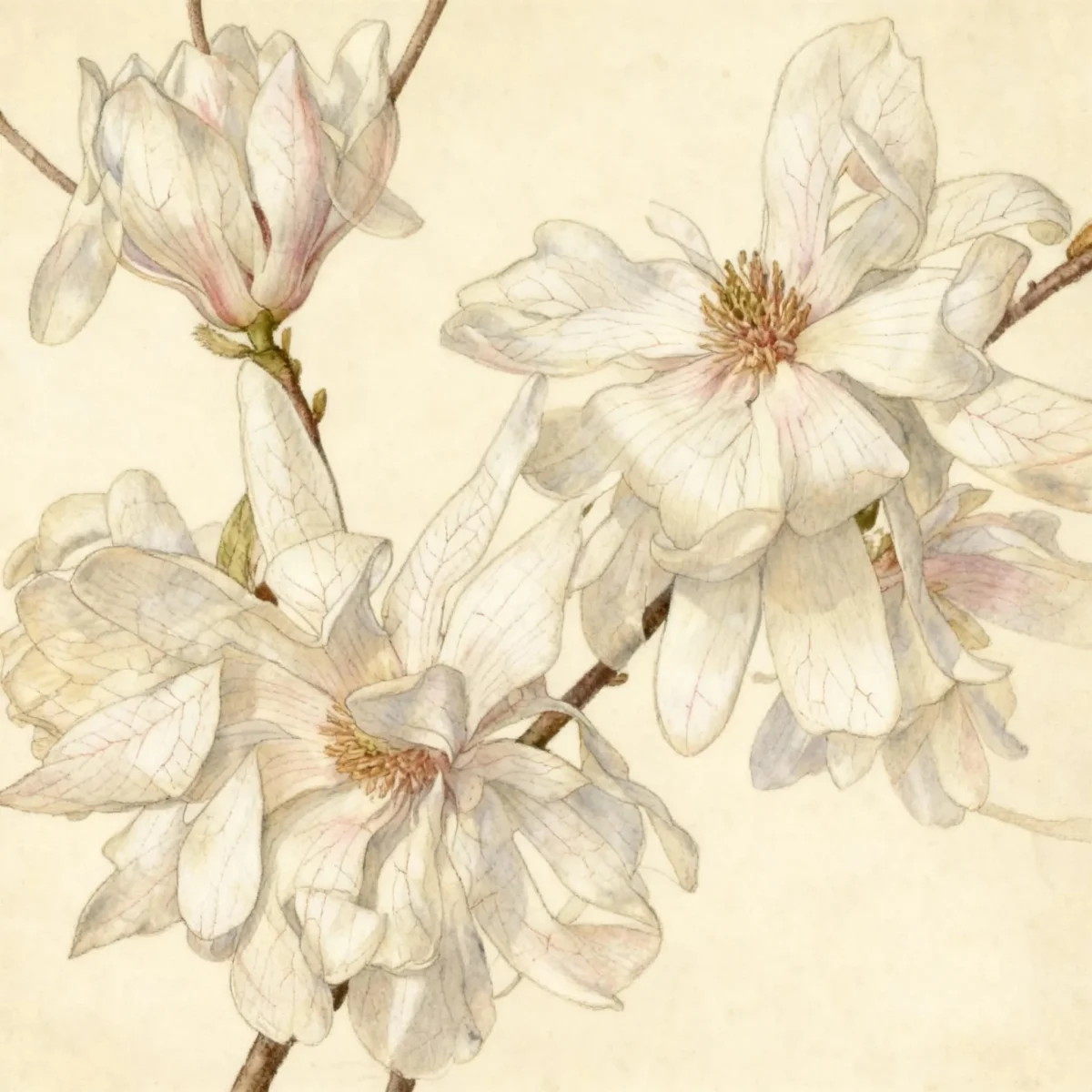
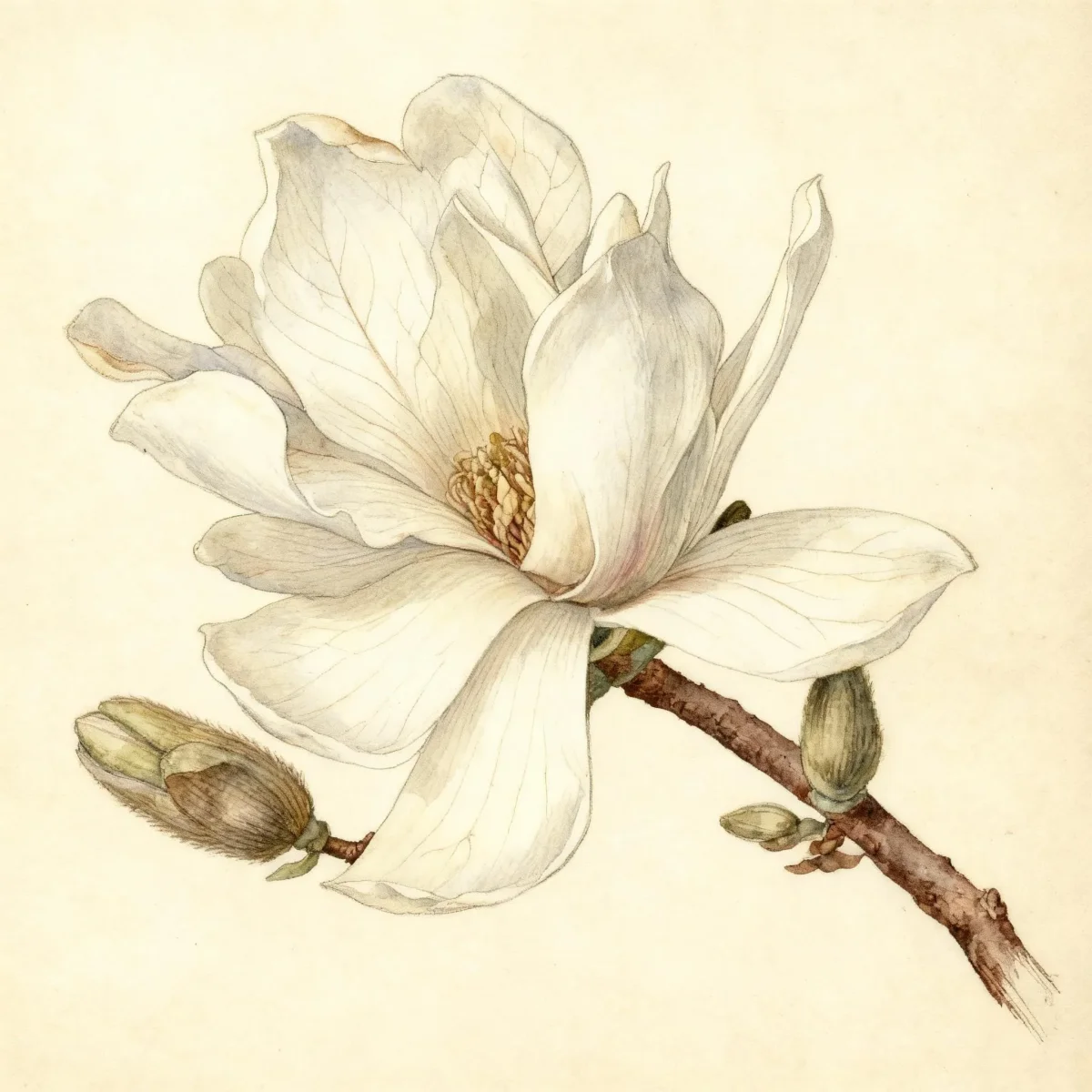
The Magnolia × loebneri, commonly known as Loebner magnolia, stands out as a desirable deciduous hybrid celebrated for its early spring floral display. This exquisite Magnolia hybrid delivers star-like white flowers that are both showy and pleasantly fragrant, signaling the true arrival of warmer weather. Gardeners value the Magnolia × loebneri for its manageable size, typically achieving 20 to 30 feet tall with a rounded, appealing crown shape.
As a cross resulting from M. Kobus and M. Stellata, this Magnolia bridges the best characteristics of its parentage, forming a beautiful multi-trunked specimen tree ideal as a focal point. While aesthetically rewarding, growers should be aware that this hybrid may take a few seasons to establish its blooming pattern. Proper siting ensures the best performance from your Magnolia × loebneri.
Fast Facts
- Plant Family: Magnoliaceae
- Plant Type: Tree
- Native Range: Garden origin
- Hardiness Zones: USDA Zones 5-9
- Size at Maturity:
- Height: 20-30 ft
- Spread: 20-30 ft
- Bloom Time: March to April
- Bloom Description: White
- Sun Exposure: Full sun to part shade
- Water Needs: Medium
- Maintenance Level: Medium
How to Grow
The best time to plant your Magnolia × loebneri is in early spring or fall, allowing the root system to establish before seasonal extremes. Aim for locations providing full sun to light afternoon shade, where the tree is protected from harsh winds. Optimal performance occurs in moist, organically rich, well-drained loams. Avoid sites prone to standing water or prolonged drought, as this tree is intolerant of severe soil extremes.
Watering should be consistent, especially during dry spells in the first few years, to maintain medium moisture levels. While detailed fertilization guidance isn’t provided, enriching the soil with organic matter at planting time supports slow-growing roots. Pruning is minimal, generally limited to removing crossing or damaged branches, as the natural habit of the Magnolia is attractive.
A critical cultural consideration for Magnolia × loebneri is protection from late spring frosts. Because it blooms early, an unexpected frost can damage the delicate flowers, preventing fruit set that year. Site the tree where it is somewhat sheltered from harsh weather patterns. Be patient, as it may take 3-4 years before you see the first significant flowering display.
Landscape Uses
The Magnolia × loebneri excels as a standout specimen tree due to its magnificent early spring bloom. Its relatively compact, rounded form makes it perfect for anchoring a smaller lawn area or serving as a stunning focal point near a patio or entrance walk. It establishes wonderfully as a feature in a shrub border, providing vertical interest even when dormant.
Beyond isolated placement, this Magnolia is effective on the periphery of woodland plantings where it can catch the early spring light before the canopy fully leafs out. Consider pairing the white blooms of the Loebner magnolia with later-blooming shrubs or perennials to extend spring color interest in the landscape design.
Standout Features
Flower Qualities
- Showy
- Fragrant
Fruit Qualities
- Showy
Noteworthy Characteristics
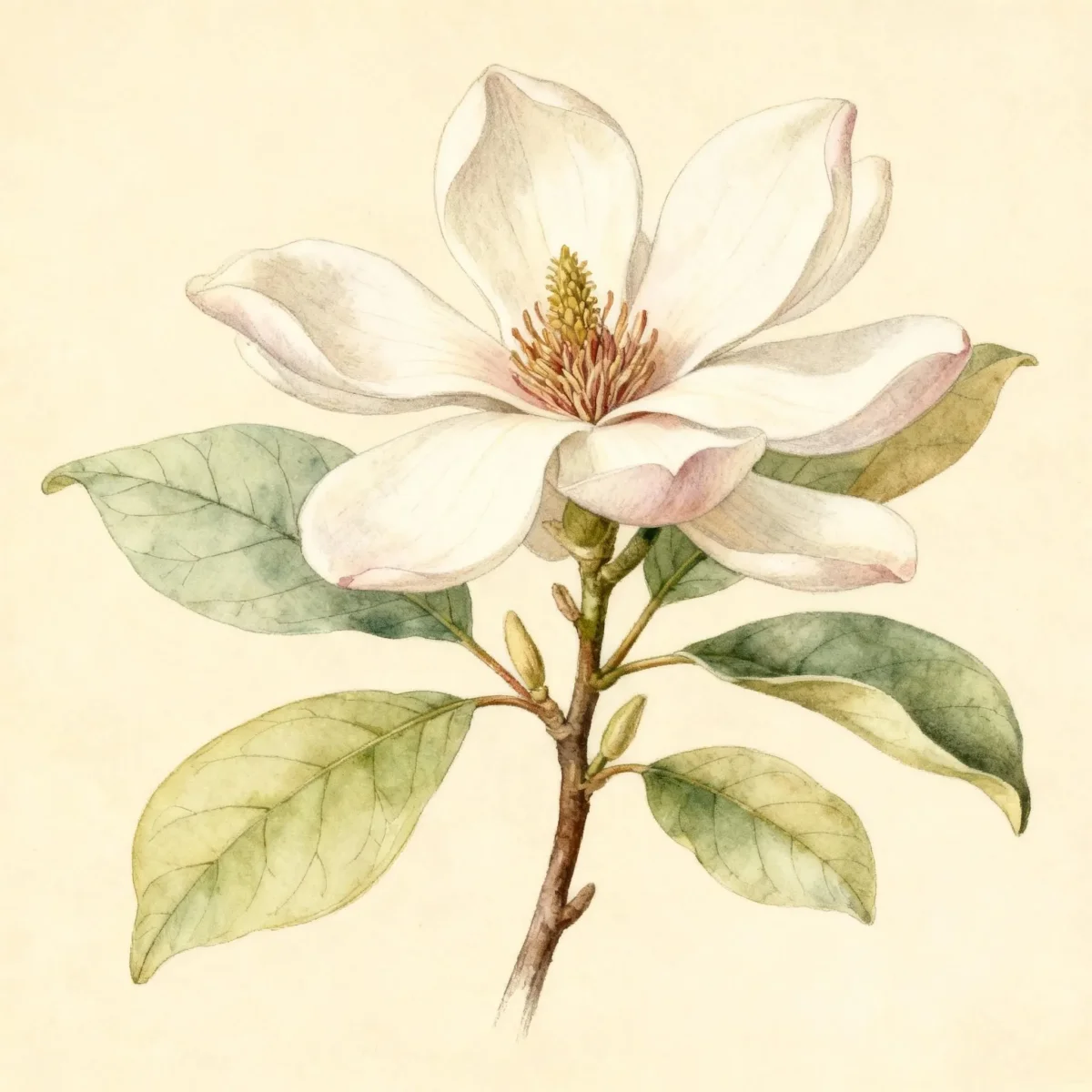
Magnolia × loebneri, commonly called Loebner magnolia, is a deciduous hybrid magnolia (M. Kobus × M. Stellata) that forms a small tree typically reaching 20-30’ tall with a rounded crown, often featuring multiple trunks. Fragrant, star-like white flowers, measuring 4-6” wide with 10-15 petals, emerge in early spring, usually before the leaves appear. The genus name honors Pierre Magnol, and the specific epithet recognizes Max Loebner, the German horticulturist who created the cross in the early 1900s.
Tolerances
Potential Problems
The most significant threat to the display of the Magnolia × loebneri is late spring frost. Because this hybrid initiates bloom very early in the season (March to April), an unexpected hard freeze after bud break can severely damage or destroy the developing flowers. Management involves careful siting in slightly protected microclimates or choosing later-blooming cultivars in areas frequently hit by late frosts.
Frequently Asked Questions
What hardiness zones is Magnolia × loebneri suitable for?
The Magnolia × loebneri is hardy across a wide range, thriving in USDA Zones 5 through 9.
How large does Magnolia grow?
This variety typically reaches a mature height between 20 and 30 feet, with a corresponding spread of 20 to 30 feet.
When does Magnolia bloom?
The Magnolia typically flowers early, with blooms appearing from March to April, characterized by their beautiful white color.
What sun exposure does Magnolia × loebneri need?
For optimal flowering and health, plant your Loebner magnolia where it receives full sun to part shade exposure.
Conclusion
The Magnolia × loebneri provides exceptional early-season structure and fragrance, making it a rewarding choice for any setting that can accommodate its moderate size. Cultivating this beautiful Magnolia requires attention to soil moisture and protection from late frosts to ensure a spectacular flowering period each year. Check your local hardiness zone rating and plan to plant this magnificent hybrid in a protected spot during the appropriate season.
Companion Planting
Selecting companions for your Magnolia × loebneri should focus on plants that appreciate similar growing conditions: moist, rich, well-drained soil and partial protection. Spring-blooming bulbs like daffodils or tulips look lovely planted beneath the canopy, disappearing before the magnolia casts deep summer shade. Considering later-season interest, late-blooming hydrangeas or azaleas—which share tolerance for slightly acidic soil—can provide color contrast once the magnolia’s flowers fade.
Varieties to Consider
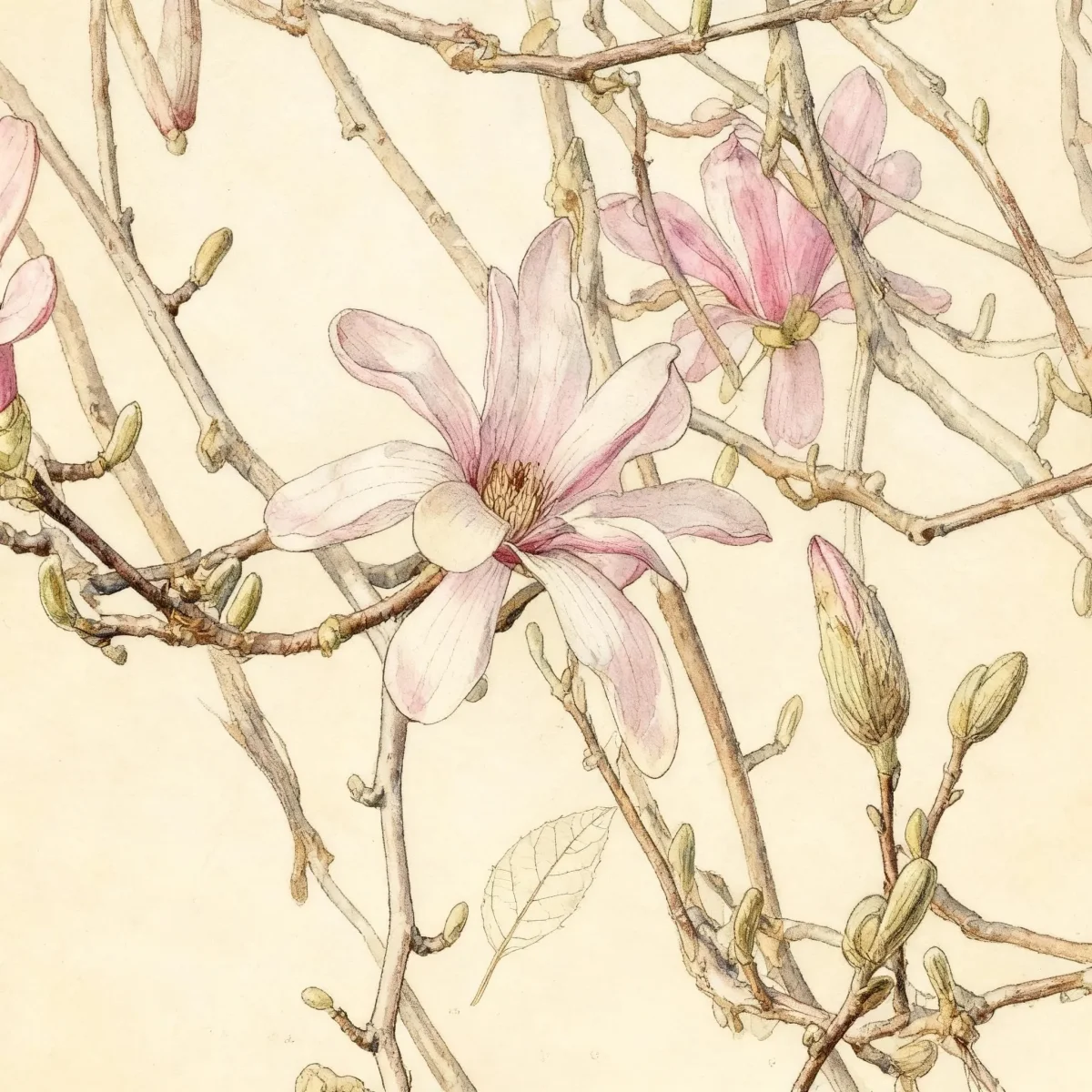
While the standard white-flowering Magnolia × loebneri is highly valued, several named cultivars are available that expand the color palette available to gardeners. Cultivars such as ‘Merrill’ are known for profuse flowering, while others offer delicate blush-pink or lilac-pink hues instead of pure white petals. Exploring these variations allows you to tailor the bloom color to your existing landscape scheme while maintaining the desirable growth habit of the Loebner cross.