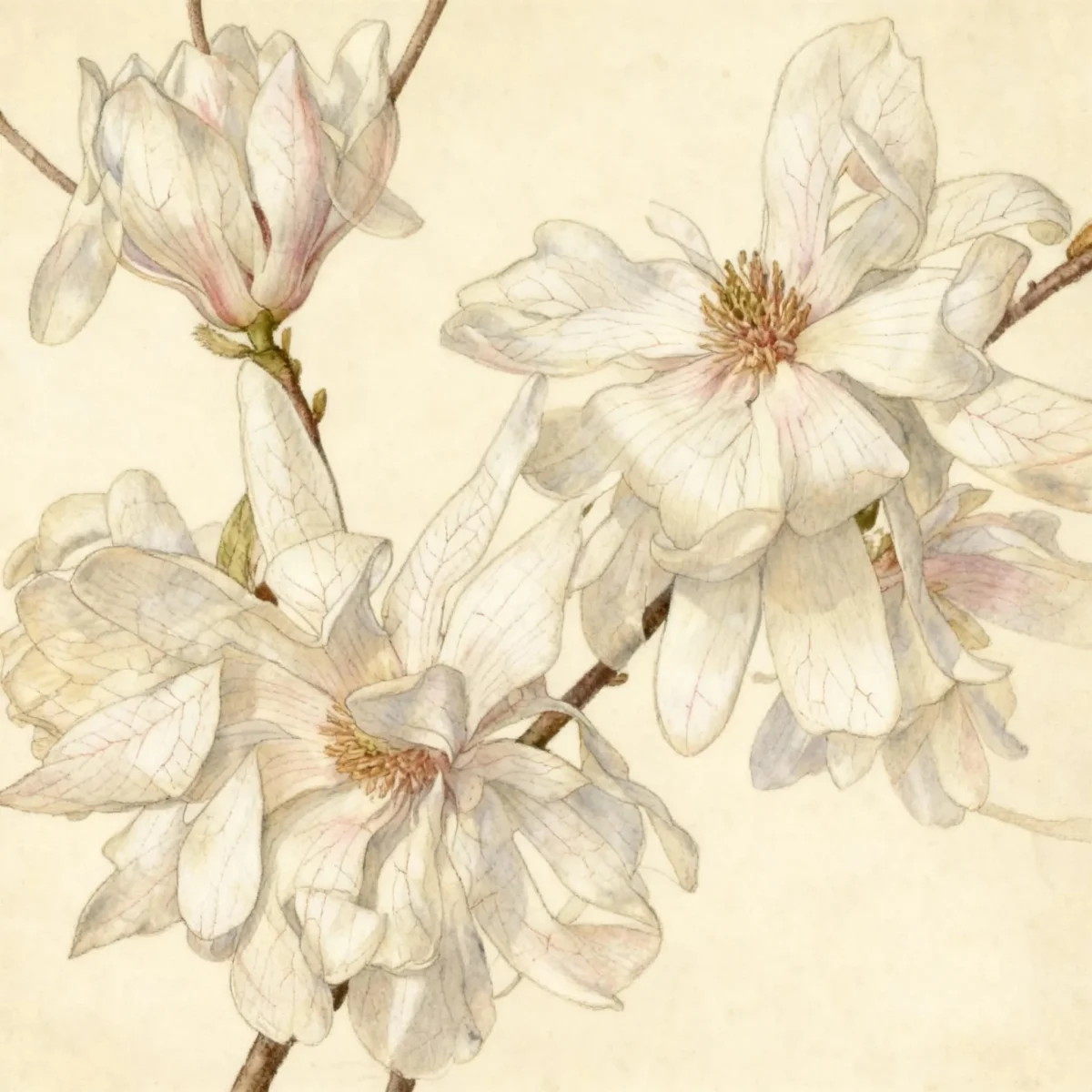
Magnolia (Magnolia × loebneri 'Ballerina')
Magnolia × loebneri 'Ballerina' is a stunning flowering tree with fragrant white blooms blushed pink, ideal for Zones 5-9.

Bloom Boldly, No Matter the Season - Sweatshirt
Cozy organic cotton sweatshirt featuring our exclusive Purple Coneflower design. Perfect for gardeners who bloom year-round.
Inspired by the beautiful Magnolia
Limited first batch (50) — join the waitlist for early access
Waitlist closes Feb 15, 2026.
Complete Plant Information
Field Guide Continues
Ready for care notes, companion picks, and planting tips?
The map is just the start. The full guide below covers growth habits, seasonal performance, and landscape uses.
Overview
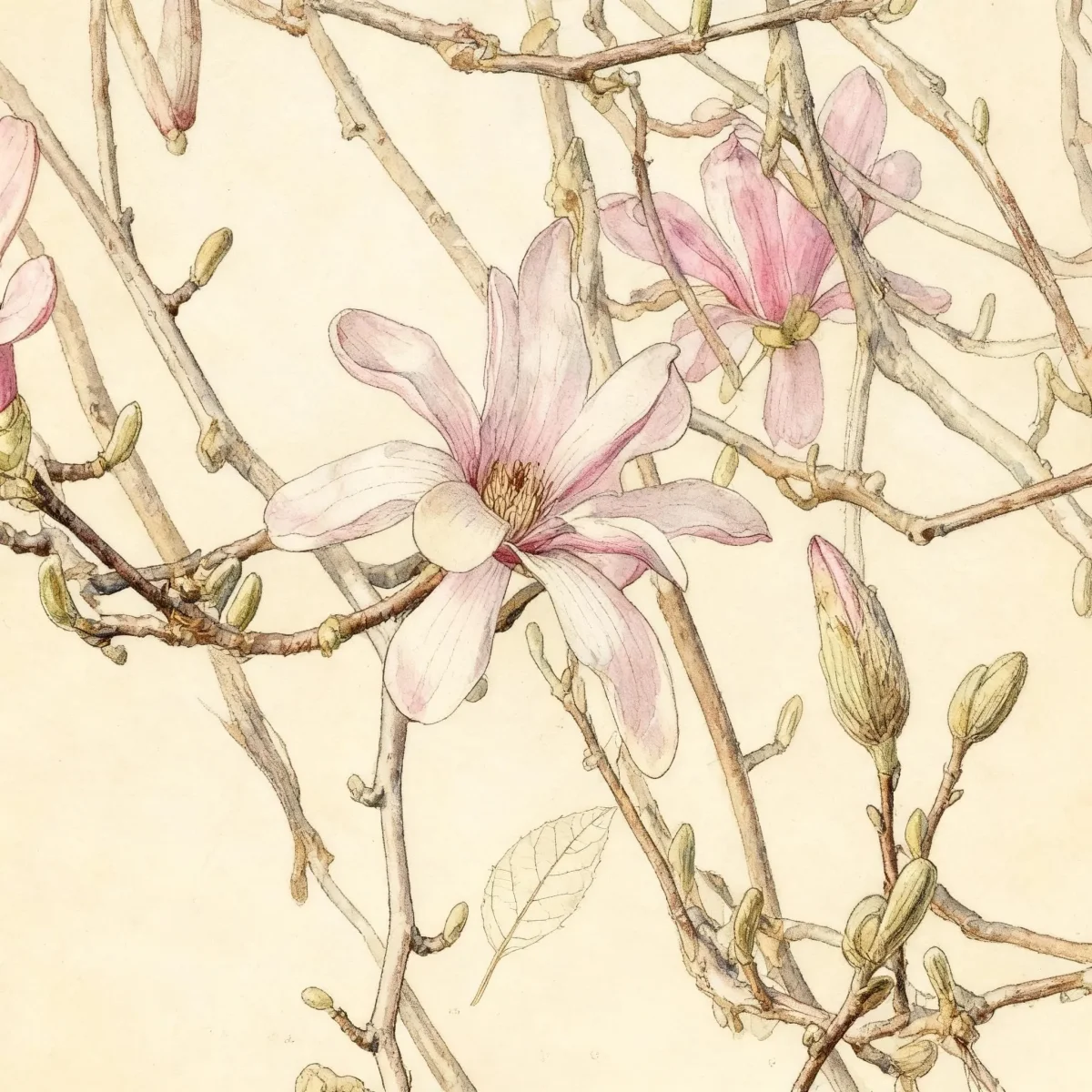
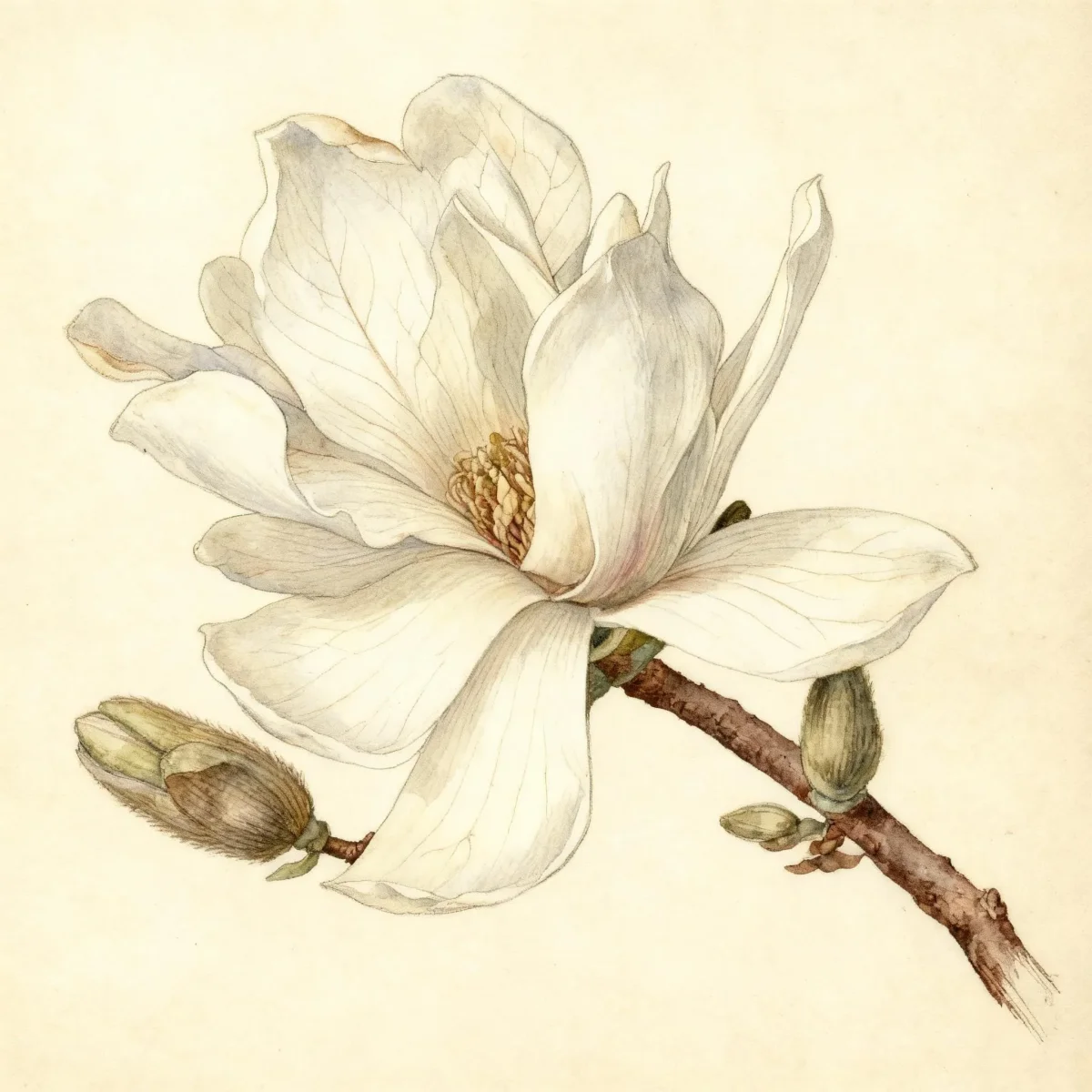
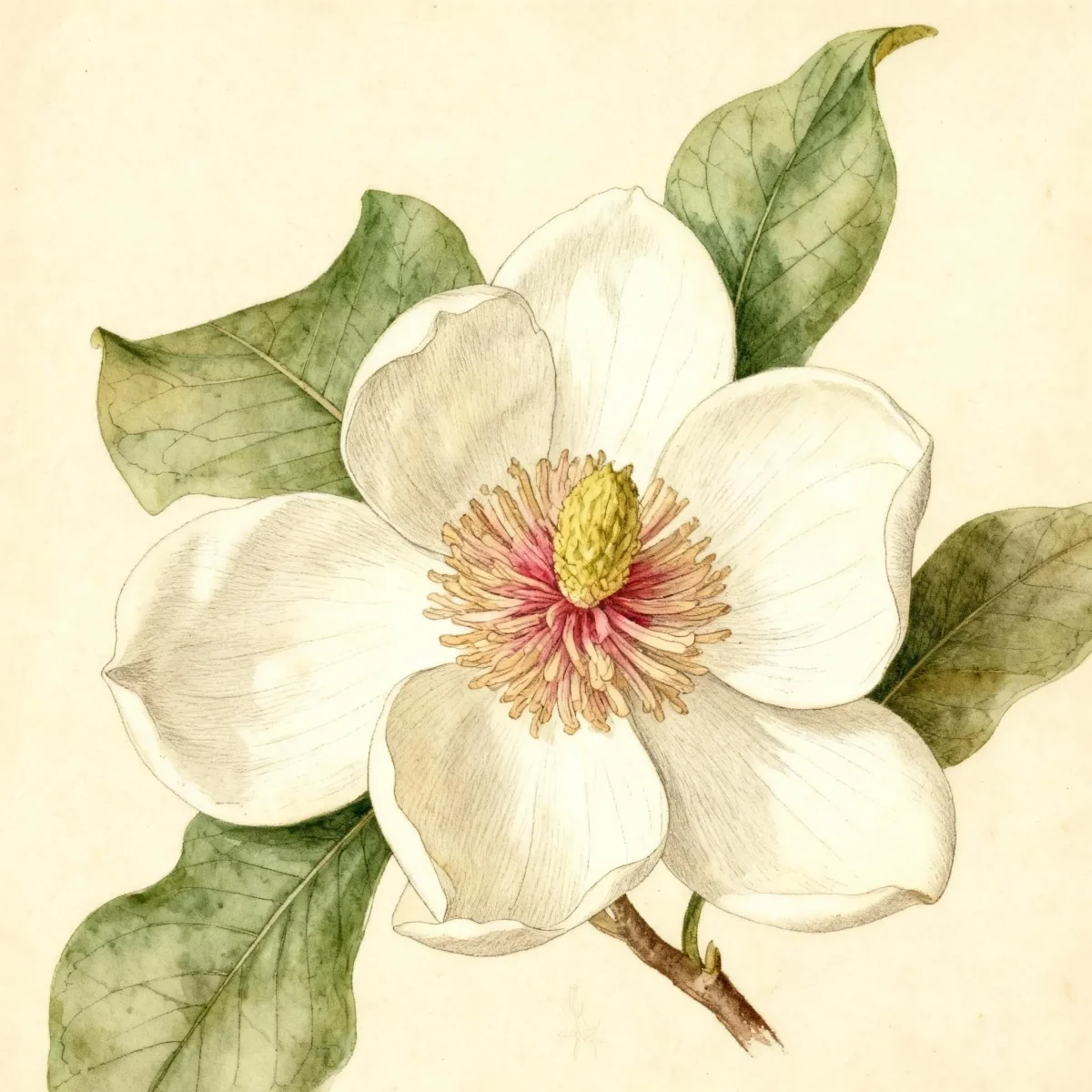
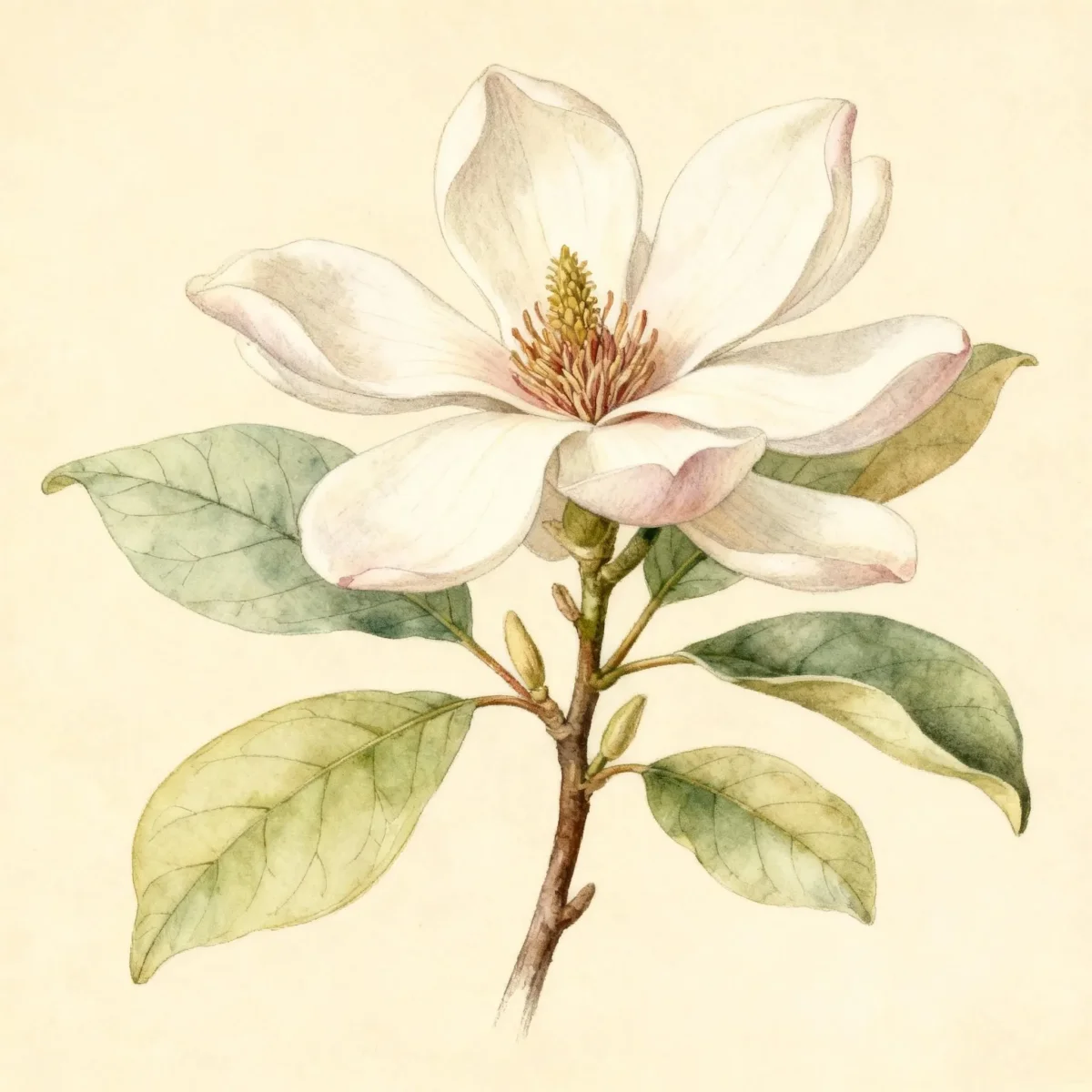
The Magnolia × loebneri ‘Ballerina’, often known simply as Magnolia, is a highly valued deciduous hybrid celebrated for its exquisite early spring display. This cultivar of Loebner magnolia produces abundant, star-like flowers that open to a striking white hue with a delicate pink blush, offering intense fragrance just before the leaves emerge. As a smaller specimen tree, the Magnolia provides excellent structure and focal interest in the landscape without overwhelming standard residential lots.
This Magnolia hybrid performs best when given attentive care regarding location and soil quality. It thrives when positioned to receive full sun to partial shade, favoring moist, organically rich, and well-drained loams. Gardeners should note that while beautiful, patience is required, as the first significant bloom display may take three to four years post-planting.
Proper siting is crucial for the success of Magnolia × loebneri ‘Ballerina’, particularly due to its early bloom time. Positioning it in a protected spot shields the tender flowers from damaging late spring frosts, ensuring the gardener can enjoy the full splendor of this beautiful flowering tree. It serves as an outstanding specimen plant, drawing the eye with its early spring charm.
Fast Facts
- Plant Family: Magnoliaceae
- Plant Type: Tree
- Hardiness Zones: USDA Zones 5-9
- Size at Maturity:
- Height: 15-20 ft
- Spread: 15-20 ft
- Bloom Time: April
- Bloom Description: White with pink blush
- Sun Exposure: Full sun to part shade
- Water Needs: Medium
- Maintenance Level: Medium
How to Grow
Planting your Magnolia × loebneri ‘Ballerina’ should ideally occur in the early spring or fall when temperatures are moderate. Select a site that provides full sun or light afternoon shade, ensuring the soil profile is a moist, organically rich, and well-drained loam. Avoid areas where soil becomes consistently dry or overly saturated, as this hybrid is intolerant of either soil extreme.
Ongoing care requires attention to consistent moisture; maintain medium water needs, especially during establishment and dry summer spells. While not noted as heavy feeders, enriching the soil annually with organic matter supports healthy growth. Pruning is generally minimal, focusing only on removing dead or crossing branches, as heavy pruning can detract from its natural, attractive young crown shape.
Be acutely aware of the vulnerability of the early blossoms. Best siting includes a protected location away from prevailing winds or open, frost-prone areas. Since the flowers emerge before the foliage in early spring, late frosts are the primary threat to bloom quality. Be prepared that this beautiful Magnolia may require several years before it begins flowering profusely.
Landscape Uses
The primary value of Magnolia × loebneri ‘Ballerina’ lies in its role as an excellent specimen tree, perfect as a freestanding feature on a well-kept lawn or within mixed shrub borders. Its medium size (15-20 feet tall and wide) makes it adaptable for use near property lines or as a transition planting on the periphery of a woodland area, softening the edge between dense shade and open sun.
When planning a garden design featuring the Magnolia × loebneri ‘Ballerina’, consider companion plants that thrive in similar slightly acidic, humus-rich conditions. Low-growing perennials like hostas or bleeding hearts can provide ground cover beneath the canopy without competing heavily for resources, provided they are situated where light filters appropriately. This tree creates a powerful vertical accent that is best showcased against a darker backdrop of evergreen shrubs.
Standout Features
Flower Qualities
- Showy
- Fragrant
- Good Cut
Noteworthy Characteristics
Magnolia × loebneri, commonly called Loebner magnolia, is a deciduous hybrid magnolia (M. Kobus × M. Stellata). It is a small tree typically growing to 20-30’ tall with a rounded crown, often grown multi-trunked. ‘Ballerina’ is specifically noted for its large, fragrant, star-like white flowers that are blushed with faint pink at the base, appearing profusely in early spring before the foliage emerges. The obovate, medium green leaves measure up to 5 inches long, offering dense cover during the summer months.
Tolerances
- Intolerant of most urban pollutants
Potential Problems
The most significant challenge when growing Magnolia × loebneri ‘Ballerina’ is managing late spring frost, which can severely damage the already-opened early blooms. To mitigate this risk, always site the tree in a location that avoids low-lying frost pockets, which are prone to holding cold air. If an unexpected late freeze is forecast after the flower buds have begun to swell, providing temporary overhead protection or overhead sprinkling immediately before the freeze can sometimes help buffer temperatures enough to save the developing flowers.
Frequently Asked Questions
What hardiness zones is Magnolia suitable for?
The Magnolia × loebneri ‘Ballerina’ is reliably suited for USDA Hardiness Zones 5 through 9.
How large does Magnolia × loebneri ‘Ballerina’ grow?
This specimen tree typically matures to a height and spread between 15 and 20 feet.
When does Magnolia × loebneri ‘Ballerina’ bloom?
This Magnolia blooms in April, producing showy, fragrant flowers described as white with a distinct pink blush.
What sun exposure does Magnolia × loebneri ‘Ballerina’ need?
Magnolia × loebneri ‘Ballerina’ prefers a spot that receives full sun to part shade for optimal flowering.
Conclusion
The Magnolia × loebneri ‘Ballerina’ offers gardeners an unparalleled display of early spring fragrance and beauty, making it a cornerstone plant in many landscapes. Its manageable size and stunning white-and-pink blooms secure its place as a premier flowering specimen. Before planting, confirm your location falls within USDA Zones 5-9 and plan for a well-protected, rich soil site to ensure years of spectacular performance from your Magnolia.
Companion Planting
When selecting companions for your Magnolia × loebneri ‘Ballerina’, focus on plants that enjoy well-drained, humus-rich soils and can tolerate the filtered light cast by the maturing tree canopy. Consider shade-tolerant perennials that maintain interest after the Magnolia finishes blooming. Examples include Astilbe, Hellebores (Lenten Rose), and various shade-loving ferns, which all appreciate the consistent moisture levels preferred by the Magnolia.
Avoid planting aggressive surface-rooted shrubs too closely beneath the tree, as they will inevitably compete for the critical shallow moisture and nutrients the Magnolia needs. Instead, use organic mulch layers to conserve soil moisture and suppress competing weeds, maintaining a clean, appealing base around the specimen tree trunk.
Seasonal Care Calendar
Early spring is the time to be vigilant for frost potential, watching forecasts closely as the buds swell and bloom opens for this Magnolia. After blooming concludes, light fertilization with a slow-release, balanced fertilizer formulated for acid-loving plants can support summer foliage growth. In the late fall, apply a thick layer of organic mulch around the root zone but keep it away from the trunk flare to conserve winter moisture and protect the shallow roots from temperature swings.
Summer care centers almost entirely around consistent watering, ensuring the soil remains evenly moist, especially during dry spells. If you are harvesting flowers for indoor enjoyment, cut stems when they are just beginning to open. Minimal summer pruning—focused only on removing damaged or broken limbs—is best done during the growing season to maintain the tree’s structure immediately following the bloom period.