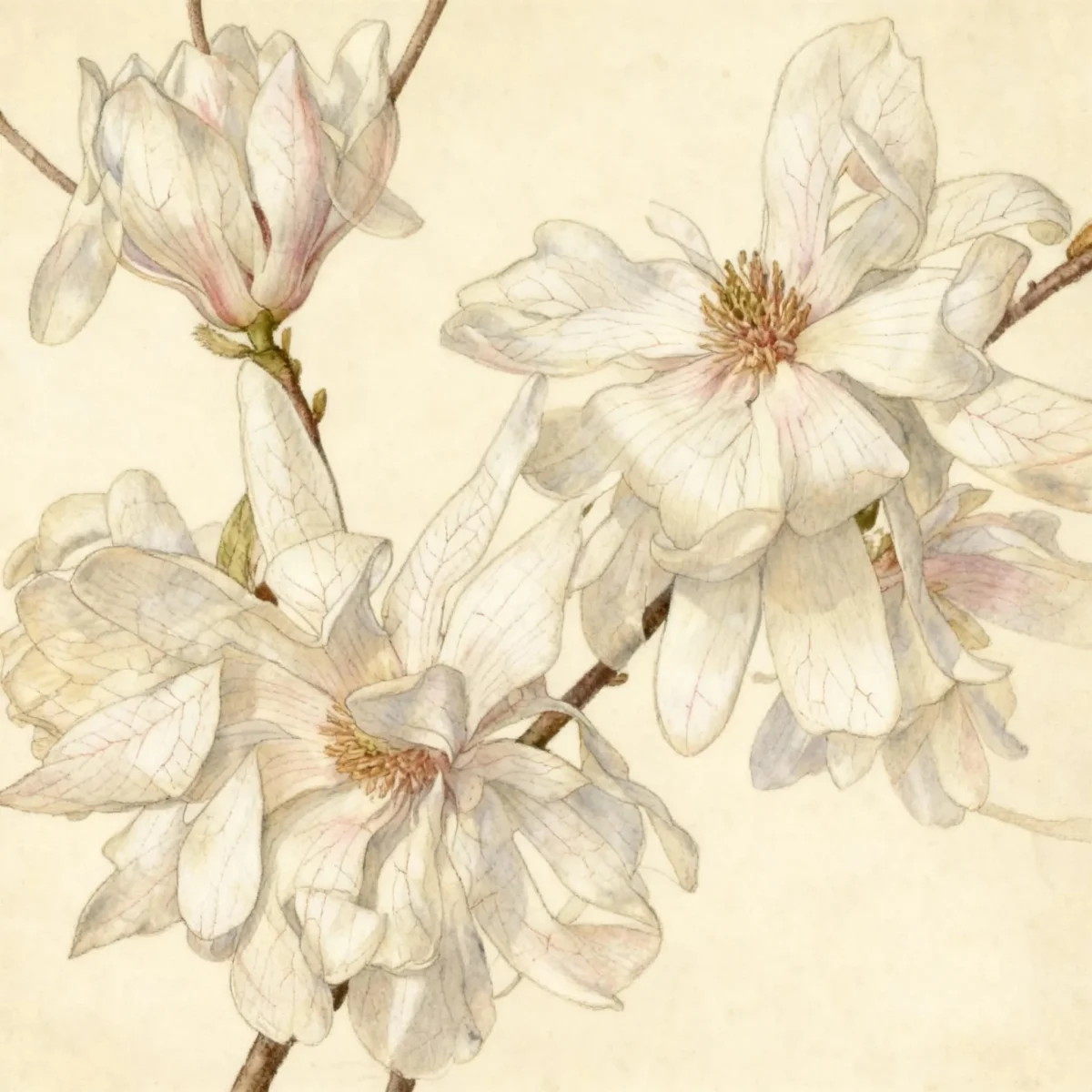
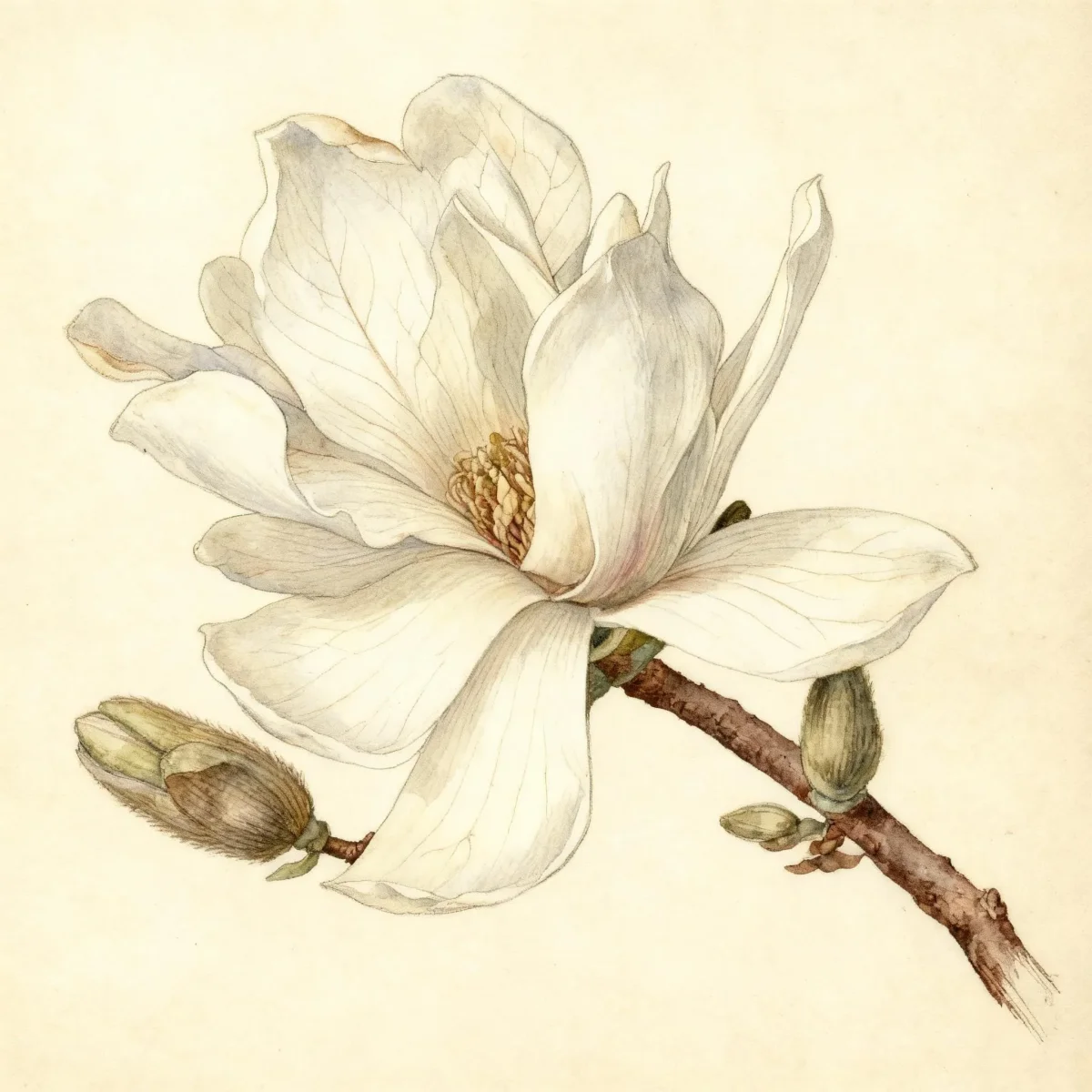
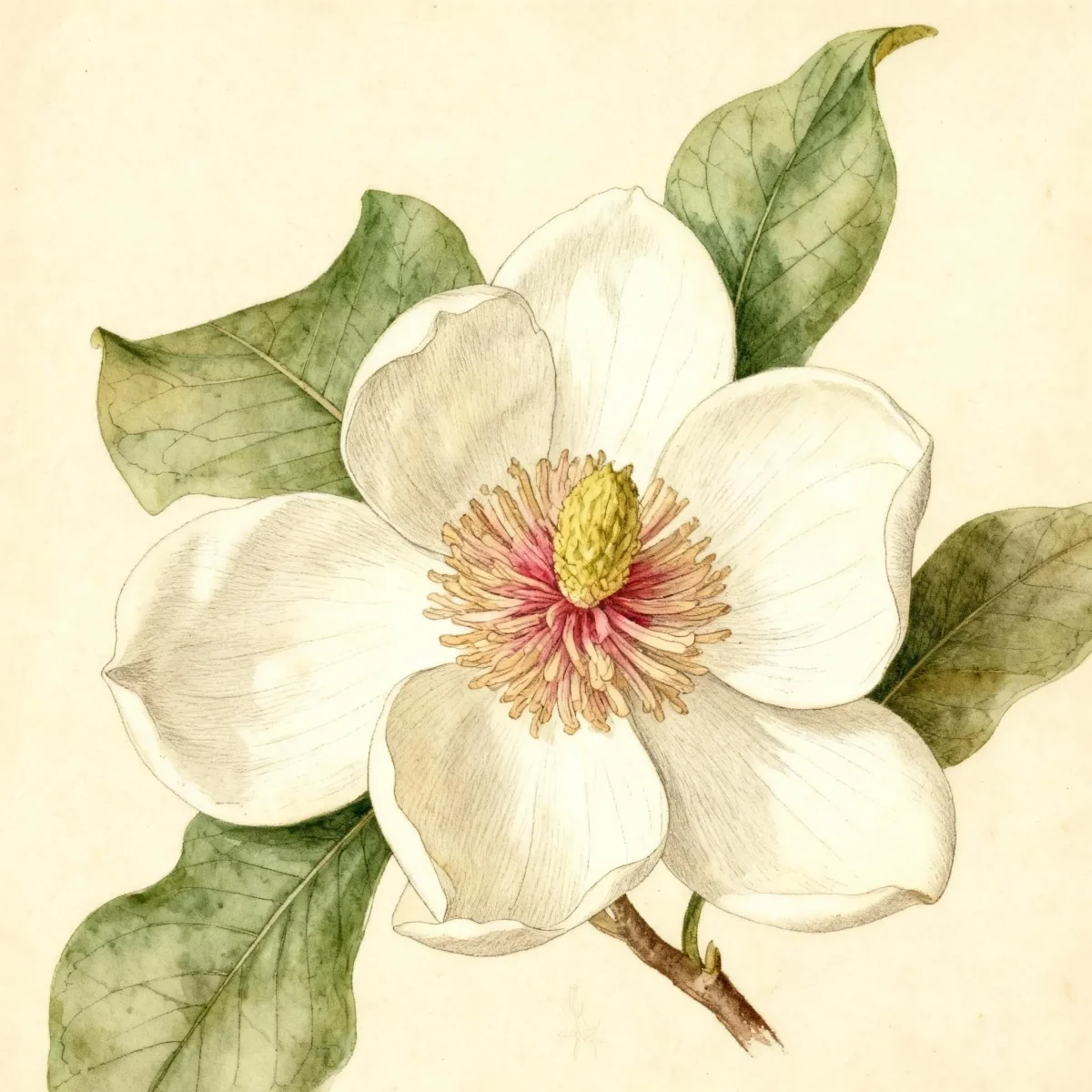
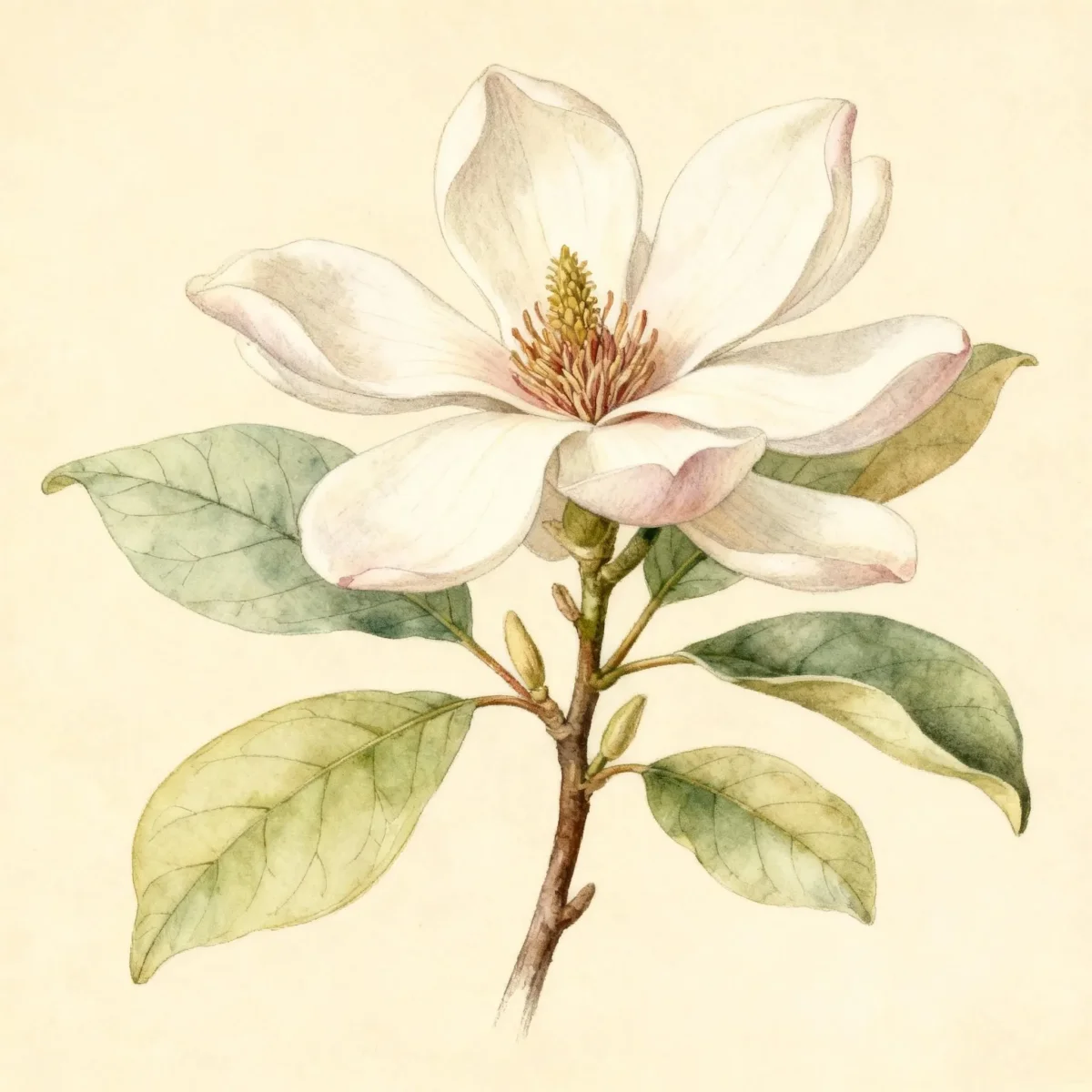
Magnolia (Magnolia × loebneri 'Leonard Messel')
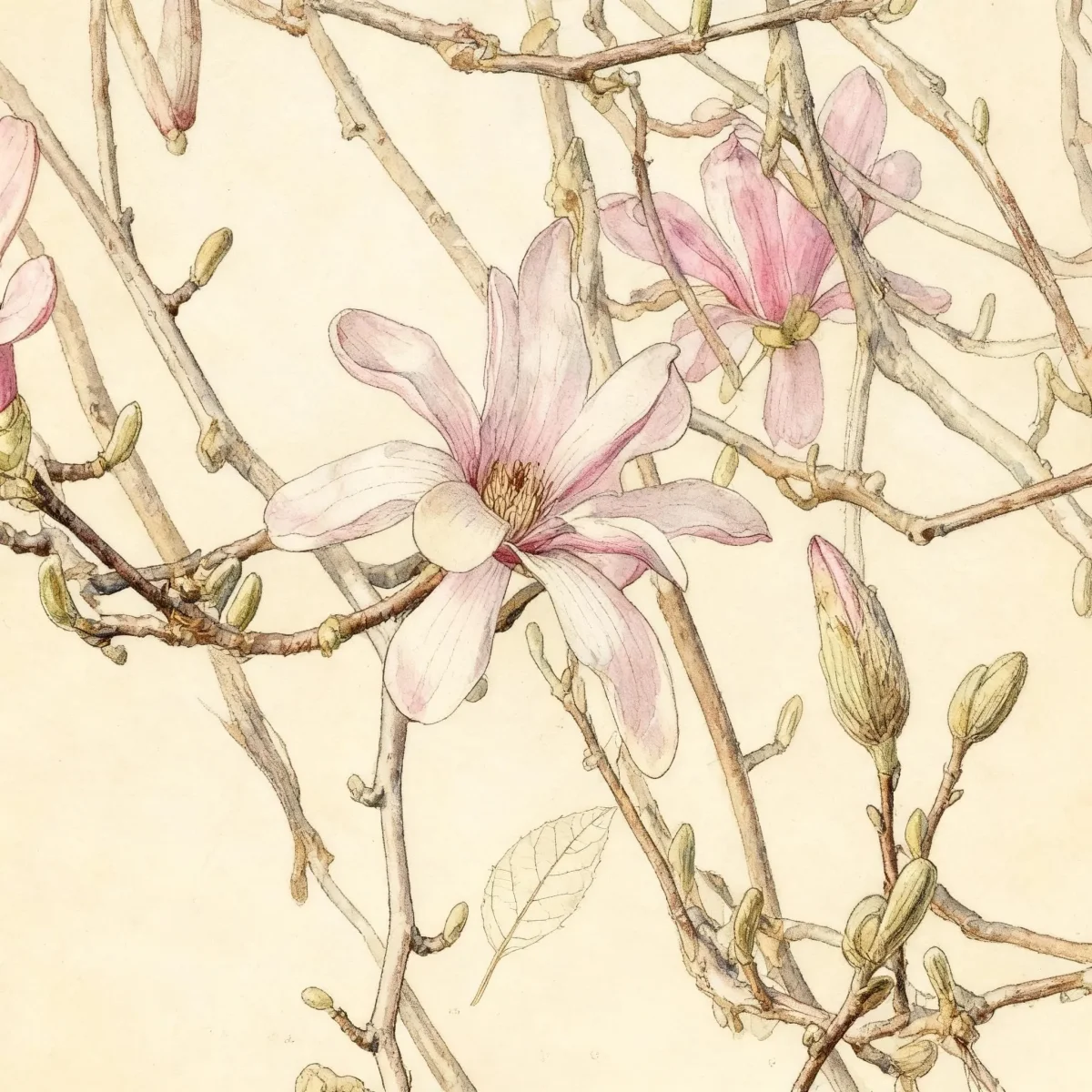
Magnolia × loebneri 'Leonard Messel' is a showy, fragrant hybrid tree blooming early spring white to purplish-pink.
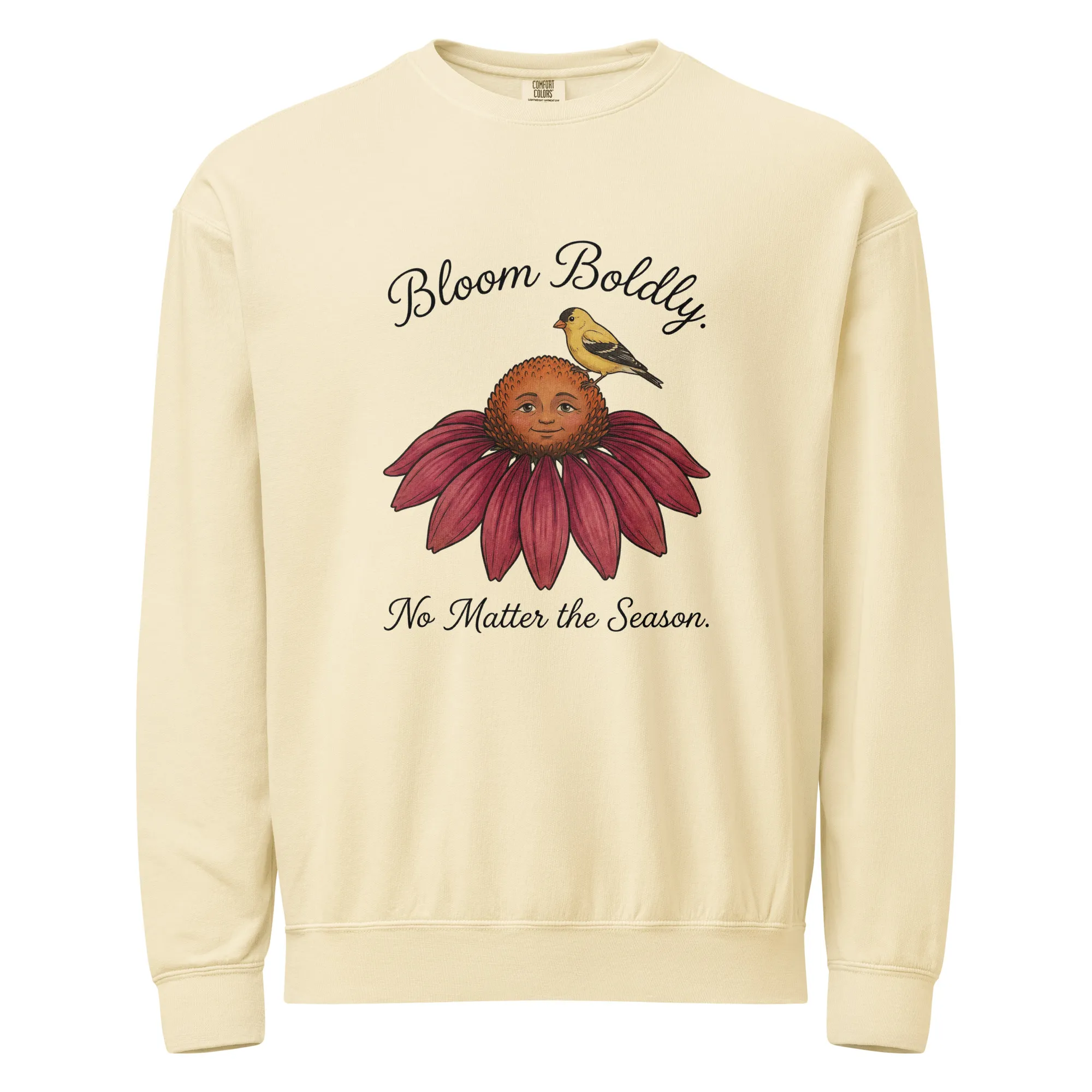
Bloom Boldly, No Matter the Season - Sweatshirt
Cozy organic cotton sweatshirt featuring our exclusive Purple Coneflower design. Perfect for gardeners who bloom year-round.
Inspired by the beautiful Magnolia
Limited first batch (50) — join the waitlist for early access
Waitlist closes Feb 15, 2026.
Complete Plant Information
Field Guide Continues
Ready for care notes, companion picks, and planting tips?
The map is just the start. The full guide below covers growth habits, seasonal performance, and landscape uses.
Overview
Magnolia × loebneri ‘Leonard Messel’ is a highly valued deciduous hybrid magnolia, celebrated for its exquisite early spring floral display. This cultivar offers striking, star-like flowers that are typically white inside and blush with a beautiful purplish-pink hue externally, making it an early highlight in any garden setting. As a compact, multi-stemmed tree, the Loebner magnolia provides year-round structure, transitioning gracefully from its spectacular bloom to medium green summer foliage.
Gardeners cherish this smaller Magnolia hybrid for its manageable size, usually reaching 10 to 20 feet tall and wide. While it produces showy, fragrant flowers before the leaves emerge, gardeners must site the Magnolia × loebneri ‘Leonard Messel’ carefully, as its bloom period precedes the final threat of late spring frost. Proper placement in a protected area ensures maximum enjoyment of its initial burst of color, making it a premier spring specimen.
Overall, the unique coloration and appealing structure solidify the status of Magnolia × loebneri ‘Leonard Messel’ as a superior ornamental specimen tree. Its requirement for medium water and well-managed soil conditions places it firmly in the medium maintenance category, rewarding attentive care with reliable, showy performance year after year.
Fast Facts
- Plant Family: Magnoliaceae
- Plant Type: Tree
- Hardiness Zones: USDA Zones 5-9
- Size at Maturity:
- Height: 10-20 ft
- Spread: 10-18 ft
- Bloom Time: March to April
- Bloom Description: White to purplish-pink
- Sun Exposure: Full sun to part shade
- Water Needs: Medium
- Maintenance Level: Medium
How to Grow
The ideal planting time for your Magnolia is typically in the spring or fall before the intensity of summer heat or winter cold arrives. Select a location that offers full sun exposure or light afternoon shade, crucial for robust blooming. This Magnolia thrives best when planted in moist, organically rich loams that provide excellent drainage; avoid sites prone to standing water or prolonged drought, as the plant is intolerant of soil extremes.
Consistent care is non-negotiable for establishing a healthy Magnolia × loebneri ‘Leonard Messel’. Ensure medium water needs are met, especially during the first few growing seasons while the root system develops. Fertilizing is rarely necessary if the soil is rich, but avoid over-fertilizing, which can promote excessive leaf growth at the expense of flowers. Pruning should be minimal, generally reserved for removing dead or damaged wood, as heavy pruning can detract from its natural multi-stemmed form.
Be mindful of the early bloom timing. Because the stunning flowers appear early in spring, they are susceptible to damage from late-season frosts. Always site this plant in a location protected from harsh, cold winds or where it might receive late-morning sun, allowing any residual frost time to melt safely before direct sunlight hits the delicate petals. Note that it may take three to four years before you see the first magnificent blooms from a newly planted specimen.
Landscape Uses
The primary function of the Magnolia × loebneri ‘Leonard Messel’ in the landscape is as an outstanding specimen tree. Its relatively compact size and vase-like, rounded crown make it perfect for placement in a formal lawn setting where its structure can be fully appreciated throughout the year. It excels as a focal point that commands attention when the flowers emerge weeks before most other woody plants.
Beyond isolated planting, this Magnolia works beautifully near the periphery of woodland areas, mingling with understory shrubs that appreciate similar soil moisture levels. When positioned near borders, use complementary plants that thrive in partial shade, such as certain hostas or shade-loving evergreens, ensuring they do not compete aggressively with the Magnolia’s root structure for resources. Its visual impact in early spring makes it a vital component in succession planting design.
Standout Features
Flower Qualities
- Showy
- Fragrant
Fruit Qualities
- Showy
Noteworthy Characteristics
Magnolia × loebneri, commonly called Loebner magnolia, is a deciduous hybrid magnolia (M. Kobus × M. Stellata). It is a small tree typically growing to 20-30’ tall with a rounded crown, often grown multi-trunked. Fragrant star-like flowers with 10-15 petals appear early in spring before the foliage. ‘Leonard Messel’ is specifically noted for its compact habit and unique two-toned flowers—white on the inside and purplish-pink on the outside—and its blooms are generally less susceptible to late frosts than many other magnolias.
Tolerances
Potential Problems
The most significant cultural challenge for the Magnolia × loebneri ‘Leonard Messel’ is the threat of late spring frost. Since this tree breaks dormancy and sets flowers very early in the season (March to April), an unexpected cold snap can easily destroy the nascent blooms, leading to a disappointing spring show. To mitigate this risk, ensure the best siting possible: choose a location that is somewhat sheltered from prevailing cold winds and avoids accumulating pockets of cold air on frosty mornings. While this variety is somewhat hardier than some relatives, protection is always advisable for the prized blooms of the Magnolia.
Frequently Asked Questions
What hardiness zones is Magnolia suitable for?
The deciduous Magnolia × loebneri ‘Leonard Messel’ is well-suited for cultivation in USDA Hardiness Zones 5 through 9.
How large does Magnolia × loebneri ‘Leonard Messel’ grow?
This compact cultivar typically matures at a height range of 10 to 20 feet, with a spread generally between 10 and 18 feet wide.
When does Magnolia bloom?
The showy blooming period for this Magnolia occurs early in the season, typically from March through April, displaying flowers that are white to purplish-pink.
What sun exposure does Magnolia × loebneri ‘Leonard Messel’ need?
For optimal performance, plant this Magnolia where it receives full sun or light to partial shade throughout the day.
Conclusion
The Magnolia × loebneri ‘Leonard Messel’ offers exceptional appeal to the home gardener through its early, fragrant, bicolor blossoms and manageable, multi-stemmed form. Maximizing the enjoyment of this spectacular flowering tree depends on careful site selection to protect early blooms, especially if you live near the colder edge of its range. Confirm your local USDA Zone compatibility before purchasing to ensure your new Magnolia thrives for years to come.
Companion Planting
Selecting appropriate companions is crucial, especially given the shallow and fibrous root structure typical of Magnolias. To avoid root competition, especially in established specimens, focus on plants that have lower water and nutrient demands, or plan to plant them slightly away from the tree’s drip line. Acid-loving perennials such as azaleas, rhododendrons, or camellias make excellent companions, as they share similar soil pH needs common to the Magnoliaceae family. Groundcovers like Hellebores (Lenten Rose) or various ferns thrive in the slightly dappled light beneath the canopy and appreciate the similar moist soil conditions required by the Magnolia.
Soil Chemistry and Health
Understanding the soil chemistry required by Magnolia × loebneri ‘Leonard Messel’ is key to long-term health. These trees prefer soil that is organically rich; amending planting holes heavily with compost or well-rotted leaf mold is highly recommended to mimic their preferred woodland edge environment. While they need moisture, good drainage is absolutely critical—compacted clay soils that retain too much water will quickly lead to root stress and decline in your specimen Magnolia. Regular monitoring of soil moisture, especially during dry summer spells, prevents unnecessary stress on this beautiful hybrid tree.