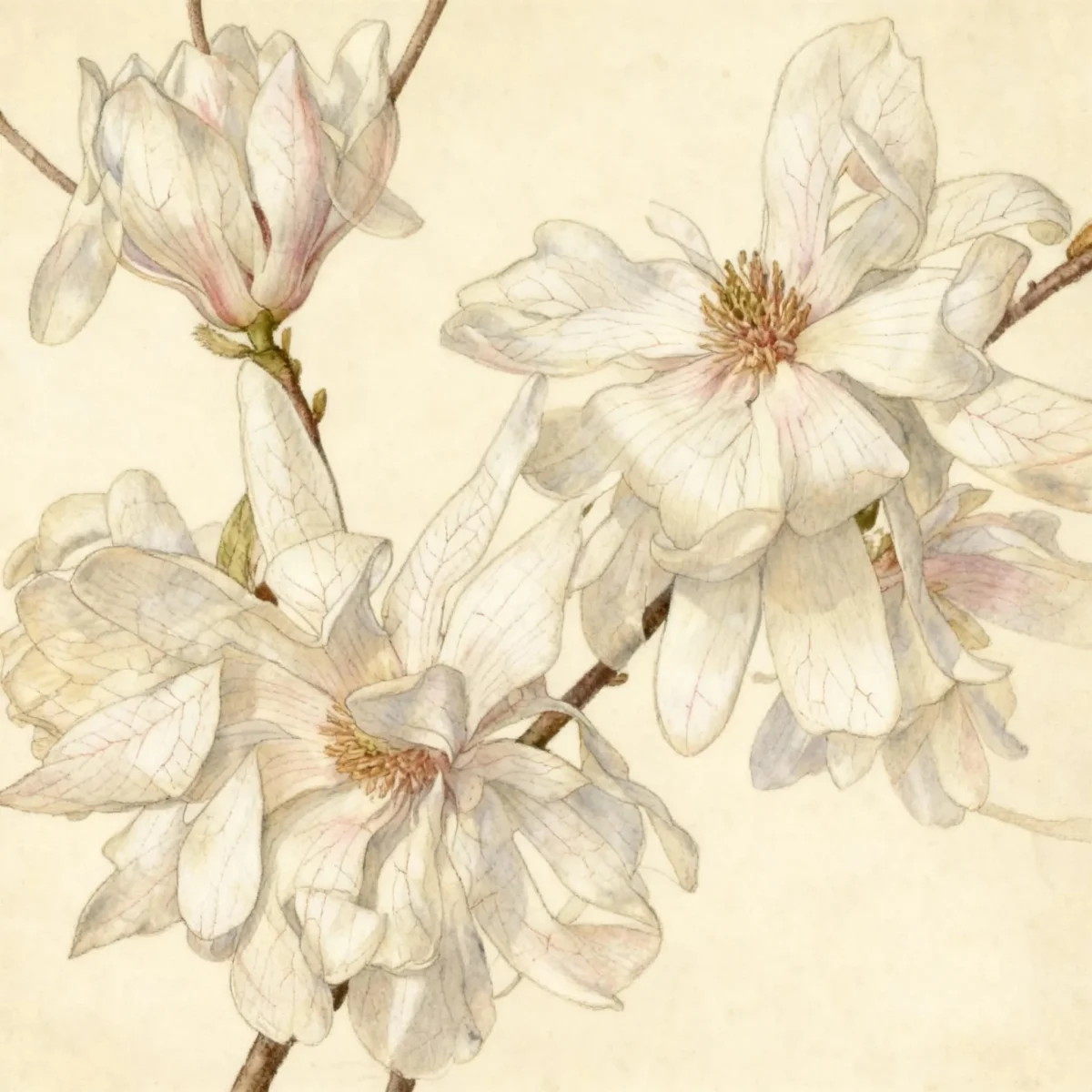
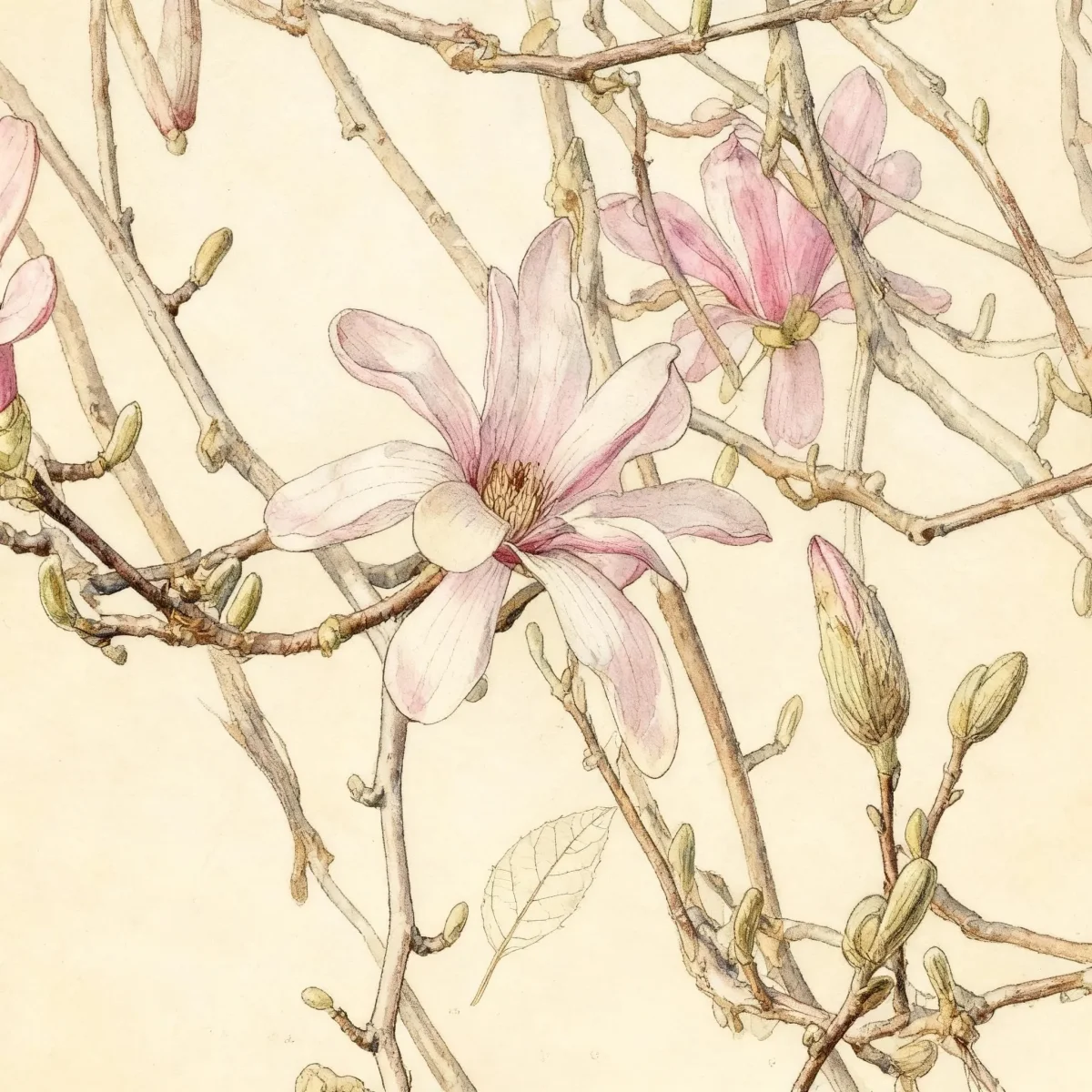
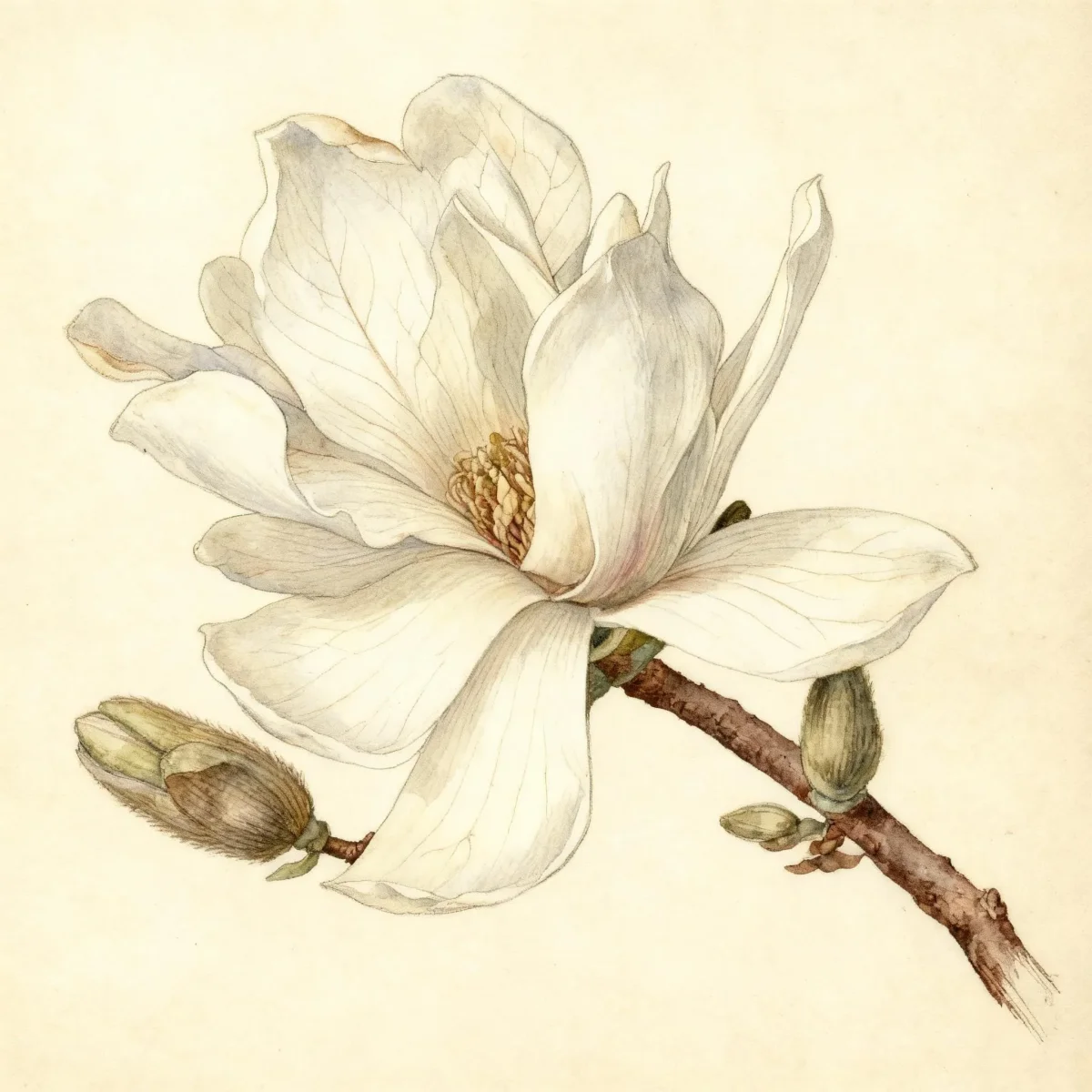
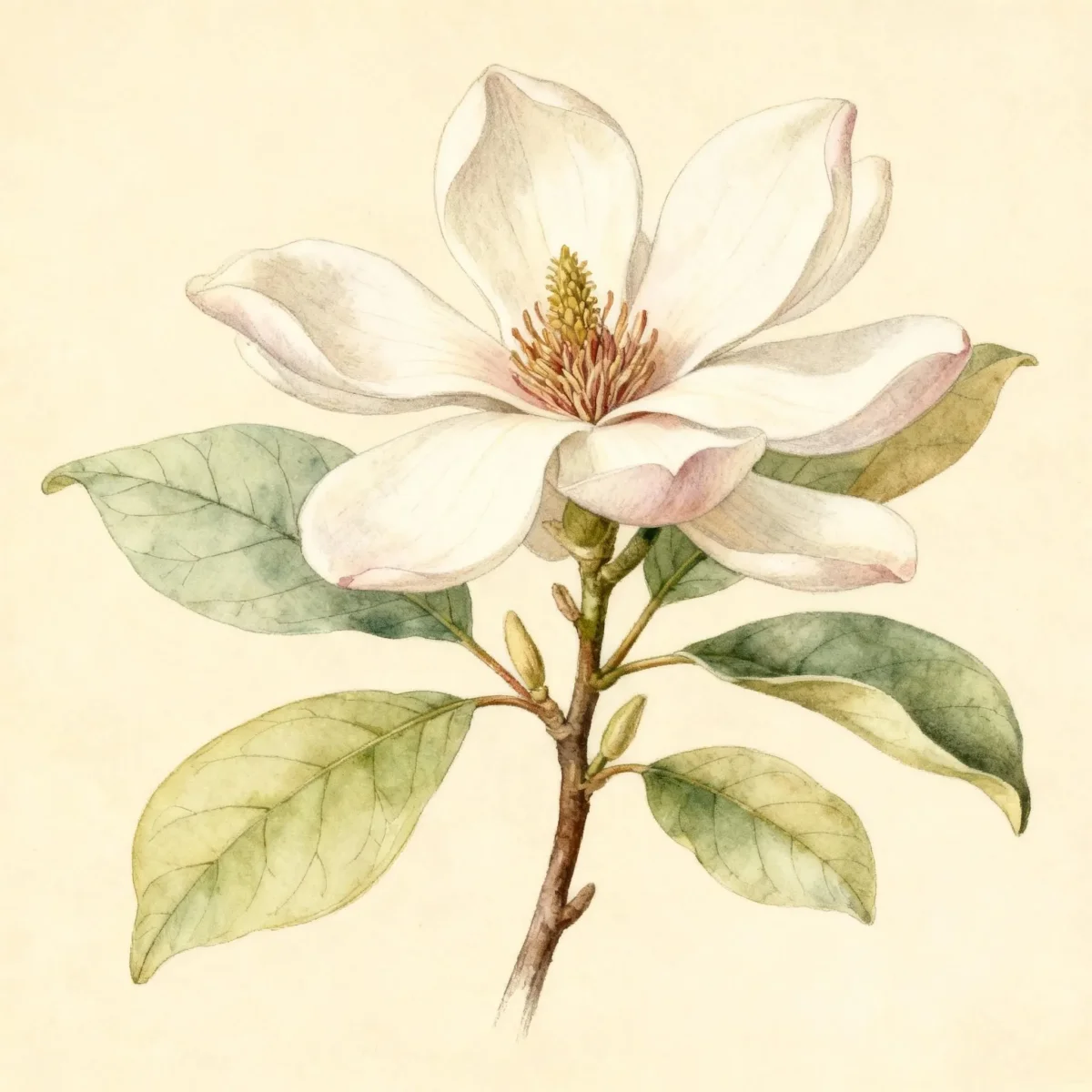
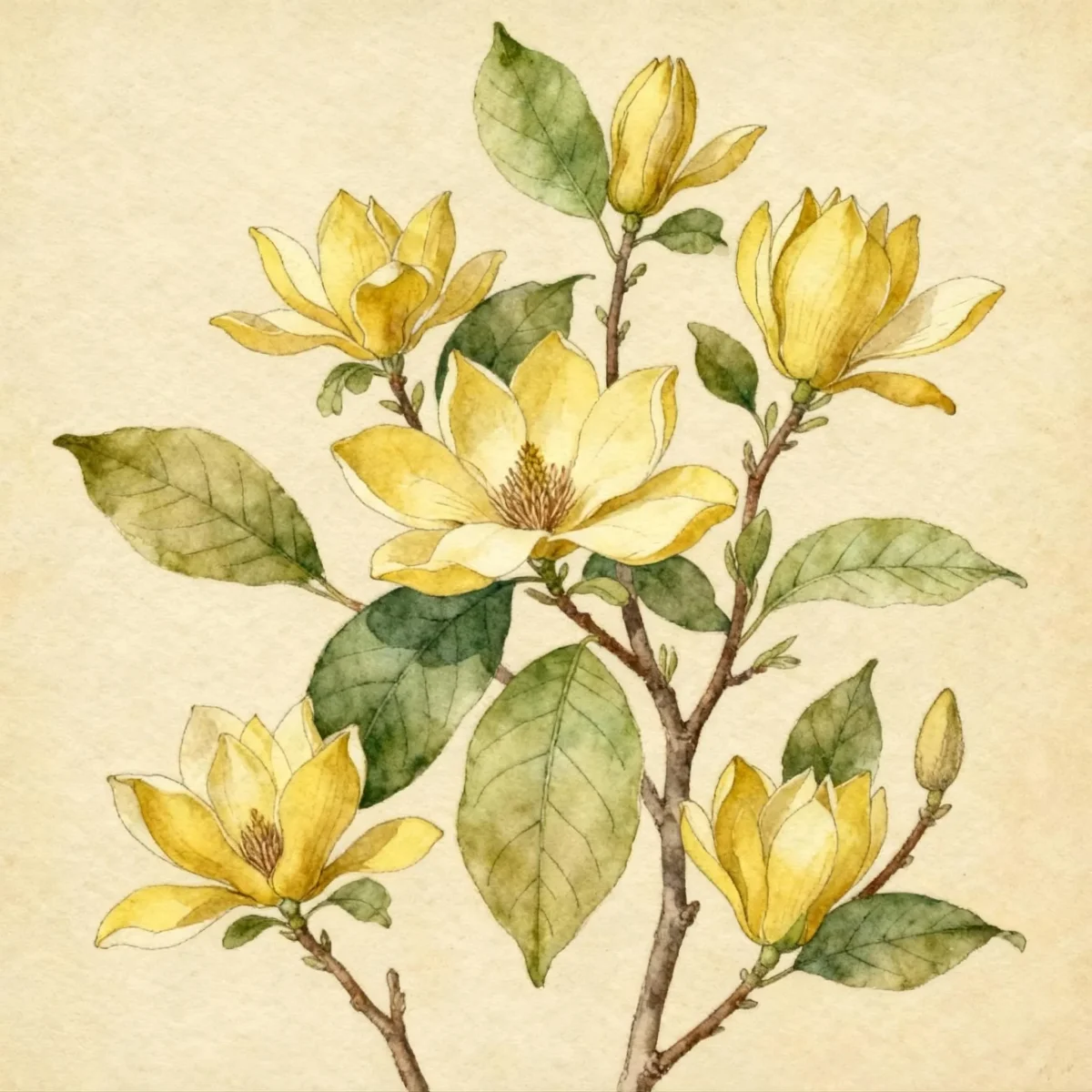
Magnolia (Magnolia × wieseneri)
Discover Magnolia × wieseneri, a fragrant, showy deciduous Magnolia tree suitable for USDA Zones 6-9. Ideal for specimen planting.

Bloom Boldly, No Matter the Season - Sweatshirt
Cozy organic cotton sweatshirt featuring our exclusive Purple Coneflower design. Perfect for gardeners who bloom year-round.
Inspired by the beautiful Magnolia
Limited first batch (50) — join the waitlist for early access
Waitlist closes Feb 15, 2026.
Complete Plant Information
Field Guide Continues
Ready for care notes, companion picks, and planting tips?
The map is just the start. The full guide below covers growth habits, seasonal performance, and landscape uses.
Overview
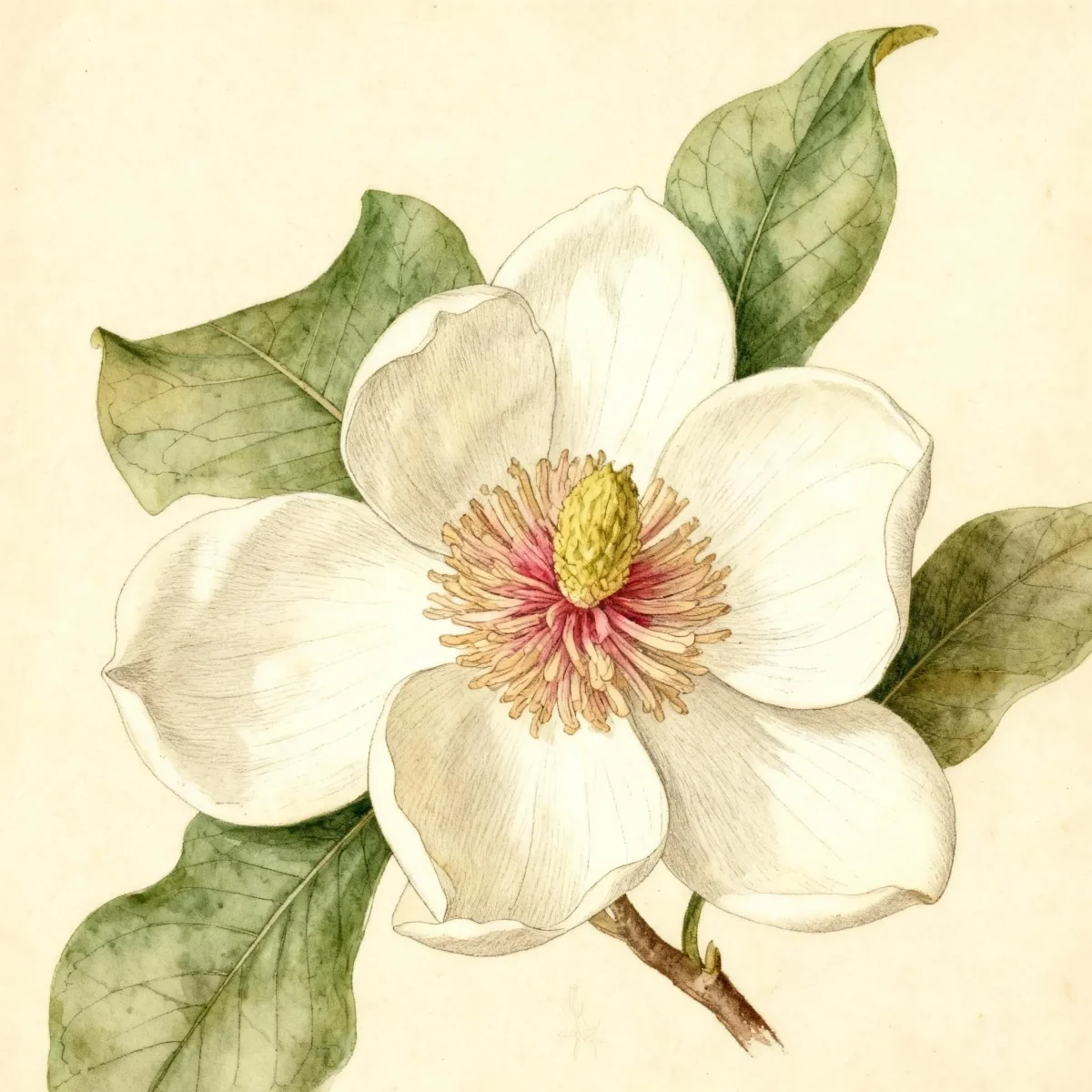
Magnolia × wieseneri is a wonderfully appealing deciduous hybrid, often appreciated for its fragrant summer blooms that appear long after many early bloomers have faded. This specific hybrid, a sturdy cross between M. obovata and M. sieboldii, provides excellent late-season interest for the garden. Gardeners value this Magnolia for its combination of size, structure, and beautiful ivory flowers set off by distinctive rose-crimson stamens.
Maturing into a medium-sized tree, Magnolia × wieseneri offers a slightly rounded habit, providing structure to the landscape when not in bloom. It maintains desirable attributes across its extended growing season, from emerging green leaves to its late-season flowering period which helps avoid damaging spring frosts. Planting this Magnolia where its beauty and fragrance can be easily enjoyed ensures maximum horticultural reward.
Fast Facts
- Plant Family: Magnoliaceae
- Plant Type: Tree
- Native Range: Garden origin
- Hardiness Zones: USDA Zones 6-9
- Size at Maturity:
- Height: 15-25 ft
- Spread: 12-20 ft
- Bloom Time: May to September
- Bloom Description: White with rose-crimson stamens
- Sun Exposure: Full sun to part shade
- Water Needs: Medium
- Maintenance Level: Medium
How to Grow
The best approach for establishing a healthy Magnolia × wieseneri is to plant it in the spring or fall when temperatures are moderate. Select a site that offers full sun to partial shade, ensuring the location is protected from harsh, persistent winds. This hybrid thrives in moist, slightly acidic, organically rich, well-drained loams.
Consistent moisture is crucial for this Magnolia. Plants appreciate regular watering throughout the year and are generally intolerant of both drought and waterlogged soil conditions. Apply a good layer of mulch around the root zone to help conserve moisture and stabilize soil temperature, mindful not to pile mulch directly against the trunk.
When siting this specimen, a key consideration is avoiding southern exposures too near structures, as direct, early spring sun can prematurely force buds open, making them vulnerable to frost damage. Be aware that Magnolia × wieseneri is known to be difficult to transplant once deep establishment has occurred, so careful initial placement is essential.
Landscape Uses
As a magnificent flowering tree, Magnolia × wieseneri excels as a specimen planting where its form and late flowers can command attention. It makes an excellent, medium-sized accent piece in a mixed border or as a focal point in an open, sunny lawn area. Due to the size it achieves (up to 25 feet tall), it functions well as a small shade tree in intimate garden settings.
This magnolia pairs beautifully with acid-loving shrubs like rhododendrons or azaleas, providing complementary textures beneath its canopy. Design areas where you can easily access its fragrant blooms during the long May through September display period, perhaps near a patio or walkway.
Standout Features
Flower Qualities
- Showy
- Fragrant
Noteworthy Characteristics
The genus Magnolia consists of about 100 species (plus numerous additional hybrids and cultivars) of deciduous or evergreen trees and shrubs. Most plants feature large and simple leaves and showy, sometimes fragrant flowers (yellow, white, pink or purple) which bloom in early spring before or while the leaves are emerging or in late spring to summer when trees are fully leaved. Magnolia x wieseneri, sometimes commonly called Watson’s magnolia, is a deciduous magnolia hybrid that typically matures to 15-25’ tall with a somewhat rounded growing habit. This hybrid originated in Japan in the 1800’s and is prized for its large ivory flowers with showy rose-crimson stamens.
Tolerances
- Clay Soil
Potential Problems
Magnolia × wieseneri generally avoids serious insect or disease issues, which contributes to its lower maintenance profile. The primary concern involves unpredictable spring weather; late frosts can certainly damage flowers on susceptible varieties. However, this particular hybrid often blooms later than many other magnolias, meaning its flowers are less likely to encounter and suffer damage from spring frost events. Ensure good air circulation and avoid overhead watering to discourage fungal issues common to some Magnolias.
Frequently Asked Questions
What hardiness zones is Magnolia (Magnolia × wieseneri) suitable for?
This beautiful tree is hardy in USDA Zones 6 through 9.
How large does Magnolia (Magnolia × wieseneri) grow?
It typically reaches a mature height between 15 to 25 feet tall, with a spread ranging from 12 to 20 feet wide.
When does Magnolia (Magnolia × wieseneri) bloom?
This species offers a rewarding, long bloom period starting in May and continuing into September, featuring white flowers with rose-crimson stamens.
What sun exposure does Magnolia (Magnolia × wieseneri) need?
For best flowering and health, plant this cultivar where it receives full sun or light part shade exposure.
Conclusion
Magnolia × wieseneri distinguishes itself by offering beautiful, highly fragrant flowers well into the summer months, making it a unique late-season performer within the Magnolia genus. Its moderate size and reliability in Zones 6-9 make it an excellent choice for specimen planting. Check your local soil pH to ensure it is slightly acidic before planning the placement of your new Magnolia × wieseneri.
Companion Planting
When designing a bed around your Magnolia × wieseneri, select companions with similar cultural needs, specifically requiring moist, acidic soil. Plants like Camellias and Rhododendrons thrive in these shared conditions and offer excellent evergreen structure in winter when the Magnolia is bare. For ground cover beneath the filtered canopy, consider using Woodland Phlox or Hosta varieties, as they tolerate the dappled shade cast by this maturing tree.
Seasonal Care Calendar
In early spring, focus on applying a fresh layer of organic mulch around the root zone, being careful not to smother the trunk flare. Water deeply and consistently, especially during dry spells in summer, to support the medium water needs of this Magnolia. In the fall, clean up any fallen leaves to maintain garden hygiene, and avoid heavy fertilization late in the season, allowing the tree to prepare naturally for winter dormancy.