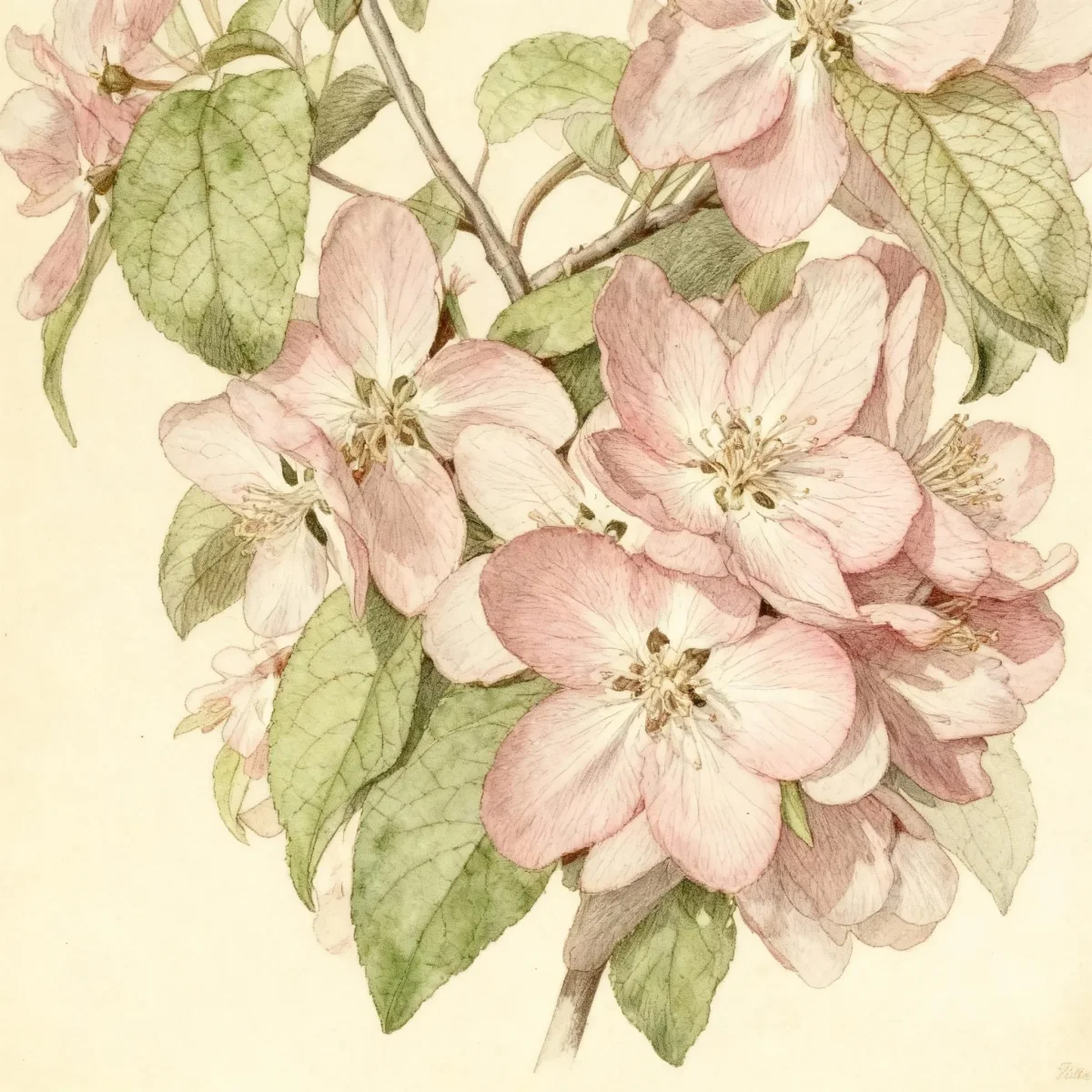
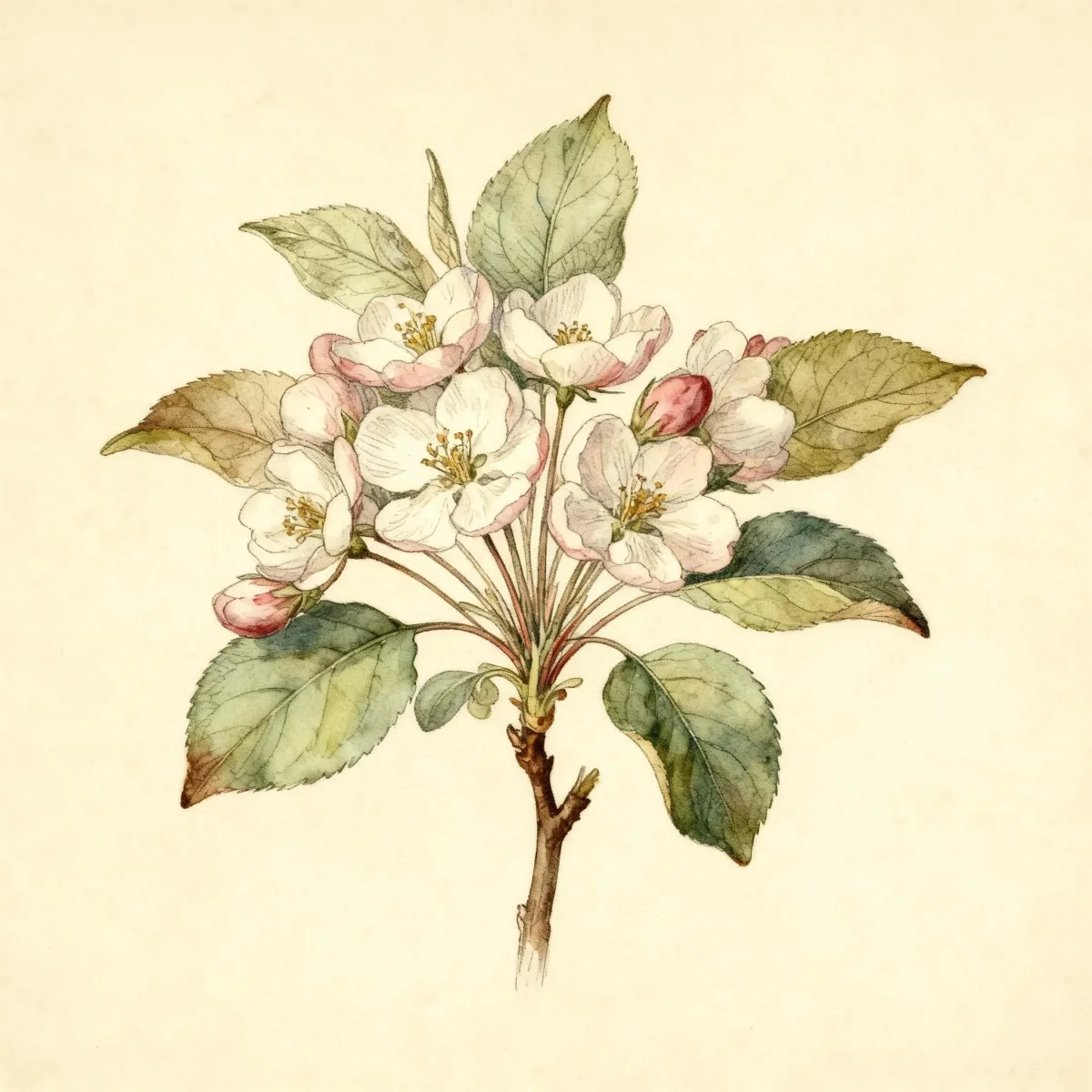
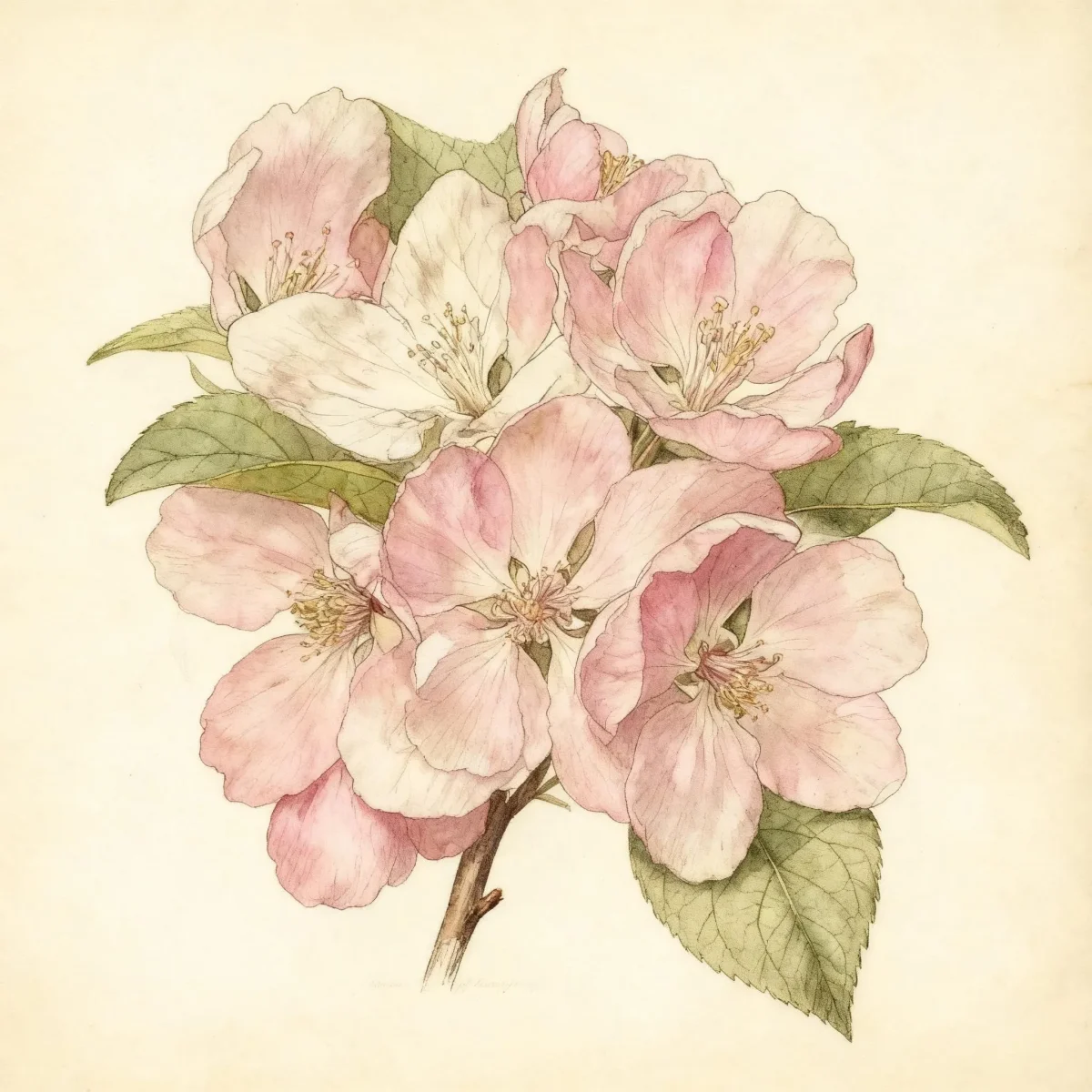
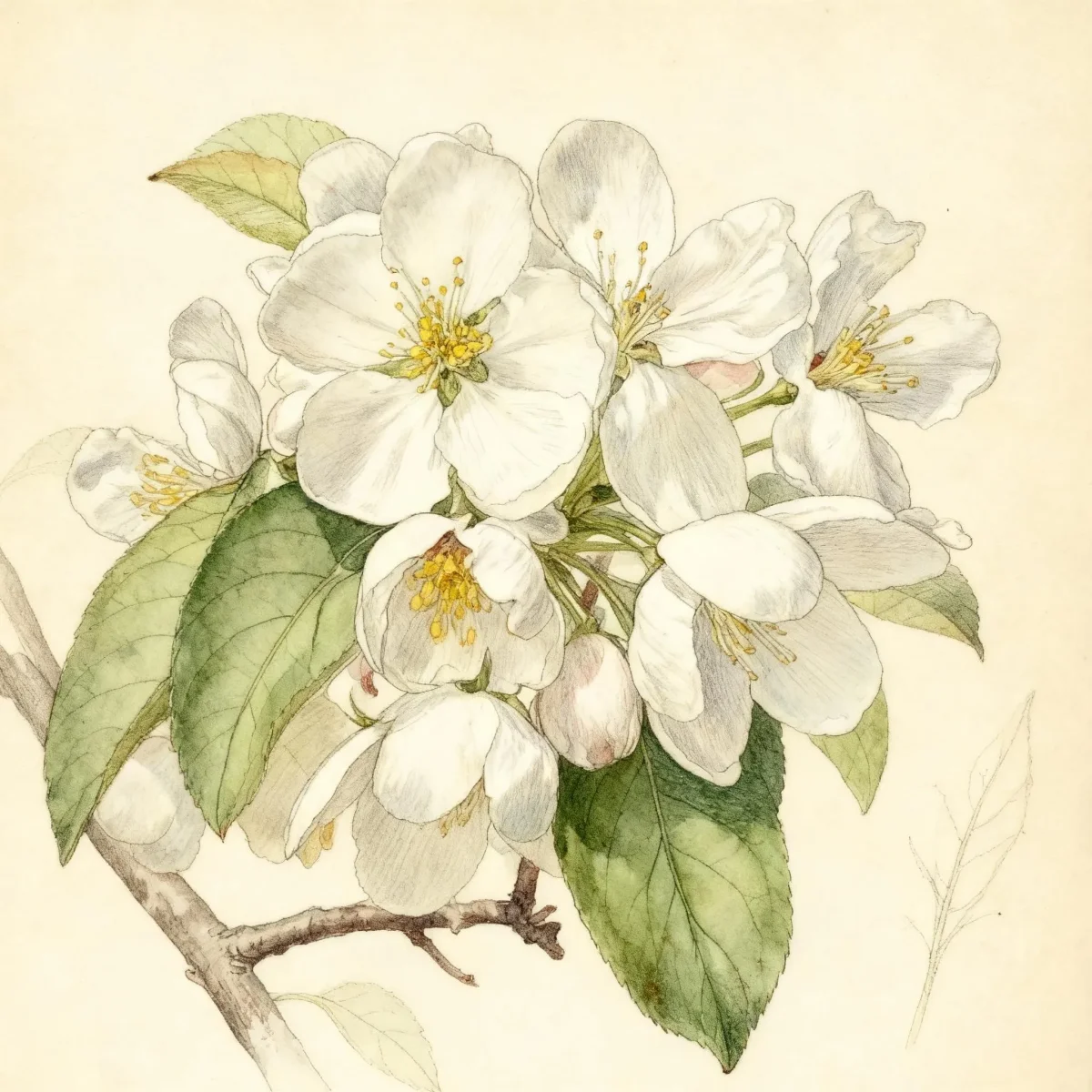
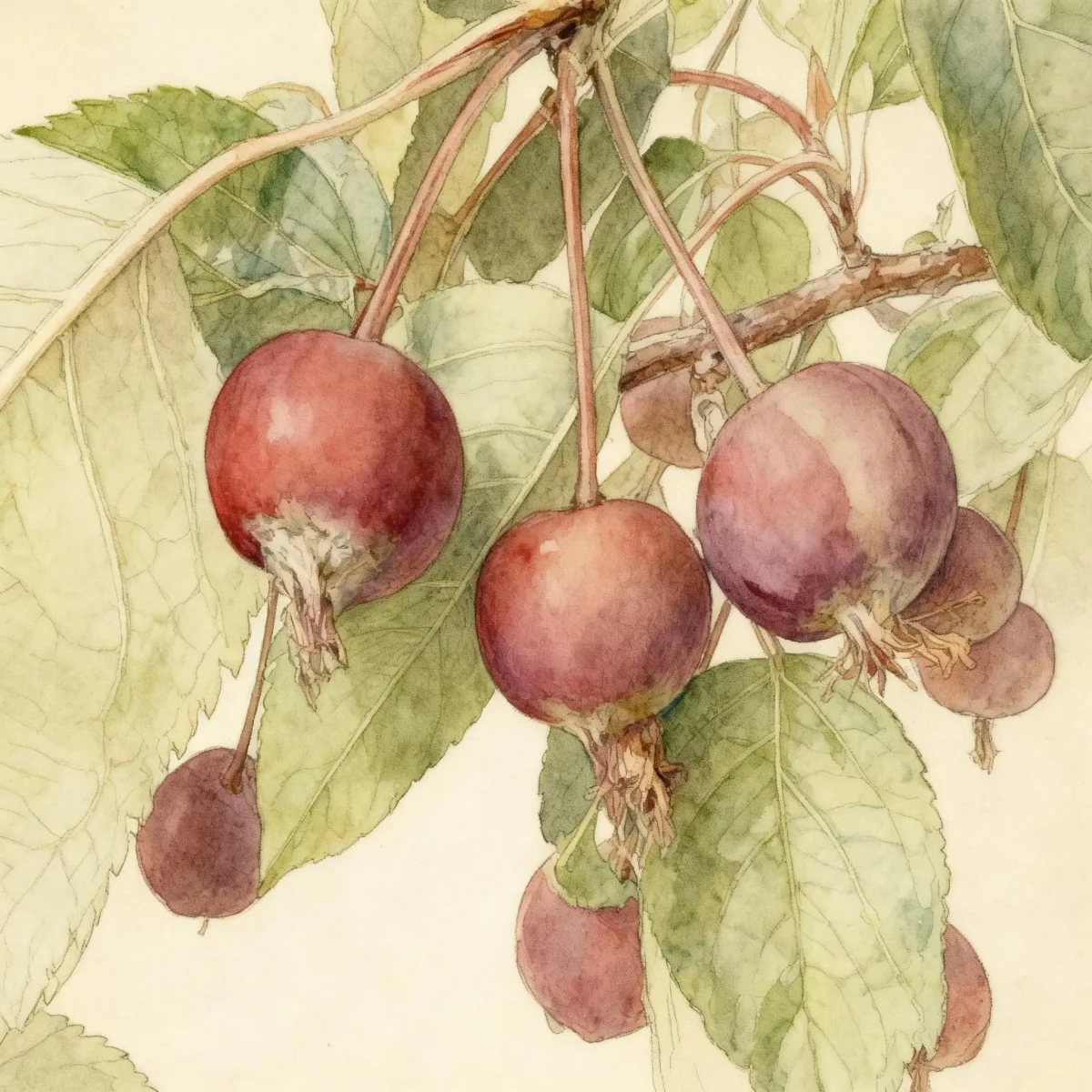
Flowering crabapple (Malus 'Beverly')
Malus 'Beverly' is a low-maintenance Flowering crabapple tree noted for rounded shape, white blossoms, and persistent red fruit.

Bloom Boldly, No Matter the Season - Sweatshirt
Cozy organic cotton sweatshirt featuring our exclusive Purple Coneflower design. Perfect for gardeners who bloom year-round.
Inspired by the beautiful Flowering crabapple
Limited first batch (50) — join the waitlist for early access
Waitlist closes Feb 15, 2026.
Complete Plant Information
Field Guide Continues
Ready for care notes, companion picks, and planting tips?
The map is just the start. The full guide below covers growth habits, seasonal performance, and landscape uses.
Overview
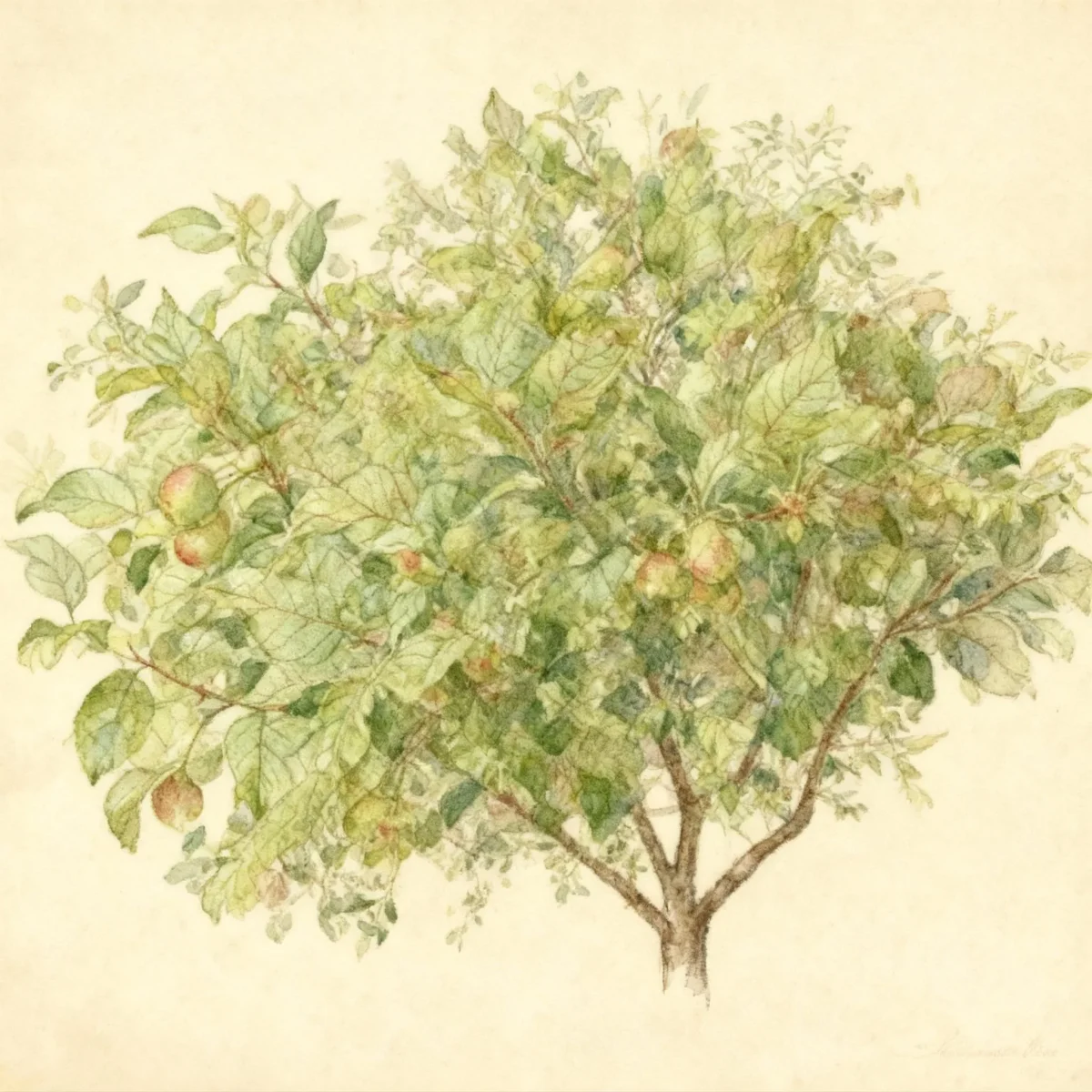
The Malus ‘Beverly’ is a highly regarded Flowering crabapple cultivar, celebrated for its attractive spring display and persistent ornamental fruit. This deciduous tree matures into a pleasing rounded shape, offering excellent visual structure through all seasons. Gardeners prize the Malus ‘Beverly’ for its combination of classic beauty and robust performance in varied conditions.
Typically reaching a mature height between 15 and 25 feet, this tree adapts well to a range of ornamental needs, functioning beautifully as a specimen or in small groupings. It offers bright green foliage contrasting sharply with large, white spring flowers. The subsequent bright red crabapples mature in the fall and often remain on the branches into the winter months, providing continued interest and wildlife appeal.
Beyond aesthetics, Malus ‘Beverly’ demonstrates reliable gardening merits such as good disease resistance and tolerance to urban stress. Its low maintenance requirement makes it an excellent choice for both amateur and experienced gardeners seeking significant seasonal impact without intensive labor.
Fast Facts
- Plant Family: Rosaceae
- Plant Type: Tree
- Hardiness Zones: USDA Zones 4-8
- Size at Maturity:
- Height: 15-25 ft
- Spread: 15-25 ft
- Bloom Time: April
- Bloom Description: White
- Sun Exposure: Full sun
- Water Needs: Medium
- Maintenance Level: Low
How to Grow
The ideal location for the Malus ‘Beverly’ requires full sun exposure to ensure maximum flowering and fruit production. This tree performs best when planted in medium-moisture, well-drained, acidic loam soils, though it exhibits adaptability to various soil types. When establishing a new Flowering crabapple, provide consistent moisture until the roots are fully developed.
Once established, established trees display some drought tolerance, requiring only medium supplemental watering during extended dry spells. Fertilization is rarely necessary if the soil is adequate, but avoid high-nitrogen fertilizers which encourage soft, disease-susceptible growth.
Pruning for shape and removal of dead or damaged wood should be performed as needed in late winter. It is crucial to avoid spring pruning entirely, as fresh cuts create wounds vulnerable to fireblight bacterium entry. This simple rule is key to maintaining the health of your Malus ‘Beverly’.
Landscape Uses
The versatility of the Malus ‘Beverly’ makes it a solid choice for foundational landscape design. Recommended uses include planting as a singular specimen where its spring flowers and fall fruit can be fully appreciated. This Flowering crabapple also excels when planted in small groups to create a unified screen or accent feature within garden beds.
Consider placing this white-flowering tree near high-traffic areas or patios to enjoy its spring fragrance and structure, ensuring it has sufficient space to achieve its mature 15-25 foot spread. Its structure marries well with the evergreen foundation plantings or lower-growing perennials that appreciate similar acidic soil conditions.
Standout Features
Flower Qualities
- Showy
Fruit Qualities
- Showy
- Edible
Noteworthy Characteristics
Malus is a genus of about 35 species of deciduous trees and shrubs from Europe, Asia and North America, with the genus name derived from the ancient Latin name for apple. The ‘Beverly’ cultivar is a notable white-flowered crabapple tree, typically maturing to 15-25 feet tall and known for its uniform rounded shape, red fruit, and notable disease resistance. Flowers are followed by large, bright red crabapples (up to 3/4” diameter) that attract birds and may be harvested for making jellies.
Tolerances
- Air Pollution
Potential Problems
While the Malus ‘Beverly’ boasts good disease resistance, like all crabapples, it can occasionally face issues from common threats. The primary diseases to monitor for are scab, rusts, leaf spot, powdery mildew, and fire blight. Insect pests, though usually minor concerns, can include scale, borers, aphids, and Japanese beetles.
Prevention centers on good cultural practices: ensuring excellent air circulation through appropriate spacing and timely pruning in late winter. Chemical treatments for fungal issues are available, but often unnecessary for this resistant variety if sited correctly in full sun and well-drained soil. Always inspect new plantings carefully for signs of pest activity early in the growing season.
Frequently Asked Questions
What hardiness zones is Flowering crabapple suitable for?
Malus ‘Beverly’ is hardy and reliably grown in USDA Zones 4 through 8.
How large does Flowering crabapple grow?
This specimen tree typically reaches a height between 15 and 25 feet, with a similar spread of 15 to 25 feet at maturity.
What sun exposure does Malus ‘Beverly’ need?
For optimal flowering and health, the Malus ‘Beverly’ requires full sun exposure throughout the day.
When does Flowering crabapple bloom?
This tree produces its attractive white flowers during the month of April.
Conclusion
The Malus ‘Beverly’ delivers exceptional seasonal interest through its prolific white spring blooms and persistent, edible red fruit, all while maintaining low maintenance needs. Its rounded habit and disease resistance make this Flowering crabapple a reliable anchor in the landscape. Confirm your planting site falls within USDA Zones 4-8 and plan any necessary pruning for late winter to best enjoy this beautiful specimen.
Wildlife Benefits
The fruit produced by the Malus ‘Beverly’ is a specific draw for local bird populations, providing necessary sustenance, particularly as the weather turns cold. The persistent nature of the bright red crabapples means food is available late into the season when other sources are scarce.
Planting a Flowering crabapple nearby shrubs or hedges can provide cover for birds when they land to forage on the fruit. While data on specific pollinators is limited, like most flowering trees in the Rosaceae family, the abundant white blossoms offer early spring nectar and pollen resources.