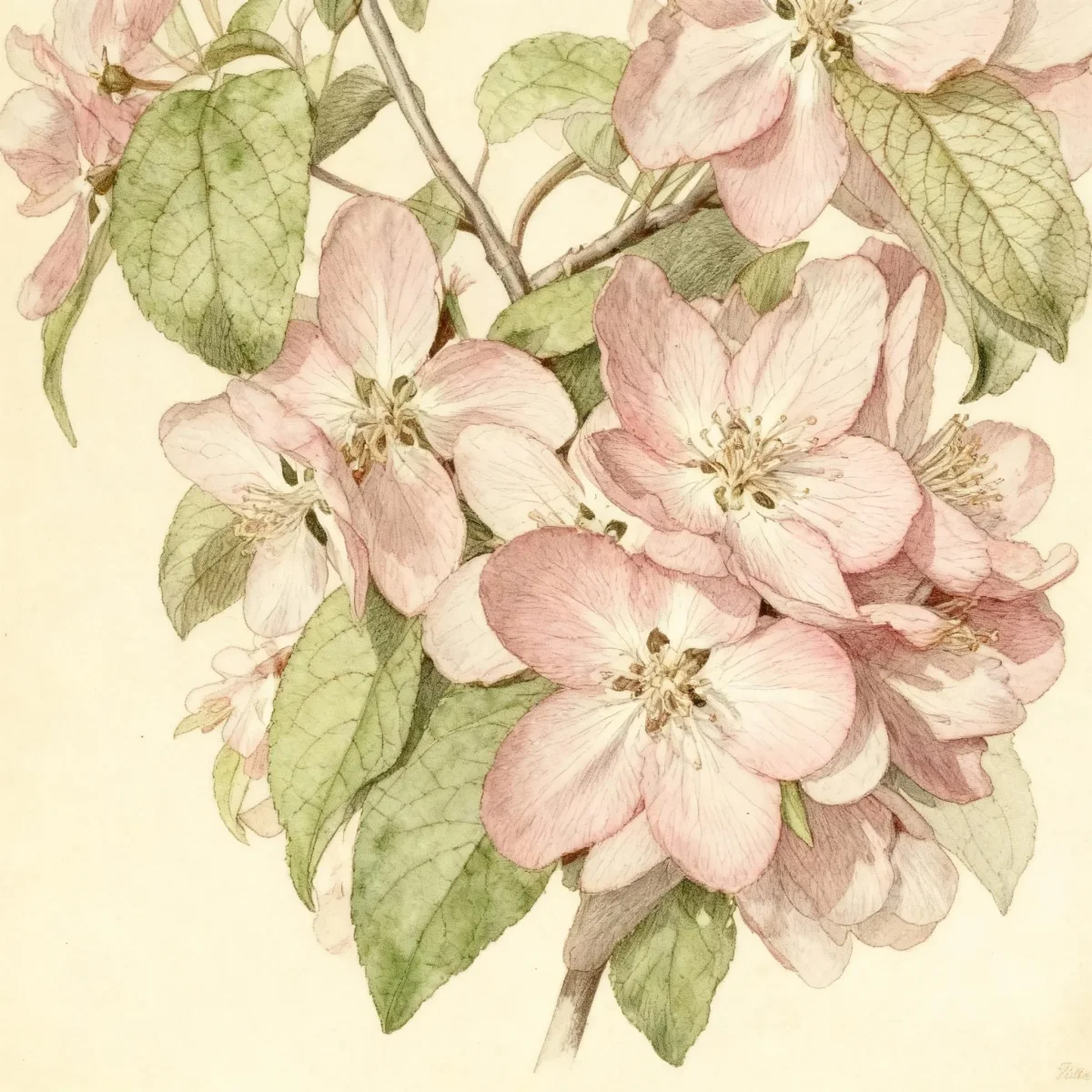
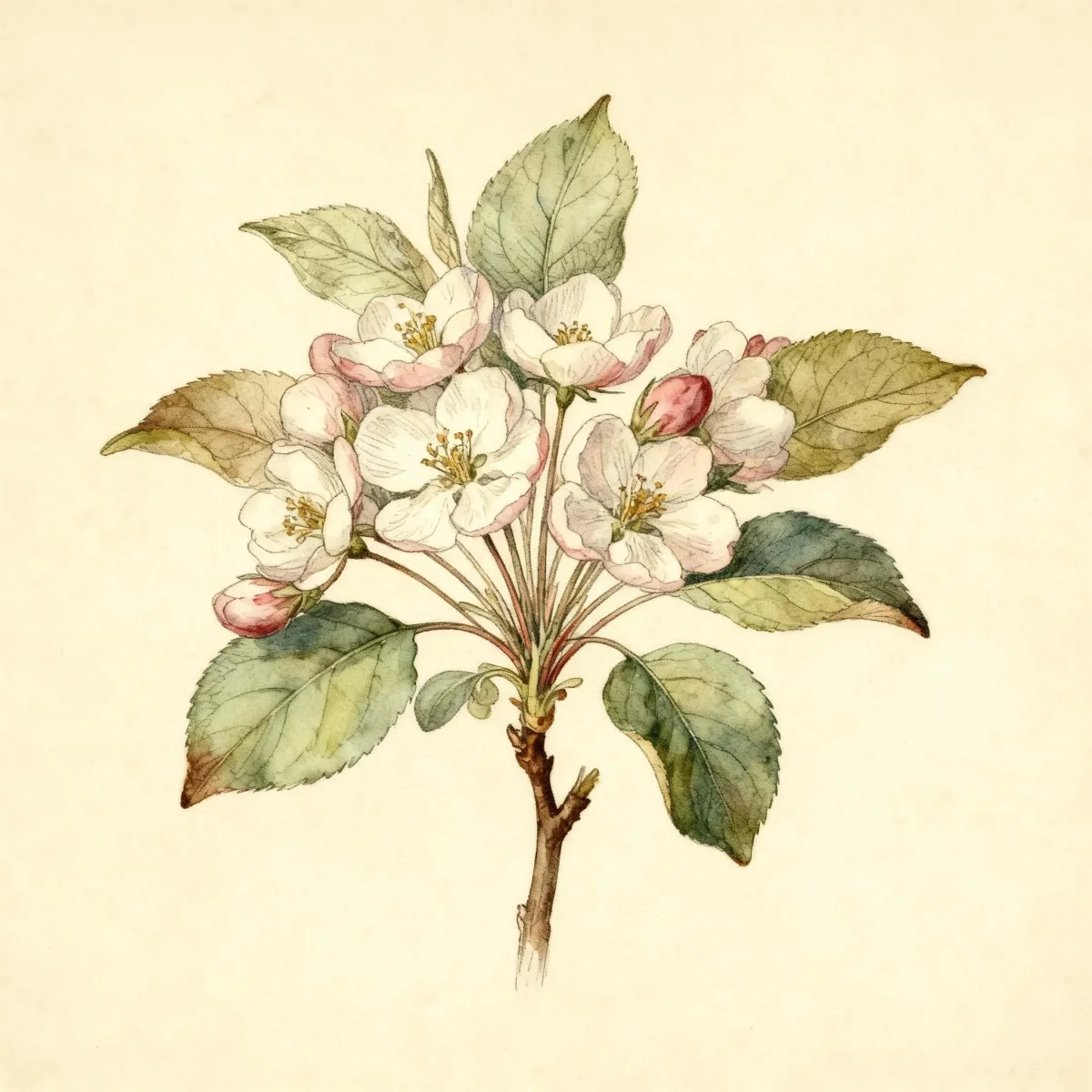
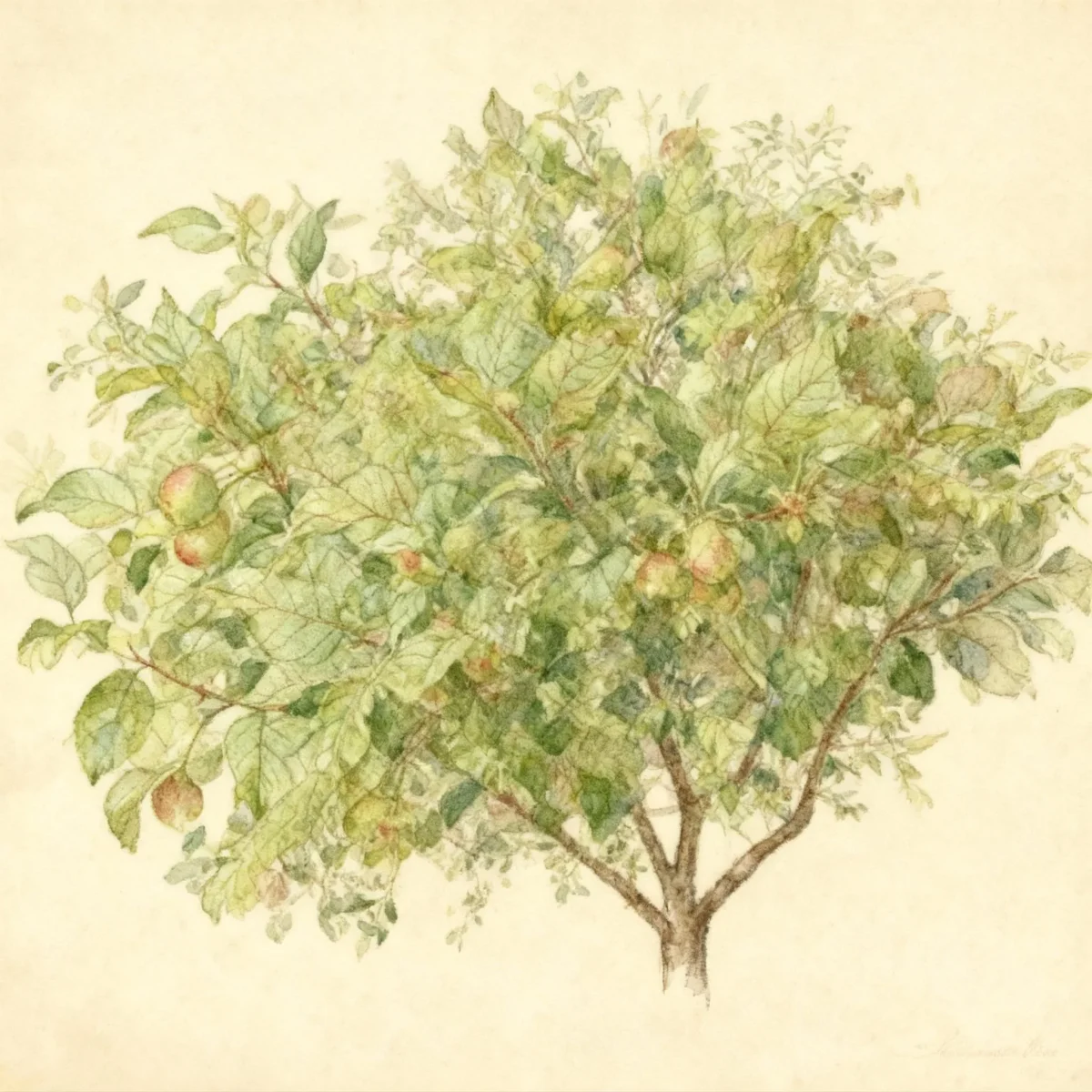
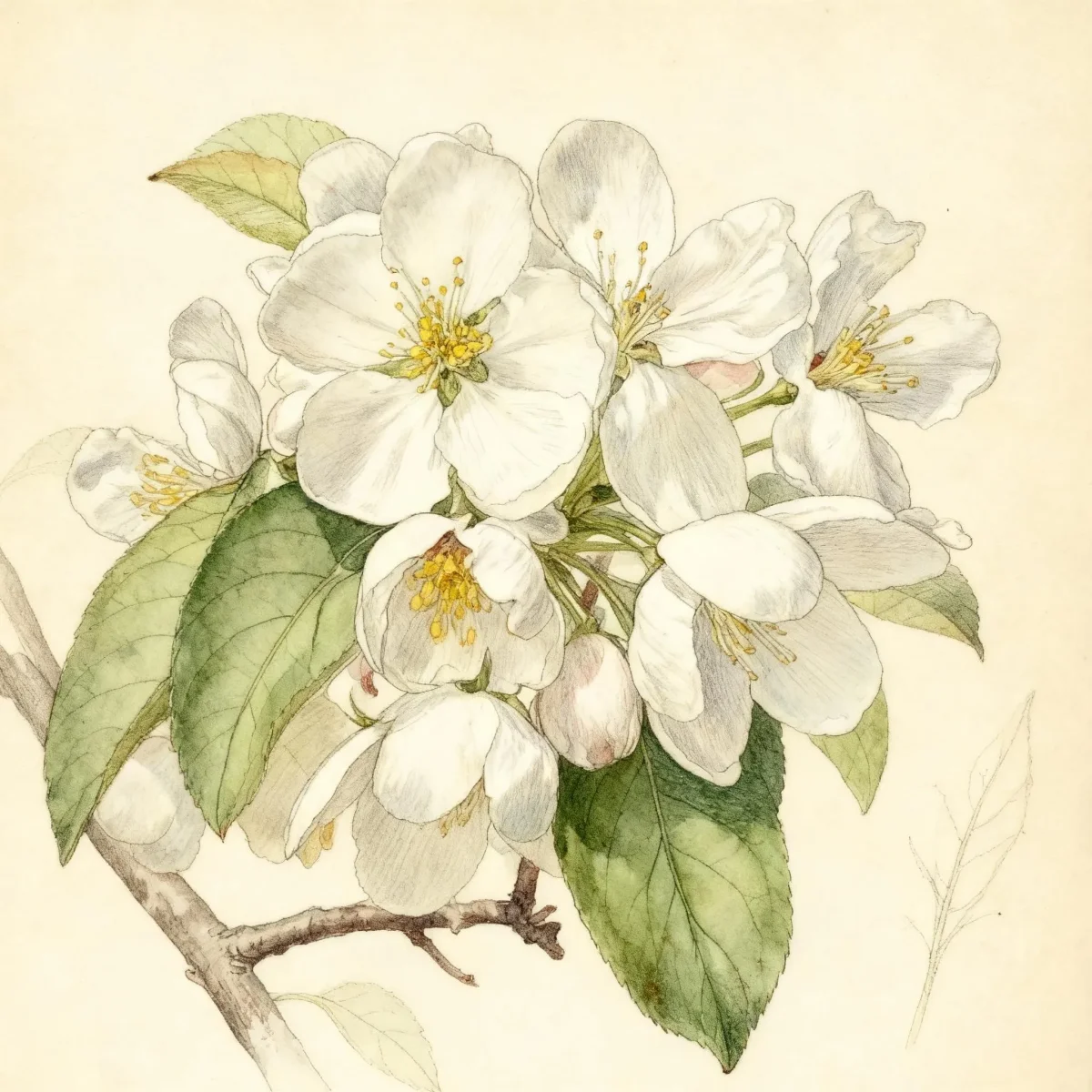
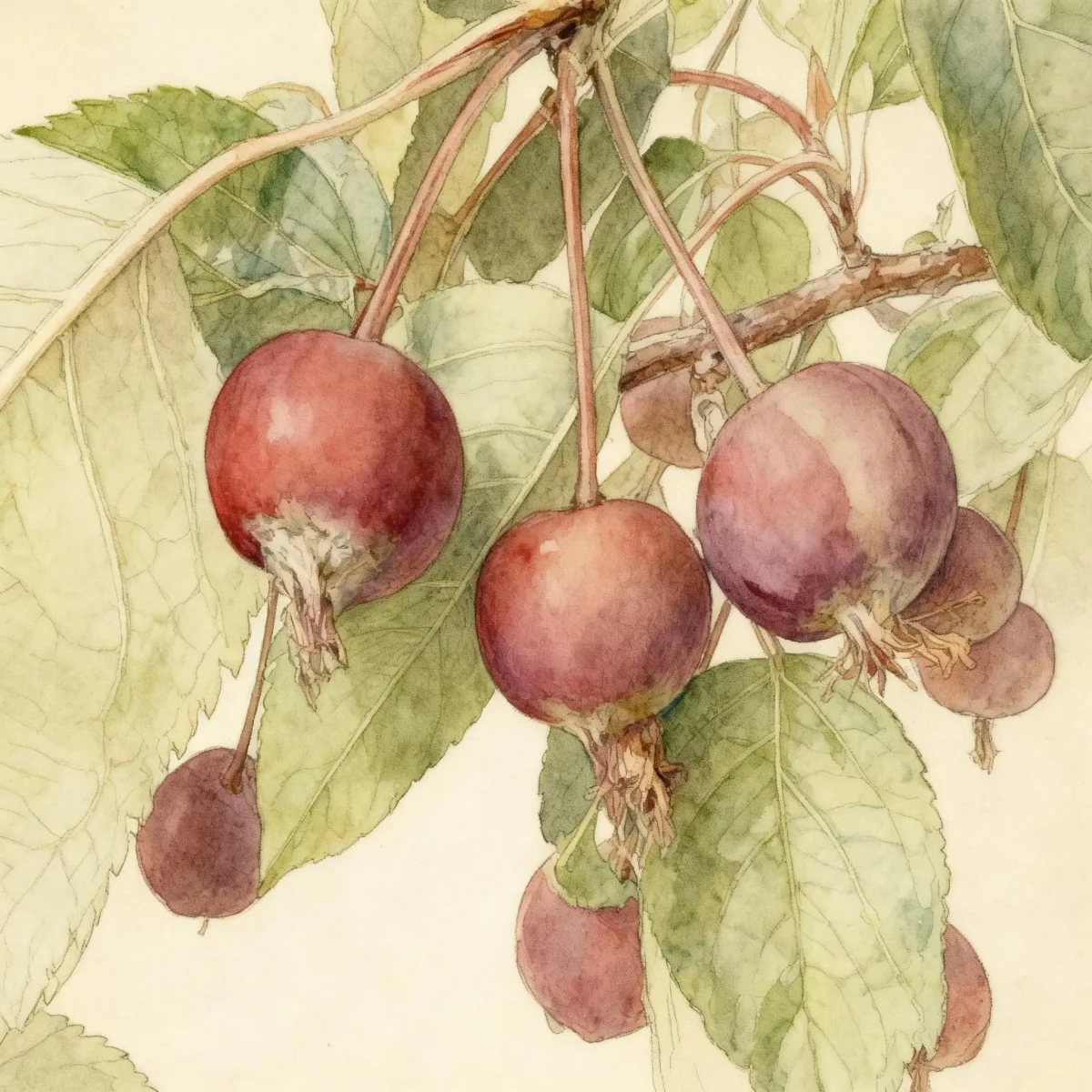
Flowering crabapple (Malus 'Centzam' CENTURION)
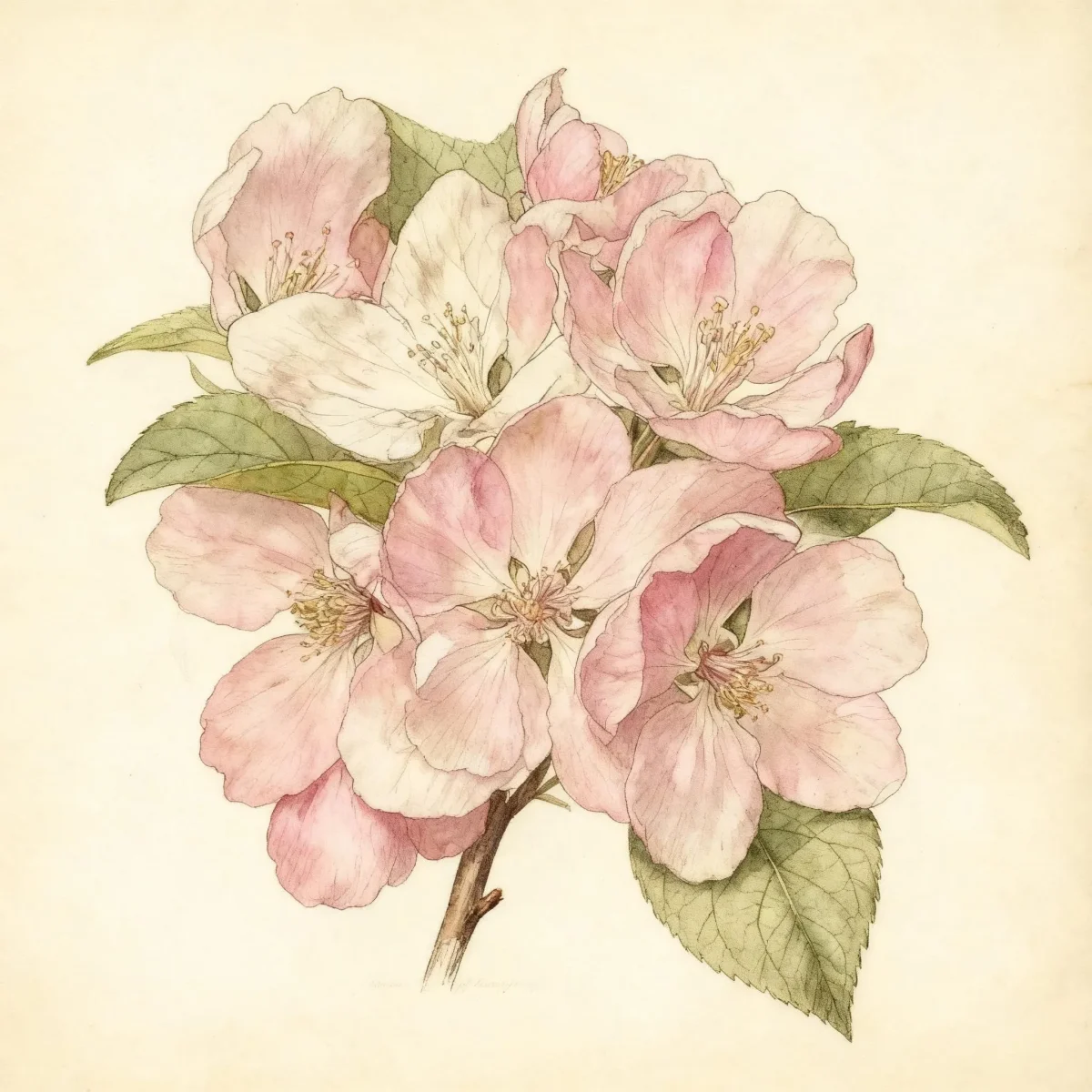
The Malus 'Centzam' CENTURION Flowering crabapple is a low-maintenance tree known for striking rose red blooms and good disease resistance.

Bloom Boldly, No Matter the Season - Sweatshirt
Cozy organic cotton sweatshirt featuring our exclusive Purple Coneflower design. Perfect for gardeners who bloom year-round.
Inspired by the beautiful Flowering crabapple
Limited first batch (50) — join the waitlist for early access
Waitlist closes Feb 15, 2026.
Complete Plant Information
Field Guide Continues
Ready for care notes, companion picks, and planting tips?
The map is just the start. The full guide below covers growth habits, seasonal performance, and landscape uses.
Overview
The Malus ‘Centzam’ CENTURION, commonly known as the Flowering crabapple, is a highly valued deciduous tree celebrated for its upright columnar form when young, transitioning to a broader crown with age. Gardeners appreciate this cultivar for its dependable spring display of intense rose red flowers and its attractive red fruit, which matures in the fall. Beyond its aesthetic appeal, the Malus ‘Centzam’ CENTURION offers good disease resistance according to noted characteristics, making it a reliable addition to various landscape settings.
This tree is noted for its good performance across USDA zones 4 through 8, requiring full sun exposure to thrive and present its best floral and foliage display. Its mature size typically reaches 20 to 25 feet tall with a pleasing spread of 15 to 20 feet, providing significant structure without overwhelming smaller spaces. The oval leaves contribute seasonal interest, emerging reddish before maturing to green with bronze tinges and concluding the year with good orange-red fall coloration.
For gardeners seeking a specimen or accent tree that offers multi-season appeal with low maintenance demands, the Malus ‘Centzam’ CENTURION proves an excellent choice. Bird enthusiasts will also note that the bright red crabapples, though small, attract local wildlife before they typically drop in the late fall or early winter.
Fast Facts
- Plant Family: Rosaceae
- Plant Type: Tree
- Hardiness Zones: USDA Zones 4-8
- Size at Maturity:
- Height: 20-25 ft
- Spread: 15-20 ft
- Bloom Time: April
- Bloom Description: Rose red
- Sun Exposure: Full sun
- Water Needs: Medium
- Maintenance Level: Low
How to Grow
The Flowering crabapple performs best when planted in medium moisture, well-drained, acidic loam soils, although it shows adaptability to a wide range of soil types. Ensure you select a planting site that receives full sun, as this is crucial for prolific flowering and robust health. While young trees require consistent watering, established Malus ‘Centzam’ CENTURION trees develop some drought tolerance once fully settled into the landscape.
Watering should remain consistent, aiming for medium moisture levels, especially during dry spells in the summer. Fertilization is rarely necessary if the soil is adequate, but a balanced slow-release fertilizer can be applied if growth seems stunted. Low maintenance is a key attribute of this variety, which fortunately possesses good disease resistance compared to other crabapples.
Pruning for the Malus ‘Centzam’ CENTURION should be done sparingly, generally only as needed in late winter while the tree is dormant. It is critical to avoid any pruning activities in the spring. Open cuts made late in the season become entry points for the fireblight bacterium, leading to potential infection and significant damage.
Landscape Uses
This Flowering crabapple is highly versatile, recommended primarily as a specimen or accent tree where its spring blossoms can be the main focal point. Its upright columnar shape when young allows it to be integrated into smaller garden areas or even near structures where width is a concern, gradually rounding out as it matures. Planting Malus ‘Centzam’ CENTURION in small, intentional groups can create a stunning mass display of color along driveways or pathways.
For general landscape use, incorporate this tree into mixed borders containing broadleaf evergreens or spring-flowering shrubs that offer contrasting textures. When planning companions, select plants that also prefer full sun and medium moisture, such as spring-flowering bulbs or low-growing perennials with darker foliage to help the bright red flowers pop. Keep a slight distance during initial placement to accommodate the mature spread of 15 to 20 feet.
Standout Features
Flower Qualities
- Showy
Fruit Qualities
- Showy
- Edible
Noteworthy Characteristics
Malus is a genus of about 35 species of deciduous trees and shrubs found across Europe, Asia, and North America, with the genus name derived from the ancient Latin term for apple. The CENTURION is a crabapple that generally reaches 25 feet tall, starting columnar before broadening with age. It is distinguished by its vibrant rose red flowers, persistent red fruit, good fall color, and high resistance to common diseases, while its leaves mature appealingly throughout the growing season.
Tolerances
- Air Pollution
Potential Problems
While the Malus ‘Centzam’ CENTURION is noted for its good disease resistance, gardeners should remain aware of common threats to the crabapple genus. The primary diseases often include scab, rusts, leaf spot, and powdery mildew, though this cultivar fights many of them off effectively. Fire blight is a serious concern, necessitating careful pruning management conducted only in late winter well away from the growing season.
Insect pests pose a lesser threat but may occasionally include aphids, borers, scale insects, or spider mites. Inspection during routine checks allows for early intervention, such as dormant oil application or targeted insecticidal soap use for soft-bodied pests. Maintaining proper soil health and avoiding stressful conditions helps the tree fend off most common issues naturally.
Frequently Asked Questions
What hardiness zones is Flowering crabapple suitable for?
The Malus ‘Centzam’ CENTURION is suitable for USDA Hardiness Zones 4 through 8.
How large does Malus ‘Centzam’ CENTURION grow?
This tree typically matures to a height between 20 and 25 feet, with a spread ranging from 15 to 20 feet.
When does Flowering crabapple bloom?
The bloom time for the Malus ‘Centzam’ CENTURION is April, featuring eye-catching rose red flowers.
What sun exposure does the CENTURION need?
This ornamental tree requires full sun exposure to ensure optimal flowering and health.
Conclusion
The Malus ‘Centzam’ CENTURION Flowering crabapple brings reliable structure, beautiful rose red spring blooms, and impressive low maintenance to the landscape. Its noted disease resistance makes it a strong performer for gardeners in zones 4-8 looking for a striking specimen tree. Plan your planting during the dormant season, strictly adhere to winter pruning guidelines, and enjoy the seasonal brilliance of the CENTURION.
Wildlife Benefits
The fruit produced by the Malus ‘Centzam’ CENTURION is a valuable late-season food source for local birds. The bright red crabapples, measuring about 1/2 inch in diameter, mature in the fall and are attractive to wildlife, even if they do not persist entirely through damp winters. Planting this tree near bird feeders or natural viewing areas can enhance local biodiversity.
While excellent for providing food, the dense branching structure of the Flowering crabapple also offers shelter and nesting opportunities for small songbirds throughout the year. Choosing a crabapple variety that produces small, persistent fruit often maximizes its utility as a year-round wildlife asset in the garden space.