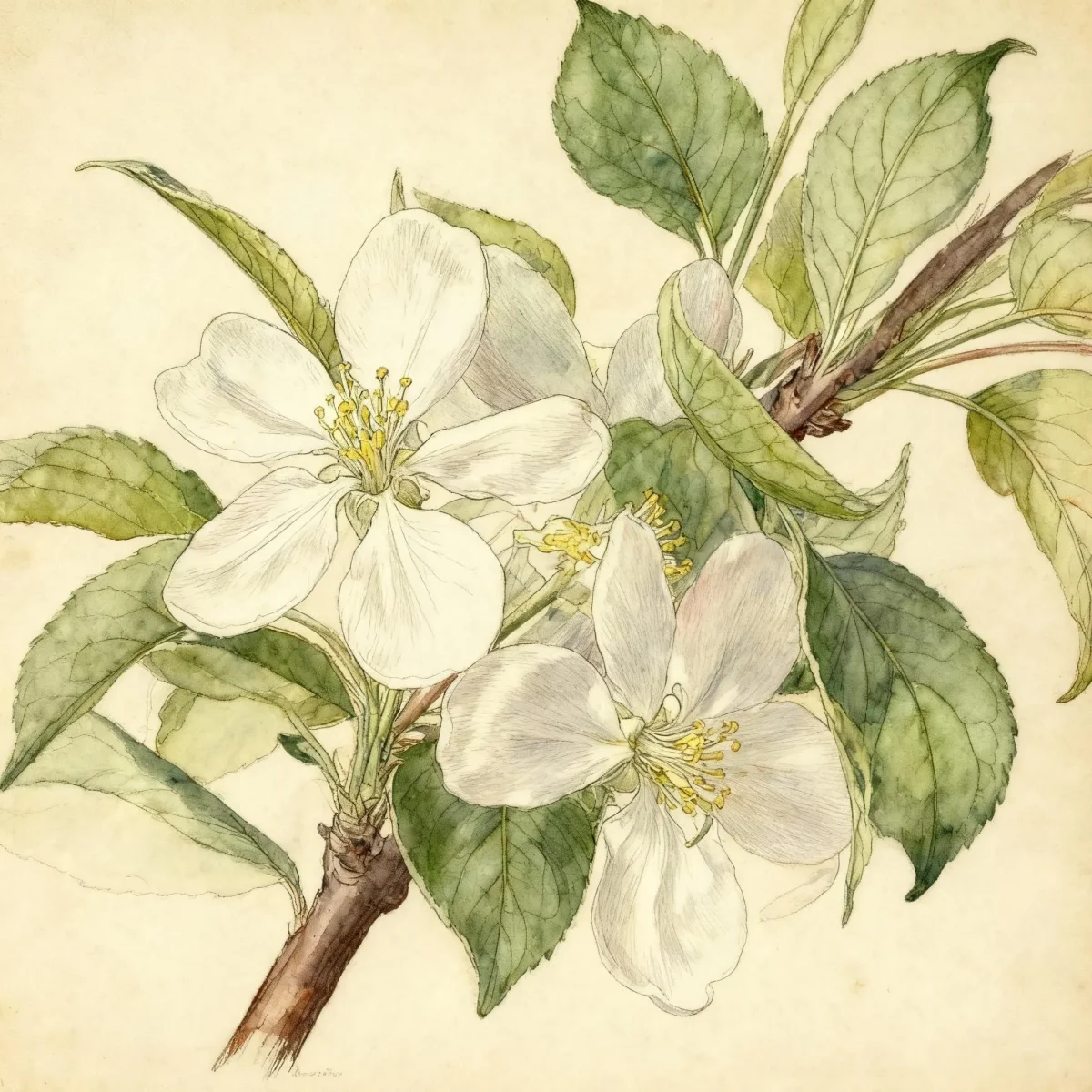
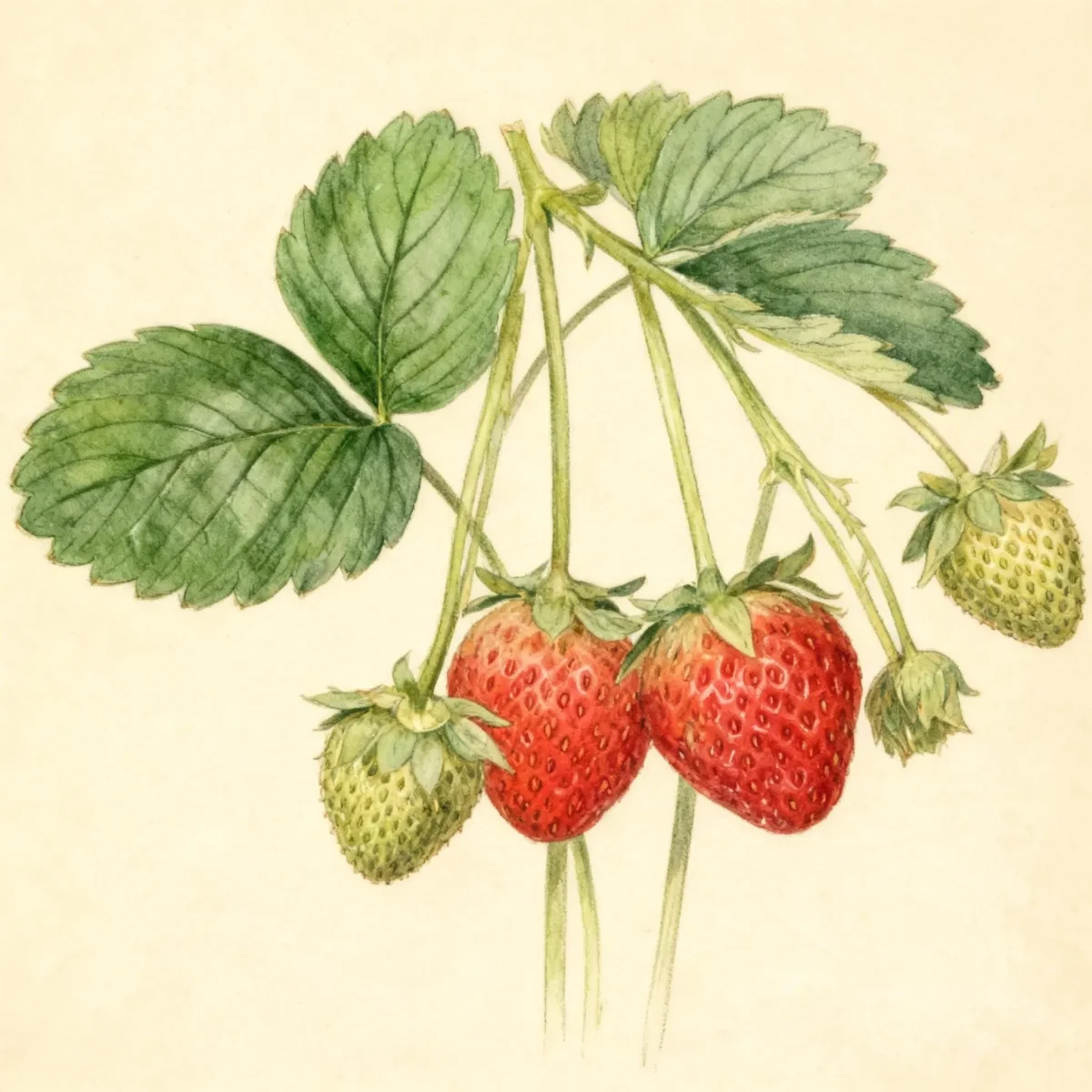
Semi-dwarf apple (Malus 'Jonafree')
The Malus 'Jonafree' Semi-dwarf apple delivers high-quality edible fruit along with fragrant spring blossoms in Zones 5-9.
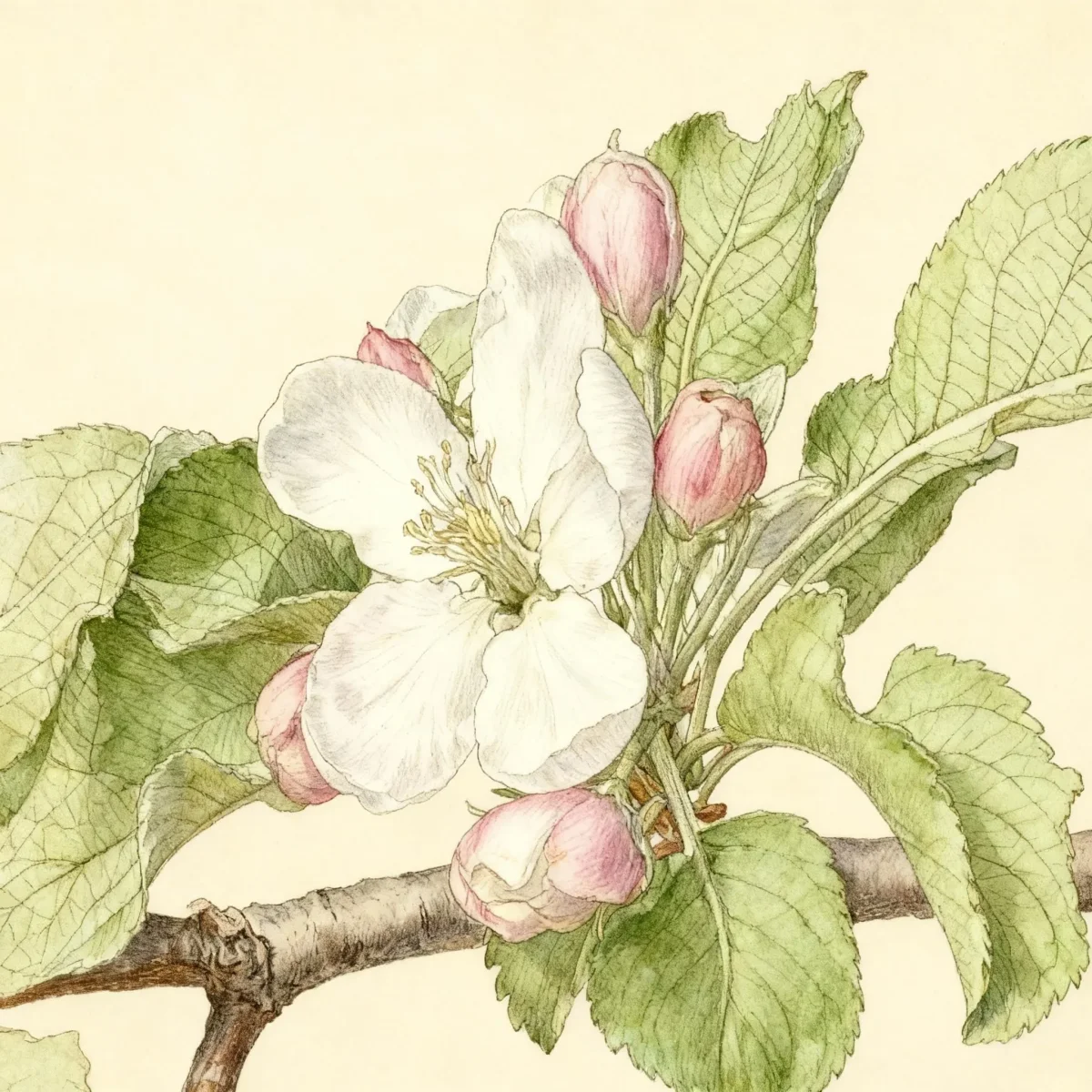

Bloom Boldly, No Matter the Season - Sweatshirt
Cozy organic cotton sweatshirt featuring our exclusive Purple Coneflower design. Perfect for gardeners who bloom year-round.
Inspired by the beautiful Semi-dwarf apple
Limited first batch (50) — join the waitlist for early access
Waitlist closes Feb 15, 2026.
Complete Plant Information
Field Guide Continues
Ready for care notes, companion picks, and planting tips?
The map is just the start. The full guide below covers growth habits, seasonal performance, and landscape uses.
Overview
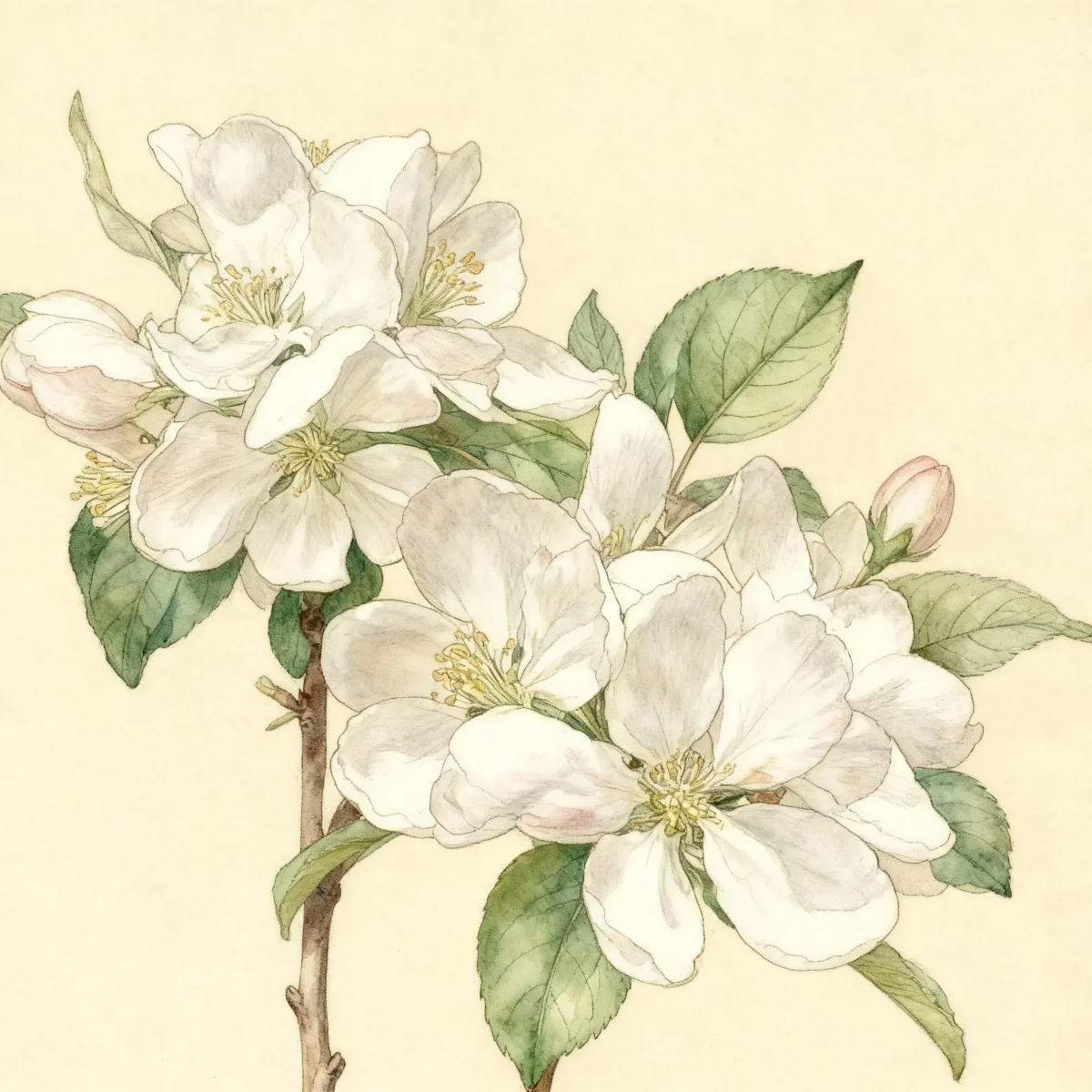
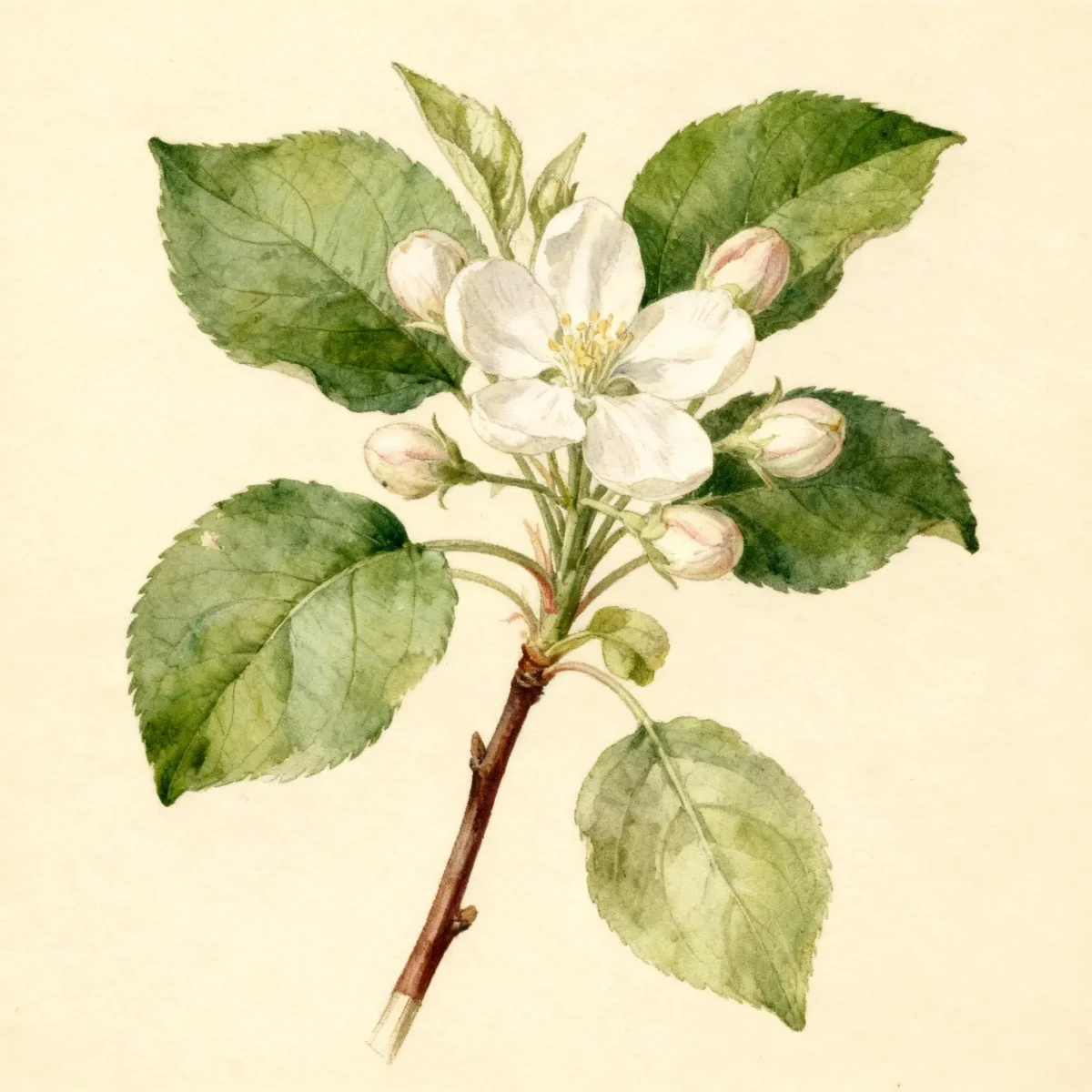
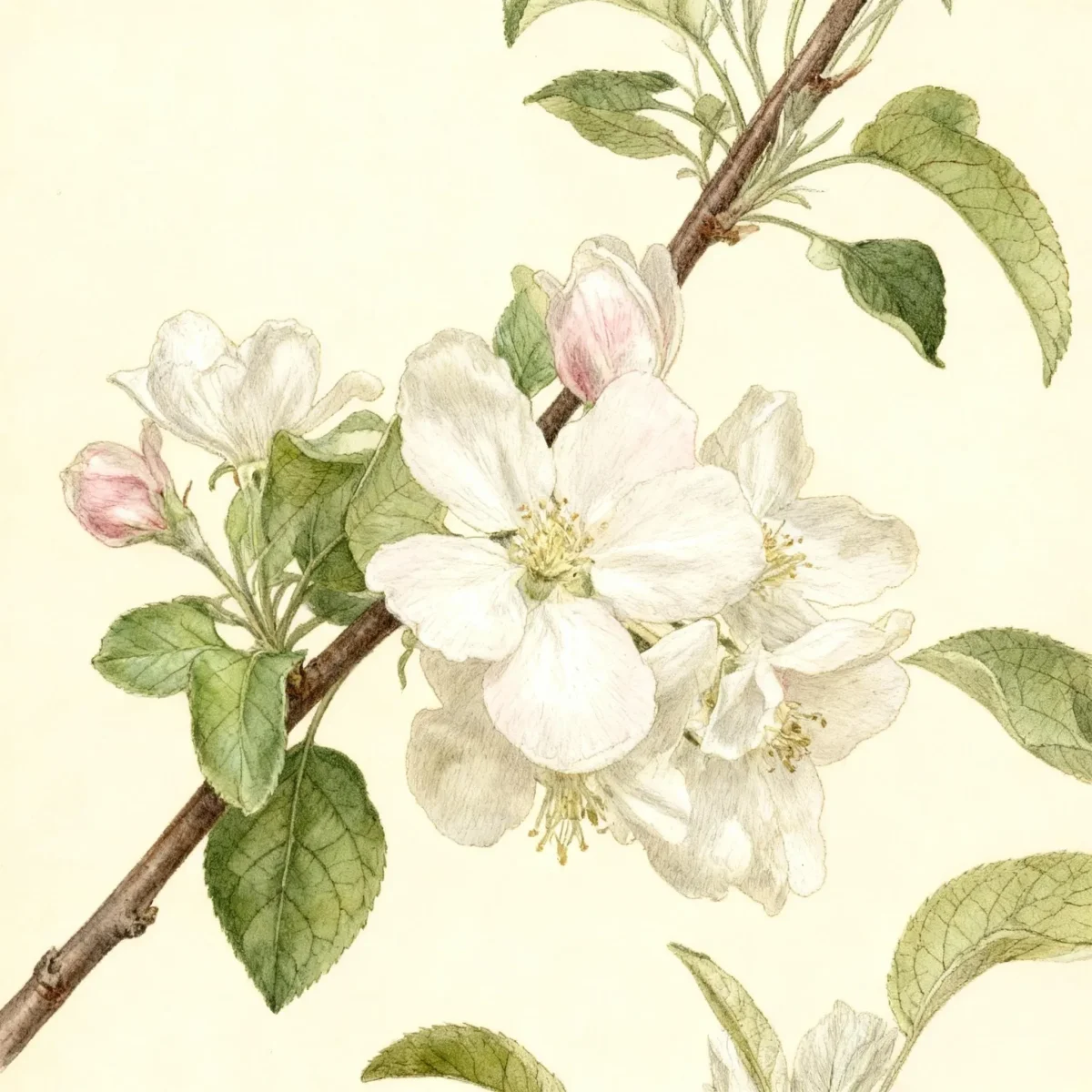
The Malus ‘Jonafree’ is a highly valued cultivar prized by home growers for its manageable size and reliable fruit production. As a Semi-dwarf apple, it provides the benefit of full-sized apples without the intimidating scale of standard trees, making spraying, pruning, and harvesting significantly easier. This cultivar is notable for its attractive spring display of white blossoms, which are both showy and fragrant, adding significant early-season aesthetic value to the landscape.
This fruit-bearing tree offers a practical combination of ornamental appeal and culinary benefit. While its primary purpose is yielding fruit, the structure and blooms of the Semi-dwarf apple enhance garden interest from spring through fall. Successful cultivation of Malus ‘Jonafree’ relies on full sun exposure to maximize both flower density and subsequent fruit set.
Successful establishment of Malus ‘Jonafree’ requires attention to soil quality, as apple cultivars graft well only onto suitable rootstocks that influence final size. Gardeners seeking early fruit bearing and easier management should consider this specific Semi-dwarf apple variety for its disease resistance profile against common issues like apple scab.
Fast Facts
- Plant Family: Rosaceae
- Plant Type: Fruit
- Hardiness Zones: USDA Zones 5-9
- Size at Maturity:
- Height: 12-15 ft
- Spread: 12-15 ft
- Bloom Time: May
- Bloom Description: White
- Sun Exposure: Full sun
- Water Needs: Medium
- Maintenance Level: High
How to Grow
Planting for the Malus ‘Jonafree’ Semi-dwarf apple should occur when conditions are mild, usually early spring or fall, ensuring deep, loamy, moderately fertile, and slightly acidic soil. Good drainage is critical, so avoid unamended heavy clay soils prone to waterlogging. Due to the dwarfing nature of the rootstock, this apple variety often requires slightly higher soil fertility than standard apples to thrive.
Water needs are medium, requiring consistent moisture, especially during fruit development. Full sun—a minimum of six to eight hours daily—is essential for maximizing flower and fruit production on Malus ‘Jonafree’. A key cultural requirement for any apple cultivar is pollination; growers must plant at least one, and preferably two, other compatible apple varieties nearby to ensure the best possible fruit yield.
Maintenance is rated high because insect and disease management is ongoing. Proper pruning each dormant season will maintain the semi-dwarf structure, improve air circulation, and maximize light penetration, which helps in managing potential susceptibility to powdery mildew. Always prioritize good cultural practices to complement any inherent disease resistance.
Landscape Uses
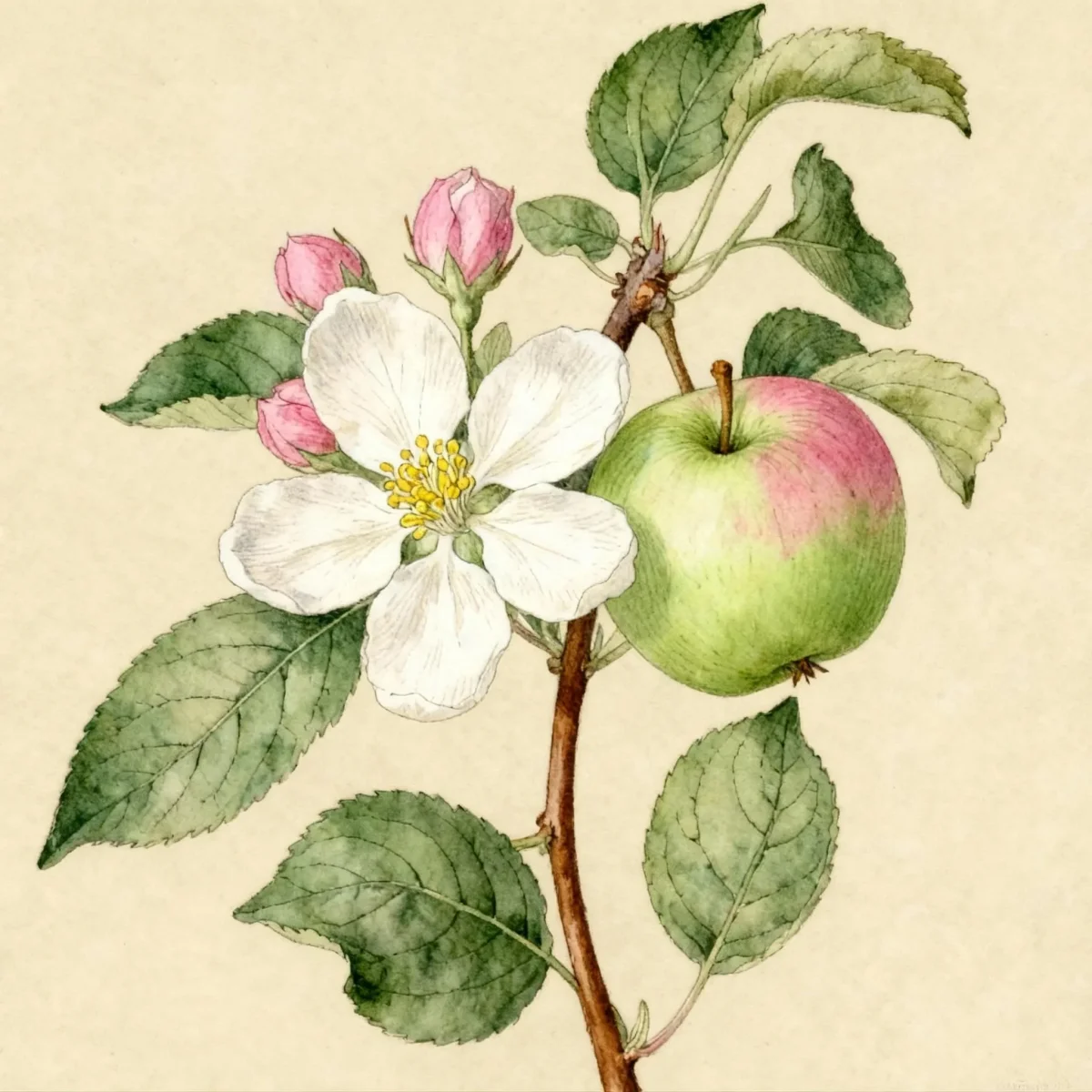
While the Malus ‘Jonafree’ is primarily cultivated for its quality fruit, its status as a Flowering Tree ensures it contributes significant seasonal interest. The spring display of white blossoms is noteworthy, followed by the red-over-yellow edibles, providing both color and texture in the autumn landscape. Grouping this variety near other apple types in a sunny location fulfills the necessary pollination requirement while creating a functional orchard aesthetic.
Consider planting the Semi-dwarf apple as a specimen tree near patios or pathways where its spring fragrance can be enjoyed, or integrate it into larger mixed borders where structure and seasonal change are desired. Its moderate 12-15 foot size makes it suitable for medium-sized yards where standard apples would overwhelm the space. The contrasting blossoms and ripening fruit provide excellent visual layers throughout the growing season.
Standout Features
Flower Qualities
- Showy
- Fragrant
Fruit Qualities
- Showy
- Edible
Noteworthy Characteristics
Malus is a genus of about 35 species of deciduous trees and shrubs from Europe, Asia and North America. Edible apple cultivars do not grow particularly well on their own roots, necessitating grafting onto rootstocks that control size; the semi-dwarf designation places this tree in the 12-15’ height range. ‘Jonafree’ is a popular cultivar that produces mildly tart, Jonathan-type apples ripening in early to mid-September in compatible zones.
Tolerances
- Air Pollution
Potential Problems
The Malus ‘Jonafree’ offers significant disease resistance, being virtually immune to apple scab and resistant to cedar apple rust and fire blight. However, growers must remain vigilant against powdery mildew, as susceptibility remains. Potential insect pests that require attention include aphids, codling moth, plum curculio, spider mites, and maggots. To control these issues, adopt excellent cultural practices like timely cleanup and pruning, and be prepared to implement targeted chemical treatments if pest populations become damaging.
Frequently Asked Questions
What hardiness zones is Semi-dwarf apple suitable for?
This Semi-dwarf apple, Malus ‘Jonafree’, is hardy in USDA Zones 5 through 9, offering a wide range of adaptability across many temperate climates.
How large does Malus ‘Jonafree’ grow?
When grafted onto a semi-dwarf rootstock, Malus ‘Jonafree’ typically reaches a mature height and spread between 12 to 15 feet.
What sun exposure does Semi-dwarf apple need?
For optimal flowering and fruit production on the Malus ‘Jonafree’, full sun exposure is non-negotiable—plan for at least six hours of direct sunlight daily.
When does Malus ‘Jonafree’ bloom?
This cultivar produces fragrant white blossoms during the month of May, signaling the start of the fruiting season.
Conclusion
The Malus ‘Jonafree’ is an excellent choice for gardeners seeking the reward of homegrown fruit combined with manageable tree size, defining its role as a superior Semi-dwarf apple. Its excellent disease resistance profile simplifies high-maintenance care, while the springtime fragrance is a bonus. Before planting, confirm your USDA hardiness zone falls within the 5-9 range and ensure you have a pollination partner ready for planting nearby.
Companion Planting
When planning the garden layout around your Semi-dwarf apple, focus on plants that share similar needs for rich soil and full sun but won’t compete aggressively for nutrients. Companion planting often revolves around adding beneficial insects or deterring pests. Herbs like chives, garlic, and dill are excellent neighbors, often helping to confuse or repel common pests like aphids and spider mites that target the Malus ‘Jonafree’.
Avoid planting heavy feeders directly at the base, as apple trees perform best with adequate root space. Instead, use low-growing, shallow-rooted perennials that act as living mulch, helping to retain soil moisture while keeping the area aesthetically pleasing throughout the season. This cooperative approach supports the health of your fruit production.
Seasonal Care Calendar
Spring is critical for the Malus ‘Jonafree’; prune during dormancy right before bud break to shape the tree and remove crossing branches, improving airflow. As the white blossoms appear in May, monitor for pollinators. Summer requires consistent monitoring for potential insect pests like codling moth and adequate watering, as medium water needs are crucial during fruit expansion.
Fall is harvest time for the ripened, red-over-yellow fruit, typically mid-September in Zone 5 climates. Immediately after leaf drop, focus on cleanup; rake all fallen leaves and damaged fruit away from the base of the tree to reduce overwintering fungal spores and pest populations, minimizing reliance on chemical sprays next season. Winter is generally a dormant period, although deep freezes can stress the roots of the Semi-dwarf apple, so ensure adequate moisture leading into the cold months.