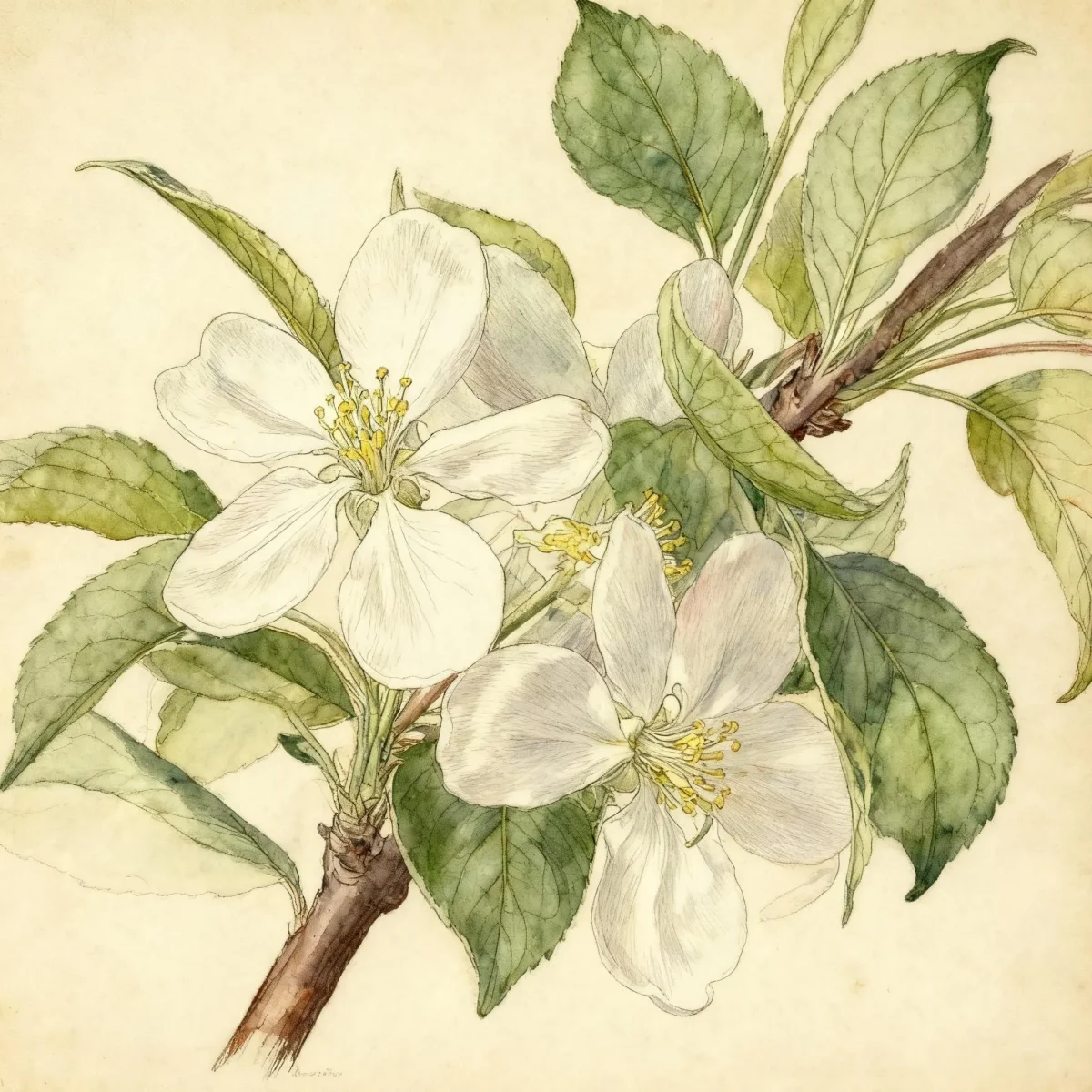
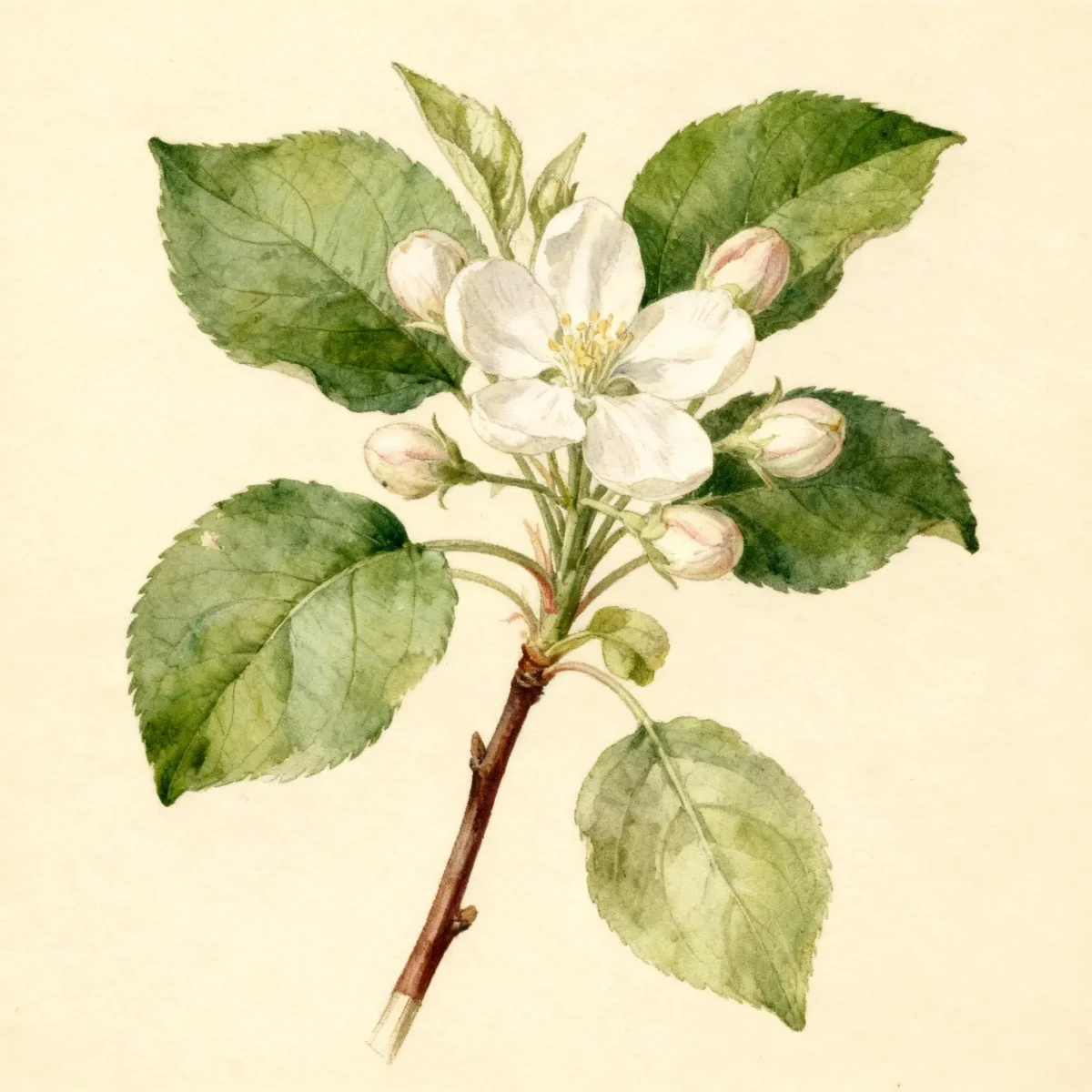
Semi-dwarf apple (Malus 'Jonagold')
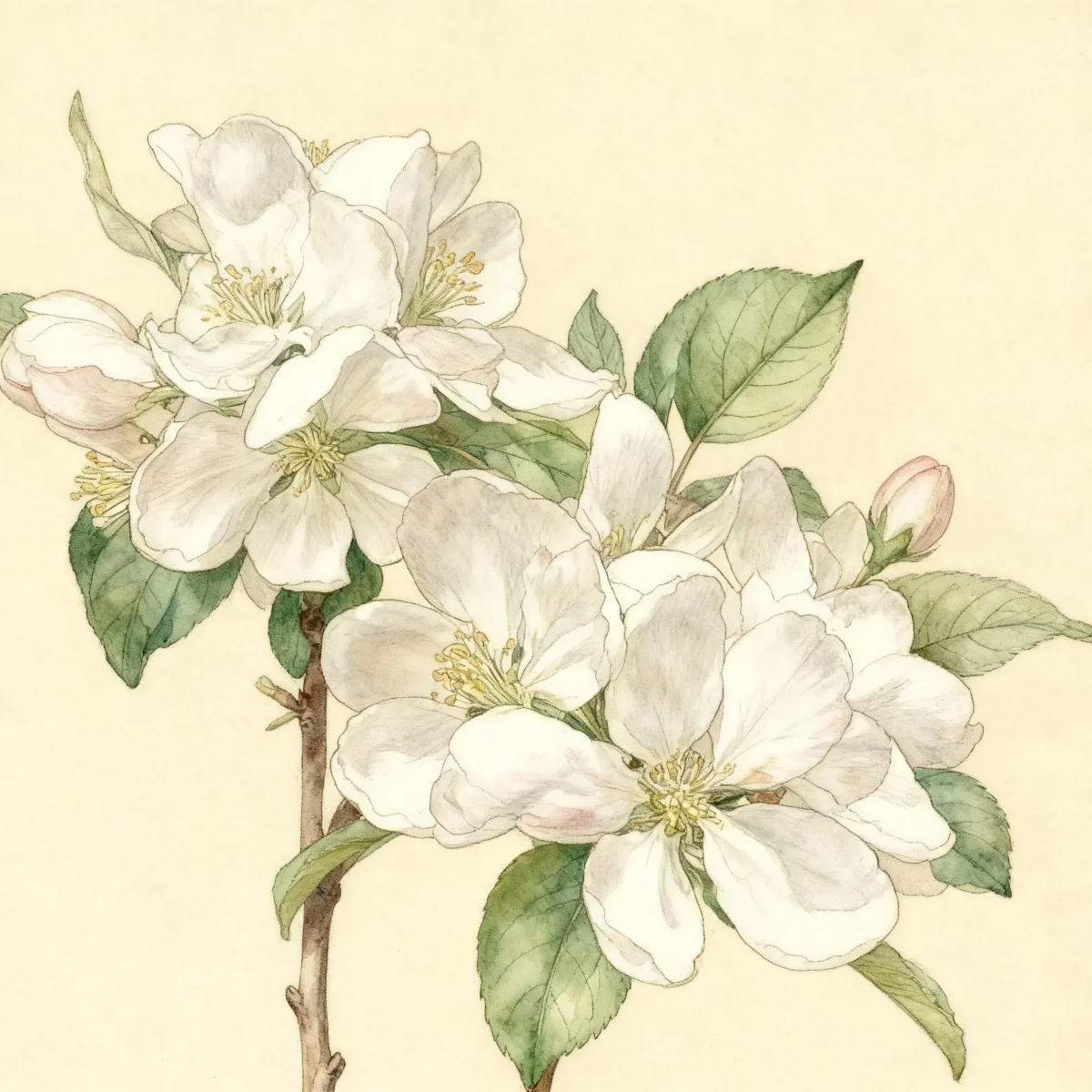
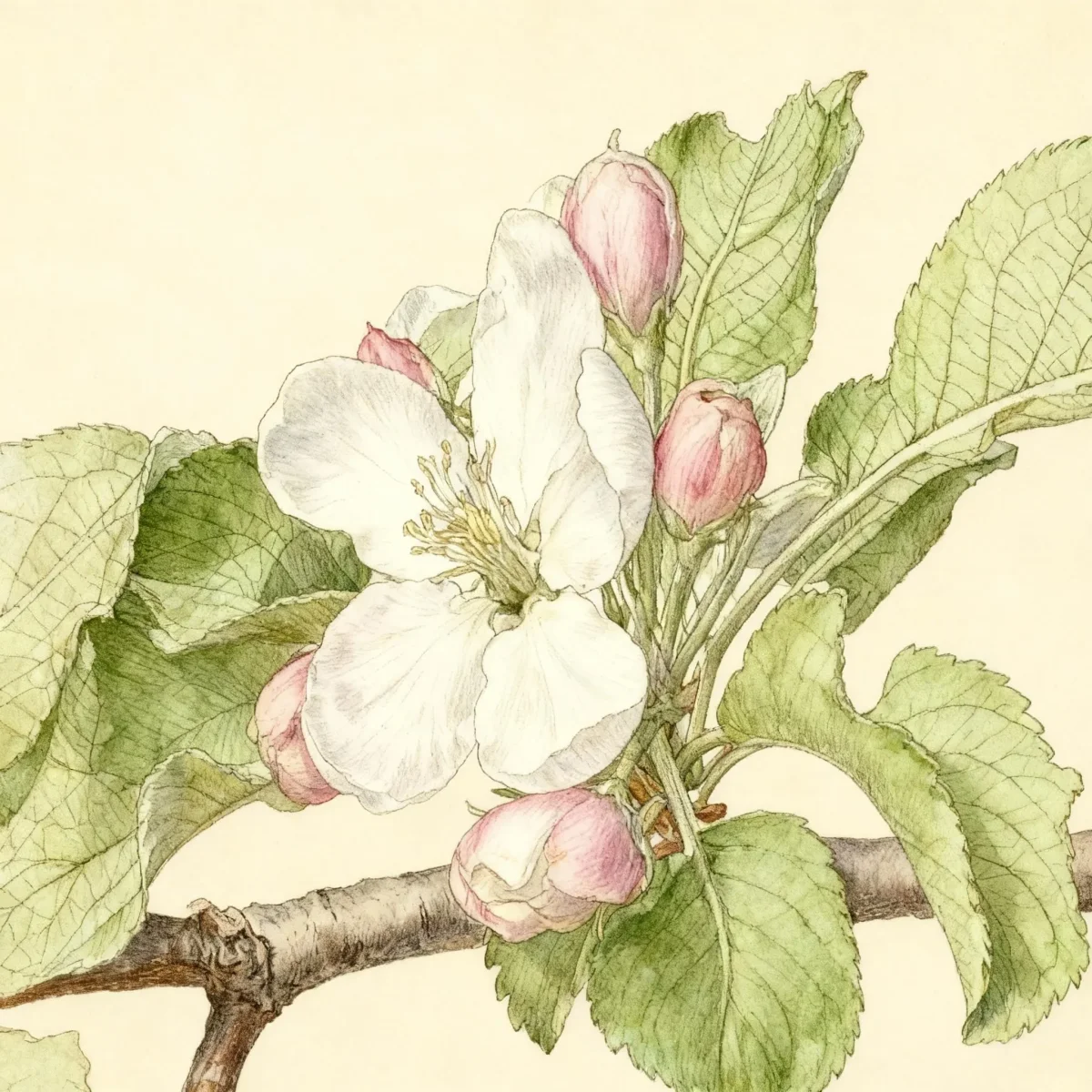
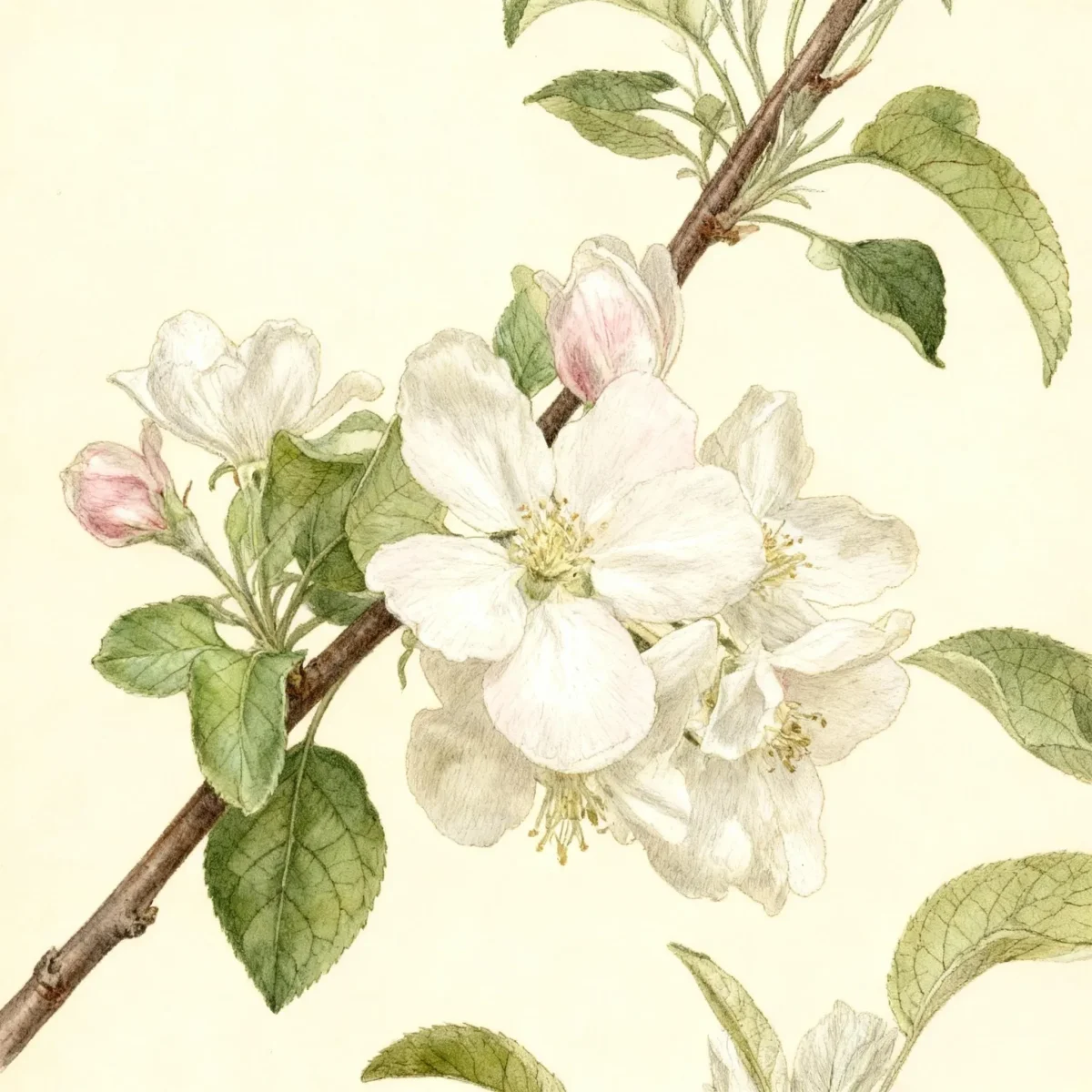
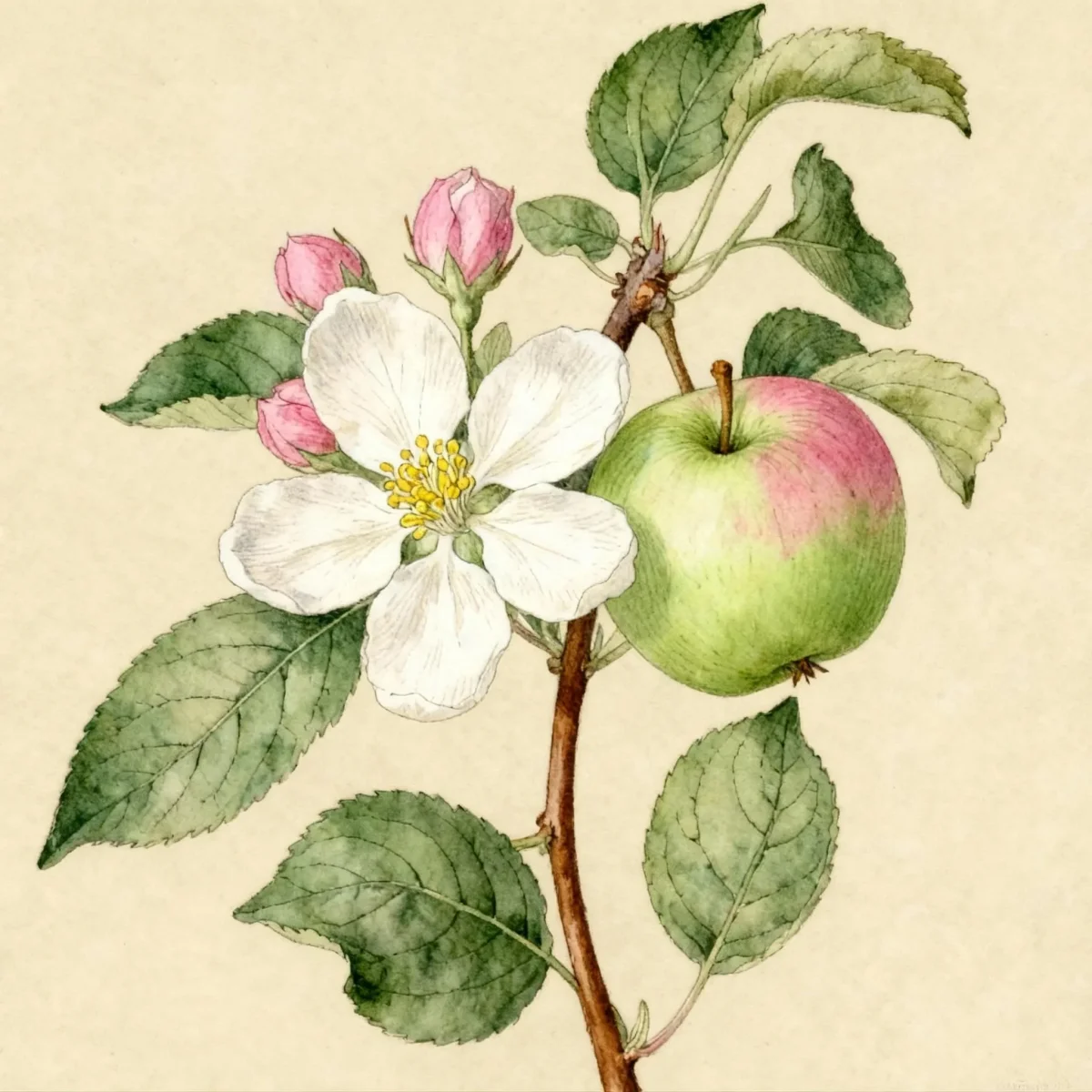
Malus 'Jonagold' is a popular semi-dwarf apple cultivar offering showy white blooms and edible, red-over-yellow fruit.

Bloom Boldly, No Matter the Season - Sweatshirt
Cozy organic cotton sweatshirt featuring our exclusive Purple Coneflower design. Perfect for gardeners who bloom year-round.
Inspired by the beautiful Semi-dwarf apple
Limited first batch (50) — join the waitlist for early access
Waitlist closes Feb 15, 2026.
Complete Plant Information
Field Guide Continues
Ready for care notes, companion picks, and planting tips?
The map is just the start. The full guide below covers growth habits, seasonal performance, and landscape uses.
Overview
The Malus ‘Jonagold’ is a highly valued cultivar, particularly for home growers seeking a manageable size combined with high-quality crops. As a Semi-dwarf apple, it is grafted onto rootstocks that keep the tree conducive to easy spraying, pruning, and harvesting while still producing full-sized fruit. Gardeners prize this apple for its beautiful spring display juxtaposed with its reliably flavorful autumn harvest.
This Semi-dwarf apple thrives when provided with optimal cultural conditions, demanding full sun exposure to maximize both its decorative blossoms and fruit set. While it tolerates average garden soil, success with Malus ‘Jonagold’ hinges on rich, well-drained, slightly acidic conditions, especially given the fertility needs often associated with dwarfing rootstocks.
The dual purpose of this plant—offering ornamental interest through its showy flowers and providing substantial edible yield—makes it a staple in productive landscapes. Ensuring proper pollination by planting alongside other compatible apple varieties is crucial for enjoying the characteristic red-over-yellow ‘Jonagold’ fruit.
Fast Facts
- Plant Family: Rosaceae
- Plant Type: Fruit
- Hardiness Zones: USDA Zones 5-8
- Size at Maturity:
- Height: 12-15 ft
- Spread: 12-15 ft
- Bloom Time: May
- Bloom Description: White
- Sun Exposure: Full sun
- Water Needs: Medium
- Maintenance Level: High
How to Grow
Planting Malus ‘Jonagold’] should occur in early spring or late fall when the tree is dormant. Locate it in a position receiving full sun, which is essential for abundant flower and fruit production. The ideal soil is deep, loamy, moderately fertile, slightly acidic, and critically, well-drained. Avoid heavy clay soils that retain excessive water, as poor drainage is detrimental to apple health.
Water requirements are medium; maintain consistent moisture, especially during the bearing season and initial establishment. Due to the nature of semi-dwarf rootstocks, pay attention to soil fertility, ensuring adequate nutrients are available to support tree vigor and fruit development. Remember that successful fruiting requires planting at least one other compatible apple variety nearby to facilitate cross-pollination.
Maintenance for this cultivar is rated high, primarily due to its susceptibility to common apple diseases. Pruning should be done in winter to establish an open structure, encouraging light penetration and air circulation—both vital for disease management. Good cultural hygiene, including sanitation of fallen leaves, is always necessary.
Landscape Uses
The primary goal when planting Malus ‘Jonagold’ is the production of its classic edible fruit, meaning its ornamental attributes support, but do not dictate, its placement. Nonetheless, its bright white spring blossoms provide significant early-season textural and color contrast in the landscape. Group this Semi-dwarf apple in a sunny area where its structure and seasonal interest can be appreciated before the harvest begins.
Because pollination is mandatory, plan plantings in proximity to other Malus species or cultivars. This necessity guides its placement near orchards or other fruit-bearing trees. Its manageable semi-dwarf size makes it suitable for larger suburban gardens where standard apple trees would overwhelm the space.
The contrast between the spring flowers and the eventual large, red-over-yellow apples offers consistent visual appeal throughout the growing season. While secondary to fruit production, these factors ensure the tree contributes positively to borders or focal points in an edible landscape design.
Standout Features
Flower Qualities
- Showy
- Fragrant
Fruit Qualities
- Showy
- Edible
Noteworthy Characteristics
The genus Malus includes about 35 species of deciduous trees and shrubs hailing from Europe, Asia, and North America. Commercial apple production relies heavily on grafting cultivars like ‘Jonagold’ onto specific rootstocks to control size; these semi-dwarf trees typically reach 12-15 feet tall. This popular cultivar, a cross between ‘Jonathan’ and ‘Golden Delicious’, ripens large, balanced-flavored apples in mid-September in southern zones.
Tolerances
- Air Pollution
Potential Problems
Malus ‘Jonagold’ carries significant susceptibility concerns regarding common orchard diseases. It is very vulnerable to apple scab, cedar apple rust, and fire blight, and also shows susceptibility to powdery mildew. Vigilant monitoring and proactive management are non-negotiable for successful cultivation of this variety.
Insect pests common to apples, including aphids, maggots, codling moth, plum curculio, and spider mites, may also require control. Regardless of the inherent disease resistance rating, maintaining excellent cultural practices—such as proper spacing, pruning for air-flow, and timely sanitation—forms the primary defense strategy. Depending on local pressures, chemical control treatments may be necessary to ensure a high-quality fruit yield.
Frequently Asked Questions
What hardiness zones is Semi-dwarf apple suitable for?
The Malus ‘Jonagold’ is suitable for USDA Hardiness Zones 5 through 8.
How large does Malus ‘Jonagold’ grow?
This Semi-dwarf apple variety typically reaches a mature height and spread between 12 to 15 feet tall and wide.
When does Semi-dwarf apple bloom?
This cultivar produces white blossoms, generally appearing in the month of May.
What sun exposure does Semi-dwarf apple need?
For best performance in flower and fruit production, Malus ‘Jonagold’ requires full sun exposure.
Conclusion
The Malus ‘Jonagold’ offers gardeners the desirable combination of manageable size, attractive spring blossoms, and high-quality edible fruit. Its success is contingent upon providing its needs for full sun and fertile, well-drained soil, complemented by diligent maintenance against common pests and diseases. Carefully assess your site conditions and cross-pollination partners before planting this excellent Semi-dwarf apple.
Companion Planting
Selecting appropriate neighbors is key to managing the high maintenance level associated with apple cultivation. Companion plants should generally share a need for full sun and medium moisture while benefiting from similar soil fertility. Herbs like chives and garlic are often planted near apples, as they may help deter certain surface-dwelling pests, though their efficacy against major threats like codling moth is limited.
Focus on companions that do not aggressively compete for shallow root zone nutrients, which is especially important for semi-dwarf trees focused on fruit production. Avoid planting heavy nitrogen feeders close by unless you are prepared to manage competitive feeding, which could indirectly impact the vigor of your Malus ‘Jonagold’.
Seasonal Care Calendar
Spring is the critical juncture for prevention; apply dormant or delayed-dormant fungicide sprays before bud break to mitigate early-season pressures like apple scab and rust. Summer care focuses on monitoring fruit development, consistent watering during dry spells, and scouting rigorously for insect pests needing targeted treatment to protect the maturing crop.
In autumn, harvest the Malus ‘Jonagold’ fruit when specified—around mid-September in ideal zones—and perform a thorough cleanup of all fallen leaves and debris beneath the canopy. This sanitation step is crucial for interrupting the disease cycles of scab and rust over the winter, preparing the tree for successful spring treatments.