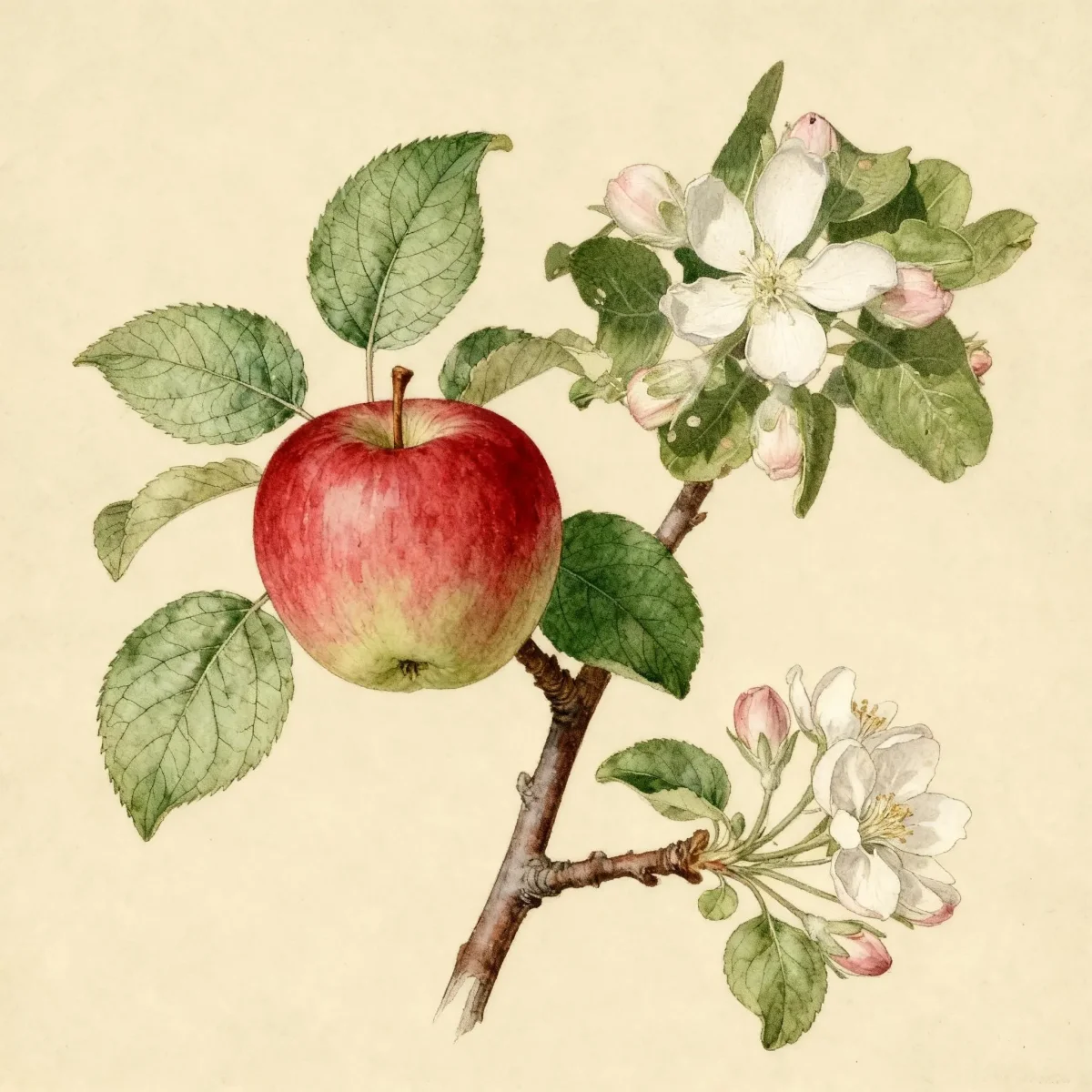
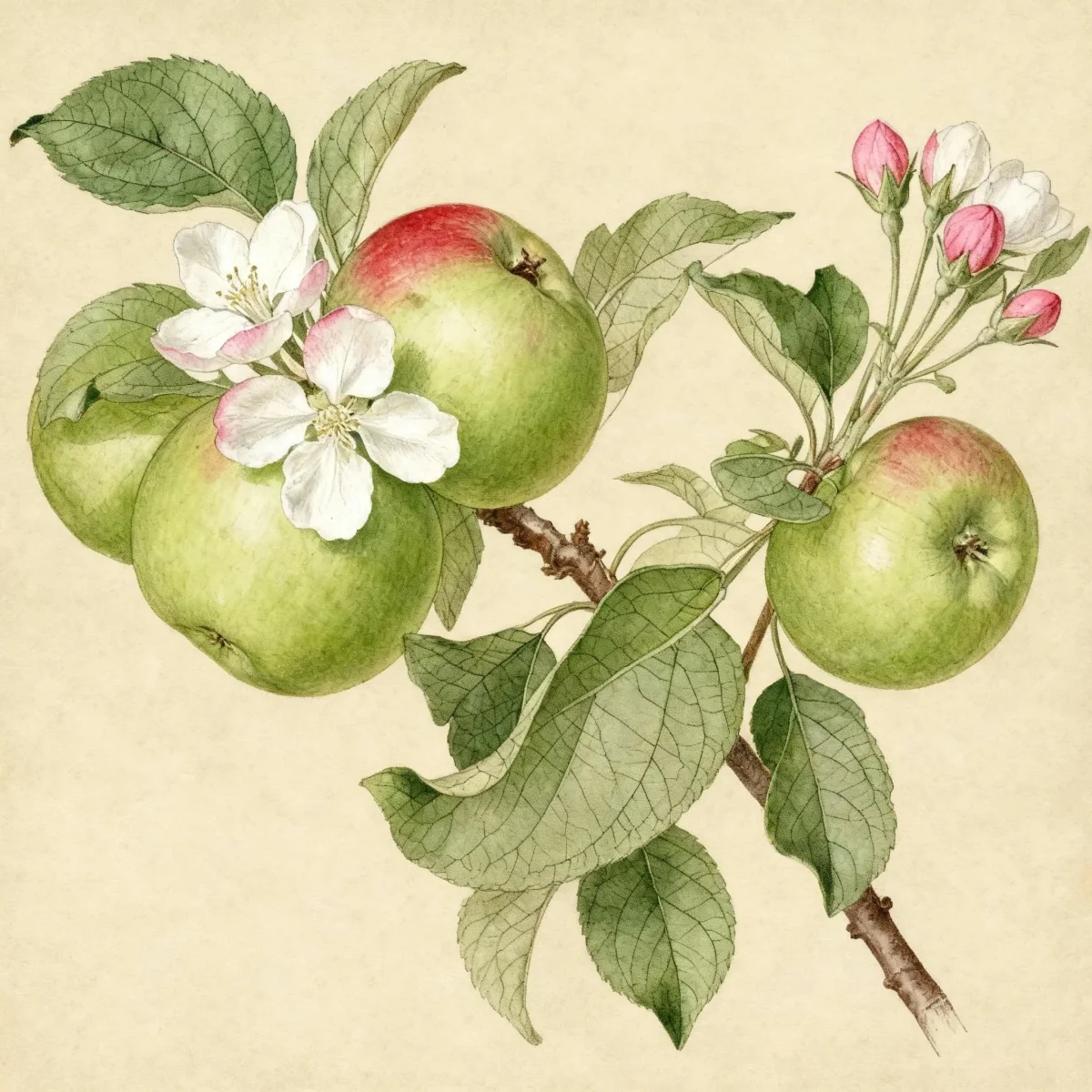
Dwarf apple (Malus 'Liberty')
The Malus 'Liberty' Dwarf apple offers high disease resistance (scab/rust immune), producing edible, red-over-green fruit in USDA Zones 5-8.

Bloom Boldly, No Matter the Season - Sweatshirt
Cozy organic cotton sweatshirt featuring our exclusive Purple Coneflower design. Perfect for gardeners who bloom year-round.
Inspired by the beautiful Dwarf apple
Limited first batch (50) — join the waitlist for early access
Waitlist closes Feb 15, 2026.
Complete Plant Information
Field Guide Continues
Ready for care notes, companion picks, and planting tips?
The map is just the start. The full guide below covers growth habits, seasonal performance, and landscape uses.
Overview
The Malus ‘Liberty’ is a highly valued cultivar, particularly for home gardeners looking for manageable fruit production. This popular cultivar, often grafted onto dwarfing rootstocks, keeps the tree size compact, resulting in a Dwarf apple that is considerably easier to spray, prune, and harvest than standard varieties. Its primary appeal lies not just in its manageable size but also in its excellent disease resistance profile, making high maintenance slightly easier to achieve.
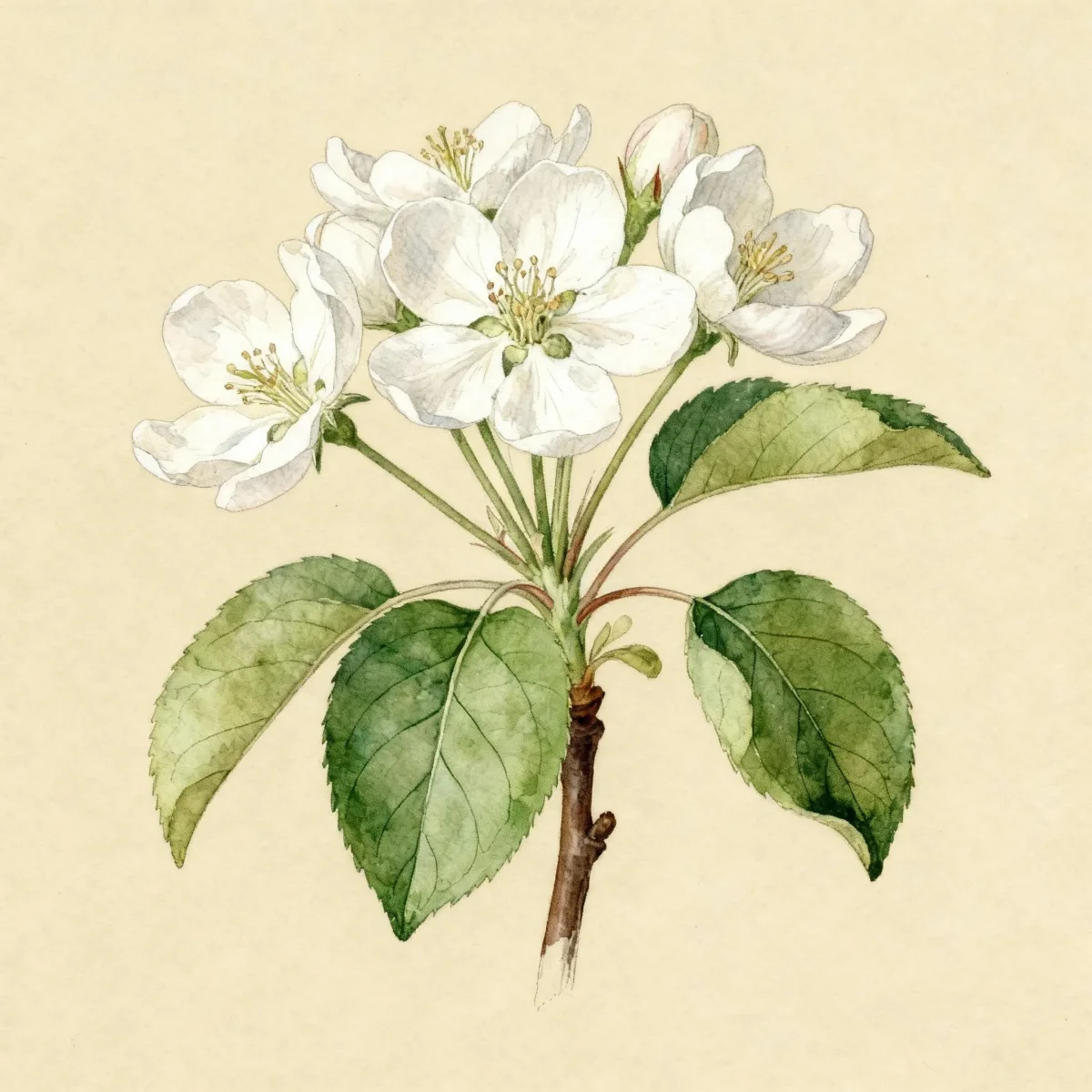
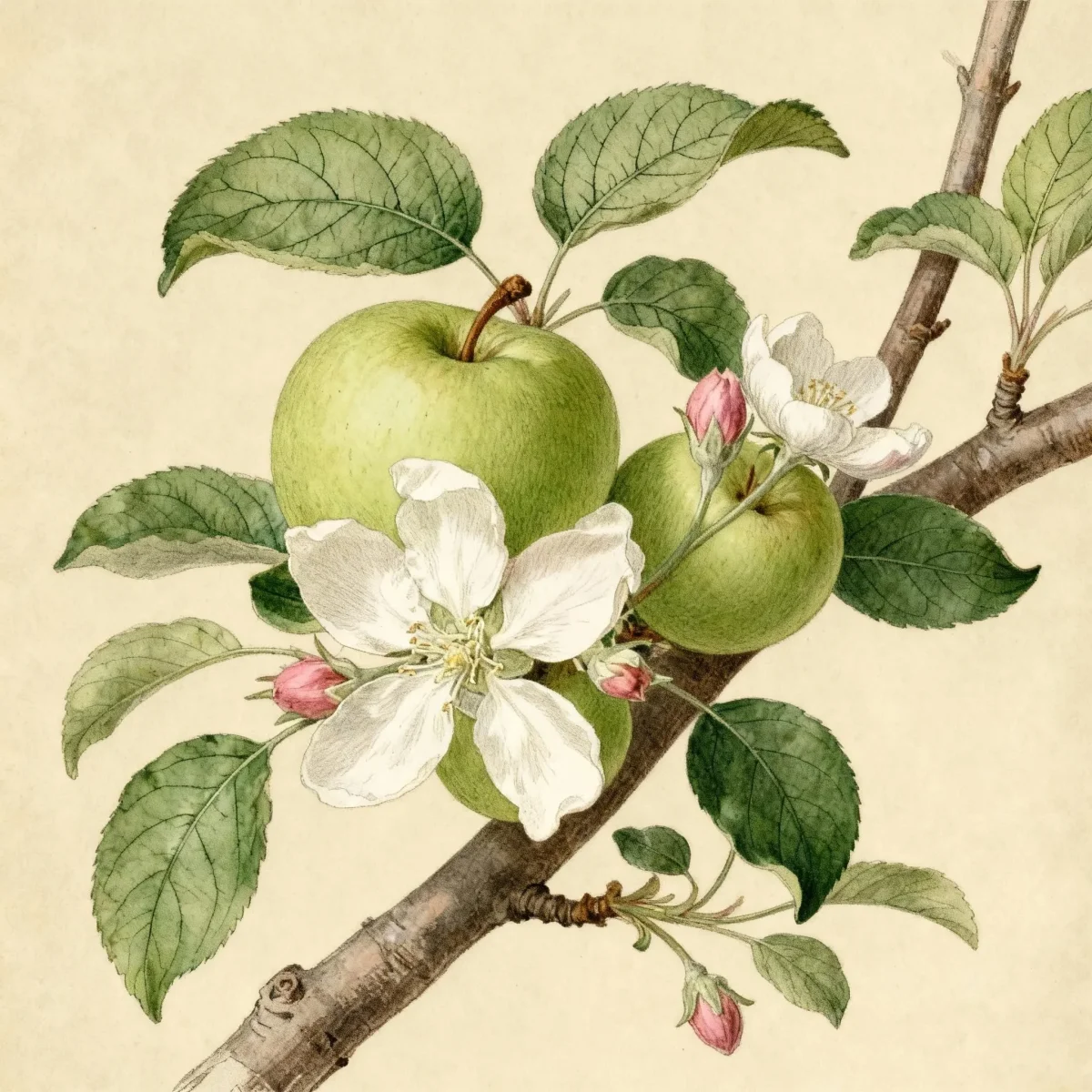
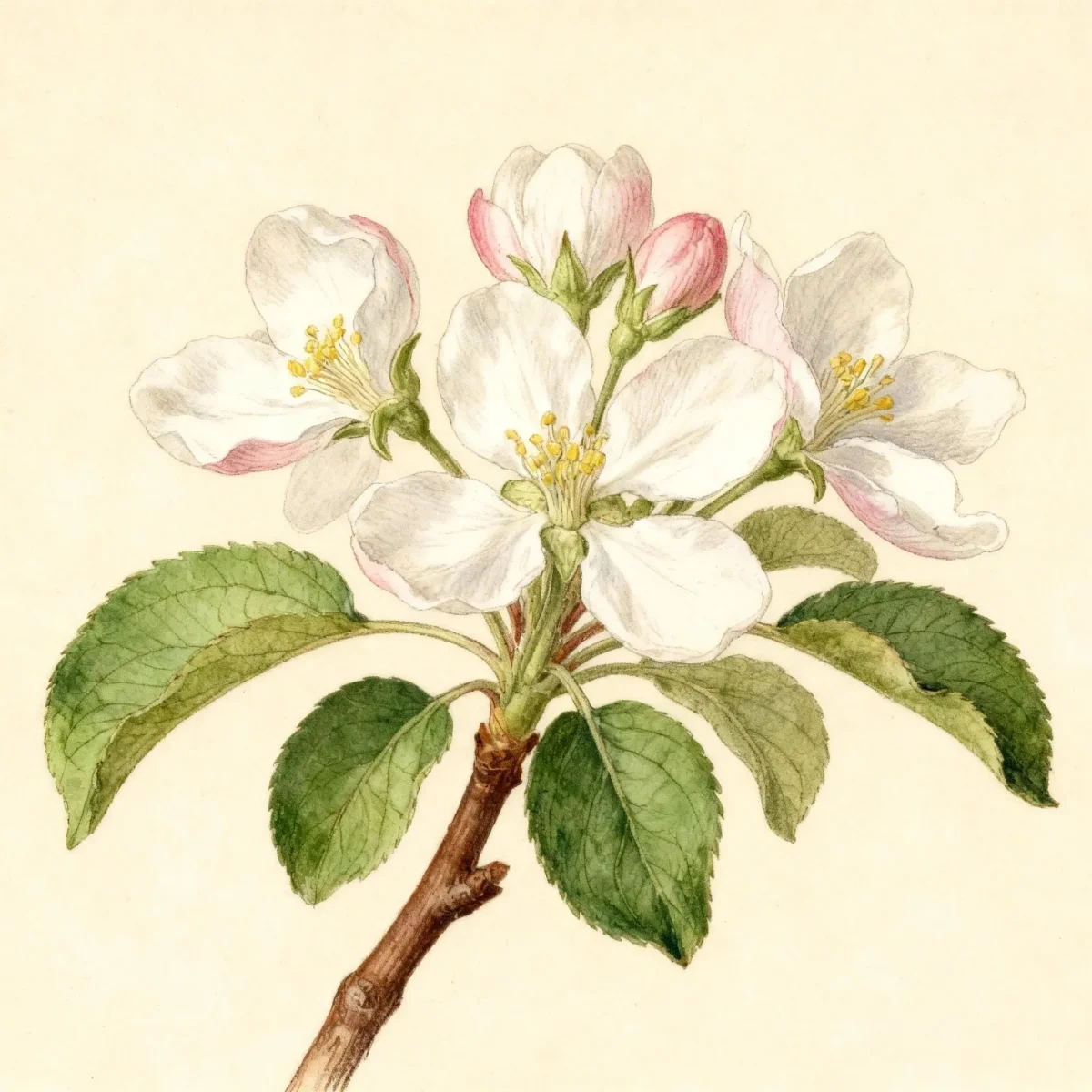
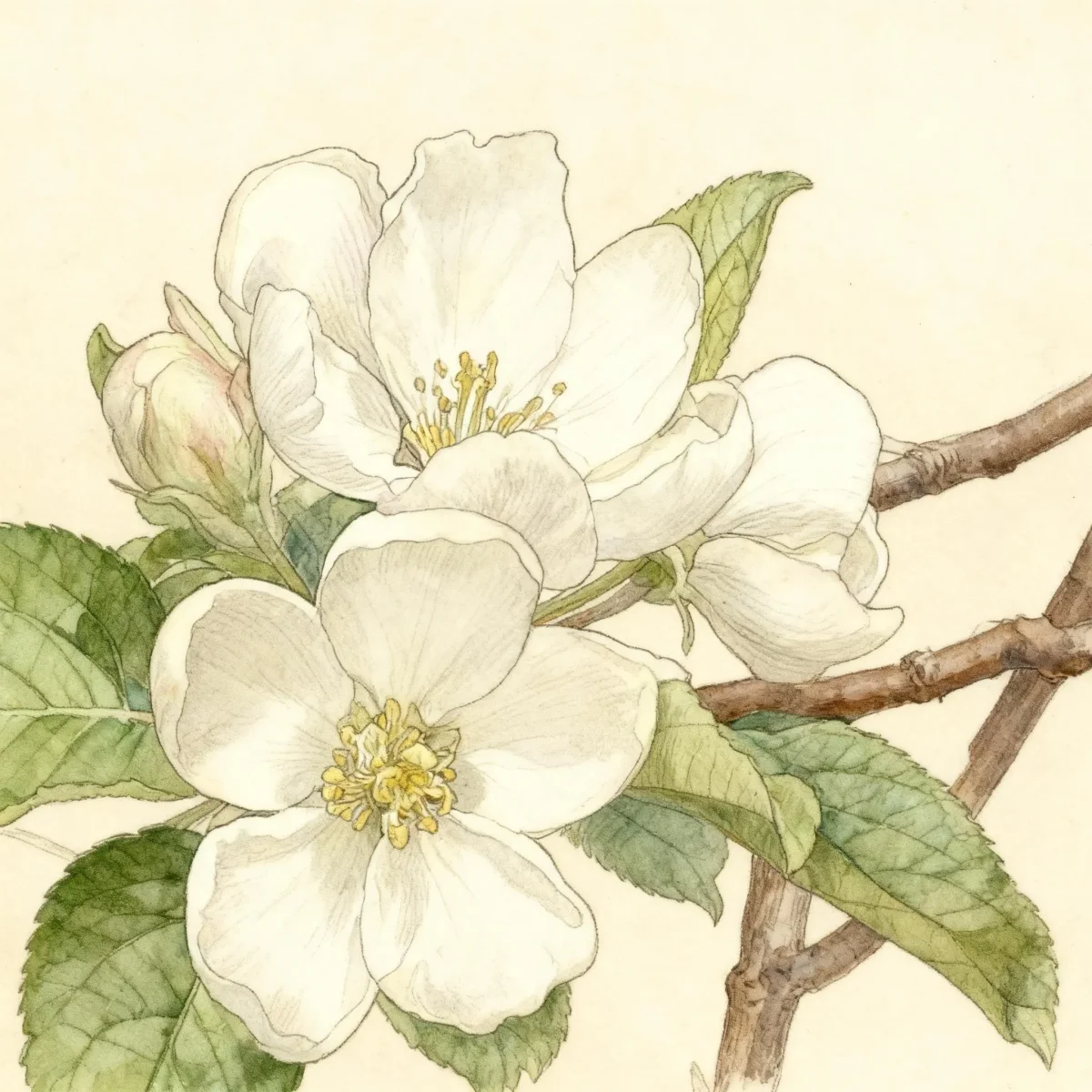
Appearing in May with attractive white blossoms, the ornamental value of Malus ‘Liberty’ is complemented by its useful harvest. By early September, the tree produces small to medium-sized, red-over-green apples resembling the McIntosh type, which are excellent for eating. Successfully growing Malus ‘Liberty’ requires dedication, as its high maintenance needs reflect the investment required for optimal flowering and fruiting.
For successful establishment, ensure this Dwarf apple receives consistent full sun exposure, which is crucial for maximizing flower and fruit yield. Furthermore, remember that apples require cross-pollination; planting more than one variety nearby is necessary to ensure productive yields from your Malus ‘Liberty’.
Fast Facts
- Plant Family: Rosaceae
- Plant Type: Fruit
- Hardiness Zones: USDA Zones 5-8
- Size at Maturity:
- Height: 8-10 ft
- Spread: 8-10 ft
- Bloom Time: May
- Bloom Description: White
- Sun Exposure: Full sun
- Water Needs: Medium
- Maintenance Level: High
How to Grow
Planting Malus ‘Liberty’ should occur in the spring or fall when the tree is dormant, ensuring it’s situated where it receives consistent full sun throughout the day for peak productivity. The ideal growing medium consists of deep, loamy, moderately fertile, slightly acidic soil that retains medium moisture but drains exceptionally well. Avoid heavy clay soils that easily waterlog, as poor drainage is detrimental to apple tree health, especially on dwarfing rootstocks which often need high soil fertility.
Watering should be maintained at a medium level, aiming for consistent soil moisture without saturation. Fertilization should be tailored to the rootstock used; the more dwarfing the rootstock, the greater the relative need for consistent soil fertility to support fruit production. Pruning is a critical, high-maintenance task for this cultivar, necessary to open the canopy, encourage air circulation (aiding disease prevention), and shape the tree for easier harvest.
Seasonal attention is vital. In early spring, focus on dormant pruning before buds swell. After bloom, monitor closely for potential insect pests. While Malus ‘Liberty’ shows excellent disease resistance, maintaining good horticultural practice year-round is the best preventative measure against opportunistic fungal issues or insect infestations that might require chemical intervention. Crucially, remember that successful fruit production depends on ensuring cross-pollination by having another apple variety planted nearby.
Landscape Uses
While Malus ‘Liberty’ is primarily valued for its edible harvest, its spring performance as a Flowering Tree is significant. The showy, fragrant white blossoms create a delightful early-season display that attracts early pollinators. Group this Dwarf apple in a prominent, fully sunny location where its seasonal progression—from bloom to colorful fall fruit—can be appreciated.
Because the tree is successfully kept to a height of 8 to 10 feet via grafting, it integrates well into mixed shrub borders or orchards designed for small spaces. Pair these trees with early-blooming spring bulbs beneath them, and consider planting later-blooming ornamental trees nearby to extend the season of interest in that same sunny location. The focus for this cultivar should always remain on its fruit production, making it an excellent functional centerpiece in a productive edible landscape setting.
Standout Features
Flower Qualities
- Showy
- Fragrant
Fruit Qualities
- Showy
- Edible
Noteworthy Characteristics
The genus Malus encompasses numerous deciduous trees and shrubs, with many commercial eating apples arising from complex hybrids. Commercial apple cultivars like Malus ‘Liberty’ are invariably grafted onto rootstocks to control ultimate size; dwarf trees (8-10’ tall) are easier for homeowners to manage compared to standard types. This specific cultivar is prized because it significantly limits common orchard issues, boasting practical immunity to cedar apple rust and high resistance to apple scab, making fruit management more straightforward.
Tolerances
- Air Pollution
Potential Problems
The management of Malus ‘Liberty’ benefits greatly from its excellent genetic resistance; it is virtually immune to cedar apple rust and highly resistant to apple scab, fire blight, and powdery mildew. Despite this superior defense, watchful gardening is still required. Potential insect concerns center around common orchard pests such as aphids, maggots, plum curculio, and spider mites, along with the damaging codling moth.
Prevention is key to managing these pests. Good cultural practices—including proper pruning for airflow, timely sanitation to remove fallen infected debris, and consistent monitoring—must be maintained. If pest thresholds are met, targeted chemical spraying may become a necessary component of the “High” maintenance level associated with growing this fruit tree successfully.
Frequently Asked Questions
What hardiness zones is Dwarf apple suitable for?
Malus ‘Liberty’ performs reliably in USDA Hardiness Zones 5 through 8. Always confirm your local zone before planting to ensure survival through winter extremes.
How large does Dwarf apple grow?
When grown on appropriate dwarfing rootstock, the plant reaches a manageable height between 8 and 10 feet, with an equal spread of 8 to 10 feet.
What sun exposure does Dwarf apple need?
The Malus ‘Liberty’ requires full sun exposure to achieve its best flower and most abundant fruit production. Shade will significantly reduce yield quality and quantity.
When does Dwarf apple bloom?
This variety typically blooms in May, featuring showy, fragrant white blossoms.
Conclusion
The Dwarf apple, specifically the Malus ‘Liberty’ cultivar, presents a superb solution for gardeners seeking the benefits of apple production without the massive space requirement of standard trees. Its combination of manageable size, beautiful spring flowers, and highly disease-resistant, edible fruit makes it a highly recommended choice. Before placing your order, ensure you check your local hardiness zone compatibility (Zones 5-8) and plan for the necessary pollinator partner to guarantee a successful harvest.
Companion Planting
Selecting appropriate neighbors is crucial for managing the high maintenance needs of Malus ‘Liberty’. Focus on companions that thrive in full sun and prefer similar soil pH (slightly acidic, well-drained loam). Consider planting low-growing, light-feeding herbs like chives or chamomile around the drip line; these can serve as natural indicators for soil disturbance or pests, and their presence tends to discourage certain damaging insects without competing heavily for nutrients.
Avoid planting vegetables that require intensive fertilization or heavy watering directly beneath the tree, as this can disrupt the necessary soil fertility balance required by the dwarfing rootstock of the Dwarf apple. Furthermore, ensure any nearby flowering plants do not heavily compete with the apple tree during its critical bloom time in May, to maximize the chances of successful pollination.
Seasonal Care Calendar
Spring preparation involves pruning the dormant Malus ‘Liberty’ carefully, focusing on removing crossing branches to improve interior light penetration, which aids in scab and mildew prevention. As the tree begins to leaf out, begin monitoring closely for early insect activity like aphids and apply dormant oil if necessary, following label instructions precisely.
Summer requires consistent attention to the medium water needs, especially during fruit development; irregular watering can cause fruit splitting. This is also the peak time for pest management against codling moths and plum curculio. By late summer, cease high-nitrogen fertilization to encourage hardening off before winter arrives.
In the fall, clean up all fallen fruit immediately to break the disease and pest cycles for the following year; this sanitation step is vital groundwork for easy management next season. Protect the lower trunk of the Dwarf apple from winter sunscald or rodent damage as temperatures drop, reinforcing the importance of good cultural practice for this high-value tree.