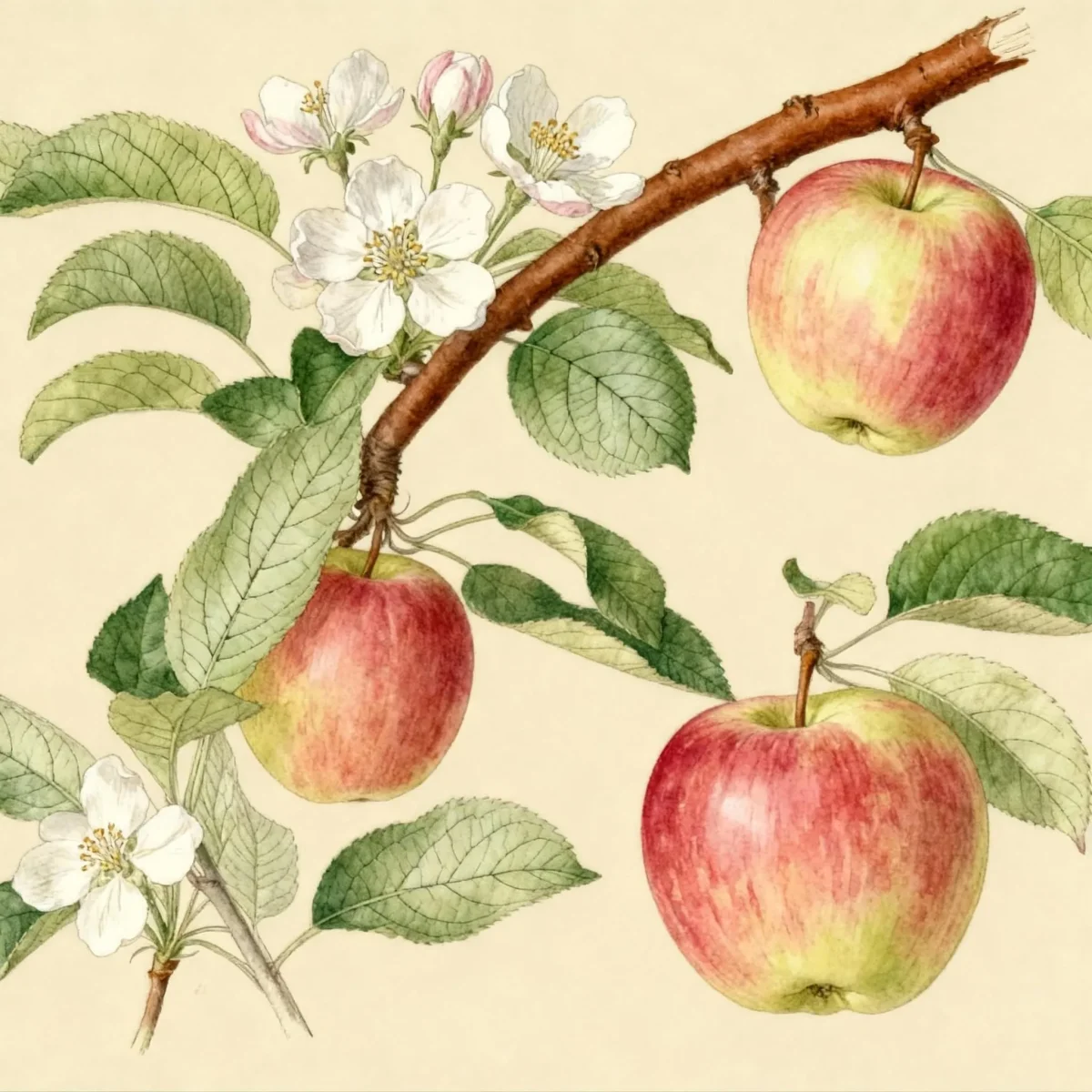
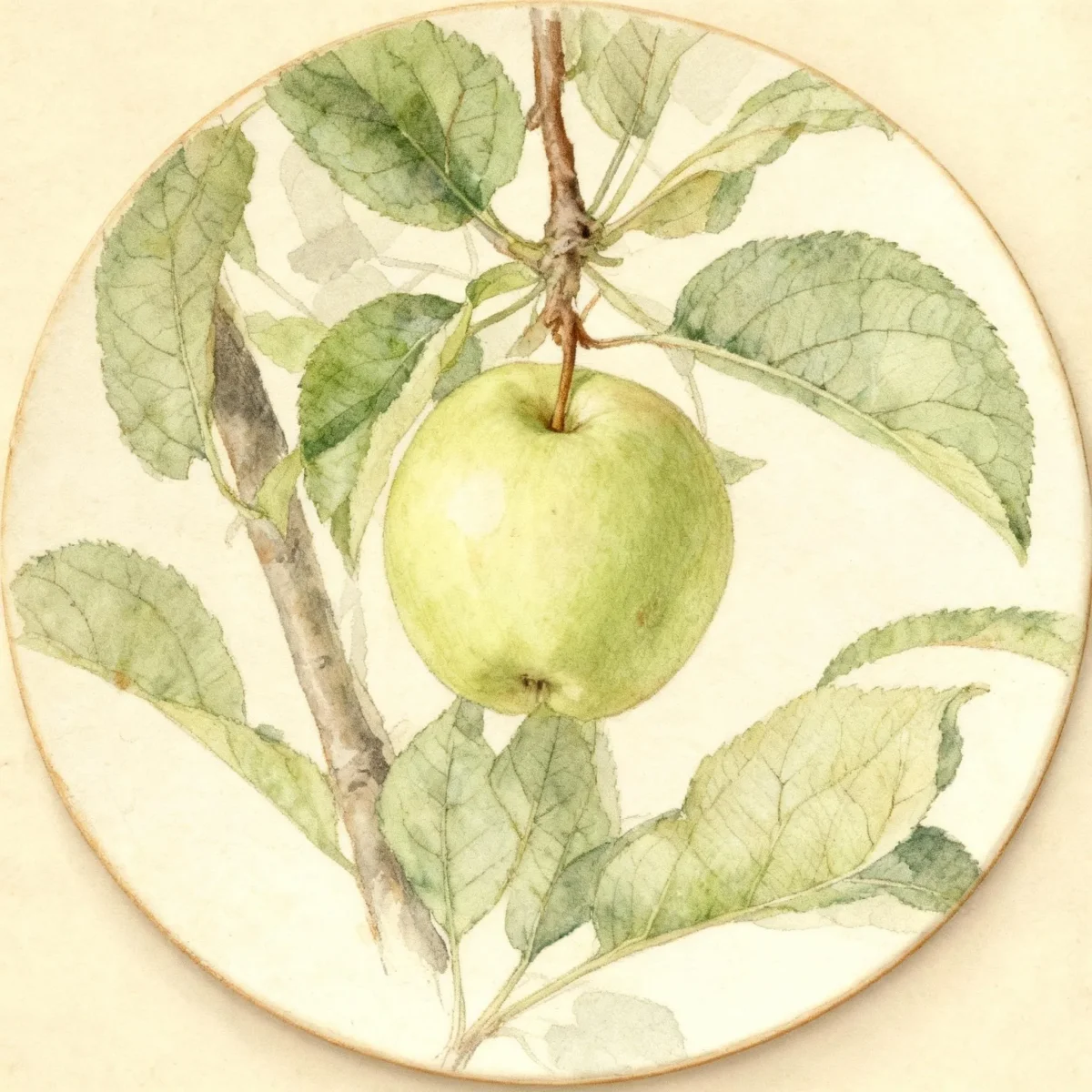
Standard apple (Malus 'Mullins' STARK GOLDEN DELICIOUS)
Grow the Standard apple, Malus 'Mullins' STARK GOLDEN DELICIOUS, for edible fruit and showy spring blossoms. Requires high maintenance.

Bloom Boldly, No Matter the Season - Sweatshirt
Cozy organic cotton sweatshirt featuring our exclusive Purple Coneflower design. Perfect for gardeners who bloom year-round.
Inspired by the beautiful Standard apple
Limited first batch (50) — join the waitlist for early access
Waitlist closes Feb 15, 2026.
Complete Plant Information
Field Guide Continues
Ready for care notes, companion picks, and planting tips?
The map is just the start. The full guide below covers growth habits, seasonal performance, and landscape uses.
Overview
The Standard apple, formally known as Malus ‘Mullins’ STARK GOLDEN DELICIOUS, is a classic deciduous tree valued both for its aesthetic spring display and its substantial summer harvest. As a standard-sized tree, it offers a mature, impressive presence in the landscape, producing large, sweet, golden yellow apples that ripen typically around mid-September. Gardeners choosing this cultivar must be prepared for higher maintenance requirements associated with fruit production and disease management typical of many apple varieties.
This cultivar thrives best when situated in a location that guarantees full sun exposure, which is crucial for maximizing both its ornamental blossoms and the yield of quality fruit. While it is a robust species within the Malus genus, achieving success with Malus ‘Mullins’ STARK GOLDEN DELICIOUS requires attention to pollination partners and diligent pest control. Its mature height and spread place it firmly in the category of large landscape trees.
The value of planting a standard Malus ‘Mullins’ STARK GOLDEN DELICIOUS lies in securing reliable, high-quality fruit production on a tree that also offers beautiful white spring flowers. Planning pollination is essential; always ensure another compatible apple variety is planted nearby to facilitate necessary cross-pollination for fruit set.
Fast Facts
- Plant Family: Rosaceae
- Plant Type: Fruit
- Hardiness Zones: USDA Zones 5-8
- Size at Maturity:
- Height: 18-25 ft
- Spread: 18-25 ft
- Bloom Time: April
- Bloom Description: White
- Sun Exposure: Full sun
- Water Needs: Medium
- Maintenance Level: High
How to Grow
Planting Malus ‘Mullins’ STARK GOLDEN DELICIOUS is best accomplished in spring or fall when the weather is mild. Ensure the site receives full sun for optimal performance; this is non-negotiable for good flower and fruit development. The ideal soil structure is deep, loamy, moderately fertile, and slightly acidic, with excellent drainage. Avoid heavy clay soils that become waterlogged, as root health is paramount for this Standard apple.
Water needs are medium, requiring consistent moisture, particularly during establishment and fruit development periods. Given its high maintenance needs, regular scouting for pests and diseases is crucial. Pruning should focus on establishing a strong scaffold structure early, followed by maintenance pruning to ensure good air circulation within the canopy, which helps mitigate common fungal issues.
Because apple cultivars sold commercially are grafted onto rootstocks, soil fertility directly impacts the tree’s vigor, especially when grown on dwarfing types—though this specific listing refers to a standard rootstock. For maximum fruit production, remember that Malus ‘Mullins’ STARK GOLDEN DELICIOUS requires cross-pollination; plant it near another compatible apple variety. Good cultural care lessens the need for intensive chemical treatments later in the season.
Landscape Uses
The Malus ‘Mullins’ STARK GOLDEN DELICIOUS serves a dual purpose in the landscape, functioning as both a Flowering Tree and a producer of edible fruit. Its white blossoms provide significant early spring interest before the foliage emerges fully. Later in the season, the contrasting golden fruit adds color and serves as a natural source for fall harvest.
This tree should be thoughtfully placed where its mature size (18-25 ft) is accommodated, ideally in a sunny border or as a specimen where its structure can be appreciated. Since its primary focus is fruit production, group the Standard apple with other fruit-bearing ornamentals or flowering trees that share similar cultural needs, ensuring excellent cross-pollination opportunities for all neighboring fruit trees.
Standout Features
Flower Qualities
- Showy
- Fragrant
Fruit Qualities
- Showy
- Edible
Noteworthy Characteristics
Malus is a genus comprising approximately 35 species of deciduous trees native to Europe, Asia, and North America, including the edible apples we know today. Edible apple qualities rely heavily on grafting onto supportive rootstocks, which control eventual tree size, distinguishing standards like this one (18-25’+) from smaller forms. The STARK GOLDEN DELICIOUS cultivar specifically offers white blossoms in spring, leading to large, sweet, golden yellow apples maturing mid-September in USDA Zone 5 climates.
Tolerances
- Air Pollution
Potential Problems
The STARK GOLDEN DELICIOUS apple cultivar faces several common horticultural challenges requiring proactive management. It is notably susceptible to diseases like apple scab, fire blight, and powdery mildew, and displays particular vulnerability to cedar apple rust. Potential insect pests commonly include aphids, maggots, codling moth, plum curculio, and spider mites.
Mitigating these issues relies heavily on good cultural practices, such as selecting an appropriate site, ensuring proper pruning for air circulation, and cleaning up fallen debris promptly. Depending on disease pressure in your region, some forms of chemical treatment or targeted spraying may become necessary to maintain tree health and fruit quality throughout the growing season for your Standard apple.
Frequently Asked Questions
What hardiness zones is Standard apple (Malus ‘Mullins’ STARK GOLDEN DELICIOUS) suitable for?
The Malus ‘Mullins’ STARK GOLDEN DELICIOUS is suitable for USDA Hardiness Zones 5 through 8.
How large does Standard apple (Malus ‘Mullins’ STARK GOLDEN DELICIOUS) grow?
This standard tree typically reaches a mature height between 18 and 25 feet, with a corresponding spread of 18 to 25 feet.
What sun exposure does Malus ‘Mullins’ STARK GOLDEN DELICIOUS need?
This tree requires full sun exposure to ensure maximum flower and fruit production.
When does Standard apple bloom?
The Standard apple blooms in April, featuring attractive white blossoms.
Conclusion
The Malus ‘Mullins’ STARK GOLDEN DELICIOUS remains a rewarding choice for gardeners seeking both springtime beauty and substantial edible yield from a mature tree structure. While its high maintenance level demands attention to disease prevention and pollination needs, the quality of the fruit justifies the effort for dedicated growers. Before planting, confirm that your climate falls within USDA Zones 5-8 and ensure you have adequate space and a proper pollination partner for your new Standard apple.
Companion Planting
When planning the area around your Malus ‘Mullins’ STARK GOLDEN DELICIOUS, focus on plants that thrive in full sun and similar soil pH conditions. Consider planting early spring flowering bulbs like daffodils or tulips beneath the canopy; their foliage will often have died back before the apple tree fully leafs out, minimizing competition while providing early color. Strawberries or low-growing herbs like thyme make suitable ground covers that do not aggressively compete for the upper root zone nutrients needed by the Standard apple.
It is also beneficial to plant complementary fruit trees nearby to ensure excellent cross-pollination success. Any other mid-to-late-season apple variety that blooms near April will suffice, enhancing the yield of your Malus ‘Mullins’ STARK GOLDEN DELICIOUS. Avoid planting aggressive weeds or shallow-rooted shrubs directly adjacent to the base, as the tree prefers deep, unencumbered root competition.
Beneficial Pruning Practices
Pruning is a critical component of maintaining a high-quality Standard apple tree. The primary goal, especially for younger trees, is to establish strong, well-spaced scaffold branches that can support the weight of the future crop. Begin pruning in late winter or early spring while the tree is dormant, focusing on removing any crossing, dead, or diseased wood immediately.
As the Malus ‘Mullins’ STARK GOLDEN DELICIOUS matures, maintenance pruning should aim to thin the interior canopy. This thinning is vital for increasing light penetration and air circulation, which are the best natural defenses against common fungal issues like apple scab and powdery mildew. Ensure cuts direct new growth outwards rather than inwards toward the center of the tree.
For fruit spur management, summer pruning can be employed lightly to slow excessive vegetative growth, which can sometimes happen due to the high fertility needs of the rootstock. Always use clean, sterilized tools to prevent the transmission of pathogens like fire blight between branches or trees.