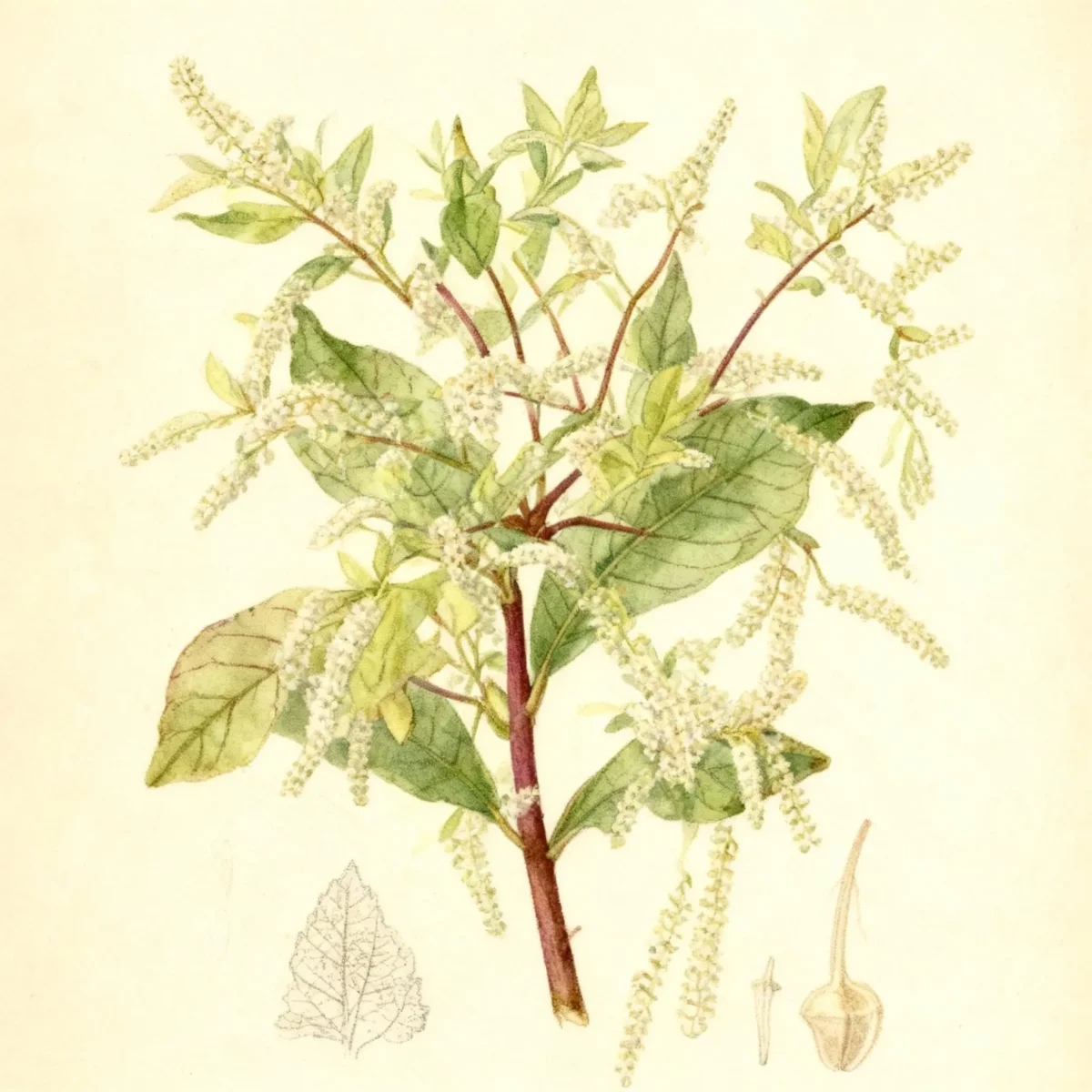
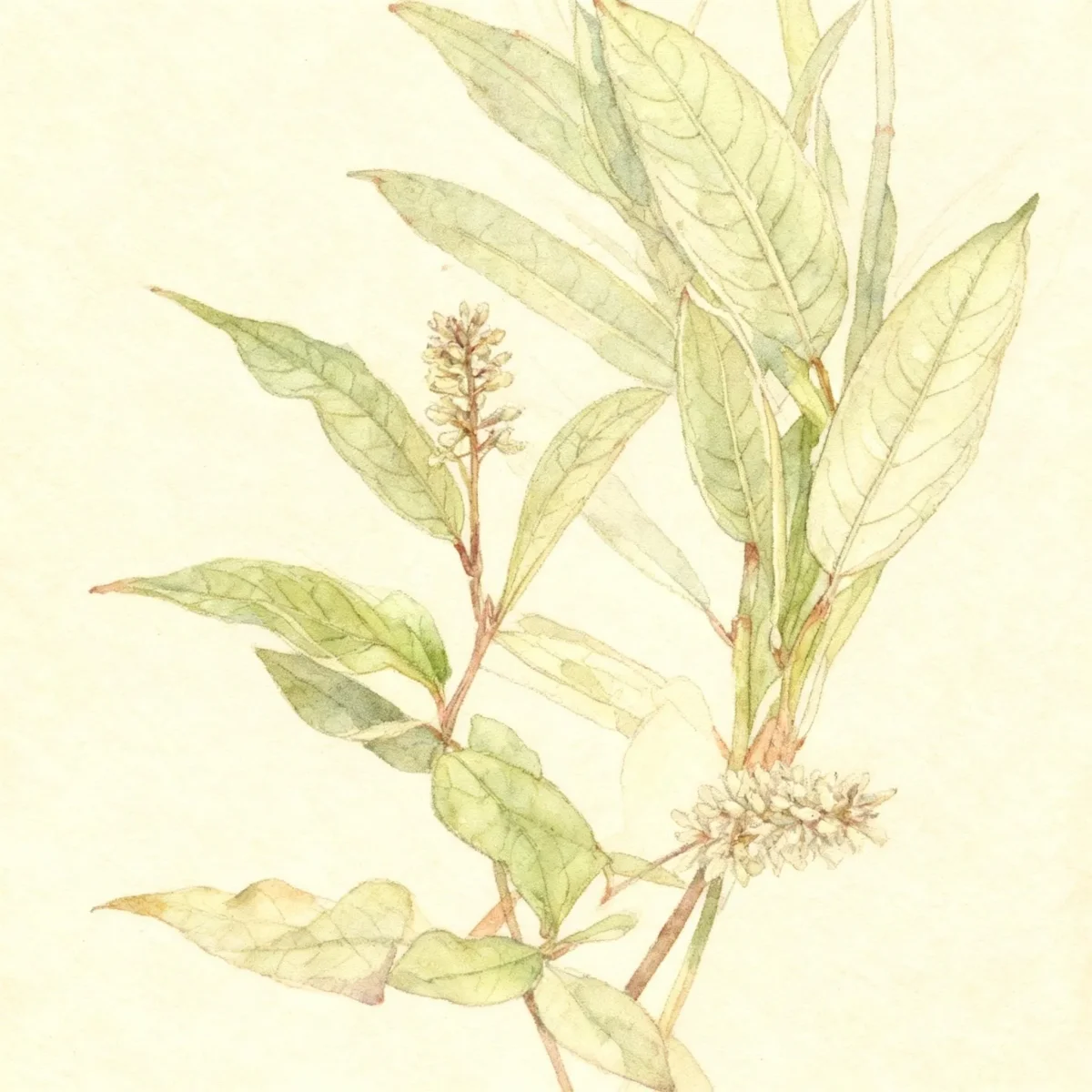
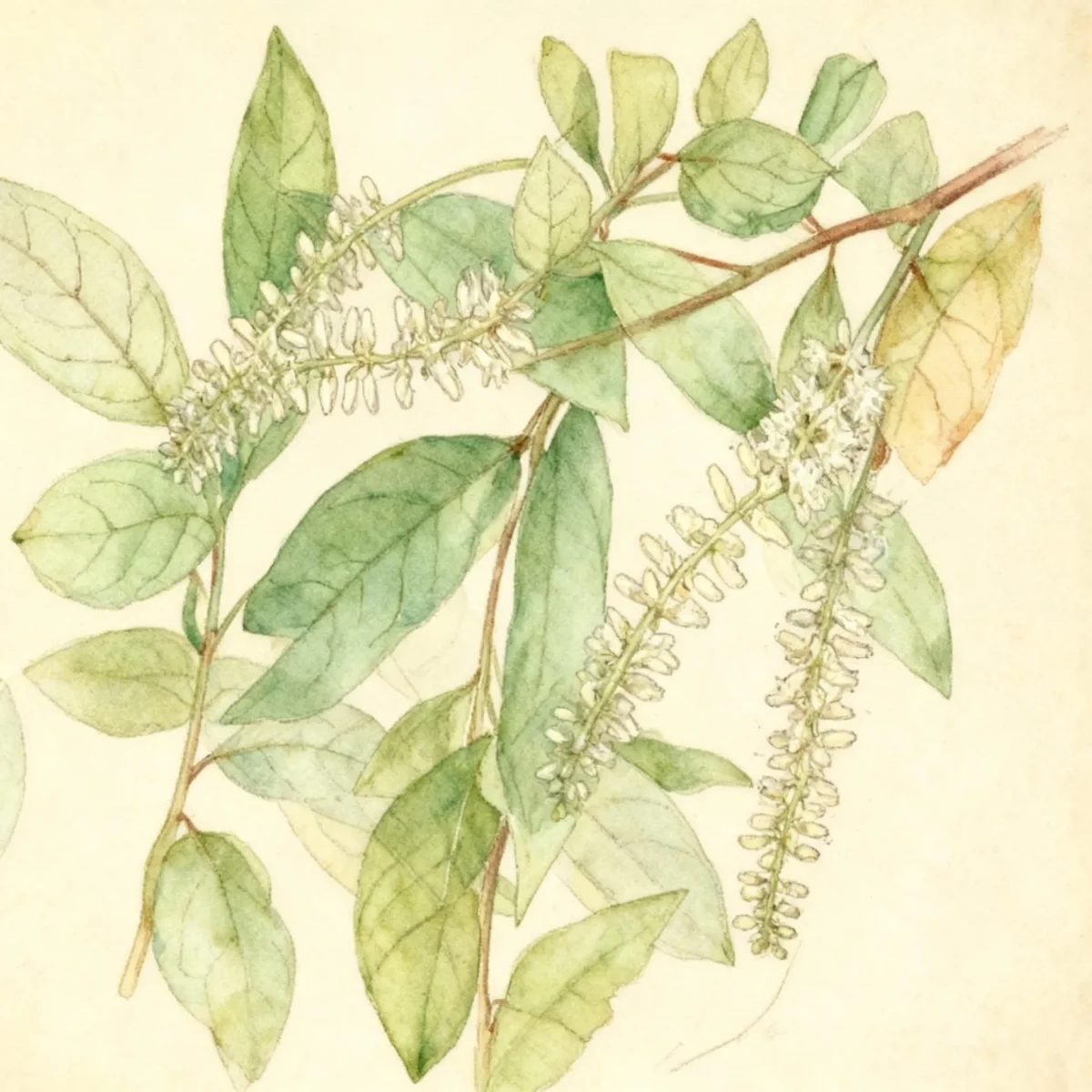
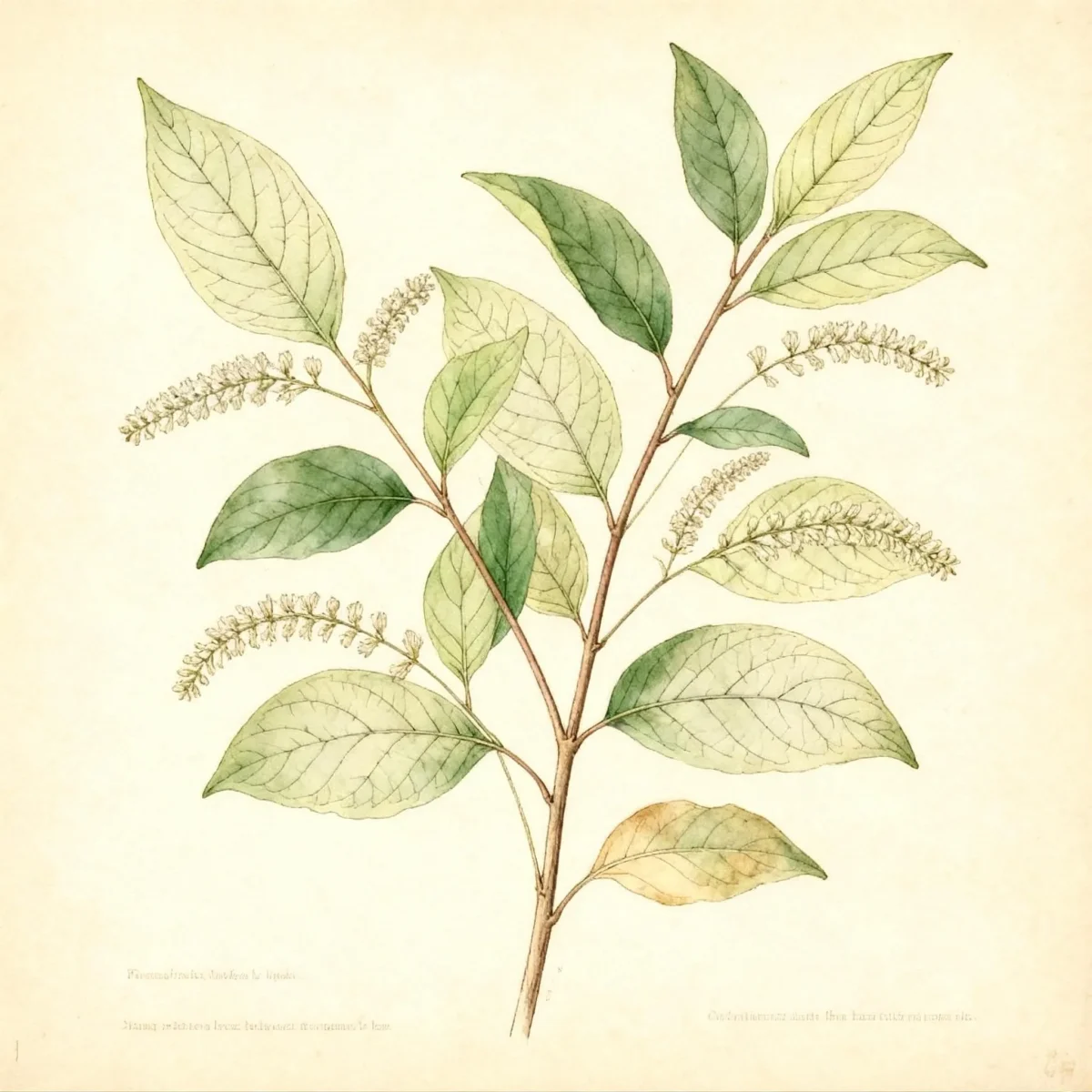
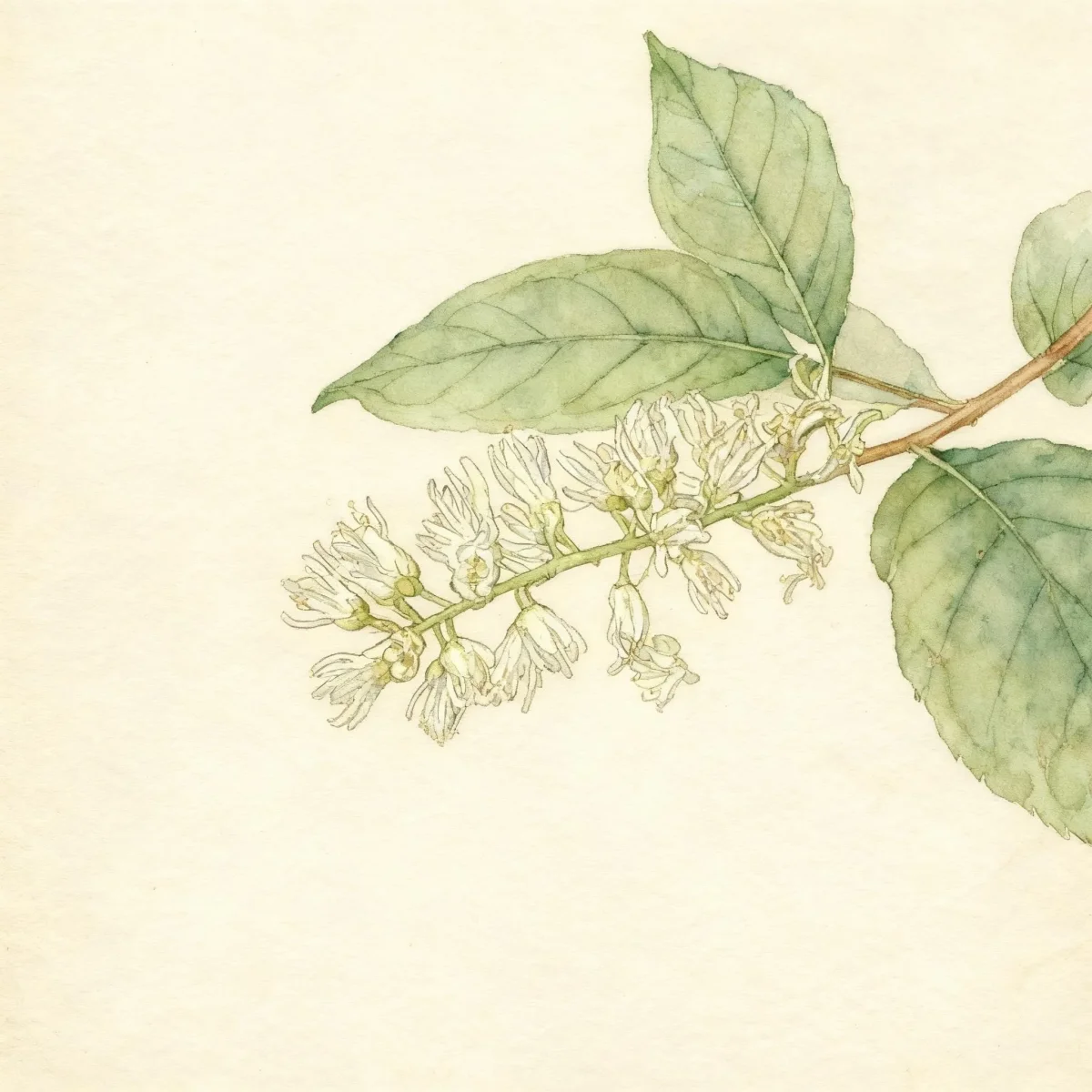
Virginia sweetspire (Itea virginica 'Sprich' LITTLE HENRY)
Itea virginica 'Sprich' LITTLE HENRY is a dwarf Virginia sweetspire, offering fragrant white blooms, excellent fall color, and low maintenance for wet sites.

Bloom Boldly, No Matter the Season - Sweatshirt
Cozy organic cotton sweatshirt featuring our exclusive Purple Coneflower design. Perfect for gardeners who bloom year-round.
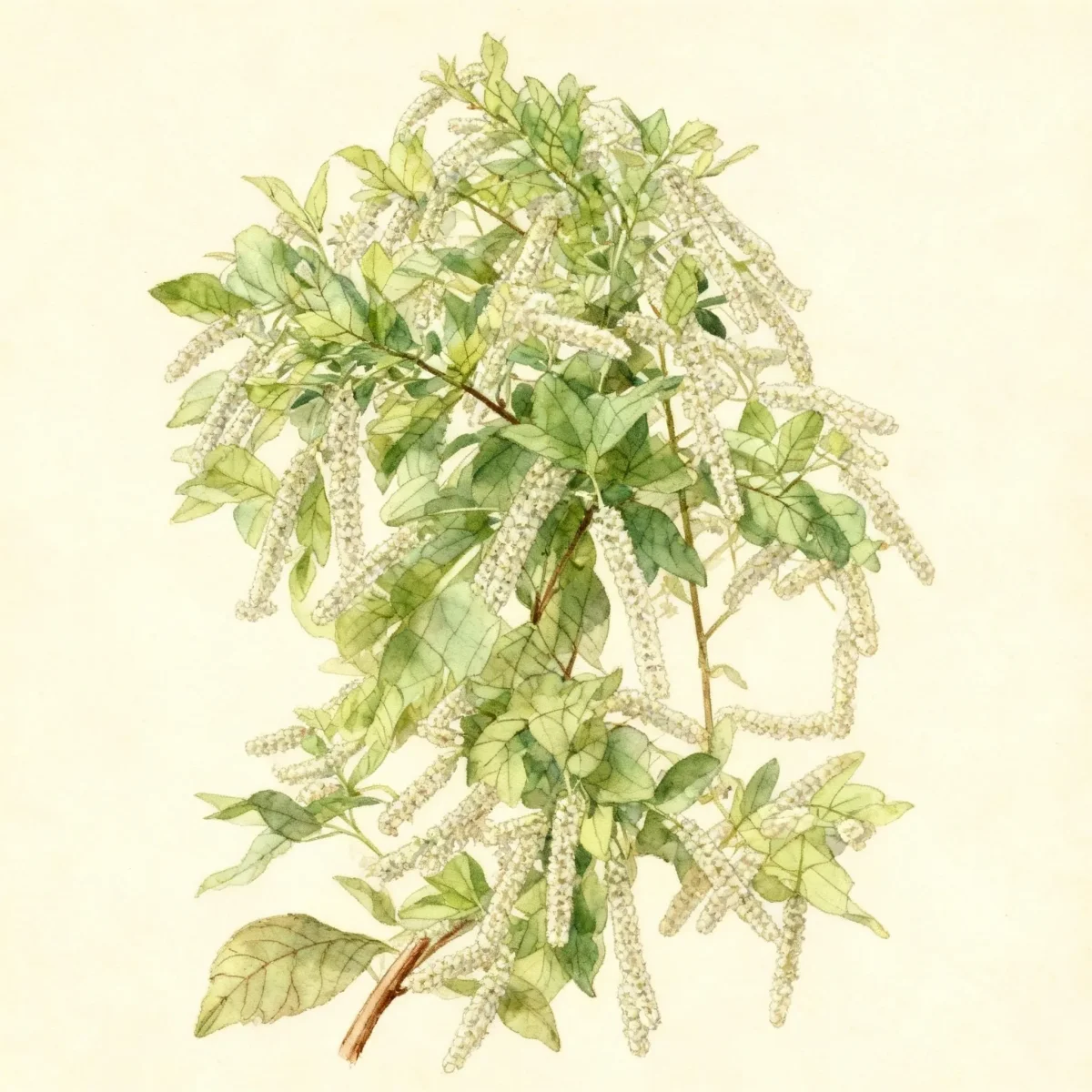
Inspired by the beautiful Virginia sweetspire
Limited first batch (50) — join the waitlist for early access
Waitlist closes Feb 15, 2026.
Complete Plant Information
Field Guide Continues
Ready for care notes, companion picks, and planting tips?
The map is just the start. The full guide below covers growth habits, seasonal performance, and landscape uses.
Overview
Itea virginica ‘Sprich’ LITTLE HENRY is a highly valued, compact cultivar of Virginia sweetspire, perfect for gardeners seeking reliable seasonal interest without extensive upkeep. This dwarf shrub offers chains of fragrant, showy white flowers in early summer, drawing favorable comments and providing delicate texture to the landscape. Beyond its summertime appeal, Itea virginica ‘Sprich’ LITTLE HENRY develops brilliant red, orange, and gold tones in autumn, often holding its colorful foliage well into the early winter months.
As a tough, adaptable plant, it thrives across a wide spectrum of conditions, making it an invaluable selection for challenging spots, including rain gardens and wet, shady borders. Gardeners appreciate that this selection of Virginia sweetspire remains relatively manageable in size, typically reaching only 2 feet tall, yet still provides the superior floral display and autumn excitement for which the species is known.
Fast Facts
- Plant Family: Iteaceae
- Plant Type: Deciduous shrub
- Hardiness Zones: USDA Zones 5-9
- Size at Maturity:
- Height: 1.5-2 ft
- Spread: 2-2.5 ft
- Bloom Time: June to July
- Bloom Description: White
- Sun Exposure: Full sun to part shade
- Water Needs: Medium to wet
- Maintenance Level: Low
How to Grow
For best establishment, plant Itea virginica ‘Sprich’ LITTLE HENRY in the spring or fall. It performs best when placed in average, medium to wet, well-drained soil. While adaptable to many soil types, this Virginia sweetspire prefers moist, rich, and slightly acidic conditions; providing good soil structure improves vibrancy. If maximum sun exposure is achieved (full sun to part shade), expect the most spectacular fall color.
Maintenance for Itea virginica ‘Sprich’ LITTLE HENRY is minimal, fitting its low-maintenance designation. Water regularly to maintain consistent moisture, especially during the first year after planting, as it prefers consistently moist sites. Fertilization is rarely needed in rich soils. Pruning should be done selectively, immediately following the July bloom period, to maintain shape, as heavy pruning can remove next year’s flower buds.
Be aware that while it is a neat, rounded shrub, it can spread modestly by root suckering if environmental conditions are highly favorable or if left completely undisturbed over time. If you desire a clean edge or wish to control its spread, occasional division or root pruning may be necessary after flowering. This robust shrub generally suffers from no serious pest or disease issues, offering reliable performance season after season.
Landscape Uses
The compact stature and adaptability of Itea virginica ‘Sprich’ LITTLE HENRY make it exceptionally versatile in landscape design. Use it as standard component in mass plantings or as a low border hedge where its summer flowers and autumn colors will be consistently visible. Its tolerance for wet feet and heavy shade makes it an ideal candidate for rain gardens, bioswales, or along the margins of ponds where many larger shrubs struggle.
Consider using this shrub as a specimen plant in Asian-inspired or woodland garden settings, contrasting its delicate texture against coarser foliage plants. It works wonderfully in group plantings to create sweeping drifts of color, complementing later-blooming perennials or evergreens that provide structure during the winter when the leaves may have dropped. This Virginia sweetspire also serves excellently as a low groundcover effect when planted densely together.
Standout Features
Flower Qualities
- Showy
- Fragrant
Noteworthy Characteristics
Itea virginica, commonly called Virginia sweetspire, is an erect, rounded, broad-spreading, deciduous shrub with arching branches. Features fragrant, tiny white flowers borne in cylindrical, drooping racemes (3-6” long) which cover the shrub with bloom in late spring to early summer. Oval, dark green leaves (1-4” long) turn varying shades of red, orange and gold in autumn, providing a long period of fall color often persisting until early winter. LITTLE HENRY is specifically noted as a dwarf version of the Missouri native species, offering superior flowers and better fall color than the straight species.
Tolerances
- Heavy Shade
- Erosion
- Clay Soil
- Wet Soil
Potential Problems
Generally, Itea virginica ‘Sprich’ LITTLE HENRY is celebrated for its resilience, exhibiting no serious insect or disease problems under proper care. Deer tend to browse other species but usually leave this Virginia sweetspire untouched, providing reliable ornamental value in deer-prone areas. The primary cultural issue arises if plants are placed in highly alkaline soils; in these conditions, the leaves may develop chlorosis, appearing yellowed due to nutrient lockout. To prevent this, amend soil to ensure sufficient acidity or choose locations naturally leaning acidic.
Frequently Asked Questions
What hardiness zones is Virginia sweetspire suitable for?
Itea virginica ‘Sprich’ LITTLE HENRY is reliably hardy in USDA Zones 5 through 9, allowing for flexible planting across much of the eastern and midwestern United States.
How large does Itea virginica ‘Sprich’ LITTLE HENRY grow?
This dwarf cultivar matures to a petite size, typically reaching a height between 1.5 to 2 feet tall with a spread of 2 to 2.5 feet wide, making it excellent for smaller garden spaces.
When does Virginia sweetspire bloom?
This shrub produces its distinctive white, fragrant blooms spanning from June into July, offering significant late-spring to early-summer floral interest.
What sun exposure does Itea virginica ‘Sprich’ LITTLE HENRY need?
It thrives in full sun to partial shade environments; however, gardeners aiming for the most intense scarlet and gold autumn color should ensure it receives at least several hours of direct sunlight daily.
Companion Planting
Because Virginia sweetspire craves consistent moisture and tolerates damp, shady conditions, successful companion plants share these cultural needs. Pair Itea virginica ‘Sprich’ LITTLE HENRY with other moisture-loving natives such as native ferns, Hosta varieties, Swamp Milkweed (Asclepias incarnata), or various Iris species that thrive near water features. In rain garden settings, use taller background plants like Red Twig Dogwood or Oakleaf Hydrangea to provide contrast to the low, mounding form of the LITTLE HENRY cultivar.
Ensure that any companion plants selected for foundation plantings or borders do not demand exceptionally dry soil conditions, as this shrub will struggle if its root zone is allowed to dry out completely too frequently. Keeping mulch deep helps retain the even moisture levels that are key to the health and success of this compact shrub.
Seasonal Care Calendar
Springtime is for evaluating winter damage and applying a light layer of acidic organic mulch if necessary to retain moisture. As temperatures rise, resume deep, consistent watering until the plant is fully established in its new location. Summer care centers around enjoying the fragrant white flowers; prune immediately after blooming concludes in July to shape the shrub and encourage denser growth without sacrificing next year’s floral display.
Fall is the highlight when Itea virginica ‘Sprich’ LITTLE HENRY transforms into a tapestry of reds and golds. No major care is usually required other than admiring the display. In late fall or early winter, you may notice the appealing persistence of the foliage. Winter preparation is simple; the plant is exceptionally cold-hardy (Zone 5) and rarely requires protection, although newly planted specimens benefit from a thick layer of insulating mulch overwinter.
Conclusion
The compact size, fragrant summer flowers, and spectacular fall foliage ensure that Itea virginica ‘Sprich’ LITTLE HENRY remains a top-tier choice for low-maintenance gardening. This dwarf Virginia sweetspire excels in challenging, moist sites where few other shrubs perform reliably. Before planting, confirm your site receives medium to wet conditions and aligns with USDA Zones 5-9 to guarantee years of vibrant, effortless beauty.