Rush(Juncus tenuis)
Grow native path rush (Juncus tenuis): wiry compaction-tolerant native rush for footpaths and rain gardens, erosion control, and USDA zones 2–9 care.
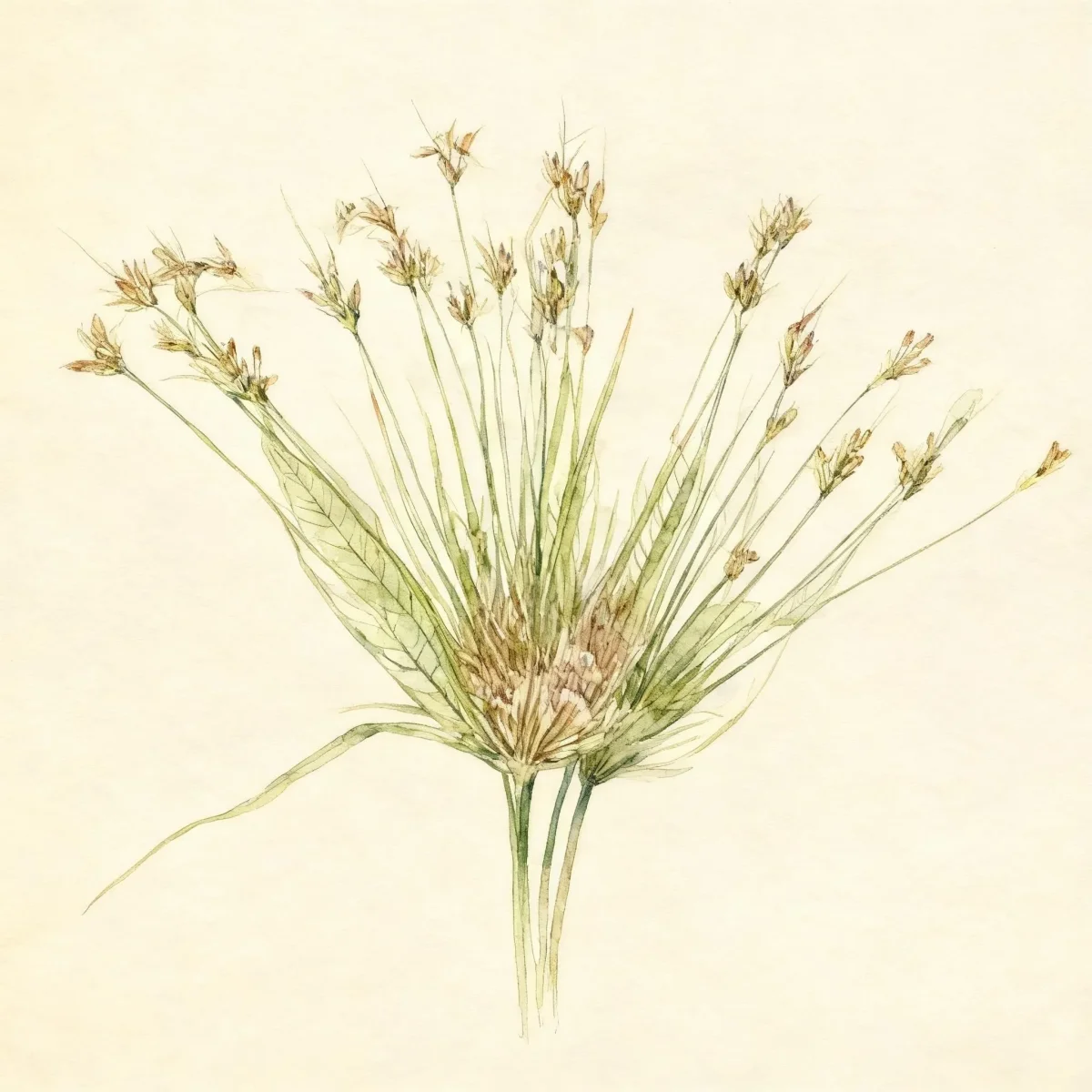
Complete Plant Information
- Hardiness zones
- USDA 2–9
- Plant type
- Rush or Sedge
- Plant family
- Juncaceae
- Sun exposure
- Full sun to part shade
- Water needs
- Medium to wet
- Maintenance
- Low
- Height
- 0.5–1.5 ft (15–46 cm)
- Spread
- 0.5–1.5 ft (15–46 cm)
- Bloom time
- May to September
- Flower color
- Clusters of tiny greenish-brown florets with pointed bracts, ripening into sticky seed capsules
- Flower qualities
- Insignificant
- Fruit qualities
- Not recorded
- Tolerances
- Erosion, Wet Soil, Foot Traffic, Clay Soil, Compacted Soil
- Garden uses
- Compacted footpath edging, rain garden basin, bioswale erosion control, wet meadow restoration
- Native range
- North America (native across entire continent; naturalized worldwide)
Field Guide Continues
Ready for care notes, companion picks, and planting tips?
The map is just the start. The full guide below covers growth habits, seasonal performance, and landscape uses.
Overview
Path rush (Juncus tenuis, also known as poverty rush, slender rush, or wire grass) is a tough, wiry, clumping native perennial rush in the rush family (Juncaceae), hardy across USDA Zones 2 through 9. Native to all 50 US states and Canada, it forms a dense, fountain-like tuft of thin, elastic green stems 6 to 18 inches tall and wide. Famous in ecological landscaping for its remarkable ability to thrive in severely compacted, trampled soils where ordinary lawn grasses fail, it is an indispensable workhorse for pedestrian walkway borders, wet clay depressions, and engineered rain gardens.
Its round, wiry stems bend flexibly under footsteps without breaking, allowing it to colonize footpaths and compacted gravel edges.
How to Grow
- Hardiness & Cold Resilience: USDA Zones 2 through 9. Extremely cold-hardy, surviving subzero Canadian winters without winter protection.
- Moisture Adaptability: Naturally adapted to seasonal hydrologic swings. Thrives in consistently saturated ground, wet swales, and shallow seasonal standing water up to 2 inches deep, yet possesses sufficient drought resistance to survive midsummer baking once root systems anchor.
- Sunlight: Full sun to partial shade. Develops the densest, most upright tussocks in full sun (at least 6 hours daily).
- Maintenance: Virtually maintenance-free. If clumps appear weathered or tattered after winter snowmelt, shear stems back to 2 inches in early spring before new green shoots emerge.
Landscape Uses
- Compacted Walkway Edging: Thrives along high-traffic footpaths, wheelbarrow tracks, and garden gate entries where turfgrass is crushed.
- Rain Garden Drainage Basins: Slows and filters runoff in stormwater retention swales and bio-infiltration areas.
- Erosion Control on Wet Banks: Fibrous, dense root networks knit saturated soils tightly together on stream banks and roadside ditches.
Potential Problems
- Spreading in Moist Bare Soil: Can self-sow into disturbed, open, moist soil; easy to manage by hand-pulling unwanted seedlings.
- Browning in Severe Arid Drought: While root-hardy, foliage may brown if deprived of all moisture during extreme heatwaves.
- No Showy Flower Display: Flowers are tiny and green, serving ecological rather than floral display roles.
Frequently Asked Questions
Why is it called path rush?
Because it has evolved elastic, wiry stems that tolerate repeated human and livestock footsteps, allowing it to grow directly in hard-packed dirt and gravel paths where other plants are crushed.
Can path rush grow in standing water?
Yes. It thrives in seasonally flooded soil and shallow standing water up to 2 inches deep, making it a valuable rain garden plant.
Is path rush a native plant?
Yes. Juncus tenuis is native across all of North America, from Alaska and Canada down through the Gulf Coast.
Companion Plants
Pair path rush with native wetland and rain garden species that appreciate moist to saturated soil:
- Flowering Native Perennials: Plant alongside blue flag iris (Iris versicolor), cardinal flower (Lobelia cardinalis), and swamp milkweed (Asclepias incarnata).
- Moisture-Loving Grasses & Sedges: Combine with tussock sedge (Carex stricta) or fox sedge (Carex vulpinoidea).
- Wetland Shrubs: Interplant near winterberry holly (Ilex verticillata) or red-osier dogwood (Cornus sericea).
Sources & Lineage
- Missouri Botanical Garden PlantFinder: Record taxon 249859 (Juncus tenuis) — botanical baseline, native wetland habitat, and moisture requirements.
- Kew Plants of the World Online (POWO): Juncus tenuis Willd. (POWO: 304453-2) — species taxonomy, family (Juncaceae), and global distribution.
- USDA Natural Resources Conservation Service (NRCS): Plant Guide: Juncus tenuis (Poverty Rush) — soil stabilization characteristics, wildlife seed value, and compaction tolerance.
Recommended Companion Plants
Rush
Juncus 'Blue Dart'
- USDA zones
- 2–9
- Light
- Full sun to part shade
- Water
- Medium to wet
Dudley's rush
Juncus dudleyi
- USDA zones
- 3–9
- Light
- Full sun
- Water
- Medium to wet
Green bulrush
Scirpus atrovirens
- USDA zones
- 3–9
- Light
- Full sun to part shade
- Water
- Medium to wet
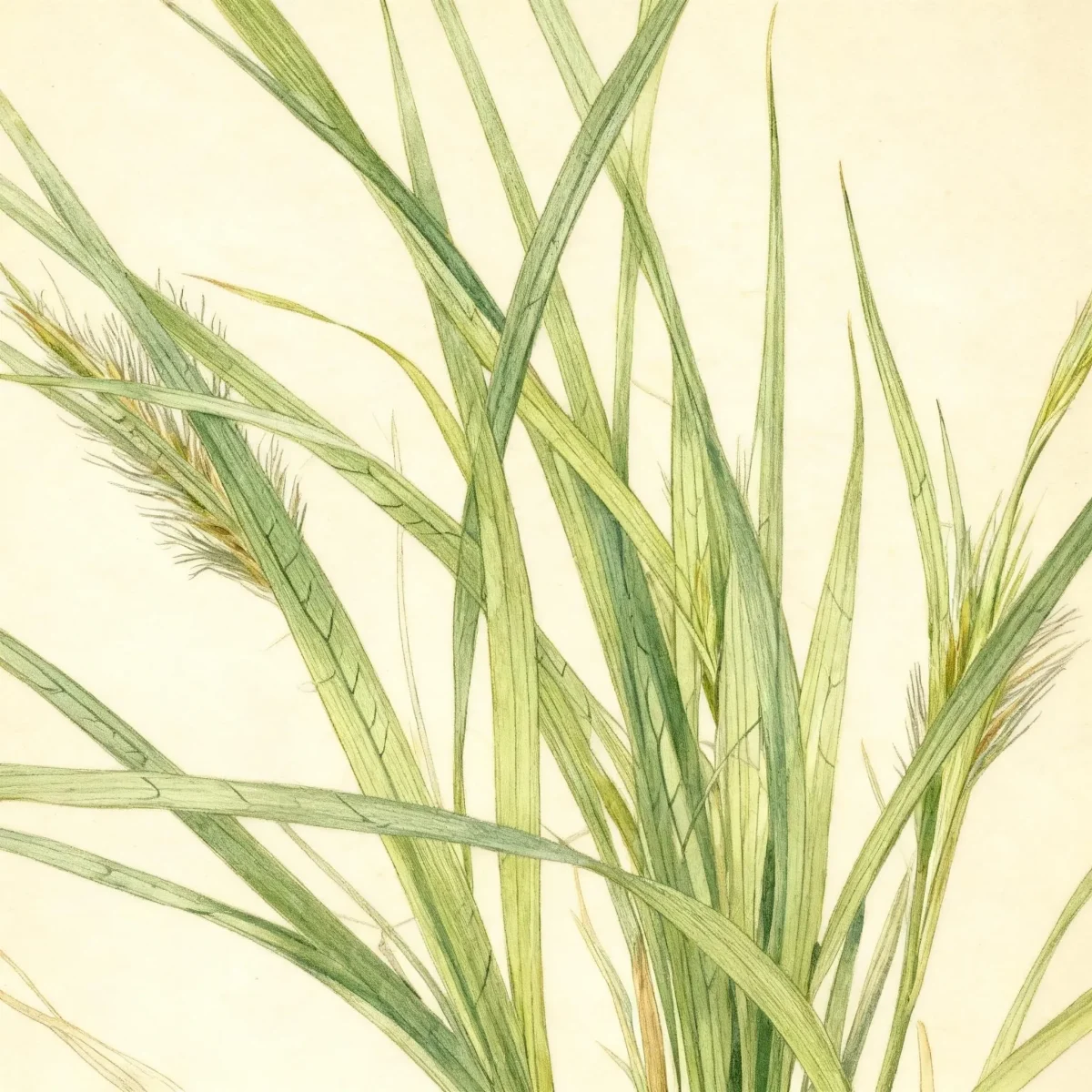
Fringed sedge
Carex crinita
- USDA zones
- 3–8
- Light
- Full sun to part shade
- Water
- Medium to wet
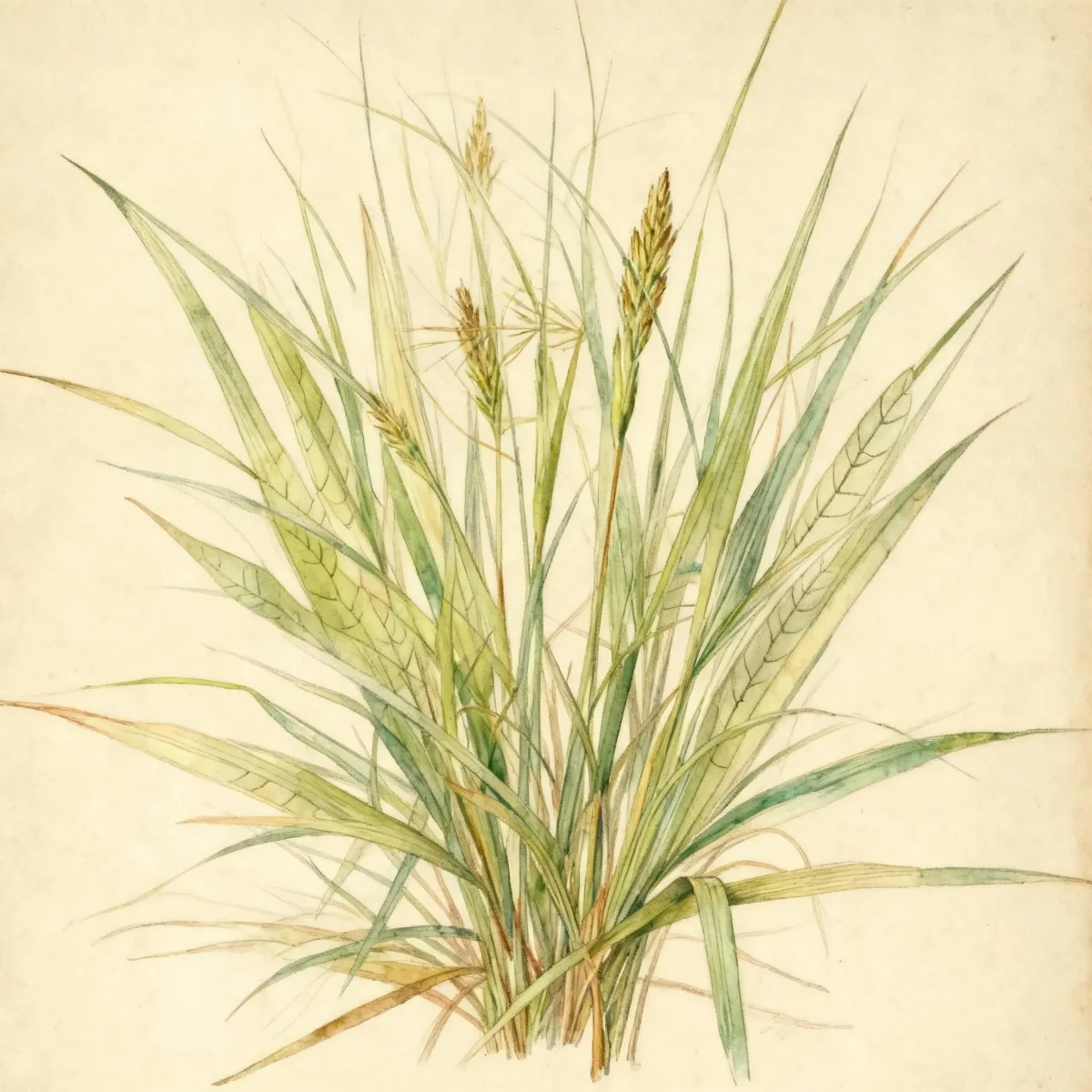
Greater straw sedge
Carex normalis
- USDA zones
- 3–8
- Light
- Full sun to part shade
- Water
- Medium to wet
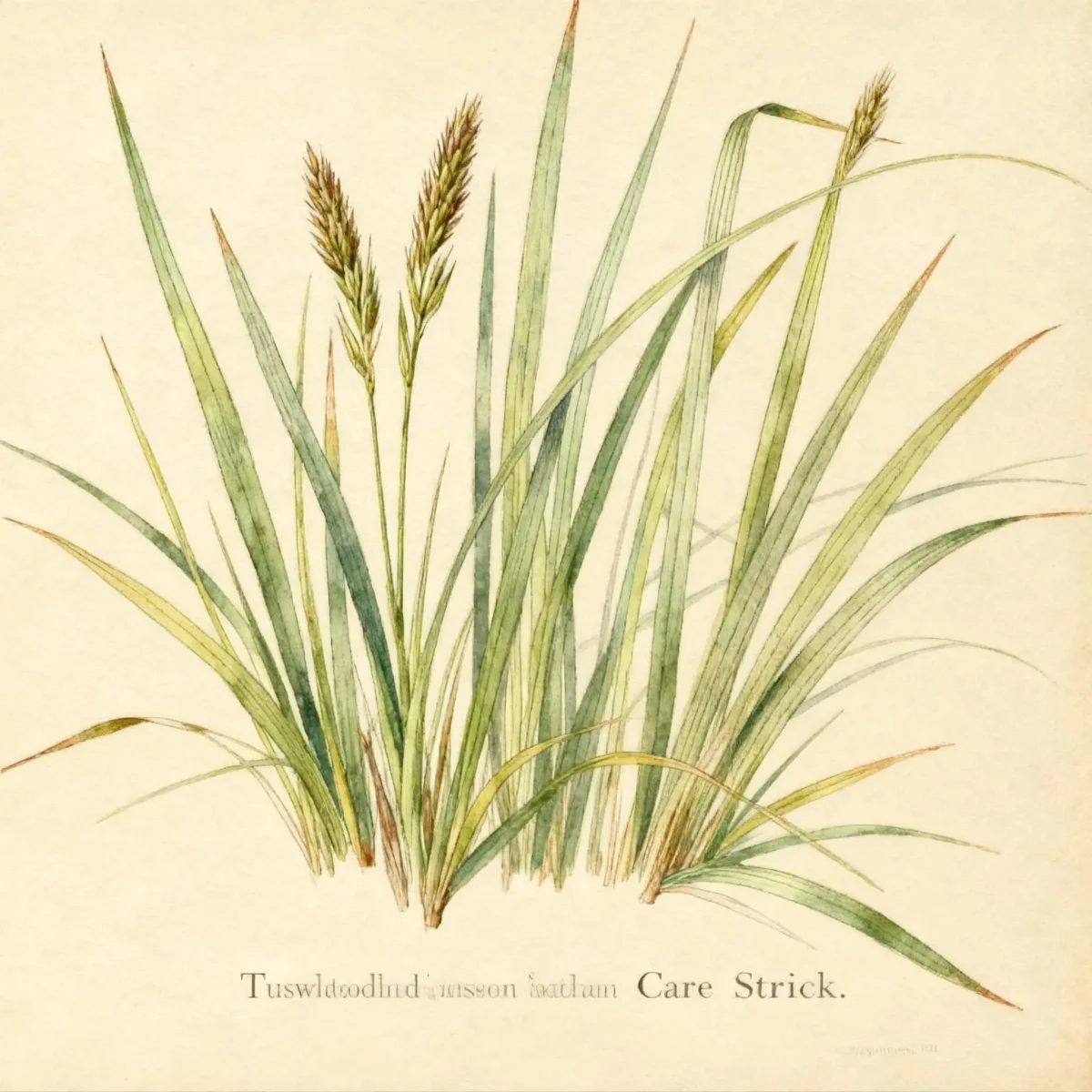
Tussock sedge
Carex stricta
- USDA zones
- 3–8
- Light
- Full sun to part shade
- Water
- Medium to wet
Keep Learning
Test what you know with a garden quiz
You have the plant facts and care notes. Continue with a related challenge, or browse the complete quiz library.

Can You Identify These Common Garden Plants? Test Your Plant Knowledge
Think you know your roses from your peonies? Test your plant identification skills with our comprehensive garden plant quiz featuring 10 challenging questions.
Start quiz
USDA Garden Zone Map Quiz
Use this USDA garden zone map quiz to check whether you can read hardiness zones and choose plants with more confidence.
Start quizBrowse the full quizzes section
Explore plant identification, zone strategy, and seasonal gardening challenges.
View all quizzes