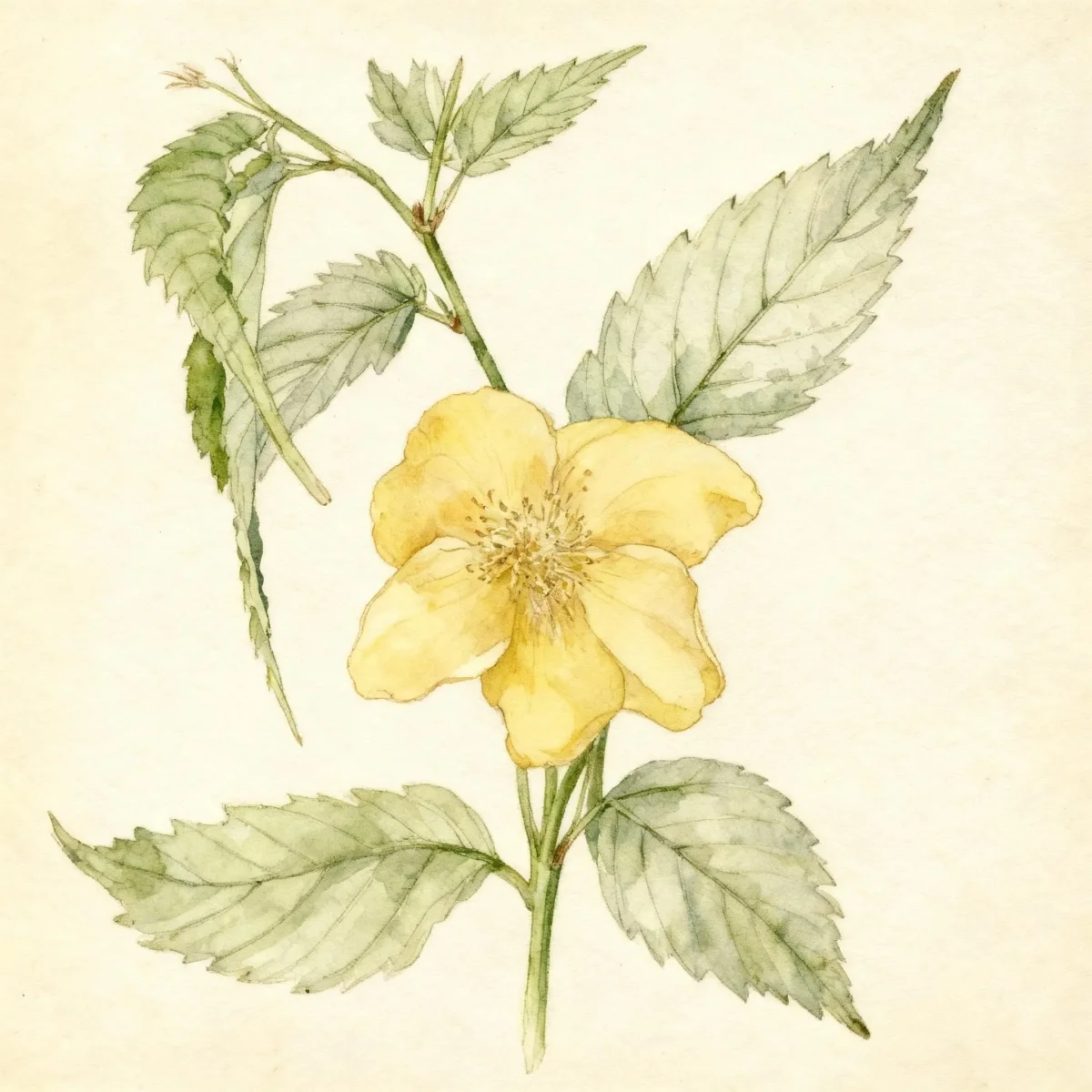
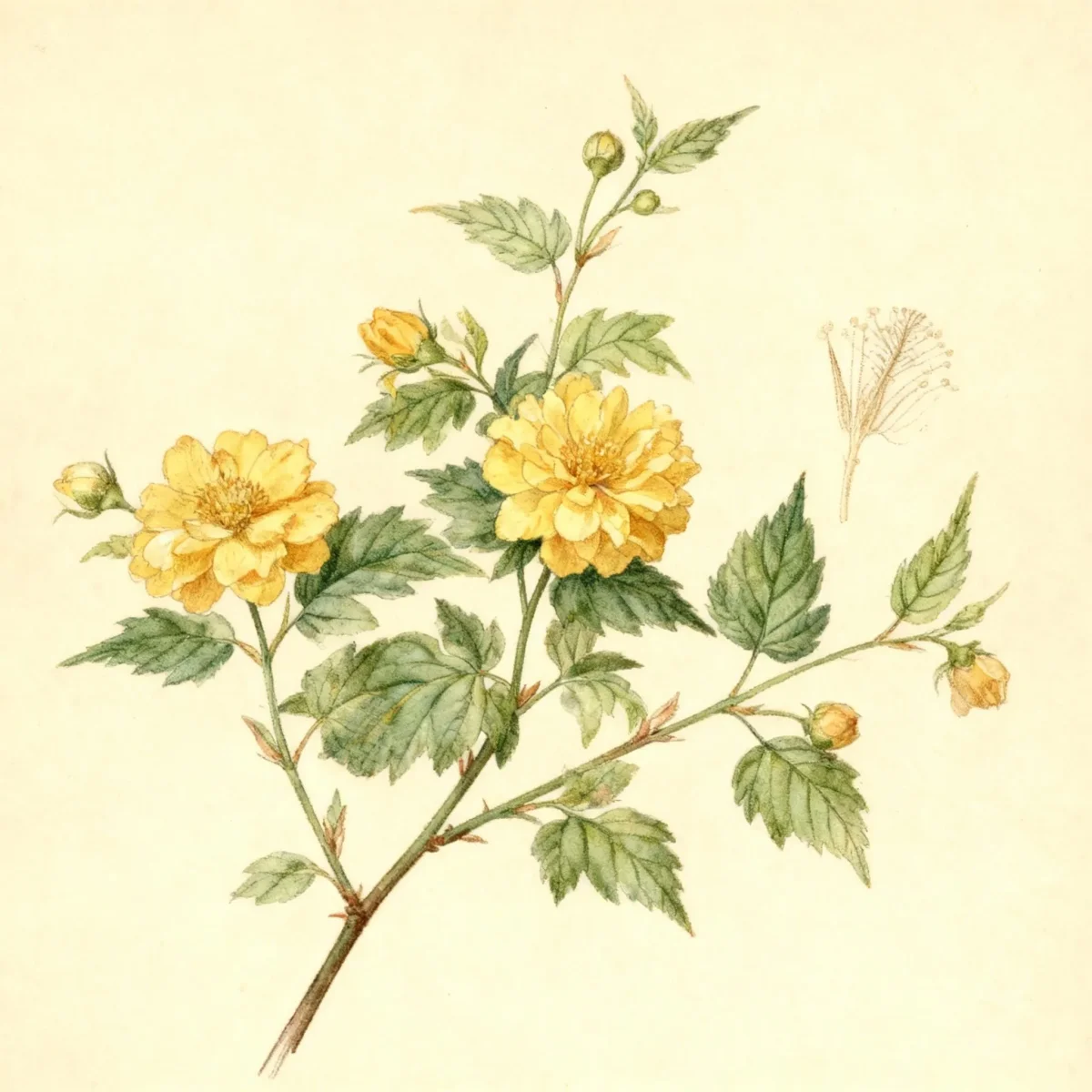
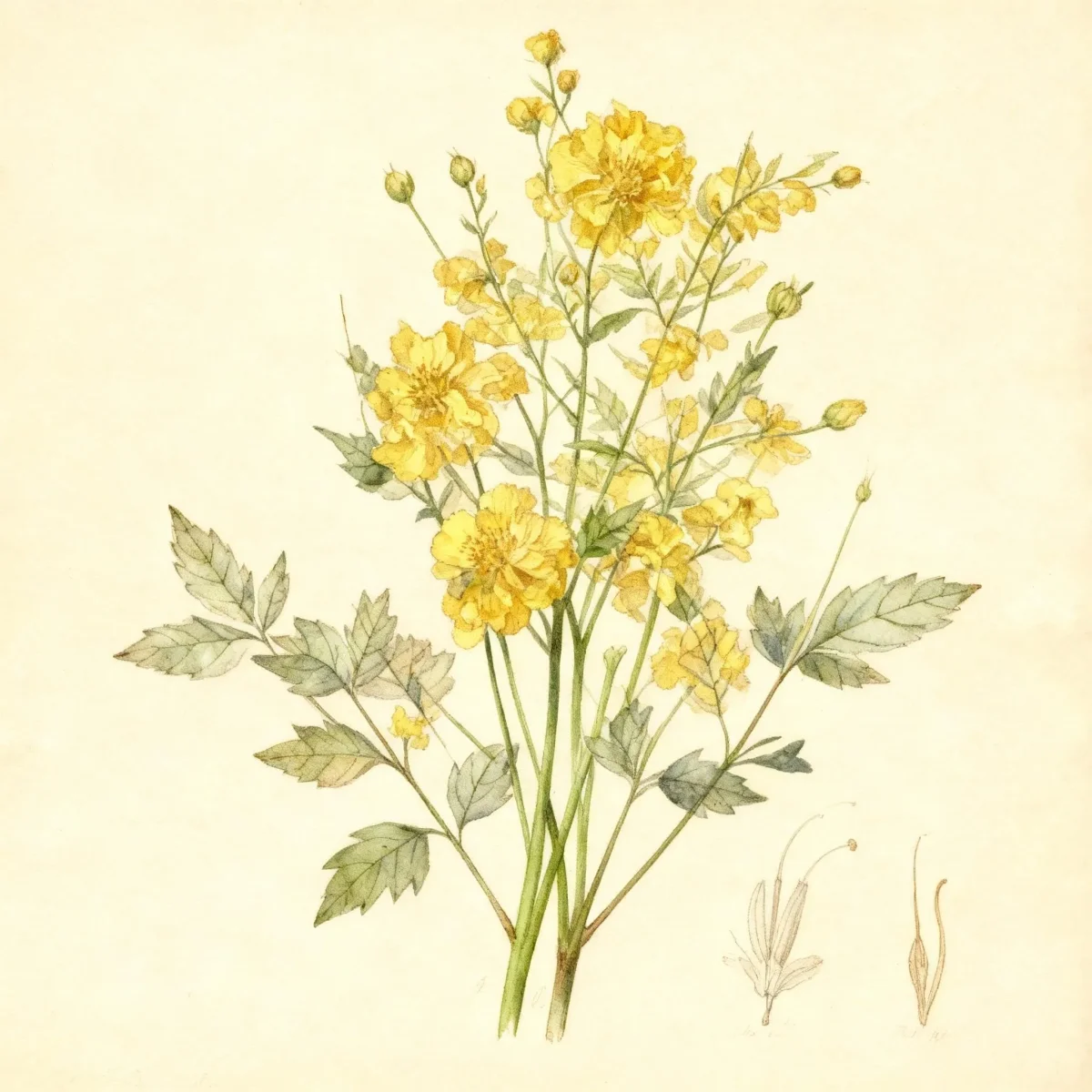
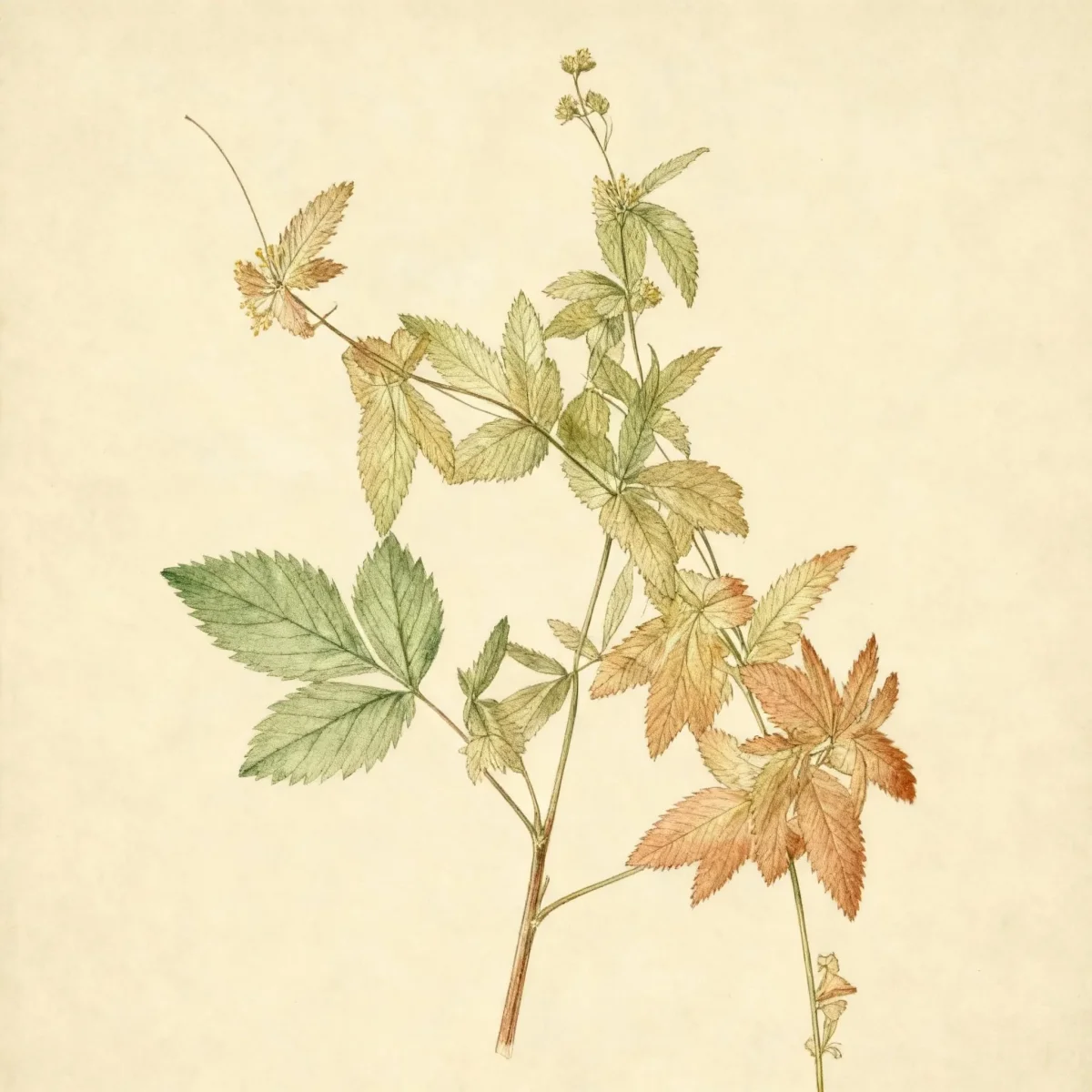
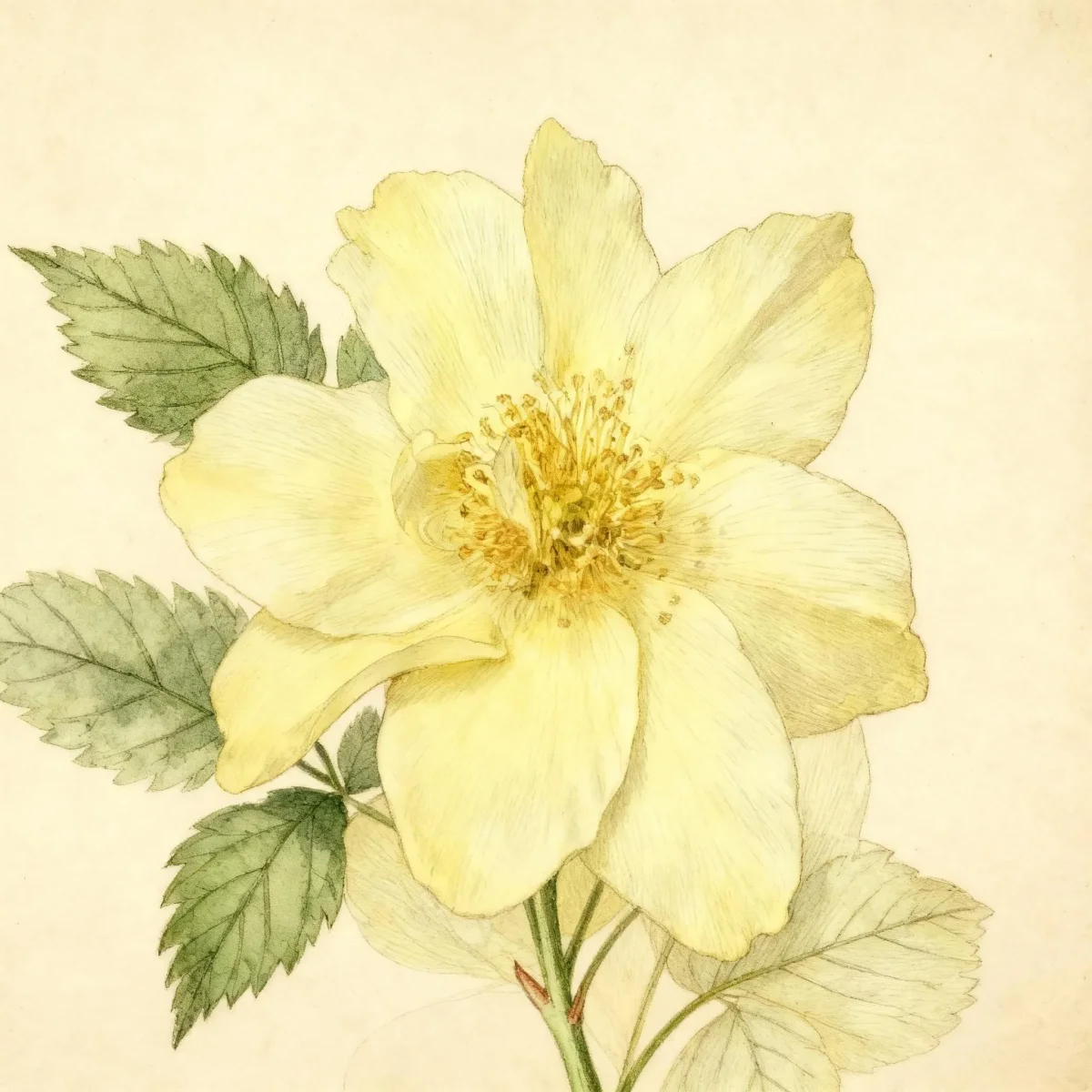
Japanese kerria (Kerria japonica 'Albescens')
Kerria japonica 'Albescens' is a graceful deciduous shrub featuring creamy yellow flowers. Ideal for shady borders.

Bloom Boldly, No Matter the Season - Sweatshirt
Cozy organic cotton sweatshirt featuring our exclusive Purple Coneflower design. Perfect for gardeners who bloom year-round.
Inspired by the beautiful Japanese kerria
Limited first batch (50) — join the waitlist for early access
Waitlist closes Feb 15, 2026.
Complete Plant Information
Field Guide Continues
Ready for care notes, companion picks, and planting tips?
The map is just the start. The full guide below covers growth habits, seasonal performance, and landscape uses.
Overview
The Kerria japonica ‘Albescens’, commonly known as Japanese kerria, offers radiant spring color, making it a valuable addition to partially shaded garden spaces. This deciduous shrub is renowned for its slender, arching stems that maintain an attractive green hue throughout the winter months, offering essential structure when dormant. While the standard species displays bright yellow flowers, the ‘Albescens’ cultivar produces creamy yellow blooms that bring a lighter touch to spring gardens.
This tough but graceful shrub typically matures to about 4 to 5 feet tall, often spreading 6 to 8 feet wide, creating a lush, mounding effect perfect for softening structure plantings. Its ability to thrive even in heavy shade, combined with its tolerance for various soil conditions, makes Kerria japonica ‘Albescens’ a versatile and reliable performer across USDA Zones 4 through 9.
Gardeners prize the Japanese kerria for its multi-season interest, particularly its abundant spring blossoms before many other shrubs awaken. Its foliage turns a pale yellow in the fall, adding a final, subtle color note before the winter display of green bark begins.
Fast Facts
- Plant Family: Rosaceae
- Plant Type: Deciduous shrub
- Hardiness Zones: USDA Zones 4-9
- Size at Maturity:
- Height: 4-5 ft
- Spread: 6-8 ft
- Bloom Time: April to May
- Bloom Description: Yellow
- Sun Exposure: Part shade
- Water Needs: Medium
- Maintenance Level: Medium
How to Grow
Planting is best achieved in the spring or early fall, giving the Kerria japonica ‘Albescens’ time to establish roots before extreme weather hits. Locate your shrub in average, medium-moisture, well-drained soils. While it prefers loamy, moderately fertile soils, it importantly tolerates full shade, though flowers may pale if positioned in too much direct, hot sun. Avoid planting in heavy clay soils which can impede drainage.
Water needs are classified as medium; ensure consistency, especially during the first year of establishment. Fertilizing is rarely necessary if the soil is reasonably fertile. The most critical maintenance task involves pruning. Since Kerria japonica ‘Albescens’ blooms reliably on wood developed the previous season, prune selectively in the early spring immediately following the flowering period.
Be aware that the Japanese kerria has a natural suckering habit, meaning it can spread outward via underground runners. Promptly remove any suckers growing where you do not desire increased spread to maintain form. For severe renovation or rejuvenation, established plants can withstand being cut back to the ground, though this will sacrifice blooms for a year or two while regeneration occurs.
Landscape Uses
The natural spread and graceful arching form of Kerria japonica ‘Albescens’ make it highly effective when massed in shrub borders or incorporated into woodland garden settings where dappled sunlight prevails. It serves excellently as an informal hedge or screen due to its dense summer foliage, or it can be used as a specimen plant to highlight structural winter interest from its bright green stems.
For a truly naturalized look, allow the Japanese kerria to spread slightly in wild gardens or along banks where its suckering habit contributes to erosion control. It pairs beautifully with later-blooming shrubs that enjoy similar partial shade conditions, such as rhododendrons or azaleas, providing a foundational spring welcome when they are dormant.
These shrubs also perform well incorporated into foundation plantings where they add texture and seasonal brightness near buildings, offering an excellent backdrop for spring bulbs that bloom earlier in the season.
Standout Features
Flower Qualities
- Showy
Noteworthy Characteristics
Kerria japonica, commonly called Japanese kerria or Japanese rose, is a tough-but-graceful, spring-flowering, deciduous shrub that is native to certain mountainous areas of China and Japan. It typically grows to 3-6’ tall and to 6-8’ wide on slender, arching, yellowish-green stems that remain an attractive green in winter. Single, five-petaled, rose-like, yellow flowers (to 1 1/2” diameter) bloom somewhat profusely in spring. Double-toothed, narrow, ovate-lanceolate, bright green leaves (to 4” long) turn yellow in fall. Genus name honors William Kerr (d. 1814), Kew gardener and collector, who collected in China, Java and the Philippines. Specific epithet means of Japan. Plants in the genus Kerria are sometimes also commonly called Easter rose because the flowers typically bloom around Easter time and resemble roses. ‘Albescens’ features creamy yellow flowers (to 2” diameter) with irregularly shaped petals. It typically grows to 4-5’ tall. Foliage turns pale yellow in fall.
Tolerances
- Deer
- Heavy Shade
- Dry Soil
- Wet Soil
Potential Problems
This selection is remarkably pest-resistant, generally facing no serious insect or disease issues under good culture. However, like many shrubs in the Rosaceae family, Kerria japonica ‘Albescens’ can occasionally be susceptible to fungal issues if air circulation is poor or excessive moisture persists.
Watch for leaf spots, cankers, blights, and root rot, particularly if drainage is subpar. Prevention focuses on proper planting: ensure well-drained soil and avoid overhead watering late in the afternoon to allow foliage to dry before nightfall. Prompt removal of any heavily diseased woody tissue will help manage spread.
Frequently Asked Questions
What hardiness zones is Japanese kerria suitable for?
The Japanese kerria (Kerria japonica ‘Albescens’) is hardy and suitable for planting across USDA Zones 4 through 9, offering wide adaptability across many temperate climates.
How large does Kerria japonica ‘Albescens’ grow?
When fully mature, this deciduous shrub typically reaches a height between 4 and 5 feet, with a spread ranging from 6 to 8 feet wide.
When does Japanese kerria bloom?
Kerria japonica ‘Albescens’ provides its primary floral display usually between April and May, featuring lovely yellow blooms.
What sun exposure does Japanese kerria need?
This shrub prefers part shade conditions. While it tolerates heavy shade, flowering may become less profuse, and excessive, hot sun can cause the flowers to pale.
Conclusion
The Kerria japonica ‘Albescens’ is an exceptional choice for gardeners seeking reliable, low-fuss spring color combined with attractive winter stem color. Its tolerance for shade and challenging soil moisture levels underscores its value as a resilient landscape workhorse. Before planting, confirm that your garden falls within USDA Zones 4-9 and plan your pruning schedule for right after the creamy yellow spring bloom subsides.
Companion Planting
Selecting suitable neighbors for Kerria japonica ‘Albescens’ involves choosing plants that share its need for partial shade and medium moisture. Consider pairing it with Hellebores (Lenten Rose), which bloom slightly earlier and thrive in similar conditions, offering an extended sequence of early-season interest.
Hostas are excellent companions beneath the canopy of the Japanese kerria during the summer months, providing contrasting foliage texture and color while utilizing the same light levels. For later structural interest in the fall and winter, consider incorporating evergreen ferns or Japanese plum yew, both of which appreciate the dappled light conditions favored by this cultivar.
Design Ideas for Winter Interest
A key feature of Kerria japonica ‘Albescens’ is its glowing, greenish-yellow stems that remain visible after leaf drop. To maximize this winter impact, ensure the shrub is sited where its bark can be clearly seen against a darker background, such as an evergreen hedge or a structure painted a deep color.
When planting, give the Japanese kerria room to achieve its natural, arching habit; avoid planting it too tightly against fences or walls, which can restrict air flow and obscure the winter stem display. Using drifts of bulbs like snowdrops or crocus in the foreground provides high contrast during the very early spring before the shrub fully leafs out.