Hinoki cypress(Chamaecyparis obtusa 'Nana Gracilis')
Grow dwarf Hinoki cypress 'Nana Gracilis': sculptural shell-shaped emerald foliage, slow-growing pyramidal habit, bonsai and rockery care, USDA zones 4–8.
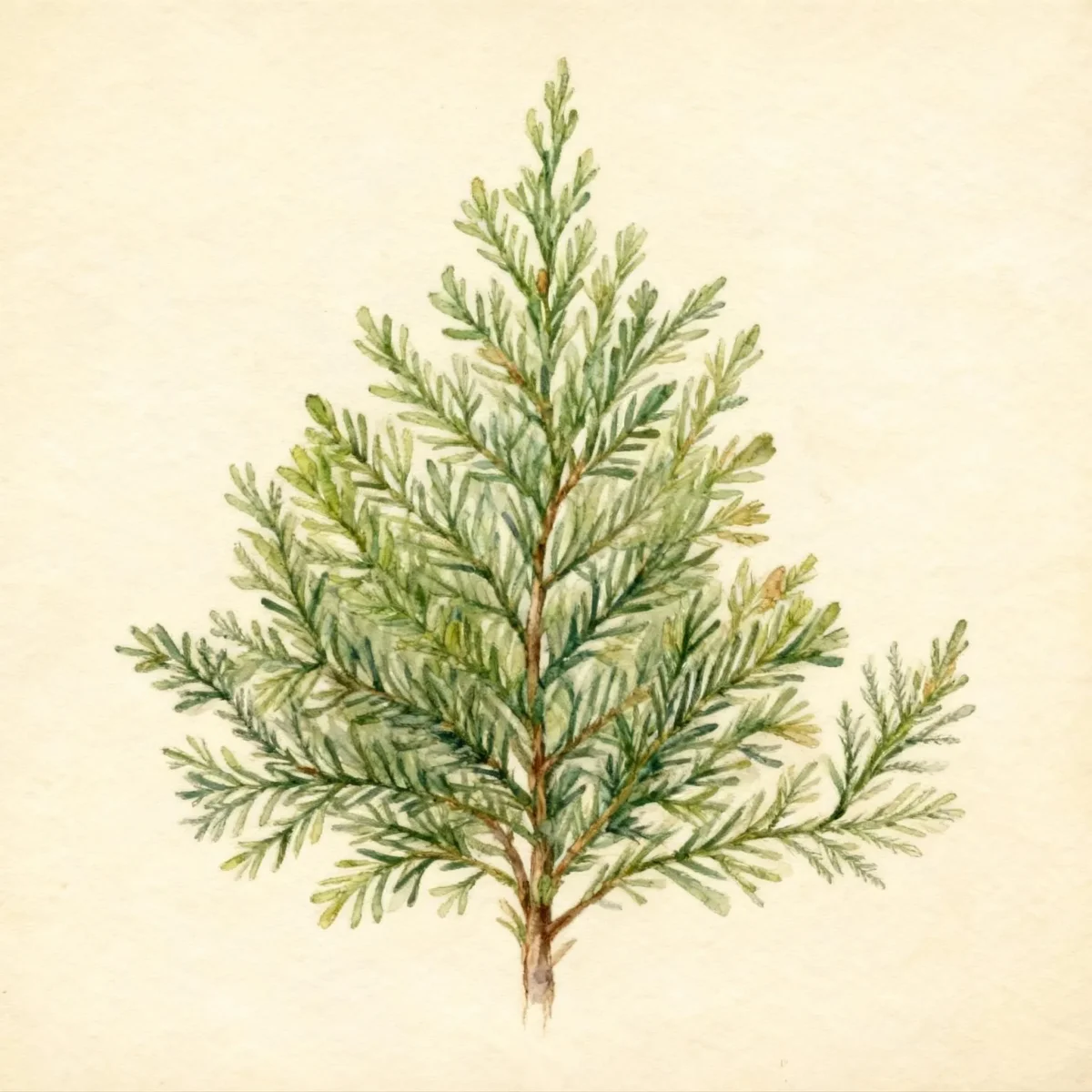
Complete Plant Information
- Hardiness zones
- USDA 4–8
- Plant type
- Needled evergreen
- Plant family
- Cupressaceae
- Sun exposure
- Full sun to part shade
- Water needs
- Medium
- Maintenance
- Low
- Height
- 4–8 ft (122–244 cm)
- Spread
- 3–5 ft (91–152 cm)
- Bloom time
- Non-flowering
- Flower color
- Non-flowering gymnosperm; tiny rounded reddish-brown cones rarely set on dwarf specimens
- Flower qualities
- Insignificant
- Fruit qualities
- Not recorded
- Tolerances
- Deer, Air Pollution, Cold Exposure
- Garden uses
- Focal specimen evergreen, Japanese courtyard anchor, rock garden centerpiece, bonsai
- Native range
- Japan (cultivar selection)
Field Guide Continues
Ready for care notes, companion picks, and planting tips?
The map is just the start. The full guide below covers growth habits, seasonal performance, and landscape uses.
Overview
Dwarf Hinoki cypress ‘Nana Gracilis’ (Chamaecyparis obtusa ‘Nana Gracilis’) is an aristocratic, slow-growing dwarf evergreen conifer hardy across USDA Zones 4 through 8, holder of the Royal Horticultural Society’s Award of Garden Merit. Originating in Japan, where native Hinoki cypress has been cultivated for centuries around temples and imperial shrines, ‘Nana Gracilis’ grows at a measured pace of 2 to 4 inches per year, maturing into an irregular, tiered, upright-pyramidal silhouette 4 to 8 feet tall and 3 to 5 feet wide over several decades. Clothed in dense, cupped, shell-like sprays of deep lustrous emerald-green foliage, it serves as a living sculpture in rockeries, courtyards, and Japanese stroll gardens.
The undersides of its foliage sprays feature distinct white “X”-shaped wax markings along scale seams, providing subtle two-tone depth when branchlets tilt in the breeze.
How to Grow
- Hardiness & Siting: USDA Zones 4 through 8. Thrives in full sun to partial shade. In northern regions, full sun ensures tightest branch density; in hot southern climates (Zone 8), morning sun with filtered afternoon shade protects foliage from heat stress.
- Winter Wind Protection: Shelter from harsh, dry winter winds. While cold-hardy down to -25°F (-32°C), desiccating winter winds and direct winter afternoon sun can scorch foliage tips. Site against an east- or north-facing wall or beneath sheltering canopy trees.
- Soil & Moisture: Prefers moist, fertile, organically rich, slightly acidic to neutral (pH 5.5–6.8), well-draining soil. Apply a 2- to 3-inch layer of organic bark mulch to keep shallow surface roots cool and consistently hydrated. Intolerant of standing water or heavy waterlogged clay.
- Pruning Caution: Conifers do not regenerate from bare, leafless old wood. Never shear deeply into the brown interior of the plant. To maintain size or shape, pinch or snip only active green shoot tips with hand pruners in late spring.
Landscape Uses
- Focal Specimen in Rock Gardens: Twisted, shell-like foliage sprays complement weathered boulders and granite gravel.
- Courtyard & Entryway Anchor: Compact, slow-growing vertical presence fits neatly into foundation corners and patio planters.
- Bonsai Styling: Naturally tiered irregular branches make it one of the premier subjects for classical Japanese bonsai culture.
Potential Problems
- Winter Wind Burn: Cold, drying winds cause foliage tips to turn brown; site in a sheltered microclimate.
- Cutting into Old Wood: Cuts made past green foliage into bare interior stems will never re-sprout leaves.
- Root Rot in Poor Drainage: Wet, heavy clay causes root suffocation; ensure sharp drainage.
Frequently Asked Questions
How fast does ‘Nana Gracilis’ Hinoki cypress grow?
It is a slow grower, adding only 2 to 4 inches per year. It typically reaches 3 to 4 feet tall in 10 years and matures around 6 to 8 feet after several decades.
Can it be pruned like a hedge?
No. Shearing into the brown interior wood will leave permanent dead holes, as Hinoki cypresses cannot regenerate from old wood. Only pinch or trim the green tips of shoots.
Why are there white marks on the underside of the needles?
The underside of each scale leaf has fine, white stomatal wax lines shaped like an “X,” which is a diagnostic botanical trait of true Hinoki cypress (Chamaecyparis obtusa).
Companion Plants
Pair dwarf Hinoki cypress with plants that contrast with its sculpted, dark green foliage:
- Deciduous Japanese Maples: Combine with weeping laceleaf Japanese maples (like ‘Inaba-shidare’) for green-and-red contrast.
- Shade-Tolerant Perennials: Plant near golden hostas, hellebores, and Japanese forest grass (Hakonechloa macra).
- Rockeries & Groundcovers: Underplant with creeping thyme, dwarf sedums, or moss phlox around stone elements.
Sources & Lineage
- Missouri Botanical Garden PlantFinder: Record taxon 250059 (Chamaecyparis obtusa ‘Nana Gracilis’) — dwarf pyramidal habit, growth rate, and dimensions.
- Kew Plants of the World Online (POWO): Chamaecyparis obtusa (Siebold & Zucc.) Endl. (POWO: 261845-1) — species taxonomy, family (Cupressaceae), and Japanese native range.
- Royal Horticultural Society (RHS): Chamaecyparis obtusa ‘Nana Gracilis’ AGM Profile — Award of Garden Merit description and dwarf conifer cultivation notes.
Recommended Companion Plants
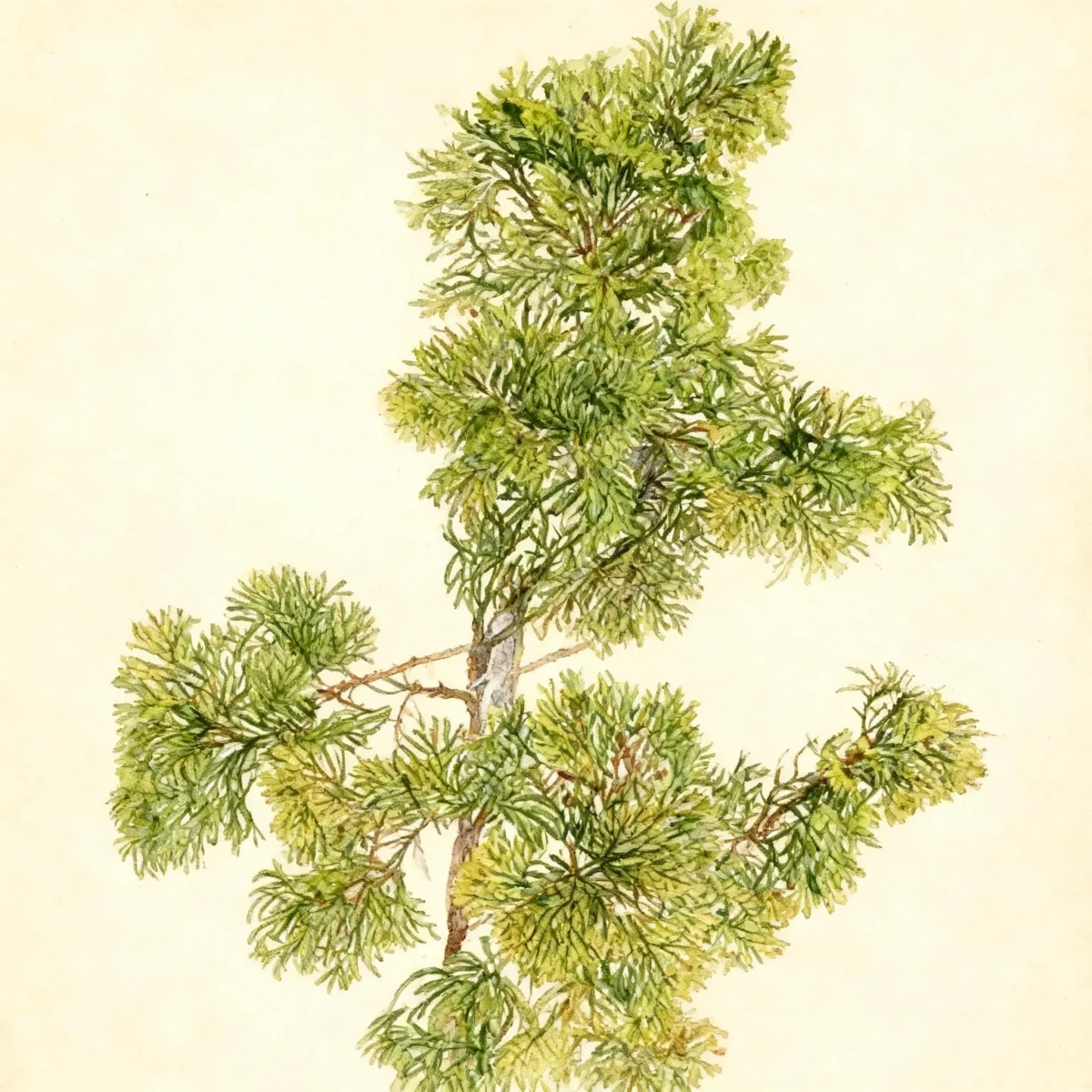
Hinoki cypress
Chamaecyparis obtusa 'Hage'
- USDA zones
- 4–8
- Light
- Full sun to part shade
- Water
- Medium
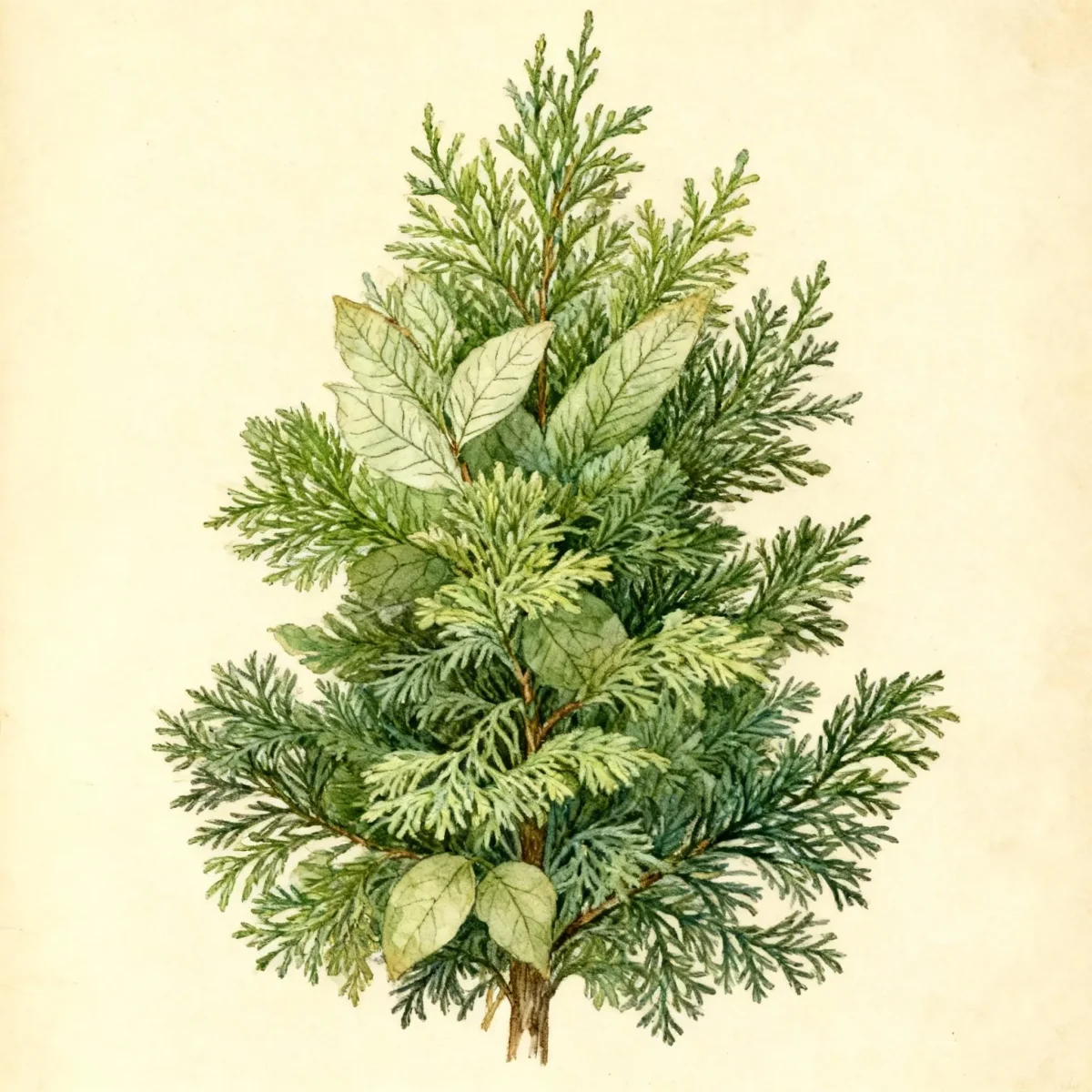
Hinoki cypress
Chamaecyparis obtusa 'Kosteri'
- USDA zones
- 4–8
- Light
- Full sun to part shade
- Water
- Medium
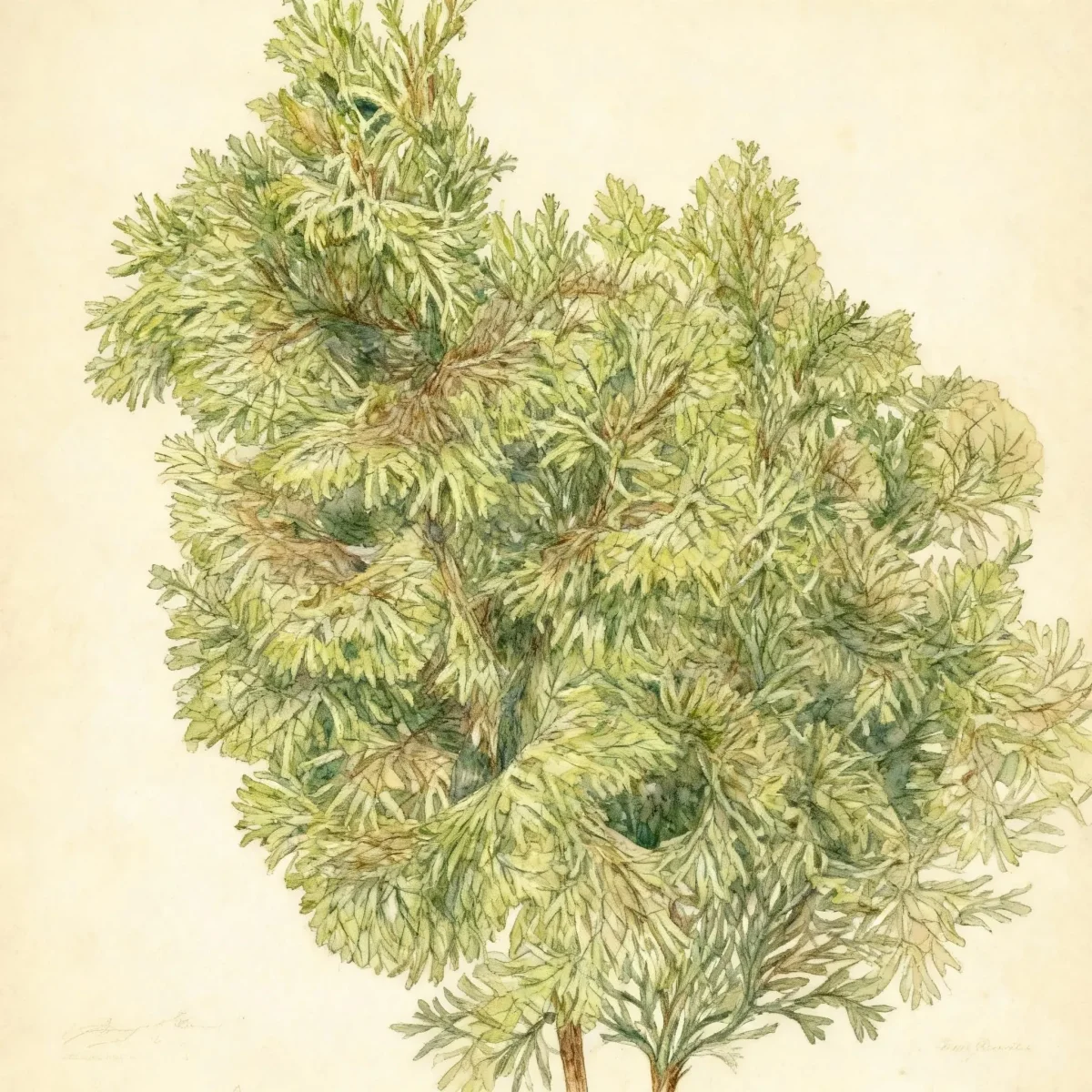
Hinoki cypress
Chamaecyparis obtusa 'Verdon'
- USDA zones
- 4–8
- Light
- Full sun to part shade
- Water
- Medium
Hinoki cypress
Chamaecyparis obtusa 'Filicoides'
- USDA zones
- 4–8
- Light
- Full sun to part shade
- Water
- Medium
Hinoki cypress
Chamaecyparis obtusa 'Heavy Texture'
- USDA zones
- 4–8
- Light
- Full sun to part shade
- Water
- Medium
Hinoki cypress
Chamaecyparis obtusa 'Lynn's Golden'
- USDA zones
- 5–8
- Light
- Full sun to part shade
- Water
- Medium
Keep Learning
Test what you know with a garden quiz
You have the plant facts and care notes. Continue with a related challenge, or browse the complete quiz library.

Can You Identify These Common Garden Plants? Test Your Plant Knowledge
Think you know your roses from your peonies? Test your plant identification skills with our comprehensive garden plant quiz featuring 10 challenging questions.
Start quiz
USDA Garden Zone Map Quiz
Use this USDA garden zone map quiz to check whether you can read hardiness zones and choose plants with more confidence.
Start quizBrowse the full quizzes section
Explore plant identification, zone strategy, and seasonal gardening challenges.
View all quizzes