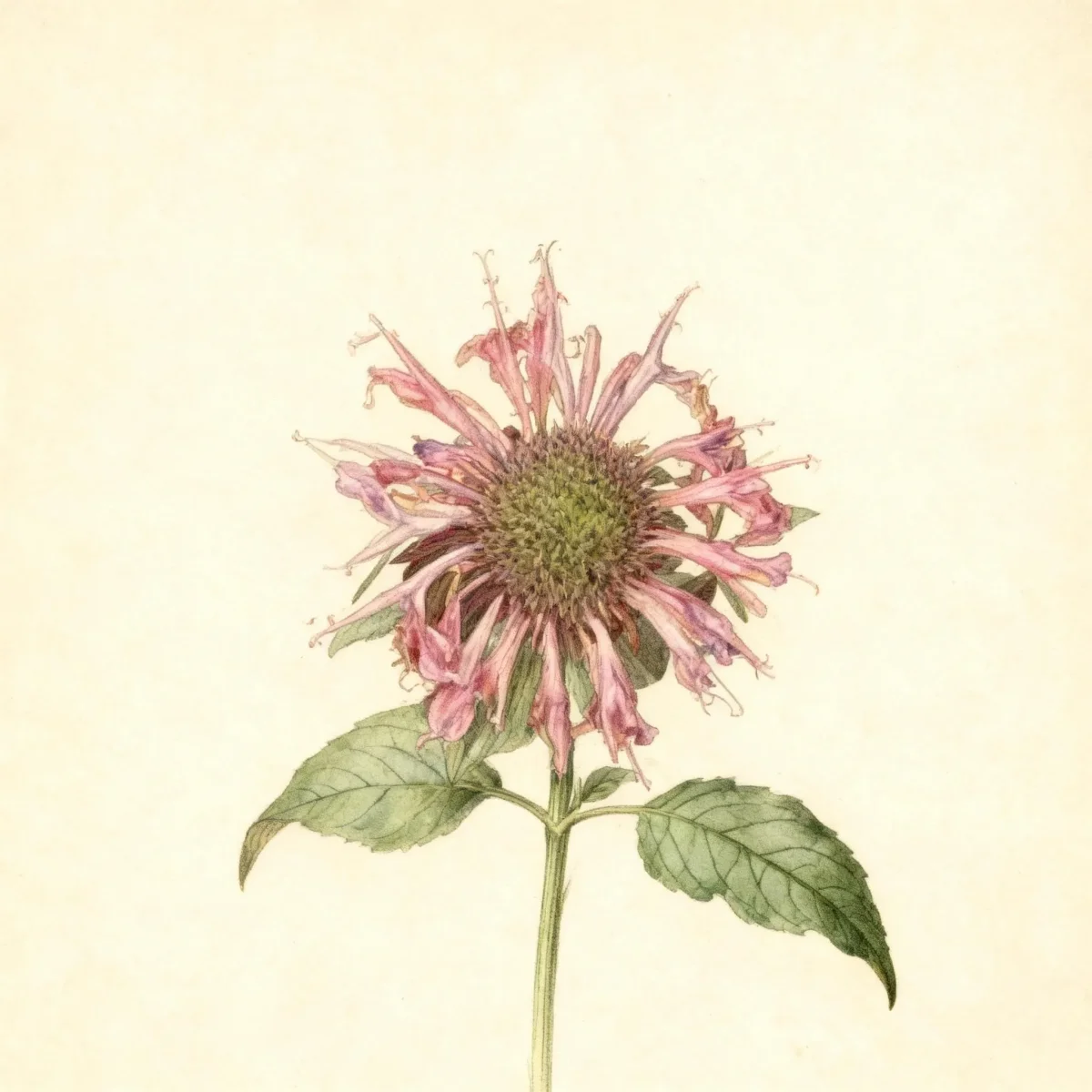
Wild bergamot (Monarda 'Fireball')
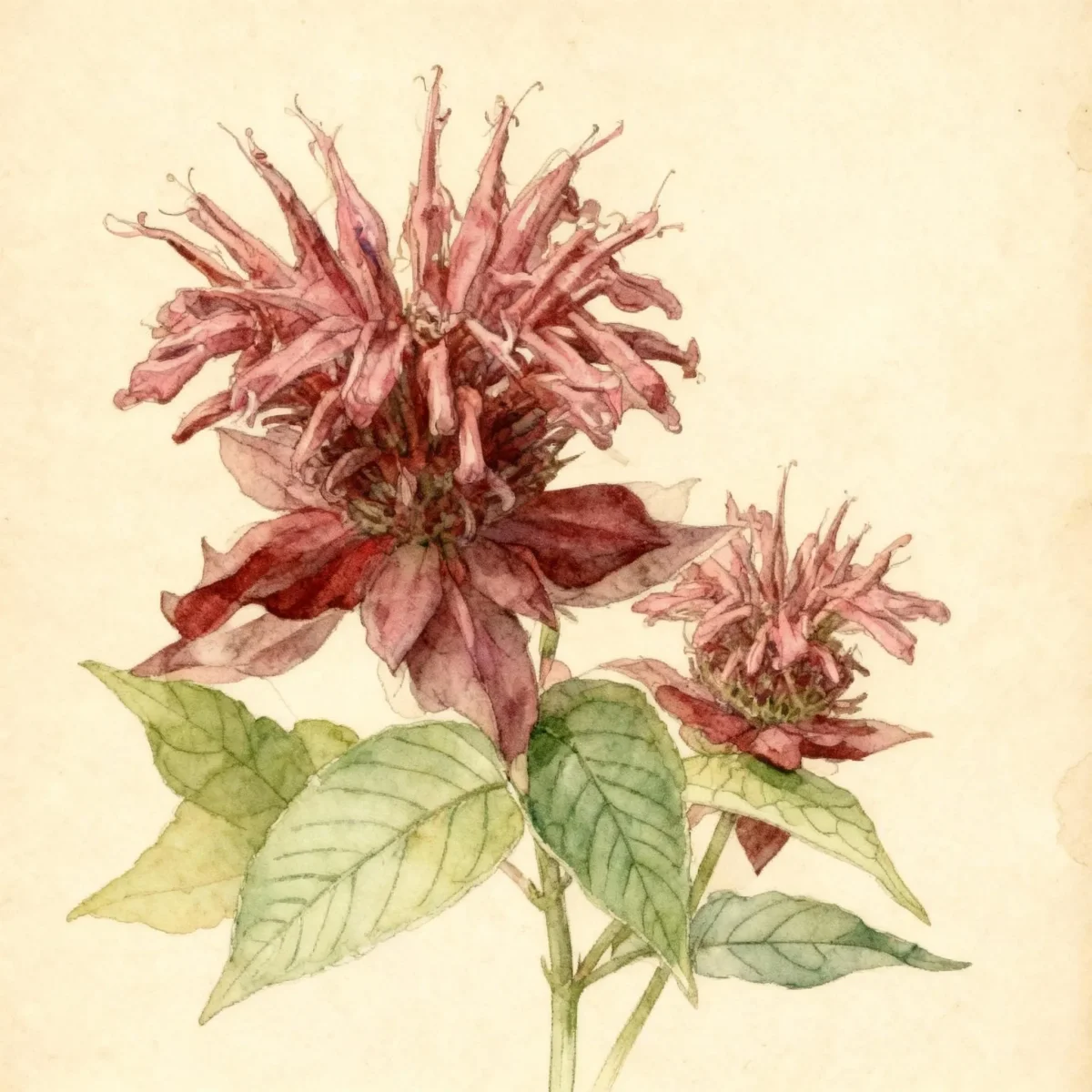
Monarda 'Fireball' (Wild bergamot) delivers long-lasting ruby red blooms. Zones 4-8, thriving in wet soil and attracting pollinators.
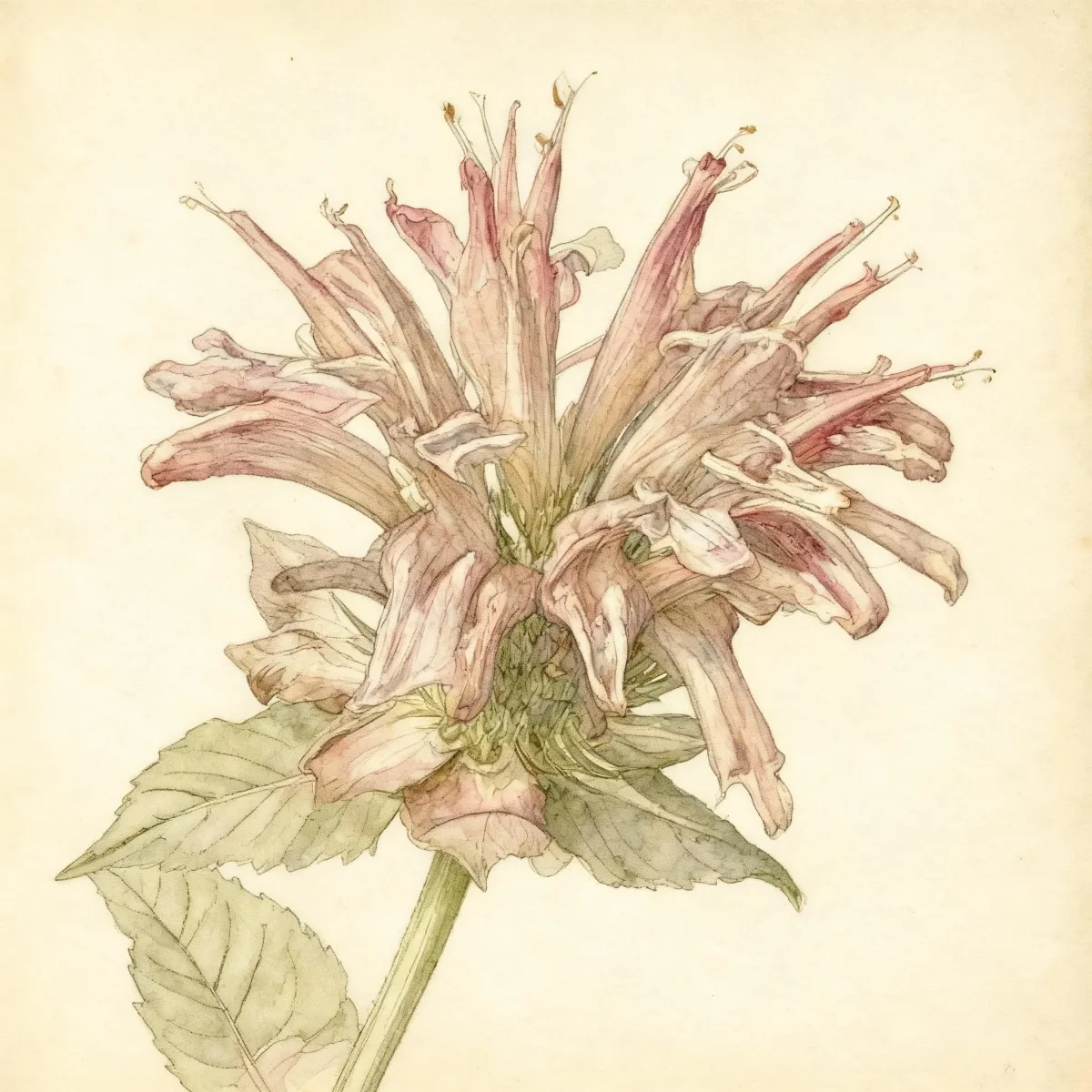

Bloom Boldly, No Matter the Season - Sweatshirt
Cozy organic cotton sweatshirt featuring our exclusive Purple Coneflower design. Perfect for gardeners who bloom year-round.
Inspired by the beautiful Wild bergamot
Limited first batch (50) — join the waitlist for early access
Waitlist closes Feb 15, 2026.
Complete Plant Information
Field Guide Continues
Ready for care notes, companion picks, and planting tips?
The map is just the start. The full guide below covers growth habits, seasonal performance, and landscape uses.
Overview
Monarda ‘Fireball’ is an outstanding herbaceous perennial celebrated for its vibrant summer display of ruby-red flowers, making it a key feature in any pollinator garden. This compact cultivar of Wild bergamot reliably offers its showy blooms from mid-summer into late August, attracting hummingbirds, bees, and butterflies with its intensely colored terminal flower heads. As a member of the mint family, Monarda ‘Fireball’ releases a pleasant aroma from its foliage, adding sensory appeal alongside its strong visual impact.
This variety of beebalm is generally easy to manage, though it requires consistent moisture, preferring medium to wet, moisture-retentive soils. Growing to about 1 to 1.5 feet tall, Monarda ‘Fireball’ maintains an upright, spreading habit that benefits from proper spacing for good air circulation. Its robust color makes it an excellent candidate for damp locations where many other perennials might struggle.
Gardeners value Monarda ‘Fireball’ for both its aesthetic contribution to perennial borders and its functional role in supporting local ecosystems. Successful cultivation relies on providing adequate sun and avoiding drying conditions, ensuring a season-long spectacle of ruby red while managing its mild spreading tendencies through occasional division.
Fast Facts
- Plant Family: Lamiaceae
- Plant Type: Herbaceous perennial
- Hardiness Zones: USDA Zones 4-8
- Size at Maturity:
- Height: 1-1.5 ft
- Spread: 1-1.5 ft
- Bloom Time: July to August
- Bloom Description: Ruby red
- Sun Exposure: Full sun to part shade
- Water Needs: Medium to wet
- Maintenance Level: Medium
How to Grow
Planting Monarda ‘Fireball’ is best done in spring or fall, ensuring the soil is rich, humusy, and reliably moist. While most hybrids named for Monarda didyma prefer medium to wet conditions, rich soils enhance growth. If planting in hot climates, ensure your Monarda ‘Fireball’ receives some afternoon shade to prevent scorching, though general recommendations suggest full sun for best flowering.
Watering is critical; these plants must not be allowed to dry out, making them excellent choices for rain gardens or stream banks where moisture is consistent. Fertilization is usually unnecessary if the soil is already rich, but focus on soil health over heavy feeding to prevent overly lush foliage that might compromise disease resistance.
Maintenance for this Wild bergamot includes deadheading spent flower heads to maintain a tidy appearance and potentially encourage a short second flush of bloom. Because Monarda ‘Fireball’ slowly spreads by rhizomes, dividing the clumps every three to four years is recommended to prevent overcrowding, which can exacerbate fungal issues.
A major aspect of successful cultivation is ensuring good air circulation around the plants. Crowding or wet conditions increase the risk of foliage diseases, so space them appropriately when implementing garden designs.
Landscape Uses
Monarda ‘Fireball’ is highly adaptable, shining particularly well in settings where moisture is abundant. Its vibrant ruby red flowers make it a star in perennial borders, adding vertical interest and intense color through mid-summer. Use it strategically along the edges of moist, sunny areas, such as ponds or streams, where its water needs are easily met.
For cottage gardens, the unique flower structure of this Wild bergamot provides excellent texture contrast against softer-leaved companions. Furthermore, its adaptability means Monarda ‘Fireball’ performs admirably in containers, provided the pot is kept consistently moist, allowing you to place this pollinator magnet exactly where you want to observe visiting wildlife.
Standout Features
Flower Qualities
- Showy
Noteworthy Characteristics
Monarda is a genus of about 15 species of annuals and herbaceous perennials from prairies and woodlands in North America, flowering from mid-summer to early fall and attracting many pollinators. Genus name honors Nicholas Monardes (1493-1588). The cultivar ‘Fireball’ is a compact beebalm, typically reaching 15-20 inches tall, featuring tubular, two-lipped red-purple flowers borne in dense, globular heads atop stiff, square stems. Attractive to bees, butterflies, and hummingbirds, this aromatic plant was granted U. S. Plant Patent PP14,235 in 2003.
Tolerances
- Deer
- Wet Soil
Potential Problems
Powdery mildew remains a common concern for many Monarda varieties, often increasing in severity if the plant is stressed by dry soil. Rust is another occasional fungal issue that can affect the foliage. To minimize susceptibility, always ensure your Monarda ‘Fireball’ receives good air circulation; densely packed plants suffer most often. While this specific cultivar is reported to have good mildew resistance, avoiding overhead watering at night can help keep the leaves dry and healthy throughout the growing season.
Frequently Asked Questions
What hardiness zones is Monarda ‘Fireball’ suitable for?
Monarda ‘Fireball’ is suitable for USDA Hardiness Zones 4 through 8.
How large does Wild bergamot grow?
This plant typically reaches a height between 1 and 1.5 feet tall, with a spread of 1 to 1.5 feet wide.
What sun exposure does Monarda ‘Fireball’ need?
It performs best and flowers most prolifically in full sun, but can tolerate partial shade, especially in hotter summer climates.
When does Monarda ‘Fireball’ bloom?
This Wild bergamot variety flowers during the peak summer months, typically from July to August, displaying rich ruby red blooms.
Conclusion
Monarda ‘Fireball’ offers exceptional value through its reliable summer color, high pollen value for wildlife, and its ability to thrive in moist garden locations. By respecting the moisture needs of this beautiful Wild bergamot cultivar and ensuring good air movement, gardeners can enjoy its spectacular ruby red display season after season. Check your local hardiness zone compatibility before planning your placement for this season.
Companion Planting
When placing Monarda ‘Fireball’ in the garden, consider companions that share its preference for moisture-retentive soil; this ensures all plants thrive without adjusting watering schedules. Good partners include native Iris species, taller Aster varieties, or Joe-Pye Weed (Eutrochium spp.), which offer structural contrast later in the season. Avoid planting too tightly, as the mild spreading nature of this beebalm requires some room to breathe.
Wildlife Benefits
The intense, tubular flowers of Monarda ‘Fireball’ are perfectly structured to accommodate long-tongued pollinators. This plant is a powerful magnet for hummingbirds, which are drawn instantly to the ruby red color. Butterflies, including Swallowtails, frequently land on the dense flower heads, making the mid-summer bloom time of this Wild bergamot an active period in the garden ecosystem. Plant clusters of Monarda ‘Fireball’ for the most dramatic visual and ecological impact.