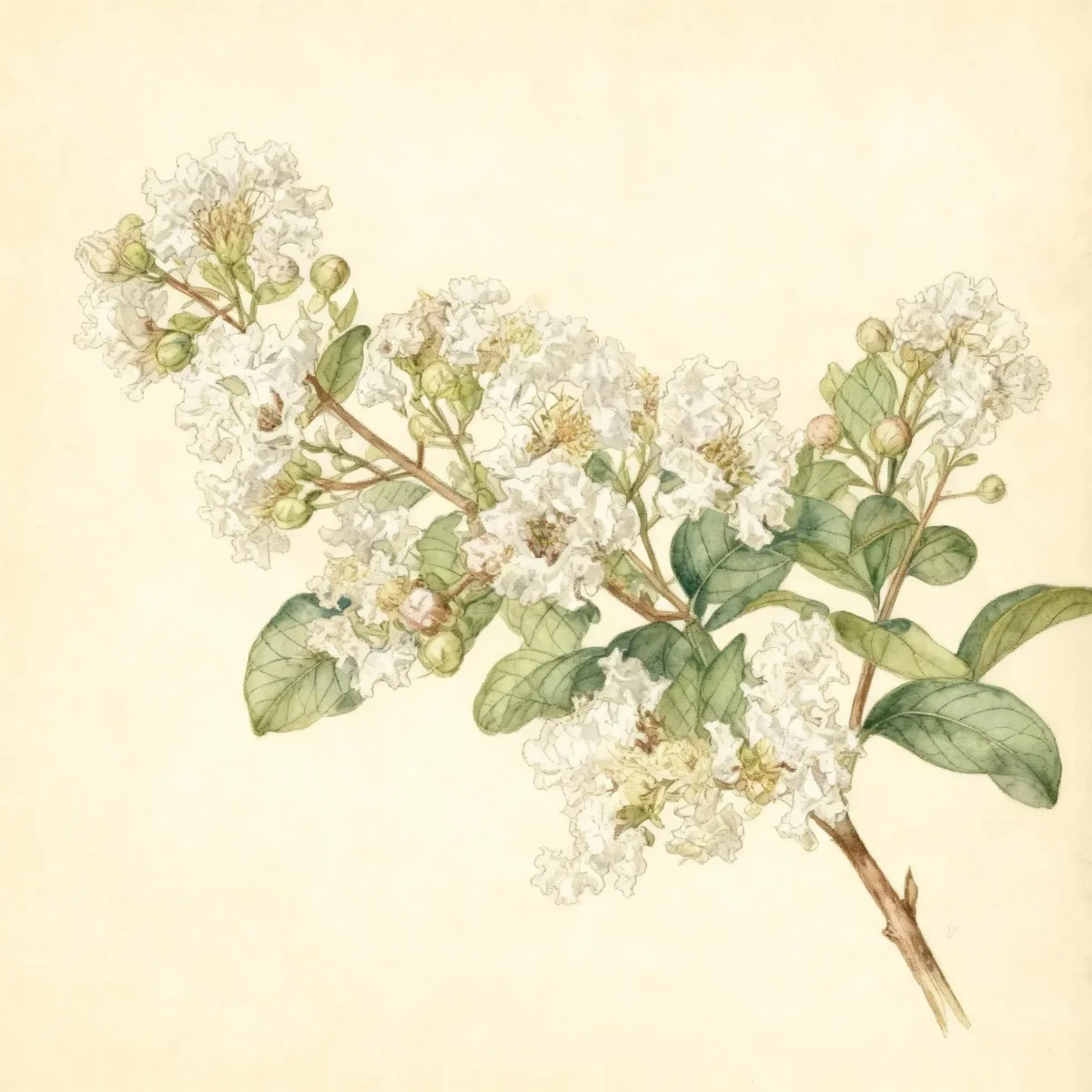
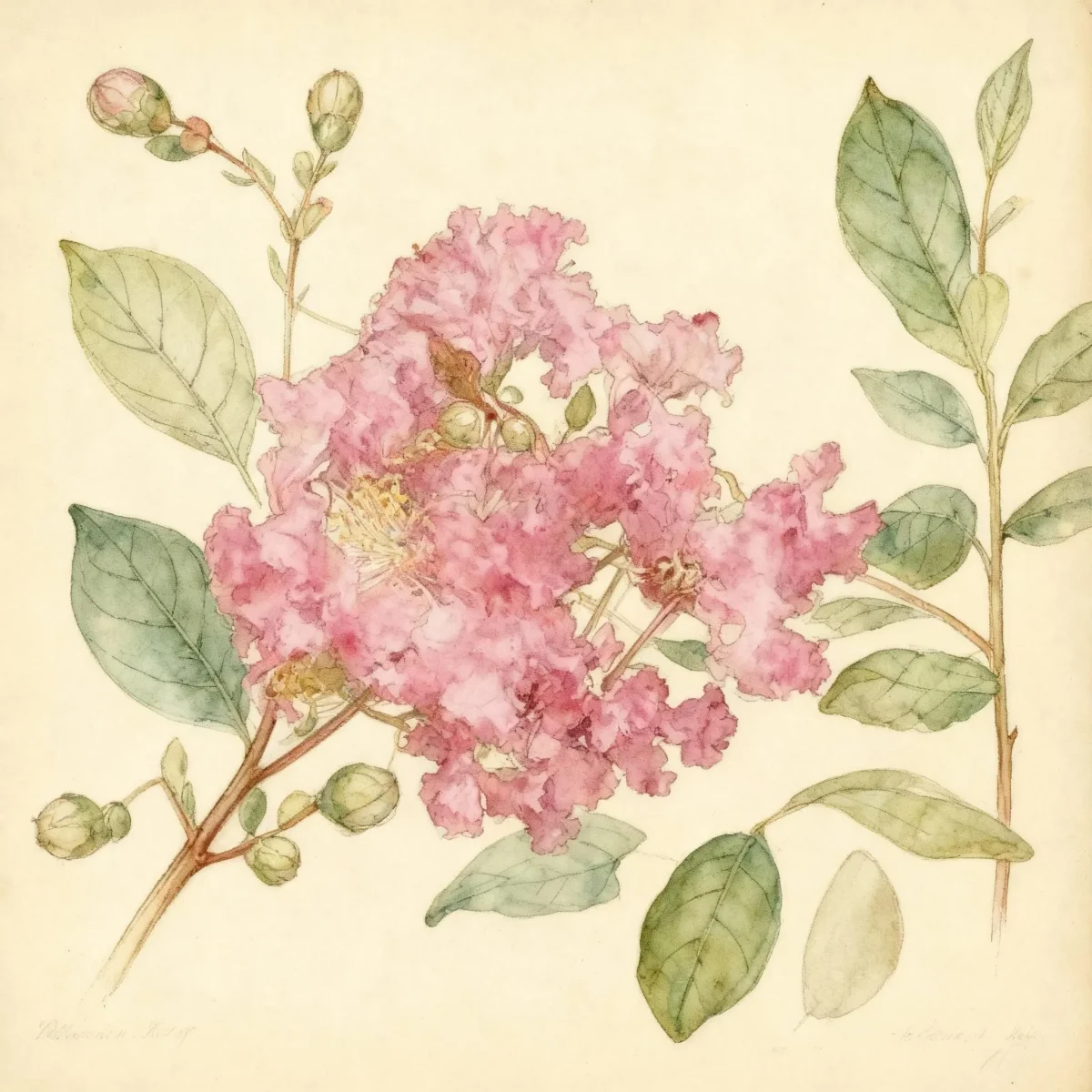
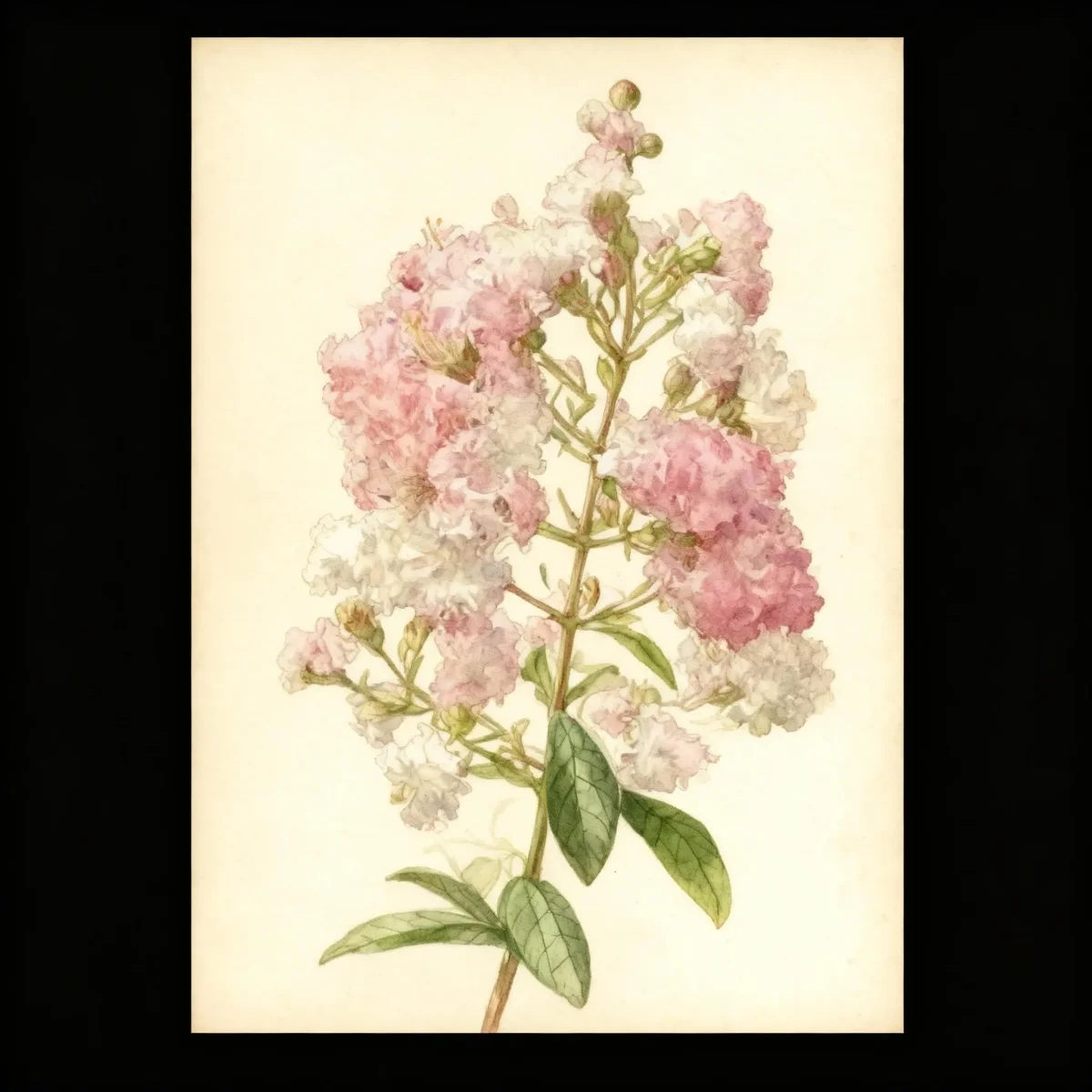
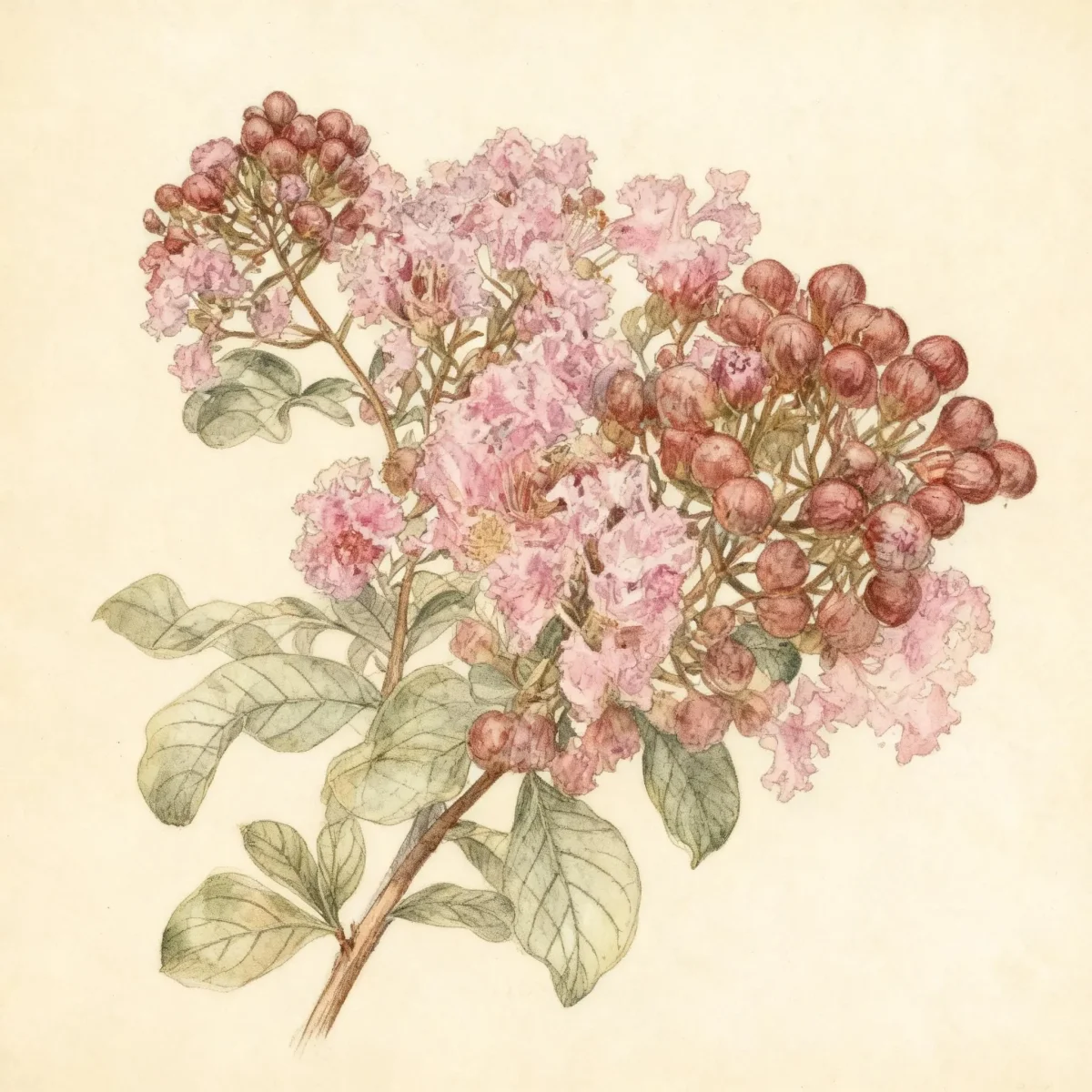
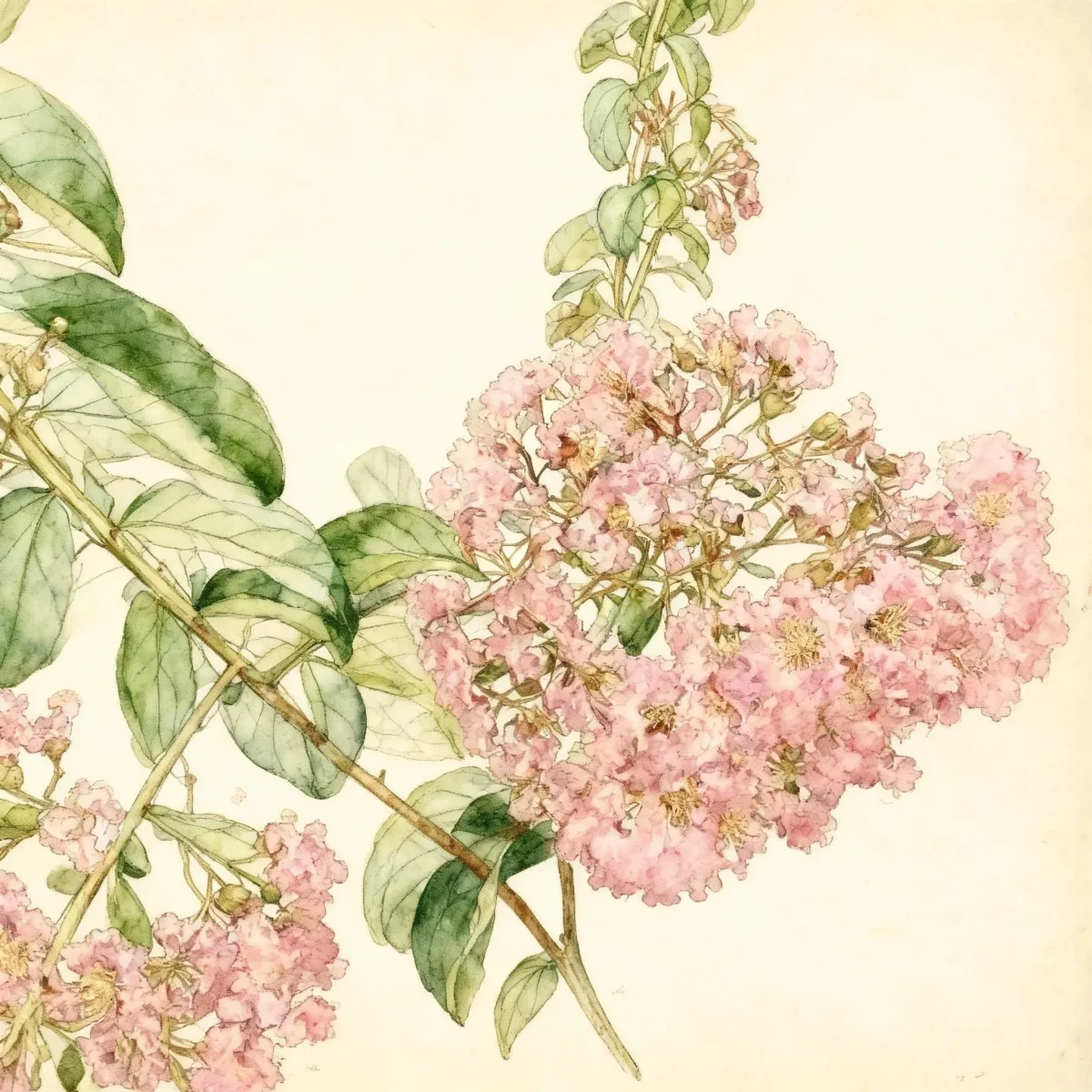
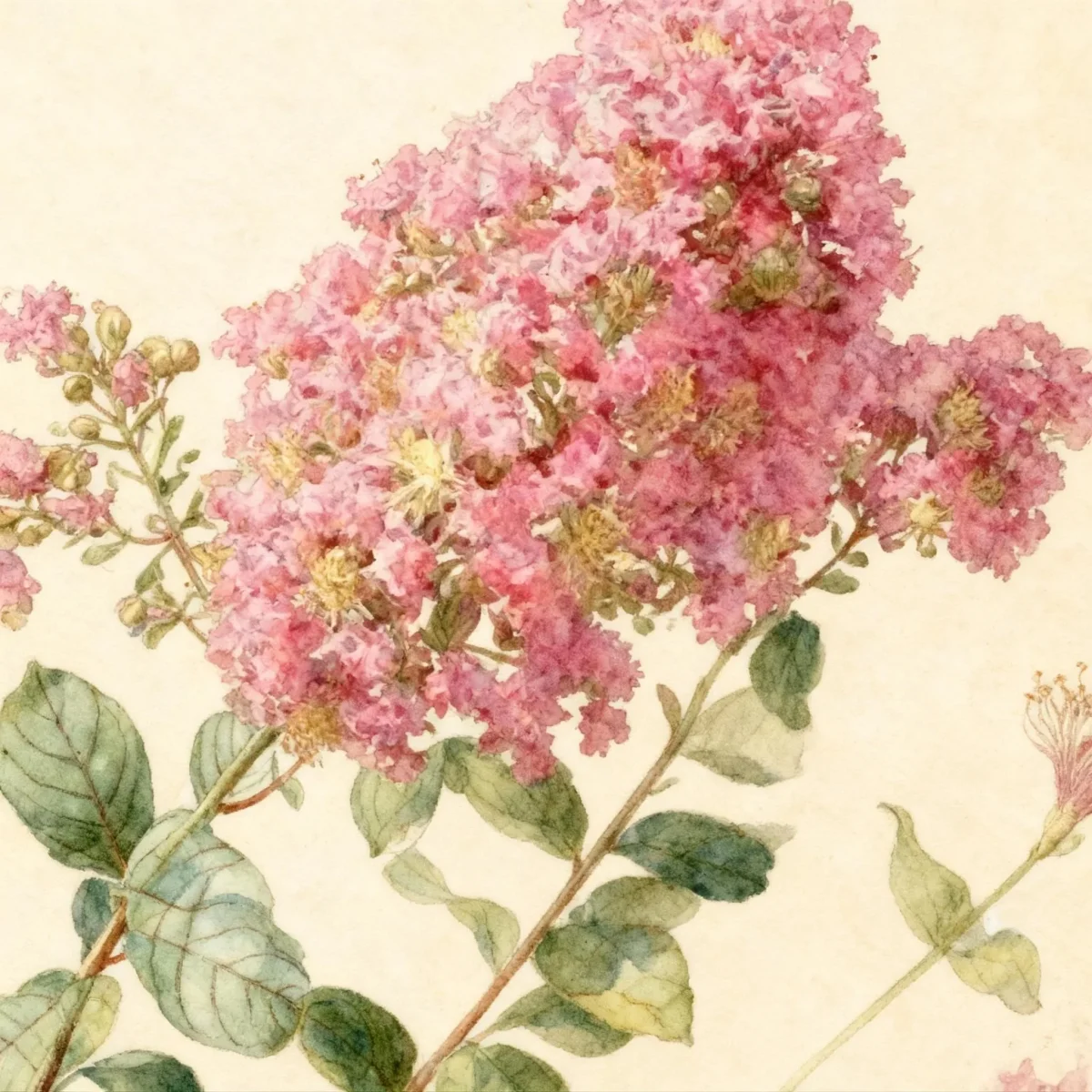
Crape myrtle (Lagerstroemia 'Apalachee')
Lagerstroemia 'Apalachee' Crape myrtle offers light lavender summer blooms and excellent mildew resistance for gardeners in Zones 6-9.
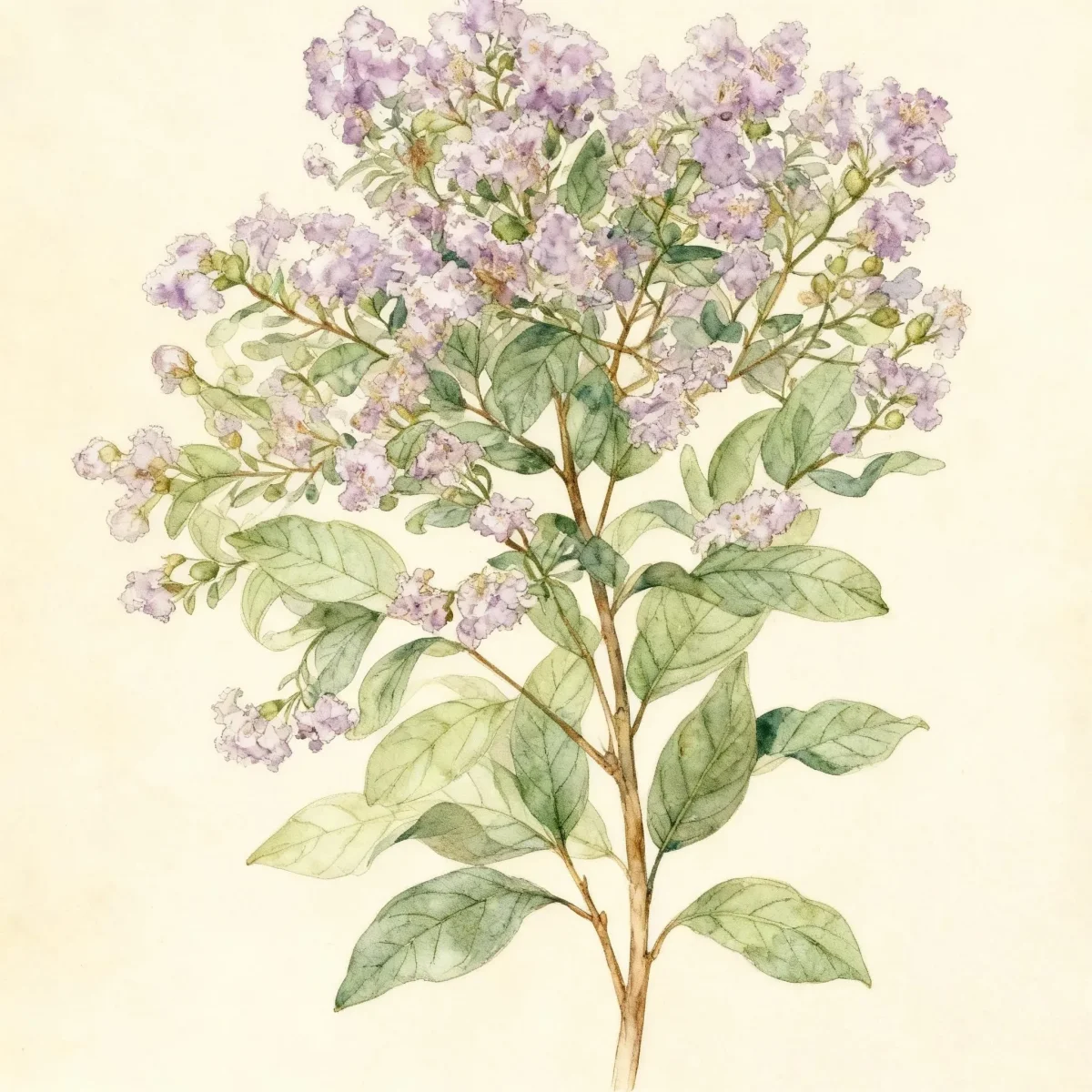

Bloom Boldly, No Matter the Season - Sweatshirt
Cozy organic cotton sweatshirt featuring our exclusive Purple Coneflower design. Perfect for gardeners who bloom year-round.
Inspired by the beautiful Crape myrtle
Limited first batch (50) — join the waitlist for early access
Waitlist closes Feb 15, 2026.
Complete Plant Information
Field Guide Continues
Ready for care notes, companion picks, and planting tips?
The map is just the start. The full guide below covers growth habits, seasonal performance, and landscape uses.
Overview
Lagerstroemia ‘Apalachee’ is a highly valued cultivar within the Crape myrtle genus, renowned for its vigorous summer display of light lavender flowers that last well into autumn. This hybrid offers significant aesthetic appeal alongside improved disease management, making it a reliable choice for warm-season color. As a deciduous shrub, it provides multi-season interest, transitioning from dark green foliage to dull orange or dark red in the fall, complemented by exfoliating cinnamon to gray bark.
This particular Crape myrtle cultivar is exceptionally useful because it was developed as one of the mildew-resistant hybrids from the National Arboretum. While it thrives in warmer climates as a small tree, Lagerstroemia ‘Apalachee’ shows adaptability in cooler regions where winter dieback may occur, allowing it to function robustly as a multi-stemmed shrub that flowers reliably on new wood.
Gardeners seeking reliable summer bloomers that can handle various soil conditions will appreciate this plant. Its drought tolerance and ability to manage clay soils are practical benefits, though successful cultivation hinges on providing ample sunlight to maximize its impressive flowering schedule that spans from July through September.
Fast Facts
- Plant Family: Lythraceae
- Plant Type: Deciduous shrub
- Hardiness Zones: USDA Zones 6-9
- Size at Maturity:
- Height: 2-12 ft
- Spread: 2-12 ft
- Bloom Time: July to September
- Bloom Description: Light lavender
- Sun Exposure: Full sun
- Water Needs: Medium
- Maintenance Level: Medium
How to Grow
For optimal establishment, plant Lagerstroemia ‘Apalachee’ in the spring after the danger of frost has passed. This Crape myrtle requires full sun exposure for the best flowering performance. It adapts well to average, medium moisture conditions but performs particularly well in loamy or clay-based soils, provided they maintain good drainage.
Watering established plants deeply during dry spells is recommended, focusing the water on the root zone rather than wetting the foliage, which helps mitigate disease spread. Consider applying a slow-release fertilizer if growth appears sluggish. Be aware that overly rich soils prioritize leafy growth over flower production and might increase susceptibility to winter injury.
In colder segments of its hardiness range, specifically Zones 5 and 6, winter protection or specific pruning strategies are essential. In areas where top growth frequently dies back (like St. Louis), treat Lagerstroemia ‘Apalachee’ like a butterfly bush, cutting stems back to 8 inches in early spring. Flowers will emerge readily on the new stems that grow throughout the season. In milder zones, prune only to remove dead wood or shape the shrub/small tree form in late winter or early spring.
Landscape Uses
The versatile nature of this Crape myrtle allows it to fit numerous landscape roles. Its manageable size, reaching up to 12 feet high and wide, makes Lagerstroemia ‘Apalachee’ excellent as a specimen shrub that showcases its lavender blooms and attractive bark. It performs beautifully when massed in shrub or perennial borders, providing excellent mid-to-late season color contrast.
In the warmer parts of USDA Zones 8 and 9, where top growth reliably overwinters, consider utilizing this cultivar as a tall screen or informal hedge feature. It can also be carefully trained into a small, multi-trunked tree accent piece near patios or entryways, capitalizing on the exfoliating bark features as winter approaches.
When selecting companions, pair this Crape myrtle with plants that share its preference for full sun and well-drained soil but offer different bloom times or foliage textures. Consider integrating it with summer-flowering perennials or low-growing, fine-textured evergreens to enhance the visual impact of its light lavender panicles.
Standout Features
Flower Qualities
- Showy
- Good Cut
Noteworthy Characteristics
The Lagerstroemia genus is cherished for its brilliant summer-to-fall bloom cycle. ‘Apalachee’ is a specific hybrid developed by the National Arboretum, crossing L. Indica and L. Fauriei, primarily noted for its exceptional mildew resistance. This deciduous shrub features eye-catching, crepe-papery panicles of light lavender flowers, complemented by developing bronze-tinged foliage that matures to dull orange or red tones before shedding to reveal cinnamon-gray, exfoliating bark. In Southern reaches, this cultivar can develop into a small tree reaching 13 feet, but in cooler areas, it remains a smaller, upright, spreading shrub.
Tolerances
- Drought
- Clay Soil
- Air Pollution
Potential Problems
The most common issues affecting Crape myrtles include fungal leaf spot and powdery mildew, though Lagerstroemia ‘Apalachee’ exhibits strong resistance to the latter. To manage leaf spot, practice good air circulation and avoid overhead watering to keep foliage dry. Foliage may display yellowing (chlorosis) if the soil pH is too high (alkaline); amending the soil or choosing acid-loving companions can help mitigate this. Be vigilant for minor infestations of aphids or scale, which can often be controlled with horticultural oil or strong sprays of water. The primary concern in Northern zones (5-6) remains winter injury to the above-ground wood, requiring the pruning strategies described previously to ensure annual flowering.
Frequently Asked Questions
What hardiness zones is Lagerstroemia ‘Apalachee’ suitable for?
This adaptable Crape myrtle is hardy in USDA Zones 6 through 9.
How large does Crape myrtle grow?
Lagerstroemia ‘Apalachee’ typically reaches a mature height and spread between 2 to 12 feet.
What sun exposure does Lagerstroemia ‘Apalachee’ need?
This plant requires full sun exposure to thrive and produce its best summer bloom.
When does Lagerstroemia ‘Apalachee’ bloom?
This variety blooms consistently from July all the way through September, displaying lovely light lavender flowers.
Conclusion
Lagerstroemia ‘Apalachee’ delivers reliable, beautiful summer interest thanks to its attractive lavender blooms and notable mildew resistance, offering a low-worry choice for its hardiness range. Whether utilized as a robust shrub or trained as a small accent tree, this Crape myrtle adds significant texture and seasonal color to the landscape. Always confirm that your local USDA zone aligns with the plant’s requirements, especially planning for winter protection if you are gardening near Zone 6.
Companion Planting
When integrating Lagerstroemia ‘Apalachee’ into garden beds, pair it with plants that appreciate full sun and possess contrasting textures or bloom times. Consider low-growing ornamental grasses or sedums near the base to provide ground cover underneath the shrub canopy, especially where winter cutting back is practiced. For color companions during the peak bloom time, consider plants that feature blue or deep purple flowers, such as Russian Sage (Perovskia atriplicifolia) or certain varieties of Salvia, as these colors complement the light lavender of the Crape myrtle beautifully.
Seasonal Care Calendar
Spring is the essential time for preparation; in colder zones, prune back any dead or damaged wood to 8 inches in early spring. As soil warms, apply a slow-release fertilizer and begin checking for new vegetative growth. Summer is the main watering period; ensure deep, infrequent watering during dry spells, focusing strictly on the root zone to maintain medium moisture levels without encouraging fungal issues on the leaves. In autumn, the foliage of Lagerstroemia ‘Apalachee’ puts on a final show with bronze and red tones before leaf drop, signaling the time to stop fertilizing and prepare for winter dormancy, perhaps applying a protective winter mulch around the root zone.