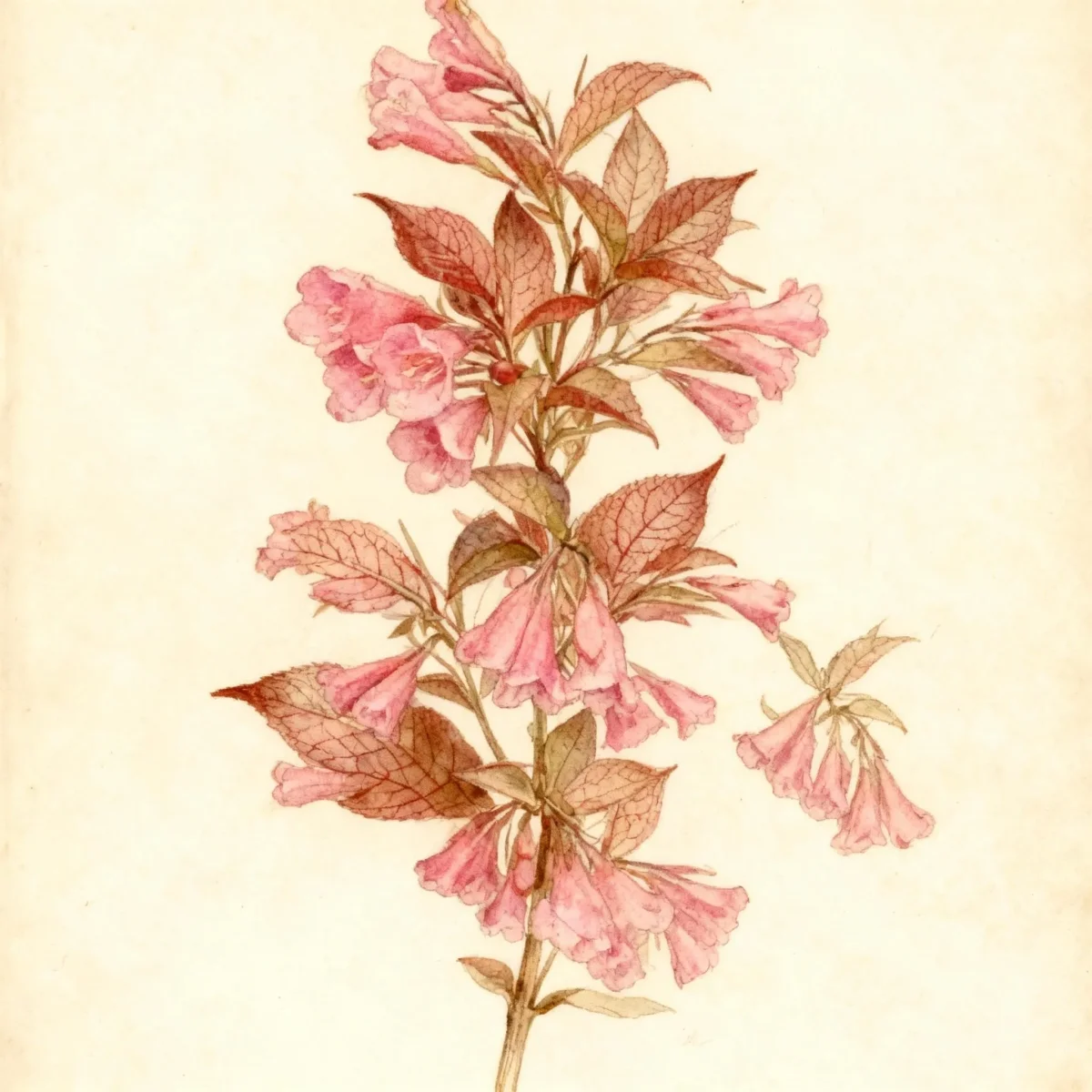
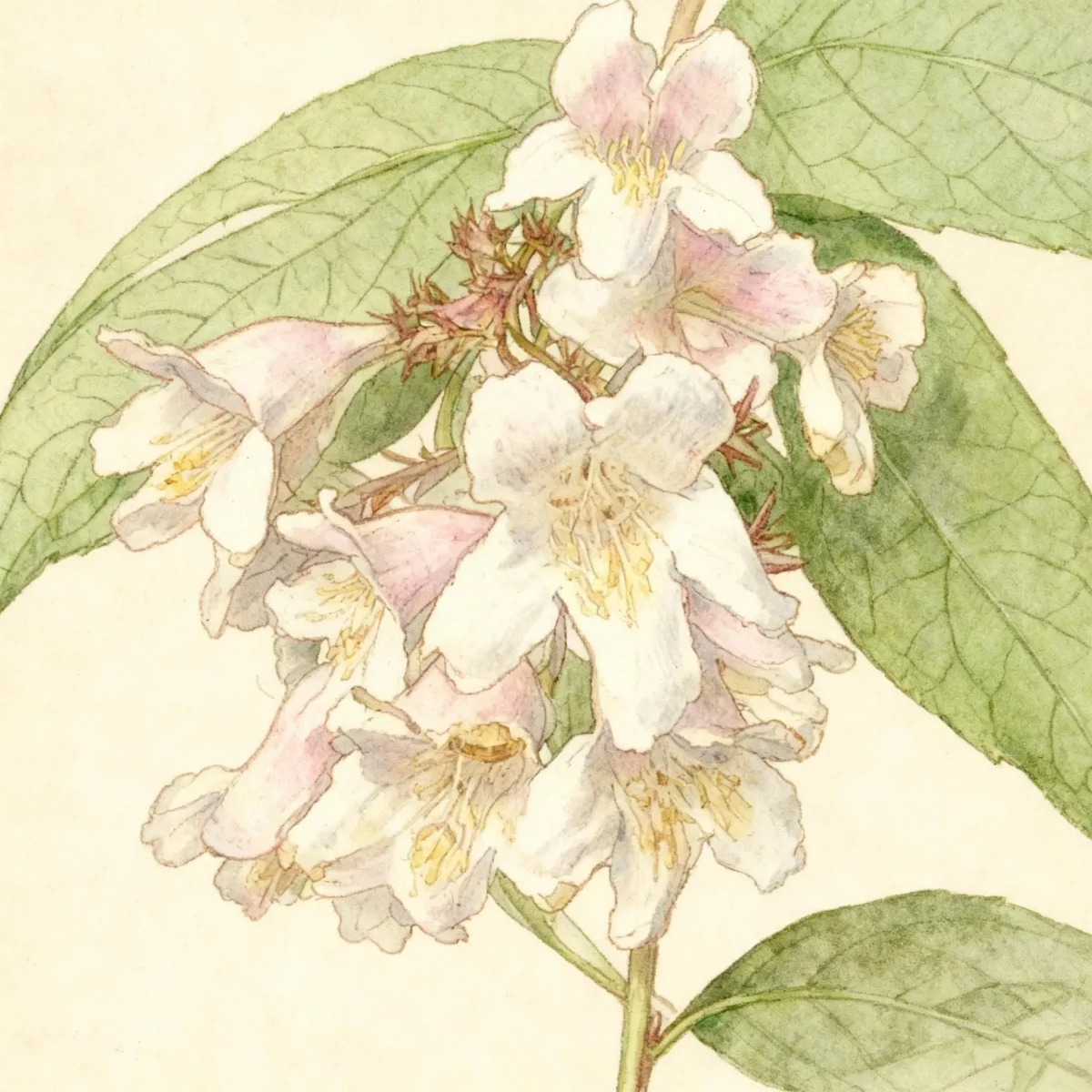
Beautybush (Kolkwitzia amabilis 'Pink Cloud')
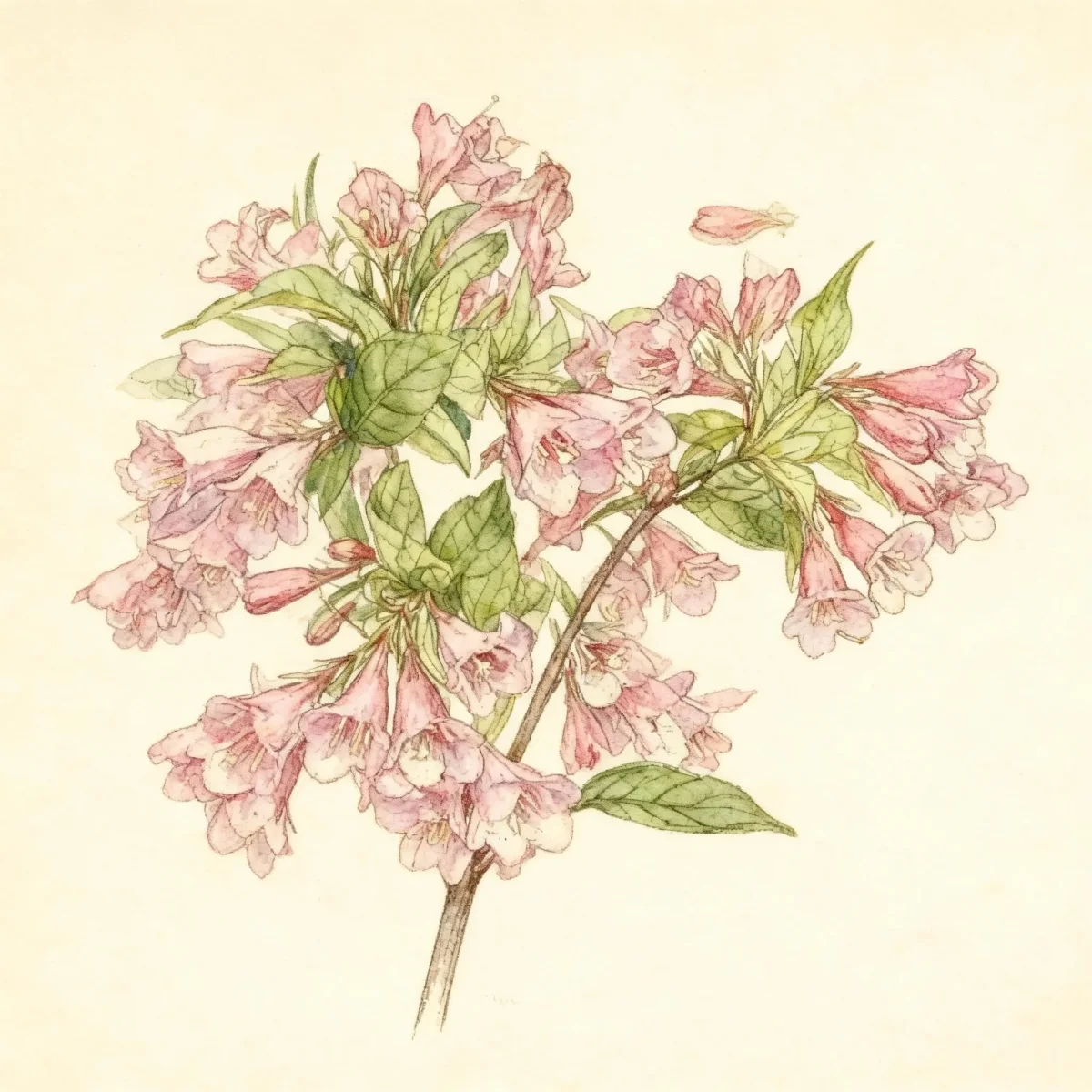
Kolkwitzia amabilis 'Pink Cloud' is a low-maintenance deciduous shrub known for its outstanding, profuse pink spring blooms.

Bloom Boldly, No Matter the Season - Sweatshirt
Cozy organic cotton sweatshirt featuring our exclusive Purple Coneflower design. Perfect for gardeners who bloom year-round.
Inspired by the beautiful Beautybush
Limited first batch (50) — join the waitlist for early access
Waitlist closes Feb 15, 2026.
Complete Plant Information
Field Guide Continues
Ready for care notes, companion picks, and planting tips?
The map is just the start. The full guide below covers growth habits, seasonal performance, and landscape uses.
Overview
The Kolkwitzia amabilis ‘Pink Cloud’, commonly known as Beautybush, stands out in the landscape for its magnificent, profuse display of bell-shaped pink flowers that herald the arrival of late spring. This deciduous shrub is prized by gardeners for its hardiness and highly ornamental nature, making it a reliable addition to larger properties. It features an attractive arching, vase-shaped habit, growing typically between 6 to 10 feet tall and wide.
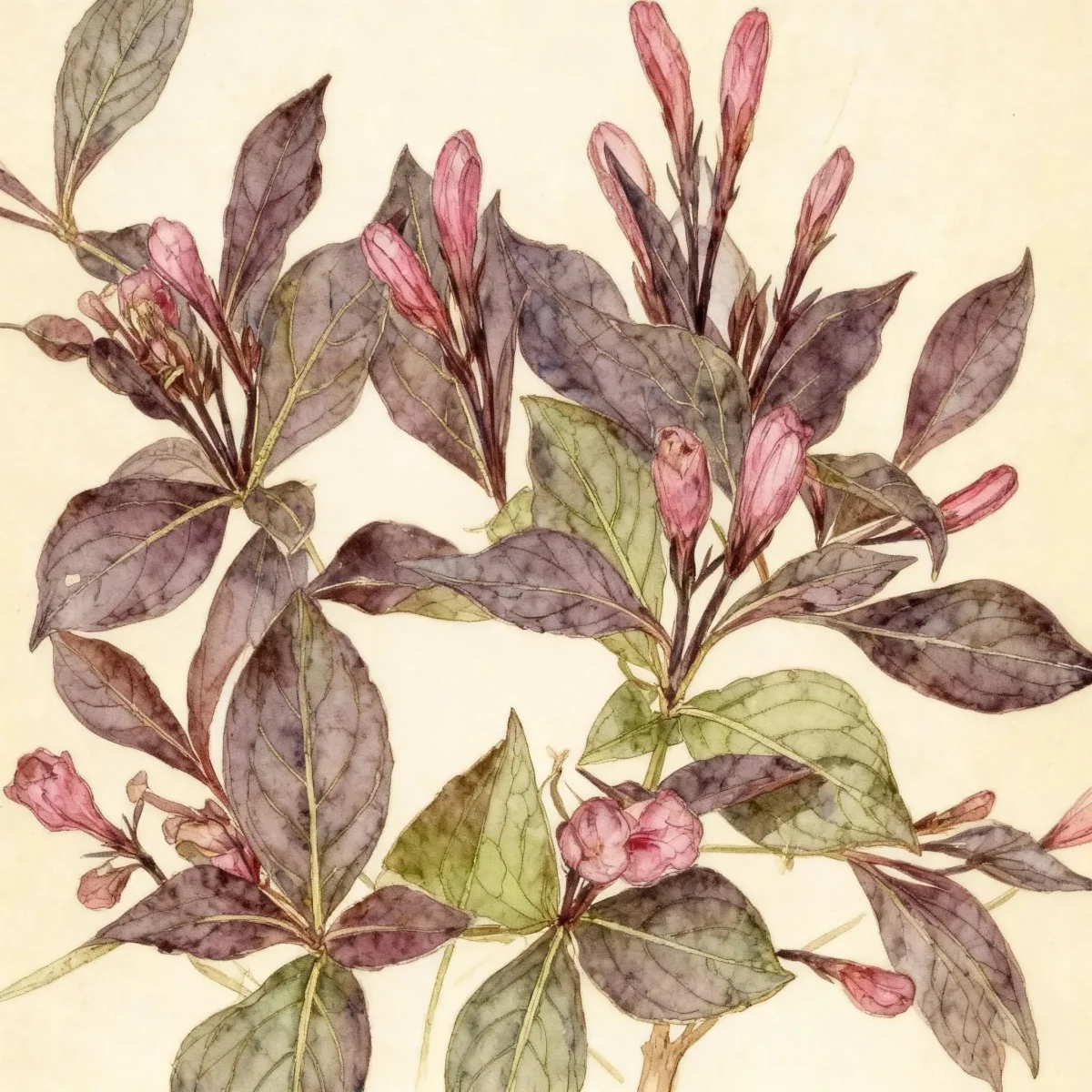
Though it thrives in full sun, the foliage of Kolkwitzia amabilis ‘Pink Cloud’ often exhibits its best color when receiving some sun-filtered part shade. As a member of the honeysuckle family, it offers seasonal interest beyond its gorgeous bloom, including exfoliating bark on mature stems that provides minor winter appeal. Beautybush largely remains a low-maintenance choice, offering high visual return for minimal ongoing effort.
Fast Facts
- Plant Family: Caprifoliaceae
- Plant Type: Deciduous shrub
- Hardiness Zones: USDA Zones 4-8
- Size at Maturity:
- Height: 6-10 ft
- Spread: 6-10 ft
- Bloom Time: April to May
- Bloom Description: Pink
- Sun Exposure: Full sun
- Water Needs: Medium
- Maintenance Level: Low
How to Grow
Planting Beautybush should ideally occur in spring or fall, ensuring it establishes roots before extreme weather hits. Choose a location that provides full sun exposure for the best flowering, though filtered shade is tolerated for better leaf color. This shrub adapted well to average, medium-moisture soils, provided they are well-drained.
Water needs are medium; ensure consistent moisture, especially during the first year after planting. Maintenance for Kolkwitzia amabilis ‘Pink Cloud’ is generally low. Prune only to remove dead wood as necessary.
The vigorous stems of Beautybush can become dense over time. Every few years, consider thinning stems or cutting all stems back to the ground in late winter or immediately after flowering to rejuvenate the plant. Be mindful that hard pruning in late winter will sacrifice that season’s bloom, as the plant flowers on old wood.
Landscape Uses
The substantial size and dense habit of Kolkwitzia amabilis ‘Pink Cloud’ make it excellent for functional roles in large garden spaces. As suggested by its low maintenance profile, it excels when massed together or used as a significant screening element or informal hedge on spacious properties.
While it functions perfectly as a screen, it is considered only marginally ornamental for use as a formal specimen near foundations or in narrow shrub borders, due to its somewhat rambling nature when mature. Consider pairing the Beautybush with later-flowering shrubs to extend seasonal color interest in the border.
Standout Features
Flower Qualities
- Showy
Noteworthy Characteristics
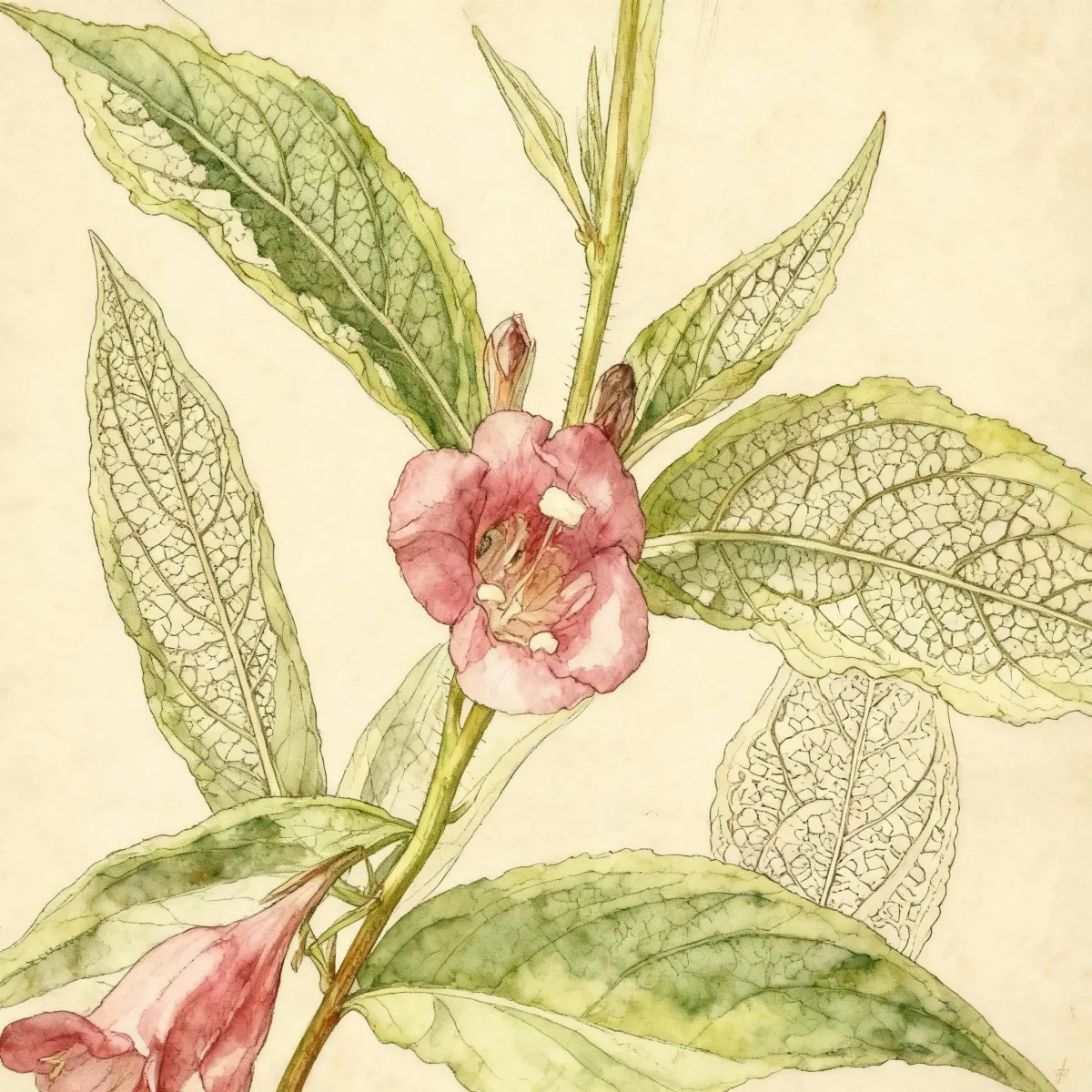
Kolkwitzia amabilis, commonly called beautybush, is a member of the honeysuckle family, closely related to Weigela and Diervilla. It is primarily grown for its outstanding spring flowers, which are bell-shaped with yellow throats appearing in profuse clusters. ‘Pink Cloud’ is known as a more floriferous selection featuring clear pink blooms that are slightly larger than the species form.
Tolerances
- Deer
- Clay Soil
Potential Problems
The Beautybush generally faces no significant insect or disease problems, contributing to its low maintenance rating. Gardeners should focus primarily on managing its size and shape through appropriate pruning techniques rather than fighting pests or pathogens. Vigilance regarding renovation pruning after several years prevents the shrub from becoming overly crowded internally.
Frequently Asked Questions
What hardiness zones is Beautybush suitable for?
Kolkwitzia amabilis ‘Pink Cloud’ is suitable for USDA Zones 4 through 8.
How large does Beautybush grow?
This deciduous shrub typically reaches a height and spread between 6 to 10 feet at maturity.
When does Kolkwitzia amabilis ‘Pink Cloud’ bloom?
The profuse bloom time for this cultivar is from April to May, featuring distinct pink flowers.
What sun exposure does Beautybush need?
For optimal flowering, Kolkwitzia amabilis ‘Pink Cloud’ requires full sun exposure.
Conclusion
The Kolkwitzia amabilis ‘Pink Cloud’ offers exceptional value through its reliable, exuberant spring performance and adaptability to challenging soils like clay. As a sturdy, low-maintenance Beautybush, it provides excellent screening or mass planting impact. Ensure your gardening site falls within USDA Zones 4-8 and plan for occasional rejuvenation pruning to keep this admired shrub looking its best.
Companion Planting
When incorporating Beautybush into a mixed border, select companion plants that either bloom before or significantly after the April/May show of Kolkwitzia amabilis ‘Pink Cloud’. Early spring bulbs like Narcissus or early Lilacs pair well visually while their bloom times diverge. Consider late-blooming hydrangeas or late-season perennials positioned behind the shrub to provide continuous interest once the pink clouds have faded.
Design Ideas
As the Beautybush matures into a 10-foot specimen, it functions beautifully as a loose, informal screen at the edge of a property or along a boundary line where formal hedging is not required. Use its arching habit to soften hardscape elements like retaining walls or fences. For a naturalized look, allow the shrub to grow into its natural form rather than shearing it into a tight shape, emphasizing its graceful structure.