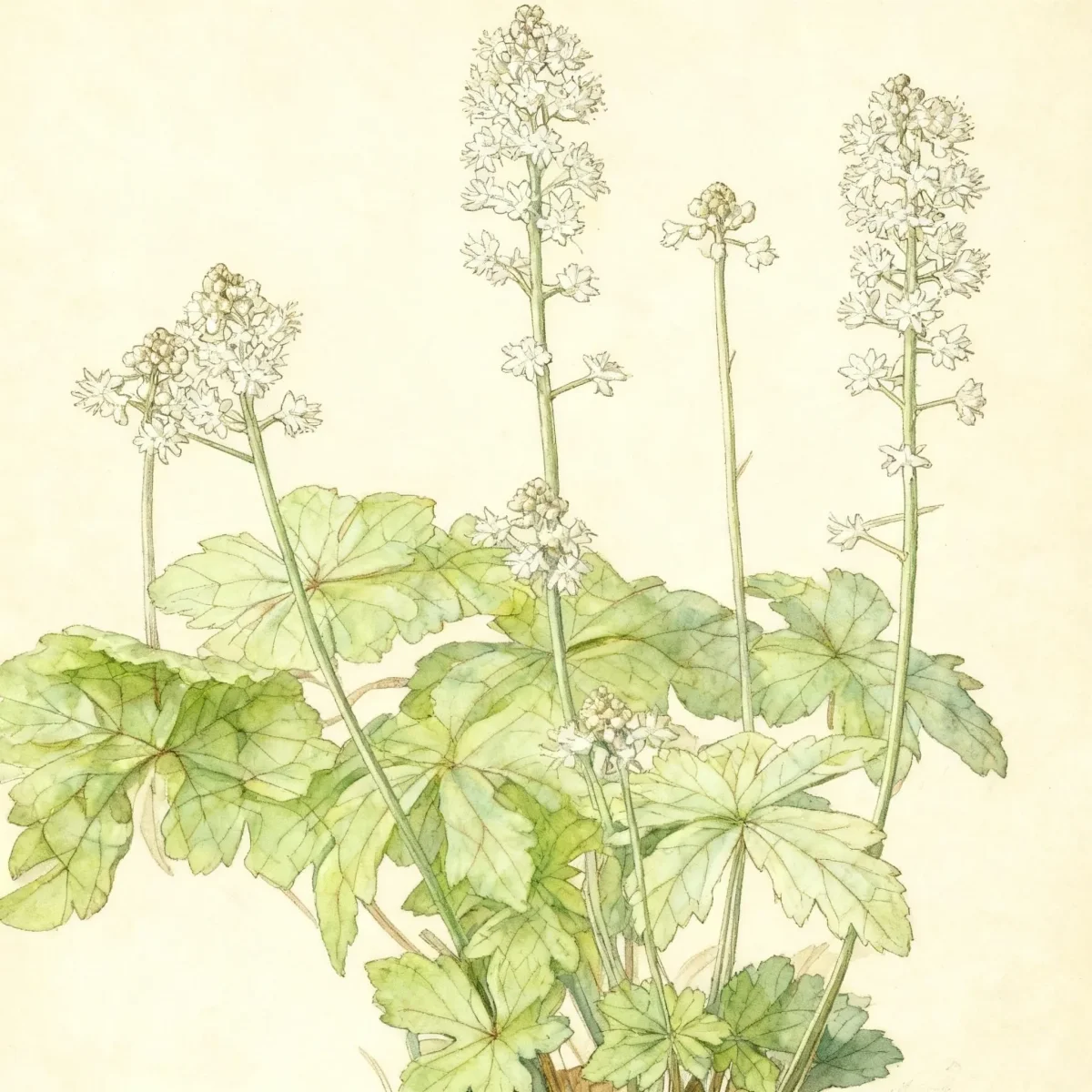
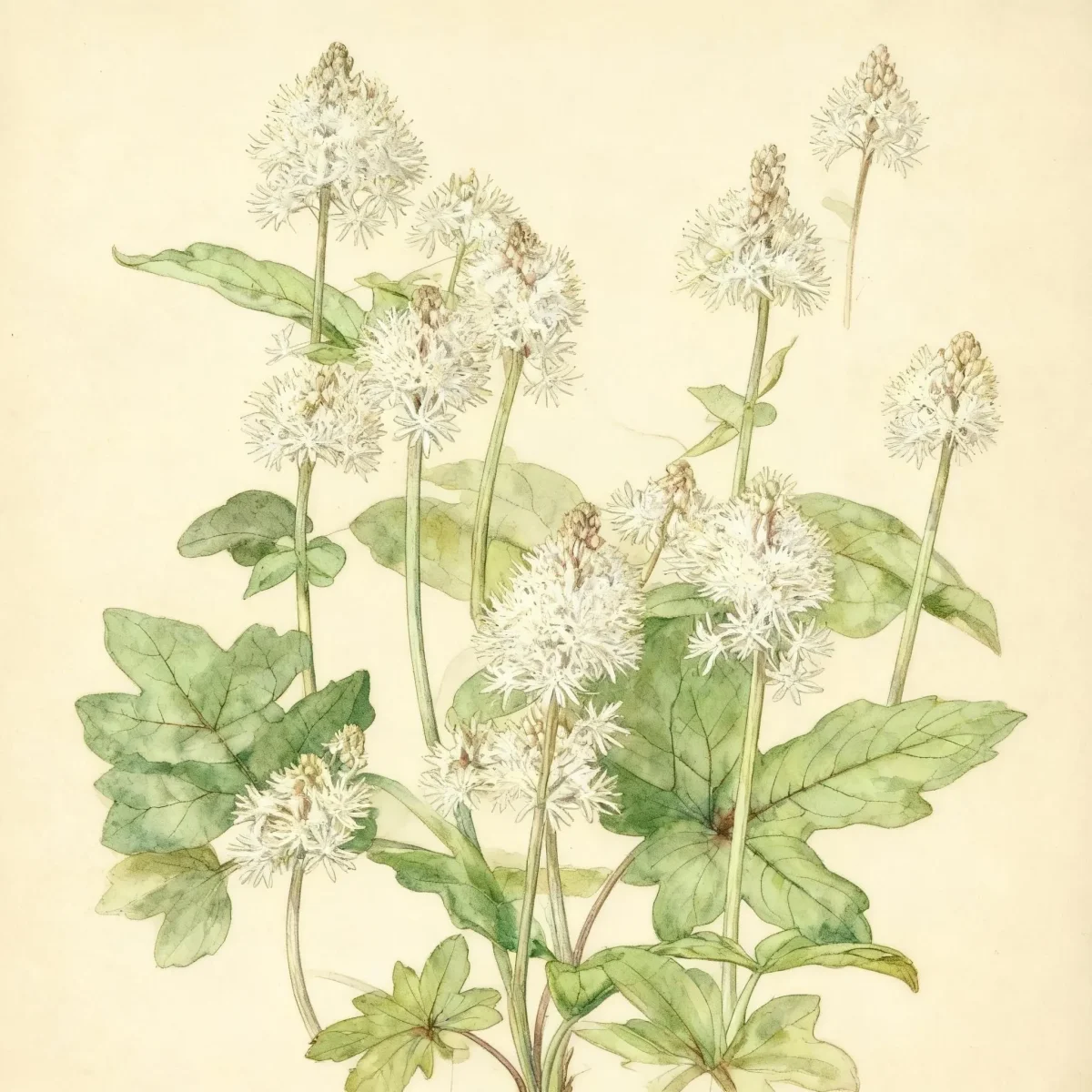
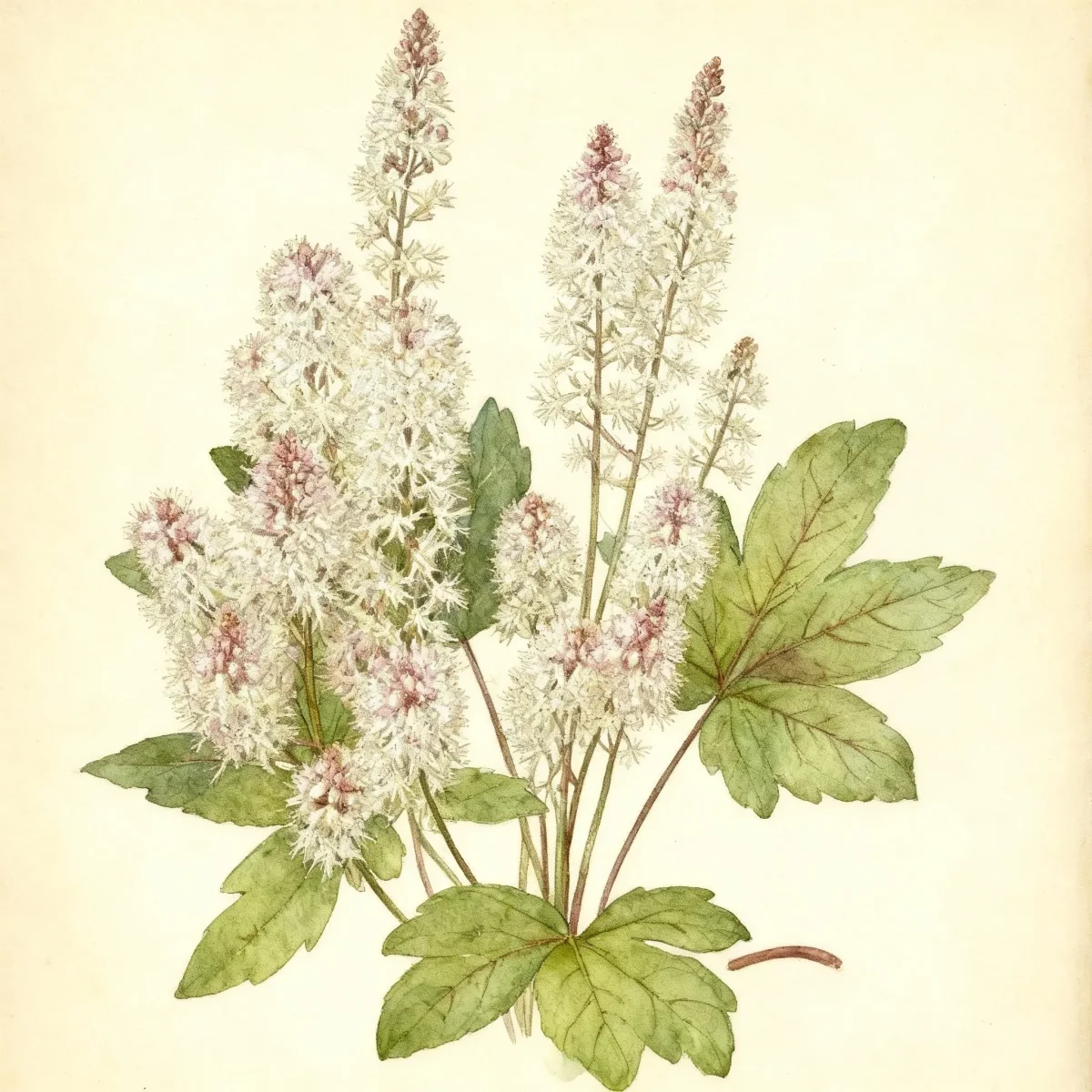
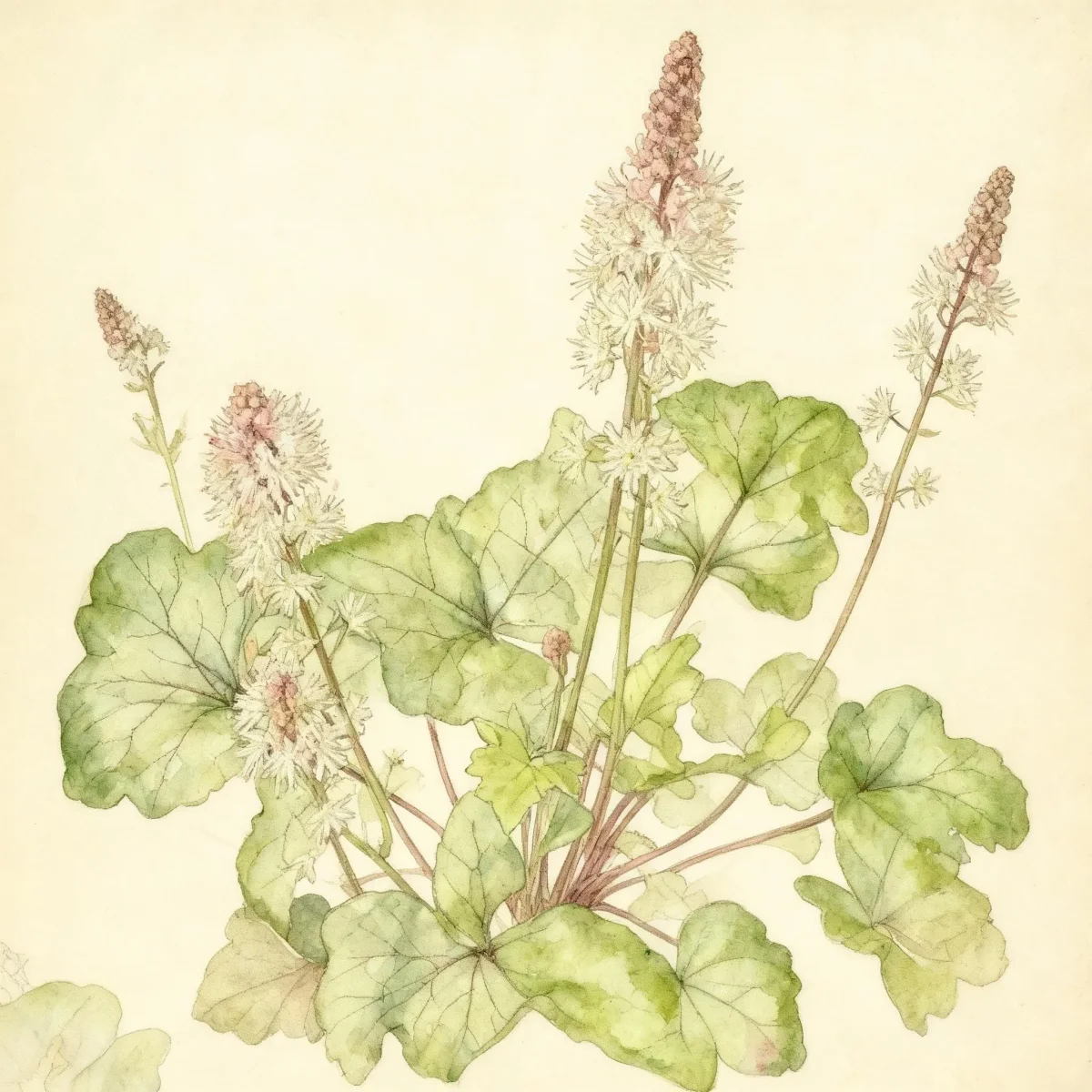
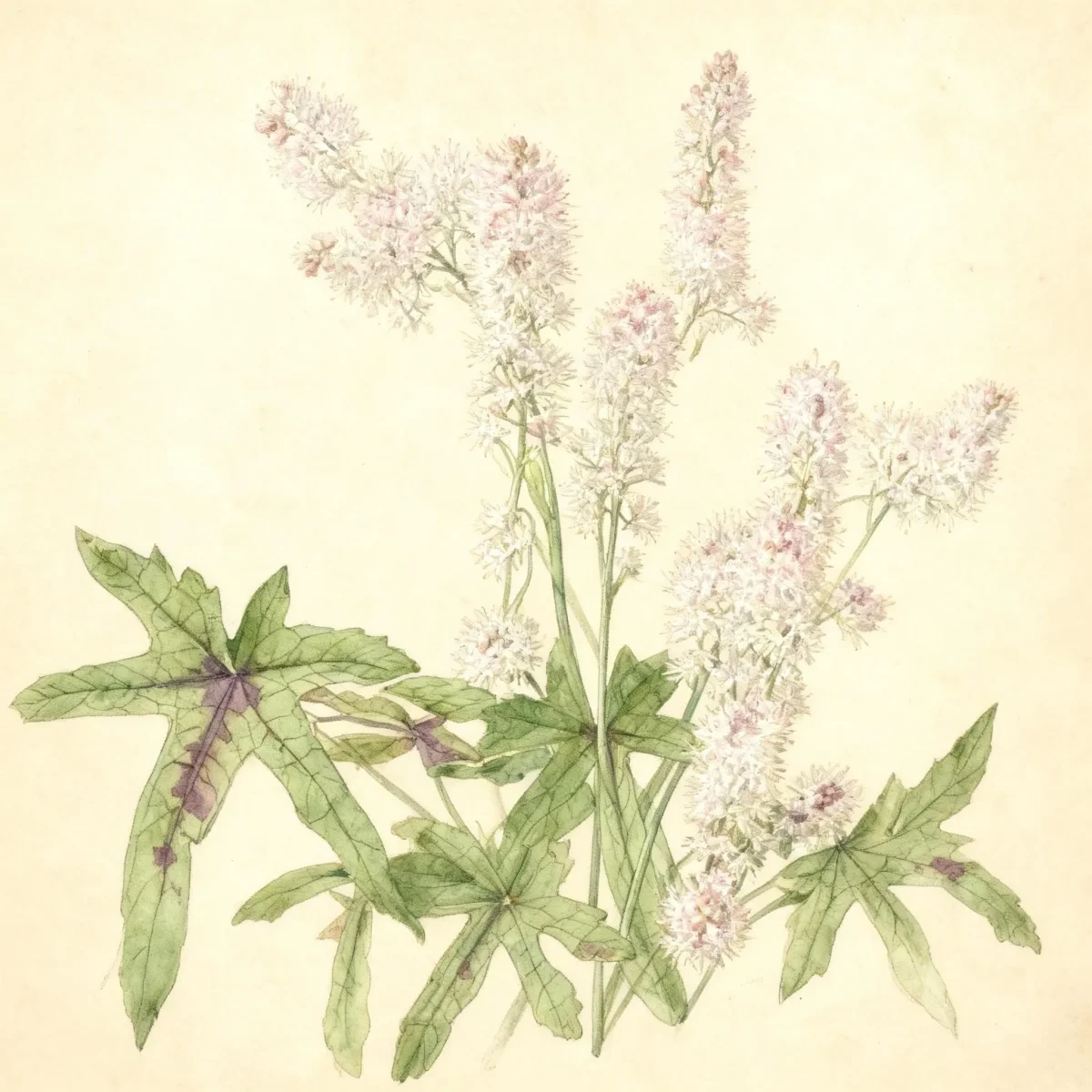
Foam flower (Tiarella 'Filigree Lace')
Tiarella 'Filigree Lace'—Foam flower—is a low-maintenance perennial perfect for shady woodland gardens, prized for lacy foliage and airy white-to-pink blooms.
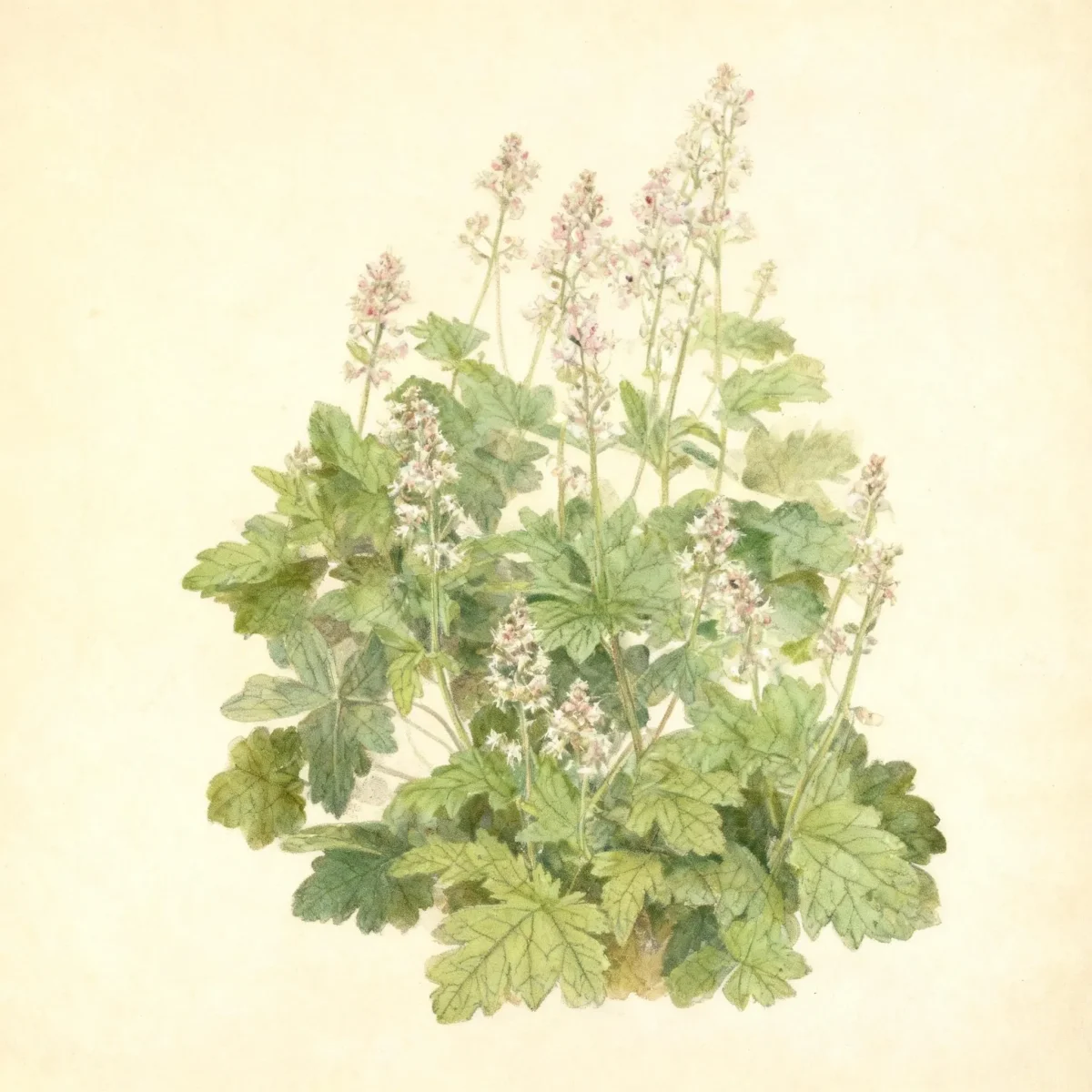

Bloom Boldly, No Matter the Season - Sweatshirt
Cozy organic cotton sweatshirt featuring our exclusive Purple Coneflower design. Perfect for gardeners who bloom year-round.
Inspired by the beautiful Foam flower
Limited first batch (50) — join the waitlist for early access
Waitlist closes Feb 15, 2026.
Complete Plant Information
Field Guide Continues
Ready for care notes, companion picks, and planting tips?
The map is just the start. The full guide below covers growth habits, seasonal performance, and landscape uses.
Overview
Tiarella ‘Filigree Lace’ brings delicate texture and ethereal springtime color to deeply shaded garden spaces. This herbaceous perennial, commonly known as Foam flower, is highly valued for its finely cut, semi-evergreen foliage that offers interest even outside the bloom season. As a hybrid cultivar, it provides the best attributes of its parents in a manageable, clump-forming habit perfect for woodland settings.
The striking feature of Tiarella ‘Filigree Lace’ is its airy display of flowers held aloft on thin stems in May. These white to pink blooms create a cloud-like effect, softening the edges of shady borders. Its low-maintenance nature and ability to thrive where few other plants succeed make the Foam flower an essential component for shade garden design.
Gardeners appreciate this plant for its dependable performance and its resemblance to related woodland dwellers like Heuchera. Successfully cultivating Tiarella ‘Filigree Lace’ relies on providing consistent moisture and rich, well-drained soil, ensuring this beautiful ground cover continues to fill in shaded areas year after year.
Fast Facts
- Plant Family: Saxifragaceae
- Plant Type: Herbaceous perennial
- Hardiness Zones: USDA Zones 5-8
- Size at Maturity:
- Height: 1-1.5 ft
- Spread: 1.5-2 ft
- Bloom Time: May
- Bloom Description: White to pink
- Sun Exposure: Part shade to full shade
- Water Needs: Medium
- Maintenance Level: Low
How to Grow
The optimal time to plant Tiarella ‘Filigree Lace’ is during the spring or fall to allow it to establish roots before temperature extremes. Locate your Foam flower in areas receiving part shade to full shade, mimicking its preferred woodland environment. This plant thrives in humusy, organically rich, and moisture-retentive soils that drain well.
Maintain consistent moisture levels; the soil should not be allowed to dry out, especially during active growth periods. Conversely, avoid overly wet soils, which can lead to fatal rot, particularly during the winter months. While it thrives in rich soil, fertilization is generally not critical if the soil structure is adequate.
For an improved appearance of the foliage mound after flowering, you can remove the spent flower spikes. In regions with colder winters, the foliage may lose some color or quantity, depending on the severity of freezing temperatures; however, it remains semi-evergreen in milder climates. Proper soil drainage is the single most important cultural key for long-term success with Tiarella ‘Filigree Lace’.
Landscape Uses
Tiarella ‘Filigree Lace’ excels as a premier ground cover, quickly forming dense, attractive mats in shaded locations. Its spreading nature makes it ideal for naturalizing under mature trees or along shaded slopes where lawn grass struggles. Consider mass planting the Foam flower along the front of woodland borders to provide a textural contrast against larger shrubs.
These perennials are excellent choices for moist areas adjacent to streams, ponds, or bog gardens, provided waterlogging is avoided. They also perform beautifully when tucked into shaded rock gardens, adding delicate texture among stones. While primarily used as a perennial carpet, Tiarella ‘Filigree Lace’ also offers charming seasonal color when featured in containers, provided those containers receive consistent watering.
Standout Features
Flower Qualities
- Showy
Noteworthy Characteristics
Tiarella is a genus of about 7 species of herbaceous perennials from East Asia and North America, often making excellent ground covers in woodland gardens. ‘Filigree Lace’ foamflower cultivar is a hybrid between T. Cordifolia and T. Trifoliata, resulting in a clump-forming perennial less prone to aggressive spreading than some relatives. Tiny, white flowers appear in airy racemes in spring on wiry stems that rise well above the foliage, showcasing attractive, lobed leaves with lacy margins.
Tolerances
- Deer
Potential Problems
Tiarella ‘Filigree Lace’ is generally resilient, experiencing no serious insect or disease issues under ideal conditions. Gardeners should remain vigilant for powdery mildew, which can develop if air circulation is poor or humidity is consistently high. The plant is susceptible to damage from root weevils and slugs, requiring monitoring, particularly when newly planted or during damp weather.
Management for slugs involves using baits or traps, while ensuring the foliage mound does not sit in stagnant, overly wet soil can help mitigate fungal issues like powdery mildew. Generally, avoiding overly stressful, dry conditions will keep the Foam flower vigorous enough to resist most common pests.
Frequently Asked Questions
What hardiness zones is Foam flower suitable for?
Tiarella ‘Filigree Lace’ is reliably hardy in USDA Zones 5 through 8.
How large does Tiarella ‘Filigree Lace’ grow?
This perennial typically reaches a mature height between 1 and 1.5 feet tall, spreading to a width of 1.5 to 2 feet wide.
When does Tiarella ‘Filigree Lace’ bloom?
The Foam flower presents its airy blooms in May, typically displaying colors ranging from white to soft pink.
What sun exposure does Tiarella ‘Filigree Lace’ need?
The best growing conditions for this plant involve part shade to full shade exposure, mimicking a woodland setting.
Conclusion
Tiarella ‘Filigree Lace’ provides invaluable texture and delicate, airy blooms essential for brightening the darkest corners of your landscape. Its low maintenance requirements and tolerance for shade make the Foam flower a dependable workhorse for ground coverage. Before planting, confirm your garden falls within USDA Zones 5-8 and ensure you can meet its need for consistently moist, rich soil.
Companion Planting
When designing a woodland garden around Tiarella ‘Filigree Lace’, select companions that share similar needs for moisture, shade, and rich soil. Hostas with broad, contrasting foliage make excellent partners, emphasizing the fine texture of the Foam flower. Astilbe cultivars provide vertical color late in the season, complementing the spring display of the Tiarella. Consider Brunnera for its silver foliage and blue flowers, creating a rich tapestry of textures under deciduous trees.
Seasonal Care Calendar
Early Spring: As new growth emerges, lightly top-dress the area around Tiarella ‘Filigree Lace’ with compost to refresh the organic matter. Ensure soil moisture is adequate as temperatures rise.
Late Spring/Early Summer: Monitor the white to pink flowers; deadheading spent blooms will improve the overall appearance of the foliage mound throughout summer. Keep an eye out for emerging slugs.
Fall: In colder zones, ensure soil moisture remains consistent until the ground freezes. In milder areas, the evergreen foliage of the Foam flower will lend structure to your winter garden. Clean up any dead leaf debris from surrounding areas to improve airflow around the base of the plants.