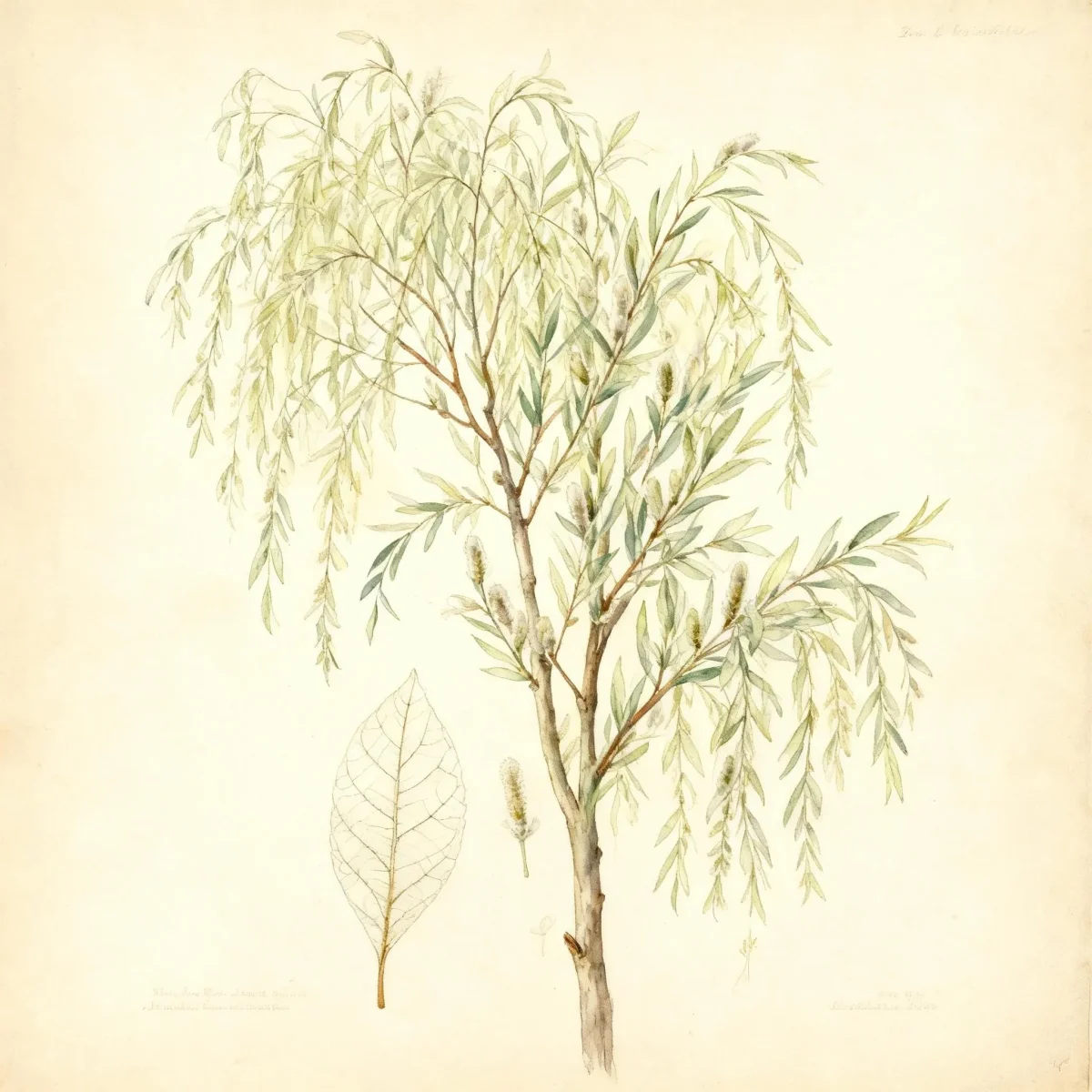
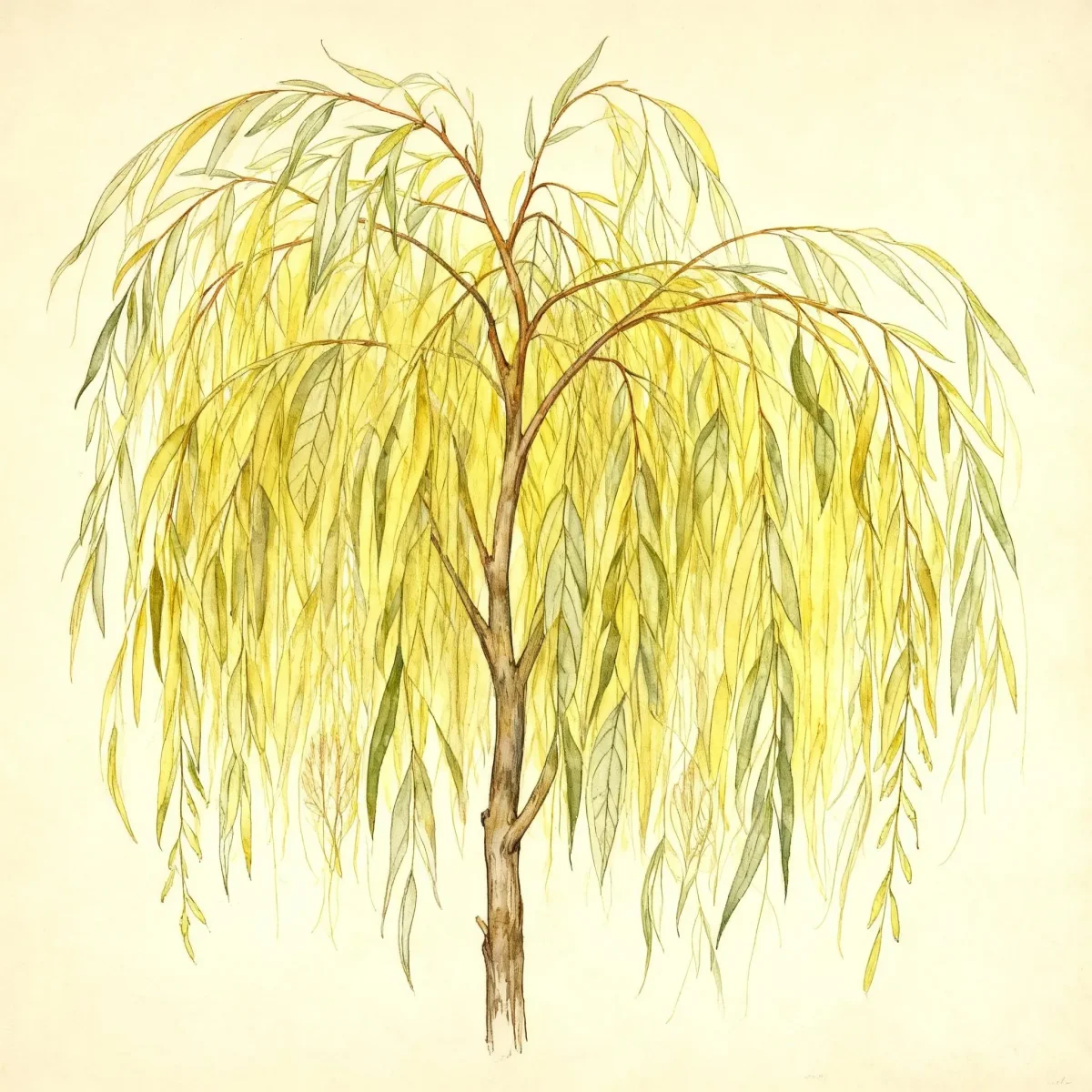
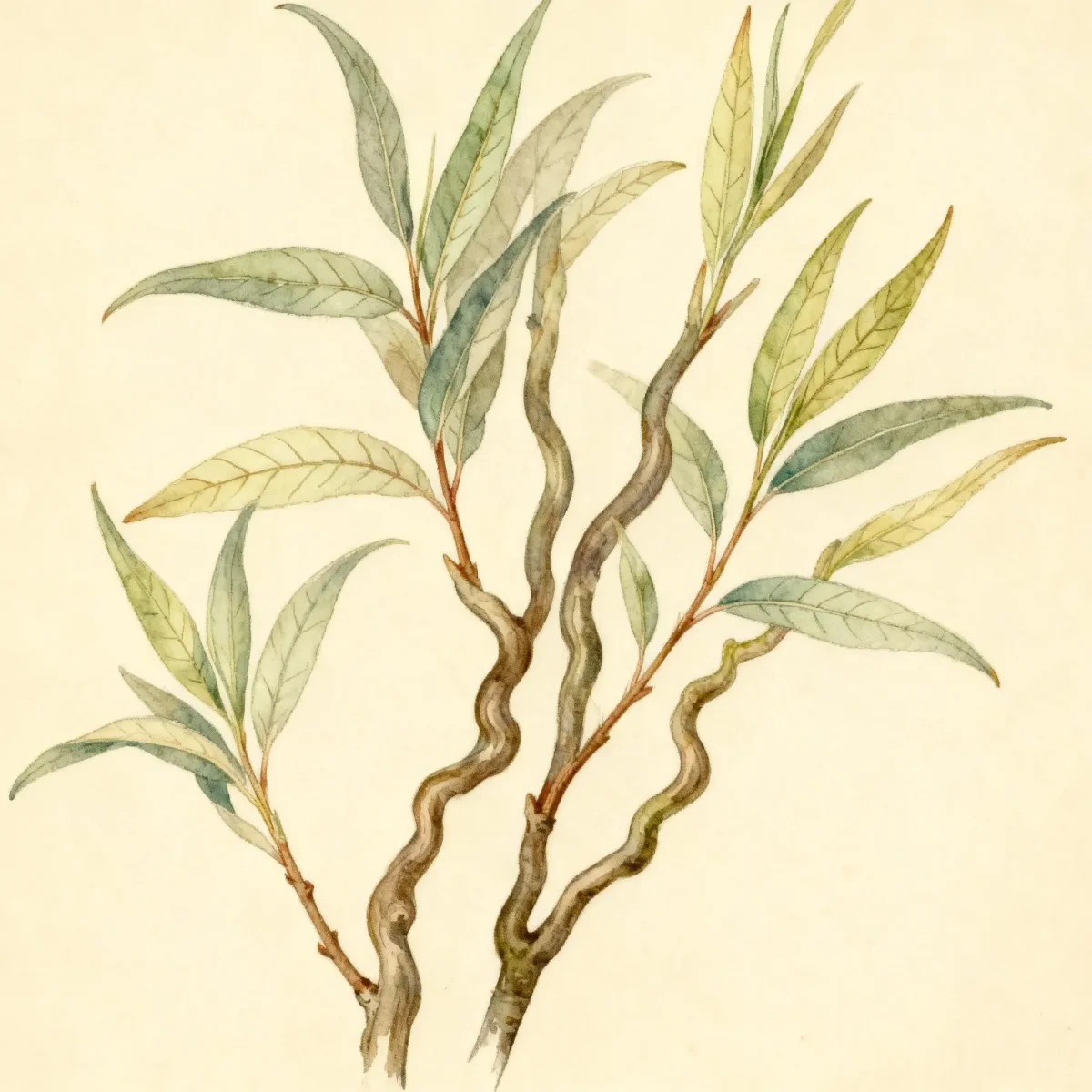
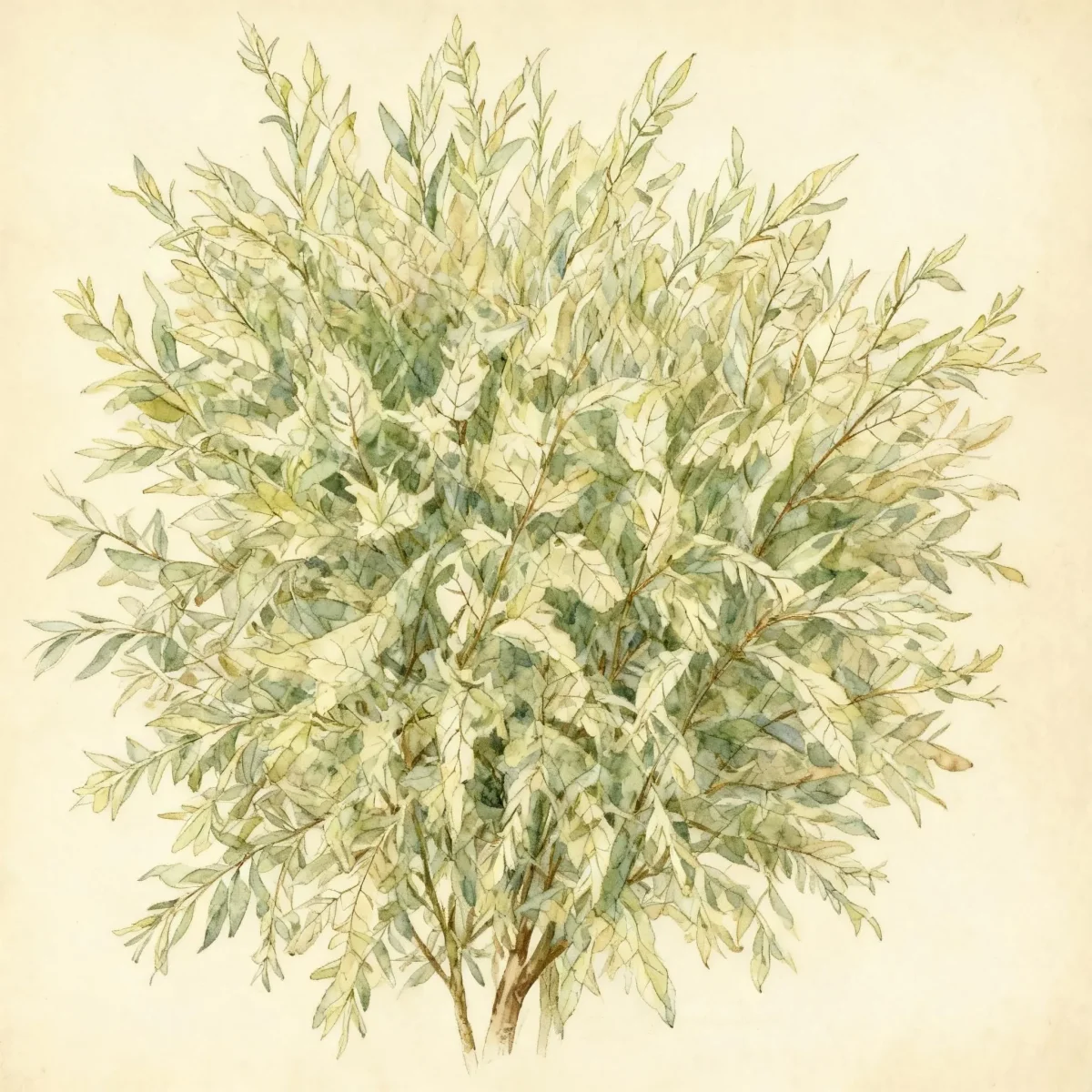
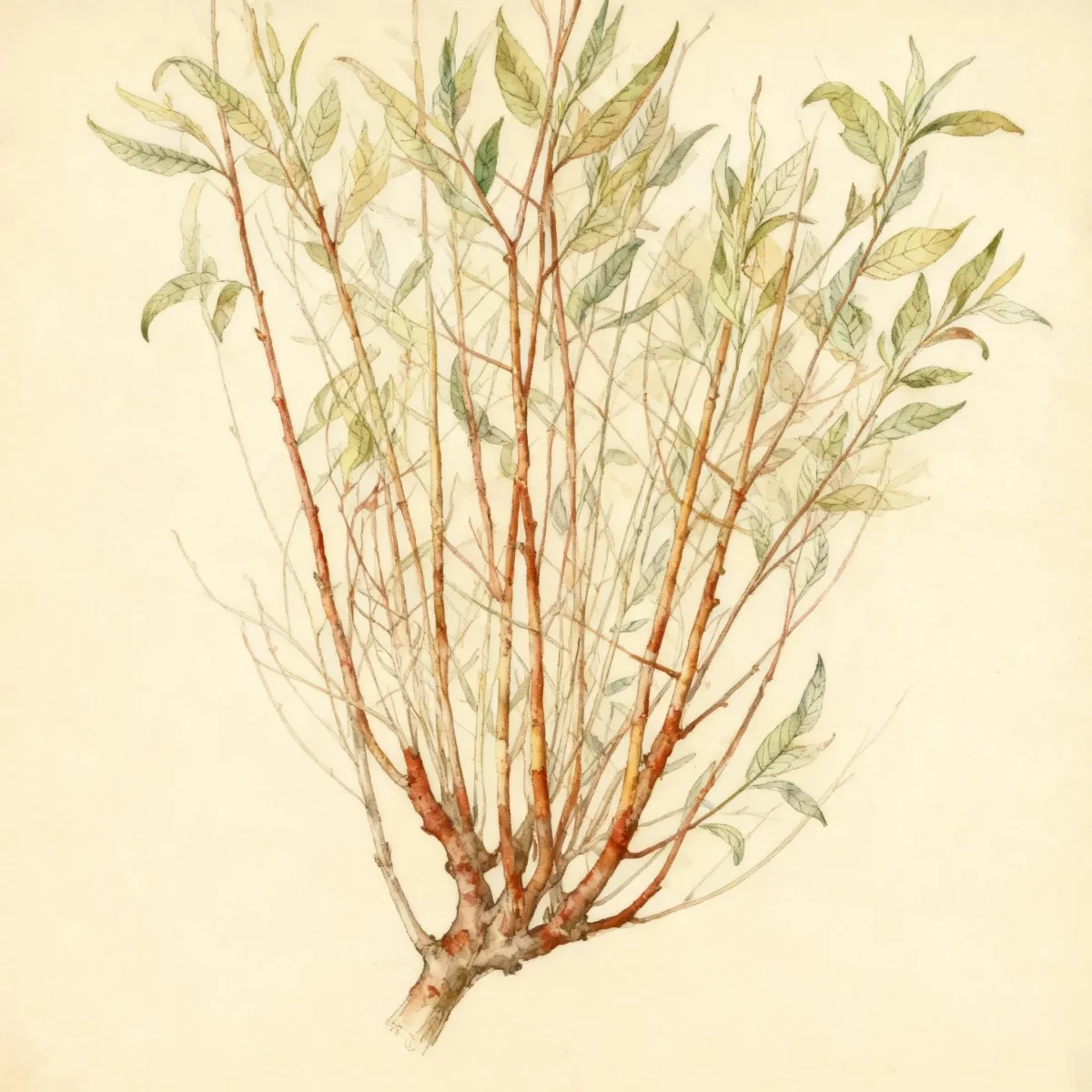
Coral bark willow (Salix alba subsp. Vitellina 'Britzensis')
Vibrant Coral bark willow, Salix alba subsp. vitellina 'Britzensis', offers spectacular red winter stems. A fast-growing specimen excellent for wet sites.

Bloom Boldly, No Matter the Season - Sweatshirt
Cozy organic cotton sweatshirt featuring our exclusive Purple Coneflower design. Perfect for gardeners who bloom year-round.
Inspired by the beautiful Coral bark willow
Limited first batch (50) — join the waitlist for early access
Waitlist closes Feb 15, 2026.
Complete Plant Information
Field Guide Continues
Ready for care notes, companion picks, and planting tips?
The map is just the start. The full guide below covers growth habits, seasonal performance, and landscape uses.
Overview
The stunning Coral bark willow (Salix alba subsp. vitellina ‘Britzensis’) is highly prized not for its flowers, but for its brilliant winter foliage display—namely, its fiery red to orange-red new stems. This vibrant coloring provides critical visual interest in the coldest months when most other landscape plants remain dormant. As an upright, fast-growing deciduous specimen, this cultivar is well-suited for large landscapes needing rapid screening or structure.
While Salix alba subsp. Vitellina ‘Britzensis’ can mature into a sizable tree, it is often aggressively pruned (pollarded or coppiced) to maximize the density and intensity of the brightly colored young wood. This high-maintenance approach ensures gardeners reap the full ornamental benefit of their Coral bark willow. Furthermore, this species thrives reliably in moist environments where many other trees struggle, making it foundational for boggy areas or rain gardens.
For gardeners prioritizing dynamic seasonal interest and adaptability to challenging, wet soils, Salix alba subsp. vitellina ‘Britzensis’ is an exceptional choice. Its rapid establishment rate allows it to quickly contribute structure, shelter, and brilliant contrasting texture to the winter garden composition.
Fast Facts
- Plant Family: Salicaceae
- Plant Type: Tree
- Hardiness Zones: USDA Zones 4-8
- Size at Maturity:
- Height: 15-80 ft
- Spread: 10-50 ft
- Bloom Time: April to May
- Bloom Description: Yellowish-white to brown
- Sun Exposure: Full sun to part shade
- Water Needs: Medium to wet
- Maintenance Level: High
How to Grow
Planting Salix alba subsp. vitellina ‘Britzensis’ should occur when dormant, typically in early spring or late fall, ensuring the roots have time to establish before the summer heat. This plant aggressively seeks moisture; locate it in average, medium to wet, well-drained soils. Full sun exposure is vital to achieving the most intense coral coloration on the stems, though it tolerates light afternoon shade.
Consistent watering is necessary, especially during the first few seasons, as the Coral bark willow is naturally drawn to moist environments. While it tolerates wet soil well, ensure the planting site does not become completely stagnant, as overly saturated permanent standing water can sometimes cause issues. Fertilizing is rarely required due to its naturally rapid growth rate; focus management efforts instead on its unique pruning needs.
Maintenance is considered high primarily because of the pruning required to showcase the winter stems. Each late winter, cut back the branches heavily—often back to 1 foot from the ground (coppicing) or selectively pollarding—to stimulate a high volume of brightly colored new growth for the subsequent season. Failure to prune heavily will result in a larger tree with less noticeable stem color.
Landscape Uses
The primary appeal of Salix alba subsp. vitellina ‘Britzensis’ lies in its ability to thrive where water lingers, making it an outstanding choice for rain gardens or alongside ponds and streams. As a flowering tree, it offers early spring structure, contrasting beautifully with later-blooming shrubs. When grown multistemmed and coppiced, these fast-growing plants create an effective informal screen or can anchor shrub borders.
For dramatic effect, mix this cultivar with its counterpart, Salix alba var. Vitellina (golden willow), to create a dynamic juxtaposition of red and yellow stems throughout the winter landscape. If maintaining the specimen as a tree, pollarding branches annually highlights the structural beauty and intense color patterns close to eye level. This adaptability secures its place as a versatile accent plant.
Because of its tolerance to various tough conditions, integrating the Coral bark willow into low-lying areas of the property where other plantings falter provides reliable seasonal interest. Its value extends beyond aesthetics, as its aggressive roots can also be beneficial for stabilizing eroding embankments along banks or ditches.
Standout Features
Flower Qualities
- Showy
Noteworthy Characteristics
Salix alba, commonly called white willow, is native to Europe, central Asia and northern Africa. This is an upright, fast-growing, deciduous tree with erect branching that typically forms a broad, loose, open crown. ‘Britzensis’ is an all-male cultivar most noted for its new growth stems turning red to orange-red in winter, which is best maximized by heavy annual pruning. Plants are fast-growing and can usually produce 6-8’ of new growth in one growing season.
Tolerances
- Deer
- Erosion
- Clay Soil
- Wet Soil
- Black Walnut
Potential Problems
Salix alba subsp. vitellina ‘Britzensis’ is susceptible to numerous foliar diseases, blights, and cankers, which can affect the overall health of the canopy. Furthermore, this plant can attract many insect pests, including aphids, scale insects, and borers. Management involves ensuring good air circulation through proper pruning techniques and monitoring plants closely during the growing season for early signs of infestation or disease.
Frequently Asked Questions
What hardiness zones is Coral bark willow suitable for?
The Coral bark willow is suitable for USDA Hardiness Zones 4 through 8.
How large does Coral bark willow grow?
When left unpruned, this tree can reach heights between 15 and 80 feet, with a spread often ranging from 10 to 50 feet wide.
What sun exposure does Salix alba subsp. vitellina ‘Britzensis’ need?
For the best growth and most brilliant stem color, Salix alba subsp. vitellina ‘Britzensis’ requires full sun exposure, although it can tolerate part shade conditions.
When does Coral bark willow bloom?
Bloom time occurs from April to May, producing yellowish-white to brown catkins.
Conclusion
The dazzling winter color provided by the stems of Coral bark willow (Salix alba subsp. vitellina ‘Britzensis’) makes the high maintenance worthwhile for dedicated gardeners seeking year-round appeal. Its unique ability to thrive in wet soils further expands its utility across diverse landscapes. Always check your local USDA hardiness zone compatibility before planning your planting location this spring.
Companion Planting
Since the Coral bark willow demands ample water and appreciates full sun, companion plants should share similar cultural requirements, especially regarding moisture levels. Grouping it with other moisture-loving specimens like various dogwoods (Cornus sericea cultivars, especially those with colorful winter bark like ‘Cardinal’), or moisture-tolerant perennials helps create a cohesive, visually interesting wet border. Avoid planting drought-tolerant species nearby, as the willow’s need for medium to wet soil will compromise the health of water-wise neighbors.
Seasonal Care Calendar
Spring is the critical time for hard pruning of Salix alba subsp. Vitellina ‘Britzensis’; aim to complete heavy cutting back before new leaf buds swell to encourage the reddest new shoots. During the summer months, focus on monitoring for pests like aphids and treating as necessary, while ensuring soil moisture remains consistent, especially if conditions become dry between spring rains. Fall season requires less active intervention, allowing foliage (typically pale yellow) to drop, preparing the structure for its signature winter show—clean up fallen leaves to reduce fungal overwintering sites.